India's monuments come up in the exam as who built what, in which style, and where. This page covers the three temple styles (Nagara, Dravida, Vesara) and their parts, Buddhist stupas and rock-cut caves, the great temples of Hampi and the south, and the Indo-Islamic and Mughal monuments and forts. Keep the builder, place and style together for each famous structure — that is exactly how the questions are framed.
Temple architecture styles
Nagara, Dravida and Vesara — and the words for each part.
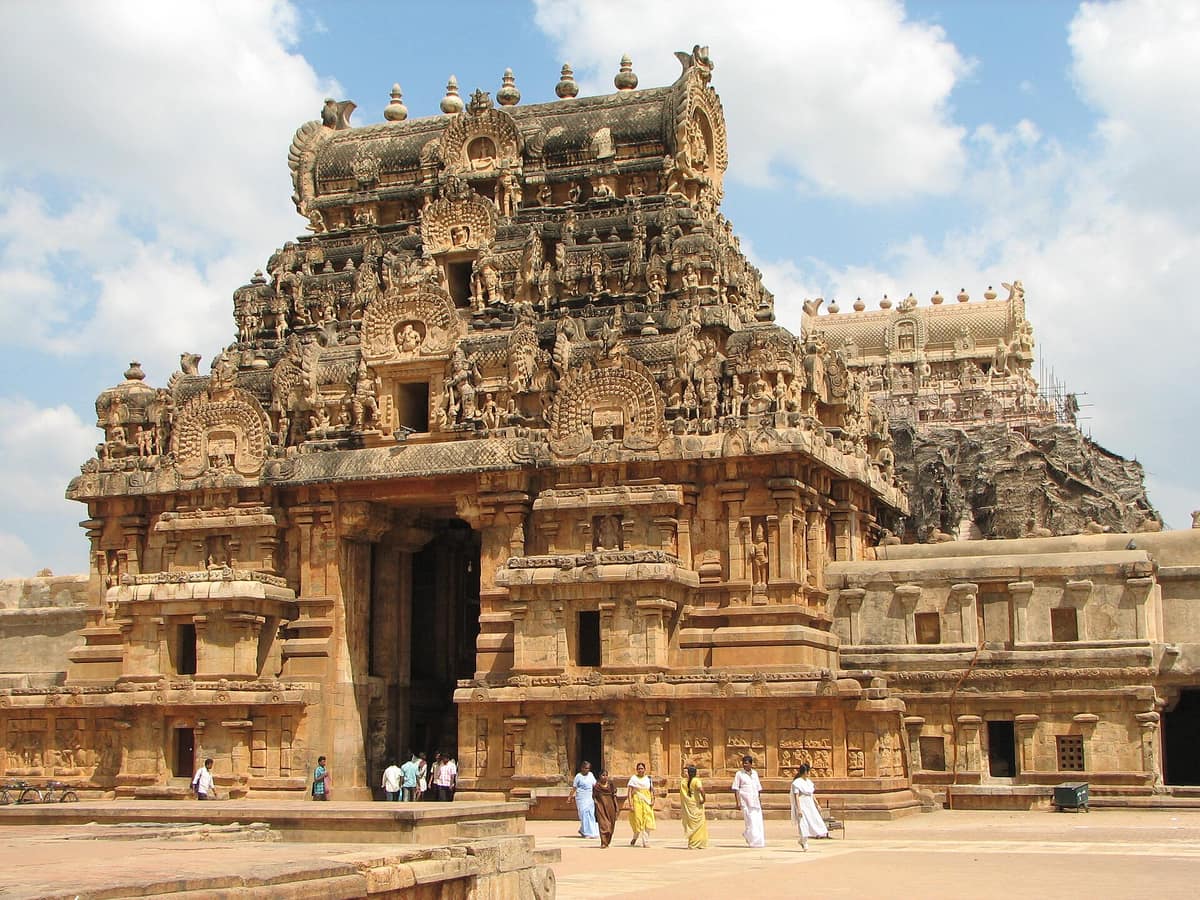
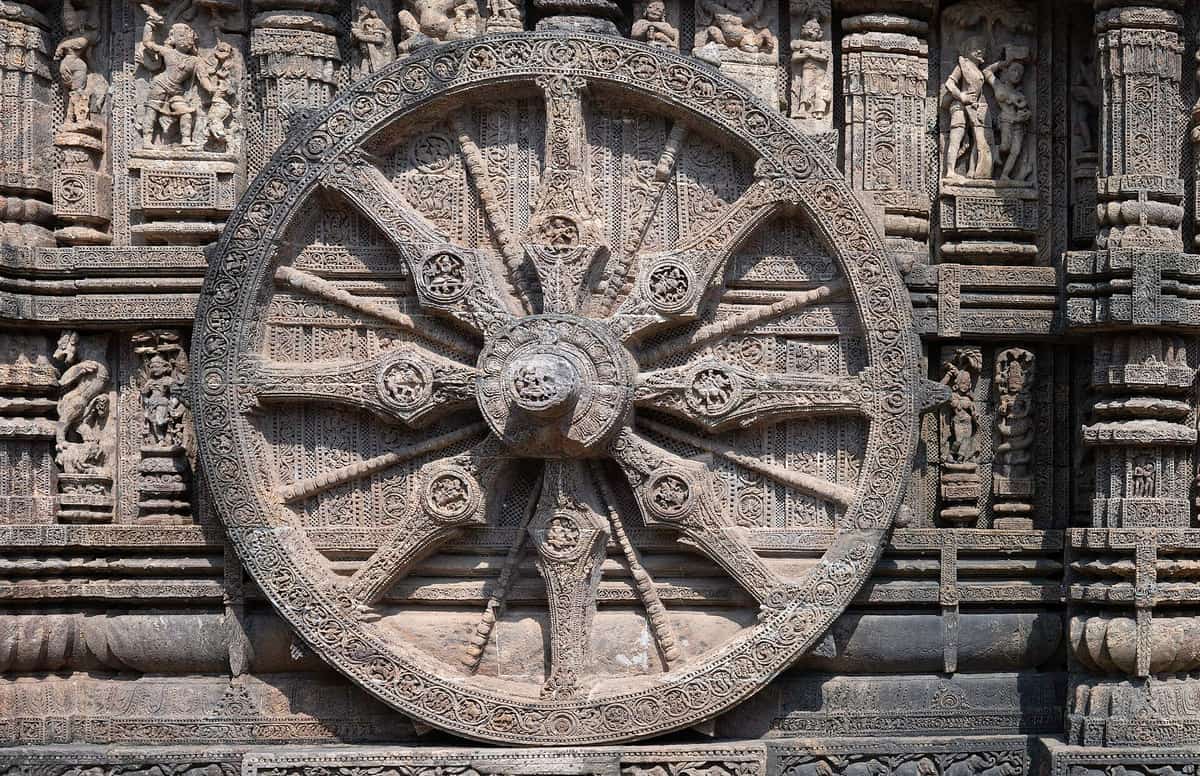
| Style | Region | Key feature |
|---|---|---|
| Nagara | North India | Curving tower (shikhara) |
| Dravida | South India | Vimana over sanctum + gopuram gateway |
| Vesara | Deccan | A mix of Nagara and Dravida |
Stupas, rock-cut caves and Hampi
Buddhist architecture and India's great cave and ruin sites.
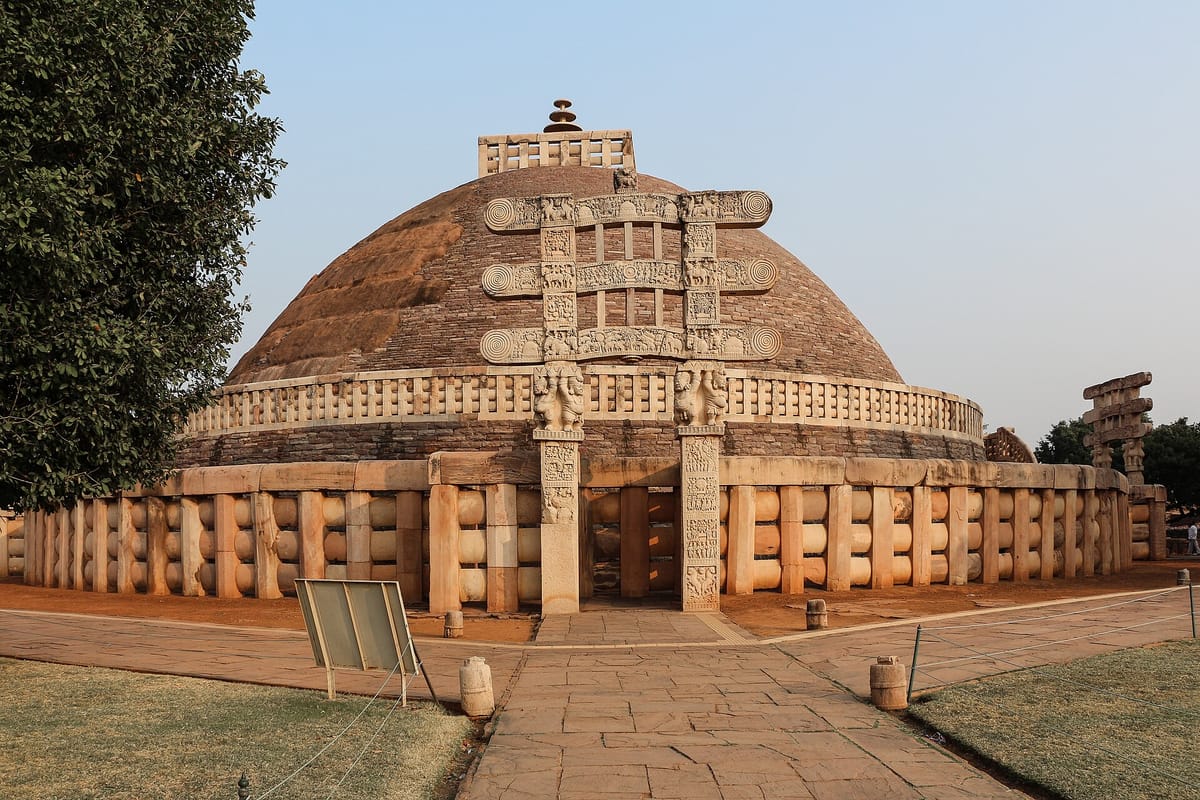
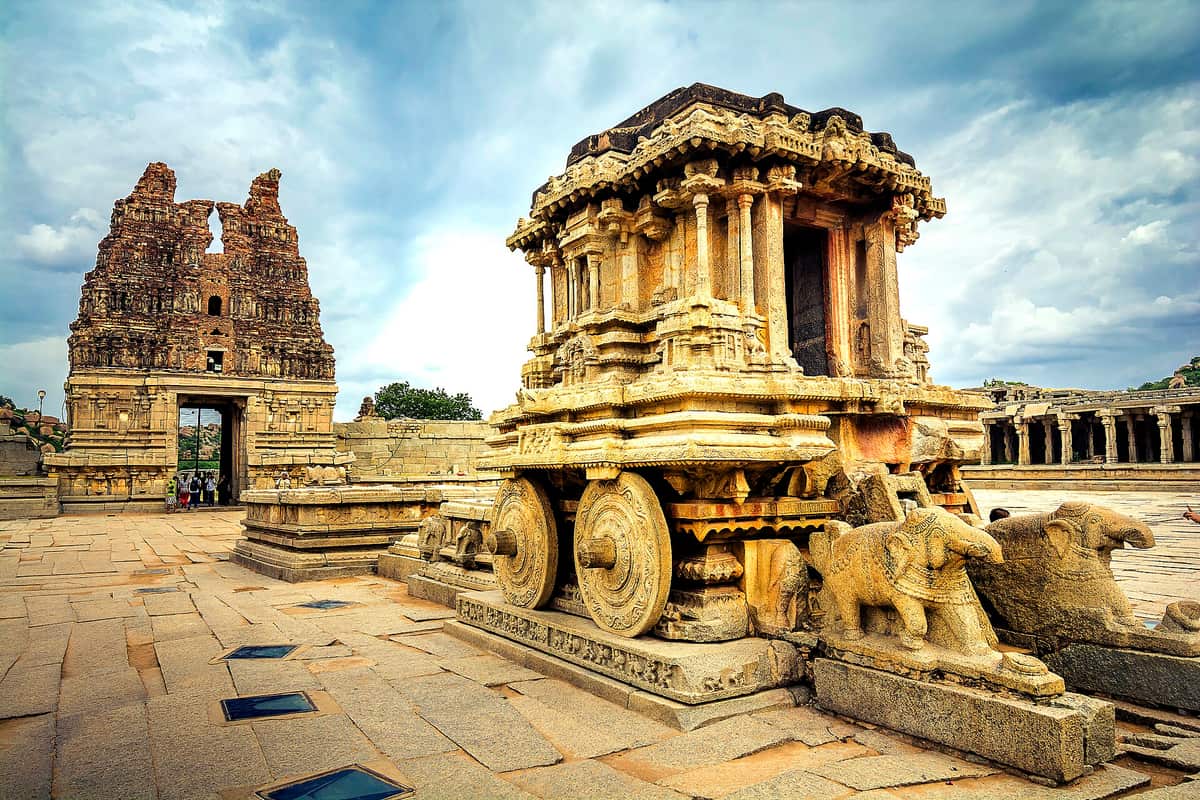
| Site / term | Remember |
|---|---|
| Stupa parts | Anda (dome), Harmika (top railing), Chhatra (umbrella), Torana (gateway) |
| Sanchi Stupa | Madhya Pradesh; Mauryan/Ashoka; on ₹200 note |
| Rock-cut caves | Barabar (oldest, Maurya), Ajanta (paintings), Ellora (Kailasa temple) |
| Hampi | Vijayanagara capital, Karnataka; a Hindu centre; UNESCO site |
Indo-Islamic, Mughal monuments and forts
Who built the Taj, the Qutub Minar, the great tombs and forts.
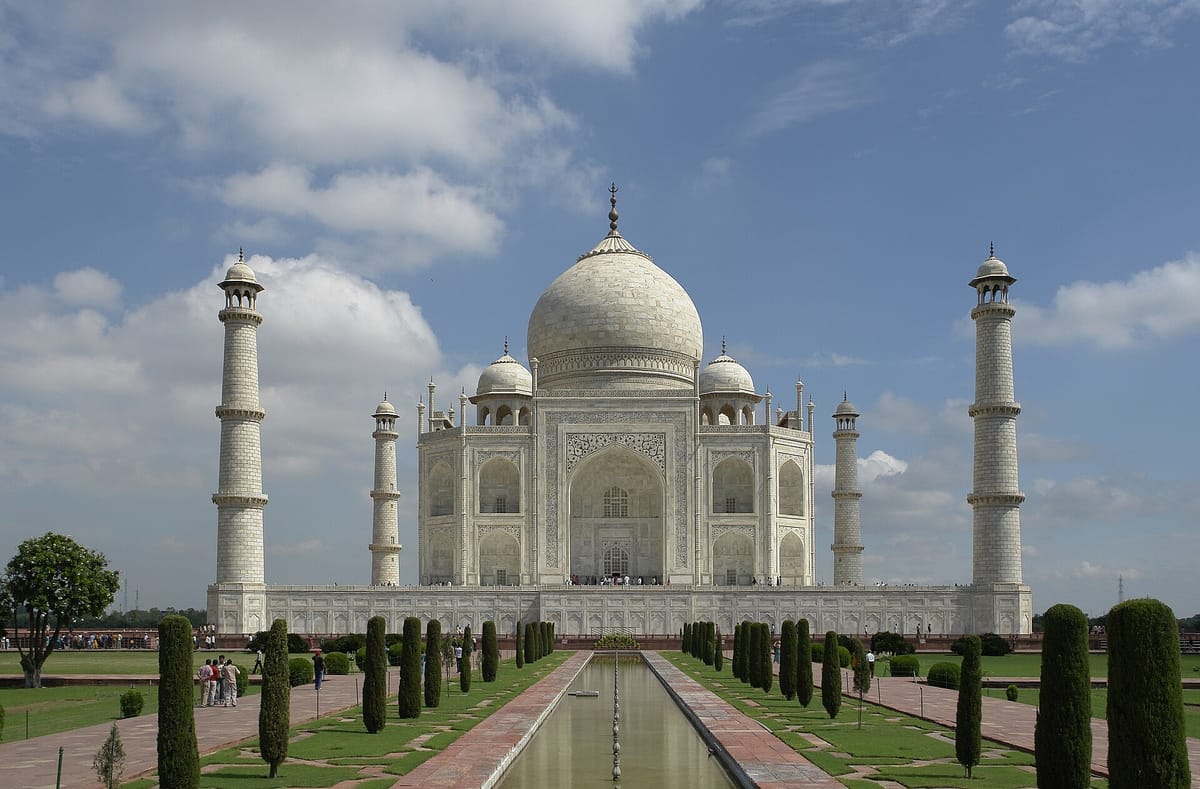
| Monument | Place | Builder / note |
|---|---|---|
| Taj Mahal | Agra | Shah Jahan (for Mumtaz Mahal) |
| Qutub Minar | Delhi | Started by Qutb-ud-din Aibak; finished by Iltutmish |
| Gol Gumbaz | Bijapur (Karnataka) | Tomb of Muhammad Adil Shah |
| Red Fort & Jama Masjid | Delhi | Shah Jahan |
| Hawa Mahal | Jaipur | Sawai Pratap Singh, 1799 |
| Kumbhalgarh Fort | Rajasthan | Rana Kumbha; 2nd longest wall in the world |
- Temple styles: Nagara (north, shikhara), Dravida (south, vimana+gopuram), Vesara (Deccan, mix). Gothic is NOT Indian.
- Harmika = stupa (Buddhist); gopuram/vimana/mandapa/garbhagriha = temple.
- Sanchi Stupa = Mauryan, on the ₹200 note; Barabar = oldest rock-cut caves (Maurya).
- Taj & Red Fort = Shah Jahan; Qutub Minar started by Aibak; Gol Gumbaz = Bijapur; Ibadat Khana = Akbar.
- Kumbhalgarh = 2nd longest wall in the world; Hawa Mahal = Jaipur (1799).
- Three temple styles
- Nagara, Dravida, Vesara
- Sanchi Stupa is on which note
- ₹200 note
- Taj Mahal builder
- Shah Jahan (Agra)
- Qutub Minar started by
- Qutb-ud-din Aibak (Delhi)
- 2nd longest wall in the world
- Kumbhalgarh Fort
- Hampi was the capital of
- Vijayanagara Empire
Match the wrong pair: (a) Taj Mahal – Agra (b) Gol Gumbaz – Bijapur (c) Hawa Mahal – Jaipur (d) Qutub Minar – Hyderabad
Show answer
(d) is wrong. The Qutub Minar is in Delhi, not Hyderabad.