Ancient Indian history runs from the Indus Valley Civilisation (around 2500 BCE) through the Vedic Age, the rise of Magadh, the new religions Jainism and Buddhism, and the two great empires — the Mauryas and the Guptas — plus the southern dynasties. The exam keeps to a fixed set of facts: key sites, founders, capitals, important kings and the travellers and books tied to them. Learn them in that order and the whole period becomes a short list.
The Indus Valley (Harappan) Civilisation
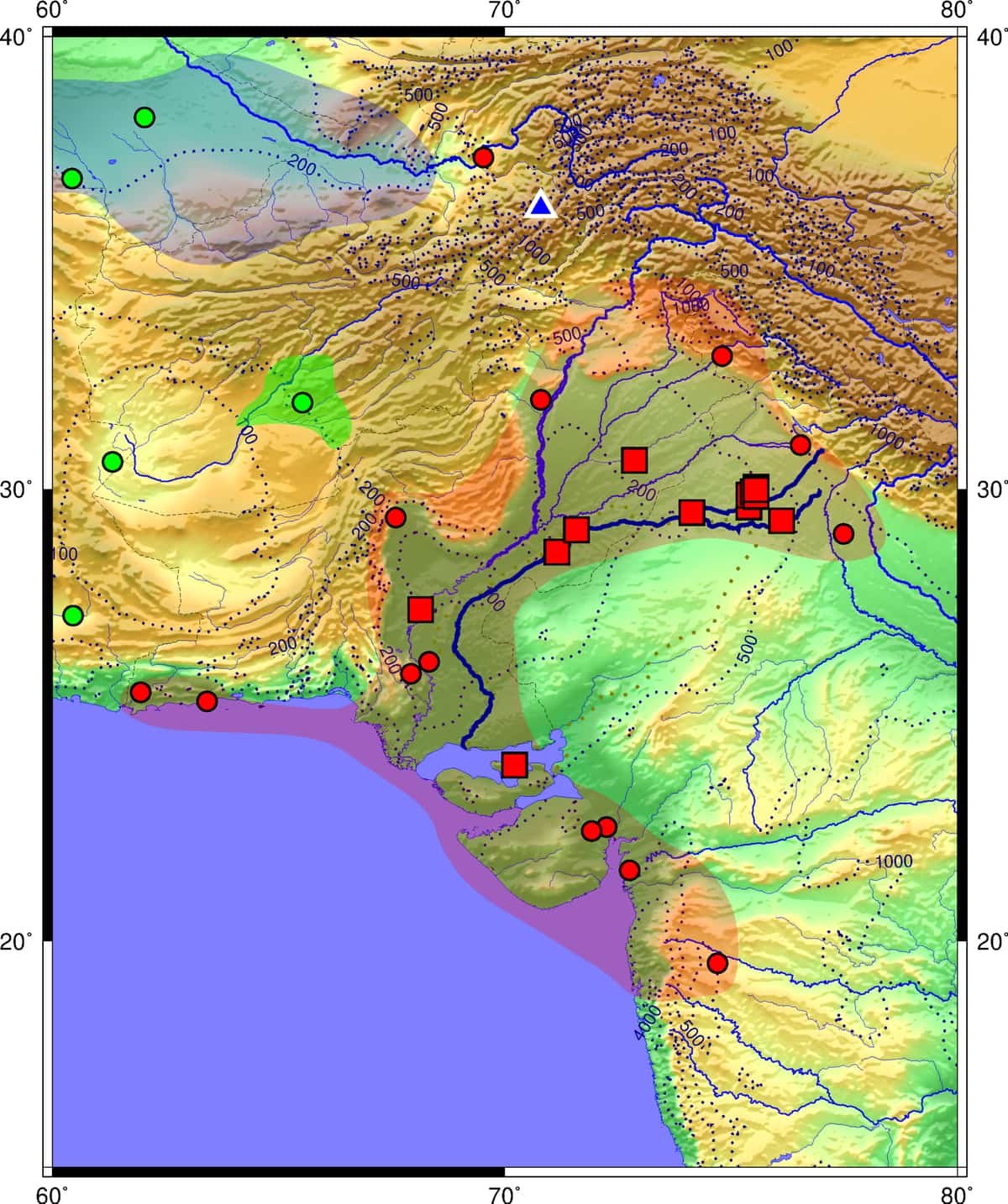
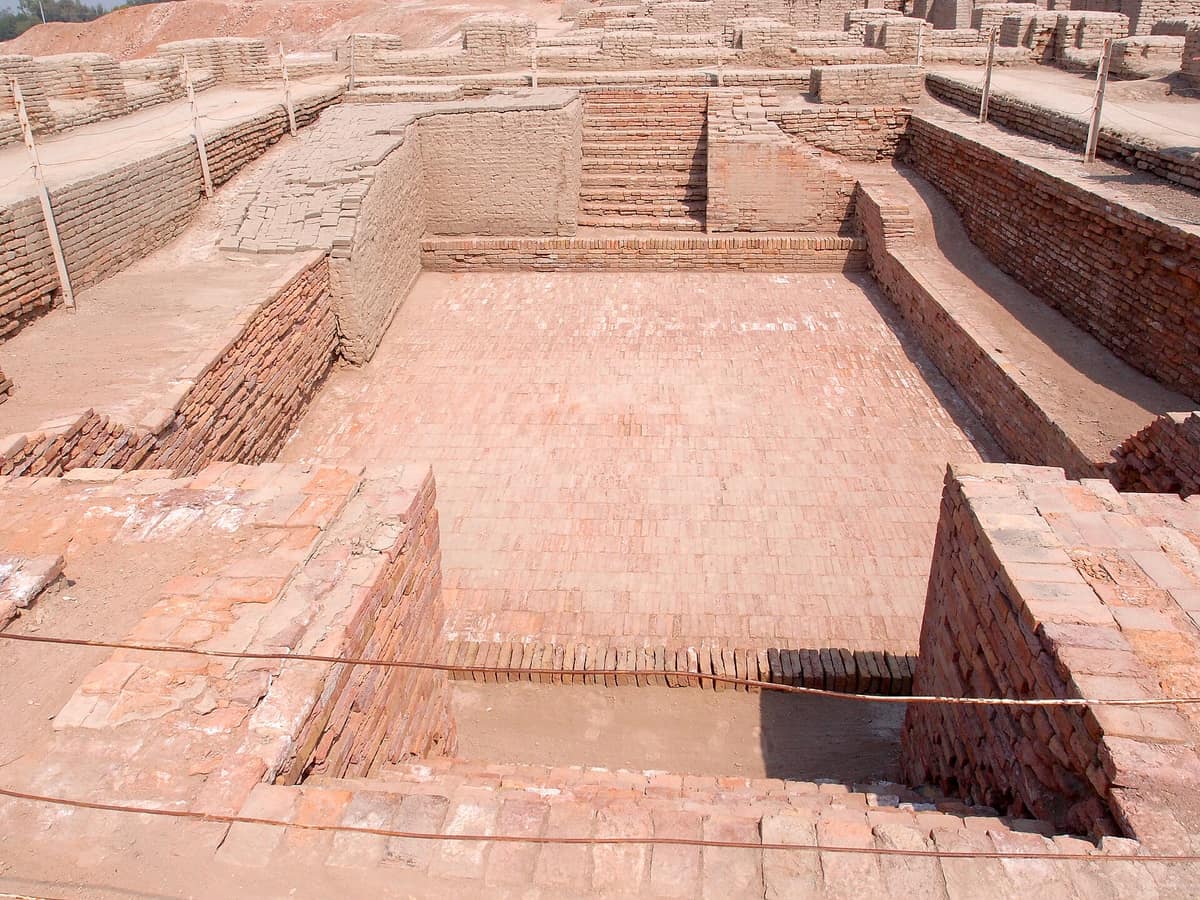
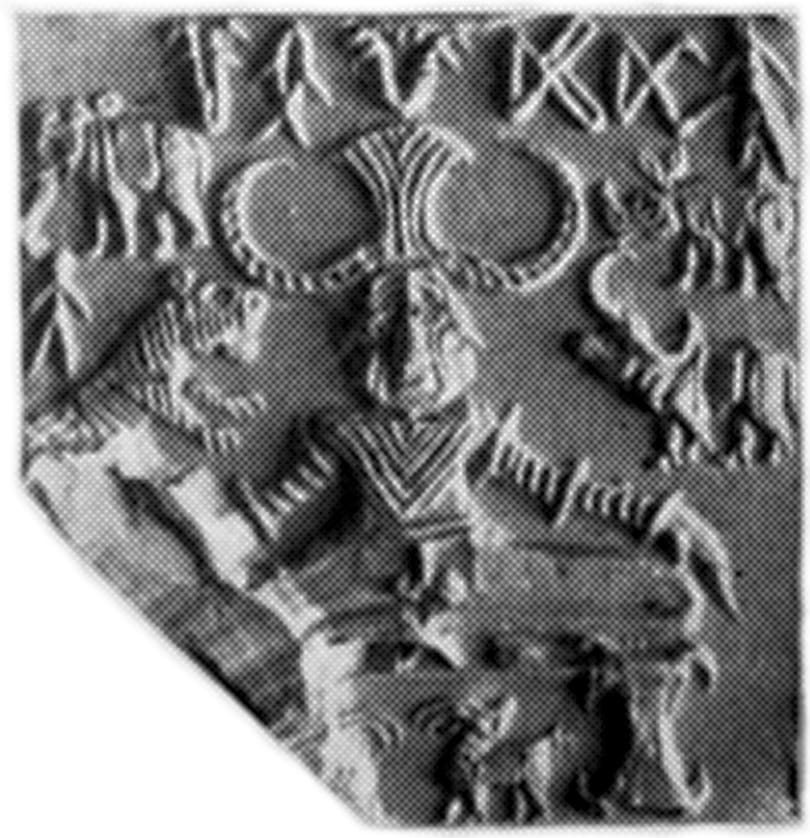
India's first cities: planned, with drains and a Great Bath.
| Site | River / place | Known for |
|---|---|---|
| Harappa | Ravi (Punjab, Pakistan) | First site found (1921) |
| Mohenjo-daro | Indus (Sindh) | Great Bath, Great Granary |
| Dholavira | Gujarat | Water conservation, signboard |
| Lothal | Gujarat | Dockyard (port) |
| Kalibangan | Rajasthan | Ploughed field, fire altars |
| Rakhigarhi | Haryana | Largest site in India |
The Vedic Age
The Aryans, the Vedas and the rivers of Punjab.
| Vedic (old) name | Modern river |
|---|---|
| Sindhu | Indus |
| Vitasta | Jhelum |
| Asikni | Chenab |
| Parushni | Ravi |
| Vipasha | Beas |
| Shutudri | Sutlej |
Jainism, Buddhism and the rise of Magadh
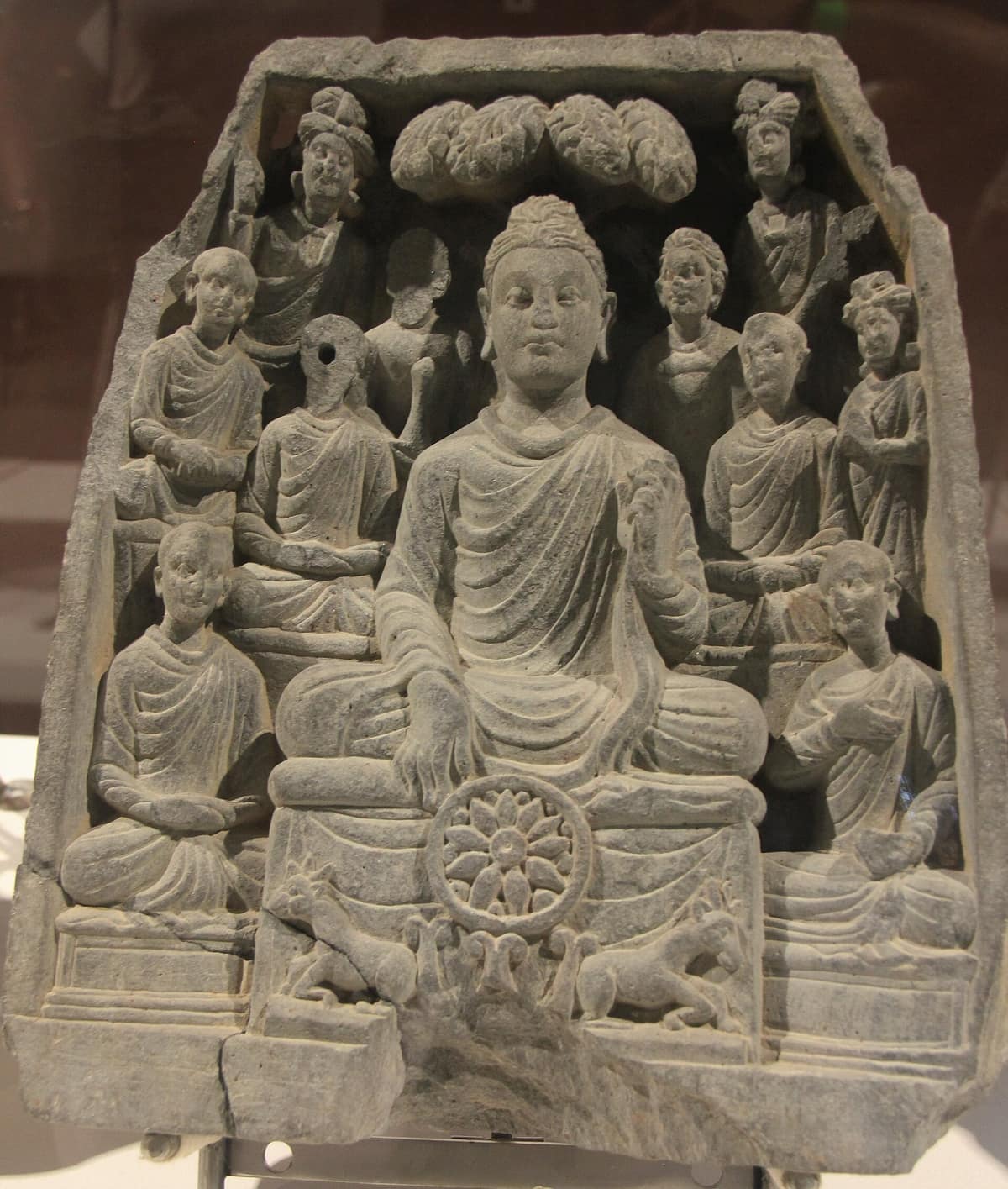
Two new religions, and the empire that grew strongest.
The Mauryan Empire (321–185 BCE)
Chandragupta, Chanakya and Ashoka.
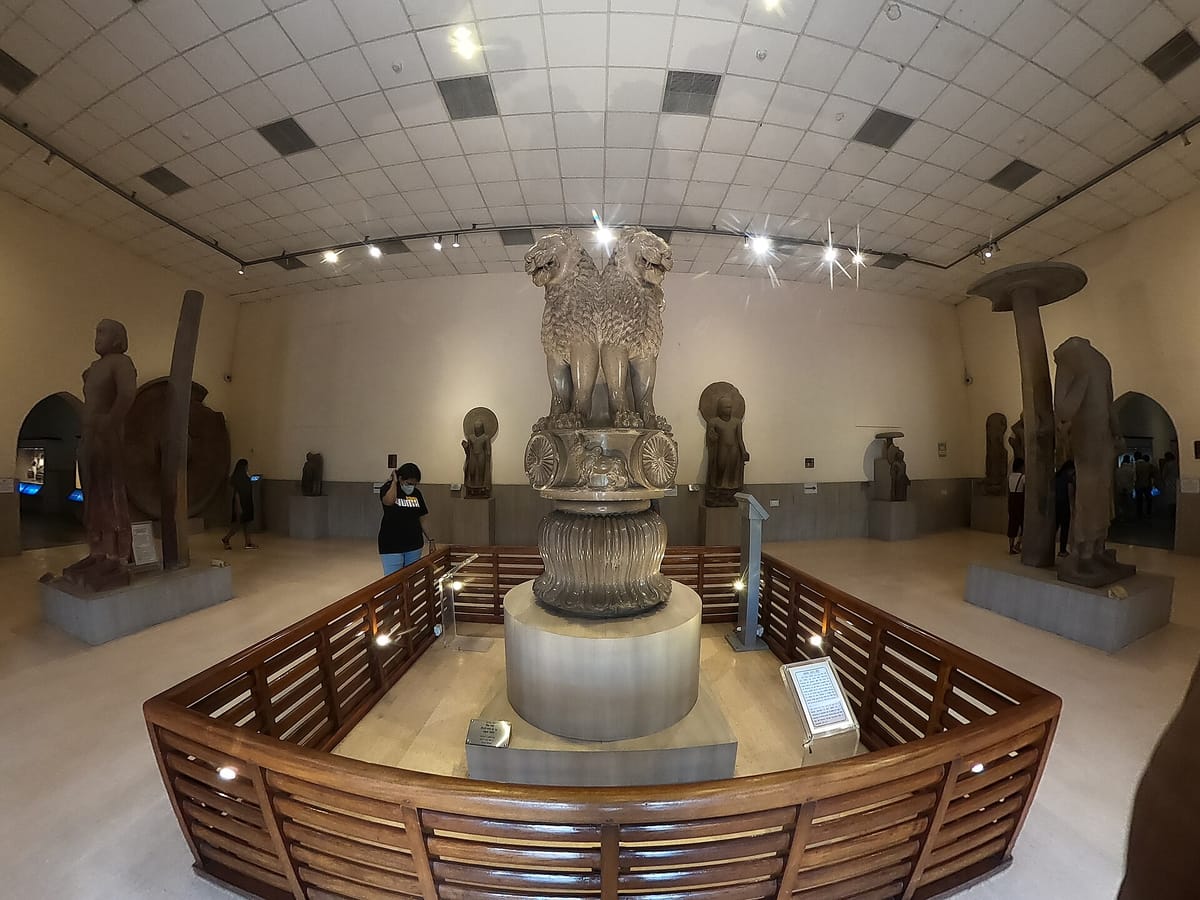
- 321 BCEChandragupta Maurya founds the empire
Guided by Chanakya (Kautilya), author of the Arthashastra
- c. 302 BCEMegasthenes visits the court
Greek envoy; wrote 'Indica'
- 261 BCEAshoka's Kalinga War
After the bloodshed he embraced Buddhism
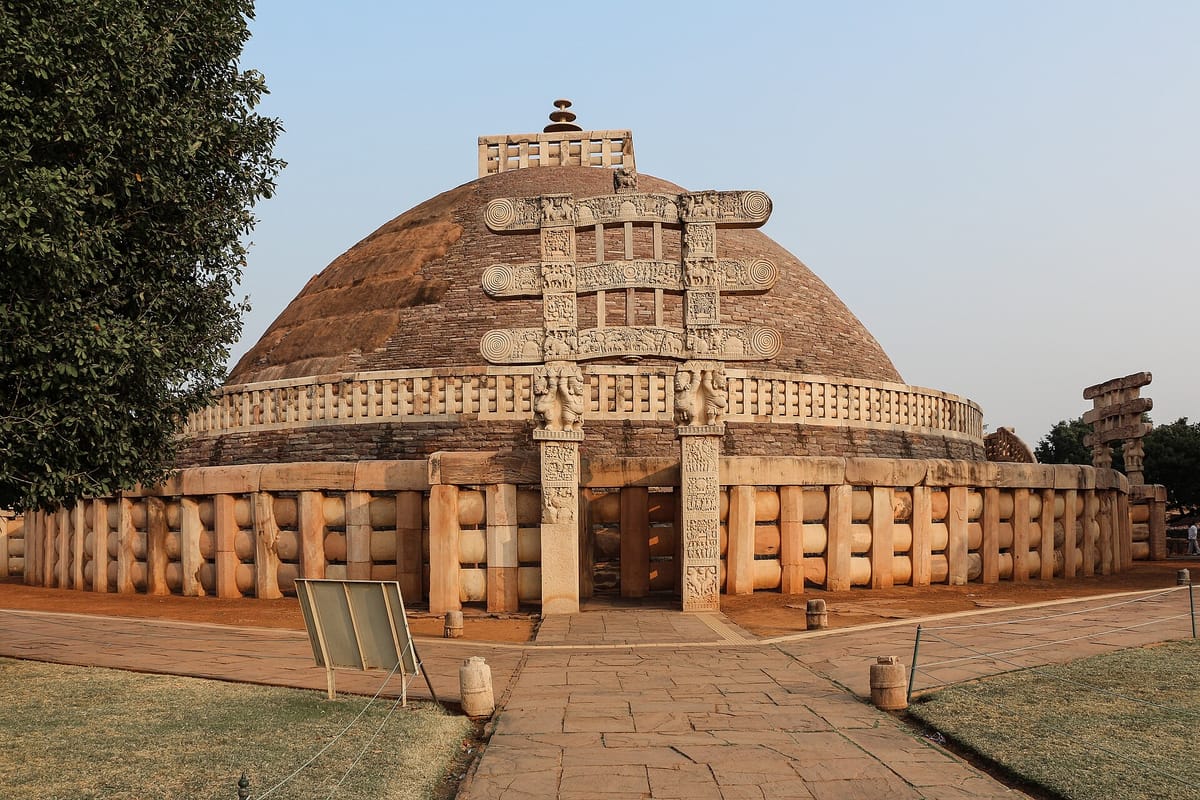
The Guptas and the southern dynasties
The 'golden age', and the great kingdoms of the south.
| Ruler / traveller | Fact |
|---|---|
| Chandragupta I | Founder of the Gupta empire |
| Samudragupta | 'Napoleon of India' (conquests) |
| Chandragupta II (Vikramaditya) | Fa-Hien visited; Kalidasa in court |
| Harshavardhana | Hiuen Tsang visited his court |
| Cholas (Tanjavur) | Brihadeshwara temple |
| Kakatiyas | Queen Rani Rudrama Devi |
- Harappa = on the Ravi; Mohenjo-daro = Great Bath; Lothal = dockyard; Rakhigarhi = largest.
- Jain 1st Tirthankara = Rishabhadeva; 24th = Mahavira (do not swap).
- Megasthenes ↔ Chandragupta Maurya; Fa-Hien ↔ Chandragupta II; Hiuen Tsang ↔ Harsha.
- Two Chandraguptas: Maurya (321 BCE) vs Gupta (4th c. CE) — note the dynasty and date.
- Kalinga War = 261 BCE, under Ashoka; Arthashastra = by Chanakya (Kautilya).
- Harappa stands on which river?
- The Ravi
- Author of the Arthashastra
- Chanakya (Kautilya)
- Kalinga War year
- 261 BCE (Ashoka)
- 'Napoleon of India'
- Samudragupta
- First Jain Tirthankara
- Rishabhadeva
- Hiuen Tsang's host king
- Harshavardhana
Who wrote the Arthashastra and guided Chandragupta Maurya? (a) Megasthenes (b) Chanakya (c) Kalidasa (d) Aryabhata
Show answer
(b) Chanakya (also called Kautilya or Vishnugupta) wrote the Arthashastra and was Chandragupta Maurya's chief adviser.