
Rights come with duties. Fundamental Duties are the duties every citizen owes to the nation. They are in Part IVA, which has just one article: Article 51A. The Constitution of 1950 had no duties. Ten were added in 1976 by the 42nd Amendment. The 86th Amendment (2002) added the eleventh. No court can punish you only for not doing them.
Why duties were added, and by whom
A committee, an Emergency and a new Part of the Constitution.
The Constitution of 1950 gave citizens many rights. It did not list any duties. In 1976, during the Emergency (1975–77), the ruling Congress party set up a committee under Sardar Swaran Singh. Its task was to suggest changes to the Constitution.
The committee said citizens should know that rights come with duties. It suggested a separate chapter of duties. Parliament passed the 42nd Amendment Act, 1976. It added a new Part IVA with Article 51A and ten duties.
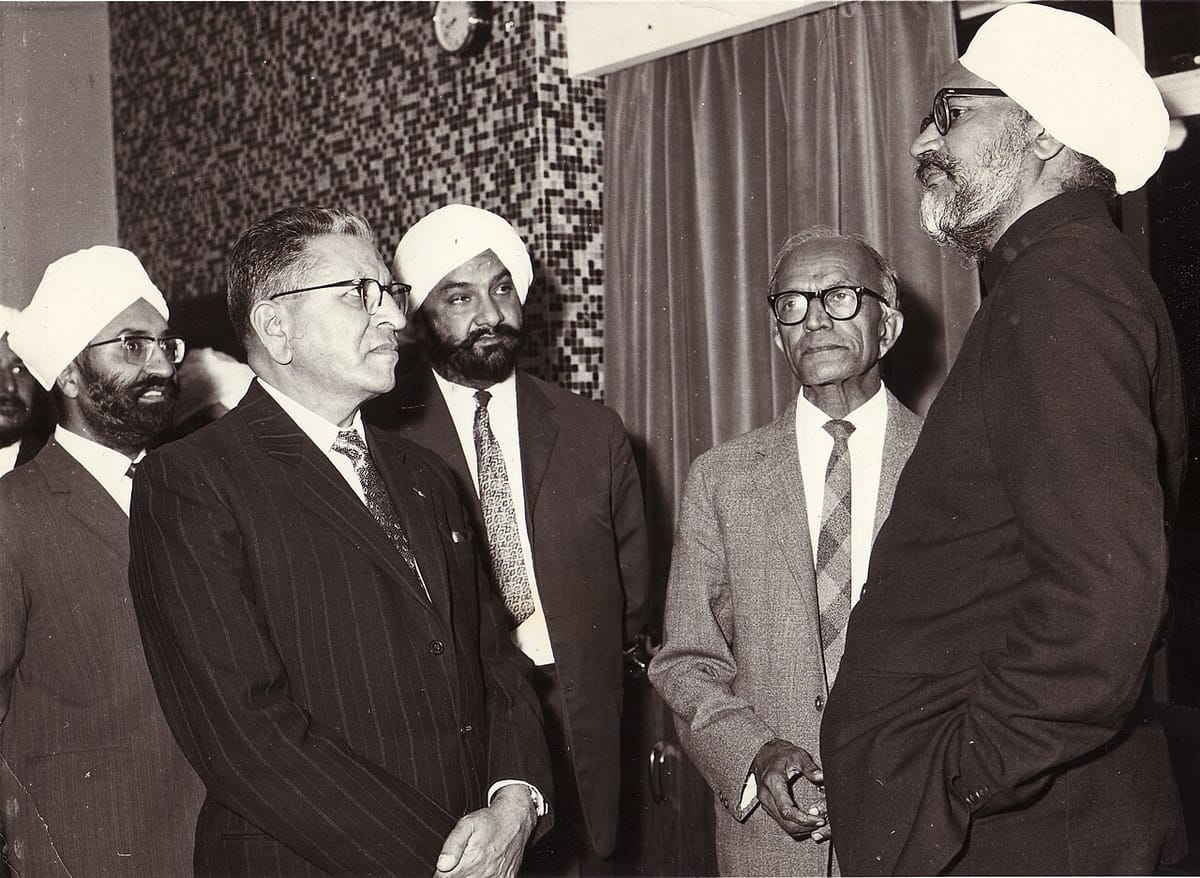
- Born in Jalandhar district, Punjab
- Long-serving Union minister (Defence, External Affairs)
- His committee proposed a chapter of Fundamental Duties
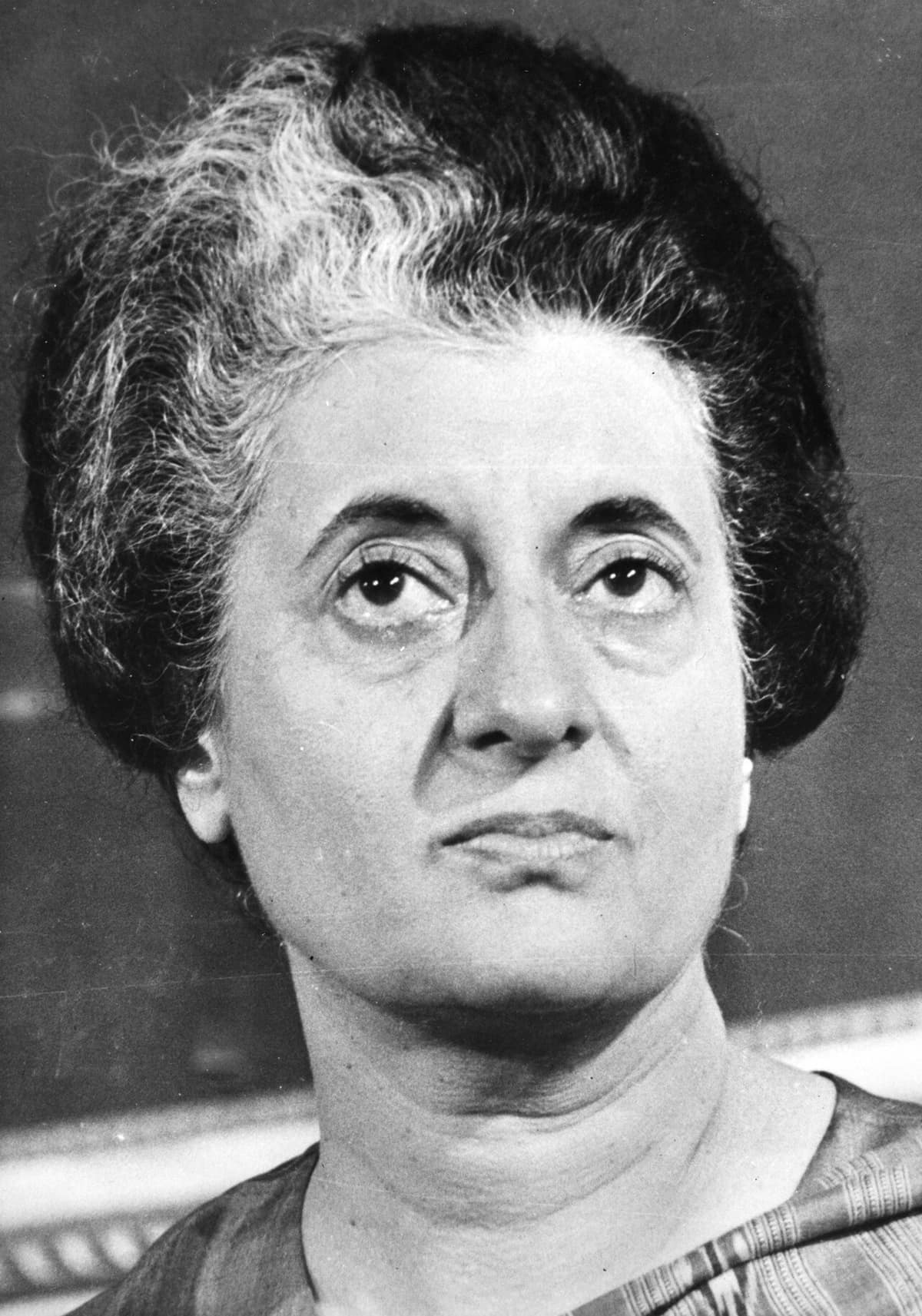
- Her government passed the 42nd Amendment in 1976
- That amendment also added Fundamental Duties
The Swaran Singh Committee suggested eight duties. Parliament added ten. Some ideas of the committee were not accepted: a duty to pay taxes, and letting Parliament set penalties for not doing duties without any court challenge.
The idea of listing duties in a constitution came from the USSR (Soviet Union). Most Western constitutions of that time listed only rights. Do not mix up: Directive Principles came from Ireland.
The eleven duties
Clauses (a) to (k) of Article 51A, in simple words.
Article 51A begins: "It shall be the duty of every citizen of India..." Then come eleven clauses, (a) to (k). The first ten date from 1976. Clause (k) came in 2002.
| Clause | Every citizen should... |
|---|---|
| (a) | Obey the Constitution; respect its ideals and institutions, the National Flag and the National Anthem. |
| (b) | Cherish and follow the noble ideals of the freedom struggle. |
| (c) | Uphold and protect the sovereignty, unity and integrity of India. |
| (d) | Defend the country and do national service when called. |
| (e) | Promote harmony and brotherhood across religion, language and region; give up practices that hurt the dignity of women. |
| (f) | Value and preserve our composite culture (rich shared heritage). |
| (g) | Protect and improve the natural environment: forests, lakes, rivers, wildlife; have compassion for living creatures. |
| (h) | Develop scientific temper, humanism and the spirit of inquiry and reform. |
| (i) | Safeguard public property and give up violence. |
| (j) | Strive for excellence in every field, so the nation keeps rising. |
| (k) | If a parent or guardian, give the child chances to study between ages 6 and 14 (added 2002). |
- 51A(a)
- Respect the Constitution, Flag and Anthem.
- 51A(b)
- Follow the ideals of the freedom struggle.
- 51A(c)
- Protect sovereignty, unity and integrity.
- 51A(d)
- Defend the country; national service.
- 51A(e)
- Brotherhood; respect the dignity of women.
- 51A(f)
- Preserve composite culture.
- 51A(g)
- Protect the environment; kindness to living creatures.
- 51A(h)
- Scientific temper and spirit of inquiry.
- 51A(i)
- Safeguard public property; no violence.
- 51A(j)
- Strive for excellence.
- 51A(k)
- Parents educate children aged 6–14 (86th Amendment).
Right and duty came as twins in 2002. The 86th Amendment made education a right in Article 21A and, in the same act, made it a parent's duty in 51A(k).
Duties in daily life
Flag and anthem, the army, the environment, women and monuments.
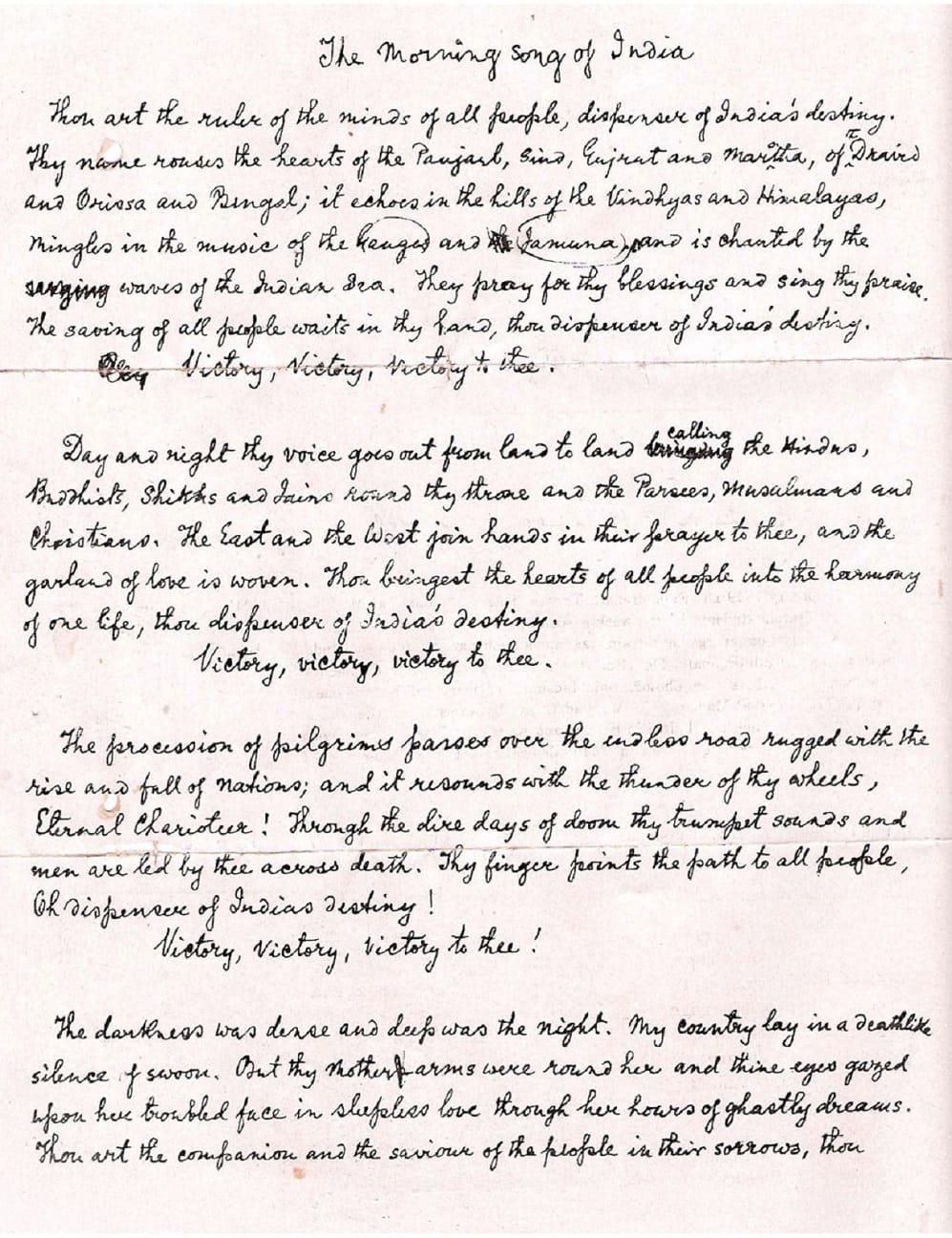

Follow the ideals of the freedom struggle (b), scientific temper (h), strive for excellence (j).
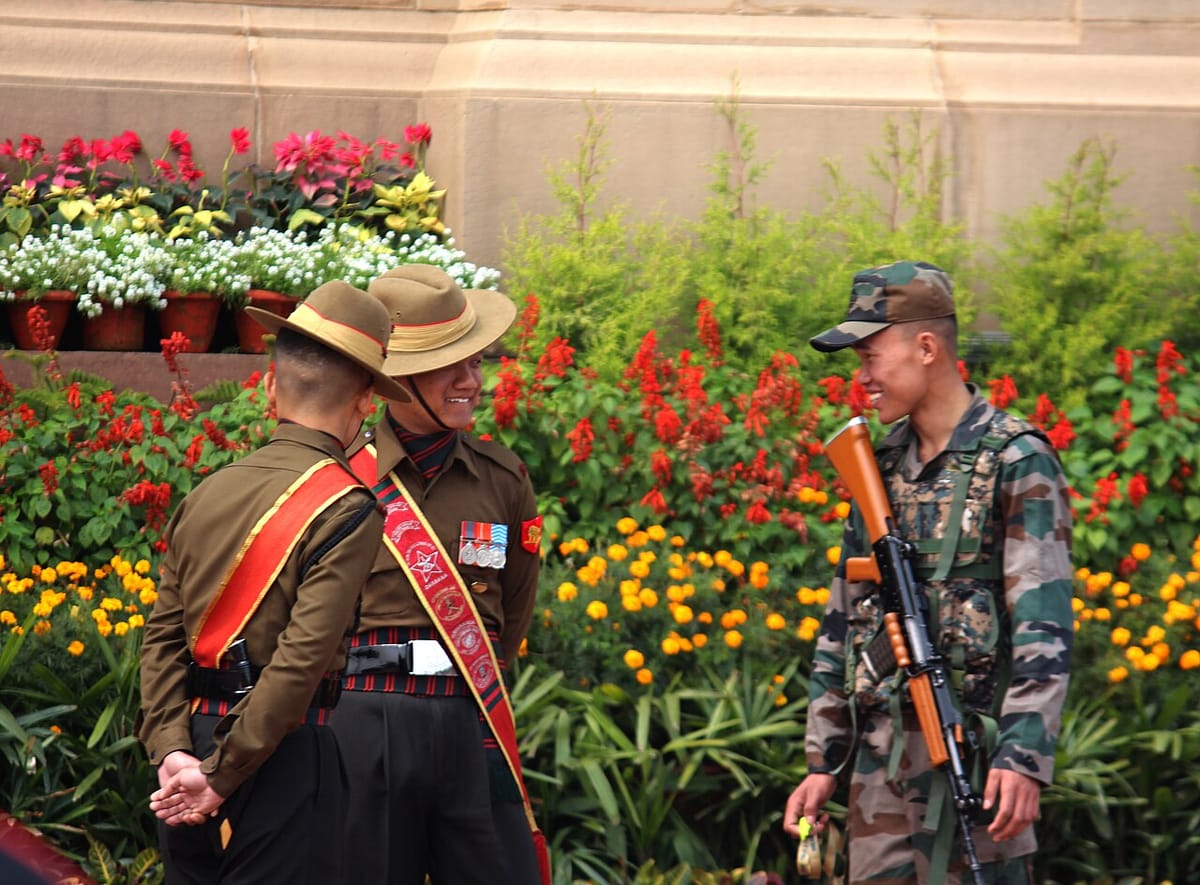
Respect the Flag and Anthem (a), protect public property (i), protect wildlife (g).
Some duties are moral ideals; some can be checked through ordinary laws.
What is NOT a Fundamental Duty
The favourite exam trick: a good habit that is not in the list.
- Respect the Constitution, Flag, Anthem
- Defend the country
- Scientific temper
- Safeguard public property
- Educate your child (6–14)
- Vote in elections
- Pay taxes
- Respect the government of the day
- Family planning
- Promote cottage industries (that is DPSP, Article 43)
How duties work without courts
Non-justiciable, for citizens only, but not empty.
No court can order a citizen to perform a Fundamental Duty. No one is punished only because a duty in Article 51A is not done. But Parliament can make laws that punish particular acts, and courts can use the duties to judge whether a law is reasonable.
Verma Committee (1999): laws that already back some dutiesTap to open
A committee headed by Justice J. S. Verma (1999) looked at how the duties could be put to work. It found that several existing laws already support them.
| Law | Duty it supports |
|---|---|
| Prevention of Insults to National Honour Act, 1971 | Respect for Flag, Anthem and Constitution (a) |
| Protection of Civil Rights Act, 1955 | Brotherhood; no caste or religious insults (e) |
| Criminal laws on promoting enmity between groups | Harmony (e) |
| Wildlife (Protection) Act, 1972; Forest (Conservation) Act, 1980 | Environment and wildlife (g) |
| Unlawful Activities (Prevention) Act, 1967 | Unity and integrity (c) |
Everything on one look
Numbers, dates and the duties to remember.
- Part IVA, only Article 51A
- 11 duties today; 10 in 1976
- 8 suggested by the Swaran Singh Committee
- Clause (k): children aged 6 to 14
- 0 duties in the 1950 Constitution
- 1976: Swaran Singh Committee
- 1976: 42nd Amendment adds Part IVA
- 2002: 86th Amendment adds 51A(k)
- 1999: Verma Committee on putting duties to work
- Idea borrowed from the USSR
- Duties were not in the original Constitution; they came in 1976.
- Committee suggested 8; Parliament added 10; today there are 11.
- Part IVA has only Article 51A. Article 51 is a Directive Principle (world peace).
- Duties came from the USSR; Directive Principles from Ireland.
- Voting and paying taxes are not Fundamental Duties.
- Promoting cottage industries is DPSP (Article 43), not a duty.
- Duties apply to citizens only, not foreigners.
- Duties are non-justiciable: no writ can enforce them.
- 51A(k) (duty) and 21A (right) both came with the 86th Amendment, 2002.
- Fundamental Duties: Part IVA, Article 51A
- Added by: 42nd Amendment, 1976
- Recommended by: Swaran Singh Committee
- Borrowed from: USSR Constitution
- Number today: 11
- 11th duty: 86th Amendment, 2002
- 51A(a): Constitution, Flag, Anthem
- 51A(b): ideals of freedom struggle
- 51A(c): sovereignty, unity, integrity
- 51A(d): defend the country
- 51A(e): brotherhood, dignity of women
- 51A(f): composite culture
- 51A(g): environment, compassion
- 51A(h): scientific temper
- 51A(i): public property, no violence
- 51A(j): excellence
- 51A(k): education of child, 6–14
- Verma Committee on duties: 1999
During a protest, a group breaks the glass of a government bus and burns a tyre on the road. Which Fundamental Duty have they ignored, and can a court punish them just for breaking Article 51A?
Show answer
They ignored 51A(i): to safeguard public property and abjure violence. A court cannot punish them only for breaking a Fundamental Duty, because duties are non-justiciable. But they can be punished under ordinary laws made by Parliament, such as the law on damage to public property and the criminal law.