Guru Gobind Singh passed away in 1708. Just before that, at Nanded, he sent Banda Singh Bahadur to Punjab. Banda won the battle of Chappar Chiri (1710), took Sirhind and set up the first Sikh Raj (Sikh rule). After his martyrdom in 1716, the Sikhs faced fifty years of terrible persecution (cruel punishment) by the Mughal governors of Lahore and by the Afghan invader Ahmad Shah Abdali. Yet they survived. They formed the Dal Khalsa, divided into twelve misls, and by 1765 they were the masters of Punjab. This page covers the story from 1708 to 1799, when the Sukerchakia chief Ranjit Singh took Lahore.
1. How Banda Singh Bahadur set up the first Sikh Raj (1708–1716). 2. How the Sikhs survived fifty years of persecution and the two Ghallugharas. 3. How the Dal Khalsa and the twelve misls made the Sikhs masters of Punjab, up to Ranjit Singh (1799).
Timeline at a glance
Eight dates to hold the story together. The full list of 20 events is in Quick revision.
- 1708Banda meets Guru Gobind Singh
At Nanded. The Guru sends him to Punjab.
- 12 May 1710Battle of Chappar Chiri
Wazir Khan of Sirhind is killed; Sirhind is taken two days later. The first Sikh Raj begins.
- 9 June 1716Banda martyred
At Delhi, on the orders of Emperor Farrukhsiyar.
- 1746Chhota Ghallughara
The smaller massacre: about 7,000 Sikhs killed near Kahnuwan (Gurdaspur).
- 1748Dal Khalsa formed
Baisakhi at Amritsar. The Sikh bands unite into one army.
- 1762Vadda Ghallughara
The great massacre by Ahmad Shah Abdali near Malerkotla: about 25,000–30,000 Sikhs killed in a day.
- 1765Sikhs occupy Lahore
They strike their own coin there. The Sikhs are now masters of Punjab.
- 1799Ranjit Singh takes Lahore
The Sukerchakia chief; the misl period begins to end.
1. Banda Singh Bahadur (1670–1716)
In one line: Nanded 1708 → Chappar Chiri and Sirhind 1710 → Lohgarh and the first Sikh coins → martyred at Delhi 1716.
- Born on 27 October 1670 at Rajouri (Jammu). His birth name was Lachman Dev (also written Lachhman Das).
- He became a Bairagi sadhu (a Hindu ascetic) named Madho Das and settled at Nanded on the Godavari.
- In September 1708, Guru Gobind Singh met him at Nanded, gave him Amrit (baptised him) and named him Banda Singh Bahadur.
- The Guru gave him five arrows, a nishan (flag), a nagara (drum) and a hukamnama (letter of command) to the Sikhs of Punjab.
- Five Sikhs went with him: Binod Singh, Kahan Singh, Baj Singh, Daya Singh and Ran Singh.
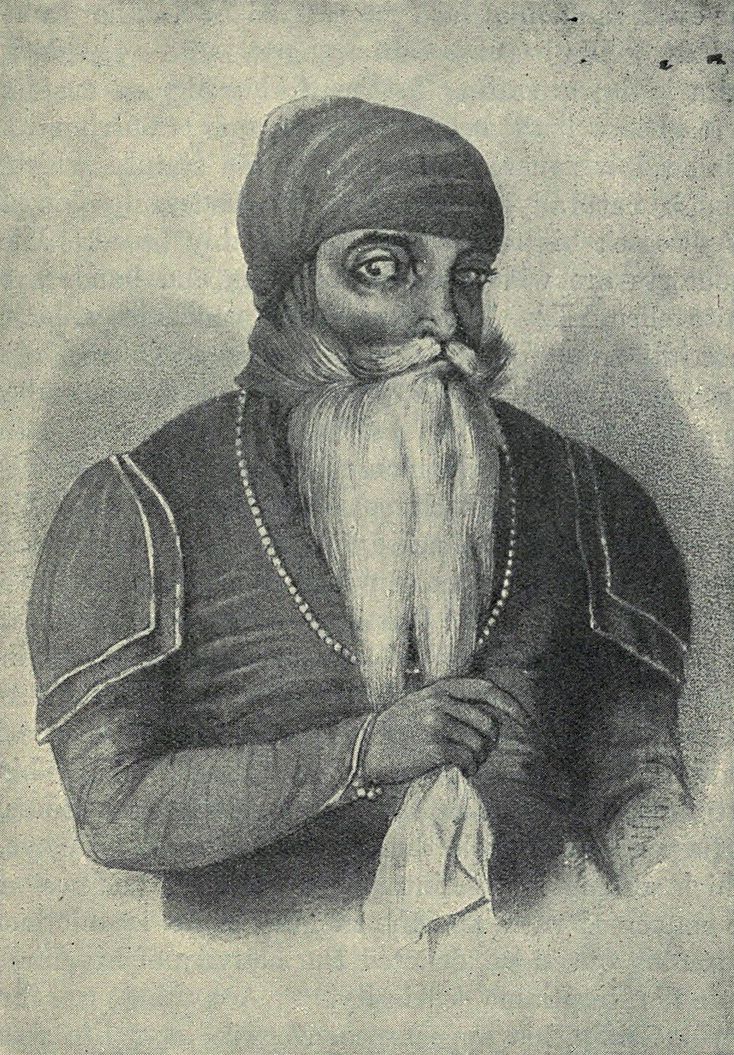
Banda Singh Bahadur was born Lachman Dev, became the Bairagi Madho Das, and was given the name Banda Singh Bahadur by Guru Gobind Singh at Nanded.
- 1708 · NandedGuru Gobind Singh gives Amrit to the Bairagi Madho Das and names him Banda Singh Bahadur.
- Nov 1709 · SamanaHis first big victory.
- 12 May 1710 · Chappar ChiriWazir Khan, faujdar of Sirhind, is killed.
- 14 May 1710 · SirhindCaptured. The first Sikh Raj: capital Lohgarh, silver coins, seal "Deg Tegh Fateh".
- Dec 1710 · LohgarhBahadur Shah I besieges it; Banda escapes to the hills.
- 7 Dec 1715 · Gurdas NangalCaptured after an eight-month siege by Abdus Samad Khan.
- 9 June 1716 · DelhiMartyred at Mehrauli on the orders of Farrukhsiyar.
All of Banda's conquests, 1709–10Tap to open
| Place | When | What happened |
|---|---|---|
| Samana | November 1709 | First big victory |
| Ghuram, Shahabad, Mustafabad, Kapuri | 1709–10 | Captured one after another |
| Sadhaura | 1709–10 | Punished Usman Khan, who had tortured Pir Budhu Shah |
| Chappar Chiri (near Mohali) | 12 May 1710 | Wazir Khan, faujdar (military officer) of Sirhind, killed |
| Sirhind | 14 May 1710 | Captured and sacked; Sucha Nand punished |
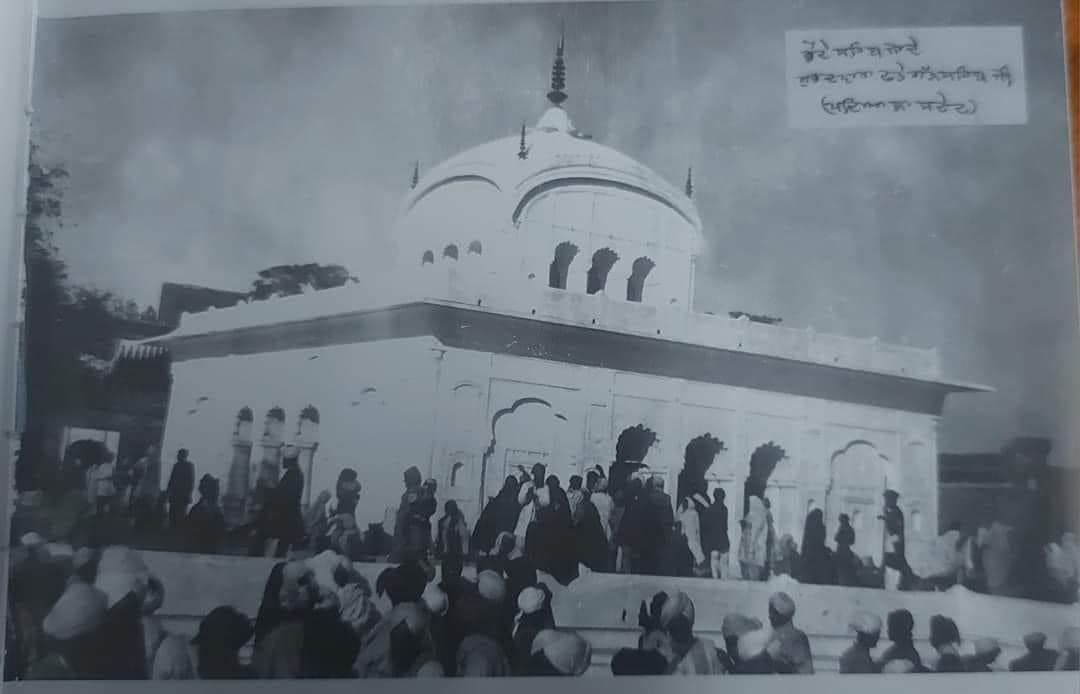
- Banda made the fort of Mukhlispur, in the Shivalik foothills near Sadhaura, his capital and renamed it Lohgarh.
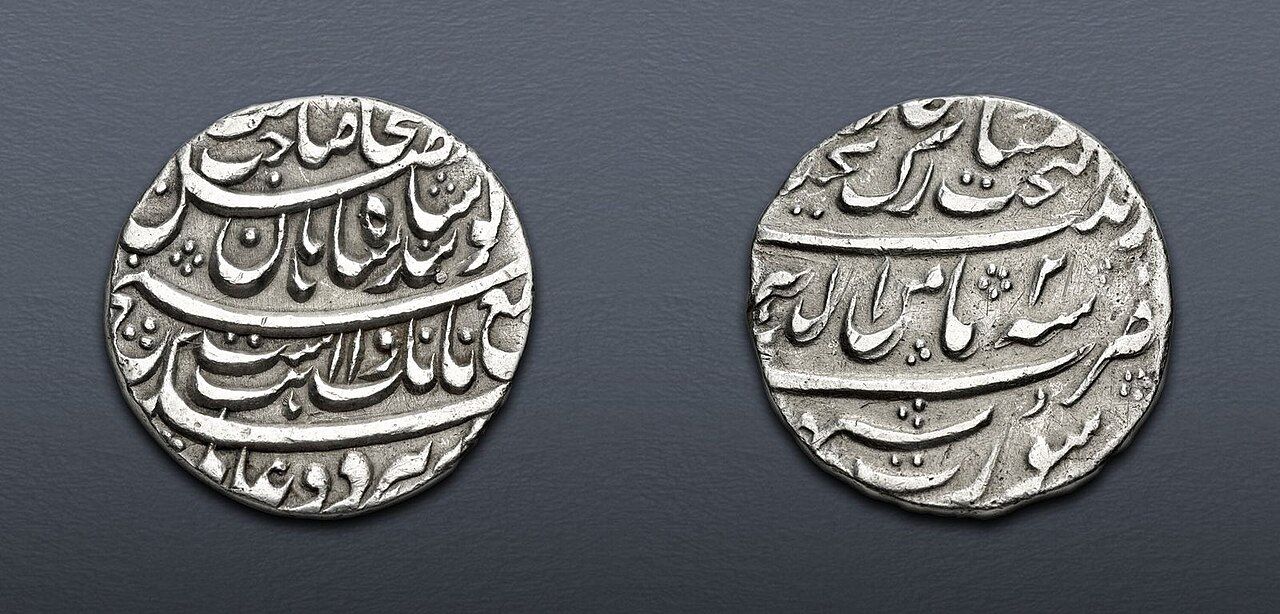
- After taking Sirhind he struck the first Sikh coins — silver coins in the name of Guru Nanak and Guru Gobind Singh (the Gobindshahi sikka).
- His official seal carried the words "Deg Tegh Fateh".
- He abolished the zamindari system in his area and made the cultivators (farmers) the owners of the land.
- This was the first Sikh Raj in Punjab (1710–15) — about a century before Maharaja Ranjit Singh.
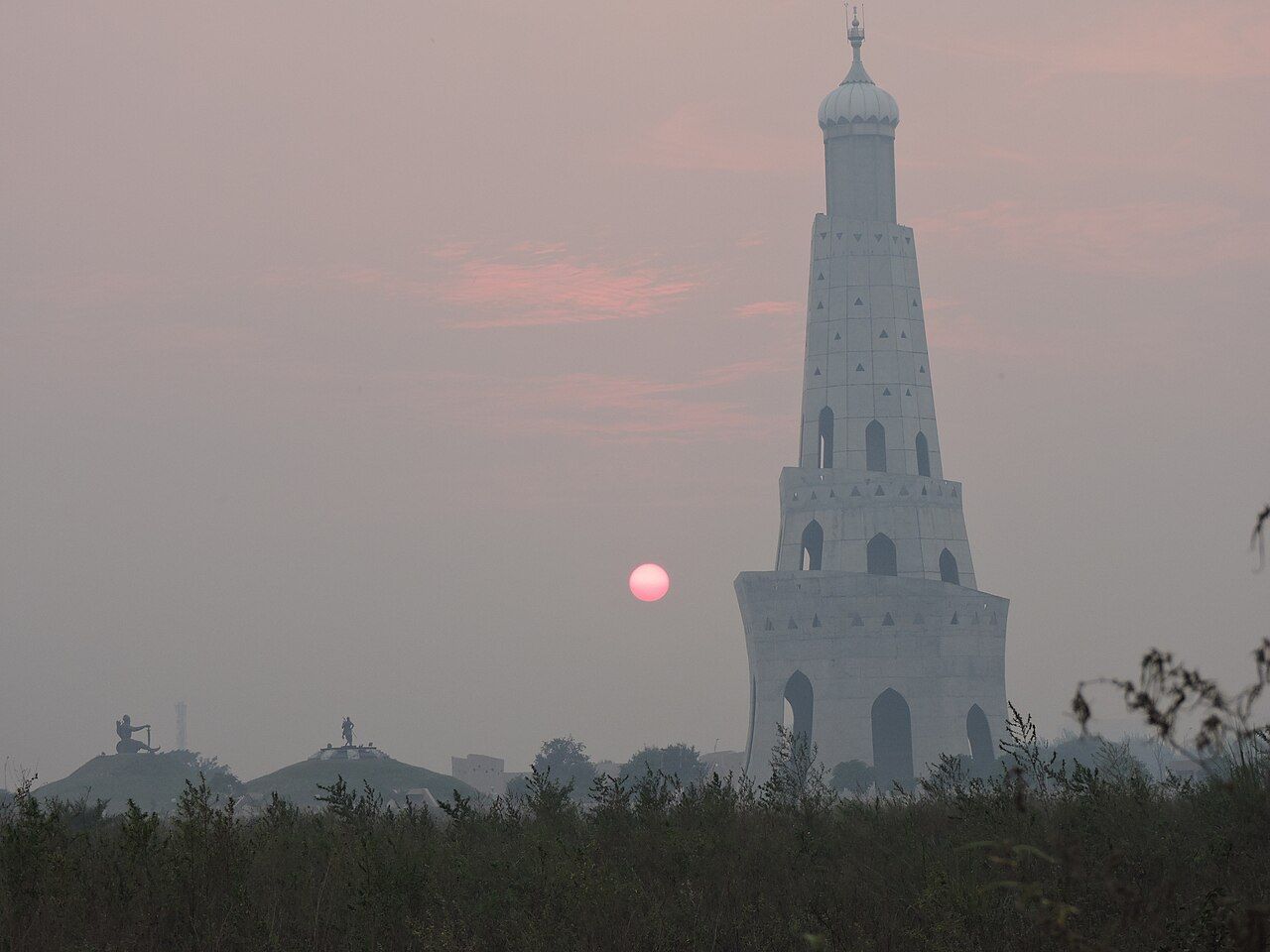
Fateh Burj at Chappar Chiri (Mohali) is 328 ft (100 m) high and octagonal (eight-sided). It was built to mark Banda's 1710 victory and opened in 2011.
- Emperor Bahadur Shah I marched against him in person (1710). Lohgarh was besieged in December 1710, but Banda escaped to the hills.
- In 1715 Abdus Samad Khan, governor of Lahore, besieged him for eight months at Gurdas Nangal (near Gurdaspur). He was captured on 7 December 1715.
- He was taken to Delhi in an iron cage. On 9 June 1716 he was executed near the dargah of Qutbuddin Bakhtiyar Kaki at Mehrauli, on the orders of Emperor Farrukhsiyar.
- His four-year-old son Ajai Singh was killed in front of him. About 740 of his followers were executed in batches.
After Banda's death the Sikhs split into two groups: the Bandai Khalsa (followers of Banda) and the Tat Khalsa. They were brought together again at Amritsar in 1721 through Bhai Mani Singh.
- Banda was executed under Farrukhsiyar (1716), not Aurangzeb — Aurangzeb had died in 1707. The emperors in Banda's time: Bahadur Shah I (1707–1712, besieged Lohgarh), Jahandar Shah (1712–1713) and Farrukhsiyar (1713–1719).
- Two Lohgarhs: Banda's capital Lohgarh (Mukhlispur, near Sadhaura) is different from the Lohgarh fort at Anandpur (Guru Gobind Singh).
- Banda's campaigns were in the Sirhind province. Lahore was never one of his conquests.
- First Sikh Raj = Banda Singh Bahadur (1710). Independent Sikh Empire = Ranjit Singh (1799/1801).
2. The years of persecution (1716–1765)
Mughal governors of Lahore tried to wipe out the Sikhs.
After Banda's death the Mughal governors of Lahore put a price on Sikh heads. The Sikhs hid in forests, hills and marshes, and came out in small bands to fight. The table shows who ruled Lahore and what the Sikhs faced.
| Years | Governor of Lahore | What happened to the Sikhs |
|---|---|---|
| 1713–1726 | Abdus Samad Khan | Captured Banda; Sikhs driven to forests and hills |
| 1726–1745 | Zakariya Khan (his son) | Price on Sikh heads; Nawab title to Kapur Singh (1733); Buddha Dal and Taruna Dal (1734) |
| 1745–1747 | Yahiya Khan (with Diwan Lakhpat Rai) | Chhota Ghallughara (1746) |
| 1748–1753 | Mir Mannu (Muin-ul-Mulk) | Fierce persecution; Sikh women and children jailed at Lahore |
| 1753–1758 | Weak Mughal/Afghan control; Adina Beg | Sikhs grow stronger; Marathas briefly take Lahore (1758) |
- Bhai Mani Singh — martyred at Lahore in 1738.
- Bhai Bota Singh and Garja Singh — martyred in 1739.
- Haqiqat Rai — martyred at Lahore; most exam books give 1742 (some give 1734).
- Bhai Taru Singh — martyred at Lahore in 1745.
- Massa Ranghar, who had desecrated (insulted the holiness of) Harmandir Sahib at Amritsar, was killed by Mehtab Singh and Sukha Singh in 1740.
3. Nadir Shah and Abdali
Invaders from the north-west, and how the Sikhs grew stronger.
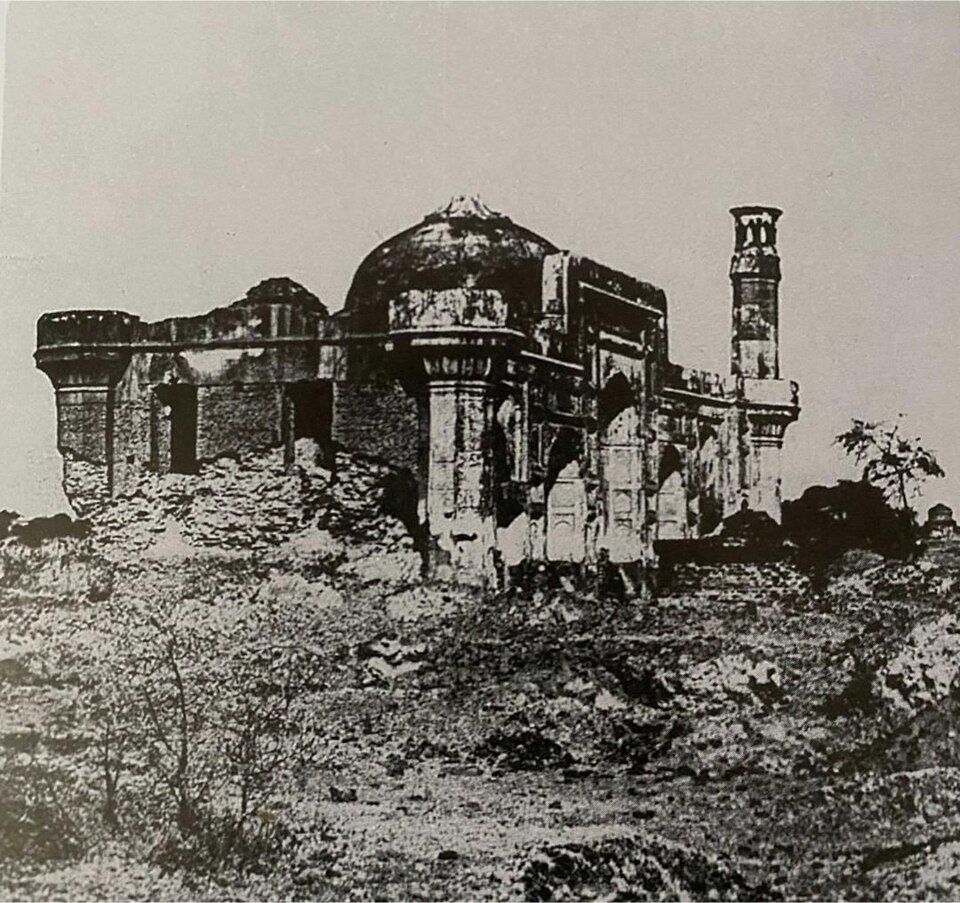
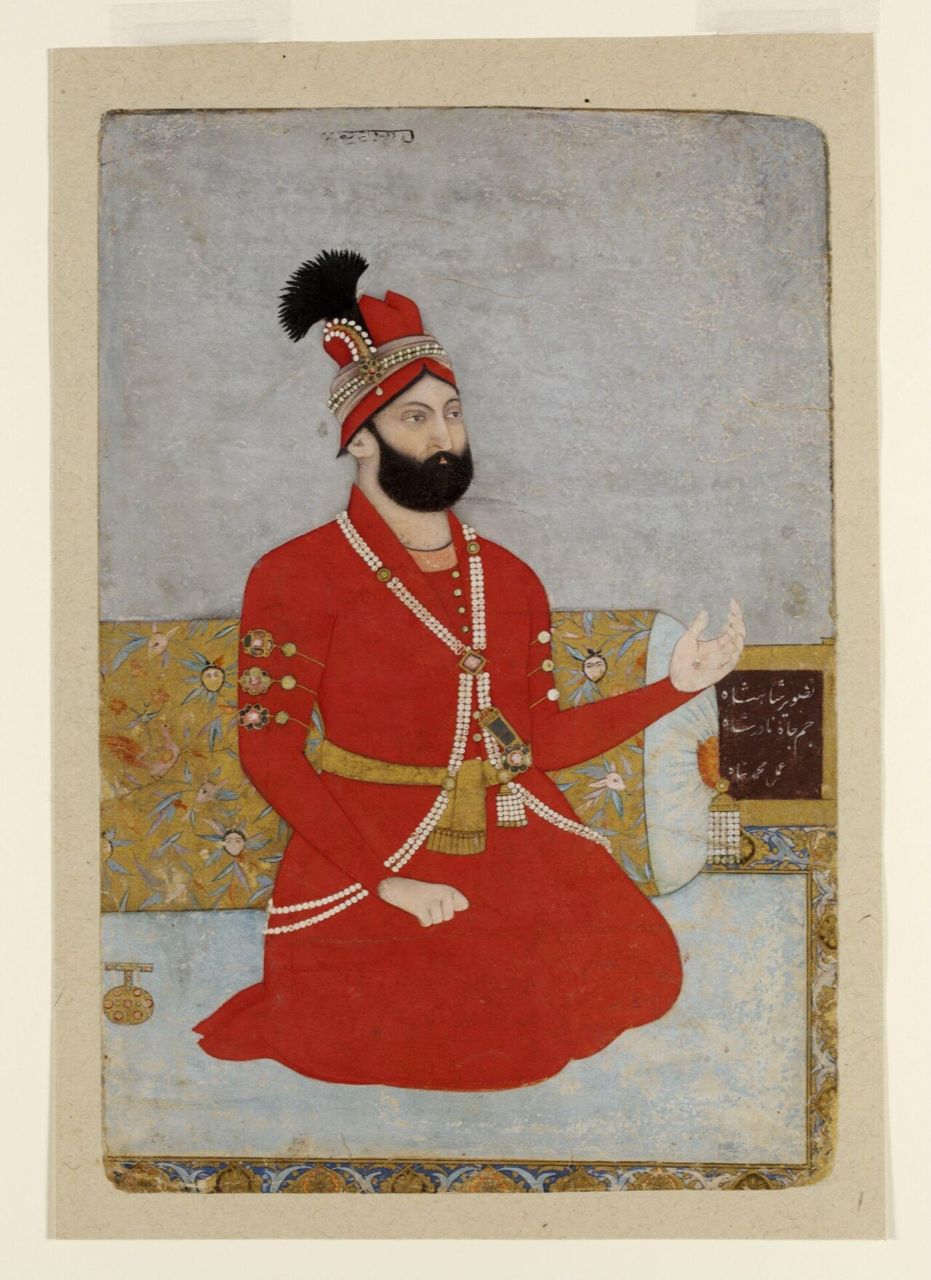
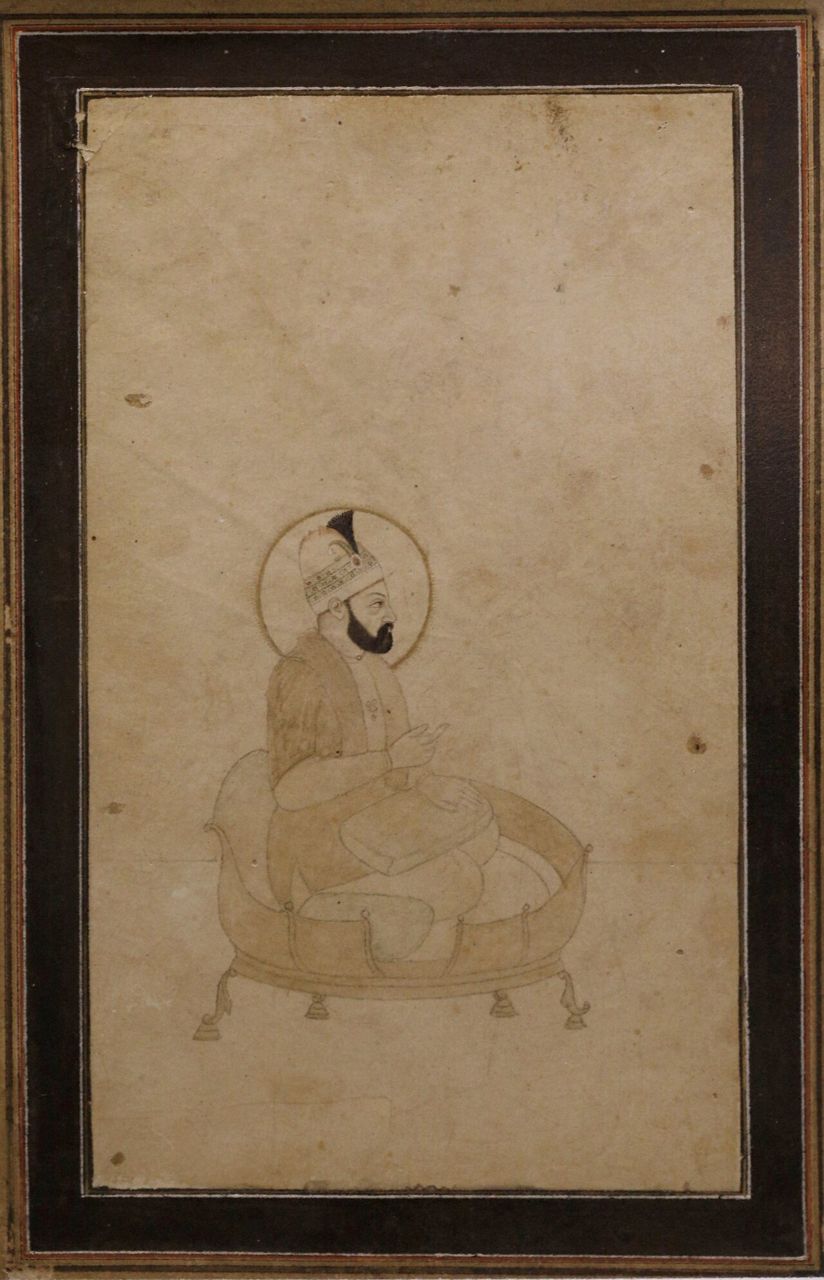
In 1739 the Persian ruler Nadir Shah invaded India and plundered Delhi. On his way back through Punjab, bands of Sikhs attacked the rear of his army and took away part of his loot. A few years later Ahmad Shah Abdali (also called Ahmad Shah Durrani) of Afghanistan began his invasions. Between 1747 and 1767 he invaded again and again. Each time, the Sikhs lost men but came back stronger. Abdali died in 1772.
- An invader crosses PunjabNadir Shah (1739), then Ahmad Shah Abdali (1747–1767).
- Mughal power in Punjab gets weakerDelhi hands Punjab over to Abdali (1752).
- Sikh bands regroup and strike backThey attack the invader's army and loot on its way home.
- Rakhi income from villagesFrom about 1753, villages pay one-fifth of their produce for protection.
- The misls grow and take PunjabSirhind (1764), Lahore (1765).
| Invasion | Year | What happened in Punjab |
|---|---|---|
| 1st | 1747–48 | Defeated at Manupur near Sirhind (March 1748); Sikhs harass his retreat |
| 2nd–3rd | 1749–52 | Mughals hand Punjab over to Abdali (1752); Mir Mannu becomes his governor |
| 4th | 1756–57 | Delhi and Mathura plundered; Harmandir Sahib desecrated; Baba Deep Singh martyred (November 1757) |
| 5th | 1759–61 | Third Battle of Panipat (14 January 1761); Sikhs loot his baggage on his way back |
| 6th | 1762 | Vadda Ghallughara (5 February 1762); Harmandir Sahib blown up (April 1762) |
| 7th | 1764–65 | Fails to crush the misls; Qazi Nur Muhammad writes the Jangnama |
| 8th–9th | 1766–67 | Last attempts; the Sikhs are now masters of Punjab |
For advanced study: Persian sourcesTap to open
| Persian work | Writer | When / what it tells |
|---|---|---|
| Dabistan-i-Mazahib | Mohsin Fani | c. 1655 (Shah Jahan's time); tells about the time of Guru Hargobind |
| Ibratnama | Mirza Muhammad Harisi | c. 1720; tells about Banda Singh Bahadur |
| Jangnama | Qazi Nur Muhammad | 1765; eyewitness (seen with his own eyes) account of Abdali's 7th invasion |
| Tahmasnama | Tahmas Khan Miskin | c. 1780; his own life story, with the Sikh, Afghan and Mughal battles of the mid-18th century |
The two Ghallugharas
Ghallughara means a great massacre (mass killing).
- The smaller holocaust
- Kahnuwan marsh, Gurdaspur
- Yahiya Khan and Diwan Lakhpat Rai
- About 7,000 Sikhs killed
- About 3,000 executed at Lahore (Shahid Ganj)
- The great holocaust
- Kup–Rahira, near Malerkotla
- Ahmad Shah Abdali (6th invasion)
- 5 February 1762
- About 25,000–30,000 Sikhs killed in one day
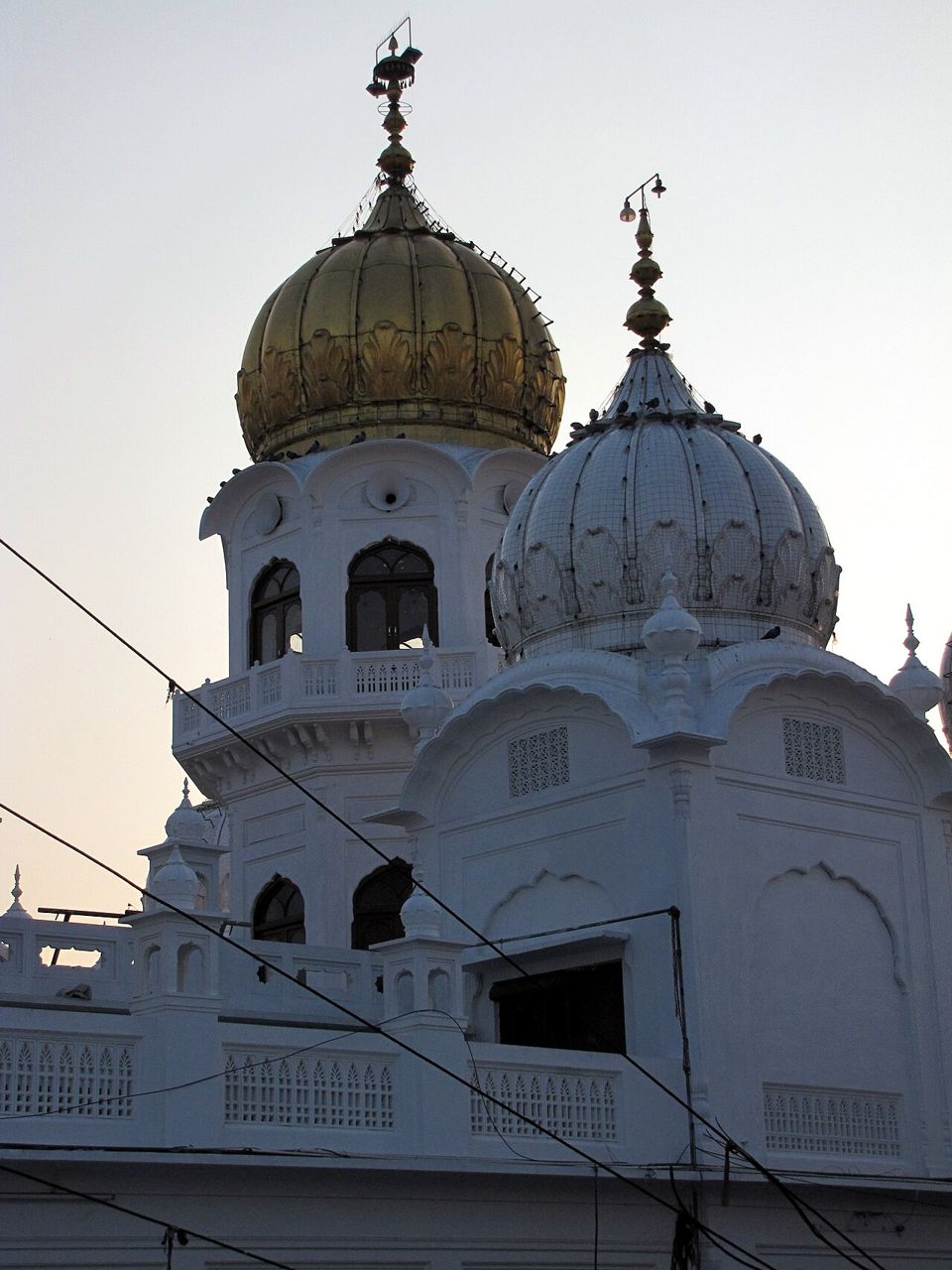
In the Vadda Ghallughara most of those killed were non-combatants (people who were not fighting). A memorial now stands at Kup Rahira. Two months later, in April 1762, Abdali blew up Harmandir Sahib with gunpowder.
4. How the Khalsa organised itself
These five terms are asked again and again.
| Term | Meaning |
|---|---|
| Sarbat Khalsa | Meeting of the whole Panth at the Akal Takht, Amritsar, on Baisakhi and Diwali; took political and military decisions |
| Gurmata | A resolution (decision) passed by the Sarbat Khalsa in the presence of Guru Granth Sahib; every Sikh had to obey it |
| Dal Khalsa | United army of the Sikhs, formed on Baisakhi 1748 at Amritsar |
| Misl | "File" or "record"; the twelve fighting groups of the Dal Khalsa, each under a sardar |
| Rakhi | Protection system: villages paid one-fifth of their produce to a misl for protection |
The Dal Khalsa was organised by Nawab Kapur Singh on Baisakhi 1748 at Amritsar. He named Jassa Singh Ahluwalia its supreme commander. The fort Ram Rauni (later Ramgarh) was built at Amritsar the same year.
From about 1753, villages paid one-fifth of their produce to a misl. In return the misl protected them from Afghan and Mughal raids. Rakhi means "protection". This income helped the misls grow strong.
Land held under the misls (four ways)Tap to open
Under the misls, land was held in four ways:
- Pattidari — land held by co-sharers, as a right.
- Misaldari — land of sardars who joined a misl with their own bands of men.
- Tabadari — land given to dependent troopers (horsemen).
- Jagirdari — land given as a jagir.
5. The Sikhs become masters of Punjab
From hunted bands to rulers, 1764–1783.
- January 1764 — the Sikhs storm Sirhind; its governor Zain Khan is killed.
- 1765 — the Sikhs occupy Lahore and strike their own coin there (the "Gobindshahi" rupee).
- Jassa Singh Ahluwalia is hailed as Sultan-ul-Qaum (king of the nation).
- 11 March 1783 — Baghel Singh of the Karorsinghia misl enters the Red Fort, Delhi.
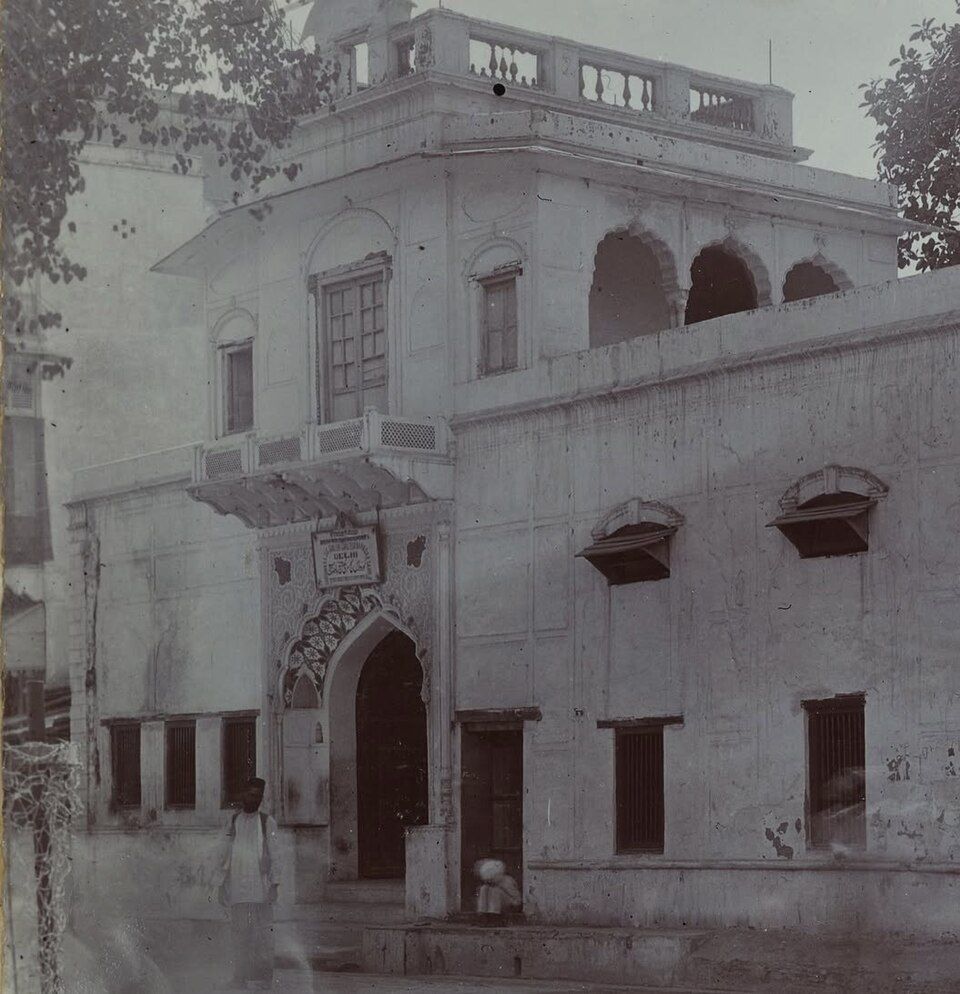
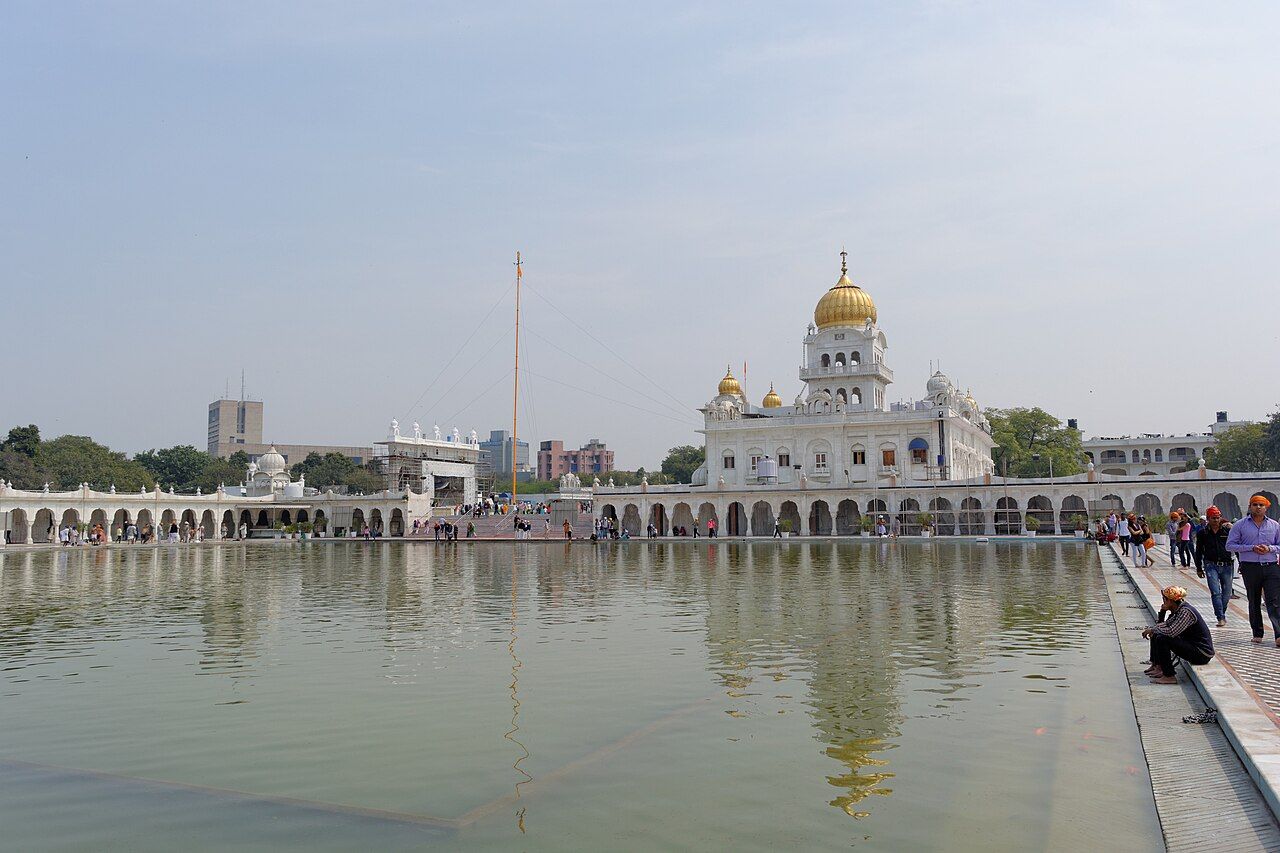
- Baghel Singh builds seven gurdwaras in Delhi at places linked with the Gurus, among them Sis Ganj, Rakab Ganj and Bangla Sahib.
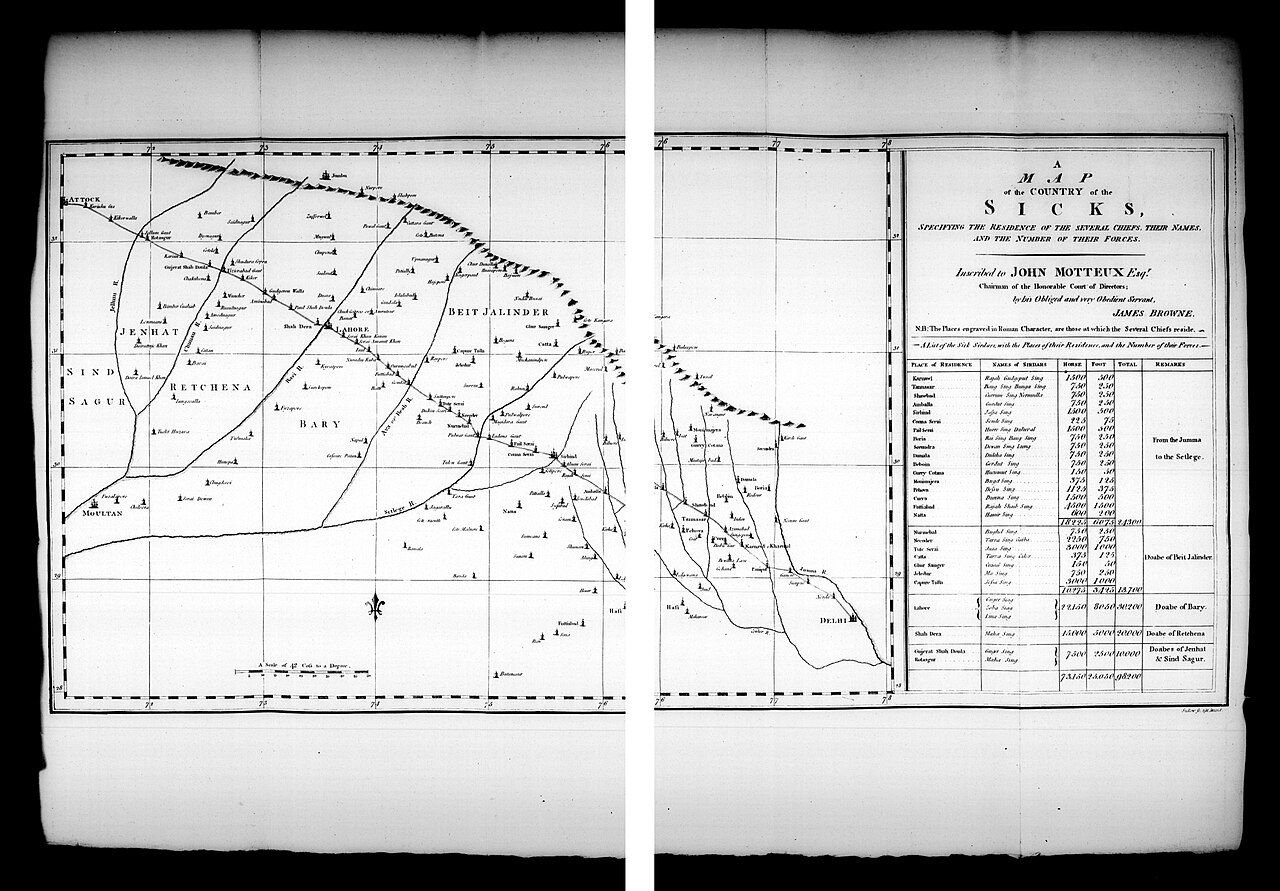
6. The twelve misls
Learn the main misls and their founders first. The full table of all twelve is in the box below.
- Bhangi
- Chhajja Singh; strongest under Hari Singh Dhillon. The largest misl (Lahore, Amritsar).
- Ahluwalia
- Jassa Singh Ahluwalia — later Kapurthala.
- Ramgarhia
- Nand Singh Sanghania; famous under Jassa Singh Ramgarhia.
- Kanhaiya
- Jai Singh Kanhaiya — Batala–Gurdaspur.
- Singhpuria (Faizalpuria)
- Nawab Kapur Singh.
- Sukerchakia
- Charat Singh, from the line of Budha Singh — Gujranwala. Ranjit Singh's misl.
- Phulkian
- Descendants of Chaudhary Phul; Ala Singh of Patiala.
- Karorsinghia
- Karora Singh; later Baghel Singh.
- Shaheedan
- Baba Deep Singh — Damdama Sahib (Talwandi Sabo).
- Nakai
- Hira Singh — the Nakka tract south-west of Lahore.
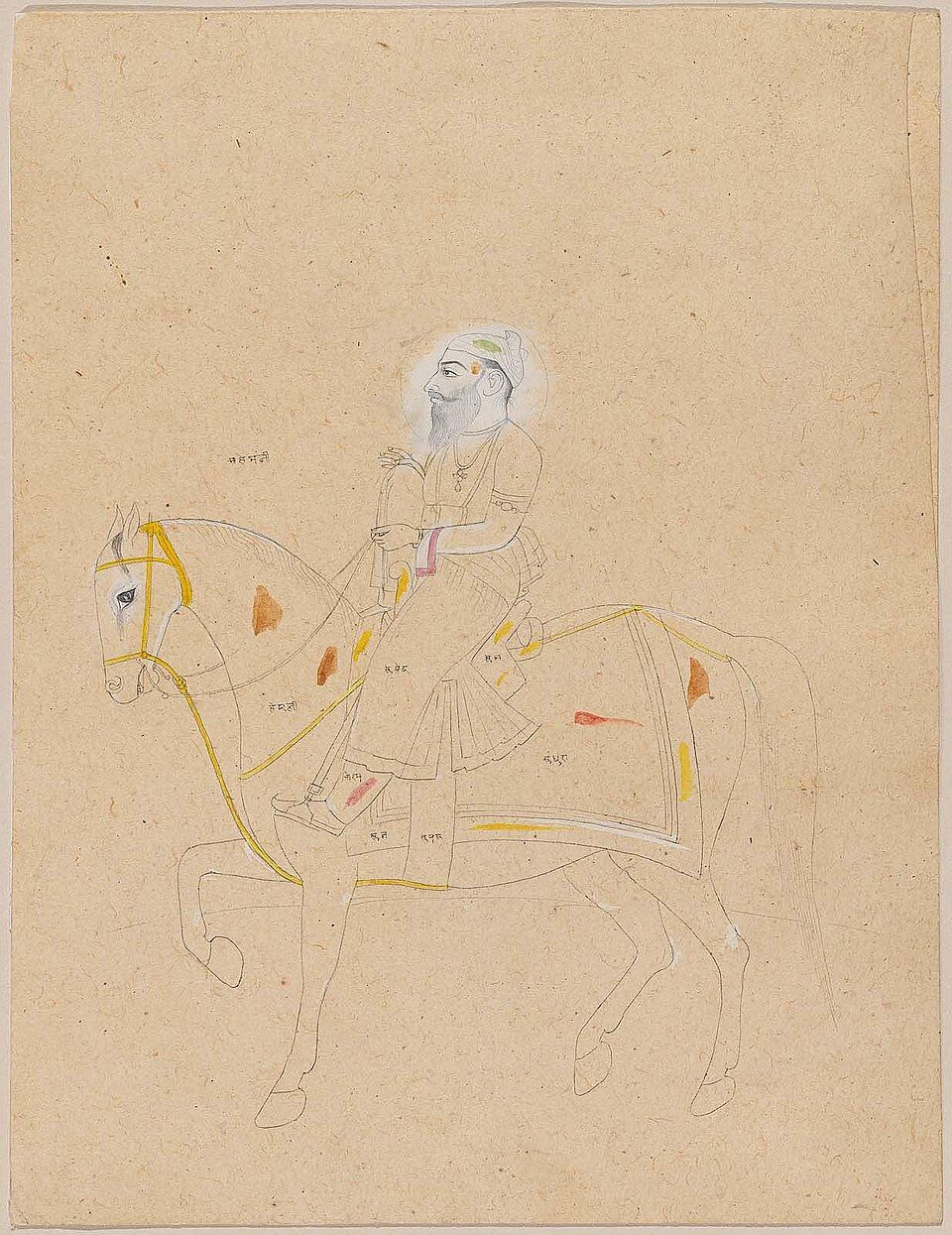
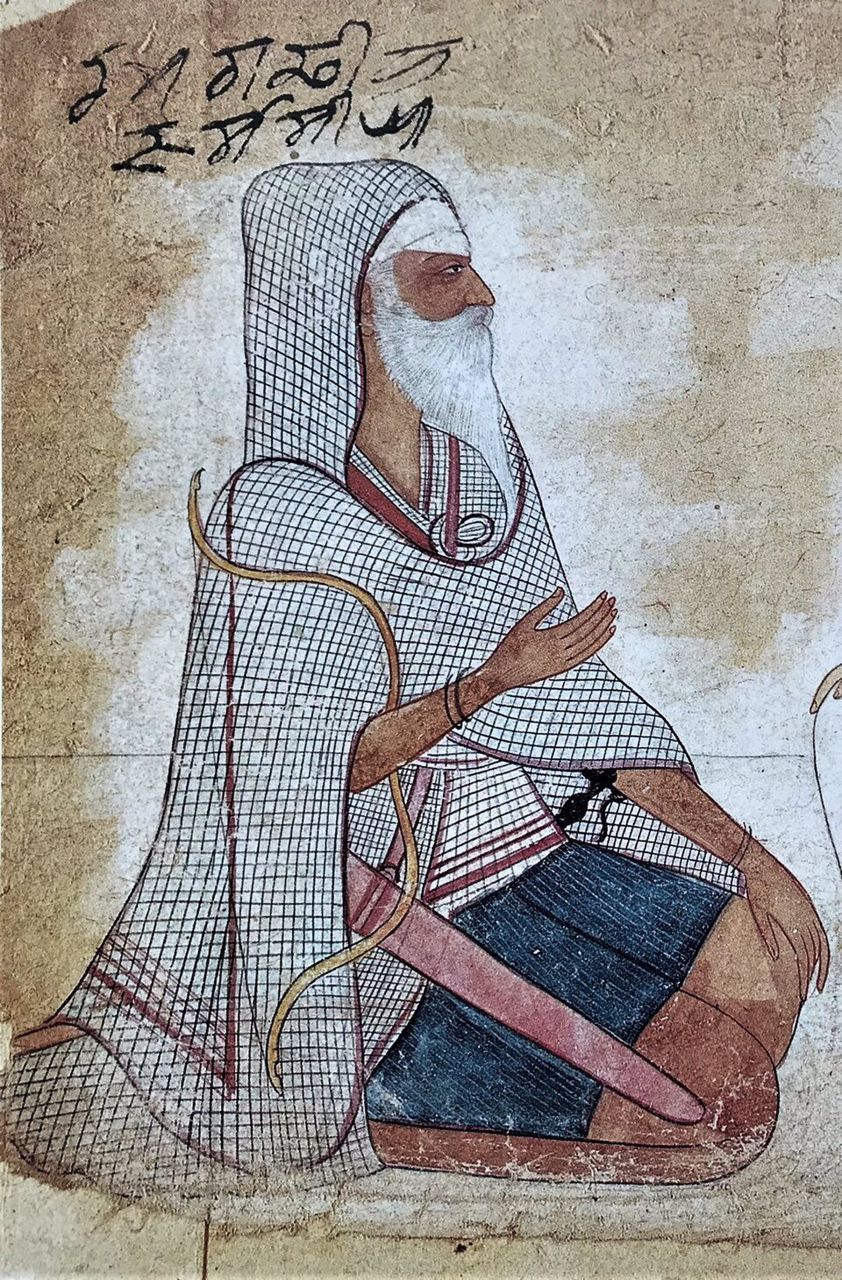
All 12 misls: founders and areasTap to open
| Misl | Founder / leader | Area / headquarters |
|---|---|---|
| Ahluwalia | Jassa Singh Ahluwalia (village Ahlu, Lahore) | Left bank of Sutlej and Bist Doab; later Kapurthala |
| Bhangi | Chhajja Singh; strongest under Hari Singh Dhillon | Lahore, Amritsar, Gujrat, Sialkot — the largest misl |
| Kanhaiya | Jai Singh Kanhaiya | Batala–Gurdaspur, upper Bari Doab, hill states |
| Ramgarhia | Nand Singh Sanghania; famous under Jassa Singh Ramgarhia | Sri Hargobindpur, Batala, upper Jalandhar Doab |
| Sukerchakia | Charat Singh (line from Budha Singh) | Gujranwala, between the Chenab and the Ravi |
| Singhpuria (Faizullapuria / Faizalpuria) | Nawab Kapur Singh | Jalandhar Doab and around Amritsar |
| Nakai | Hira Singh | Nakka tract between Ravi and Sutlej, south-west of Lahore (Chunian) |
| Dallewalia | Gulab Singh (village Dallewal) | Rahon, Nakodar, Phillaur — Jalandhar Doab |
| Karorsinghia (Panjgarhia) | Karora Singh; later Baghel Singh | Cis-Sutlej: Karnal, Ambala, Thanesar |
| Nishanwalia | Dasaundha Singh (standard-bearers of the Dal Khalsa) | Ambala, Shahabad |
| Shaheedan (Nihang) | Baba Deep Singh | Damdama Sahib (Talwandi Sabo), Shahzadpur |
| Phulkian | Descendants of Chaudhary Phul; Ala Singh | Malwa: Patiala, Nabha, Jind, Kaithal |
Got the Nawab title (1733); organised the Dal Khalsa (1748).
Supreme commander of the Dal Khalsa; hailed Sultan-ul-Qaum.
Rebuilt the Ram Rauni fort as Ramgarh.
Entered the Red Fort, Delhi, on 11 March 1783.
Ruler of Patiala; title of Raja from Abdali (1761).
- Founder of the Dal Khalsa = Nawab Kapur Singh; its supreme commander = Jassa Singh Ahluwalia. Both are asked, with different answers.
- Jassa Singh Ahluwalia (Ahluwalia misl, Kapurthala) is a different person from Jassa Singh Ramgarhia (Ramgarhia misl, Sri Hargobindpur).
- The Phulkian states are Patiala, Nabha and Jind only. Kapurthala (Ahluwalia) and Malerkotla are not Phulkian.
- The largest misl was the Bhangi misl; Ranjit Singh's misl was the Sukerchakia.
7. The rise of the Sukerchakia misl
The small misl that produced Maharaja Ranjit Singh.
- The misl is named after the village Sukkarchak. Its chiefs came from the line of Budha Singh; Charat Singh founded the misl.
- Its centre was Gujranwala, between the Chenab and the Ravi.
- Charat Singh's son Maha Singh led the misl next.
- Ranjit Singh, son of Maha Singh, was born at Gujranwala on 13 November 1780.
- When Maha Singh died in 1792, Ranjit Singh (about 12) became the Sukerchakia chief. His mother and his mother-in-law Sada Kaur (of the Kanhaiya misl) guided him.
- His marriages to Mehtab Kaur (Kanhaiya, 1796) and Raj Kaur (Nakai, 1798) tied two more misls to him.
On 7 July 1799 Ranjit Singh occupied Lahore from the three Bhangi sardars. The Afghan king Zaman Shah, a grandson of Abdali, confirmed him as governor of Lahore. On 12 April 1801 (Baisakhi) he was proclaimed Maharaja of Punjab. This was the beginning of the end of the misl period. His reign as Maharaja of Punjab is covered on the next page of this series.
Common traps
- Chhota Ghallughara = 1746, Kahnuwan (Gurdaspur), Yahiya Khan. Vadda Ghallughara = 1762, Kup–Rahira (near Malerkotla), Ahmad Shah Abdali.
- Dal Khalsa (1748, army of the misls) is not the same as Sarkar-e-Khalsa (Ranjit Singh's government).
- Chappar Chiri (12 May 1710) came first; Sirhind was captured two days later (14 May 1710).
- Banda's capture was at Gurdas Nangal (1715); his martyrdom was at Delhi (1716).
- Sarbat Khalsa is the assembly; Gurmata is the resolution it passes.
- Rakhi was one-fifth of the produce, not one-tenth (Dasvandh is one-tenth of income).
Quick revision
Read this the night before the exam.
- Banda's birth name: Lachman Dev (Bairagi name Madho Das)
- Banda met Guru Gobind Singh: Nanded, 1708
- Battle of Chappar Chiri: 12 May 1710, Wazir Khan killed
- Sirhind captured: 14 May 1710
- Banda's capital: Lohgarh (Mukhlispur), near Sadhaura
- Banda's seal: Deg Tegh Fateh
- Fateh Burj: Chappar Chiri, 328 ft
- Banda captured: Gurdas Nangal, 7 Dec 1715
- Banda martyred: Delhi, 9 June 1716, Farrukhsiyar
- Nawab title to Kapur Singh: 1733
- Bhai Mani Singh martyred: Lahore, 1738
- Chhota Ghallughara: 1746, Kahnuwan
- Dal Khalsa: Baisakhi 1748, Amritsar
- Baba Deep Singh martyred: Amritsar, 1757
- Vadda Ghallughara: 5 Feb 1762, Kup–Rahira
- Rakhi: one-fifth of produce
- Largest misl: Bhangi
- Ranjit Singh's misl: Sukerchakia (Gujranwala)
- Tahmasnama: Tahmas Khan Miskin (c. 1780)
- Zaman Shah confirmed Ranjit Singh governor of Lahore: 1799
Full timeline: 20 events, 1708–1799Tap to open
- 1708Banda meets Guru Gobind Singh
At Nanded, in September. The Guru sends him to Punjab.
- 1709Samana captured
Banda's first big victory, in November.
- 12 May 1710Battle of Chappar Chiri
Wazir Khan of Sirhind is killed. Sirhind is captured two days later (14 May).
- Dec 1710Lohgarh besieged
Emperor Bahadur Shah I comes himself. Banda escapes to the hills.
- 1715Banda captured
At Gurdas Nangal, on 7 December, after an eight-month siege.
- 9 June 1716Banda martyred
At Mehrauli, Delhi, on the orders of Farrukhsiyar.
- 1733Nawab Kapur Singh
Zakariya Khan offers a jagir and the title Nawab; the Khalsa gives it to Kapur Singh.
- 1734Buddha Dal and Taruna Dal
The Khalsa is divided into a group of veterans and a group of young men.
- 1738Bhai Mani Singh martyred
At Lahore.
- 1739Nadir Shah invades
The Persian ruler plunders Delhi; Sikhs attack his army on its way back.
- 1746Chhota Ghallughara
About 7,000 Sikhs killed at the Kahnuwan marsh (Gurdaspur).
- 1748Dal Khalsa formed
Baisakhi at Amritsar. Fort Ram Rauni is built the same year.
- 1757Baba Deep Singh martyred
At Amritsar, in November, during Abdali's 4th invasion.
- 1761Third Battle of Panipat
14 January. Abdali crushes the Marathas.
- 5 Feb 1762Vadda Ghallughara
At Kup–Rahira near Malerkotla. About 25,000–30,000 Sikhs killed in a day.
- 1764Sirhind taken
In January; governor Zain Khan is killed.
- 1765Sikhs occupy Lahore
They strike their own coin there.
- 1780Ranjit Singh born
13 November, at Gujranwala, in the Sukerchakia family.
- 11 Mar 1783Baghel Singh in Delhi
The Karorsinghia chief enters the Red Fort.
- 7 July 1799Ranjit Singh takes Lahore
From the Bhangi sardars. The misl period begins to end.
Who was the Mughal emperor when Banda Singh Bahadur was executed, and when?
Show answer
Farrukhsiyar; Banda was executed at Delhi (Mehrauli) on 9 June 1716.
Who organised the Dal Khalsa and who was its supreme commander?
Show answer
Organised by Nawab Kapur Singh (1748, Amritsar); supreme commander Jassa Singh Ahluwalia.
Where and when did the Vadda Ghallughara take place?
Show answer
At Kup–Rahira near Malerkotla on 5 February 1762, during Ahmad Shah Abdali's 6th invasion.