Climate change is the long-term rise in Earth's average temperature and the changes in weather that come with it. The main cause is the extra greenhouse gases released by burning coal, oil and gas, cutting forests and some farming. This page covers the gases, the world treaties from Rio (1992) to Paris (2015) and the yearly COPs, India's targets, and the carbon market terms that exams ask.
Greenhouse gases and their sources
Six gases under the Kyoto Protocol.
Greenhouse gases let sunlight in but trap the heat that Earth gives off, like the glass of a greenhouse. Some greenhouse effect is natural and keeps Earth warm enough for life. The problem is the extra gas added since the Industrial Revolution. Gases differ in strength: a molecule of methane traps far more heat than a molecule of carbon dioxide, though it stays in the air for a shorter time.
| Gas | Main human sources |
|---|---|
| Carbon dioxide (CO₂) | Burning coal, oil and gas; cement; cutting forests |
| Methane (CH₄) | Flooded rice fields, cattle, landfills, coal mines, gas leaks |
| Nitrous oxide (N₂O) | Nitrogen fertilisers, rice fields, some industry |
| HFCs | Refrigerators and air conditioners (they replaced ozone-harming CFCs) |
| PFCs and SF₆ | Aluminium making; electrical switchgear |
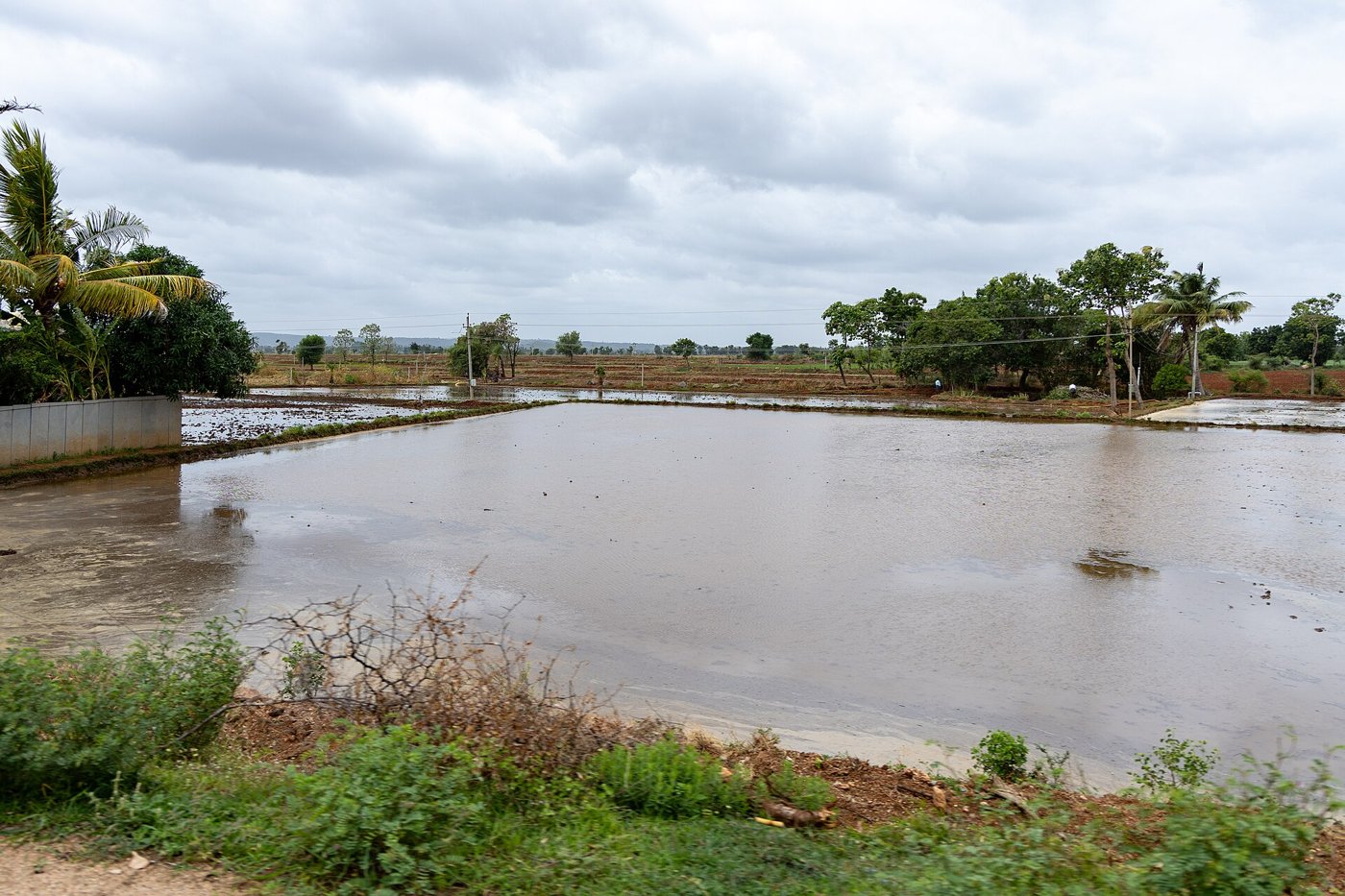
Rice is the most important farm source of both methane and nitrous oxide: flooded paddies release methane, and fertiliser releases nitrous oxide. Punjab's paddy belt and stubble burning after harvest add both greenhouse gases and smoke. Methods like direct seeding of rice (DSR) and alternate wetting and drying cut methane by keeping fields less flooded.
The world response
IPCC, UNFCCC, Kyoto and Paris.
- 1988IPCC set up
By the WMO and UNEP to assess climate science. Shared the 2007 Nobel Peace Prize with Al Gore.
- 1992UNFCCC at Rio
The UN Framework Convention on Climate Change opened at the Rio Earth Summit; in force 1994. Secretariat in Bonn.
- 1995COP1, Berlin
The parties began meeting every year as the Conference of the Parties (COP).
- 1997Kyoto Protocol
Binding cuts for developed (Annex I) countries only; in force 2005.
- 2015Paris Agreement (COP21)
Every country sets its own Nationally Determined Contribution (NDC); in force 4 November 2016.
- 2023First global stocktake (COP28, Dubai)
Checked progress on Paris; called for transitioning away from fossil fuels.
| COP | Place and year | Remember |
|---|---|---|
| COP26 | Glasgow, 2021 | India's Panchamrit; net zero by 2070 |
| COP27 | Sharm el-Sheikh, 2022 | Loss and damage fund agreed |
| COP28 | Dubai, 2023 | First global stocktake; "transition away from fossil fuels" |
| COP29 | Baku, 2024 | New climate-finance goal: USD 300 billion a year by 2035 |
| COP30 | Belém, Brazil, 2025 | Held at the edge of the Amazon |
| COP31 | Antalya, Türkiye, 9–20 Nov 2026 | Hosted by Türkiye |
India's climate targets and missions
From the 2008 action plan to the 2035 NDC.
| Target | First NDC (2015) | Updated (2022) | NDC for 2035 (2026) |
|---|---|---|---|
| Cut in emissions intensity of GDP (from 2005) | 33–35% by 2030 | 45% by 2030 | 47% by 2035 |
| Non-fossil share of power capacity | About 40% by 2030 | 50% by 2030 | 60% by 2035 |
| Extra carbon sink from forests and trees | 2.5–3 billion t CO₂e | Same | 3.5–4 billion t CO₂e |
The amount of greenhouse gas released for each unit of GDP. India's targets cut intensity, not total emissions, so the economy can still grow while each rupee of output becomes cleaner.
India's National Action Plan on Climate Change (NAPCC) of 2008 set up eight national missions: Solar, Enhanced Energy Efficiency, Sustainable Habitat, Water, Sustaining the Himalayan Ecosystem, Green India, Sustainable Agriculture, and Strategic Knowledge for Climate Change. The Green India Mission aims to increase forest and tree cover and improve the quality of existing forests, which helps both carbon capture and local livelihoods.
Eight NAPCC missions: "Some Energy Saves Water, Himalaya Grows Agriculture Knowledge" — Solar, Efficiency, Sustainable habitat, Water, Himalaya, Green India, Agriculture, Knowledge.
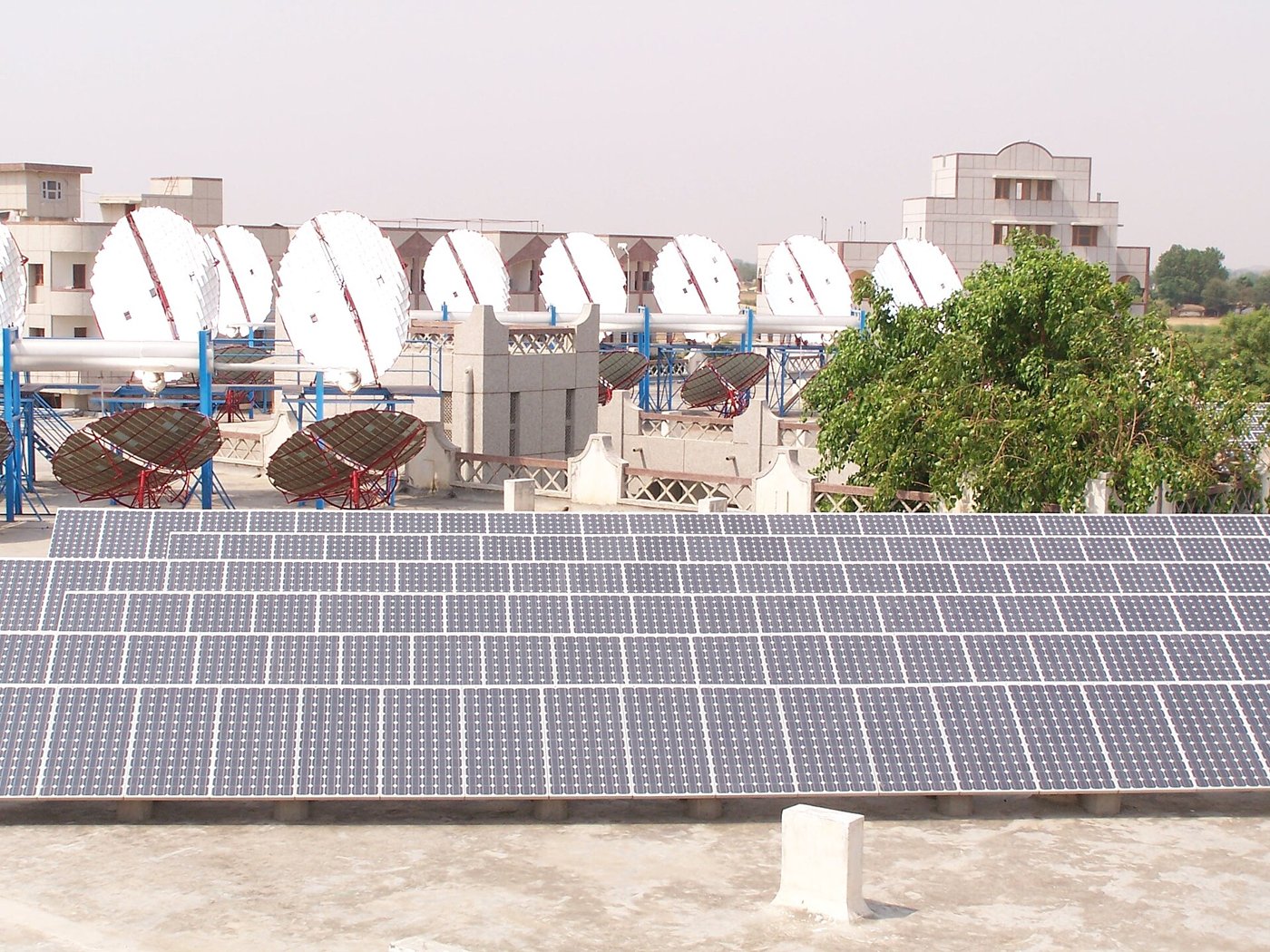
Launched at COP21; headquarters in Gurugram.
Helps developing countries cut emissions and adapt; based in Songdo, South Korea.
Pays for reducing emissions from deforestation and forest degradation.
Lights off for an hour, usually on the last Saturday of March.
Names that appear often in exam options.
Carbon markets and carbon words
Credits, sinks and blue carbon.
A tradable certificate for one tonne of carbon dioxide (or its equivalent) kept out of the air or removed from it. A company that cuts more than its target can sell credits; one that falls short can buy them. India started its Carbon Credit Trading Scheme in 2023 under the amended Energy Conservation Act.
| Term | Meaning |
|---|---|
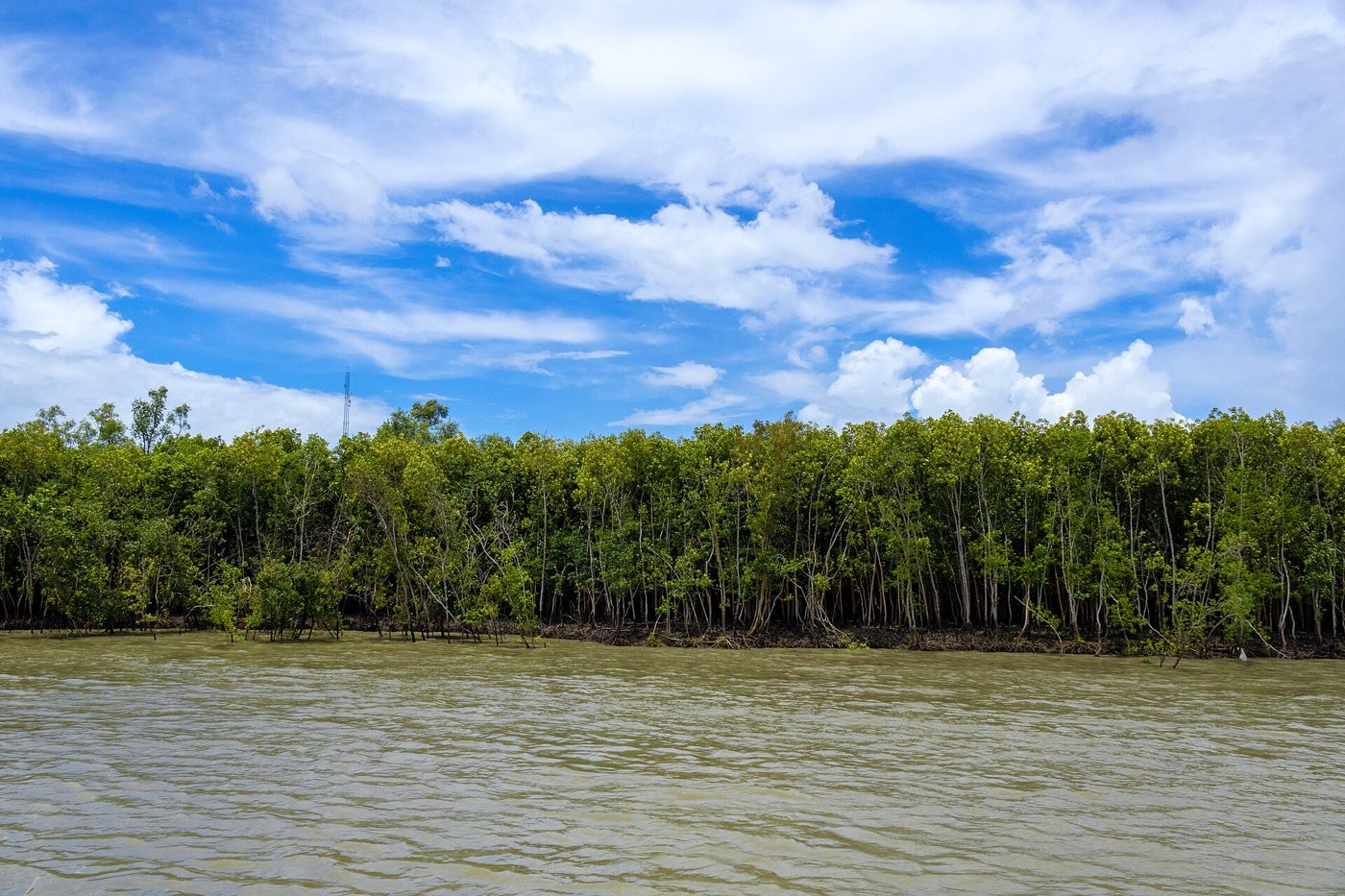
| Blue carbon | Carbon captured by oceans and coastal ecosystems: mangroves, seagrass and salt marshes |
| Carbon sink | Anything that absorbs more carbon than it releases: forests, oceans, soil |
| Carbon fertilisation | Faster plant growth because there is more CO₂ in the air |
| Social cost of carbon | The money value of the long-term damage done by one extra tonne of CO₂ |
| Net zero | Emissions left are balanced by an equal amount removed from the air |
| Methane hydrate | Methane locked in ice under seabeds and permafrost; warming may release it |
| Geoengineering | Large deliberate changes to cool Earth, e.g. cirrus cloud thinning or spreading crushed basalt on farms to absorb CO₂ |
Everything on one look
Traps, quick facts and a practice question.
- Kyoto bound only developed countries; Paris covers all countries.
- India's targets cut emissions intensity, not total emissions.
- The IPCC assesses science; the UNFCCC is the treaty. Do not swap them.
- Earth Hour is run by WWF, not by UNEP or UNESCO.
- Blue carbon is coastal and ocean carbon, not carbon in rivers or lakes.
- Montreal Protocol (1987) is about the ozone layer; its Kigali Amendment (2016) phases down HFCs.
- IPCC
- 1988; WMO + UNEP
- UNFCCC
- Rio 1992; Bonn secretariat
- Kyoto Protocol
- 1997; developed countries only
- Paris Agreement
- COP21, 2015; NDCs
- Panchamrit
- India's COP26 pledges, 2021
- 2070
- India's net-zero year
- Blue carbon
- Mangroves, seagrass, salt marsh
- ISA HQ
- Gurugram
- IPCC: 1988 (WMO + UNEP); Nobel Peace 2007
- UNFCCC: Rio 1992, in force 1994; COP1 Berlin 1995
- Kyoto: 1997, in force 2005; developed countries only
- Paris: COP21 2015, in force 4 Nov 2016; well below 2 °C, aim 1.5 °C
- First global stocktake: COP28 Dubai, 2023
- COP29 Baku: USD 300 billion a year by 2035
- COP30 Belém 2025; COP31 Antalya, 9–20 Nov 2026
- India: net zero 2070; 47% intensity cut and 60% non-fossil capacity by 2035
- NAPCC: 2008, eight missions
- Carbon Credit Trading Scheme: 2023
- Rice: top farm source of methane and nitrous oxide
How did the Paris Agreement change the way countries set climate targets compared with the Kyoto Protocol?
Show answer
Under Kyoto (1997), binding cuts were fixed in the treaty and applied only to developed countries. Under Paris (2015), every country sets its own Nationally Determined Contribution (NDC), updates it every five years, and progress is checked in a global stocktake.