Exams love matching an environmental treaty to its year, city and subject, and an Indian law or body to the Act that created it. This page sorts them: the big UN conferences from Stockholm (1972) to Rio (1992) and Rio+20, the treaties on chemicals, waste, ozone and migratory animals, the organisations behind them, and India's own laws and bodies.
The great UN conferences
Stockholm, Rio and Rio+20.
- 1972Stockholm Conference
First UN conference on the human environment; led to UNEP (headquarters Nairobi) and World Environment Day, 5 June.
- 1987Brundtland Report
"Our Common Future" defined sustainable development: meeting today's needs without harming the ability of future generations to meet theirs.
- 1992Rio Earth Summit
Gave Agenda 21, the Rio Declaration and the Forest Principles, and opened the UNFCCC and CBD for signing.
- 2000Millennium Development Goals
8 goals for 2015.
- 2012Rio+20
The UN Conference on Sustainable Development; its outcome, "The Future We Want", started the work on the SDGs.
- 2015Sustainable Development Goals
17 goals and 169 targets for 2030, adopted by the UN General Assembly.
A non-binding action plan for sustainable development in the 21st century, adopted at the Rio Earth Summit, 1992. It asks governments at every level, down to local bodies, to plan for sustainable development. Being non-binding, it is a guide, not a treaty with penalties.
Treaties by subject
Match the treaty to what it controls.
| Treaty | Year | Controls |
|---|---|---|
| Ramsar Convention | 1971 | Wetlands of international importance |
| CITES | 1973 | International trade in wild animals and plants |
| Bonn Convention (CMS) | 1979 | Migratory species of wild animals |
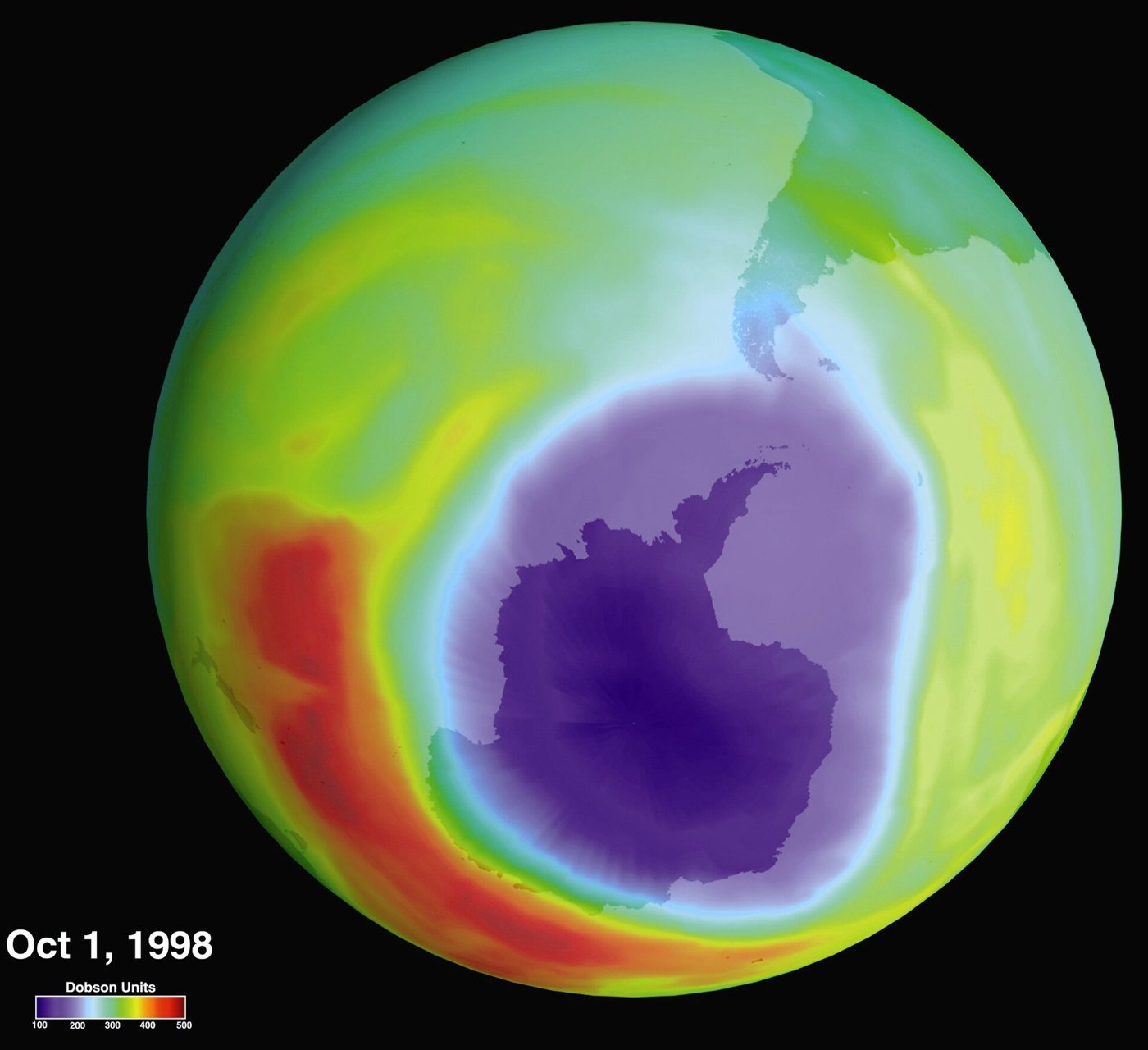
| Vienna Convention | 1985 | Framework for protecting the ozone layer |
| Montreal Protocol | 1987 | Phasing out ozone-depleting substances such as CFCs; Kigali Amendment (2016) adds HFCs |
| Basel Convention | 1989 | Cross-border movement of hazardous waste |
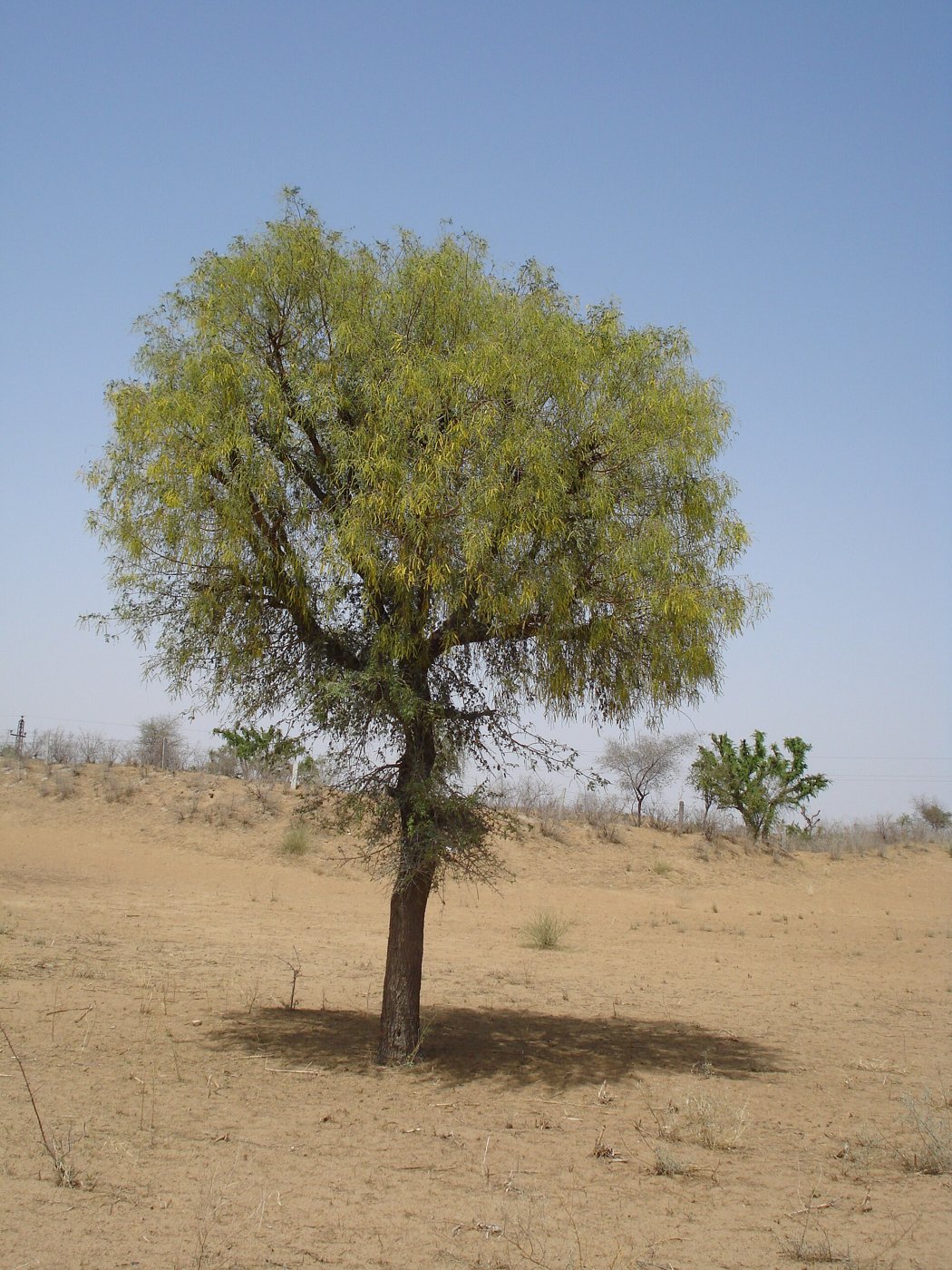
| UNCCD | 1994 | Desertification and land degradation |
| Rotterdam Convention | 1998 | Prior informed consent before trading hazardous chemicals and pesticides |
| Stockholm Convention | 2001 | Persistent organic pollutants (POPs) such as DDT |
| Minamata Convention | 2013 | Mercury |
Waste and chemicals, in order: B-R-S-M — Basel (waste, 1989), Rotterdam (consent, 1998), Stockholm (POPs, 2001), Minamata (mercury, 2013). "Big Rivers Stay Muddy."
Do not confuse the Stockholm Conference (1972) on the human environment with the Stockholm Convention (2001) on persistent organic pollutants. Same city, different events, 29 years apart.
Organisations
Who runs what.
| Organisation | Remember |
|---|---|
| UNEP | UN Environment Programme, 1972, Nairobi |
| Global Environment Facility (GEF) | Set up in 1991; acts as the financial mechanism for the CBD, UNFCCC, UNCCD, the Stockholm and Minamata conventions |
| IUCN | 1948, Gland; publishes the Red List; hosts the Invasive Species Specialist Group |
| WWF | Founded 1961; runs Earth Hour |
| TRAFFIC | Monitors wildlife trade; a joint programme of WWF and IUCN |
| Bombay Natural History Society (BNHS) | Founded 1883 in Mumbai; linked with ornithologist Salim Ali |
| BirdLife International | A global partnership of bird conservation groups; identifies Important Bird Areas |
| Wetlands International | A global non-profit working to conserve and restore wetlands |
Giving a false impression that a company's products or work are environmentally friendly, through vague labels, selective facts or green imagery, without real change behind them.
India's environmental laws and bodies
Which Act created which body.
| Law | Year | Key point |
|---|---|---|
| Prevention of Cruelty to Animals Act | 1960 | Set up the Animal Welfare Board of India, a statutory advisory body |
| Wildlife (Protection) Act | 1972 | Protected areas and schedules; National Board for Wildlife, chaired by the Prime Minister |
| Water Act | 1974 | Created the Central and State Pollution Control Boards |
| Forest (Conservation) Act | 1980 | Centre's approval needed to use forest land for other purposes; amended in 2023 |
| Environment (Protection) Act | 1986 | Umbrella law; bodies under it include the Central Ground Water Authority and the Genetic Engineering Appraisal Committee (GEAC) |
| Biological Diversity Act | 2002 | National Biodiversity Authority, State Boards and local BMCs |
| Forest Rights Act | 2006 | Recognises the forest rights of Scheduled Tribes and other traditional forest dwellers |
| National Green Tribunal Act | 2010 | Special green court |
| Compensatory Afforestation Fund Act | 2016 | Money paid for using forest land goes to CAMPA funds for new forests |
| Schedule (after 2022) | Covers |
|---|---|
| Schedule I | Animals given the highest protection, e.g. tiger; a tortoise listed here gets the same protection as a tiger |
| Schedule II | Animals with lesser protection |
| Schedule III | Protected plants |
| Schedule IV | Specimens listed under CITES |
Everything on one look
Traps, quick facts and a practice question.
- Basel = hazardous waste; Rotterdam = prior informed consent for chemicals; Stockholm Convention = POPs.
- The GEAC and the Central Ground Water Authority come under the Environment (Protection) Act, 1986.
- Agenda 21 is non-binding; it came from Rio 1992, not Stockholm 1972.
- Rio+20 (2012) is the UN Conference on Sustainable Development, not a climate COP.
- TRAFFIC is run by WWF and IUCN, not by UNEP.
- The National Board for Wildlife is chaired by the Prime Minister, not the environment minister.
- Basel
- Hazardous waste, 1989
- Rotterdam
- Chemicals: prior informed consent, 1998
- Stockholm Convention
- Persistent organic pollutants, 2001
- Minamata
- Mercury, 2013
- CMS (Bonn)
- Migratory species, 1979
- UNCCD
- Desertification, 1994
- Kigali Amendment
- HFC phase-down, 2016
- GEF
- Funds the big conventions, 1991
- Stockholm Conference 1972 → UNEP (Nairobi), 5 June
- Brundtland Report 1987: sustainable development
- Rio Earth Summit 1992: Agenda 21, UNFCCC, CBD
- Rio+20 2012: The Future We Want
- SDGs 2015: 17 goals, 169 targets, 2030
- Montreal 1987; Kigali Amendment 2016 (HFCs)
- Basel 1989; Rotterdam 1998; Stockholm Convention 2001; Minamata 2013
- GEF 1991; WWF 1961; BNHS 1883
- Water Act 1974; Forest (Conservation) Act 1980; EPA 1986
- Forest Rights Act 2006; NGT 2010; CAF Act 2016
- Khejarli 1730; Chipko from 1973
Under which Act are the Genetic Engineering Appraisal Committee and the Central Ground Water Authority set up?
Show answer
Both come under the Environment (Protection) Act, 1986, India's umbrella environment law. It gives the Centre power to set up authorities and make rules for protecting the environment.