The RBI and the banking system, money and digital payments, taxes and GST, and the Union Budget — the money-and-banking facts the exam repeats, with photos and real past questions.
The economy section is mostly facts about institutions and terms : when the RBI was set up and what it does, how banks were nationalised , the full forms of payment systems (NEFT, RTGS, IMPS, IFSC ), the difference between direct and indirect taxes and what GST is, and a few budget words. These are fixed facts — learn the dates and the full forms and the section becomes easy marks.
1935
RBI established
Nationalised in 1949
2017
GST rolled out
'One Nation, One Tax' (1 July)
15
Languages on a currency note
On the note's language panel
The RBI and the banking system India's central bank, and how banks are organised.
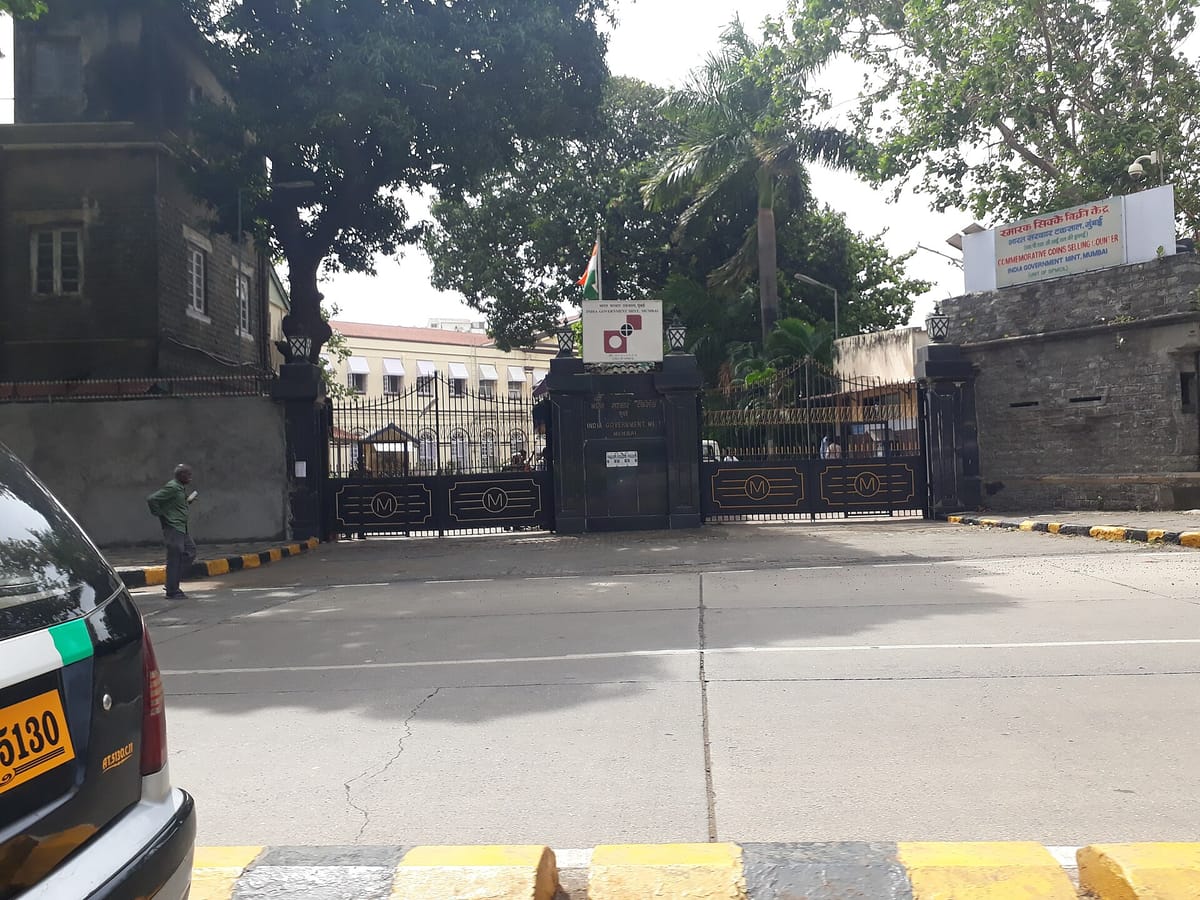
The RBI (set up 1935, headquarters Mumbai) is India's central bank — it issues currency, sets the repo rate and regulates all banks. Image: Pinakpani · CC BY-SA 4.0 Fact Detail RBI established 1935 (on the Hilton Young Commission); HQ Mumbai RBI nationalised 1949 Bank nationalisation 14 banks in 1969, 6 more in 1980 First Regional Rural Bank 1975 NABARD established 1982 (for rural/agri credit) SEBI (markets regulator) 1988; statutory in 1992
RBI 1935 (nationalised 1949); banks nationalised 1969 & 1980; NABARD 1982. QUICK CHECK
PYQ · SSC — In which year was the Reserve Bank of India established?
A 1952 B 1935 C 1950 D 1947 Tap an option to answer
Answer: B — 1935
The RBI was established in 1935 and nationalised in 1949.
QUICK CHECK
PYQ · SSC — In which year was the RBI nationalised?
A 1939 B 1949 C 1959 D 1969 Tap an option to answer
Answer: B — 1949
The RBI was nationalised in 1949, coming fully under government ownership.
QUICK CHECK
PYQ · SSC — The first Regional Rural Bank in India was established in which year?
A 1982 B 1980 C 1991 D 1975 Tap an option to answer
Answer: D — 1975
The first Regional Rural Bank (Prathama Bank) was set up in 1975.
QUICK CHECK
PYQ · SSC — In which year was NABARD established?
A 1978 B 1979 C 1981 D 1982 Tap an option to answer
Answer: D — 1982
NABARD, the apex body for rural and agricultural credit, was set up in 1982.
QUICK CHECK
PYQ · SSC — What is 'collateral' in the banking system?
A An asset a borrower pledges as a guarantee until the loan is repaid B An asset the government gives farmers C An asset taken as a loan D A government asset for consumer protection Tap an option to answer
Answer: A — An asset a borrower pledges as a guarantee until the loan is repaid
Collateral is an asset a borrower pledges to the lender as security until the loan is repaid.
Money, currency and payment systems Who prints what, and the full forms you must know.
Indian currency
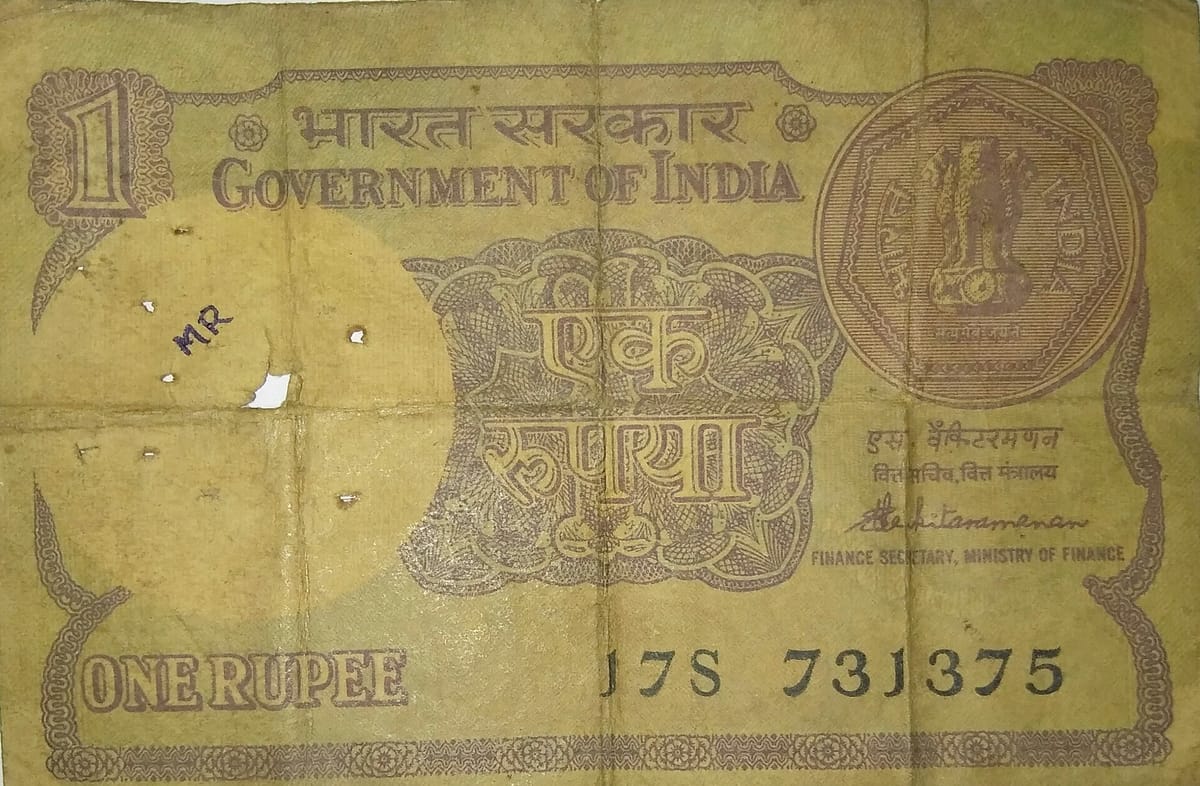
Banknotes are issued by the RBI (except the ₹1 note, issued by the Government). The note carries a 15-language panel.
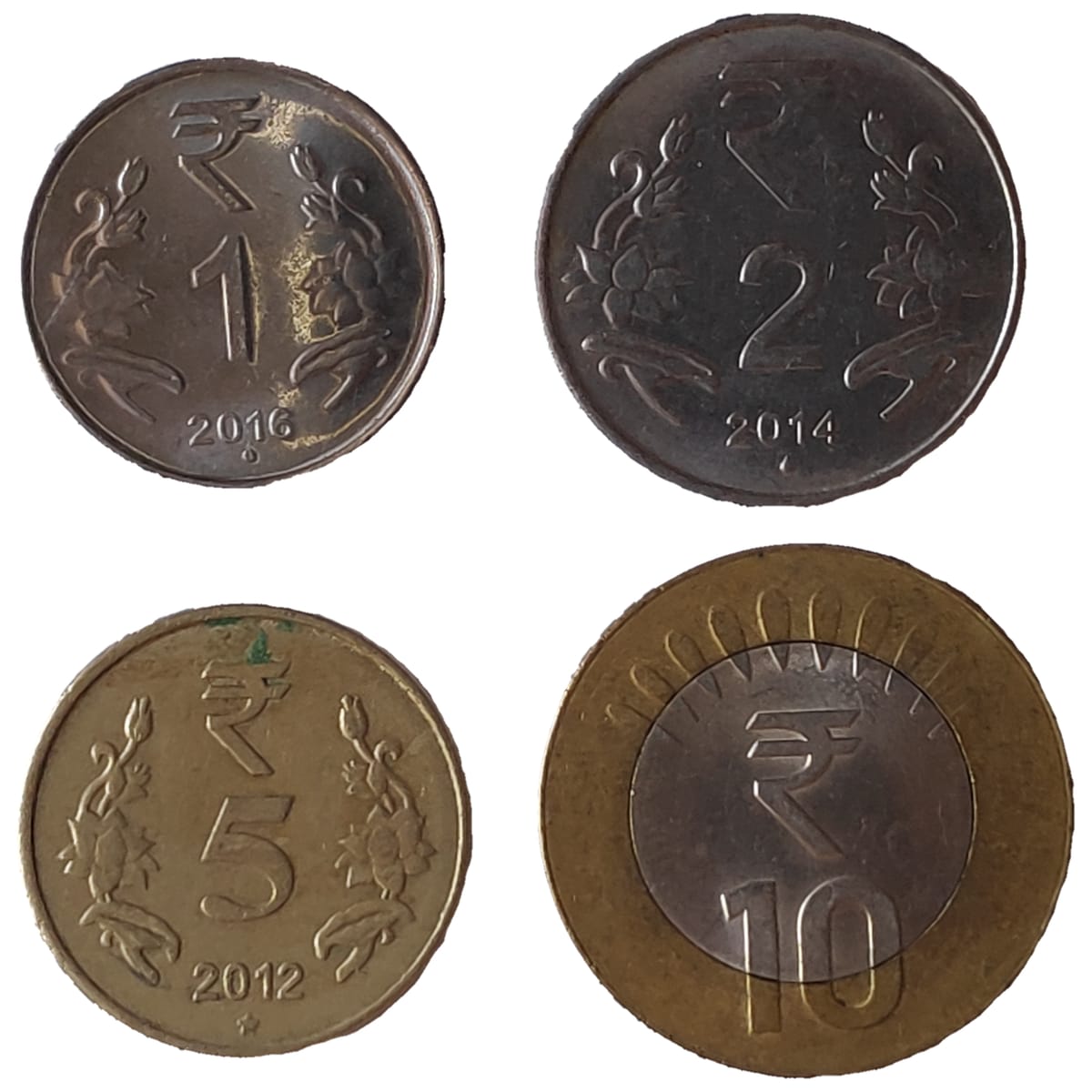
Coins and the ₹1 note are issued by the Government of India; all other notes by the RBI.
Image Abbreviation Full form NEFT National Electronic Funds Transfer RTGS Real-Time Gross Settlement (large amounts) IMPS Immediate Payment Service (instant, 24x7) IFSC Indian Financial System Code (identifies a bank branch) GSTIN Goods and Services Tax Identification Number
IMPS = instant; RTGS = large amounts in real time; IFSC = the branch code. QUICK CHECK
PYQ · SSC — In banking, what is the full form of IMPS?
A Instant Payment Service B Instant Payment Sector C Immediate Payment Sector D Immediate Payment Service Tap an option to answer
Answer: D — Immediate Payment Service
IMPS stands for Immediate Payment Service — instant, round-the-clock fund transfer.
QUICK CHECK
PYQ · SSC — Which alphanumeric code uniquely identifies a bank branch in the NEFT system?
A STP B SFMS C IFSC D RTGS Tap an option to answer
Answer: C — IFSC
The IFSC (Indian Financial System Code) uniquely identifies each bank branch.
QUICK CHECK
PYQ · SSC — How many languages are there on the language panel of an Indian currency note?
A 12 B 17 C 15 D 10 Tap an option to answer
Answer: C — 15
A note shows the amount in 15 languages on its language panel (plus Hindi and English on the face).
QUICK CHECK
PYQ · SSC — The place where bankers meet and settle their mutual claims is known as the:
A Clearing House B Treasury C Cheque Scanning D Call Money Market Tap an option to answer
Answer: A — Clearing House
A Clearing House is where banks settle their mutual claims and cheques.
Inflation, taxes and the Budget Price rise, how taxes work, and GST.
Term Meaning Inflation A general rise in prices; money buys less Direct tax Paid directly to govt (income tax, corporate tax) Indirect tax Paid on goods/services (GST, customs) Progressive tax Higher income → higher tax rate GST (2017) 'One Nation, One Tax'; GST Council has 33 members Fiscal deficit When govt spending exceeds its income
GST & customs are indirect; income tax is direct; progressive = higher income pays more. QUICK CHECK
PYQ · SSC — If money-supply growth is faster than real GDP growth, it results in:
A Inflation B Deflation C Budget surplus D Budget deficit Tap an option to answer
Answer: A — Inflation
Too much money chasing the same goods pushes prices up — that is inflation.
QUICK CHECK
PYQ · SSC — A tax that collects a greater share of income from high earners than low earners is a:
A Proportional tax B Regressive tax C Payroll tax D Progressive tax Tap an option to answer
Answer: D — Progressive tax
A progressive tax takes a higher rate as income rises (e.g. income tax slabs).
QUICK CHECK
PYQ · SSC — What is the full form of GSTIN?
A Goods and Services Tax Identification Note B Goods and Services Tax Identification Number C Goods and Services Tax Information Number D Goods and Services Taxation Income Number Tap an option to answer
Answer: B — Goods and Services Tax Identification Number
GSTIN = Goods and Services Tax Identification Number — a unique number for each registered business.
QUICK CHECK
PYQ · SSC — How many members are there in the GST Council?
A 33 B 35 C 25 D 23 Tap an option to answer
Answer: A — 33
The GST Council has 33 members (the Union Finance Minister, a Union MoS, and one minister from each state/UT with a legislature).
Stock market and national income Where shares trade, and a national-income identity.
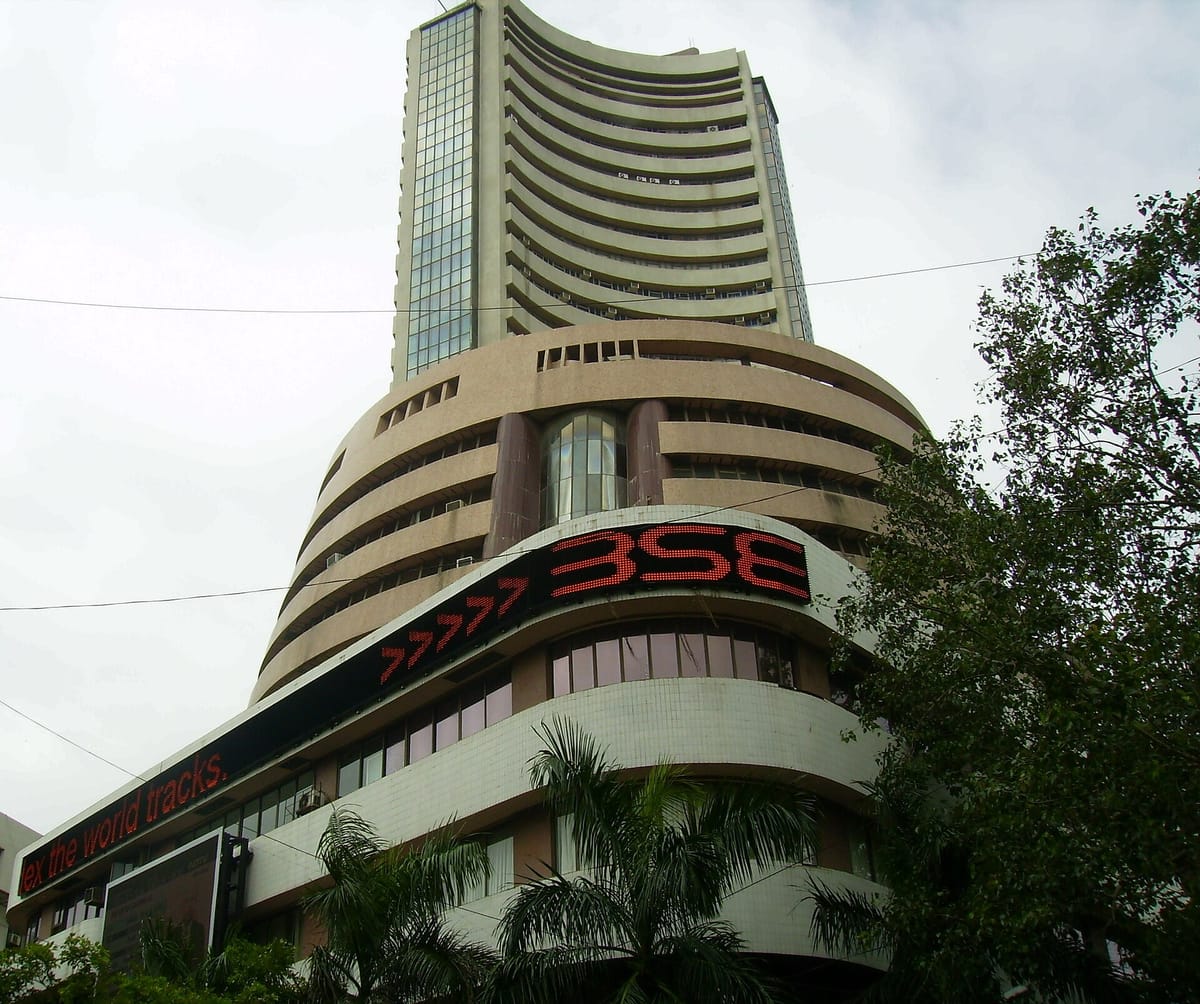
The BSE (Asia's oldest stock exchange, 1875; index SENSEX) and the NSE (index NIFTY) are regulated by SEBI. Image: Niyantha Shekhar · CC BY 2.0 QUICK CHECK
PYQ · SSC — Personal Income − Personal tax payments − Non-tax payments equals:
A Net National Product at factor cost B National Income C Personal Disposable Income D Gross National Product Tap an option to answer
Answer: C — Personal Disposable Income
Personal Disposable Income is what remains for a household to spend or save after taxes.
COMMON TRAPS
RBI: established 1935, nationalised 1949 — don't mix the two dates. Bank nationalisation: 14 banks in 1969, 6 in 1980; RRBs from 1975; NABARD 1982. IMPS = Immediate Payment Service (not 'Instant'); IFSC identifies a branch. GST & customs = indirect tax; income tax = direct tax. GST Council = 33 members. A currency note's language panel has 15 languages (plus Hindi & English). FLASHCARDS
Quick revision
RBI established / nationalised 1935 / 1949
First bank nationalisation 1969 (14 banks)
NABARD established 1982
IMPS Immediate Payment Service
GST rollout 1 July 2017
Markets regulator SEBI CHECK YOURSELF
Income tax is an example of which kind of tax? (a) Indirect tax (b) Direct tax (c) Value-added tax (d) Customs duty
Show answer (b) Direct tax. Income tax is paid directly by a person to the government; GST and customs are indirect taxes on goods and services.
❧