Indian Economy: Planning, Agriculture, Industry and Population
The sectors and national income, the Five-Year Plans and NITI Aayog, agriculture and the farm revolutions, industry, and the 2011 Census — the facts the exam repeats, with photos and real past questions.
This page covers how the economy is organised and planned: the three sectors, how national income (GDP) is measured and by whom, the Five-Year Plans and their successor NITI Aayog, agriculture and the farm 'revolutions' (Green, White and others), industry, and the headline numbers of the 2011 Census. Most questions are fixed facts — dates, full forms, who measures what and census figures.
1951
First Five-Year Plan
Planned development begins
2015
NITI Aayog replaced Planning Commission
1 Jan 2015
3
Sectors of the economy
Primary, secondary, tertiary
Sectors and national income
How the economy is divided, and how GDP is measured.
Sector
What it is
Examples
Primary
Nature-based production
Farming, mining, fishing
Secondary
Manufacturing
Factories, construction
Tertiary
Services
Banking, IT, transport, trade
India's economy is now led by the tertiary (services) sector.
QUICK CHECK
PYQ · SSC — In economics, the letter 'D' in GDP stands for:
Tap an option to answer
Answer: A — Domestic
GDP = Gross Domestic Product — the value of all goods and services produced within the country.
QUICK CHECK
PYQ · SSC — National Income in India is compiled by:
Tap an option to answer
Answer: D — Central Statistical Organization
National Income is compiled by the Central Statistical Organisation (CSO), now under MoSPI.
Planning: Five-Year Plans to NITI Aayog
How India planned its economy, 1951 onwards.
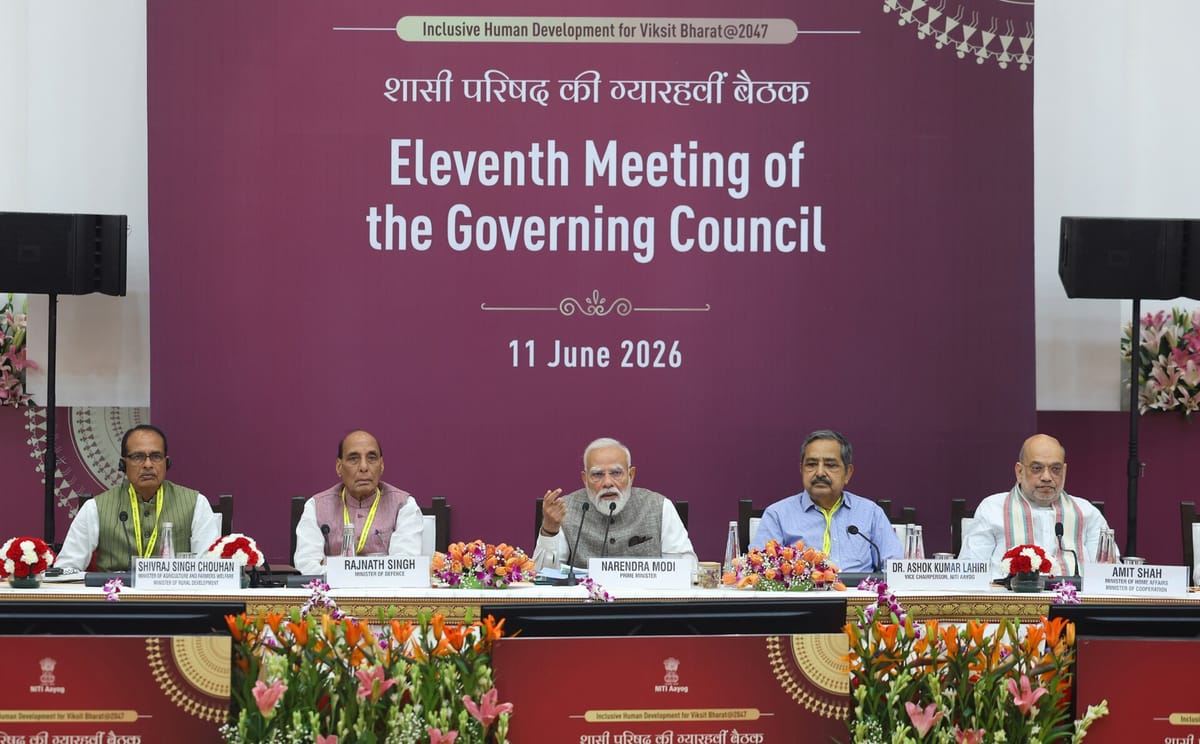
The Planning Commission (which ran the Five-Year Plans from 1951) was replaced by NITI Aayog on 1 January 2015; the PM chairs it. Image: Prime Minister's Office (GODL-India) · GODL-India
Plan / body
Remember
Planning Commission
Set up 1950; ran the Five-Year Plans
First Plan (1951–56)
Focus on agriculture; Harrod-Domar model
Second Plan (1956–61)
Focus on industry; Mahalanobis model
NITI Aayog (2015)
Replaced Planning Commission; a think-tank, not a fund-allocator
First Plan = agriculture (1951); Second = industry (1956); NITI Aayog from 2015.
QUICK CHECK
PYQ · SSC — Planned economic development in India began in which year (First Five-Year Plan)?
Tap an option to answer
Answer: A — 1951
The First Five-Year Plan started in 1951, focusing on agriculture.
Agriculture and the farm revolutions
The backbone of the economy — and Punjab's strength.
Indian agriculture
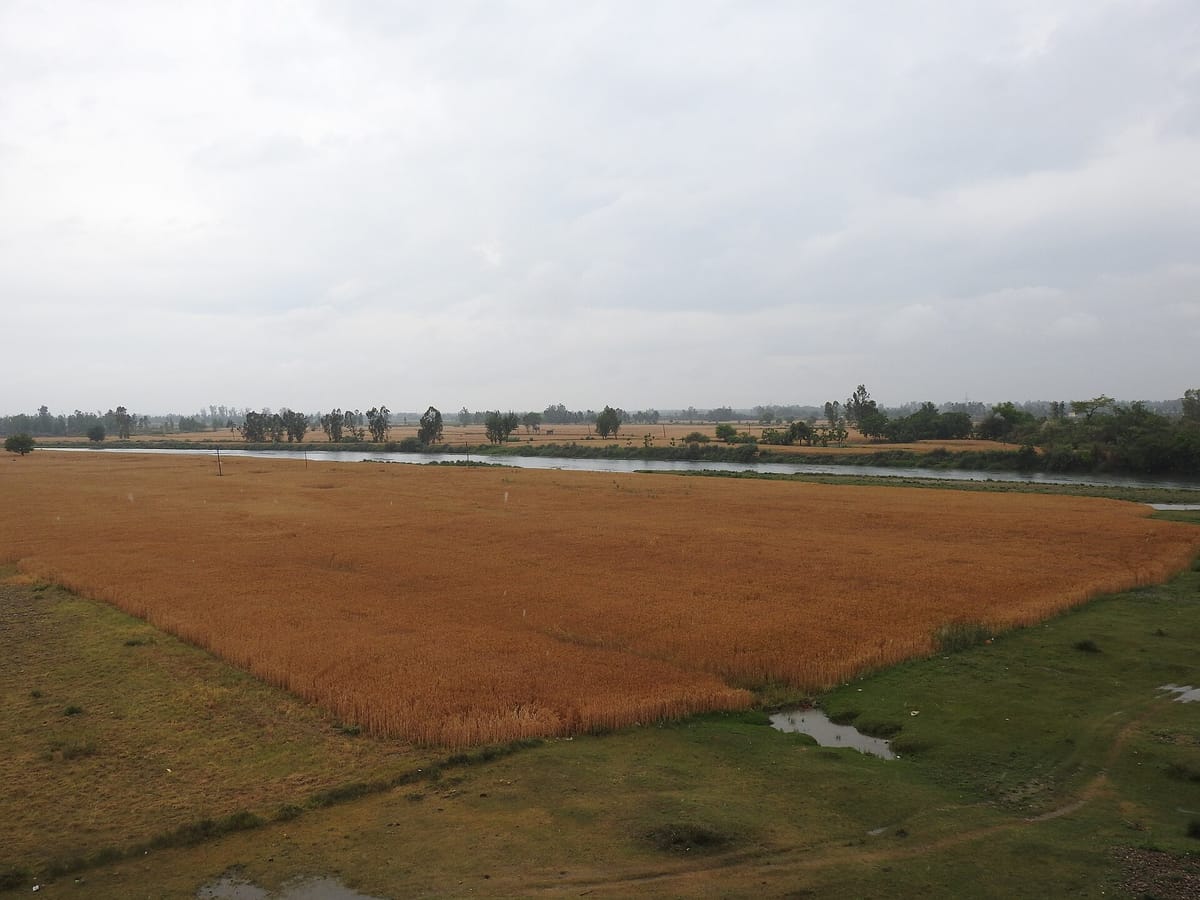
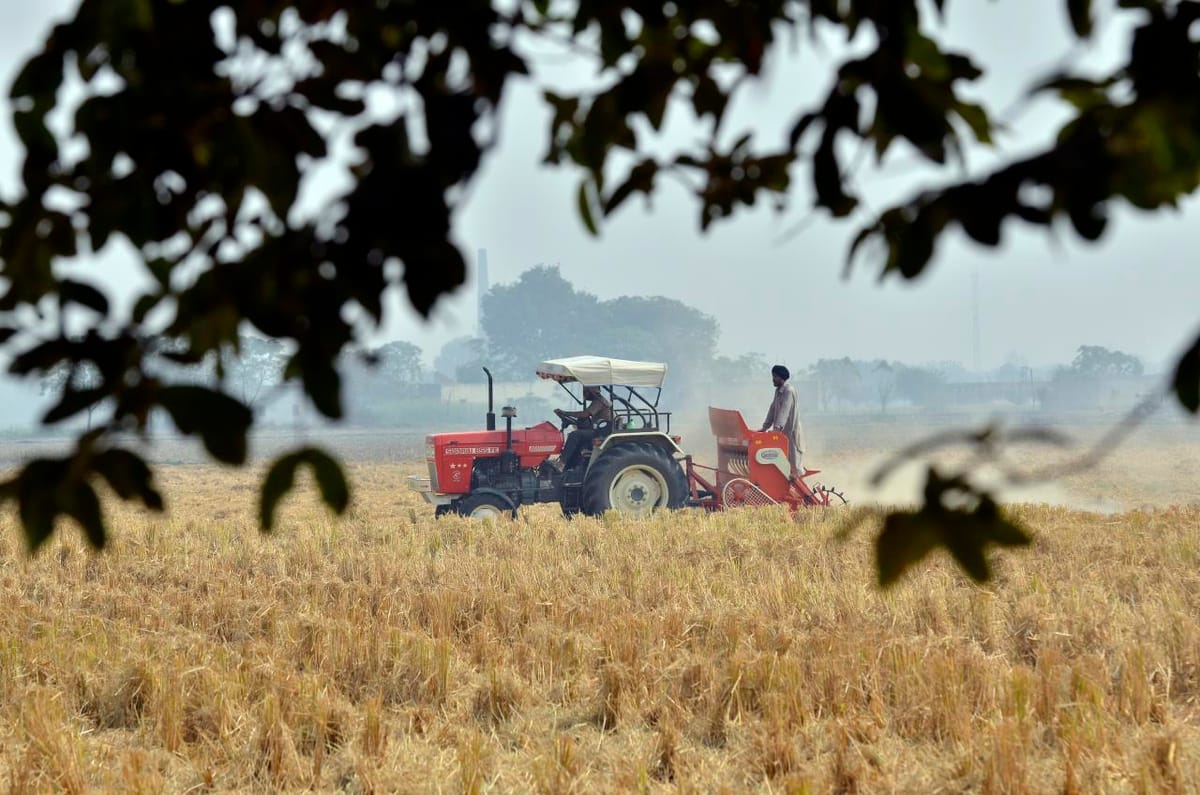
Punjab's wheat is a legacy of the Green Revolution (1960s), which made India self-sufficient in food grains.
Census 2011: UP most populous, Maharashtra 2nd; Haryana lowest sex ratio; density 382.
FLASHCARDS
Quick revision
First Five-Year Plan
1951 (agriculture)
NITI Aayog replaced Planning Commission
2015
Green Revolution father
M. S. Swaminathan
White Revolution / milk
Verghese Kurien
MSP recommended by
CACP
Most populous state (2011)
Uttar Pradesh
CHECK YOURSELF
The White Revolution in India is associated with which person and product? (a) M. S. Swaminathan, wheat (b) Verghese Kurien, milk (c) Norman Borlaug, rice (d) Amul, eggs
Show answer
(b) Verghese Kurien, milk. The White Revolution (Operation Flood) made India the world's largest milk producer; Kurien is its father.
❧
Frequently Asked Questions
When did economic planning begin in India?
With the First Five-Year Plan in 1951, which focused on agriculture.
What replaced the Planning Commission?
NITI Aayog, on 1 January 2015; it is a policy think-tank chaired by the Prime Minister.
What are the three sectors of the economy?
Primary (farming, mining), secondary (manufacturing) and tertiary (services).
What does GDP stand for?
Gross Domestic Product — the value of all goods and services made inside the country in a year.
What was the Green Revolution?
The 1960s jump in food-grain output from new seeds, fertiliser and irrigation; M. S. Swaminathan is its father, and Punjab was its heartland.
What is the White Revolution?
The rise in milk production under Operation Flood, led by Verghese Kurien, making India the top milk producer.
Who fixes the MSP and for how many crops?
The government fixes it on the CACP's recommendation, for 22 mandated crops.
What is disguised unemployment?
When more people work on a job (like a farm) than are actually needed, so some add nothing to output.
Which is India's most populous state per Census 2011?
Uttar Pradesh, followed by Maharashtra; India's population density was 382 per sq. km.
Who compiles India's National Income?
The Central Statistical Organisation (CSO), now part of MoSPI.