Social media means websites and apps where ordinary users make the content and share it with others. Facebook, Instagram, YouTube, X (old name Twitter), LinkedIn and WhatsApp are everyday examples. Punjab Police SI and Constable papers ask about this topic again and again: what social media is, which platform is used for what, who founded each app, who owns it today, and the good and bad sides of instant messaging.
What social media is
The definitions that papers copy almost word for word.
A computer-based technology for sharing ideas, thoughts and information through virtual networks and communities. It is internet-based, so anyone online can join. Its content is user-generated: the users themselves post the photos, videos and comments. Others react with likes, shares and comments.
Chat and comment with other users.
Pass on news, photos, links and videos.
Post your own text, pictures and videos.
An internet platform that lets users converse, share information and create web content is called social media.
| If the question says… | The answer is |
|---|---|
| Social media platforms are ___ or applications | websites |
| Social media features ___ content and personal profiles | user-generated |
| Staying in touch and collaborating with friends, peers and like-minded people on a platform | Social networking |
| Connecting directly with people through groups, networks and locations | Social networking |
| An organisation that gives the public a service to spread speech, information, photos and videos | Social media platform |
Which platform does what
Video, photo, professional, question-answer, community and live streaming.
| Type | Platform | Words that point to it |
|---|---|---|
| Microblogging | X (Twitter) | Short posts, 280 characters |
| Video sharing | YouTube | Upload, watch, like, comment, share videos |
| Short video, video sections | TikTok, Facebook Watch | TikTok: short clips. Facebook Watch: Facebook's video section |
| Photo and video, filters, stories | Photo-first app with filters and Stories | |
| Image-based, visual discovery | Save image pins on boards for ideas | |
| Professional network | Jobs, careers, business contacts | |
| Questions and answers | Quora | Users post questions; others answer |
| Community content aggregator | Subreddit communities vote posts up or down | |
| Community blog | Tumblr | Short blogs that others reblog |
| Live streaming | Twitch | Live video with chat and emotes |
- Snapchat (disappearing photos and videos)
- WeChat (Chinese messaging and social app)
- Douyin (the Chinese version of TikTok)
- Medium (blogging), Quora (Q&A), Discord (chat communities)
- ResearchGate (network for scientists), Pinterest
- Bing, Google, Yahoo, Yandex: search engines (Yandex is Russian)
- Chrome: a web browser
- Amazon Web Services: Amazon's cloud computing service
- Uber: ride booking; Flipkart: online shopping
- Chatterley, Bingo: not real social platforms
- Other video sites: Dailymotion is a French video site, Wistia hosts videos for businesses. Both are far smaller than YouTube.
- Quora is not a video platform. It is a question-and-answer site with text answers.
Who founded it, who owns it now
Founders, buyers and new names. Buying is not founding.
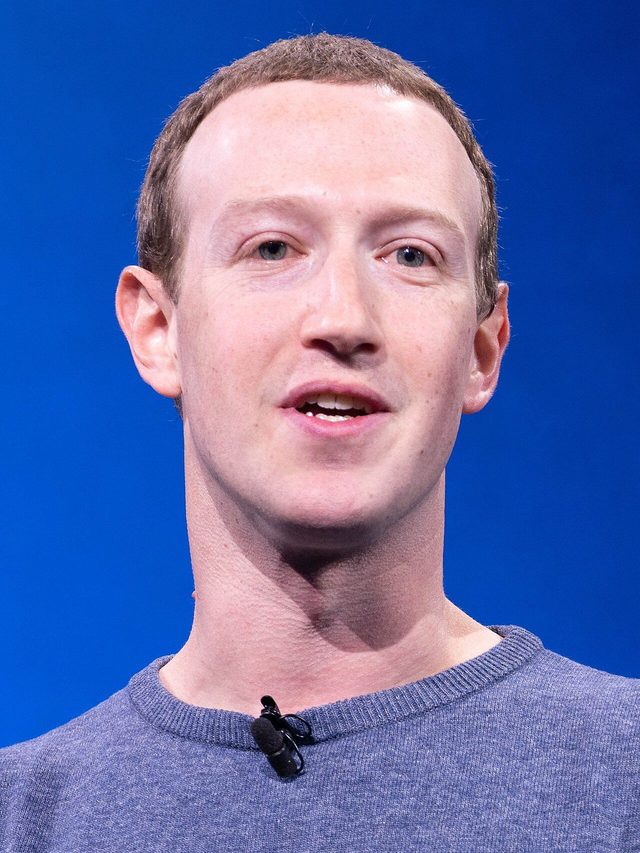
- Started Facebook in 2004 as a Harvard student, with college friends
- His company bought Instagram (2012) and WhatsApp (2014); it did not found them
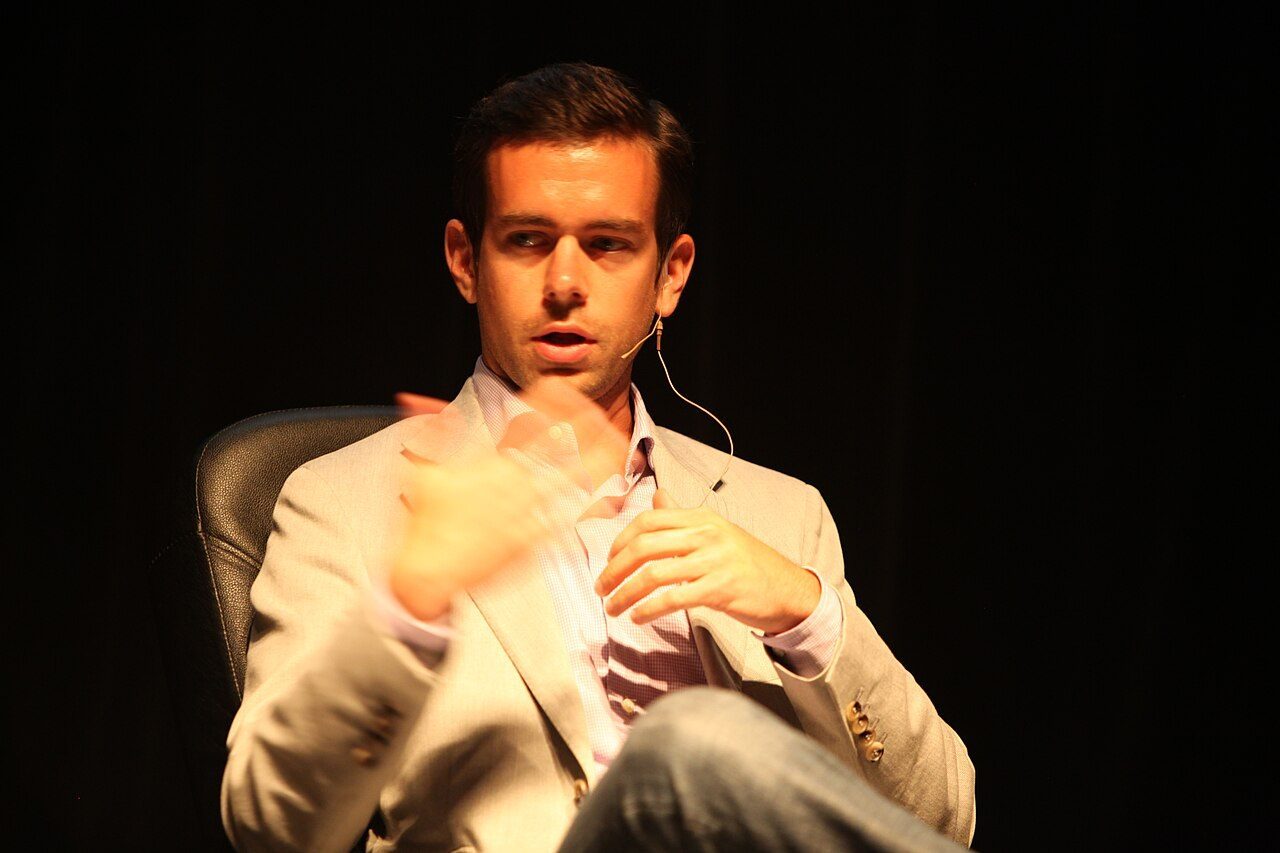
- Twitter's co-founders: Jack Dorsey, Noah Glass, Evan Williams, Biz Stone
- Dorsey sent the first tweet in March 2006
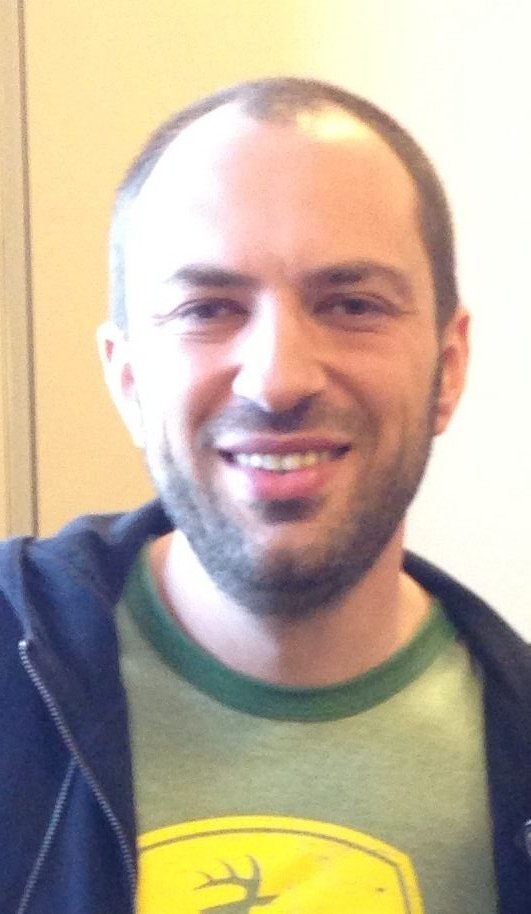
- Founded WhatsApp in 2009 with Brian Acton
- Both were former employees of Yahoo
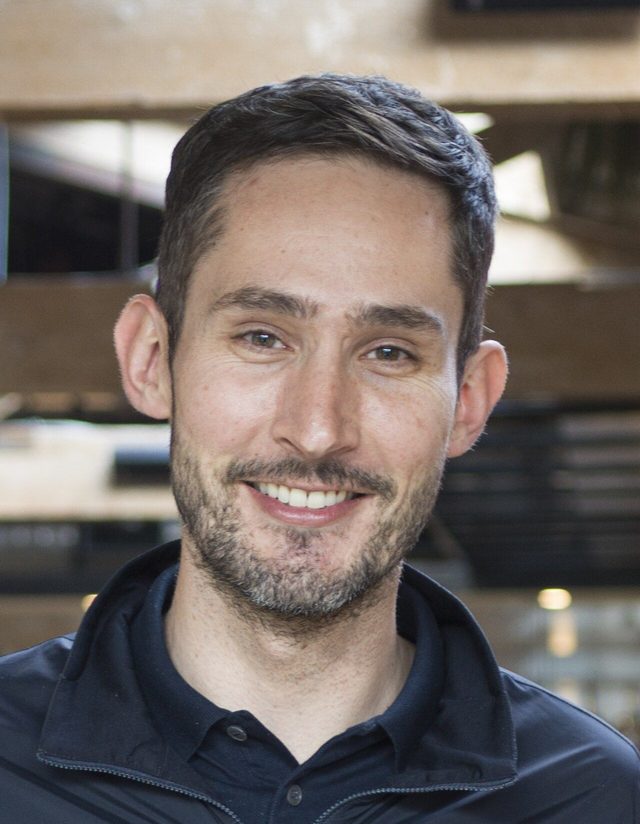
- Launched Instagram in 2010 with Mike Krieger
- Facebook bought Instagram in 2012
| App | Founded by | Owner today |
|---|---|---|
| Facebook (2004) | Mark Zuckerberg | Meta (company renamed from Facebook Inc. in 2021) |
| YouTube (2005) | Chad Hurley, Steve Chen, Jawed Karim | Google (bought it in 2006) |
| Twitter → X (2006) | Dorsey, Glass, Williams, Stone | Elon Musk bought it in 2022; renamed X in 2023 |
| WhatsApp (2009) | Jan Koum, Brian Acton (ex-Yahoo) | Meta (Facebook bought it in 2014) |
| Instagram (2010) | Kevin Systrom, Mike Krieger | Meta (Facebook bought it in 2012) |
| Telegram (2013) | Brothers Nikolai and Pavel Durov | Telegram's own company (not Meta) |
| LinkedIn (2003) | Reid Hoffman and partners | Microsoft (bought it in 2016) |
- 2003LinkedIn
Professional network starts.
- 2004Facebook
Mark Zuckerberg starts it at Harvard.
- 2005YouTube
Video-sharing site starts; Google buys it in 2006.
- 2006Twitter
Microblogging starts with 140-character tweets.
- 2009WhatsApp
Jan Koum and Brian Acton launch it.
- 2010Instagram, Pinterest
Two picture-first apps arrive.
- 2013Telegram
The Durov brothers launch it.
- 2021Meta
Facebook Inc. renames itself Meta Platforms.
- 2023Twitter becomes X
New name under Elon Musk.
"Two ex-Yahoo men built WhatsApp; Facebook only bought it." Founders: Koum and Acton. Buyer: Facebook (now Meta).
YouTube and X: the numbers
Play buttons, the 280 limit and how recommendations work.
A video-sharing website and app. People upload videos to a channel. Viewers watch, subscribe, like, comment and share. It is not a video-editing program and not a chatting system. Its parent company is Google, which bought it in 2006.
| Subscribers | YouTube Creator Award |
|---|---|
| 1,00,000 (100 thousand) | Silver Play Button |
| 10,00,000 (1 million) | Gold Play Button |
| 1,00,00,000 (10 million) | Diamond Play Button |
| 10,00,00,000 (100 million) | Red Diamond Play Button |
S-G-D-R, and add a zero each time: Silver 1 lakh → Gold 10 lakh → Diamond 1 crore → Red Diamond 10 crore.
The recommendation system mainly suggests videos that are likely to keep you engaged and watching longer. It does not rank videos mainly by factual accuracy or by what you searched for.
Microblogging means posting very short public messages to your followers. Twitter is the standard example. A tweet was limited to 140 characters at launch in 2006. In 2017 the limit became 280 characters. Elon Musk bought Twitter in 2022 and renamed it X in 2023. Paid X accounts can now post longer messages, but exam answers use 280.
Instant messaging apps
WhatsApp, Telegram, Signal, Messenger, Teams, FaceTime and their pros and cons.

| App | Made / owned by | Remember |
|---|---|---|
| Meta | Free, cross-platform, centralised messaging and VoIP (internet calls) | |
| Telegram | Durov brothers | Free, cross-platform, cloud-based; file sharing, calls |
| Signal | Signal (non-profit) | Encrypted; chats stored on your own device |
| Messenger | Meta (Facebook) | Facebook's chat app with your full chat history |
| Teams | Microsoft | Chat and meetings for businesses of all sizes |
| FaceTime | Apple | Proprietary video calling on Apple devices |
| Skype | Microsoft | Video calling and conferencing app; Microsoft closed it in 2025 and moved users to Teams |
| Slack, Cliq, Viber | Salesforce, Zoho, Rakuten | Other messaging apps (Slack and Cliq for offices) |
- The same account works on mobile, web and desktop
- Messages stay in sync on all of them
- WhatsApp Web / Desktop is linked to your phone by scanning a QR code
- Only the sender and receiver can read the message
- It is about privacy, not about syncing devices
- "End-to-end decryption" is not a feature name
Social media in business and government
Marketing, analytics, advertising, government use and the risks.
| Term | Meaning |
|---|---|
| Social media marketing (SMM) | Selling a company's products on social networks: Facebook or Instagram ads, influencers, an online presence |
| Social media analytics | Gathering and analysing data from blogs and social sites to make business decisions |
| Social engineering | A cyber-crime trick: fooling people into giving away secrets. Not marketing. |
| Search engine optimisation (SEO) | Making a website rank higher in search results |
Sponsored posts and influencer content on a platform.
App or browser notifications sent straight to your device.
The advertiser pays only when someone clicks the ad.
All three are new forms of advertising that grew out of social media.
- Any business sector can use social media: energy, financial services, construction and manufacturing alike.
- The most common business use is advertising products and services. Personal updates and memes are not business uses.
- Twitter (X) and LinkedIn both help a business build its identity and reputation. Marketers use social networks for brand recognition and brand loyalty.
- Government uses social media for human services, disaster management and resilience (bouncing back), and building citizens' trust.
- Make new connections
- Cheap promotion and advertising
- Attract customers, build the brand, reach a bigger market
- Government can raise public awareness
- Needs active daily monitoring
- Easy to create fake (fraudulent) profiles
- Can spread misinformation, disinformation and rumours
Quick revision
App types, owners, traps and one-line facts.
- Largest professional network
- Microblogging, 280 characters
- Twitter (now X)
- Visual inspiration, image pins
- Questions and answers
- Quora
- Live streaming with chat and emotes
- Twitch
- Photos, filters and Stories
- Cloud-based messenger by the Durov brothers
- Telegram
- Microsoft's business chat app
- Teams
- Apple's video calling app
- FaceTime
- Facebook's chat app with full chat history
- Messenger
- Parent company of YouTube
- Owner of WhatsApp
- Meta
- Buying is not founding: Zuckerberg founded Facebook only. WhatsApp was founded by Koum and Acton.
- YouTube: founded 2005, bought by Google 2006. Don't mix the two years.
- 1 crore subscribers = Diamond, not Red Diamond (Red Diamond = 10 crore).
- Social engineering is a cyber-crime trick, not social networking or marketing.
- Telegram = cloud; WhatsApp and Signal = local device storage.
- Bing, Yandex, Google and Chrome are not social media.
Also asked onceTap to open
- WhatsApp's icon is a green speech bubble with a white telephone handset inside.
- Telegram was founded by Nikolai Durov and his brother Pavel. It is free, cross-platform and cloud-based, with encrypted calls and file sharing.
- WhatsApp is a freeware, cross-platform, centralised messaging and VoIP service owned by Meta.
- A Facebook business page builds the brand's identity, lets it talk to customers, lets posts be shared and makes it popular. All four uses are correct.
- Amazon Web Services is not a professional networking site, and YouTube is not a photo-sharing site. Both statements are false.
- Facebook Watch is Facebook's video section, so it counts as video sharing. Quora does not.
Name the founders of WhatsApp, the company they worked for earlier, and the company that owns WhatsApp today.
Show answer
Jan Koum and Brian Acton founded WhatsApp in 2009. Both were former Yahoo employees. Facebook bought it in 2014, and Facebook's company is now called Meta.