Reproduction lets a species go on after its members die. Some organisms just split or grow buds (asexual reproduction). Most plants and animals join a male and a female cell (sexual reproduction). Traits pass from parents to children through genes on chromosomes. Over many generations, these small changes add up to evolution.
On this page you will learn:
- Asexual reproduction, the parts of a flower, and cloning
- Human reproduction, the 46 chromosomes and how a baby's sex is decided
- Mendel's pea experiments and sex-linked traits such as colour blindness
- DNA, RNA, DNA fingerprinting and Dolly the sheep
- ABO blood groups: donors and receivers
- Darwin, Lamarck, fossils and homologous organs
Asexual reproduction and the flower
Rule in one line: asexual means one parent and copies; in plants, the flower is the sex organ.
| Method | How it works | Examples |
|---|---|---|
| Fission | The cell splits into two (binary) or many (multiple) | Amoeba (binary), Plasmodium (multiple) |
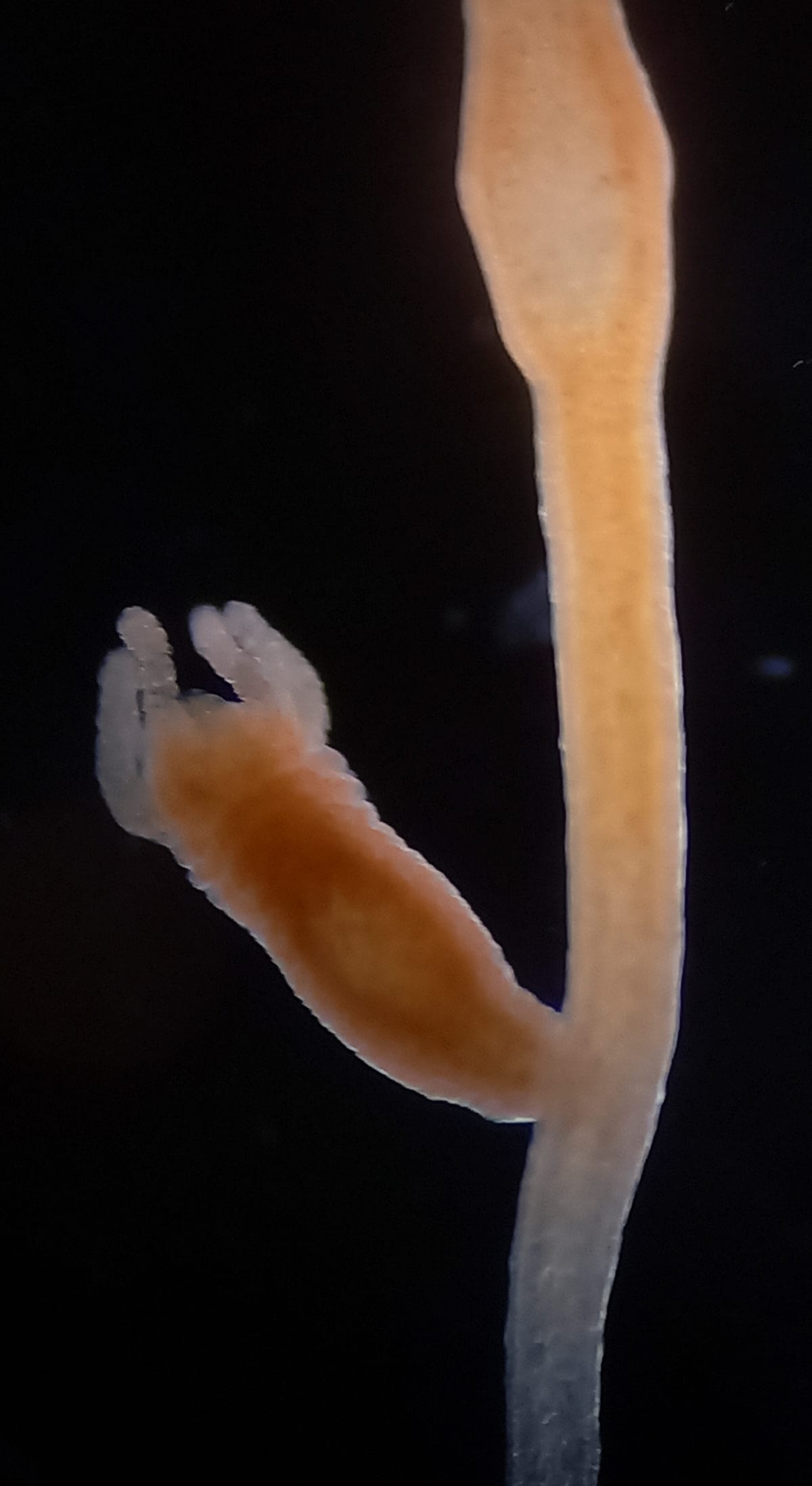
| Budding | A bud grows on the parent and breaks off | Hydra, yeast |
| Fragmentation | The body breaks into pieces; each grows into a new one | Spirogyra |
| Regeneration | A cut part grows into a whole organism | Planaria, Hydra |
| Spore formation | Tiny spores spread and grow in good conditions | Bread mould (Rhizopus), ferns |
| Vegetative propagation | New plants from roots, stems or leaves | Potato eyes, ginger, Bryophyllum leaf, rose cutting |
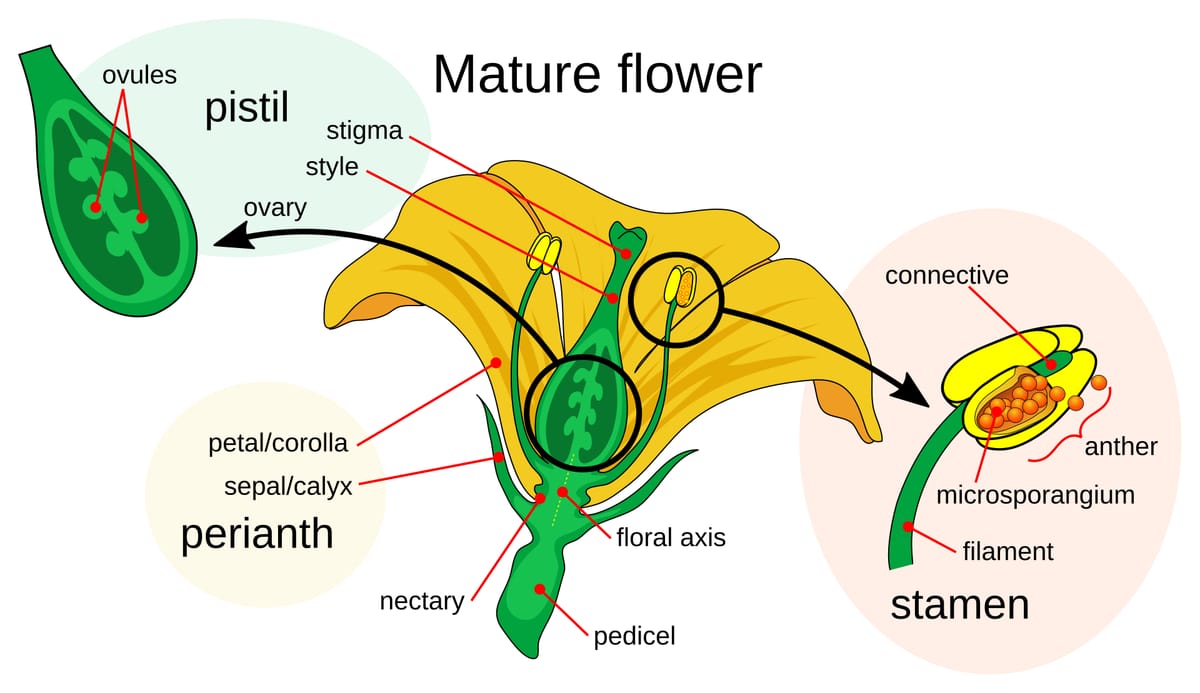
- 1PollinationPollen reaches the stigma — by wind, insects or water.
- 2FertilisationThe male cell joins the egg in the ovule and forms a zygote.
- 3SeedThe ovule becomes the seed; the zygote becomes the embryo.
- 4FruitThe ovary grows into the fruit. Its wall becomes the fruit wall, the pericarp.
Human reproduction and chromosomes
Rule in one line: body cells have 46 chromosomes; sperm and egg have 23 each; the father's sperm decides the sex.
| Organ | Job |
|---|---|
| Testes | Make sperms and the hormone testosterone |
| Ovaries | Release eggs (ova) and make oestrogen |
| Oviduct (fallopian tube) | Where fertilisation happens |
| Uterus | The embryo grows here, fed through the placenta |
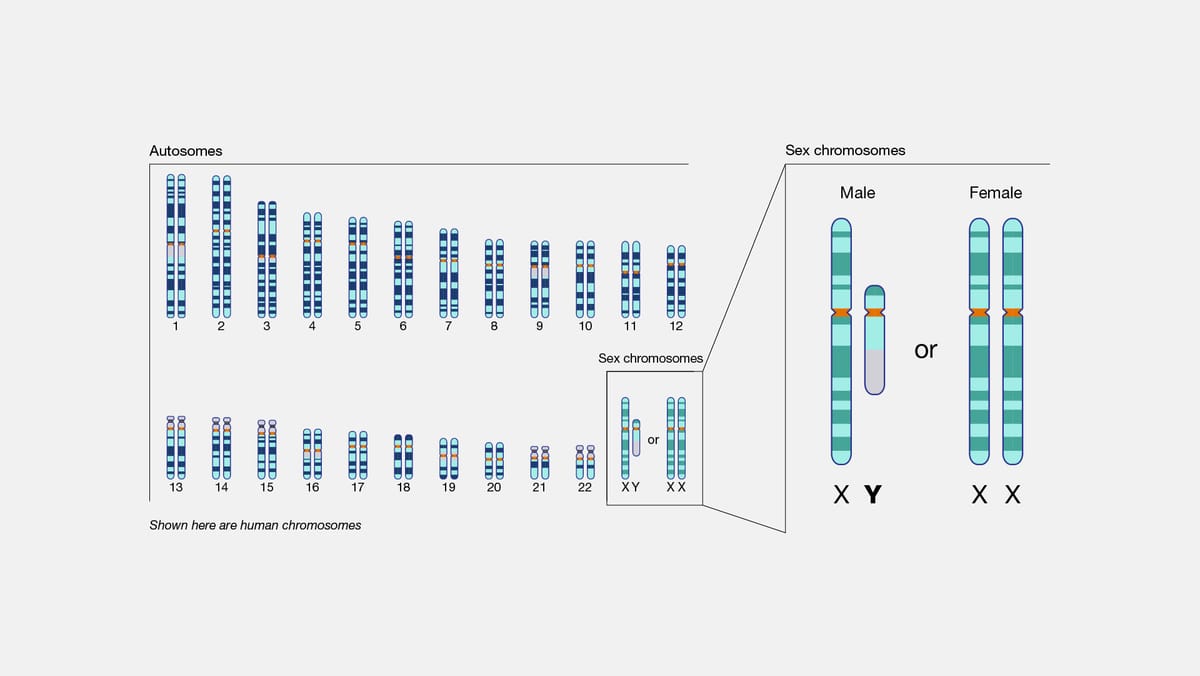
| Mother's egg | Father's sperm | Child |
|---|---|---|
| X | X | XX — girl |
| X | Y | XY — boy |
Identical twins come from one zygote that splits into two. Non-identical twins come from two eggs. In IVF, egg and sperm are joined outside the body ('test-tube baby'). In some reptiles, the temperature of the eggs decides the sex.
Heredity: Mendel's peas
Rule in one line: each trait has two forms; the dominant form shows, the recessive form hides.
Mendel crossed pure tall pea plants with pure dwarf ones. All first-generation (F1) plants were tall. So tallness is dominant and dwarfness is recessive. When F1 plants bred among themselves, the F2 plants were tall and dwarf in the ratio 3 : 1. With two traits at once, the F2 ratio is 9 : 3 : 3 : 1.
| Trait | Dominant | Recessive |
|---|---|---|
| Stem height | Tall | Dwarf |
| Seed shape | Round | Wrinkled |
| Seed colour | Yellow | Green |
| Flower colour | Violet | White |
| Flower position | Axial (along the stem) | Terminal (at the tip) |
| Pod shape | Inflated (full) | Constricted |
| Pod colour | Green | Yellow |
Some genes sit on the X chromosome. Colour blindness and haemophilia (blood that does not clot) are caused by recessive genes on the X. A man has only one X, so one faulty gene shows its effect. A woman has two X's, so a normal X usually hides the faulty one. That is why these problems are more common in men.
Down's syndrome comes from an extra copy of chromosome 21, not from the X. Skin colour is controlled by many genes on other chromosomes.
DNA, genes and cloning
Rule in one line: DNA stores the code; RNA carries it; proteins do the work.
- 1DNAThe gene, in the nucleus
- 2mRNACopied from DNA: transcription
- 3ProteinBuilt at ribosomes: translation
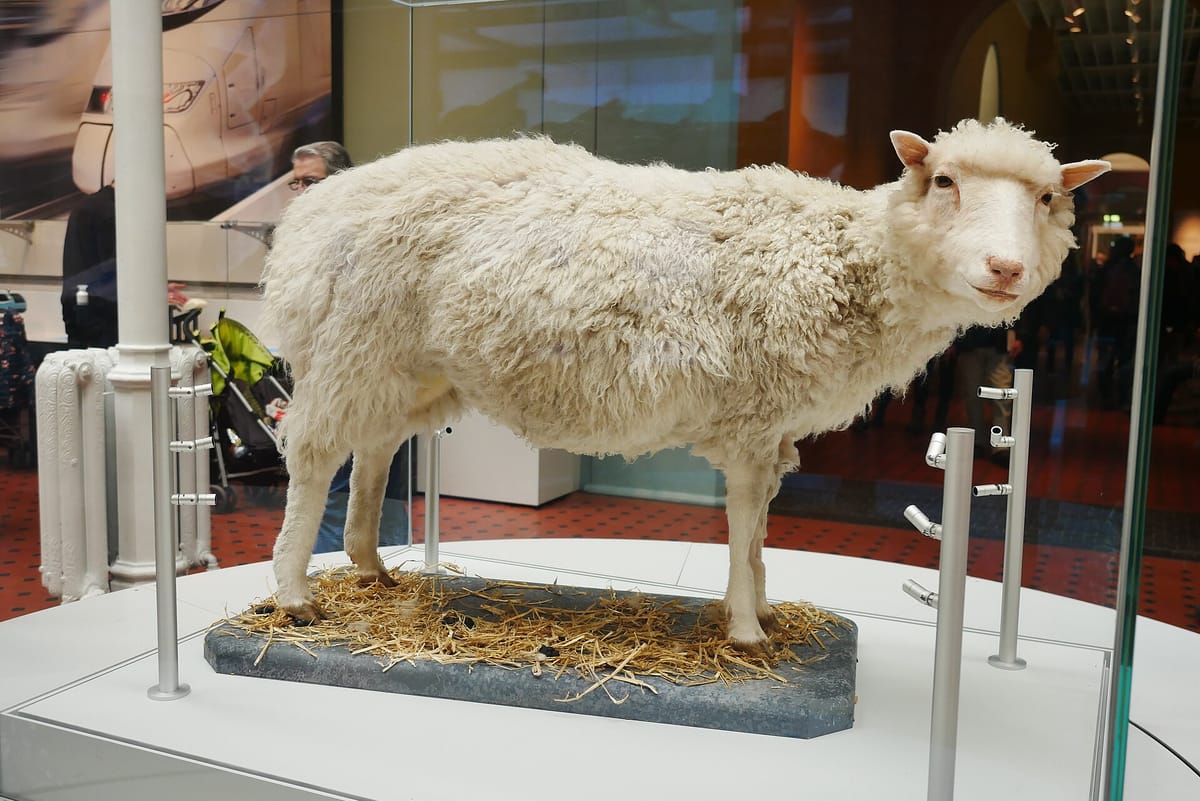
Parts of every person's DNA are unique, except in identical twins. DNA fingerprinting compares these parts. Police use it to identify criminals from blood, hair or skin left at a crime scene. It also settles questions about who a child's parents are. Alec Jeffreys of Britain developed it in 1984.
ABO blood groups
Rule in one line: you carry antibodies against the antigen you do not have.
| Group | Antigen on red cells | Antibody in plasma | Can receive from |
|---|---|---|---|
| A | A | Anti-B | A, O |
| B | B | Anti-A | B, O |
| AB | A and B | None | All groups — universal recipient |
| O | None | Anti-A and anti-B | O only — but gives to all: universal donor |
AB has nothing to fight (no antibodies), so it accepts all. O has nothing on its cells, so it can be given to all.
Evolution
Rule in one line: nature selects the variations that suit the environment; acquired traits are not inherited.
- 1VariationMembers of a species differ a little.
- 2StruggleMore young are born than food and space allow.
- 3SelectionThose with useful variations survive and breed more.
- 4New speciesOver many generations, the changes add up (speciation).
More facts that are asked once in a whileTap to open
- A gene is a part of DNA that controls one trait.
- Mendel published his work in 1866. It was rediscovered in 1900.
- Vestigial organs, such as the human appendix, no longer do much work.
- Fossils are the preserved remains of old organisms. Their age is found by methods such as radiocarbon dating.
- Darwin studied finches and other animals of the Galapagos Islands on his voyage in HMS Beagle.
- Besides ABO, blood has the Rh factor: Rh-positive or Rh-negative.
- Pre-natal sex testing of the foetus is banned in India to stop female foeticide.
Traps and practice
Last revision — where the options try to fool you.
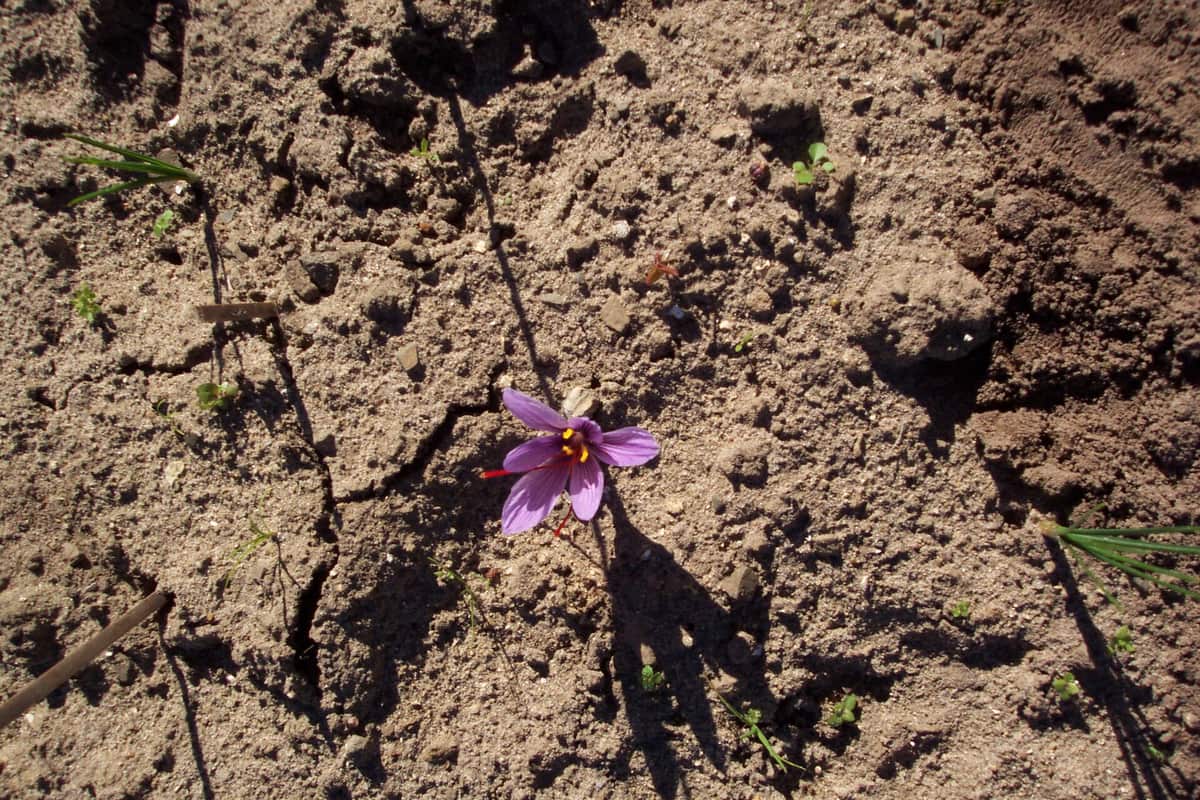
- The pericarp is part of the fruit, not the flower. Saffron is the stigma, not the petal.
- Body cells have 46 chromosomes; sperm and egg have 23.
- The father, not the mother, decides the sex of the child.
- Colour blindness is on the X chromosome, not the Y.
- Green seed is recessive, but green pod is dominant. Terminal flower is recessive.
- AB is the universal recipient; O is the universal donor.
- Darwin = natural selection; Lamarck = acquired characters (use and disuse).
Why do children of the same parents look different from each other?
Show answer
Each child gets half its genes from the mother and half from the father. Every egg and sperm carries a different mix. Only identical twins share the same genes.
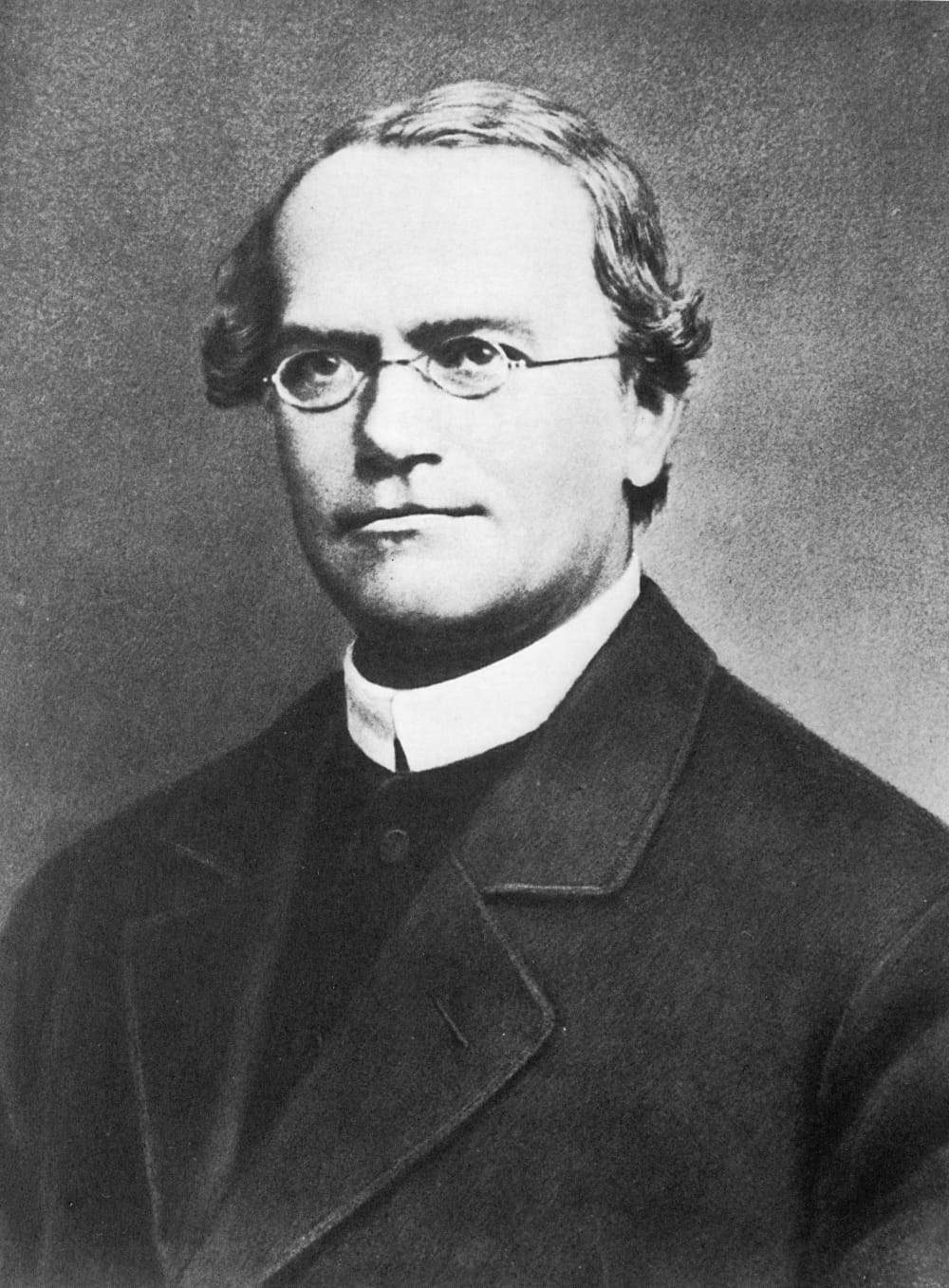
- Father of genetics
- Gregor Mendel
- Chromosomes in a human body cell
- 46 (23 pairs)
- Base found in RNA but not DNA
- Uracil
- DNA → mRNA
- Transcription
- First mammal cloned from an adult cell
- Dolly the sheep
- Universal recipient
- AB
- Saffron comes from
- Stigma of Crocus
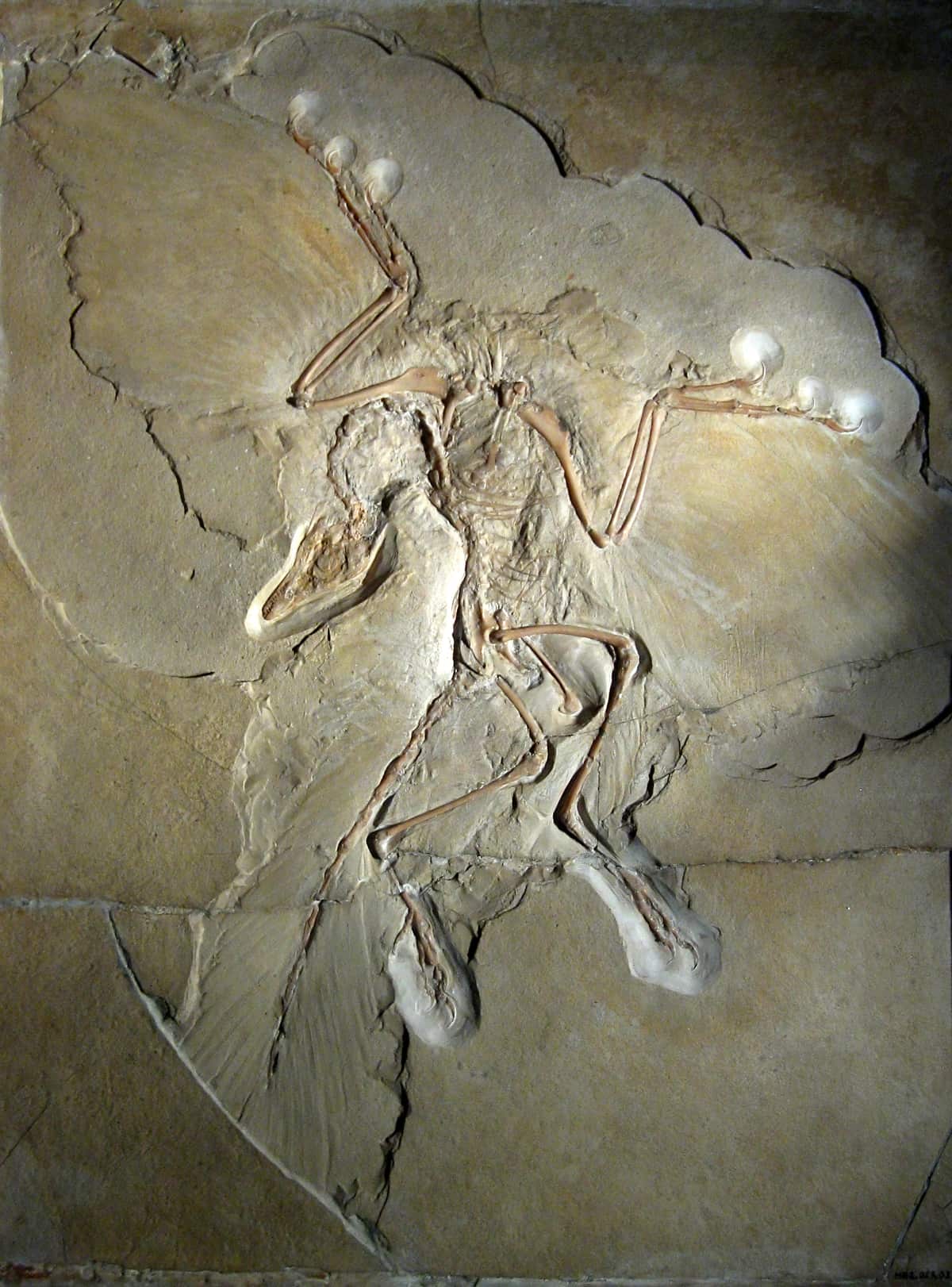
- Link between reptiles and birds
- Archaeopteryx
- Asexual: fission, budding, fragmentation, regeneration, spores, vegetative
- Ovary → fruit; ovule → seed; ovary wall → pericarp
- 46 chromosomes; XX girl, XY boy; father decides
- Mendel: 3 : 1 and 9 : 3 : 3 : 1
- Colour blindness, haemophilia: X-linked, more in men
- DNA: A T G C; RNA: A U G C
- AB universal recipient; O universal donor
- Darwin 1859: natural selection; Lamarck: acquired characters