Punjabi literature is more than 800 years old. It begins with the Sufi saint Baba Farid (born 1173). Then came the Gurbani of the Sikh Gurus, the long love-poems called qisse (like Waris Shah's Heer, 1766) and the heroic vaars. Modern Punjabi writing began in the late 1800s with newspapers, the first novel (Sundari, 1898) and the first plays. In the 20th century came great names like Bhai Vir Singh, Nanak Singh, Amrita Pritam, Shiv Kumar Batalvi, Gurdial Singh and Surjit Patar. In this page you will learn: (1) the four eras in order, (2) which writer wrote which work, and (3) the awards and titles that exams ask most. Less-asked writers sit in tap-to-open boxes.
Roots: language and script
Two facts that are asked again and again.
- Punjabi grew from an old spoken language called Shauraseni Prakrit (also spelt Sauraseni or Shourseni), through its later, simpler form, Apabhramsha. Magadhi Prakrit gave eastern languages such as Bengali — not Punjabi.
- The Gurmukhi script was given its final shape by Guru Angad Dev, the second Sikh Guru. He fixed the 35-letter alphabet (painti) so that Guru Nanak's bani could be written correctly, and had a primer (Bal-bodh) made for children.
- The Bhakti saints and the Sikh Gurus preached in the local languages of the people, not in Sanskrit. That is why so much early Punjabi poetry is religious — it was written so that ordinary people could understand it.
- Punjabi literature has four big eras: Sufi poetry, Gurmat literature, qissa and vaar poetry, and modern literature (from the late 19th century). First learn the poem types below; the flow after them shows the four eras.
| Poetic form | What it is |
|---|---|
| Kafi | Short sung lyric with a refrain |
| Doha / shalok | A couplet (two-line verse) |
| Siharfi | A poem built on the 30 letters of the Persian alphabet, one verse per letter |
| Baramah | A poem on the twelve months |
| Athwara | A poem on the days of the week |
- 12th–19th centurySufi poetryShalok, kafi, siharfi, baramah. Baba Farid, Shah Hussain, Sultan Bahu, Bulleh Shah.
- 16th–18th centuryGurmat literatureBani, vaar, janamsakhi. The Sikh Gurus, Bhai Gurdas, Bhai Nand Lal.
- c. 1600–1900Qissa and vaarLong love-stories in verse; heroic ballads. Damodar, Waris Shah, Hashim Shah, Qadaryar, Najabat, Shah Mohammad.
- Late 19th century onwardsModern literatureNovel, short story, drama, free verse, prose. Bhai Vir Singh, Nanak Singh, Amrita Pritam, Shiv Kumar Batalvi, Gurdial Singh.
Sufi poetry
Punjabi poetry begins with the Sufis — Muslim mystics who sang of love for God.
Sufis belonged to orders called silsilas. The Chishti order reached Punjab first and spread the widest. The Qadiri, Suhrawardi (Multan) and Naqshbandi (Sirhind) orders came later.
| Sufi poet | Place and order | Remember for |
|---|---|---|
| Baba Farid (Sheikh Farid-ud-din Ganj-i-Shakar) (1173–1266) | Born Kothewal near Multan; shrine at Pakpattan; Chishti | First poet of Punjabi; 112 shaloks and 4 shabads in the Guru Granth Sahib; the soul as a bride longing for God; Faridkot is named after him |
| Shah Hussain (Madho Lal Hussain) (1538–1599) | Lahore; Qadiri | First Punjabi Sufi to use the kafi; "Mai ni main kinnu akhan"; Mela Chiraghan at his tomb |
| Sultan Bahu (1630–1691) | Shorkot (Jhang); Qadiri | Abyat (siharfi) — every line ends with "Hu" |
| Bulleh Shah (Abdullah Shah) (1680–1757) | Lived and buried at Kasur; Qadiri; murshid (guide) Shah Inayat Qadiri | Greatest kafi poet: "Bullah ki jaana main kaun", "Tere ishq nachaya" |
| Hashim Shah (c. 1735–1843 (dates differ)) | Jagdev Kalan (Amritsar) | Sufi dohras; also the qissa Sassi Punnu |
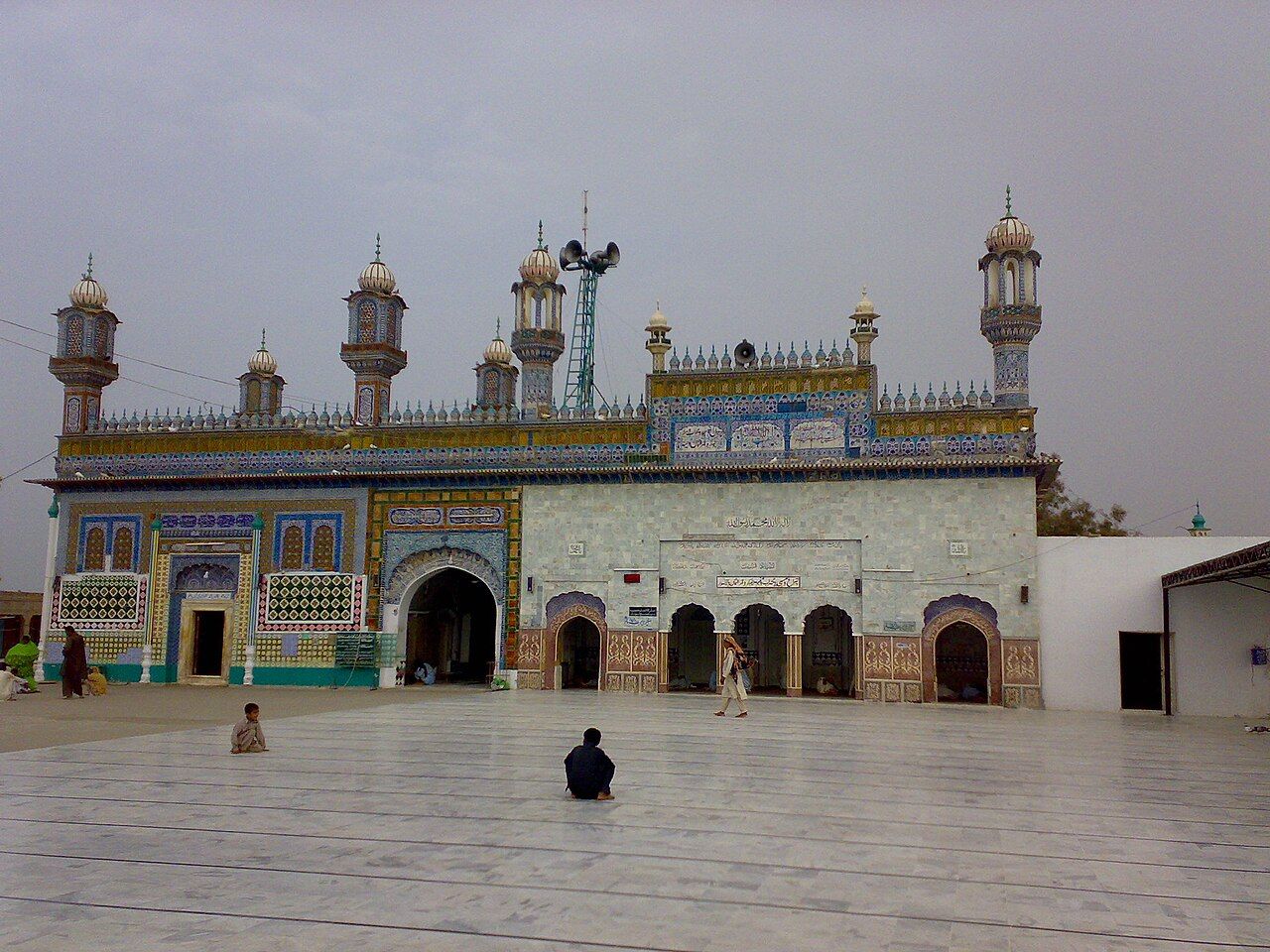
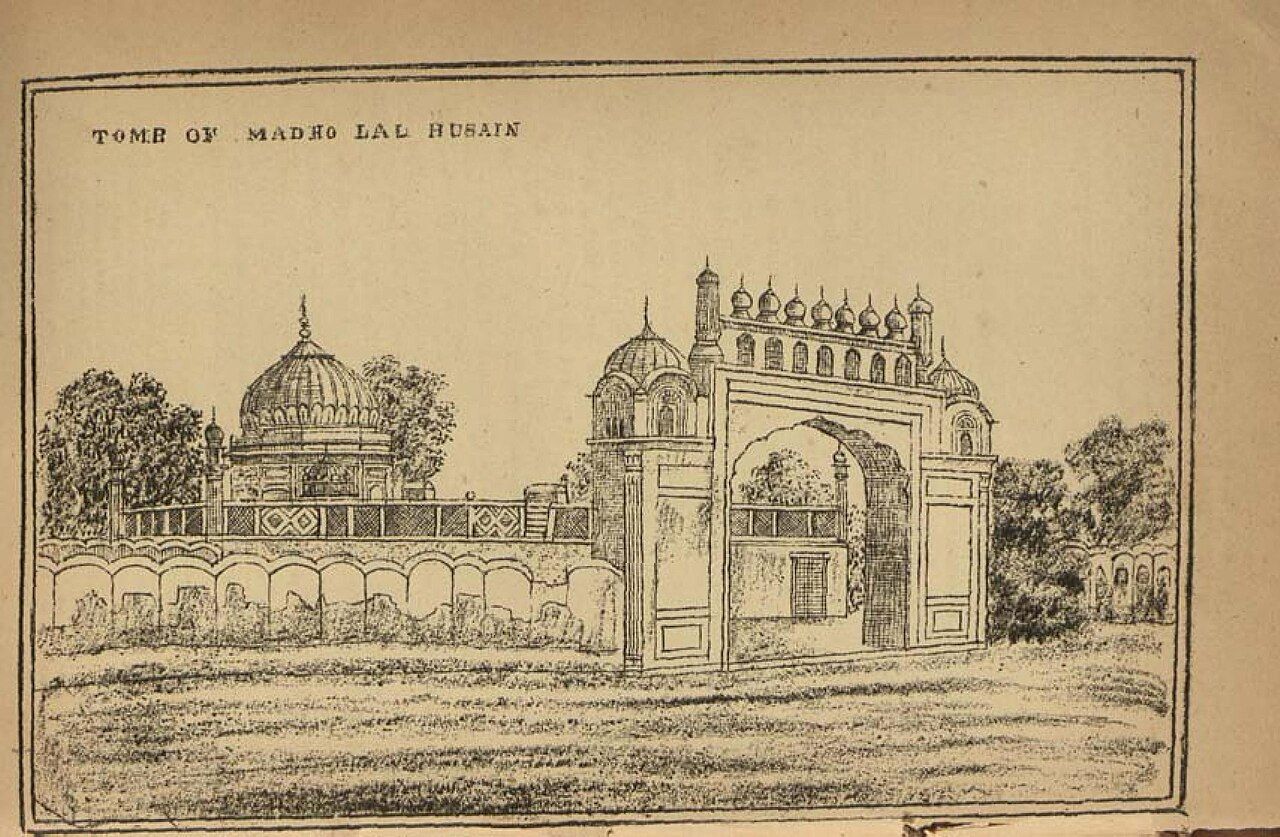
A kafi is a short Sufi lyric with a repeated line (refrain), meant to be sung. Shah Hussain was the first to use it in Punjabi; Bulleh Shah is its greatest master. Waris Shah wrote a qissa, not kafis.
Also asked: two more Sufis, and Amir KhusroTap to open
| Sufi poet | Place and order | Remember for |
|---|---|---|
| Ali Haider (1690–1785) | Kazian (Multan) | Siharfis |
| Khwaja Ghulam Farid (1845–1901) | Chachran / Mithankot (Bahawalpur); Chishti | Kafis in Saraiki (Multani) |
Amir Khusro (1253–1325) of Delhi, a disciple of Nizamuddin Auliya, was not a Punjabi poet, but he is asked with the Sufis. He is credited with qawwali, praised India as a paradise on earth in his Persian work Nuh Sipihr, and is called "Tuti-e-Hind" (the parrot of India).
Gurbani and Gurmat literature
The holy writings of the Sikhs and the scholars who explained them.
- Adi Granth (1604): compiled by Guru Arjan Dev at Ramsar, Amritsar, with Bhai Gurdas as the scribe. It was installed at Harmandir Sahib in 1604; Baba Buddha was the first Granthi.
- The Guru Granth Sahib (the final form, below) is arranged in 31 ragas and has 1,430 angs (pages). It opens with Japji Sahib (Guru Nanak) and closes with Mundavani and Ragmala.
- Besides six Gurus it has the bani of 15 bhagats (Kabir, Baba Farid, Namdev, Ravidas and others) and 11 bhatts (bards).
- Damdami Bir (1705–06): at Damdama Sahib, Guru Gobind Singh dictated the final version to Bhai Mani Singh and added Guru Tegh Bahadur's bani. In 1708 at Nanded it was made the eternal Guru — Guru Granth Sahib.
- Dasam Granth: the writings of Guru Gobind Singh, collected again by Bhai Mani Singh after the originals were lost in the Sarsa in 1704. It includes Jaap Sahib, Akal Ustat, Bachitar Natak (his autobiography, in Braj), Chandi di Var and the Zafarnama (a letter to Aurangzeb, in Persian).
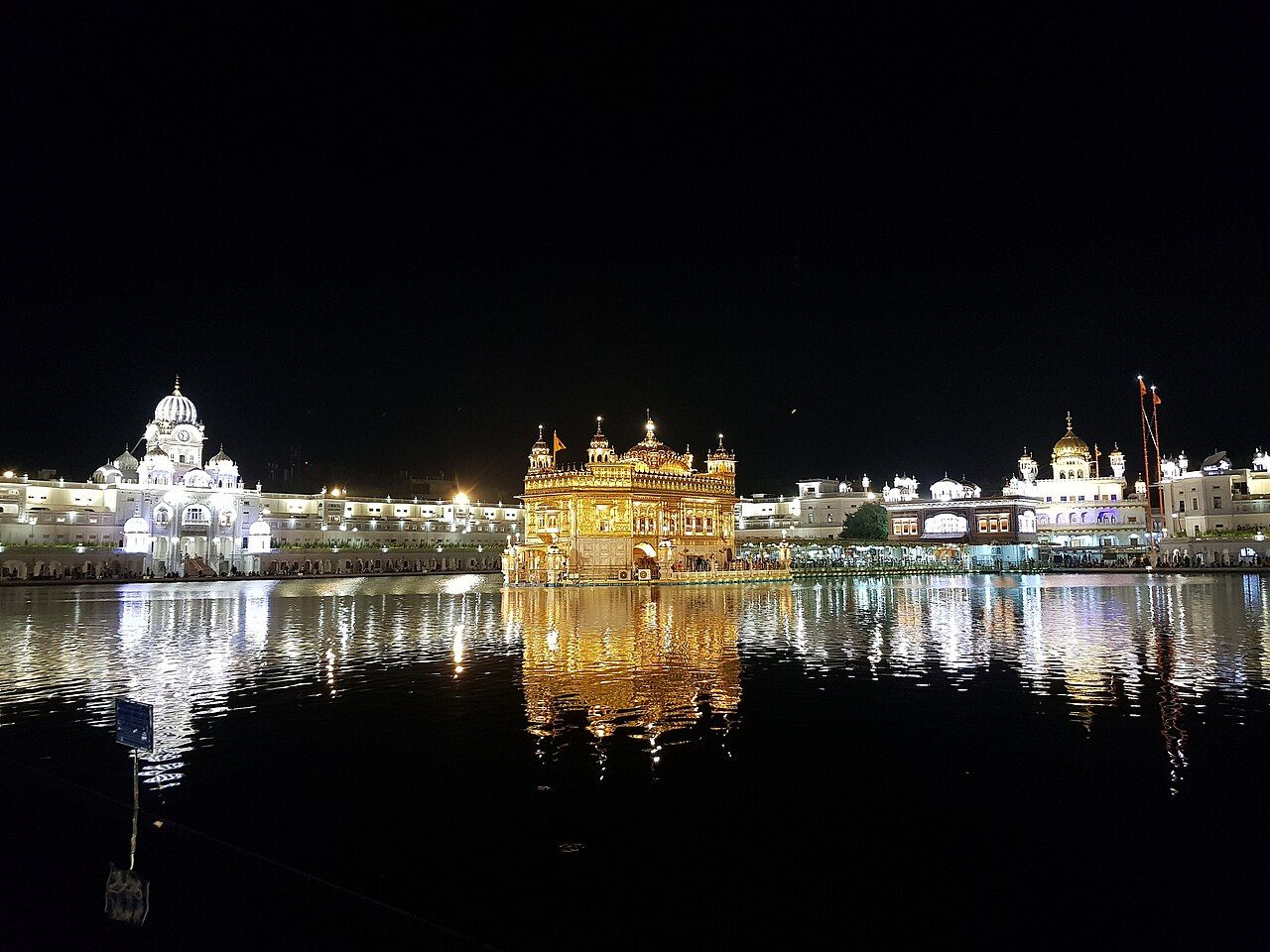
Counts differ a little from book to book. Guru Arjan Dev wrote the largest share. Guru Gobind Singh's writings are in the Dasam Granth, not here.
| Bani | Written by |
|---|---|
| Japji Sahib, Asa di Var, Babarvani | Guru Nanak Dev |
| Anand Sahib | Guru Amar Das |
| Lavan (wedding hymns) | Guru Ram Das |
| Sukhmani Sahib | Guru Arjan Dev |
| Jaap Sahib, Bachitar Natak, Chandi di Var, Zafarnama | Guru Gobind Singh |
| Scholar / historian | Main work | Remember |
|---|---|---|
| Bhai Gurdas (c. 1551–1636) | 40 Vaars and Kabitt Swaiyye | Scribe of the Adi Granth; his vaars are called the "kunji" (key) to Gurbani |
| Bhai Kahan Singh Nabha (1861–1938) | Gurushabad Ratnakar Mahan Kosh (1930); Ham Hindu Nahin (1898) | The Mahan Kosh is the great encyclopaedia of Sikh literature and Punjabi words, published by Patiala state |
More Gurmat writers and historiansTap to open
| Scholar / historian | Main work | Remember |
|---|---|---|
| Bhai Nand Lal "Goya" (1633–1713) | Zindagi Nama, Diwan-e-Goya, Ganj Nama | Persian poet at Guru Gobind Singh's court |
| Sainapat | Sri Gur Sobha | Poet at Guru Gobind Singh's court |
| Rattan Singh Bhangu | Prachin Panth Prakash (1841) | Sikh history in verse |
| Bhai Santokh Singh | Sri Gur Pratap Suraj Granth | Sikh history in verse |
| Giani Gian Singh (1822–1921) | Panth Prakash (Naveen Panth Prakash) and Twarikh Guru Khalsa | Not the same book as Bhangu's Prachin Panth Prakash |
| Khushwant Singh (1915–2014) | A History of the Sikhs (2 vols, 1963–66) | Wrote in English (see the modern writers below) |
Qissa: the love legends
The most-asked part of old Punjabi literature.
A qissa (ਕਿੱਸਾ) is a long story told in verse, usually a tragic love story. The same legend was retold by many poets. Exams ask two things: who wrote it first and whose version is the most famous.
| Legend | Poet to remember | Setting and hook |
|---|---|---|
| Heer Ranjha | Damodar (first, c. 1600); Waris Shah (famous, 1766) | Jhang (Heer of the Sial clan) and Takht Hazara (Ranjha) |
| Sohni Mahiwal | Fazal Shah (most popular) | The Chenab, at Gujrat. Sohni crossed the river on a baked clay pot; when it was swapped for an unbaked one, she drowned |
| Mirza Sahiban | Peelu (first qissa) | Danabad (Mirza, a Kharal) and Khewa in Jhang (Sahiban, a Sial) |
| Sassi Punnu | Hashim Shah (best known) | Bhambore (Sindh) and Kech (Makran) |
| Puran Bhagat | Qadaryar (best known); Kishan Singh Arif (about 40 years later) | Sialkot. Son of Raja Salwan (Salvahan) and Rani Ichhran; stepmother Loona |
| Raja Rasalu | Qadaryar; Kishan Singh Arif | Sialkot. Puran Bhagat's brother |
| Dulla Bhatti | Folk songs | Pindi Bhattian. Hero of the Lohri songs ("Sundar Mundriye") |
- Heer — the first version
- Damodar (c. 1600, Akbar's time)
- Heer — the famous version (1766)
- Waris Shah, at Malka Hans
- Mirza Sahiban — the first qissa
- Peelu
- Sassi Punnu
- Hashim Shah
- Sohni Mahiwal (she drowned in the Chenab)
- Fazal Shah
- Puran Bhagat — best-known qissa
- Qadaryar; Kishan Singh Arif retold it about 40 years later
- Loona (1965), a verse play on Puran Bhagat
- Shiv Kumar Batalvi
All qissa poets, with datesTap to open
| Qissakar (poet) | Time | Qisse (works) |
|---|---|---|
| Damodar Das (Gulati) | Akbar's reign, c. 1600 | The first Heer in Punjabi |
| Peelu (Pilu) | 17th century (Jahangir) | The first Mirza Sahiban |
| Hafiz Barkhurdar | Aurangzeb's time | Mirza Sahiban, Sassi Punnu, Yusuf Zulekha |
| Ahmad Yar | c. 1768–1845 | Kamrup, Heer, Sassi, Raj Bibi |
| Waris Shah (Warris Shah) | 1722–1798 | Heer (1766), written at Malka Hans near Pakpattan — the best-known and definitive version |
| Hashim Shah | c. 1735–1843 (dates differ) | Sassi Punnu, Sohni Mahiwal, Shirin Farhad |
| Qadaryar (Qadir Yar, Kadaryar) | 1802–1892 | Puran Bhagat (best-known version), Raja Rasalu, Sohni Mahiwal |
| Fazal Shah | 1827–1890 | Sohni Mahiwal (most popular version), Heer, Laila Majnu |
| Kishan Singh Arif | 1836–1900 | Puran Bhagat, written about forty years after Qadaryar; Sassi, Raja Rasalu |
Vaar: poems of war
A vaar is a heroic ballad (a song-poem about brave deeds).
| Work | Poet / writer | About |
|---|---|---|
| Nadir Shah di Vaar | Najabat | Nadir Shah's invasion (1739) |
| Jangnama Singhan te Farangian (1846) | Shah Mohammad (1780–1862) | The First Anglo-Sikh War, in Punjabi — "Jang Hind Punjab da hon laga" |
| Jang Namah (1765) | Qazi Nur Muhammad (Quazi Nur Muhammad) | An eyewitness account, in Persian, of Ahmad Shah Abdali's campaign against the Sikhs |
| Chandi di Var | Guru Gobind Singh | In the Dasam Granth |
| Chatthian di Vaar | Pir Muhammad | A heroic ballad |
Dhadis are ballad singers who sing vaars about Sikh Gurus, warriors and martyrs. Their signature instrument is the dhad — a small hourglass-shaped hand drum — played with the sarangi. The novelist Sohan Singh Seetal was also a famous dhadi. (The algoza is a pair of flutes, not the dhadi's drum.)
Not vaars: two Persian historiesTap to open
| Work | Poet / writer | About |
|---|---|---|
| Umdat-ut-Tawarikh | Sohan Lal Suri | Persian court diary of Maharaja Ranjit Singh's reign (a history, not a vaar) |
| Char Bagh-i-Punjab | Ganesh Das | Persian history of Punjab (not a vaar) |
Folk songs: the oral literatureTap to open
| Folk song (lok-geet) | When it is sung |
|---|---|
| Suhag | By the bride's side before the wedding and at her departure |
| Ghorian | At the groom's house |
| Sithnian | Women of the bride's side tease the groom's party |
| Alahunian | Mourning songs after a death |
| Mahia | Short three-line love song |
| Tappe and Boliyan | Short couplets; boliyan go with giddha and bhangra |
| Lori | Lullaby |
Modern literature begins
Printing presses, newspapers and the Singh Sabha movement gave Punjabi prose, the novel and the play.
| First / title | Answer |
|---|---|
| First poet of Punjabi | Baba Farid |
| First Punjabi newspaper (as asked in exams) | Khalsa Akhbar, Lahore, 1886 — not Ajit, Punjabi Tribune or Jag Bani, which came much later |
| First Punjabi novel | Sundari (1898), Bhai Vir Singh |
| Father of the Punjabi novel | Nanak Singh |
| Father of modern Punjabi literature | Bhai Vir Singh (also the pioneer of the Punjabi novel) |
| First Punjabi epic | Rana Surat Singh (1905), Bhai Vir Singh |
| Father of Punjabi drama | Ishwar Chander Nanda — Suhag (1913), Subhadra (1920) |
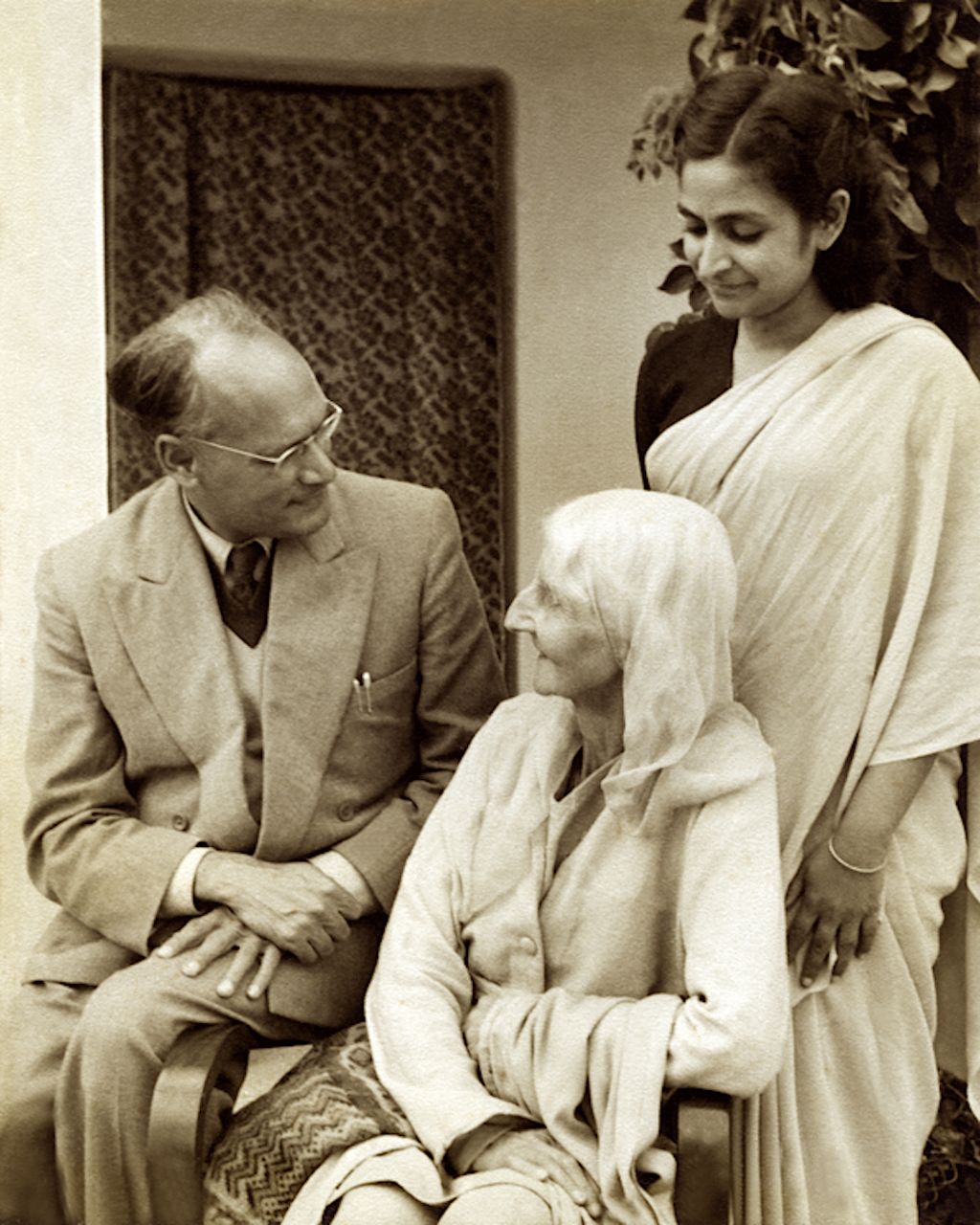
| Grandmother ("nakkar dadi") of Punjabi drama | Norah Richards (Nora Richards) — Irish-born; inspired students at Dyal Singh College, Lahore from 1911; later lived at Andretta |
| Early masters of the short story | Sujan Singh (Dukh Sukh, 1941), Sant Singh Sekhon, Kartar Singh Duggal (Nanak Singh also wrote stories) |
| First Punjabi sound film | Heer Ranjha (1932), sound-on-disc |
Year by year, 1865–1936Tap to open
- 1865Anjuman-i-Punjab
A literary society founded at Lahore by Dr Gottlieb Wilhelm Leitner to promote learning and literature.
- 1866First Punjabi prose history
Sharda Ram Phillauri (Pandit Shardha Ram Phillauri) writes Sikhan de Raj di Vithya (key prints 1868).
- 1867Earliest Gurmukhi paper
Akhbar Sri Darbar Sahib Sri Amritsar Ji (lithographed, Braj in Gurmukhi).
- c. 1870"Om Jai Jagdish Hare"
The famous aarti is written by Sharda Ram Phillauri of Phillaur. He also wrote Bhagyawati, among the earliest Hindi novels.
- 1886Khalsa Akhbar
Lahore; editor Giani Ditt Singh. Called the first Punjabi newspaper in exams.
- 1898First Punjabi novel
Sundari by Bhai Vir Singh, followed by Bijay Singh and Satwant Kaur.
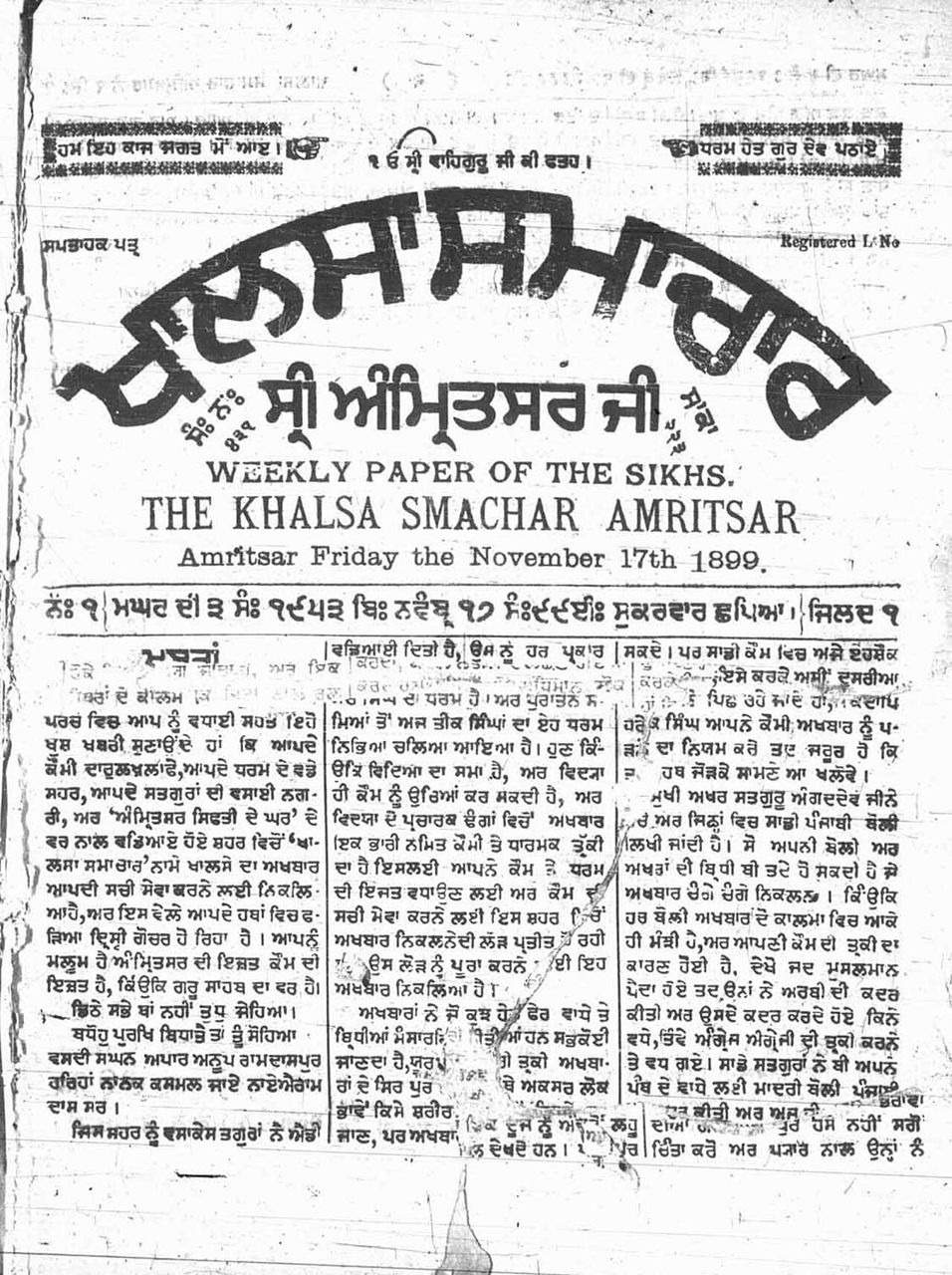
- 1899Khalsa Samachar
Weekly started by Bhai Vir Singh.
- 1905First Punjabi epic
Rana Surat Singh by Bhai Vir Singh.
- 1913First Punjabi play
Suhag by Ishwar Chander Nanda, written under the guidance of Norah Richards at Dyal Singh College, Lahore.
- 1926Chatrik heads the Sabha
Dhani Ram Chatrik becomes President of the Punjabi Sahit Sabha.
- 1930Mahan Kosh
Bhai Kahan Singh Nabha's encyclopaedia is published by Patiala state.
- 1932Chitta Lahu; first sound film
Nanak Singh's novel Chitta Lahu. The first Punjabi sound film, Heer Ranjha, uses sound-on-disc.
- 1933Preet Lari
Monthly started by Gurbaksh Singh ("Preetlari"); Preet Nagar follows in 1938.
- 1936Two first collections
Mohan Singh's Saave Pattar and Amrita Pritam's Amrit Lehran.
Pioneers (born before 1900)
Five writers who started modern Punjabi writing. All five are asked often.
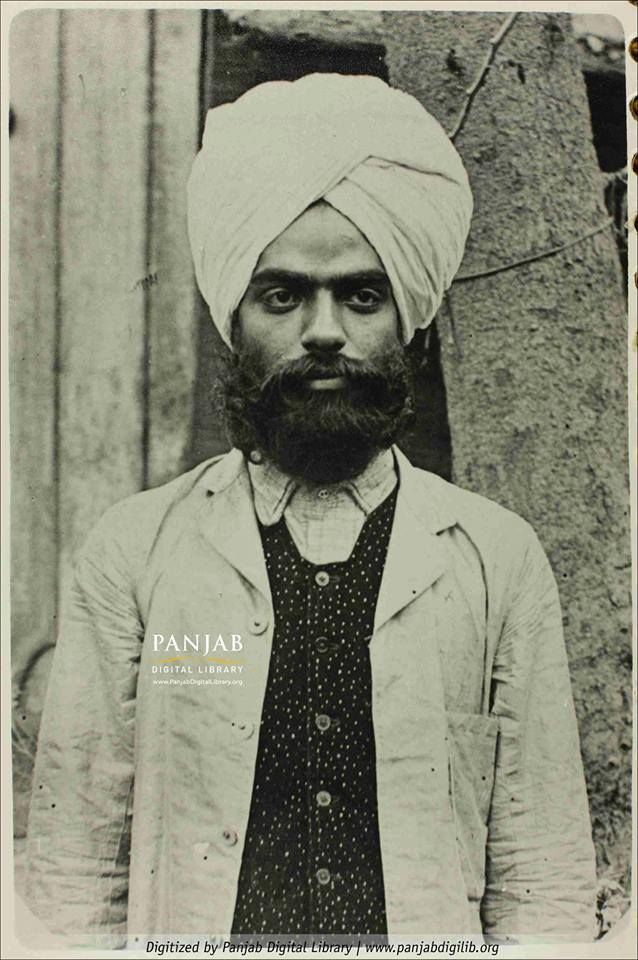
- Father of modern Punjabi literature; "Chhevan Dariya"
- Sundari (1898) — the first Punjabi novel
- First Punjabi Sahitya Akademi Award, 1955 (Mere Saiyan Jio)
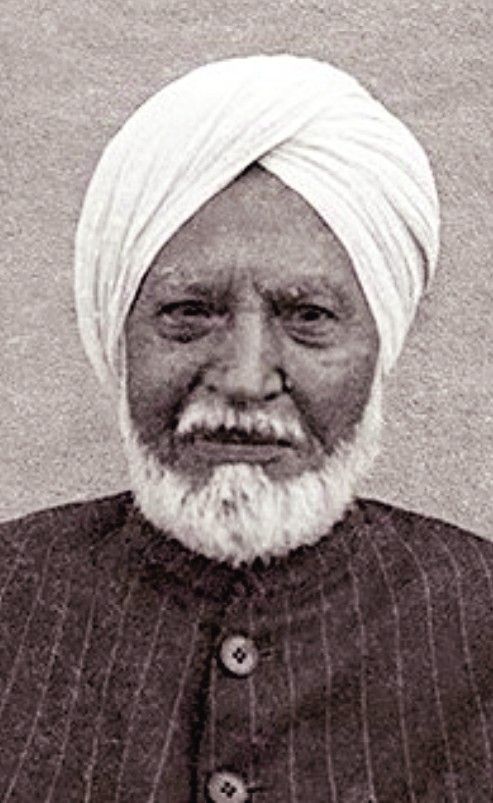
- Chandanwari, Kesar Kiari, Sufi Khana
- President, Punjabi Sahit Sabha, 1926
- Gave Gurmukhi printing type a standard form
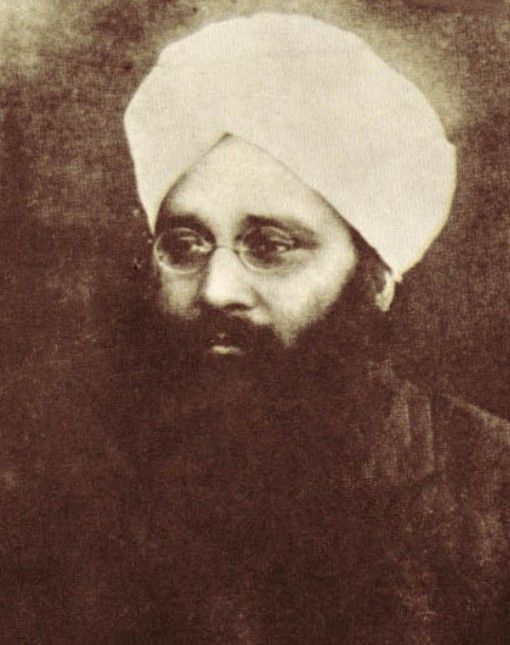
- "Tagore of Punjab"
- Father of Punjabi free verse
- Khule Maidan, Khule Ghund
- Founded the journal Preet Lari (1933)
- Founded Preet Nagar (1938), between Amritsar and Lahore
- Anviahi Maa
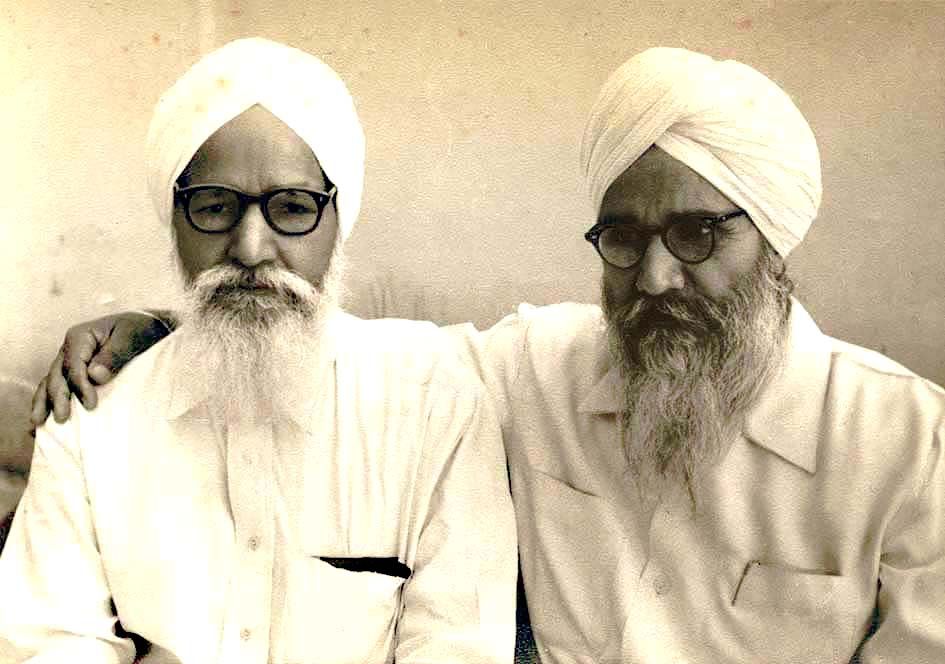
- Father of the Punjabi novel
- Chitta Lahu (1932); Pavittar Papi became a Hindi film (1970)
- Sahitya Akademi Award 1961 (Ik Mian Do Talwaran)
Full table: works and honours of the five pioneersTap to open
| Writer | Key works | Remember |
|---|---|---|
| Bhai Vir Singh (1872–1957) · Poetry, novel | Sundari, Rana Surat Singh, Mere Saiyan Jio, Kalgidhar Chamatkar | Sahitya Akademi Award 1955, for Mere Saiyan Jio — the first Punjabi winner; Padma Bhushan 1956; honorary Doctor of Oriental Learning, Panjab University (1949); "Chhevan Dariya" (sixth river) |
| Dhani Ram Chatrik (1876–1954) · Poetry | Chandanwari, Kesar Kiari, Sufi Khana, Nawan Jahan | President, Punjabi Sahit Sabha, 1926; gave Gurmukhi printing type a standard form |
| Prof. Puran Singh (1881–1931) · Free verse | Khule Maidan, Khule Ghund, Khule Asmani Rang; The Spirit of Oriental Poetry | "Tagore of Punjab"; father of Punjabi free verse |
| Gurbaksh Singh Preetlari (1895–1977) · Prose | Anviahi Maa | Founded Preet Lari (1933) and Preet Nagar (1938), between Amritsar and Lahore |
| Nanak Singh (1897–1971) · Novel | Chitta Lahu (1932), Pavittar Papi (Pavitra Papi), Adh Khirya Phul, Ik Mian Do Talwaran | Father of the Punjabi novel; Sahitya Akademi Award 1961 (Ik Mian Do Talwaran); Padma Shri 1962; Pavittar Papi became a Hindi film (1970) |
Writers born 1900–1925
The generation of the progressive movement and Partition.
| Writer | Key works | Remember |
|---|---|---|
| Prof. Mohan Singh (1905–1978) · Poetry | Saave Pattar (1936, first collection), Kasumbhra, Adhwate, Wadda Vela | Sahitya Akademi 1959; edited the magazine Panj Darya; the Prof. Mohan Singh Memorial Mela is held at Ludhiana |
| Sant Singh Sekhon (1908–1997) · Criticism, drama, short story | Kalakar, Mittar Pyara, Baba Bohar (play) | Sahitya Akademi 1972; the leading critic; "Baba Bohar" of Punjabi letters |
| Balwant Gargi (1916–2003) · Drama | Loha Kut (1944), Kanak di Balli, Dhuni di Agg, Gagan Mai Thal; autobiography in English, The Naked Triangle (1979) | A dramatist, not a critic; Sahitya Akademi 1962; Padma Shri 1972 |
| Amrita Pritam (1919–2005) · Poetry, novel | Amrit Lehran, Sunehade, Pinjar, Dilli Diyan Galliyan, Kagaz te Canvas, Rasidi Ticket | See the two columns below |
| Khushwant Singh (1915–2014) · English prose, history | Train to Pakistan; A History of the Sikhs; The Fall of the Kingdom of the Punjab (1962); Women and Men in My Life; autobiography Truth, Love and a Little Malice (2002) | Wrote his own obituary long before he died; The Wonder That Was India is not his (it is A. L. Basham's) |
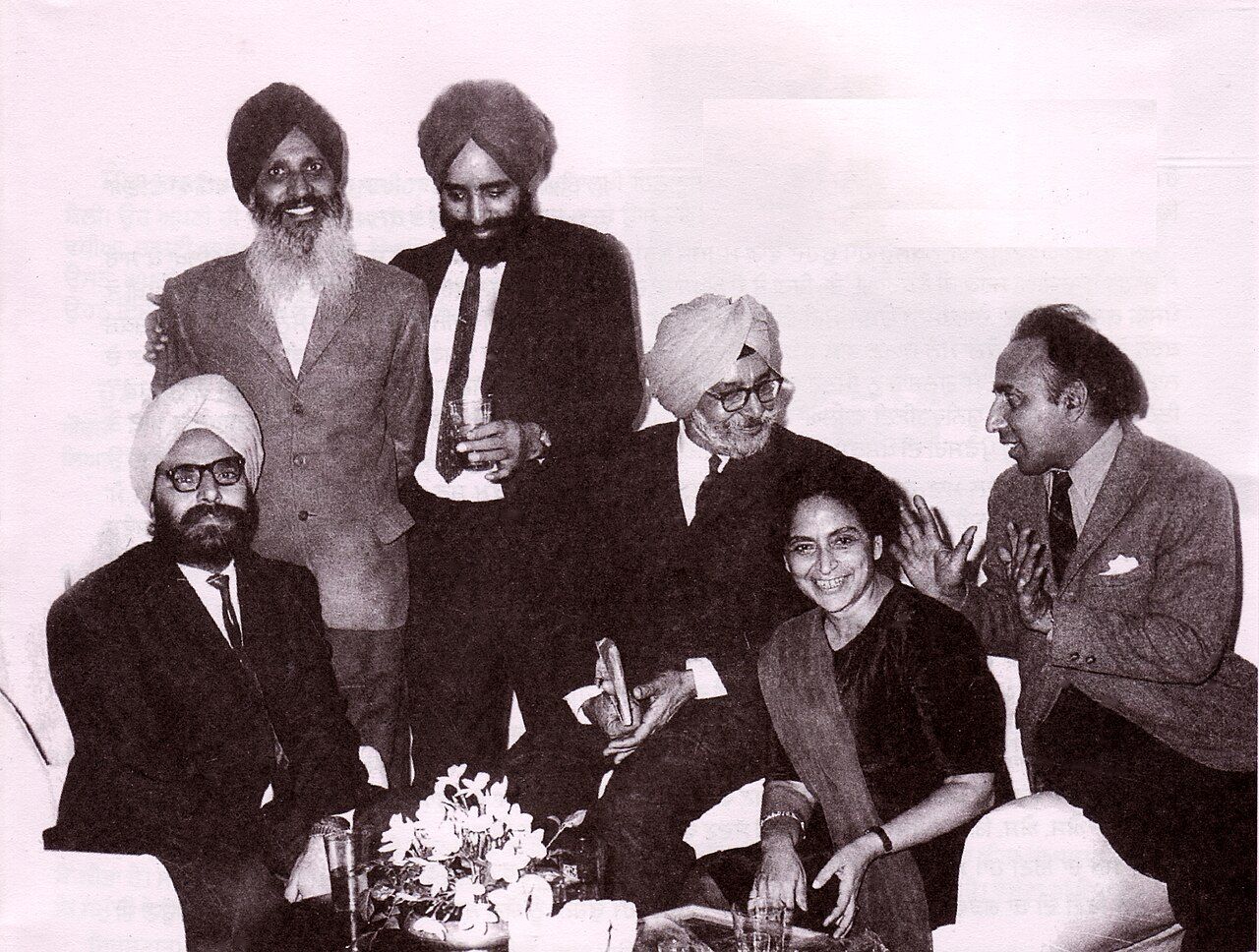
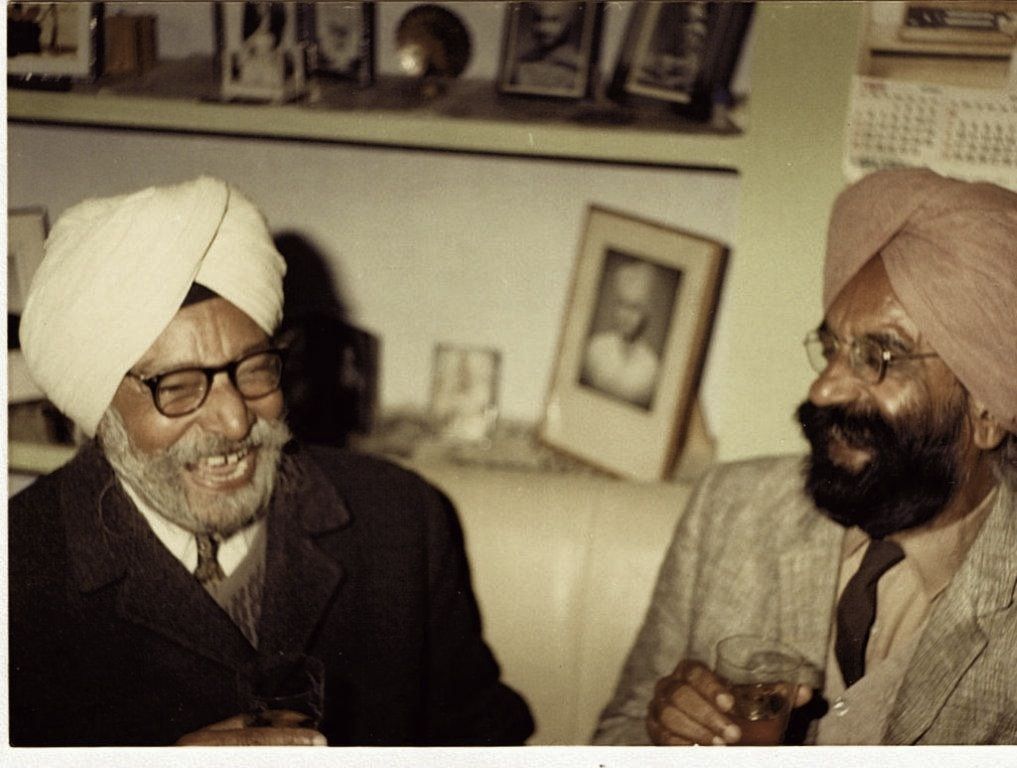
- Amrit Lehran (1936) — her first poetry collection
- Sunehade (also written Sunehe); Kagaz te Canvas
- "Ajj Aakhaan Waris Shah Nu" (1947) — Partition poem calling on Waris Shah, the poet of Heer, to rise and write of Punjab's pain
- Novels: Pinjar (1950, what Partition did to women) and Dilli Diyan Galliyan
- Autobiography: Rasidi Ticket; journal: Nagmani
- Sahitya Akademi 1956 for Sunehade — the first woman to win it
- Jnanpith 1981 for Kagaz te Canvas — the first Punjabi writer to win it
- Padma Shri 1969; Padma Vibhushan 2004
- Rajya Sabha member 1986–92
Also know: seven more writers, and Khushwant Singh's obituaryTap to open
| Writer | Key works | Remember |
|---|---|---|
| Sohan Singh Seetal (Sital) (1909–1998) · Novel; dhadi | Jug Badal Gaya (Yug Badal Gaya), Tootan Wala Khooh | Sahitya Akademi 1974 for Jug Badal Gaya; also a famous dhadi singer |
| Sujan Singh (1909–1993) · Short story | Dukh Sukh, Shahar te Gran | Sahitya Akademi 1986 |
| Kartar Singh Duggal (1917–2012) · Short story, novel | Ik Chhit Chanan Di, Sawer Sar, Nau Bahar; autobiography Kis Peh Kholon Ganthdi | Sahitya Akademi 1965; Padma Bhushan 1988 |
| Kulwant Singh Virk (1921–1987) · Short story | Chhah Vela, Naven Lok, Dudh Da Chhappar | Sahitya Akademi 1968 |
| Sohinder Singh Wanjara Bedi (1924–2001) · Folklore | Punjabi Lokdhara Vishav Kosh (8 vols), Mere Rahan de Rang, Galiye Chikkar Dur Ghar | Sahitya Akademi 1988; the great scholar of Punjabi folklore |
| Balraj Sahni (1913–1973) · Prose, travel | Mera Rusi Safarnama (Soviet Union), Mera Pakistani Safarnama; Meri Filmi Aatmakatha | Better known as a film actor |
| Giani Gurdit Singh · Prose | Mera Pind (village life of Punjab) | Classic Punjabi prose |
Writers born after 1925
Novelists of village Punjab and the poets of pain and protest.
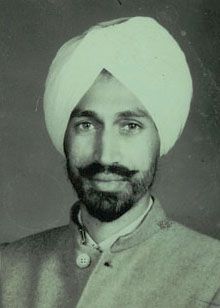
- Marhi Da Deeva (1964)
- Jnanpith 1999 — first Punjabi novelist to win it
- Never won the Saraswati Samman
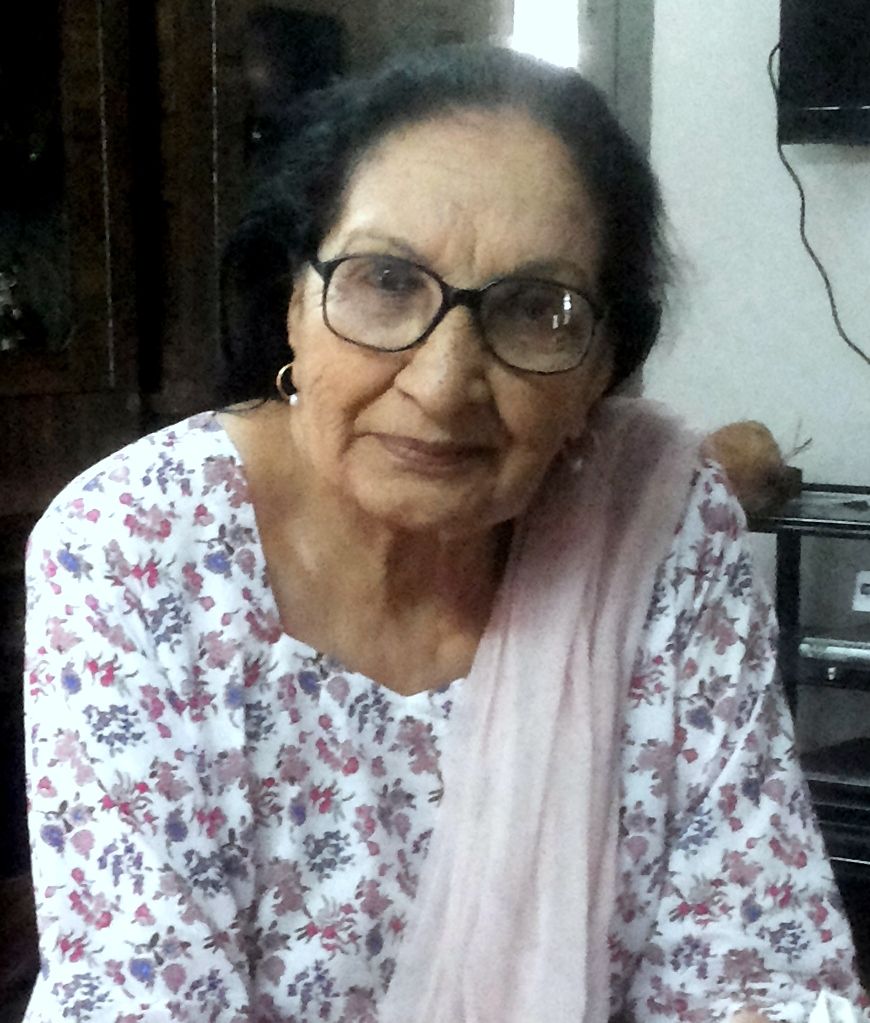
- Saraswati Samman 2001 (Katha Kaho Urvashi)
- Autobiography: Nange Pairan da Safar
- Sahitya Akademi Award 1971
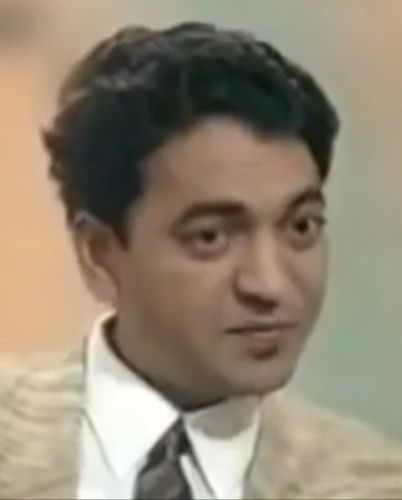
- "Birha da Sultan"
- Sahitya Akademi Award 1967 for Loona — youngest winner at the time
- Lajwanti (1961), Mainu Vida Karo (1963)
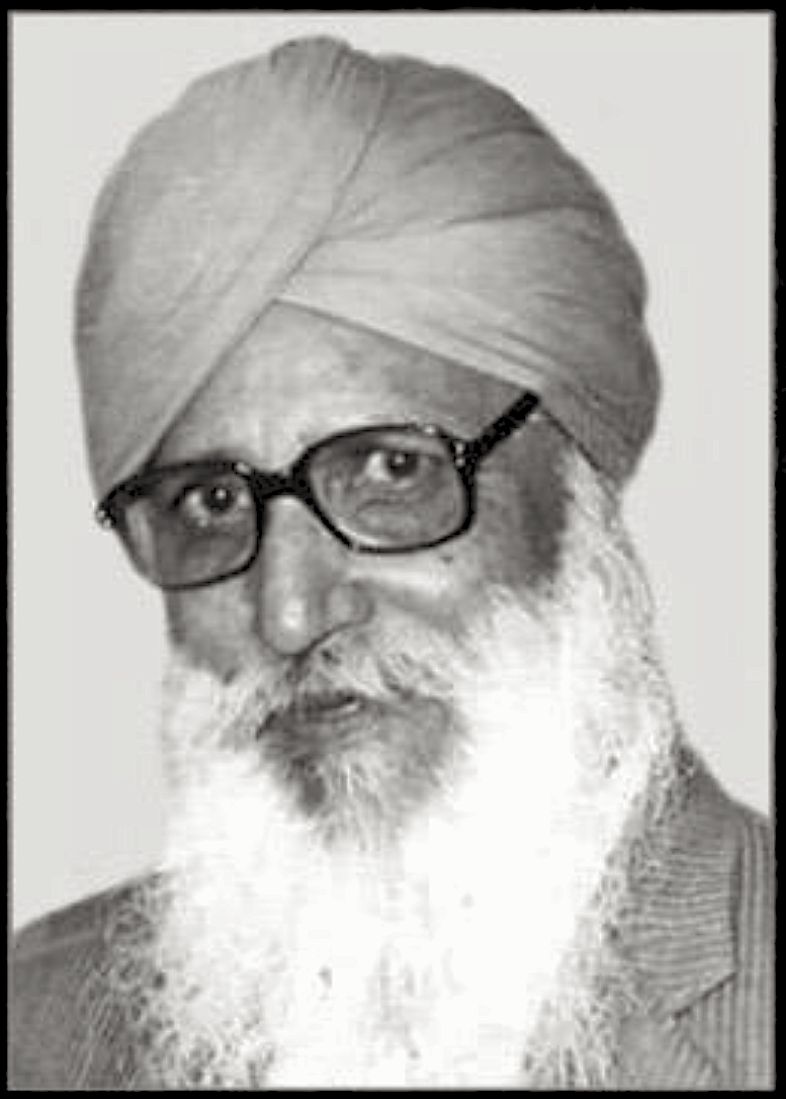
- Rukh te Rishi
- Saraswati Samman 1994
- Sahitya Akademi Award 1969
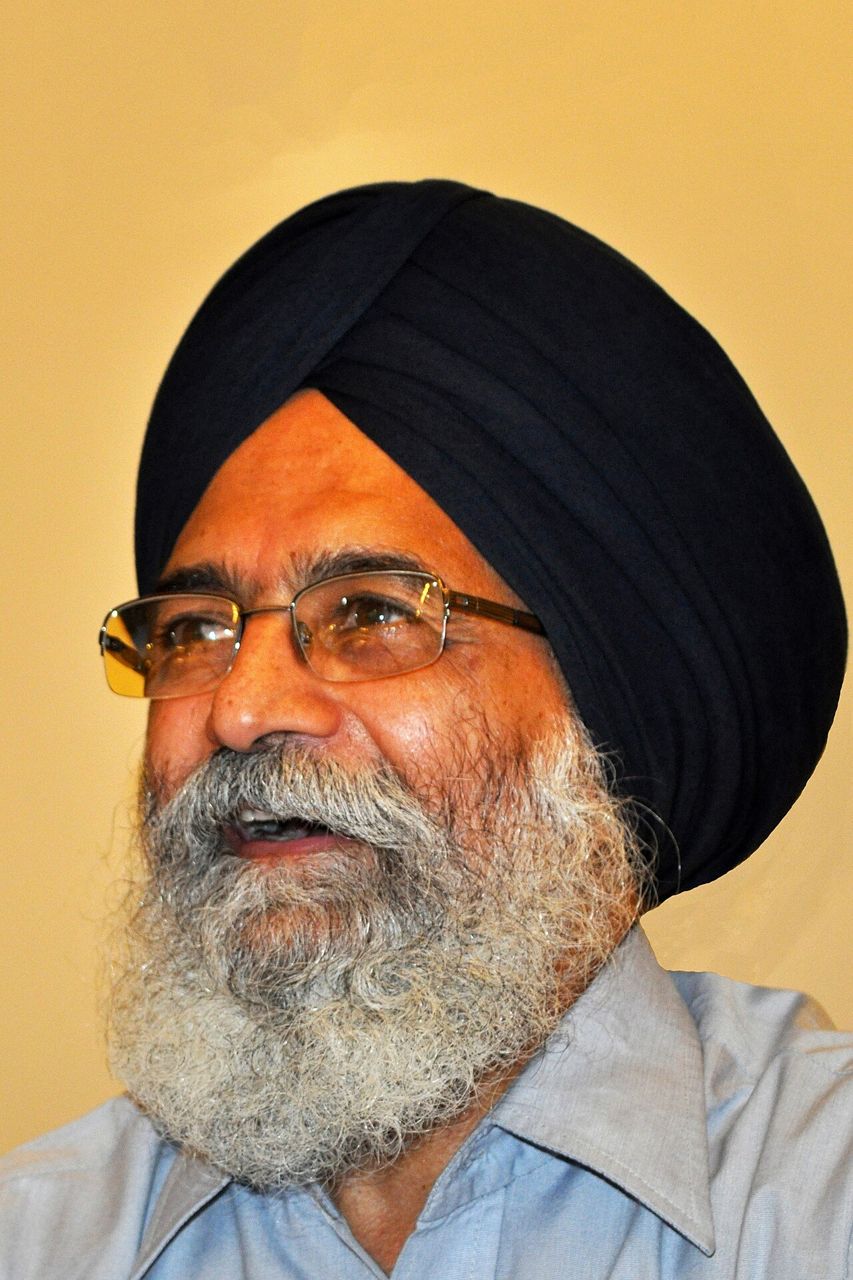
- Hawa Vich Likhe Harf (1979)
- Sahitya Akademi Award 1993; Saraswati Samman 2009
- Chairman, Punjab Kala Parishad 2017–24
Full table: works and honours of these fiveTap to open
| Writer | Key works | Remember |
|---|---|---|
| Gurdial Singh (1933–2016) · Novel | Marhi Da Deeva (1964), Anhe Ghore Da Daan, Adh Chanani Raat, Parsa | Sahitya Akademi Award 1975; Jnanpith 1999 (shared with Nirmal Verma) — the first Punjabi novelist to win it; Padma Shri 1998; no Saraswati Samman |
| Dalip Kaur Tiwana (1935–2020) · Novel | Eho Hamara Jiwana, Peele Pattian di Dastan, Katha Kaho Urvashi; autobiography Nange Pairan da Safar | Sahitya Akademi Award 1971; Saraswati Samman 2001; Padma Shri 2004 |
| Shiv Kumar Batalvi (1936–1973) · Poetry | Peeran da Paraga, Lajwanti (1961), Mainu Vida Karo (1963), Loona (1965) — a verse play on Puran Bhagat | Sahitya Akademi Award 1967 for Loona — the youngest winner at the time; "Birha da Sultan"; "Batalvi" = of Batala |
| Harbhajan Singh · Poetry, criticism | Rukh te Rishi | Sahitya Akademi Award 1969; Saraswati Samman 1994 |
| Surjit Patar (1945–2024) · Poetry | Hawa Vich Likhe Harf (1979), Birkh Arz Kare, Hanere Vich Sulagdi Varnmala, Lafzan di Dargah | Sahitya Akademi Award 1993 for Hanere Vich Sulagdi Varnmala; Saraswati Samman 2009; Padma Shri 2012; chairman, Punjab Kala Parishad 2017–24 |
- Peeran da Paraga
- Lajwanti (1961)
- Mainu Vida Karo (1963)
- Loona (1965) — Sahitya Akademi 1967
- Hawa Vich Likhe Harf (1979)
- Birkh Arz Kare
- Hanere Vich Sulagdi Varnmala — Sahitya Akademi 1993
- Lafzan di Dargah — Saraswati 2009
Also know: five more writersTap to open
| Writer | Key works | Remember |
|---|---|---|
| Jaswant Singh Kanwal · Novel | Novels of rural Malwa | Sahitya Akademi 1997 |
| Ram Sarup Ankhi · Novel | Kothe Kharak Singh | Sahitya Akademi 1987 |
| Ajmer Singh Aulakh (1942–2017) · Drama | Arbad Narbad Dhundukara, Ishq Baaj Namaz da Hajj Nahin | Sahitya Akademi 2006; Punjabi Sahit Rattan |
| Pash (Avtar Singh Sandhu) (1950–1988) · Poetry | Loh Katha | Revolutionary poet; killed in 1988 |
| Waryam Singh Sandhu · Short story | Chauthi Koot | Sahitya Akademi 2000 |
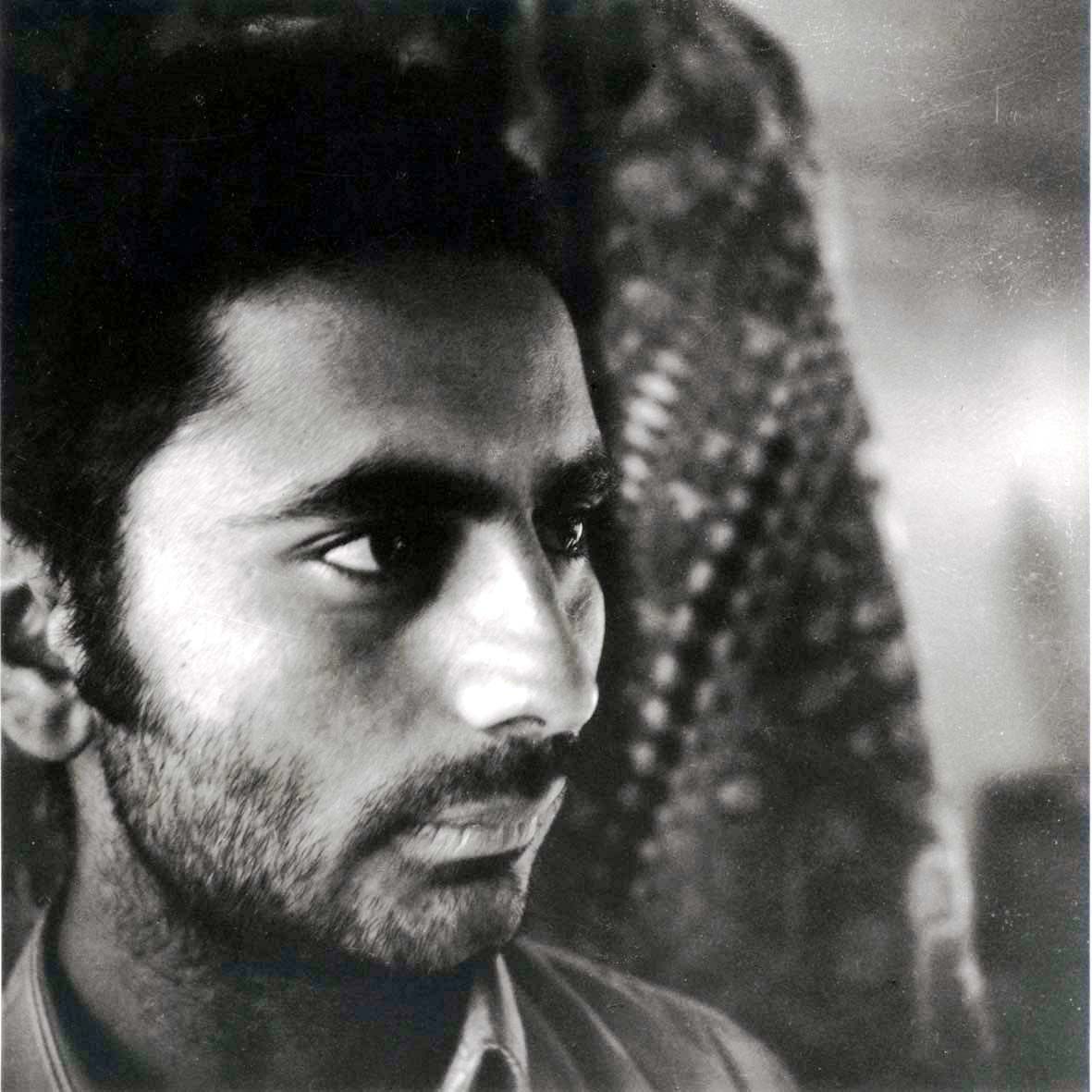
- Saave Pattar (1936)
- Prof. Mohan Singh
- Amrit Lehran, Sunehade, Kagaz te Canvas
- Amrita Pritam
- Lajwanti, Mainu Vida Karo, Loona
- Shiv Kumar Batalvi
- Hawa Vich Likhe Harf, Birkh Arz Kare
- Surjit Patar
- Mere Saiyan Jio, Rana Surat Singh
- Bhai Vir Singh
- Chandanwari, Kesar Kiari
- Dhani Ram Chatrik
- Khule Maidan, Khule Ghund
- Prof. Puran Singh
- Chitta Lahu (1932)
- Nanak Singh
- Pinjar (1950); Dilli Diyan Galliyan
- Amrita Pritam
- Rasidi Ticket (autobiography)
- Amrita Pritam
- Nange Pairan da Safar (autobiography)
- Dalip Kaur Tiwana
- Mera Pind
- Giani Gurdit Singh
- Mere Rahan de Rang
- Sohinder Singh Wanjara Bedi
- Mera Rusi Safarnama
- Balraj Sahni
- The Naked Triangle; Gagan Mai Thal
- Balwant Gargi
- Jug Badal Gaya
- Sohan Singh Seetal
- Marhi Da Deeva (1964)
- Gurdial Singh
Literary awards
Sahitya Akademi (from 1955), Jnanpith (from 1965) and Saraswati Samman (from 1991).
The first Sahitya Akademi Award in Punjabi went to Bhai Vir Singh in 1955, for his poetry book Mere Saiyan Jio. Amrita Pritam's Sunehade won a year later, in 1956 — the first won by a woman. So if an option says Sunehade was the first Punjabi winner, it is wrong.
- 1955The first Punjabi award
Bhai Vir Singh — Mere Saiyan Jio
- 1956The first woman winner
Amrita Pritam — Sunehade
- 1961The "father of the novel"
Nanak Singh — Ik Mian Do Talwaran
- 1967The youngest winner at the time
Shiv Kumar Batalvi — Loona
- 1971A woman novelist
Dalip Kaur Tiwana — Eho Hamara Jiwana
- 1974Novelist and dhadi
Sohan Singh Seetal — Jug Badal Gaya
- 1978Also a Chief Minister of Punjab
Gurmukh Singh Musafir
- 1993Poet; later Saraswati Samman
Surjit Patar — Hanere Vich Sulagdi Varnmala
All Punjabi Sahitya Akademi winners (1955–2006)Tap to open
| Year | Winner — work / note |
|---|---|
| 1955 | Bhai Vir Singh — Mere Saiyan Jio — the first Punjabi award |
| 1956 | Amrita Pritam — Sunehade — first woman to win the award |
| 1959 | Mohan Singh |
| 1961 | Nanak Singh — Ik Mian Do Talwaran |
| 1962 | Balwant Gargi |
| 1964 | Prabhjot Kaur |
| 1965 | Kartar Singh Duggal |
| 1967 | Shiv Kumar Batalvi — Loona — youngest winner at the time |
| 1968 | Kulwant Singh Virk |
| 1969 | Harbhajan Singh |
| 1971 | Dalip Kaur Tiwana — Eho Hamara Jiwana |
| 1972 | Sant Singh Sekhon |
| 1974 | Sohan Singh Seetal — Jug Badal Gaya |
| 1975 | Gurdial Singh |
| 1978 | Gurmukh Singh Musafir — Also served as Chief Minister of Punjab |
| 1986 | Sujan Singh |
| 1987 | Ram Sarup Ankhi — Kothe Kharak Singh |
| 1988 | Sohinder Singh Wanjara Bedi |
| 1993 | Surjit Patar — Hanere Vich Sulagdi Varnmala |
| 1997 | Jaswant Singh Kanwal |
| 2000 | Waryam Singh Sandhu — Chauthi Koot |
| 2006 | Ajmer Singh Aulakh |
| Award | Punjabi winners | Note |
|---|---|---|
| Jnanpith | Amrita Pritam (1981), Kagaz te Canvas; Gurdial Singh (1999) | Only these two. Amrita = first Punjabi writer; Gurdial Singh = first Punjabi novelist. Bhai Vir Singh, Bhai Jodh Singh and Surjit Patar never won it. |
| Saraswati Samman | Harbhajan Singh (1994), Rukh te Rishi; Dalip Kaur Tiwana (2001), Katha Kaho Urvashi; Surjit Patar (2009), Lafzan di Dargah | Gurdial Singh did not win it. |
| Punjabi Sahit Rattan | Ajmer Aulakh, Niranjan Singh Tasneem, Kirpal Singh Kasel and others | Highest award of the Punjab Languages Department (Bhasha Vibhag, Patiala), Rs 10 lakh |
| Shiromani awards | Shiromani Punjabi Sahitkar, Kavi, Alochak and others | Languages Department, Rs 5 lakh each |
Three "firsts" in one line: Bhai Vir Singh — first Punjabi Sahitya Akademi Award (1955); Amrita Pritam — first woman Sahitya Akademi winner (1956) and first Punjabi Jnanpith (1981); Gurdial Singh — first Punjabi novelist with the Jnanpith (1999).
Titles and pen names
Who is called what.
- Birha da Sultan (king of the pain of separation)
- Shiv Kumar Batalvi
- Tagore of Punjab
- Prof. Puran Singh — father of Punjabi free verse
- Chhevan Dariya ("the sixth river")
- Bhai Vir Singh — father of modern Punjabi literature
- Shakespeare of Punjabi
- Waris Shah — poet of the definitive Heer (1766)
- Baba Bohar (the great banyan tree of Punjabi letters)
- Sant Singh Sekhon
- Father of Punjabi drama
- Ishwar Chander Nanda — Suhag (1913)
- Nakkar dadi (grandmother) of Punjabi drama
- Norah Richards
- Goya
- Bhai Nand Lal
- Pash
- Avtar Singh Sandhu
- Tuti-e-Hind (parrot of India)
- Amir Khusro
"Nanak novels, Vir is modern, Nanda plays, Norah is granny." Nanak Singh = father of the novel; Bhai Vir Singh = father of modern literature; I. C. Nanda = father of drama; Norah Richards = grandmother of drama.
All titles in one tableTap to open
| Title | Person |
|---|---|
| First poet of Punjabi | Baba Farid |
| Father of the Punjabi novel | Nanak Singh |
| Father of modern Punjabi literature | Bhai Vir Singh |
| Father of Punjabi drama | Ishwar Chander Nanda |
| Grandmother of Punjabi drama / theatre | Norah Richards |
| Preetlari | Gurbaksh Singh (after his journal Preet Lari) |
| Goya | Bhai Nand Lal |
| Pash | Avtar Singh Sandhu |
| Tuti-e-Hind (parrot of India) | Amir Khusro |
Newspapers and literary bodies
All papers and journalsTap to open
| Paper / journal | Year | Founder / editor |
|---|---|---|
| Akhbar Sri Darbar Sahib | 1867 | Earliest Gurmukhi paper (in Braj) |
| Khalsa Akhbar | 1886 | Giani Ditt Singh, Lahore — first Punjabi newspaper (exam answer) |
| Khalsa Samachar | 1899 | Bhai Vir Singh |
| Preet Lari | 1933 | Gurbaksh Singh |
| Panj Darya | — | Prof. Mohan Singh |
| Nagmani | — | Amrita Pritam |
| Nawan Zamana | 1953 | Jalandhar |
| Ajit | 1955 | Jalandhar daily; Sadhu Singh Hamdard |
| Punjabi Tribune | 1978 | Chandigarh; the Tribune Trust was founded by Sardar Dyal Singh Majithia (1881, Lahore) |
| Jag Bani | 1978 | Jalandhar; Punjab Kesari group of Lala Jagat Narain |
- Anjuman-i-Punjab (1865, Lahore) — founded by Dr G. W. Leitner to promote learning and literature.
- Punjabi Sahit Sabha — Dhani Ram Chatrik became its President in 1926.
- Punjabi Sahit Akademi, Ludhiana (1954) and the Kendri Punjabi Lekhak Sabha — writers' bodies.
- Punjab Kala Parishad (the state arts council, Chandigarh) — the poet Surjit Patar was its chairman from 2017 to 2024.
- Bhasha Vibhag (Punjab Languages Department), Patiala — gives the Punjabi Sahit Rattan and the Shiromani awards.
Common traps
- Damodar wrote the first Heer; Waris Shah wrote the famous Heer (1766). Bulleh Shah, Sultan Bahu and Shah Hussain did not write Heer.
- First Punjabi novel = Sundari (Bhai Vir Singh, 1898). Father of the Punjabi novel = Nanak Singh. Don't mix them.
- First Sahitya Akademi Award in Punjabi = Bhai Vir Singh (1955, Mere Saiyan Jio) — not Amrita Pritam's Sunehade, which won in 1956. First woman = Amrita Pritam (1956). First Jnanpith = Amrita Pritam (1981). First novelist with Jnanpith = Gurdial Singh (1999).
- Loona is Shiv Kumar Batalvi's verse play on Puran Bhagat (Sahitya Akademi Award 1967) — not a novel, and not by Qadaryar.
- Balwant Gargi is a dramatist (The Naked Triangle is his autobiography); Sant Singh Sekhon is the critic.
- Shah Mohammad's Jangnama (Punjabi, 1846, Anglo-Sikh war) vs Qazi Nur Muhammad's Jang Namah (Persian, 1765, Abdali). Shah Hussain wrote kafis, not a jangnama.
- Panth Prakash: Rattan Singh Bhangu wrote Prachin Panth Prakash; Giani Gian Singh wrote (Naveen) Panth Prakash. Bhai Santokh Singh wrote the Suraj Granth.
- Khalsa Akhbar (1886) is the first Punjabi newspaper; Khalsa Samachar (1899) is Bhai Vir Singh's; Ajit, Punjabi Tribune and Jag Bani are much later.
- Preet Lari — Gurbaksh Singh (not Nanak Singh); Panj Darya — Mohan Singh; Nagmani — Amrita Pritam.
- Pinjar and Dilli Diyan Galliyan are Amrita Pritam's — not Nanak Singh's, not Gulzar's or Sahir Ludhianvi's.
- The Wonder That Was India is by A. L. Basham — not Khushwant Singh.
- Gurdial Singh won the Jnanpith but not the Saraswati Samman.
Quick revision
Read this the night before the exam.
- Punjabi comes from: Shauraseni Prakrit
- Gurmukhi standardised: Guru Angad Dev
- First Punjabi poet: Baba Farid (Pakpattan)
- First kafi: Shah Hussain; kafi master: Bulleh Shah
- Mahan Kosh (1930): Bhai Kahan Singh Nabha
- Panth Prakash: Giani Gian Singh
- First Heer: Damodar; famous Heer (1766): Waris Shah
- First Mirza Sahiban: Peelu
- Puran Bhagat: Qadaryar, then Kishan Singh Arif
- Sohni Mahiwal: river Chenab
- Nadir Shah di Vaar: Najabat
- Jang Namah (Persian, 1765): Qazi Nur Muhammad
- First Punjabi newspaper: Khalsa Akhbar (1886)
- Om Jai Jagdish Hare: Sharda Ram Phillauri
- First Punjabi novel: Sundari (1898)
- Father of the Punjabi novel: Nanak Singh (Chitta Lahu)
- Tagore of Punjab: Prof. Puran Singh
- Preet Lari (1933): Gurbaksh Singh
- Birha da Sultan: Shiv Kumar Batalvi (Loona, Sahitya Akademi Award 1967)
- Jnanpith: Amrita Pritam 1981, Gurdial Singh 1999
Who wrote the first Punjabi Heer, and whose Heer is the most famous?
Show answer
Damodar (c. 1600, Akbar's time) wrote the first Heer. Waris Shah's Heer (1766, Malka Hans) is the famous, definitive version.
Who received the first Sahitya Akademi Award in Punjabi, and who was the first woman to receive the award?
Show answer
Bhai Vir Singh, in 1955, for Mere Saiyan Jio. Amrita Pritam was the first woman, in 1956, for Sunehade.
Match: Saave Pattar, Hawa Vich Likhe Harf, Lajwanti, Amrit Lehran.
Show answer
Saave Pattar — Mohan Singh; Hawa Vich Likhe Harf — Surjit Patar; Lajwanti — Shiv Kumar Batalvi; Amrit Lehran — Amrita Pritam.