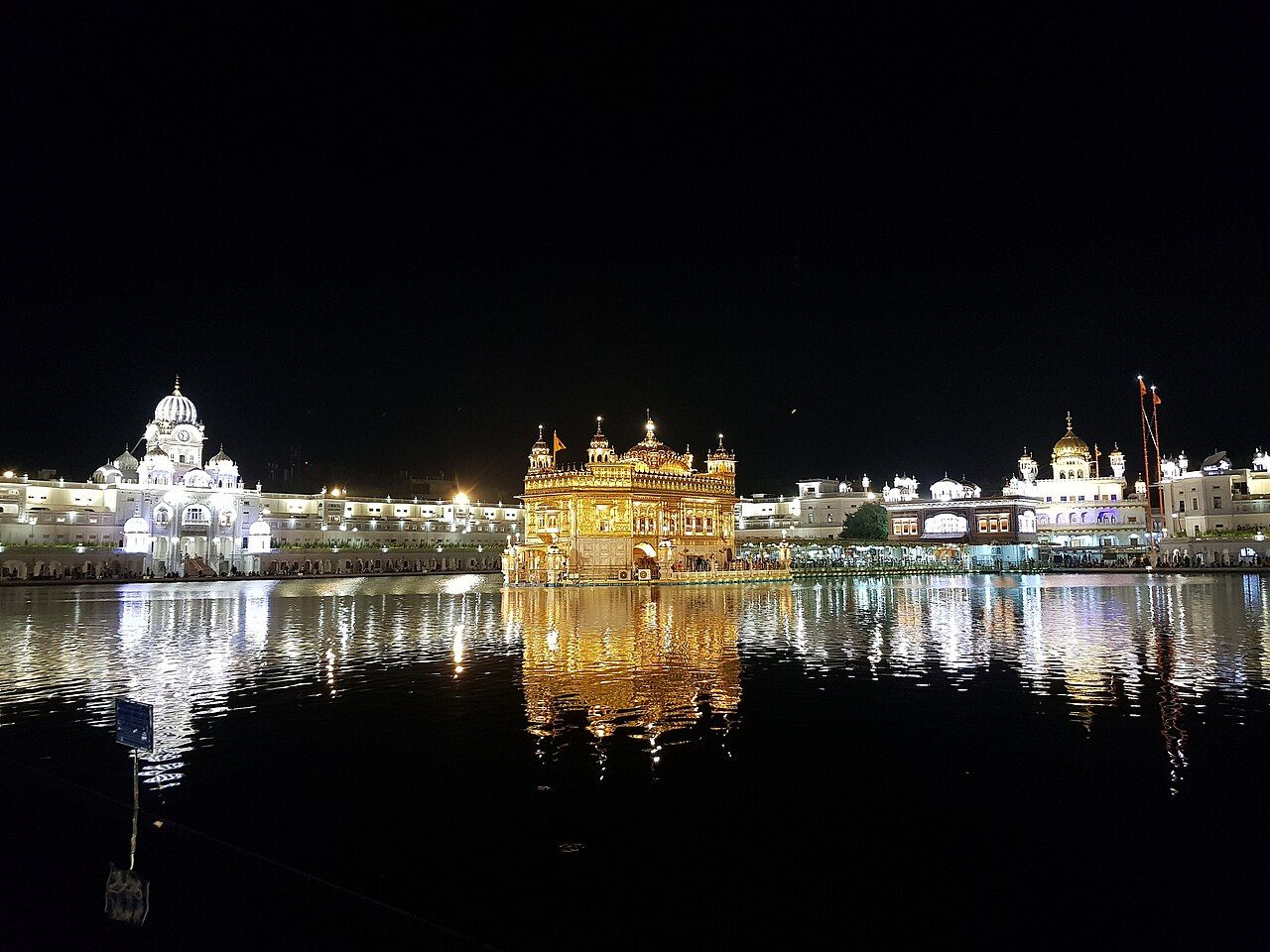
Sikhism began with Guru Nanak Dev, born in 1469. After him, nine more Gurus led the Sikhs, one after another, until 1708. In 1708 the tenth Guru, Guru Gobind Singh, made the holy book itself the Guru — Sri Guru Granth Sahib. In these 239 years the Gurus built towns, wrote hymns, started the langar, compiled the Adi Granth and created the Khalsa. This page explains each Guru in simple words.
1. The ten Gurus in order, and how each was related to the one before. 2. What each Guru built, wrote or started — the facts exams ask. 3. The Guru towns and the five Takhts, with a map and the common traps.
The ten Gurus at a glance
Learn this table first. Most exam questions come from the last column.
| Guru | Guru from – to | Remember for |
|---|---|---|
| 1. Guru Nanak Dev | Founder – 1539 | Four Udasis (journeys); Kartarpur; Japji Sahib; Babarvani |
| 2. Guru Angad Dev | 1539 – 1552 | Gurmukhi script; Khadur Sahib; Mall Akhara |
| 3. Guru Amar Das | 1552 – 1574 | Goindwal Baoli (84 steps); 22 Manjis; langar made compulsory |
| 4. Guru Ram Das | 1574 – 1581 | Founded Amritsar (Ramdaspur); Masand system; Lavan |
| 5. Guru Arjan Dev | 1581 – 1606 | Harmandir Sahib; Adi Granth (1604); Tarn Taran; first Sikh martyr |
| 6. Guru Hargobind | 1606 – 1644 | Miri-Piri; Akal Takht (1606); Bandi Chhor; Kiratpur |
| 7. Guru Har Rai | 1644 – 1661 | Herbal dispensary at Kiratpur; kept 2,200 horsemen |
| 8. Guru Har Krishan | 1661 – 1664 | Youngest Guru (age 5); served smallpox patients in Delhi |
| 9. Guru Tegh Bahadur | 1664 – 1675 | Founded Anandpur (Chakk Nanaki); martyred at Delhi; "Hind di Chadar" |
| 10. Guru Gobind Singh | 1675 – 1708 | Khalsa (1699); Zafarnama; made Guru Granth Sahib the Guru |
- 1Guru Nanak Dev1469–1539 · Bedi family; founderdisciple
- 2Guru Angad Dev1539–1552 · Trehan family; was Bhai Lehnadisciple
- 3Guru Amar Das1552–1574 · Bhalla family; Guru at 73son-in-law
- 4Guru Ram Das1574–1581 · first Sodhi Guru; was Bhai Jetha; husband of Bibi Bhanison
- 5Guru Arjan Dev1581–1606 · son of Bibi Bhanison
- 6Guru Hargobind1606–1644 · Guru at 11grandson
- 7Guru Har Rai1644–1661 · son of Baba Gurdittason
- 8Guru Har Krishan1661–1664 · Guru at 5great-uncle
- 9Guru Tegh Bahadur1664–1675 · a son of Guru Hargobindson
- 10Guru Gobind Singh1675–1708 · last living Guru
Order of the Gurus: New Angels Always Read Aloud, Hear Hymns Happily, Then Go — Nanak, Angad, Amar Das, Ram Das, Arjan, Hargobind, Har Rai, Har Krishan, Tegh Bahadur, Gobind Singh. The easy hook: three H's in a row are Gurus 6, 7 and 8.
More detail: years in office, parents, wives and rulersTap to open
| Guru | Parents | Wife | Rulers of the day |
|---|---|---|---|
| Guru Nanak Dev | Mehta Kalu, Mata Tripta | Mata Sulakhni | Lodi Sultans; Babur; Humayun |
| Guru Angad Dev | Pheru Mal, Mata Ramo | Mata Khivi | Humayun; Sher Shah Suri; Islam Shah Suri |
| Guru Amar Das | Tej Bhan, Mata Lachhmi (Bakht Kaur) | Mata Mansa Devi | Akbar |
| Guru Ram Das | Hari Das Sodhi, Mata Daya Kaur | Bibi Bhani | Akbar |
| Guru Arjan Dev | Guru Ram Das, Bibi Bhani | Mata Ganga | Akbar; Jahangir |
| Guru Hargobind | Guru Arjan Dev, Mata Ganga | Mata Damodari, Mata Nanaki, Mata Mahadevi | Jahangir; Shah Jahan |
| Guru Har Rai | Baba Gurditta, Mata Nihal Kaur | Mata Kishan Kaur | Shah Jahan; Aurangzeb |
| Guru Har Krishan | Guru Har Rai, Mata Kishan Kaur | — (child Guru) | Aurangzeb |
| Guru Tegh Bahadur | Guru Hargobind, Mata Nanaki | Mata Gujri | Aurangzeb |
| Guru Gobind Singh | Guru Tegh Bahadur, Mata Gujri | Mata Jito, Mata Sundari, Mata Sahib Devan | Aurangzeb; Bahadur Shah I |
Timeline: 1469 to 1708
The big events in order.
- 1469Guru Nanak is born
At Rai Bhoi di Talwandi, now Nankana Sahib in Pakistan.
- c. 1499The call at Sultanpur Lodhi
After three days in the Bein rivulet he says, "Na ko Hindu, na Musalman."
- c. 1522Kartarpur founded
On the Ravi. Guru Nanak spends his last 18 years here as a farmer.
- 1539Guru Angad Dev becomes Guru
Bhai Lehna is chosen for his service, not his birth.
- 1552Guru Amar Das becomes Guru, at 73
Goindwal becomes the first Sikh centre of pilgrimage.
- 1577Amritsar founded
By Guru Ram Das. First called Guru ka Chak, then Ramdaspur.
- 1588Harmandir Sahib foundation laid
In Guru Arjan Dev's time; tradition says by the Sufi saint Mian Mir.
- 1604Adi Granth installed
At Harmandir Sahib. Baba Buddha becomes the first Granthi.
- 1606Guru Arjan Dev martyred; Akal Takht built
Martyred at Lahore under Jahangir. Guru Hargobind builds the Akal Takht.
- 1664"Guru Ladho Re"
Makhan Shah Lubana finds Guru Tegh Bahadur at Bakala.
- 1665Anandpur Sahib founded
As Chakk Nanaki, by Guru Tegh Bahadur.
- 1675Guru Tegh Bahadur martyred
At Chandni Chowk, Delhi, under Aurangzeb.
- 1699Birth of the Khalsa
Baisakhi at Anandpur Sahib. The Panj Pyare are initiated.
- 1704Chamkaur and Sirhind
All four Sahibzadas are martyred.
- 1705–06Muktsar and Damdama Sahib
Battle of Khidrana (Muktsar). Final version of the Granth (Damdami Bir) written at Talwandi Sabo.
- 1708Guru Granth Sahib made the Guru
At Nanded, before Guru Gobind Singh passes away.
Dates that differ between booksTap to open
| Event | Date on this page | Also seen in books and keys |
|---|---|---|
| Guru Nanak's call at Sultanpur Lodhi | c. 1499 | 1507 |
| Amritsar founded | 1577 | 1574 (the year Guru Ram Das became Guru) |
| Battle of Bhangani | 1688 | 1686 |
| Hola Mohalla started | 1701 | 1700 |
| Sahibzadas martyred | 1704 | 1705 |
1. Guru Nanak Dev (1469–1539)
In one line: founder of Sikhism; four Udasis; Kartarpur; Japji Sahib.
- Born in 1469 at Rai Bhoi di Talwandi (now Nankana Sahib, Pakistan). Most history books give the date as 15 April 1469, but by tradition his birthday (Parkash Purab, or Gurpurab) is celebrated on Kattak Puranmashi — the full moon of the month of Kattak (October–November). Scholars differ on the date; that is why the two do not match.
- He was born into a Hindu Bedi Khatri family. Parents: Mehta Kalu (the village patwari) and Mata Tripta. Elder sister: Bebe Nanaki, the first to recognise his greatness.
- Went on four long journeys (Udasis) with Bhai Mardana, a Muslim rabab player. At Saidpur he stayed with Bhai Lalo, a poor carpenter, and refused the rich feast of Malik Bhago, because Lalo's bread was honestly earned.
- Saw Babur's attack on Saidpur (Eminabad) and wrote four hymns about it, called Babarvani. So his Guruship overlapped the reign of Babur.
- Founded Kartarpur on the Ravi (c. 1522) and taught: Nam japo, Kirat karo, Vand chhako.
- Wife: Mata Sulakhni. Their elder son, Baba Sri Chand, founded the Udasi order of ascetics.
- Passed away at Kartarpur on 22 September 1539, after choosing Bhai Lehna (Guru Angad) as the next Guru.
Stories and sayings asked onceTap to open
- Sacha Sauda ("true bargain"): he spent the money for trade on feeding hungry sadhus, at Chuharkana.
- At Sultanpur Lodhi he looked after the modikhana (the official grain storehouse) of Nawab Daulat Khan Lodhi — the famous "Tera, Tera" story.
- He taught that women are equal. In Asa di Var he wrote, "So kion manda akhiye, jit jamme rajan" — why call her inferior, who gives birth to kings? In Sri Raag he taught that truth is higher than everything, but higher still is truthful living.
| Udasi | Direction | Main places |
|---|---|---|
| First | East | Saidpur (Bhai Lalo), Kurukshetra, Haridwar, Banaras, Gaya, Patna, Assam, Jagannath Puri |
| Second | South | Deccan (Guntur), Rameswaram, Sri Lanka (Ceylon) |
| Third | North | Kashmir, Tibet, Mount Sumeru (Kailash) |
| Fourth | West | Multan, Mecca, Medina, Baghdad, Kabul, Hasan Abdal |
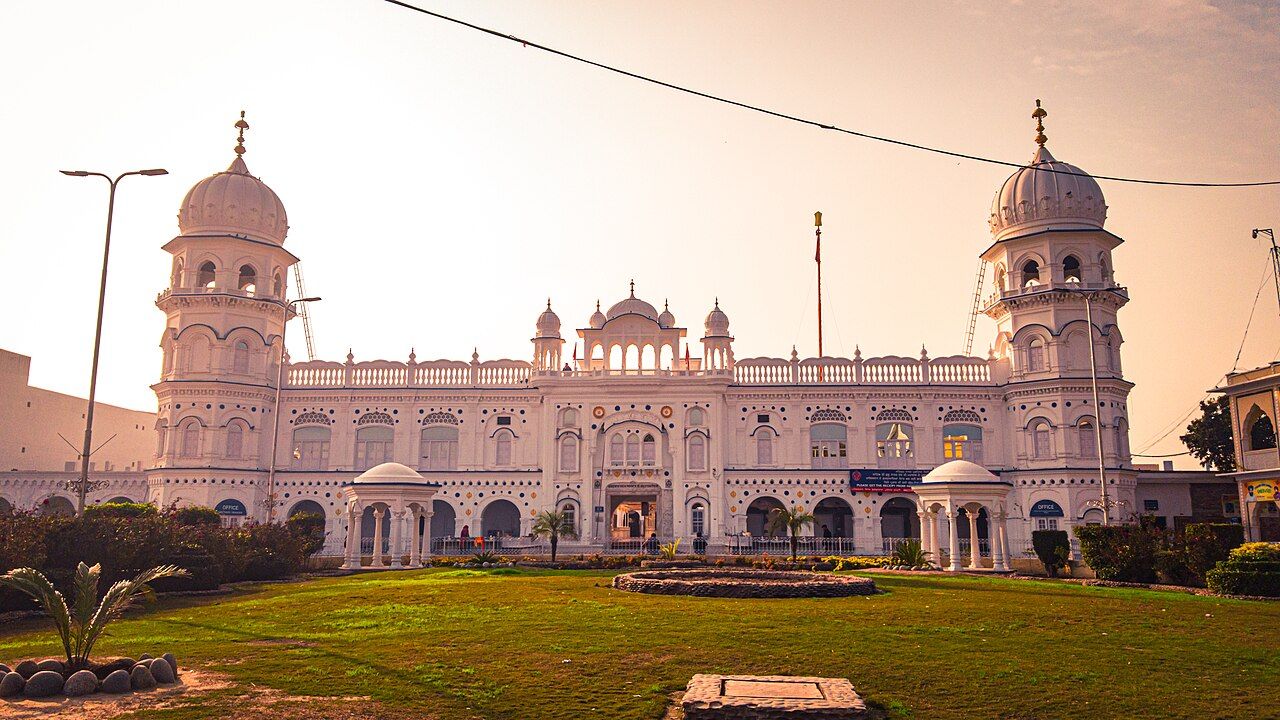
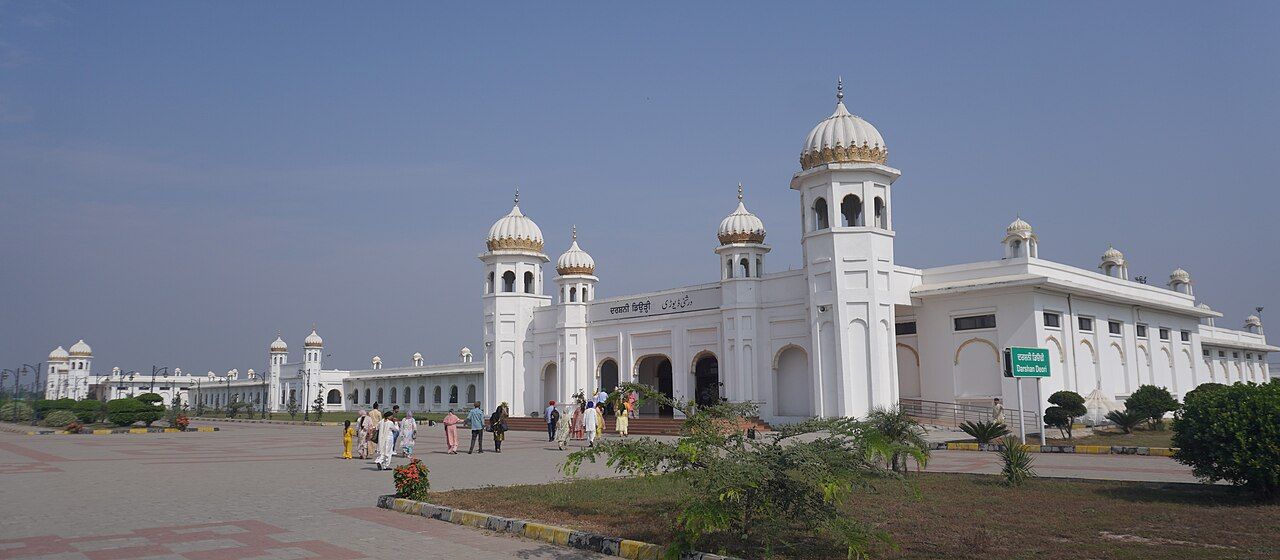
Japji Sahib, written by Guru Nanak, is the first bani of the Guru Granth Sahib. It begins with the Mool Mantar and has 38 pauris (stanzas). His Asa di Var has 24 pauris in Raag Asa and is sung in the morning. Sidh Gosht (Raag Ramkali) is his dialogue with the Siddha yogis.
2. Guru Angad Dev (1504–1552)
In one line: Gurmukhi script; Khadur Sahib; Mall Akhara; langar run by Mata Khivi.
- Born Bhai Lehna on 31 March 1504 at Matte di Sarai (now Sarai Naga, Muktsar).
- Guru Nanak chose him over his own sons because of his service. This made merit, not birth, the rule for choosing a Guru. Baba Buddha put the tilak of Guruship on his forehead — and he did the same for every Guru up to Guru Hargobind (the 2nd to the 6th Guru).
- Made Khadur Sahib (Tarn Taran) the centre of Sikhism.
- Gave final shape to the Gurmukhi script (35 letters) and had a primer, the Bal-bodh, made for children. He collected Guru Nanak's bani and, by tradition, had the Bala Janamsakhi (a life-story of Guru Nanak) written — so he is the Guru who got Guru Nanak's biography written.
- His wife Mata Khivi ran the langar herself. He also started Mall Akharas (wrestling grounds) for young men. Gurdwara Mal Akhara Sahib at Khadur marks his family home and wrestling ground.
- His bani: 62 saloks (some count 63). He wrote no shabads.
3. Guru Amar Das (1479–1574)
The oldest Guru at the time of becoming Guru — 73 years. In one line: Goindwal Baoli; 22 Manjis; langar compulsory; Anand Sahib.
- Served Guru Angad for about 12 years, carrying water from the Beas every day. His wife was Mata Mansa Devi.
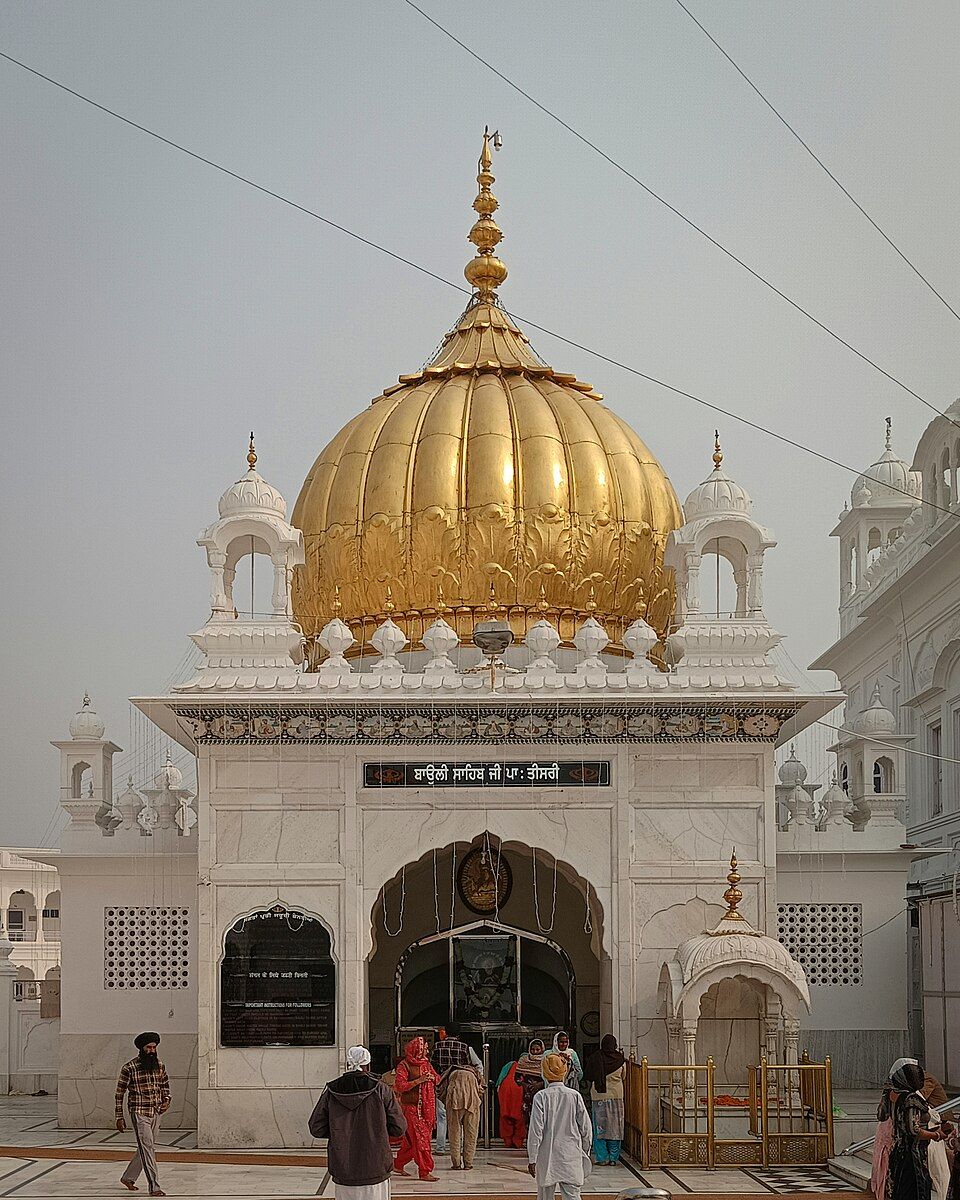
- Built the Baoli Sahib at Goindwal — a stepwell with 84 steps.
- Divided the Sikh community into 22 Manjis (preaching centres) and appointed women preachers called Piris.
- Made langar compulsory before meeting the Guru: "pehle pangat, pachhe sangat". Even Emperor Akbar ate in the langar.
- Spoke against sati and purdah, and allowed widows to remarry.
- Wrote Anand Sahib (40 pauris, Raag Ramkali). It is recited at the end of every Sikh wedding, so many books link the Anand Karaj ceremony with Guru Amar Das. (The four Lavan of the ceremony were written by Guru Ram Das.)
4. Guru Ram Das (1534–1581)
In one line: founded Amritsar; Masand system; the four Lavan.
- Born Bhai Jetha at Chuna Mandi, Lahore. He married Bibi Bhani, daughter of Guru Amar Das.
- First Guru from the Sodhi family. All later Gurus came from this family.
- Founded the town of Amritsar — first called Guru ka Chak, then Ramdaspur. Dug the Santokhsar and Amritsar tanks and invited traders of 52 trades.
- Started the Masand system to collect offerings and spread the teachings.
- Wrote the four Lavan (Raag Suhi). Every Sikh wedding (Anand Karaj) is based on them.
- Bhai Lehna = Guru Angad Dev, but Bhai Jetha = Guru Ram Das. This pair is swapped very often.
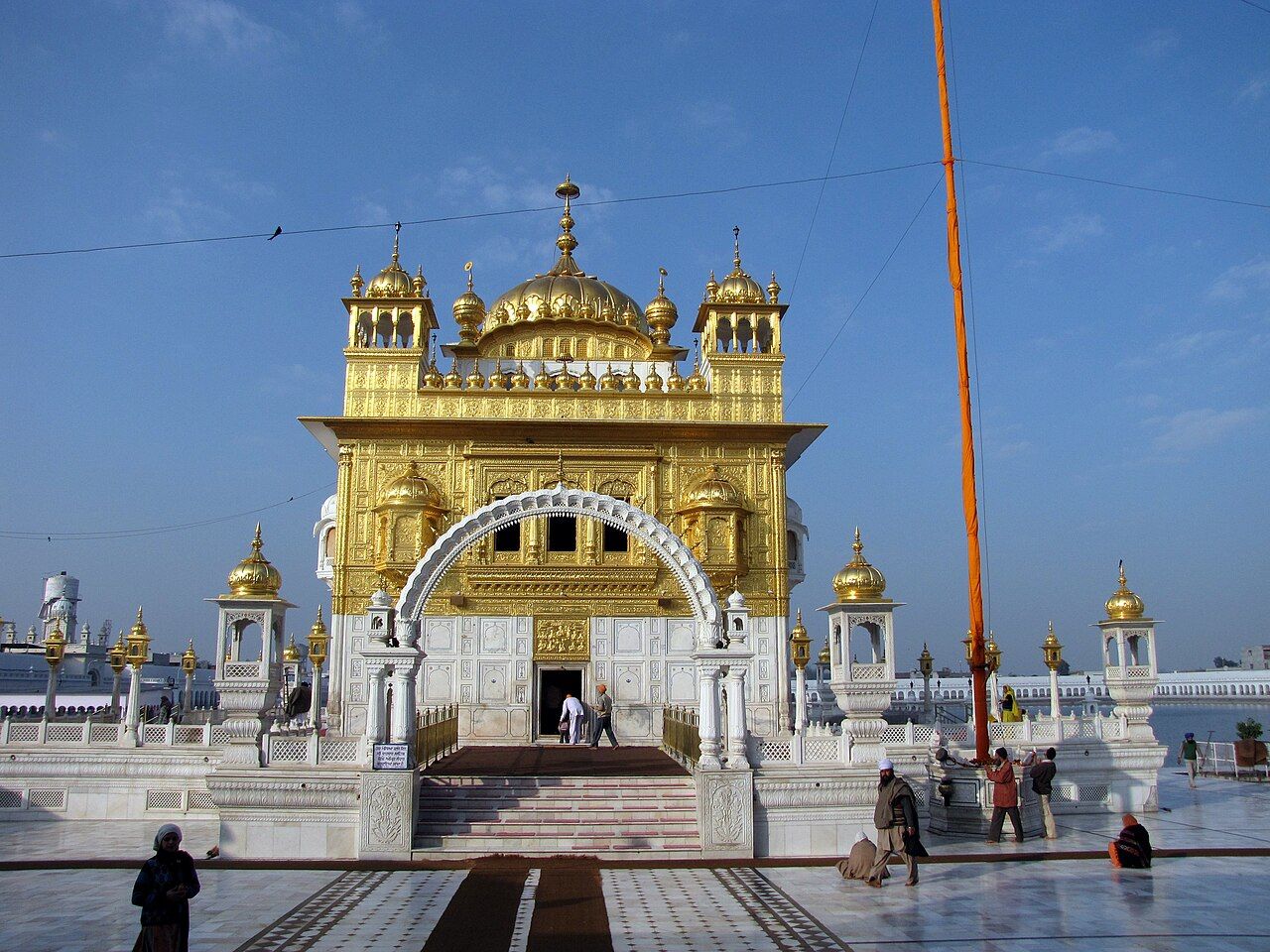
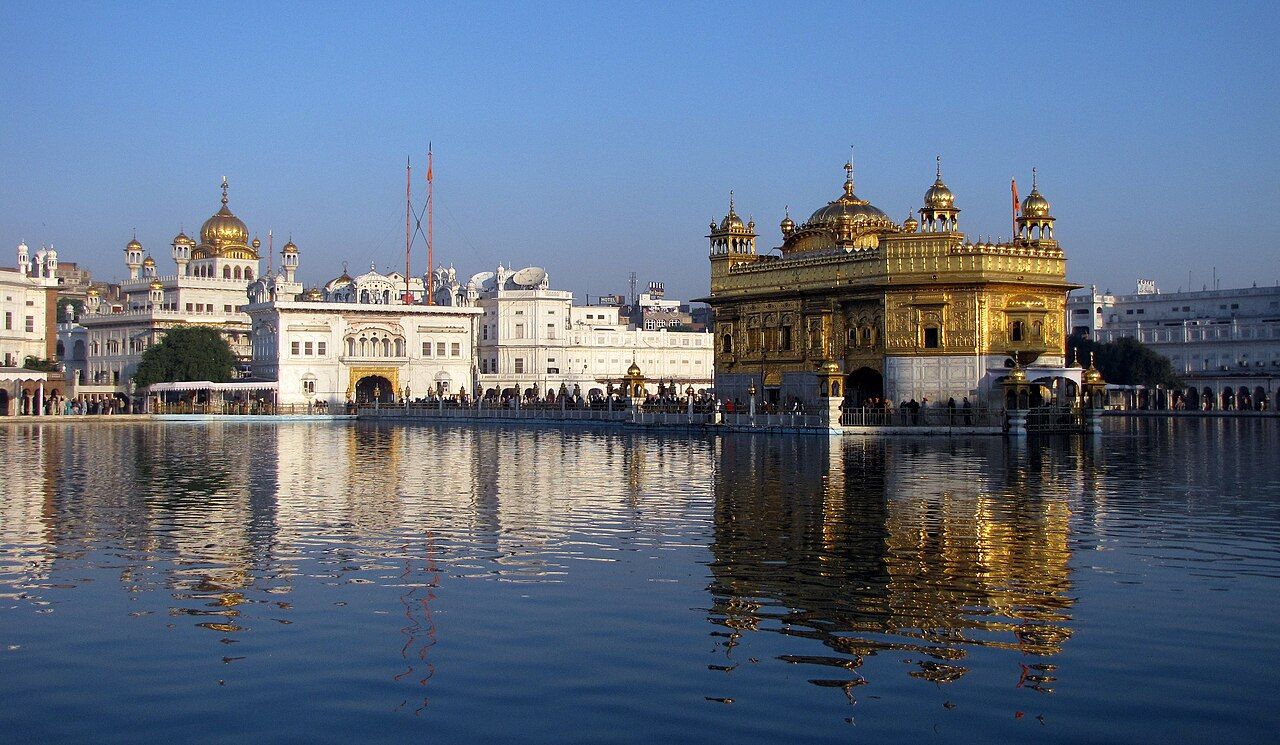
- Guru Ram Das founded the city of Amritsar (1577). Guru Arjan Dev built Harmandir Sahib (1588–1601).
5. Guru Arjan Dev (1563–1606)
In one line: Harmandir Sahib; Adi Granth (1604); Tarn Taran; Sukhmani Sahib; first Sikh martyr.
- Born at Goindwal in 1563; became Guru at 18.
- Built Harmandir Sahib in the middle of the Amritsar tank. Its foundation stone was laid in 1588 — by tradition by the Sufi saint Mian Mir of Lahore. It has four doors — open to people of all castes and all directions — and was built lower than the ground around it, as a sign of humility.
- Founded Tarn Taran (1590), in the land between the Ravi and the Beas, and Kartarpur near Jalandhar (1594). He also built a baoli (stepwell) at Dabbi Bazar, Lahore.
- Compiled the Adi Granth with Bhai Gurdas as the scribe, at Ramsar. It was installed at Harmandir Sahib in 1604.
- Wrote Sukhmani Sahib (Raag Gauri, 24 ashtapadis) at Ramsar, Amritsar. He wrote the most hymns of any Guru — 2,218.
- Martyred at Lahore on 30 May 1606 under Jahangir. He is called "Shaheedan de Sirtaj" (crown of the martyrs).
More about Guru Arjan DevTap to open
- Made Dasvandh (giving one-tenth of income) a regular practice.
- The Sikhs began calling the Guru "Sacha Patshah" (True King). This title quietly challenged the Mughal emperor's claim to be the true ruler.
Guru Arjan Dev compiled the Adi Granth in 1604. Guru Gobind Singh added the bani of Guru Tegh Bahadur at Damdama Sahib (the Damdami Bir, written by Bhai Mani Singh). In 1708 he made it the eternal Guru.
Besides six Gurus, the Guru Granth Sahib has the bani of 15 bhagats and 11 bhatts. The bhagats include Kabir, Namdev, Ravidas and Baba Farid — Farid is one of the 15, and the only Sufi among them. Putting saints of many castes and faiths side by side shows the Granth's universal outlook.
Also asked once: Granth factsTap to open
The bhagats in the Granth were Nirguna saints — they worshipped God without form. No Saguna verse (worship of idols or avatars) is included. So the statement "it contains verses generally from saints" of all kinds is not correct.
In Punjab, Bhagat Namdev is linked with Ghuman (Gurdaspur), where he spent his last years.
6. Guru Hargobind (1595–1644)
The Guru who made the Sikhs a military force. In one line: Miri-Piri; Akal Takht; Bandi Chhor; Kiratpur.
- Became Guru at 11, after his father's martyrdom.
- Wore two swords: one for Miri (worldly power) and one for Piri (spiritual power).
- Built the Akal Takht (1606) facing Harmandir Sahib. Started the Nishan Sahib and the nagara (war drum).
- Jahangir kept him in Gwalior Fort. When freed, he got 52 rajas released with him — so he is called Bandi Chhor. Bandi Chhor Divas is celebrated on Diwali.
- Founded Kiratpur on the Sutlej (1626). Fought Mughal forces at Amritsar, Lahira, Kartarpur and Phagwara.
Also asked once: Taus and dilrubaTap to open
- Designed the Taus, a peacock-shaped string instrument. The lighter dilruba, easy to carry on horseback, was made in Guru Gobind Singh's time for his mounted Sikhs.
7. Guru Har Rai (1630–1661)
The gentle Guru.
- Grandson of Guru Hargobind; became Guru at 14.
- Kept 2,200 horsemen but fought no battle.
- Ran a herbal dispensary at Kiratpur. Medicine from it was sent for Dara Shikoh, the eldest son of Shah Jahan.
- Disowned his son Ram Rai, who changed a line of Guru Nanak's bani to please Aurangzeb.
- The only Guru who was born and passed away at the same place — Kiratpur.
8. Guru Har Krishan (1656–1664)
The youngest Guru.
- Became Guru at the age of 5 — the youngest of all. Called "Bala Pritam"; the Muslims of Delhi called him "Bala Pir".
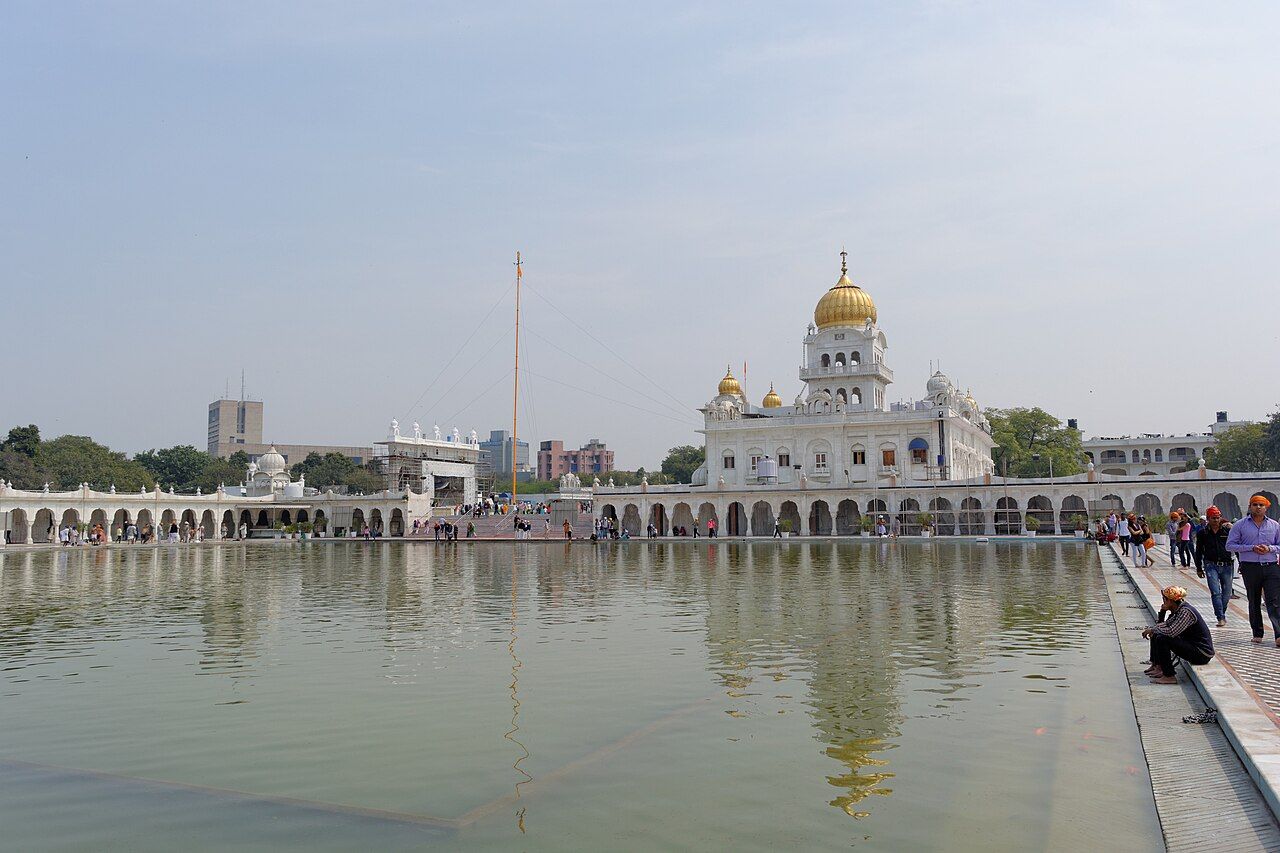
- In Delhi he stayed at Raja Jai Singh's bungalow — now Gurdwara Bangla Sahib.
- Served people sick with smallpox, caught the disease and passed away in 1664.
- His last words, "Baba Bakale", meant the next Guru was at Bakala.
9. Guru Tegh Bahadur (1621–1675)
"Hind di Chadar" — the shield of India. In one line: "Guru Ladho Re" at Bakala; founded Anandpur; martyred at Delhi, 1675.
- Born Tyag Mal at Guru ke Mahal, Amritsar. He was named Tegh Bahadur ("brave of the sword") after fighting at the battle of Kartarpur (1635).
- At Bakala, the trader Makhan Shah Lubana recognised him as the true Guru and shouted "Guru Ladho Re" (the Guru is found), 1664.
- Bought land for 500 rupees, near the village of Makhowal on the Sutlej, from Rani Champa of Kahlur (Bilaspur — two names of the same hill state), and founded Chakk Nanaki (1665) — today's Anandpur Sahib.
- Took up the cause of the Kashmiri Pandits, led by Pandit Kirpa Ram, who faced forced conversion.
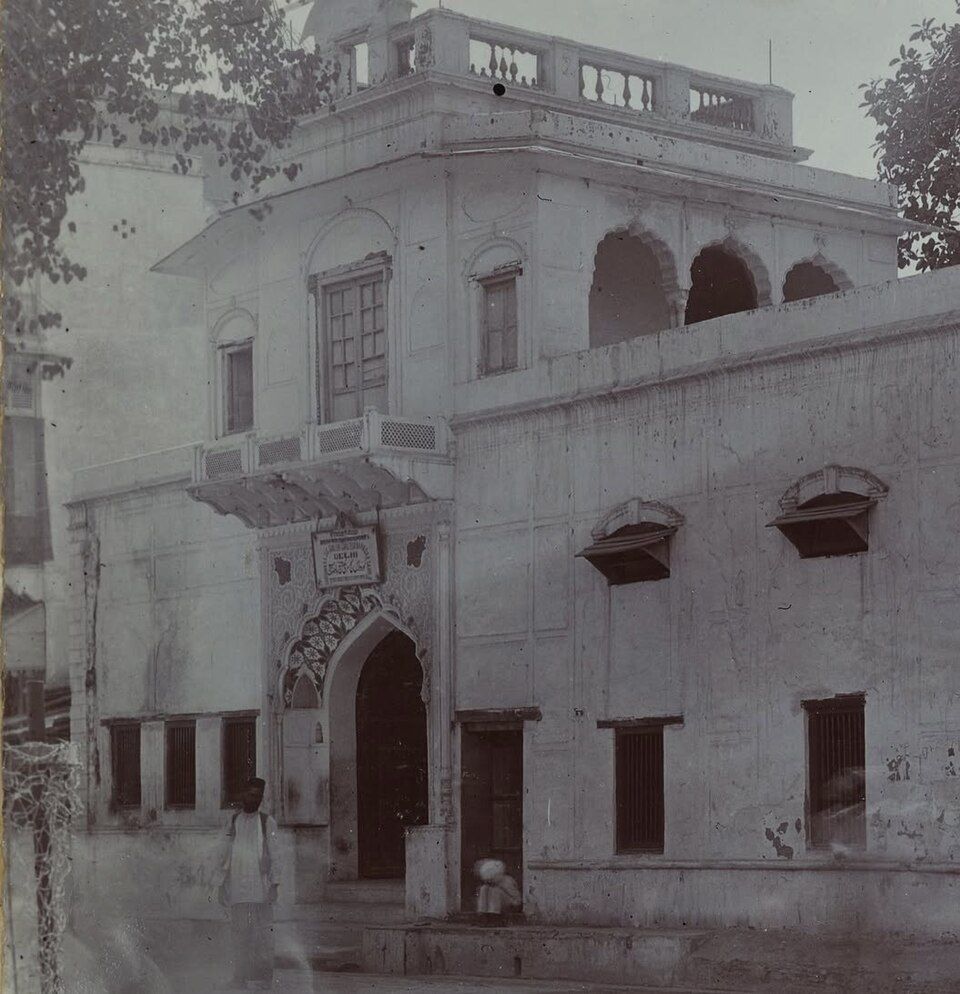
- Martyred at Chandni Chowk, Delhi, on 11 November 1675 under Aurangzeb. Gurdwara Sis Ganj Sahib stands there. Bhai Mati Das, Bhai Sati Das and Bhai Dayala were martyred with him.
- His bani: 59 shabads and 57 saloks. He is the only Guru whose bani is in Raag Jaijaiwanti. His 400th Parkash Purab (birth anniversary) was celebrated in 2021.
10. Guru Gobind Singh (1666–1708)
Creator of the Khalsa and the last living Guru. In one line: Khalsa 1699; Zafarnama; made the Granth the Guru.
- Born Gobind Rai at Patna on 22 December 1666. Became Guru at 9, after his father's martyrdom.
- Founded Paonta Sahib on the Yamuna (1685). Won his first battle at Bhangani (1688) against the hill rajas led by Fateh Shah of Garhwal. It was fought near Paonta, where the Giri river meets the Yamuna.
- Created the Khalsa on Baisakhi 1699 (30 March 1699) at Anandpur Sahib (Kesgarh). The first five to take Amrit were the Panj Pyare.
- Gave the Khalsa the names Singh and Kaur and the five Ks, and ended the corrupt masands.
- Started Hola Mohalla at Anandpur in 1701 — a day of mock battles and military drill at the time of Holi.
- Lost all four sons: Ajit Singh and Jujhar Singh at Chamkaur; Zorawar Singh and Fateh Singh at Sirhind (bricked alive). So he is called "Sarbans Dani". The Shaheedi Jor Mela is held every December at Fatehgarh Sahib in memory of the younger Sahibzadas.
- Wrote the Zafarnama (in Persian) to Aurangzeb from Dina–Kangar. His autobiography, Bachitar Natak (in Braj), is in the Dasam Granth.
- At Nanded, on the Godavari, he gave Amrit to the Bairagi Madho Das, named him Gurbaksh Singh — famous as Banda Singh Bahadur — and sent him to Punjab.
- Passed away at Nanded on 7 October 1708, after making Guru Granth Sahib the eternal Guru.
- Bhai Daya Singh (Lahore)
- Bhai Dharam Singh (Hastinapur)
- Bhai Himmat Singh (Jagannath Puri)
- Bhai Mohkam Singh (Dwarka)
- Bhai Sahib Singh (Bidar)
- Kesh — uncut hair
- Kangha — wooden comb
- Kara — iron bangle
- Kachhera — undergarment
- Kirpan — sword
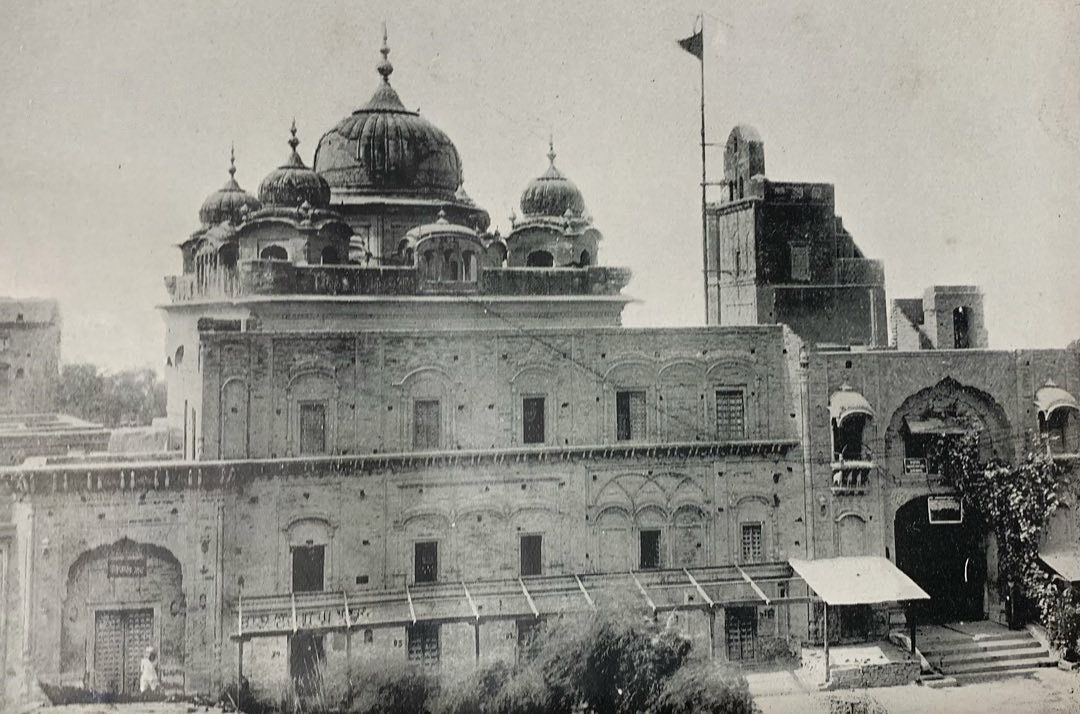
Forty Sikhs had signed a paper (bedawa) and left the Guru. Shamed by Mai Bhago of Jhabal, they came back and died fighting at Khidrana — by the pool called Khidrane di Dhab — in 1705. The Guru tore up the bedawa and blessed them as the Chali Mukte (the forty liberated ones). Khidrana became Sri Muktsar Sahib, where the Maghi fair is held.
Who wrote which bani
Bani-to-Guru matching is asked in almost every paper.
Pauri = a stanza (Japji Sahib has 38). Salok = a short verse, often two lines. Shabad = a hymn. Ashtapadi = a hymn of eight stanzas (Sukhmani Sahib has 24).
- Japji Sahib
- Guru Nanak Dev — opens the Guru Granth Sahib; 38 pauris
- Asa di Var
- Guru Nanak Dev — 24 pauris, Raag Asa, sung in the morning
- Sidh Gosht
- Guru Nanak Dev — talk with the Siddhas, Raag Ramkali
- Babarvani
- Guru Nanak Dev — 4 hymns on Babur's attack on Saidpur
- Anand Sahib
- Guru Amar Das — 40 pauris, Raag Ramkali
- Lavan
- Guru Ram Das — the four rounds of the Anand Karaj, Raag Suhi
- Sukhmani Sahib
- Guru Arjan Dev — 24 ashtapadis, Raag Gauri, at Ramsar
- 59 shabads, 57 saloks; Raag Jaijaiwanti
- Guru Tegh Bahadur — added at Damdama Sahib
- Jaap Sahib, Akal Ustat
- Guru Gobind Singh — Dasam Granth
- Bachitar Natak, Zafarnama
- Guru Gobind Singh — his autobiography (Braj) and his Persian letter to Aurangzeb
Full bani table: pauris, raags and notesTap to open
| Bani | Written by | Remember |
|---|---|---|
| Japji Sahib (38 pauris) | Guru Nanak Dev | Opens the Guru Granth Sahib |
| Asa di Var (24 pauris) | Guru Nanak Dev | Raag Asa; sung in the morning |
| Sidh Gosht | Guru Nanak Dev | Raag Ramkali; talk with the Siddhas |
| Babarvani (4 hymns) | Guru Nanak Dev | Babur's attack on Saidpur |
| Anand Sahib (40 pauris) | Guru Amar Das | Raag Ramkali; recited at the Anand Karaj |
| Lavan, Ghorian | Guru Ram Das | Lavan in Raag Suhi; heart of the Anand Karaj |
| Sukhmani Sahib (24 ashtapadis) | Guru Arjan Dev | Raag Gauri; composed at Ramsar, Amritsar |
| 59 shabads, 57 saloks | Guru Tegh Bahadur | Added at Damdama Sahib (1705–06) |
| Jaap Sahib, Akal Ustat | Guru Gobind Singh | Dasam Granth |
| Bachitar Natak | Guru Gobind Singh | His autobiography, in Braj |
| Zafarnama | Guru Gobind Singh | Persian letter to Aurangzeb |
Who started what
Institutions and titles are easy marks if you learn them.
| Institution | Meaning | Started by |
|---|---|---|
| Sangat and Pangat (Langar) | Praying together; eating together in one row | Guru Nanak Dev |
| Gurmukhi script | The script of Punjabi and of the Granth | Guru Angad Dev |
| Manji and Piri | 22 preaching centres; women preachers | Guru Amar Das |
| Masand | Deputies who collected offerings | Guru Ram Das (ended by Guru Gobind Singh, 1699) |
| Dasvandh | Giving one-tenth of income | Guru Arjan Dev |
| Miri-Piri, Akal Takht | Worldly and spiritual power together | Guru Hargobind (1606) |
| Khalsa, Khande di Pahul | Initiation with the double-edged sword | Guru Gobind Singh (1699) |
| Hola Mohalla | Mock battles and military drill at Anandpur | Guru Gobind Singh (1701) |
- The word Sikh means a learner or disciple (from the Sanskrit shishya).
- Udasis — an order of ascetics started by Baba Sri Chand, Guru Nanak's elder son.
- Nirmalas — began with five Sikhs whom Guru Gobind Singh sent to Kashi to learn Sanskrit.
- Nihangs — the armed warrior order of the Khalsa.
- Sewapanthis — followers of Bhai Kanhaiya, who served water to the wounded of both sides at Anandpur.
- Shaheedan de Sirtaj
- Guru Arjan Dev — crown of the martyrs, the first Sikh martyr (1606)
- Sacha Patshah
- What the Sikhs called the Guru from Guru Arjan Dev's time — "True King". It quietly challenged the Mughal emperor's claim to be the true ruler.
- Bandi Chhor
- Guru Hargobind — freed 52 rajas from Gwalior Fort
- Bala Pritam / Bala Pir
- Guru Har Krishan — the child Guru who served the sick of Delhi
- Hind di Chadar
- Guru Tegh Bahadur — gave his life for the freedom of faith of others (1675)
- Sarbans Dani
- Guru Gobind Singh — gave up his father, mother and all four sons
Guru towns and Takhts
Where each Guru built a town, and the five seats of Sikh authority.
- Kartarpur (Ravi, Pakistan)
- Guru Nanak Dev, c. 1522
- Khadur Sahib
- Guru Angad Dev made it the centre of Sikhism (Mal Akhara)
- Goindwal (on the Beas)
- Guru Amar Das, 1546 — Baoli Sahib
- Amritsar (Ramdaspur)
- Guru Ram Das, 1577
- Tarn Taran
- Guru Arjan Dev, 1590
- Kartarpur (Jalandhar)
- Guru Arjan Dev, 1594
- Kiratpur (on the Sutlej)
- Guru Hargobind, 1626
- Anandpur Sahib (Chakk Nanaki)
- Guru Tegh Bahadur, 1665
- Paonta Sahib (on the Yamuna)
- Guru Gobind Singh, 1685
Towns founded by the Gurus: full tableTap to open
| Town | Founded by | Year |
|---|---|---|
| Kartarpur (on the Ravi, Pakistan) | Guru Nanak Dev | c. 1522 |
| Goindwal (on the Beas) | Guru Amar Das | 1546 |
| Amritsar (Ramdaspur) | Guru Ram Das | 1577 |
| Tarn Taran | Guru Arjan Dev | 1590 |
| Kartarpur (Jalandhar) | Guru Arjan Dev | 1594 |
| Kiratpur (on the Sutlej) | Guru Hargobind | 1626 |
| Anandpur Sahib (Chakk Nanaki) | Guru Tegh Bahadur | 1665 |
| Paonta Sahib (on the Yamuna) | Guru Gobind Singh | 1685 |
| Takht | Place | Linked to |
|---|---|---|
| Sri Akal Takht Sahib | Amritsar, Punjab | Guru Hargobind, 1606 |
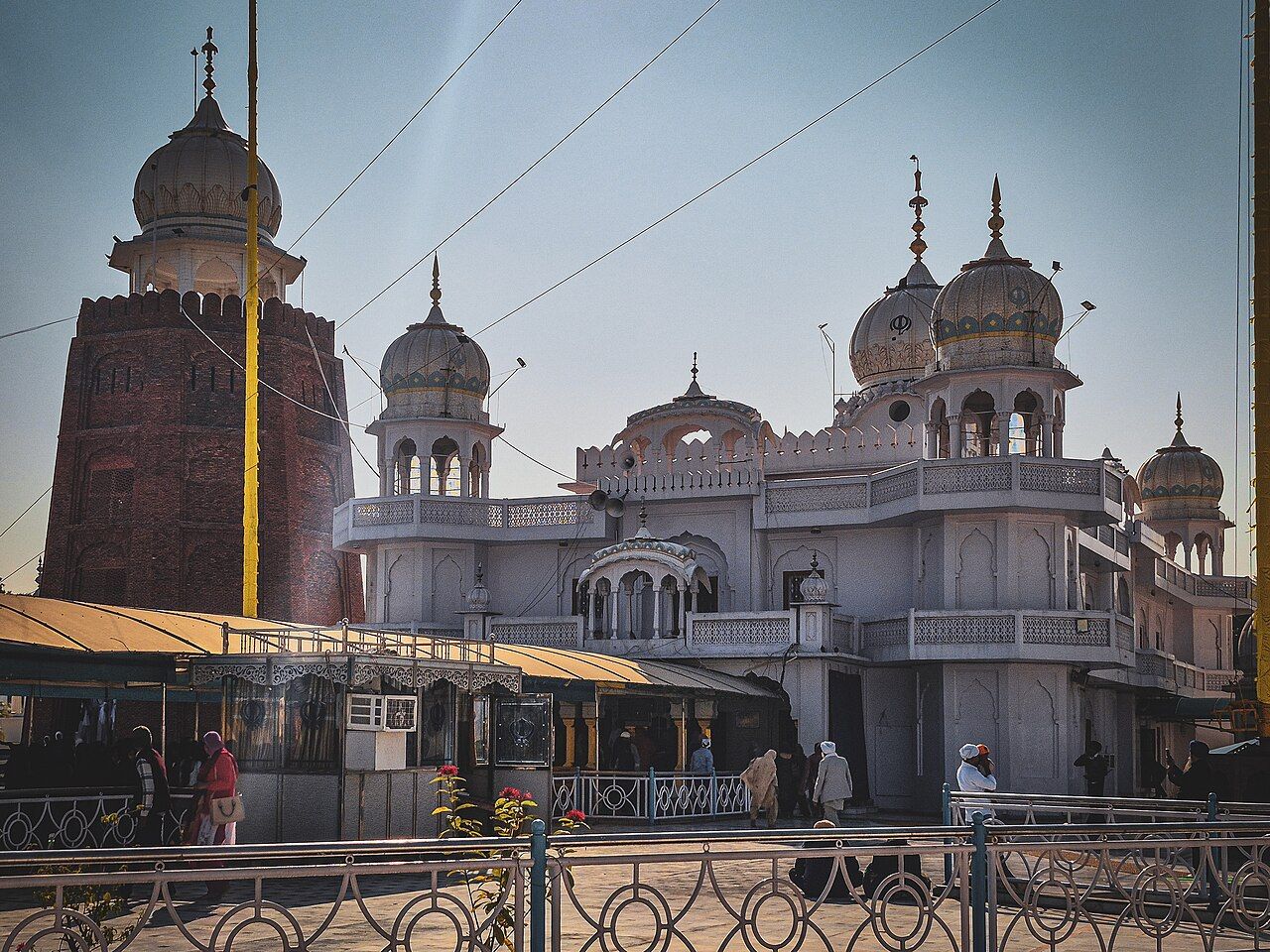
| Takht Sri Kesgarh Sahib | Anandpur Sahib, Punjab | Birth of the Khalsa, 1699 |
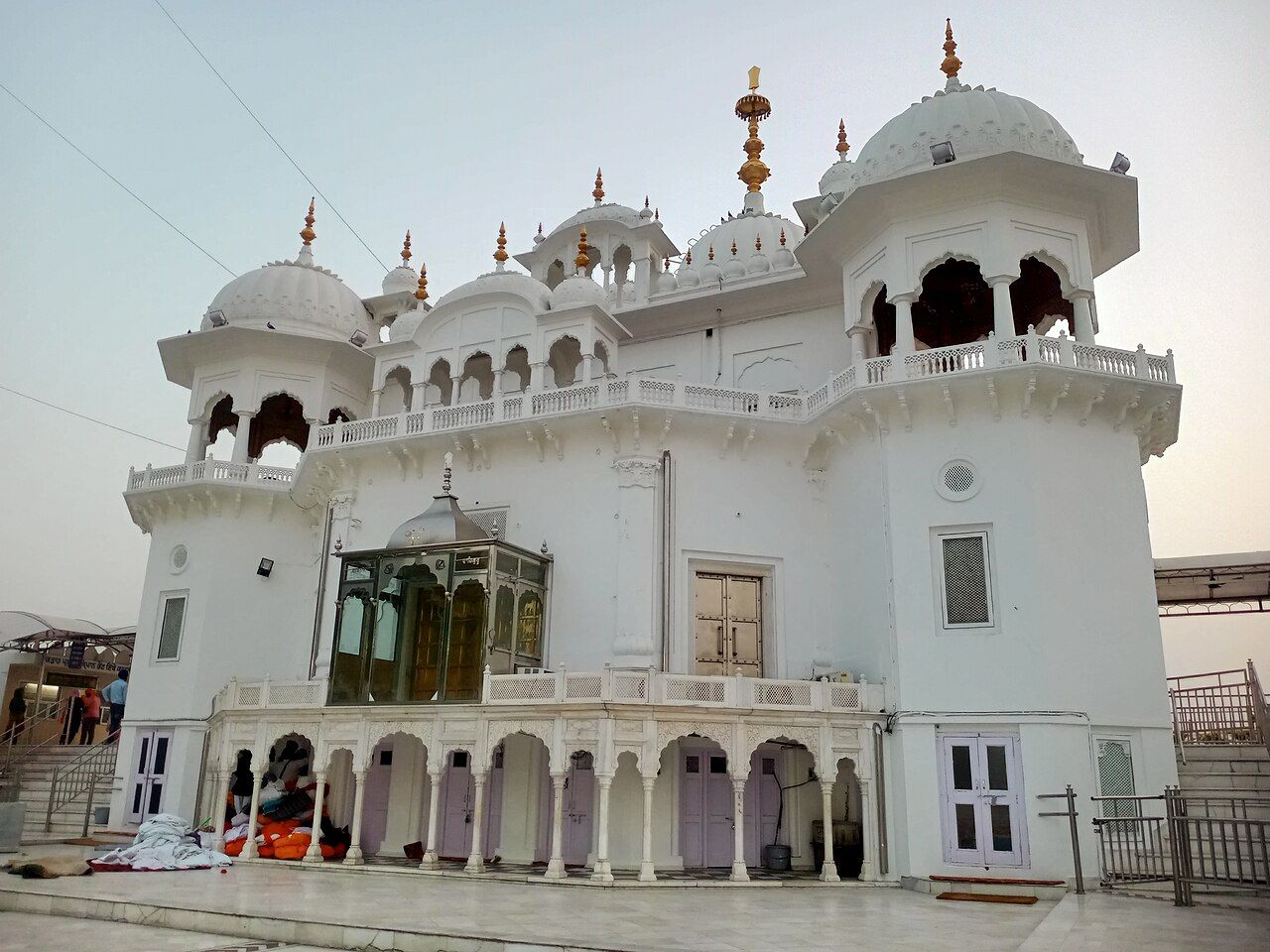
| Takht Sri Damdama Sahib | Talwandi Sabo (Bathinda), Punjab | Damdami Bir; recognised as a Takht in 1966 |
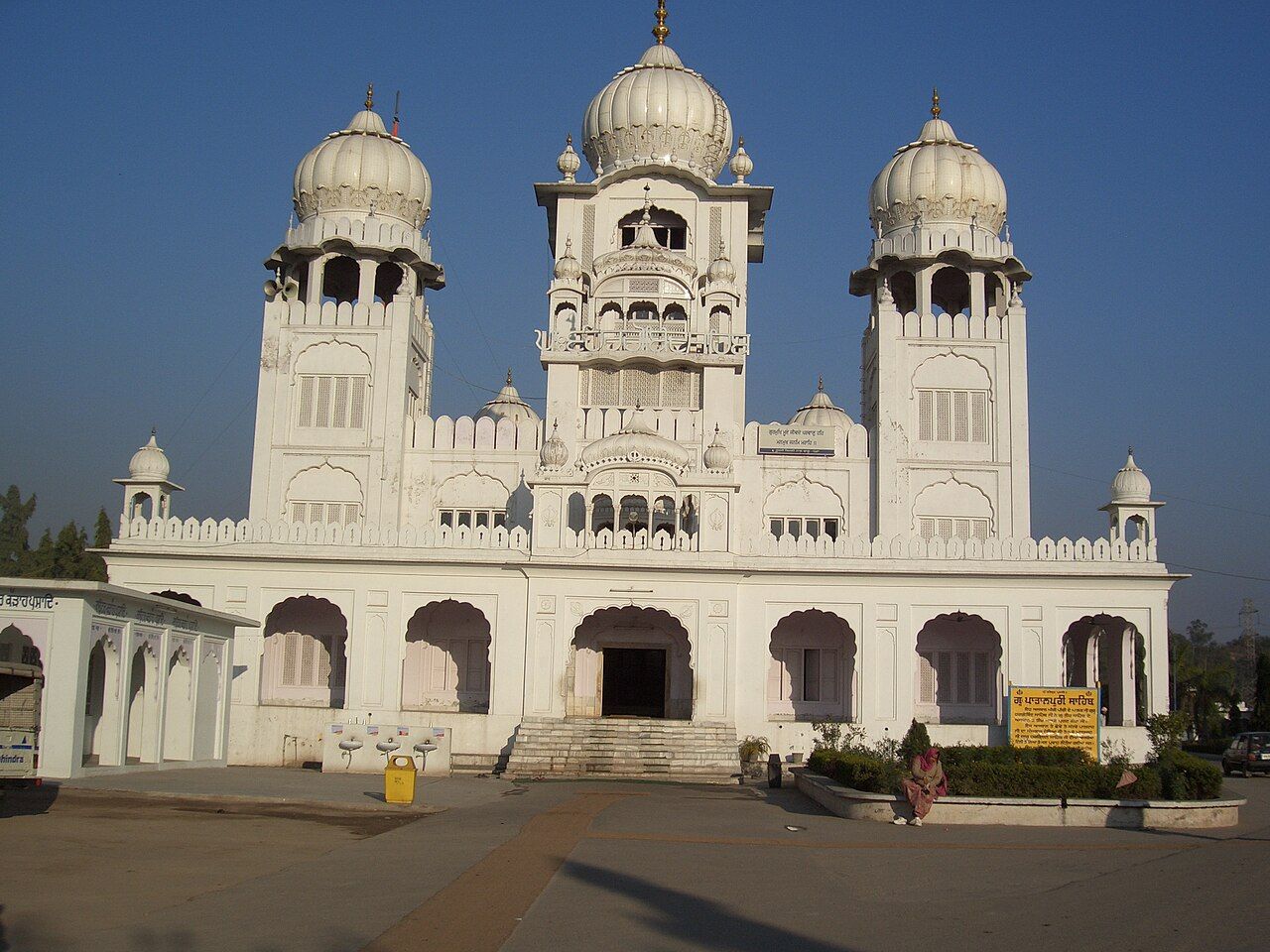
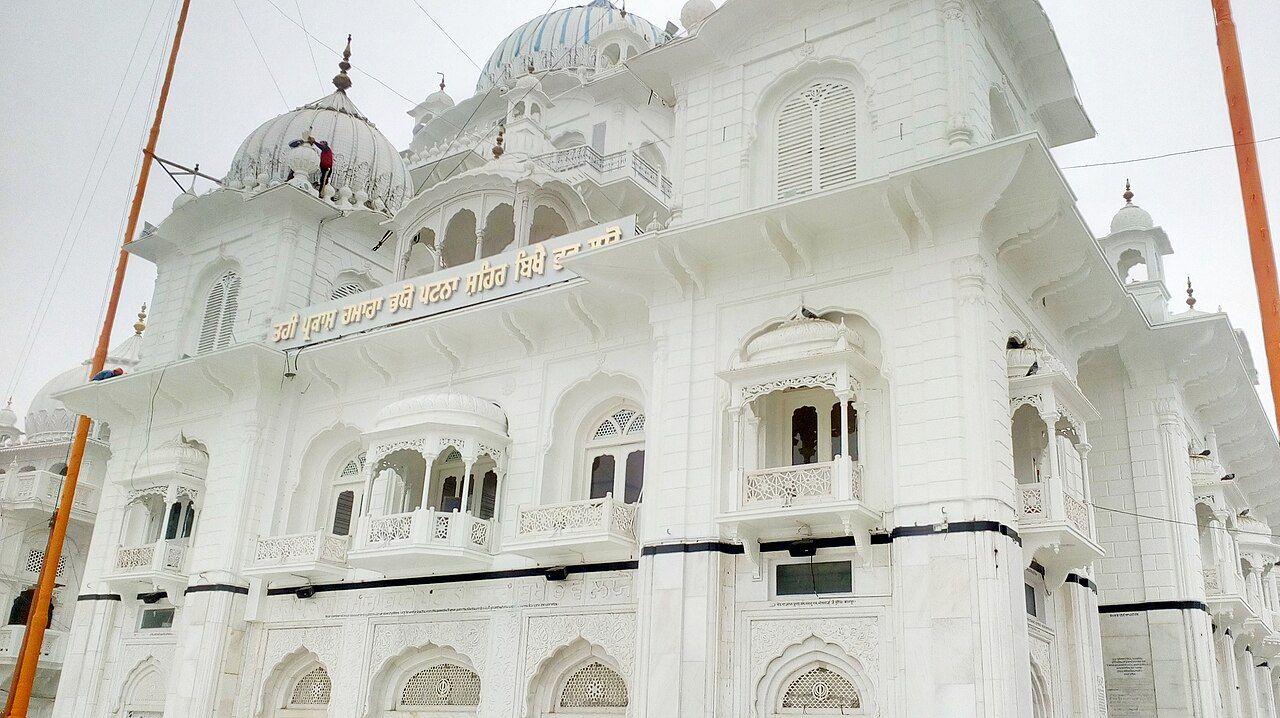
| Takht Sri Patna Sahib | Patna, Bihar | Birthplace of Guru Gobind Singh |
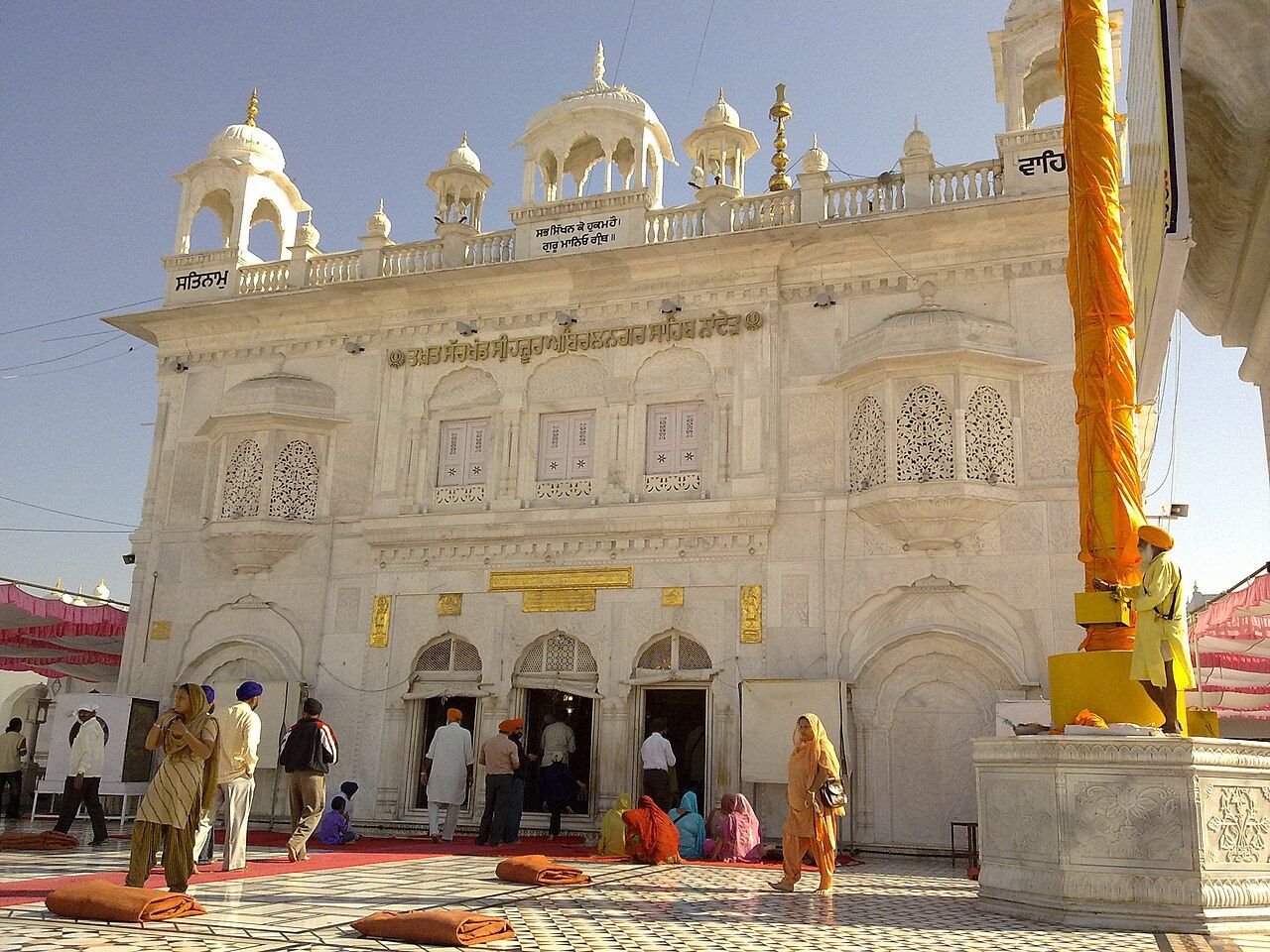
| Takht Sachkhand Sri Hazur Sahib | Nanded, Maharashtra (on the Godavari) | Guru Gobind Singh passed away here, 1708 |
Common traps
- Two Kartarpurs: Kartarpur on the Ravi (Guru Nanak, now in Pakistan) is different from Kartarpur near Jalandhar (Guru Arjan Dev, 1594).
- Anandpur was founded by Guru Tegh Bahadur (1665), but the Khalsa was created there by Guru Gobind Singh (1699).
- Martyrdoms: Guru Arjan Dev — Lahore, 1606, Jahangir. Guru Tegh Bahadur — Delhi, 1675, Aurangzeb. Gwalior is Guru Hargobind's imprisonment, not a martyrdom.
- Three scribes: Bhai Gurdas wrote the Adi Granth (1604); Bhai Mani Singh wrote the Damdami Bir (1705–06); Baba Buddha was the first Granthi.
- Lavan = Guru Ram Das; Anand Sahib = Guru Amar Das; Sukhmani = Guru Arjan Dev (Raag Gauri, not Asa).
- Bhangani (1688) was fought before the Khalsa; Chamkaur and Muktsar came after 1699.
- "Guru Ladho Re" is about Guru Tegh Bahadur at Bakala — not Guru Nanak.
- Don't mix these three: Baoli Sahib at Goindwal = Guru Amar Das; the baoli at Lahore = Guru Arjan Dev; Mal Akhara Sahib at Khadur = Guru Angad Dev.
- Jaap Sahib, Akal Ustat, Bachitar Natak and the Zafarnama are Guru Gobind Singh's (Dasam Granth) — not Guru Nanak's or Guru Ram Das's.
- Taus = Guru Hargobind; dilruba = Guru Gobind Singh's time.
Quick revision
Read this the night before the exam.
- First Guru: Guru Nanak Dev (b. 1469, Nankana Sahib)
- Youngest Guru: Guru Har Krishan (5)
- Oldest at Guruship: Guru Amar Das (73)
- Gurmukhi: Guru Angad Dev
- Goindwal Baoli, 84 steps: Guru Amar Das
- Amritsar founded: Guru Ram Das, 1577
- Harmandir Sahib foundation: 1588
- Adi Granth installed: 1604
- First Granthi: Baba Buddha
- Akal Takht: Guru Hargobind, 1606
- Kiratpur: Guru Hargobind, 1626
- "Guru Ladho Re": Makhan Shah Lubana, 1664
- Anandpur Sahib: Guru Tegh Bahadur, 1665
- Khalsa: Baisakhi 1699, Anandpur
- Zafarnama: to Aurangzeb, in Persian
- Guru Granth Sahib made Guru: Nanded, 1708
- Hola Mohalla: Guru Gobind Singh, 1701, Anandpur
- Madho Das = Banda Singh Bahadur (Nanded, 1708)
- Bachitar Natak: Guru Gobind Singh's autobiography
- Asa di Var: Guru Nanak, 24 pauris
Who compiled the Adi Granth, and who was its scribe?
Show answer
Guru Arjan Dev compiled it in 1604; Bhai Gurdas wrote it down. Baba Buddha was its first Granthi.
Which Guru founded Anandpur Sahib, and what was its first name?
Show answer
Guru Tegh Bahadur, in 1665. It was first called Chakk Nanaki, after his mother Mata Nanaki.
Which Guru is called "Bandi Chhor", and why?
Show answer
Guru Hargobind — when he was released from Gwalior Fort, he got 52 imprisoned rajas freed along with him.