On 15 August 1947 India became free, but Punjab was cut into two. The western part, with Lahore, went to Pakistan. The eastern part became East Punjab in India. In the next 20 years the state changed shape again and again: the princely states joined as PEPSU (1948), PEPSU merged into Punjab (1956), and the Punjabi Suba movement led to the Punjab Reorganisation Act 1966, which created Haryana and made Chandigarh a Union Territory. This page explains each step in simple words.
The story in four steps
How today's Punjab got its shape. Learn these four years first.
- 1947East Punjab is formedPartition on 15 August. Lahore goes to Pakistan; 13 of the 29 districts come to India. Temporary capital: Shimla.
- 1948PEPSU is formedEight princely states join as the Patiala and East Punjab States Union (15 July). Capital: Patiala.
- 1956PEPSU merges into Punjab1 November, under the States Reorganisation Act 1956.
- 1966Punjab is reorganised1 November: Haryana is created, hill areas go to Himachal Pradesh, Chandigarh becomes a Union Territory. This is Punjab Day.
All events in year order, 1947–2021Tap to open
- 15 Aug 1947Partition; East Punjab is formed
Lahore goes to Pakistan. Shimla becomes the temporary capital. Dr Gopi Chand Bhargava is the first Chief Minister.
- 17 Aug 1947Radcliffe Line made public
The new border between India and Pakistan is announced two days after Independence.
- 15 Jul 1948PEPSU inaugurated
Eight princely states join to form the Patiala and East Punjab States Union. Capital: Patiala.
- 1950East Punjab becomes "Punjab"
The name changes when the Constitution comes into force.
- 7 Oct 1953Chandigarh inaugurated
By President Rajendra Prasad. The capital moves from Shimla to Chandigarh.
- 1 Nov 1956PEPSU merged into Punjab
Under the States Reorganisation Act 1956.
- 1960–65Fasts for the Punjabi Suba
Sant Fateh Singh (1960, 1965) and Master Tara Singh (1961) fast for a Punjabi-speaking state.
- 1962PAU and Punjabi University
Punjab Agricultural University, Ludhiana, and Punjabi University, Patiala, are both set up.
- Mar 1966Demand accepted
After the Hukam Singh Parliamentary Committee, the Union Cabinet accepts the Punjabi Suba demand.
- 1 Nov 1966Punjab reorganised
Haryana is created; hill areas go to Himachal Pradesh; Chandigarh becomes a Union Territory.
- 1967Punjabi made official language
Punjab Official Language Act 1967 — Punjabi in Gurmukhi script.
- 1 Jan 1970Legislative Council abolished
Punjab's legislature becomes unicameral (one house).
- 8 Apr 1982SYL canal foundation
Laid by PM Indira Gandhi at Kapoori village, Patiala district.
- Jun 1984Operation Bluestar
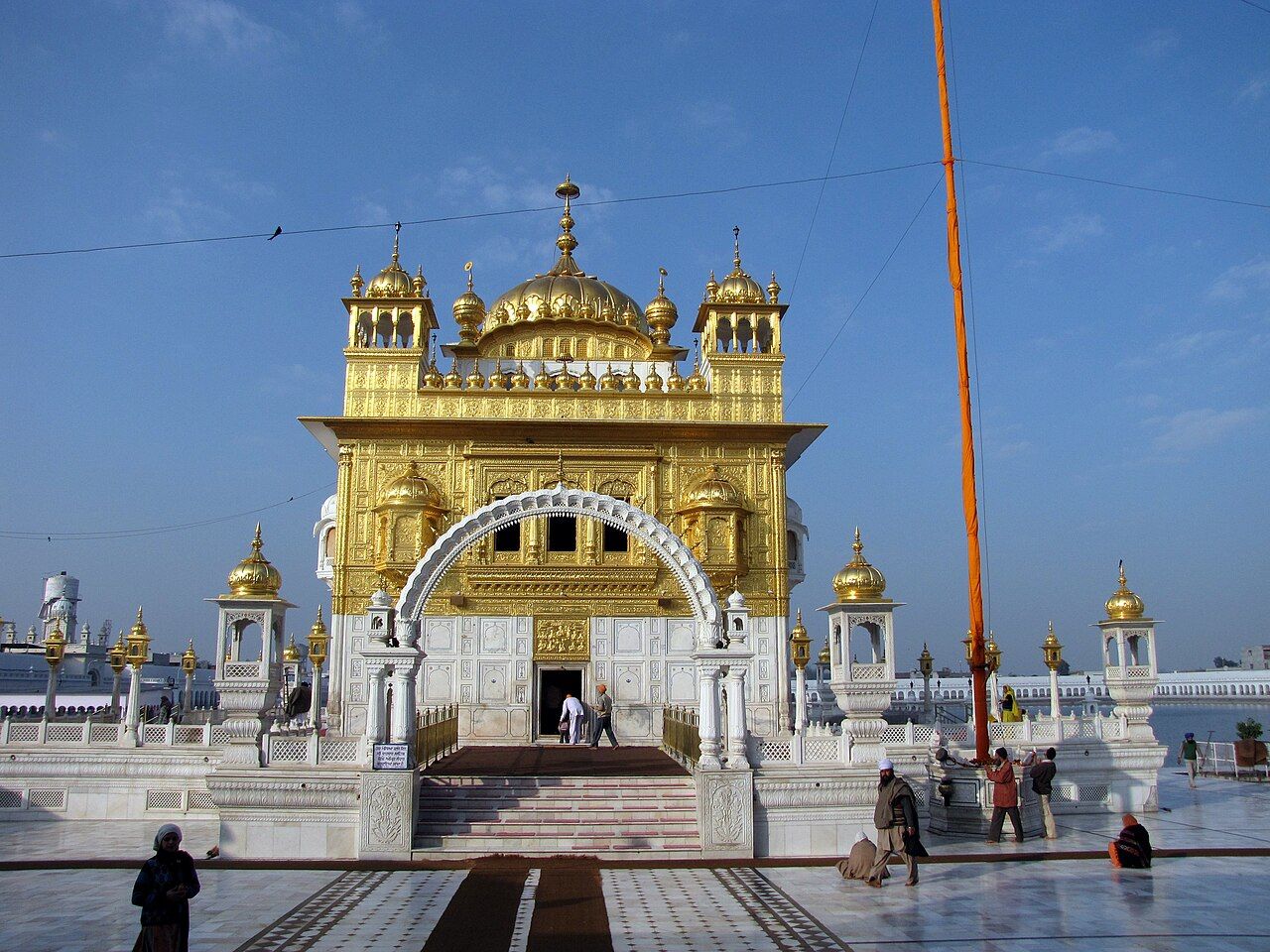
Army action in the Golden Temple complex, Amritsar.
- 24 Jul 1985Rajiv–Longowal Accord
Also called the Punjab Accord.
- 2021Malerkotla: 23rd district
Carved out of Sangrur district.
Partition, 1947
Punjab was the province hit hardest by the division of India.
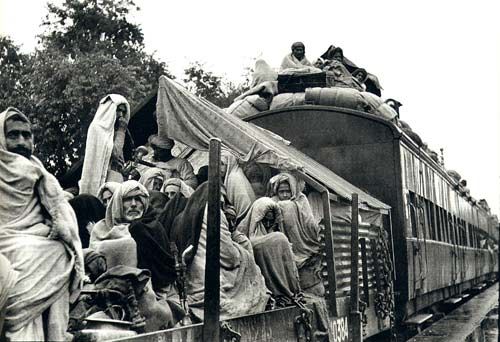
Before 1947, Punjab was one big British province with Lahore as its capital. At Independence it was divided between India and Pakistan. The western part, with Lahore, went to Pakistan. The eastern part stayed in India and was called East Punjab. Millions of people had to leave their homes. Hindus and Sikhs moved east into India, and Muslims moved west into Pakistan, often on crowded trains and in long foot columns (kafilas). Undivided Punjab had 29 districts in five divisions: Ambala, Jalandhar, Lahore, Rawalpindi and Multan. The Radcliffe Award gave 13 districts to East Punjab in India and 16 to West Punjab in Pakistan.
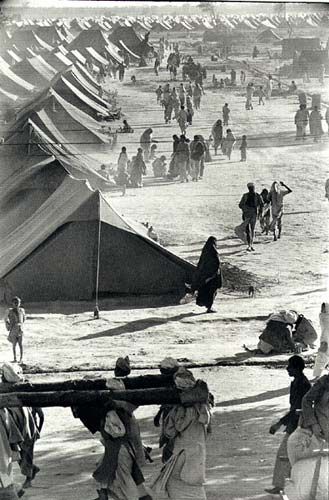
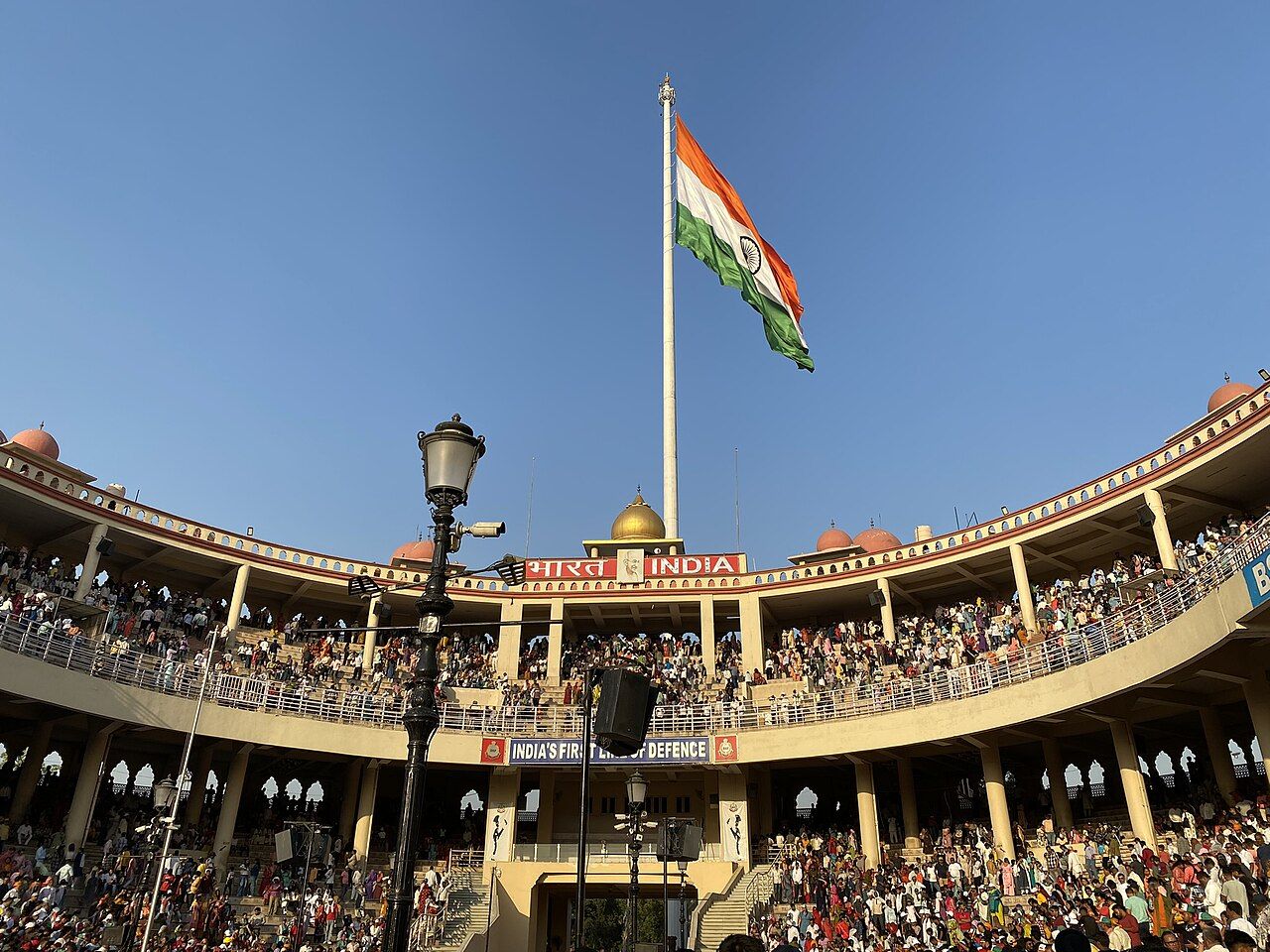
The border drawn through Punjab (and Bengal) in 1947. It is named after Sir Cyril Radcliffe, who chaired the boundary commissions. It was made public on 17 August 1947 — two days after Independence.
| Post or office | First holder / what happened |
|---|---|
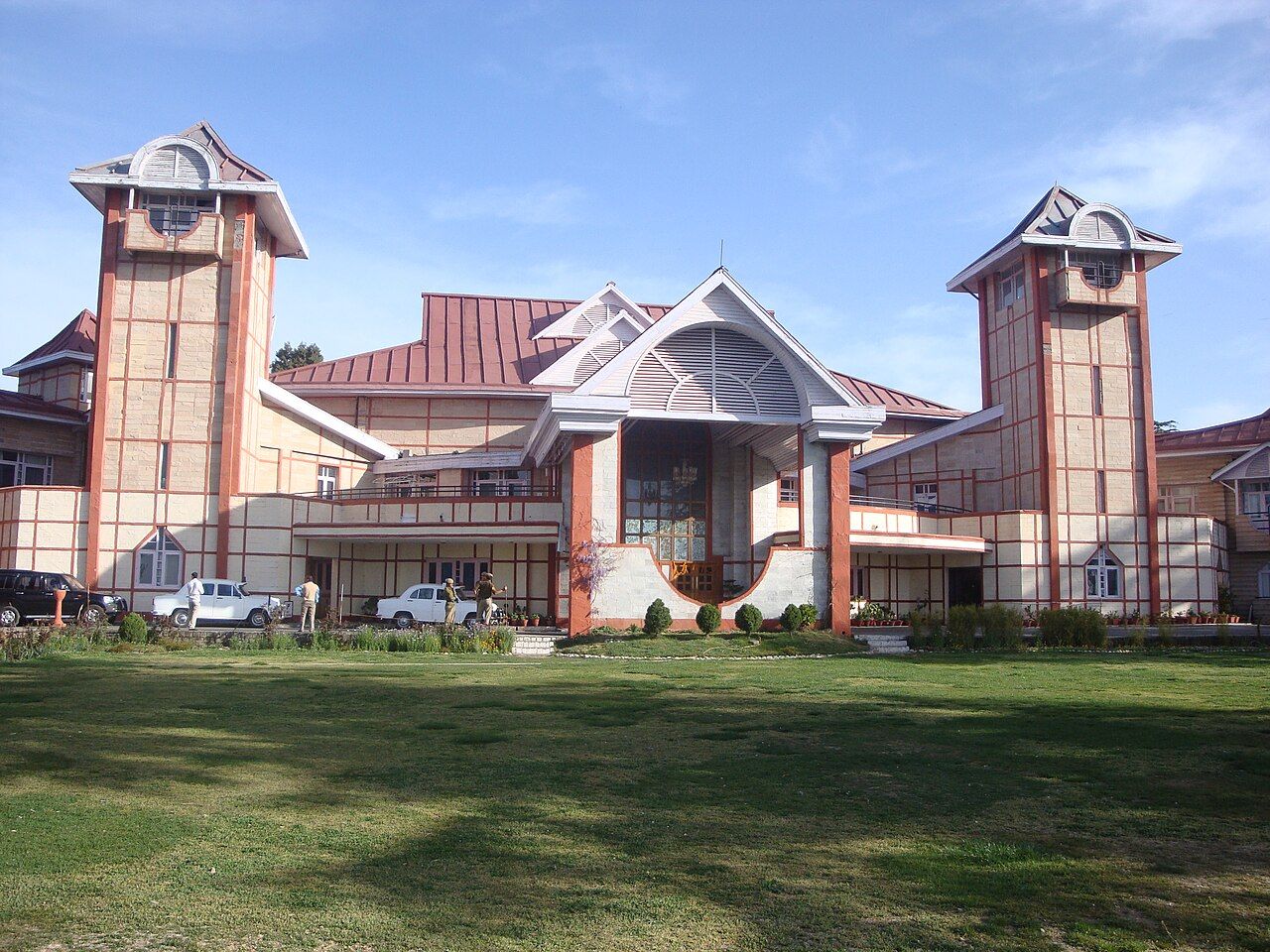
| Temporary capital | Shimla, because Lahore was now in Pakistan |
| First Chief Minister | Dr Gopi Chand Bhargava (from 15 August 1947) |
| First Governor of East Punjab | Sir Chandulal Trivedi (1947–53) |
| First Speaker after Independence | S. Kapur Singh (1947–51) |
| High Court | East Punjab High Court at Peterhoff, Shimla, from 15 August 1947. First Chief Justice: Sir Eric Weston |
| New name | 1950: when the Constitution came into force, "East Punjab" was renamed simply "Punjab" |
- The 13 districts of East Punjab (1947): Hisar, Rohtak, Gurgaon, Karnal, Ambala, Simla, Kangra, Hoshiarpur, Jalandhar, Ludhiana, Ferozepur, Amritsar and Gurdaspur.
Also asked: Panjab University and the PSC after PartitionTap to open
- University: Panjab University (founded at Lahore in 1882) was re-established in 1947 as the East Punjab University. Partition split the university too. Its departments worked from temporary places — the History Department was re-established at Hoshiarpur — until they moved to the new Chandigarh campus in 1956.
- Public Service Commission: first set up at Lahore on 1 May 1937; re-constituted for East Punjab at Shimla after Partition.
Shimla to Chandigarh
Three capitals in less than ten years.
| Period | Capital | Remember |
|---|---|---|
| Before 1947 | Lahore | Capital of undivided Punjab; went to Pakistan |
| 1947 – 1953 | Shimla | Temporary capital of East Punjab |
| 1953 onwards | Chandigarh | New planned city; a Union Territory and joint capital since 1 Nov 1966 |
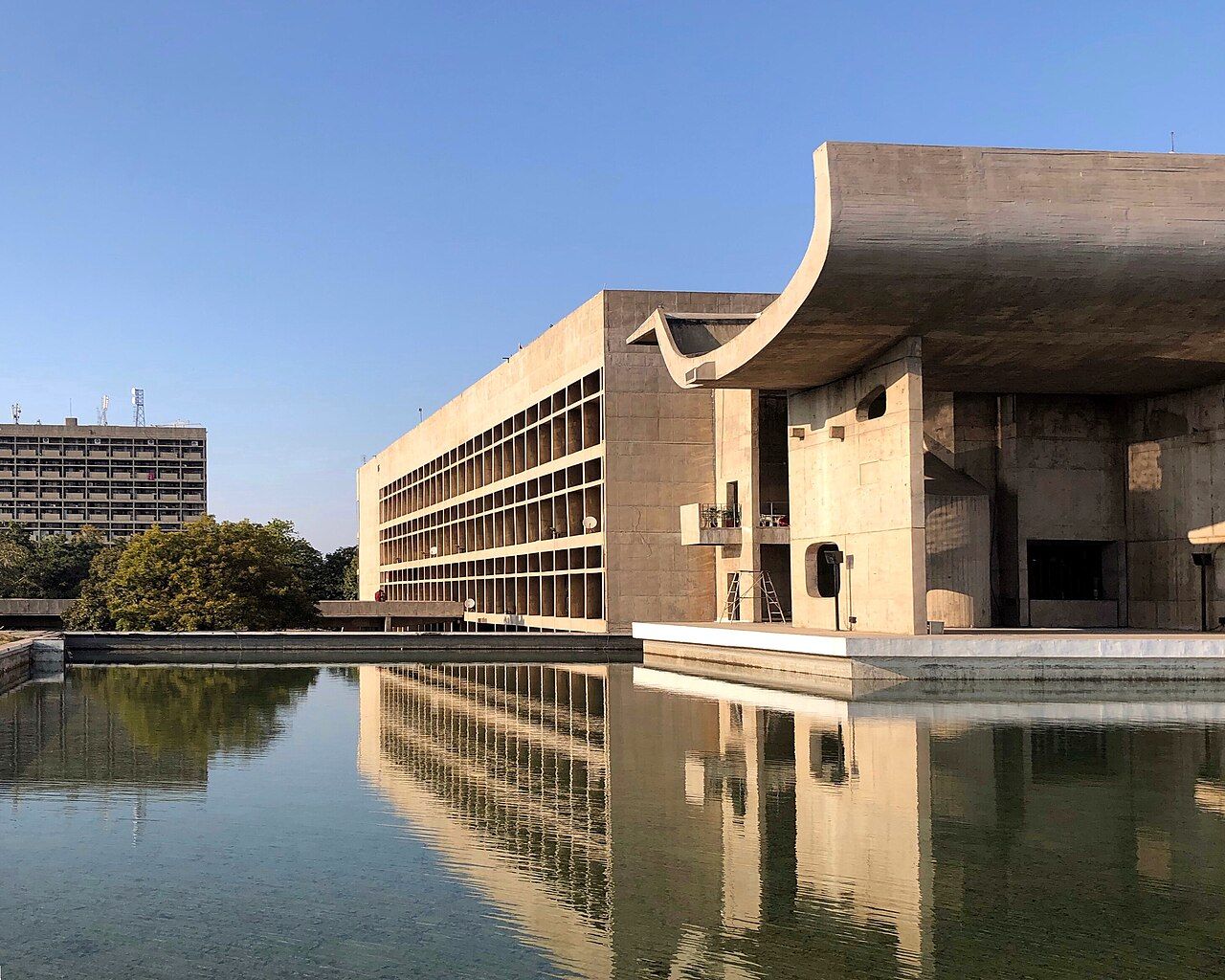
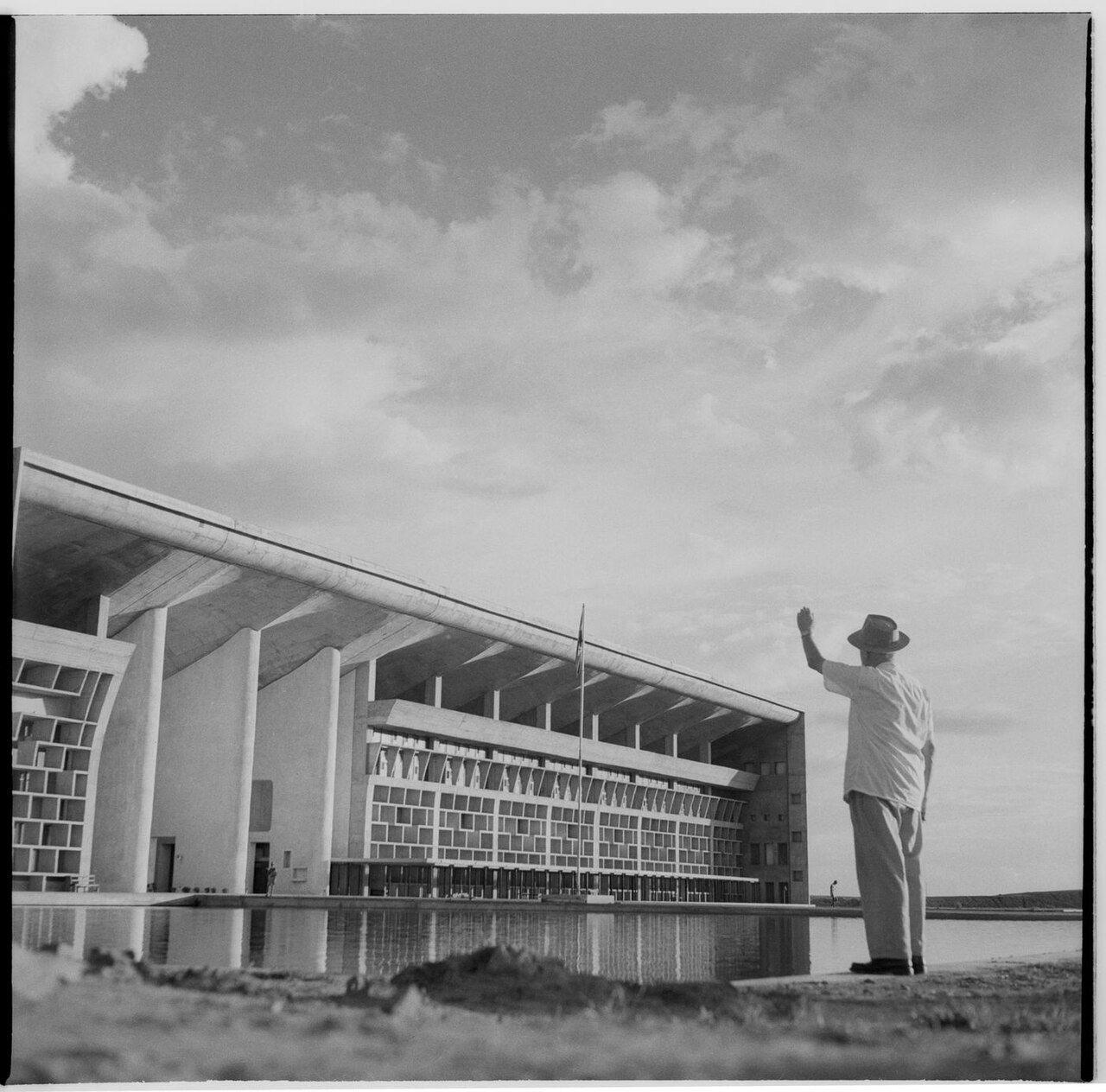
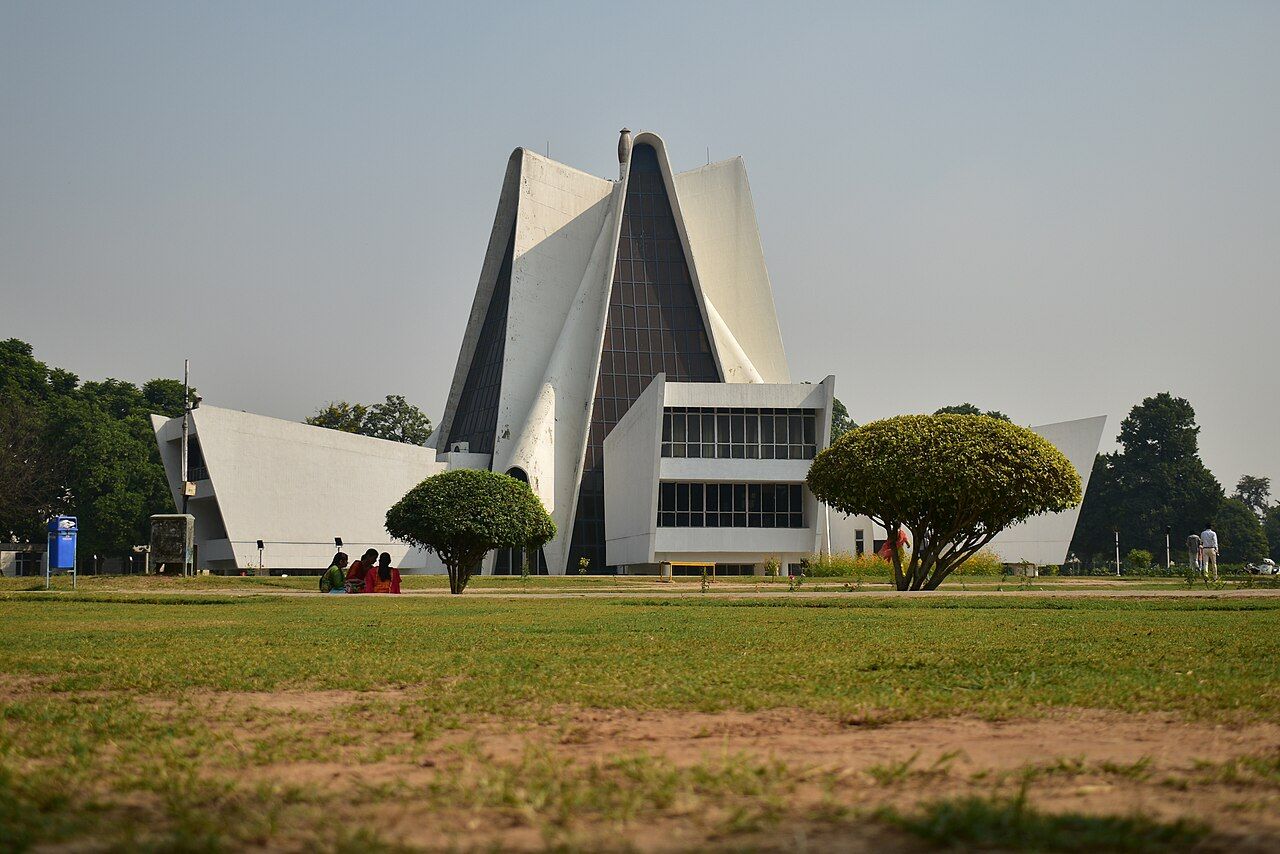
- Chandigarh was planned by the French-Swiss architect Le Corbusier, with Pierre Jeanneret, Maxwell Fry and Jane Drew.
- The first master plan was made by the American planner Albert Mayer.
- It was inaugurated as the capital on 7 October 1953 by President Dr Rajendra Prasad.
- The High Court moved from Shimla to Chandigarh in 1955, into a building by Le Corbusier. Panjab University got its Chandigarh campus in 1956.
- Le Corbusier also designed the Vidhan Sabha (Palace of Assembly) in the Capitol Complex. The Capitol Complex became a UNESCO World Heritage Site in 2016.
PEPSU, 1948–56
The union of the princely states of Punjab.
- PEPSU = Patiala and East Punjab States Union. It was a union of 8 princely states (states ruled by Maharajas and Nawabs, not directly by the British).
- Before 1947, the people of these states protested against their rulers' misrule through the Riyasti Praja Mandal (States' People's Party). It was founded in 1928 (17 July, at Mansa), with Sewa Singh Thikriwala as its president and leader.
- The covenant (agreement) was signed in May 1948, and PEPSU was inaugurated on 15 July 1948.
- Capital: Patiala.
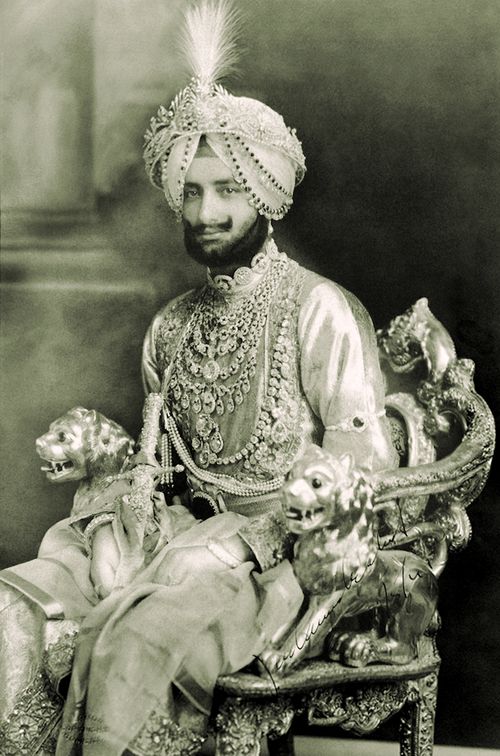
- Rajpramukh (head of the union): Maharaja Yadavindra Singh of Patiala. Uparajpramukh (deputy): Maharaja Jagatjit Singh of Kapurthala.
- First Chief Minister (then called Premier): Gian Singh Rarewala. Later CMs: Raghbir Singh and Brish Bhan.
- PEPSU lasted till 1 November 1956, when it was merged into Punjab.
- Patiala
- Jind
- Nabha
- Kapurthala
- Faridkot
- Malerkotla
- Kalsia
- Nalagarh
- Formed: 15 July 1948
- Capital: Patiala
- Rajpramukh: Yadavindra Singh
- First CM: Gian Singh Rarewala
- Merged: 1 November 1956
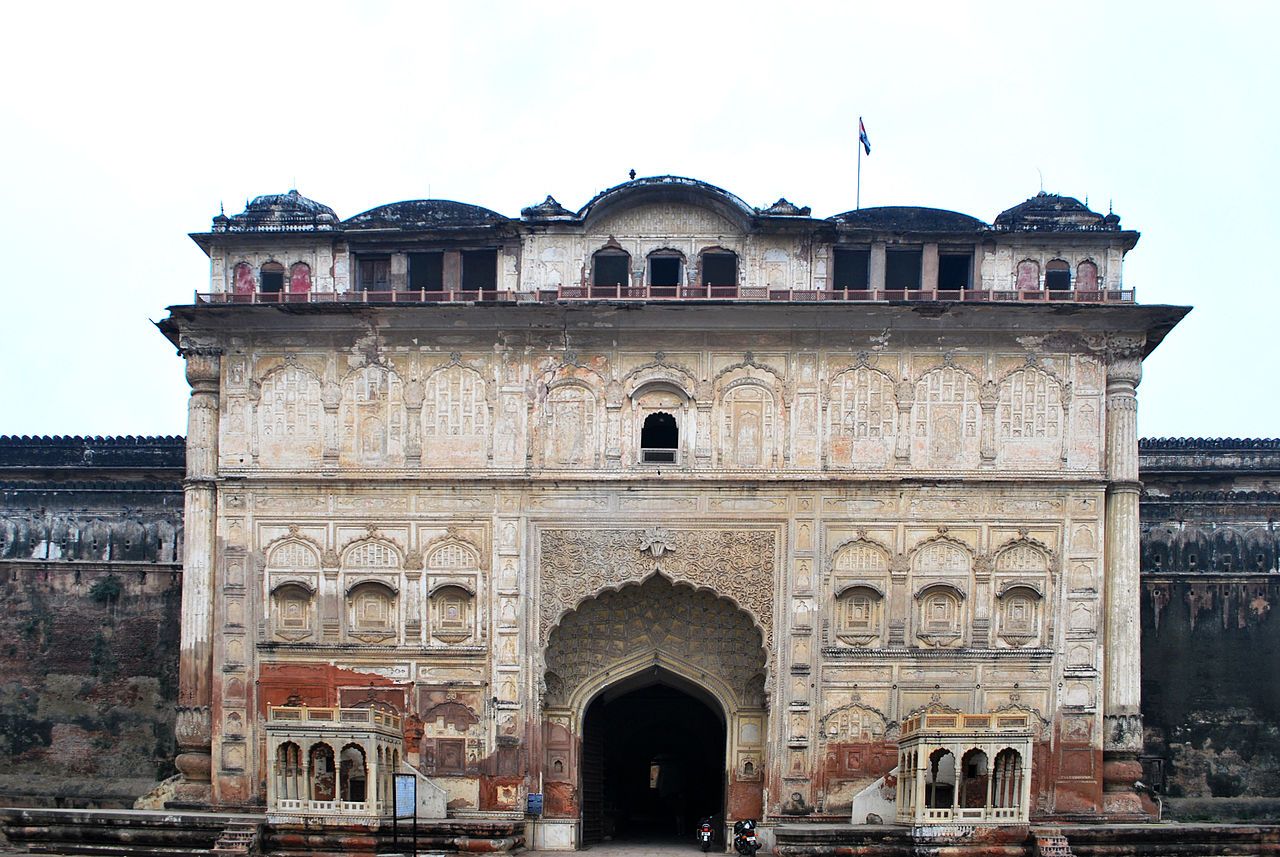
The 8 PEPSU states = the 3 Phulkian states (Patiala, Nabha, Jind) + five more: "Kings Keep Fine Mango Nurseries" — Kapurthala, Kalsia, Faridkot, Malerkotla, Nalagarh.
The 1956 merger
The States Reorganisation Act 1956.
In 1956 India reorganised its states. Under the States Reorganisation Act 1956, PEPSU was merged into Punjab on 1 November 1956. To keep the Punjabi and Hindi areas happy, the state was divided into a Punjabi region and a Hindi region, each with some say in its own affairs. This plan was called the "Regional Formula", and the Akali Dal accepted it. On the same day, the head office of the state Public Service Commission moved to Patiala (Baradari Gardens). Partap Singh Kairon was Chief Minister from 1956 to 1964 and is called the "architect of modern Punjab".
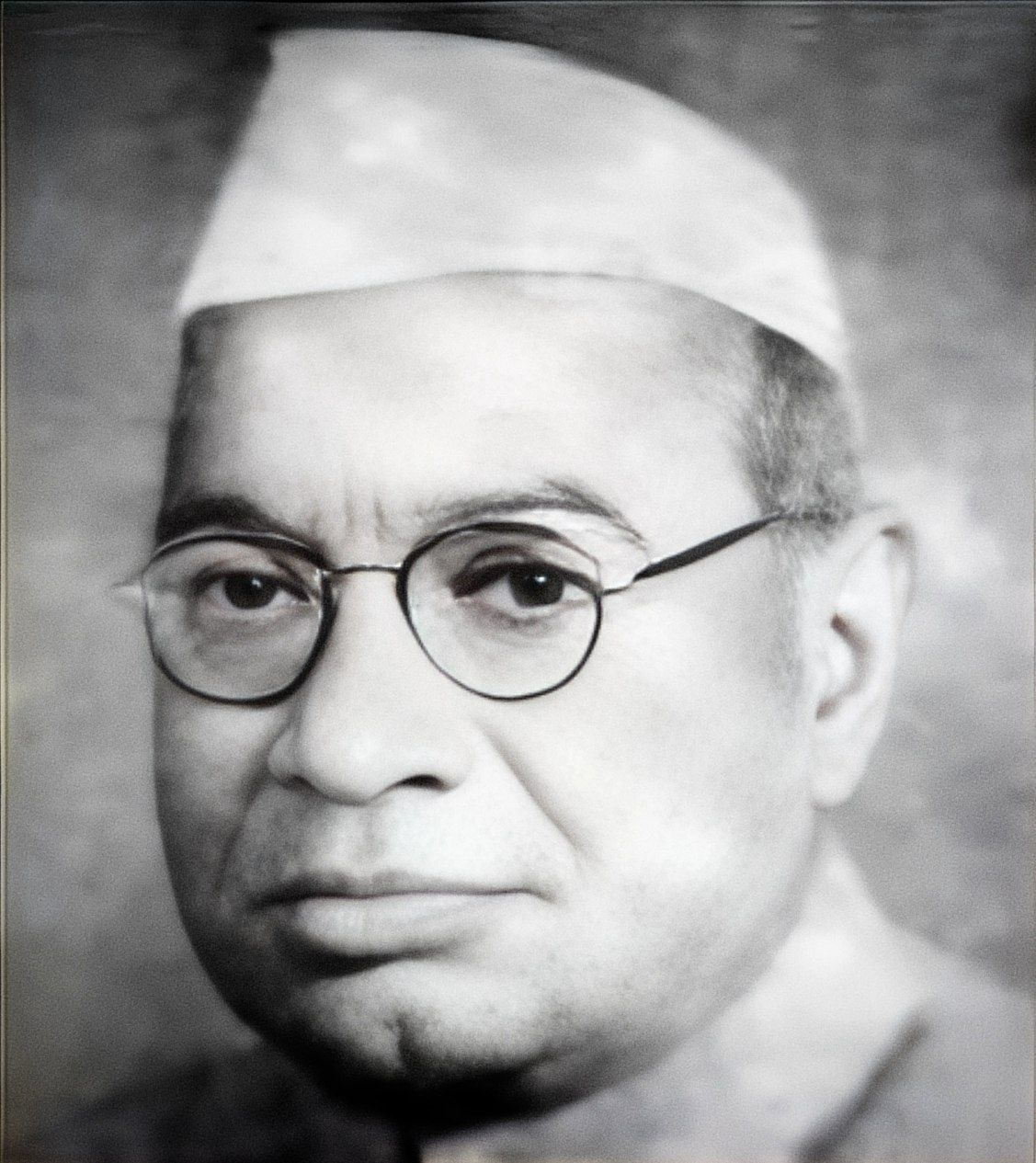
- In office from 15 August 1947
- PEPSU capital: Patiala
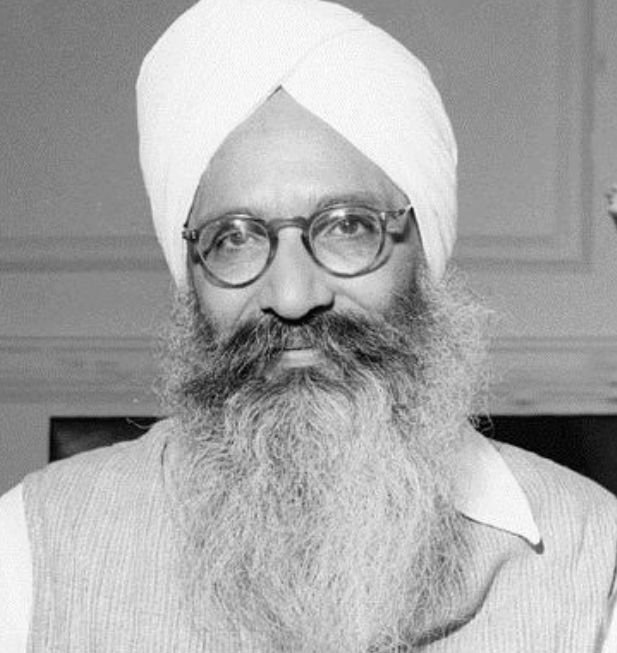
- Called the "architect of modern Punjab"
- From 1 November 1966
- First non-Congress and first Akali Chief Minister
Punjabi Suba movement
The demand for a Punjabi-speaking state.
- India had begun to make states on the basis of language. The Shiromani Akali Dal (founded in 1920, during the Gurdwara Reform Movement) demanded a state for Punjabi speakers — the Punjabi Suba.
- Master Tara Singh was the pioneer of the movement. He first formally raised the demand in 1948. He went on a fast in 1961 and broke it after 48 days.
- Sant Fateh Singh fasted in 1960 and 1965, and took over the Akali leadership in 1962.
- The Jan Sangh and the Arya Samaj opposed it and wanted a bigger "Maha Punjab" instead.
- After the 1965 war, a Parliamentary Committee under Speaker Hukam Singh supported the demand. The Union Cabinet accepted it in March 1966.
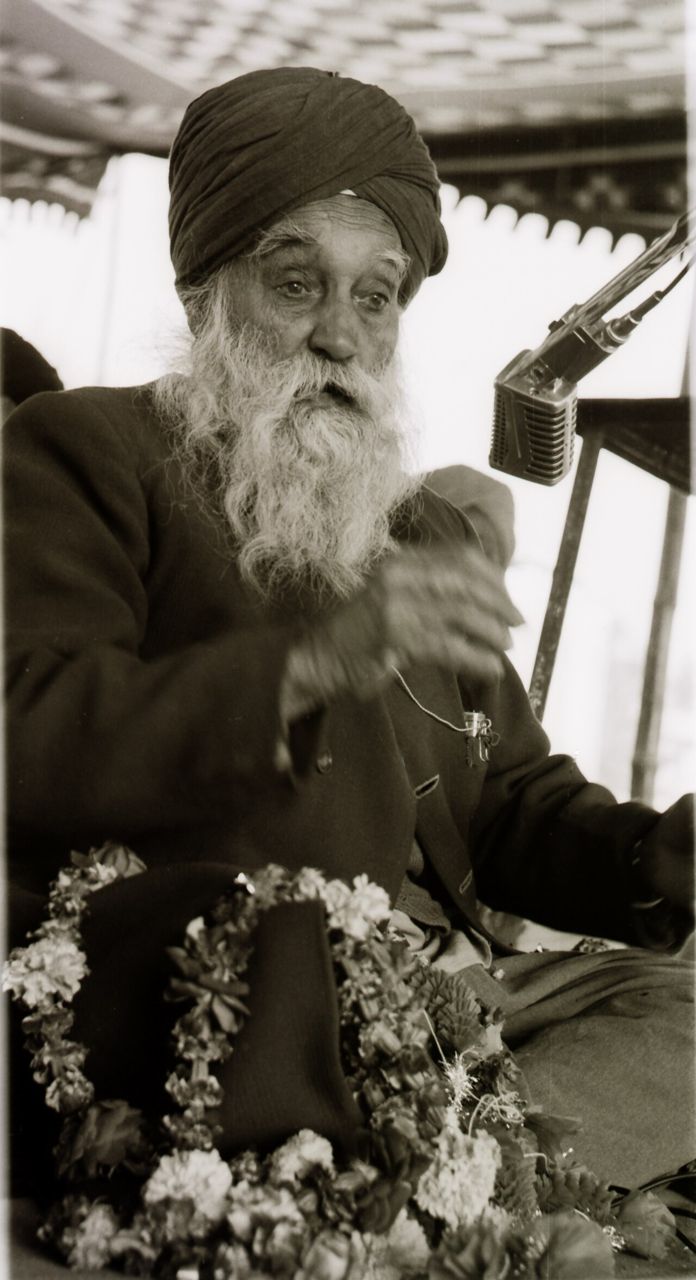
- Raised the demand in 1948
- Fasted in 1961 for 48 days
- Fasts in 1960 and 1965
- Led the Akalis from 1962
- Lok Sabha Speaker whose Parliamentary Committee backed the demand (1966)
- The Shah Commission drew the Punjab–Haryana boundary (1966)
1966 and after
One state became three parts; then a new language law and one house.
- The Shah Commission (Justice J.C. Shah) drew the new boundary.
- The Act was passed on 18 September 1966 and came into force on 1 November 1966.
- Punjab was trifurcated (cut into three): a new state of Haryana, hill areas to Himachal Pradesh, and a smaller Punjabi-speaking Punjab.
- Chandigarh was made a Union Territory and the joint capital of Punjab and Haryana.
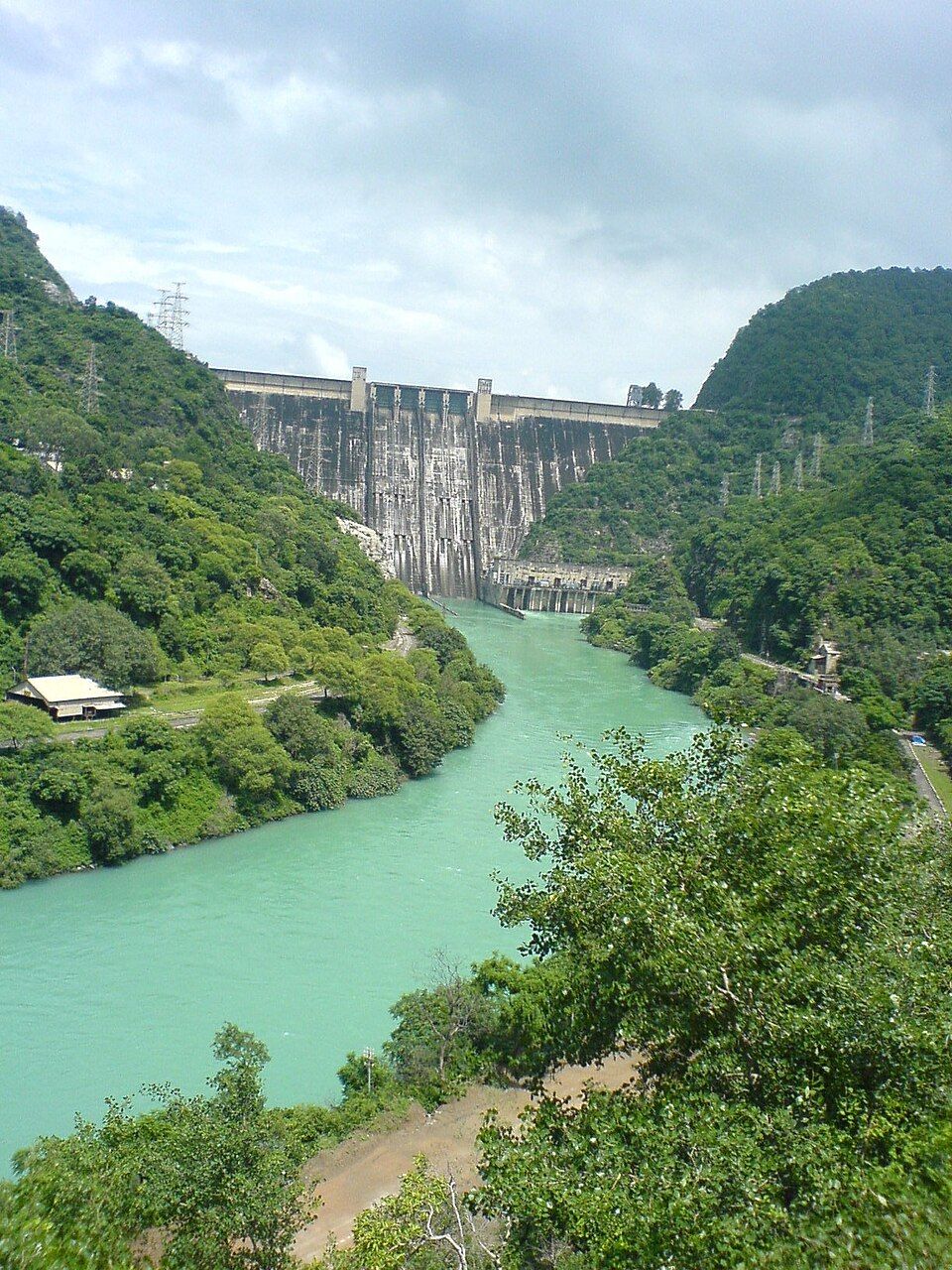
- The assets of the Bhakra and Beas projects were put under the BBMB (Bhakra Beas Management Board). Section 78 of the Act let the Centre share Punjab's river waters between Punjab and Haryana.
- The High Court was renamed the Punjab and Haryana High Court on 1 November 1966. It is common to Punjab, Haryana and Chandigarh.
| Area | Went to |
|---|---|
| Hindi-speaking plains | New state of Haryana |
| Hill areas: Kangra, Kullu, Lahaul-Spiti, Shimla, parts of Hoshiarpur/Una | Himachal Pradesh |
| Chandigarh | Union Territory and joint capital |
| Bhakra–Beas assets | BBMB |
| Punjabi-speaking areas | Punjab (11 districts) |
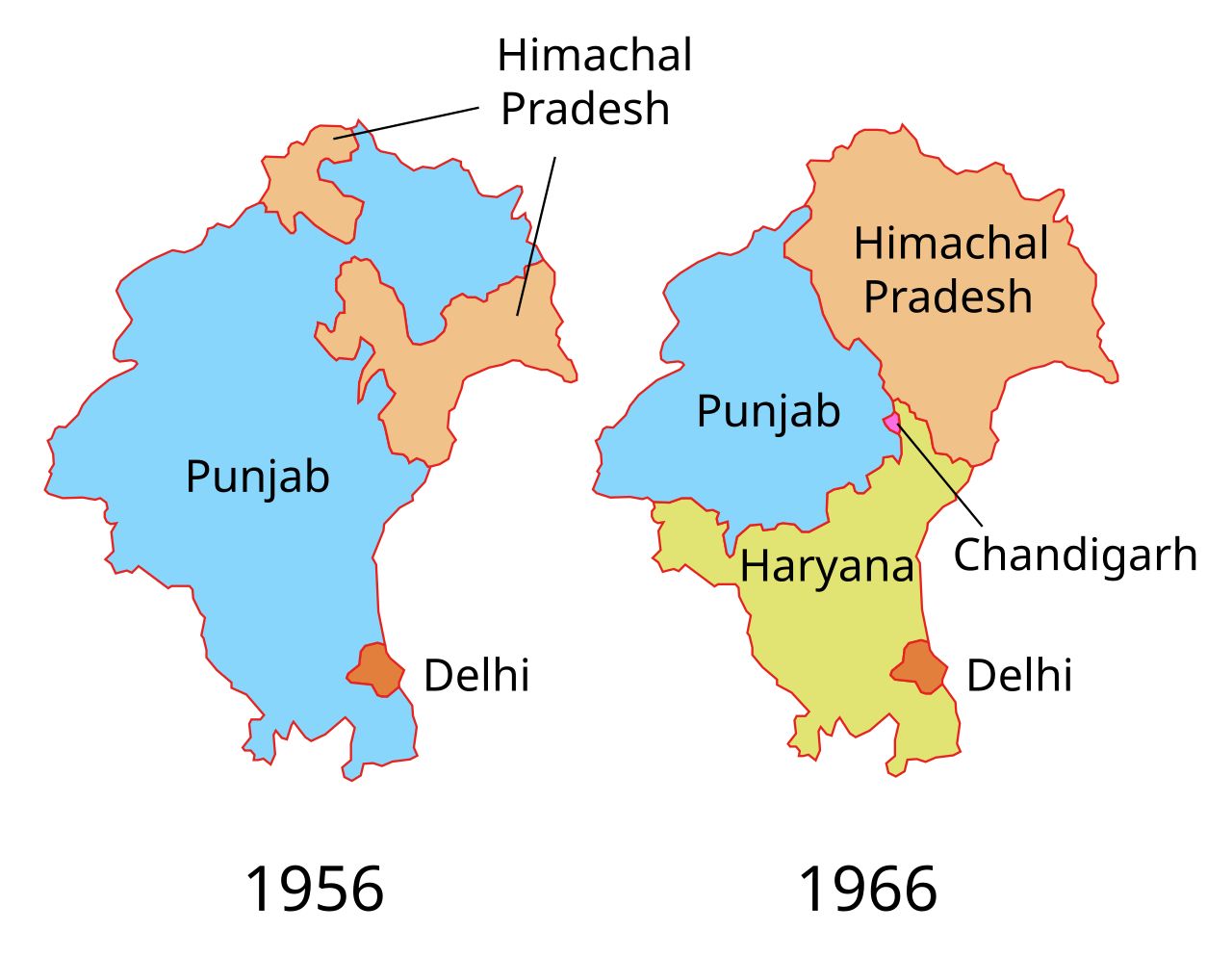
Trifurcation means cutting into three. On 1 November 1966 the old Punjab became Punjab + Haryana, with the hill areas going to Himachal Pradesh and Chandigarh becoming a Union Territory.
Gurdaspur, Amritsar, Kapurthala, Jalandhar, Hoshiarpur, Ferozepur, Ludhiana, Patiala, Sangrur, Bathinda and Rupnagar (Ropar). Giani Gurmukh Singh Musafir was the first Chief Minister of the reorganised Punjab (from 1 November 1966).
- 1967: Justice Gurnam Singh became the first non-Congress and first Akali Chief Minister.
- 1967: the Lachhman Singh Gill government passed the Punjab Official Language Act 1967. It made Punjabi in Gurmukhi script the only official language of the state.
- 1 January 1970: the Vidhan Parishad (Legislative Council) was abolished by an Act of 1969. Since then Punjab has had only one house — the Vidhan Sabha.
- 1969: Guru Nanak Dev University, Amritsar, was founded on the 500th birth anniversary of Guru Nanak.
- 1987–92: the longest spell of President's rule in Punjab, from 11 June 1987 to 25 February 1992.
The Green Revolution (mid-1960s)Tap to open
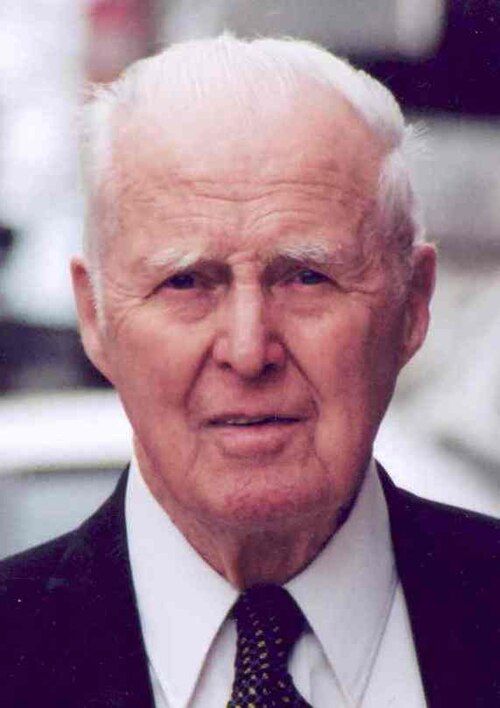
- It began in the mid-1960s with high-yielding varieties (HYV) of dwarf wheat from Mexico — Lerma Rojo and Sonora 64, later Kalyan Sona and Sonalika.
- These seeds were bred by Norman Borlaug and brought to India by Dr M.S. Swaminathan. C. Subramaniam was the Union Agriculture Minister.
- Punjab Agricultural University (PAU), Ludhiana was set up in 1962; Nehru inaugurated it on 8 July 1963.
- Other help: Bhakra canal water and tube-wells; assured purchase at the MSP (minimum support price — the price at which the government promises to buy grain) through the FCI (1965); consolidation of land holdings (chakbandi) and electricity in villages.
- The Bhakra dam on the Sutlej was completed in 1963.
- Wheat yield roughly trebled by the 1980s
- About a third of central-pool wheat (the grain the government buys for the whole country)
- About a quarter of central-pool rice
- All from about 1.5% of India's area
- Falling water table
- Stubble burning
- Wheat–paddy monoculture (the same two crops again and again)
- Diversification committees under Dr S.S. Johal (1986, 2002)
For crops, water and farm problems in detail, see Climate, soils and agriculture of Punjab.
River waters and the SYL canal (basics)Tap to open
| Year | Milestone |
|---|---|
| 1960 | Indus Waters Treaty (India–Pakistan, World Bank): India gets the Ravi, Beas and Sutlej |
| 1966 | Section 78 of the Reorganisation Act lets the Centre share Punjab's waters with Haryana |
| 31 Dec 1981 | Punjab–Haryana–Rajasthan agreement under PM Indira Gandhi |
| 8 Apr 1982 | SYL (Sutlej–Yamuna Link) canal foundation at Kapoori, Patiala district |
| 1986–87 | Eradi Tribunal (Ravi–Beas Waters Tribunal) under Justice V. Balakrishna Eradi |
| 2004 | Punjab Termination of Agreements Act cancels all water agreements |
| 2016 | Supreme Court holds the 2004 Act unconstitutional |
Full story of the rivers, dams and the SYL: Rivers, canals and dams of Punjab.
The 1980s and the Accord
A hard decade, step by step.
- Aug 1982Dharam Yudh MorchaThe Akali Dal starts an agitation over the Anandpur Sahib Resolution (1973) and river waters. Jarnail Singh Bhindranwale moves into the Golden Temple complex in 1982–83.
- 1–8 Jun 1984Operation BluestarArmy action, ordered by PM Indira Gandhi, to clear the Golden Temple complex. The Akal Takht is badly damaged.
- 31 Oct 1984Indira Gandhi assassinated
- 24 Jul 1985Rajiv–Longowal Accord (Punjab Accord)Signed by PM Rajiv Gandhi and Akali president Sant Harchand Singh Longowal.
- 20 Aug 1985Longowal assassinatedChandigarh's transfer to Punjab was never carried out.
- 1987–92President's ruleThe longest spell in Punjab. Elections in February 1992 ended it.
| Accord point | What it said |
|---|---|
| Chandigarh | To go to Punjab — never carried out |
| Abohar–Fazilka | The Mathew Commission was to find Hindi-speaking areas to give Haryana in exchange |
| Ravi–Beas waters | A tribunal — this became the Eradi Tribunal (1986) |
| November 1984 | An inquiry into the killings |
| Army | Recruitment of Punjabi youth into the Army |
Operation Bluestar (June 1984) and Operation Black Thunder (1986 and 1988) are different operations. The Rajiv–Longowal Accord is from 1985; the Anandpur Sahib Resolution is from 1973.
From 11 to 23 districts
29 districts before 1947 → 13 in 1947 → 11 in 1966 → 23 today.
| Year | New district(s) | Note |
|---|---|---|
| 1966 | Rupnagar (Ropar) | Part of the 11-district state |
| 1972 | Faridkot | 7 Aug 1972, from Bathinda and Ferozepur |
| 1992 | Fatehgarh Sahib, Mansa | Both on 13 April 1992 (Baisakhi) |
| 1995 | Moga, Muktsar, Nawanshahr | Nawanshahr renamed Shaheed Bhagat Singh Nagar in 2008 |
| 2006 | SAS Nagar (Mohali), Tarn Taran, Barnala | 18th, 19th and 20th districts |
| 2011 | Fazilka, Pathankot | 27 July 2011 |
| 2021 | Malerkotla | 23rd district, from Sangrur |
District count, year by year (chart)Tap to open
Malerkotla was announced on 14 May 2021 (Eid) and notified on 2 June 2021. It is the only Muslim-majority district of Punjab. Its sub-divisions are Malerkotla, Amargarh and Ahmedgarh. Today Punjab has 23 districts in 5 divisions: Patiala, Rupnagar, Jalandhar, Faridkot and Ferozepur.
Common traps
- Three PEPSU dates: covenant signed May 1948; PEPSU inaugurated 15 July 1948; merged into Punjab 1 November 1956.
- Not in PEPSU: Pathankot and Ferozepur were parts of British Punjab, not princely states, so they were never in PEPSU.
- 29 vs 13: undivided Punjab had 29 districts; only 13 came to India in 1947.
- Three capitals: Lahore (before 1947) → Shimla (1947–53) → Chandigarh (from 1953).
- Reorganisation Act 1966: passed 18 September 1966, came into force 1 November 1966.
- Three "first CMs": Gian Singh Rarewala (first CM of PEPSU); Gopi Chand Bhargava (first CM of Punjab, 1947); Gurmukh Singh Musafir (first CM after 1966).
- Gurnam Singh = first non-Congress CM (1967). Lachhman Singh Gill = Punjabi made official language (1967).
- Shah Commission (Punjab–Haryana boundary, 1966) ≠ Eradi Tribunal (Ravi–Beas waters, 1986) ≠ Mathew Commission (Abohar–Fazilka, 1985) ≠ Dhar Commission (1948, language-based states in general). See the comparison in "1966 and after".
- Panjab University was founded at Lahore in 1882, not in Chandigarh.
Quick revision
Read this the night before the exam.
- First CM of East Punjab (1947)
- Dr Gopi Chand Bhargava
- First CM (Premier) of PEPSU
- Gian Singh Rarewala
- First CM after 1966
- Giani Gurmukh Singh Musafir
- First non-Congress CM (1967)
- Justice Gurnam Singh
- Rajpramukh of PEPSU
- Maharaja Yadavindra Singh of Patiala
- First Governor of East Punjab
- Sir Chandulal Trivedi
- Drew the 1947 border
- Sir Cyril Radcliffe
- Drew the 1966 Punjab–Haryana boundary
- Shah Commission (Justice J.C. Shah)
- Pioneer of the Punjabi Suba
- Master Tara Singh
- Planner of Chandigarh
- Le Corbusier (first master plan: Albert Mayer)
20 one-line facts for the night beforeTap to open
- East Punjab formed: 15 August 1947
- Undivided Punjab: 29 districts; 13 to East Punjab
- Radcliffe Line made public: 17 August 1947
- Temporary capital 1947–53: Shimla
- First CM of Punjab: Dr Gopi Chand Bhargava
- First Governor of East Punjab: Sir Chandulal Trivedi
- PEPSU: 15 July 1948 – 1 November 1956
- PEPSU capital: Patiala; Rajpramukh: Yadavindra Singh
- First PEPSU CM: Gian Singh Rarewala
- Chandigarh inaugurated: 7 October 1953, Rajendra Prasad
- Chandigarh planner: Le Corbusier (first plan: Albert Mayer)
- Shiromani Akali Dal founded: 1920
- Punjabi Suba leaders: Master Tara Singh, Sant Fateh Singh
- Boundary 1966: Shah Commission (Justice J.C. Shah)
- Punjab Day: 1 November (1966)
- First CM after 1966: Giani Gurmukh Singh Musafir
- Punjab Official Language Act: 1967
- Unicameral since: 1 January 1970
- PAU Ludhiana: 1962
- 23rd district: Malerkotla (2021)
Which commission drew the boundary between Punjab and Haryana in 1966?
Show answer
The Shah Commission, headed by Justice J.C. Shah.
What was the capital of PEPSU, and who was its Rajpramukh?
Show answer
Capital Patiala; Rajpramukh Maharaja Yadavindra Singh of Patiala.
Which areas went to Himachal Pradesh in 1966?
Show answer
The hill areas — Kangra, Kullu, Lahaul-Spiti, Shimla and parts of Hoshiarpur/Una.