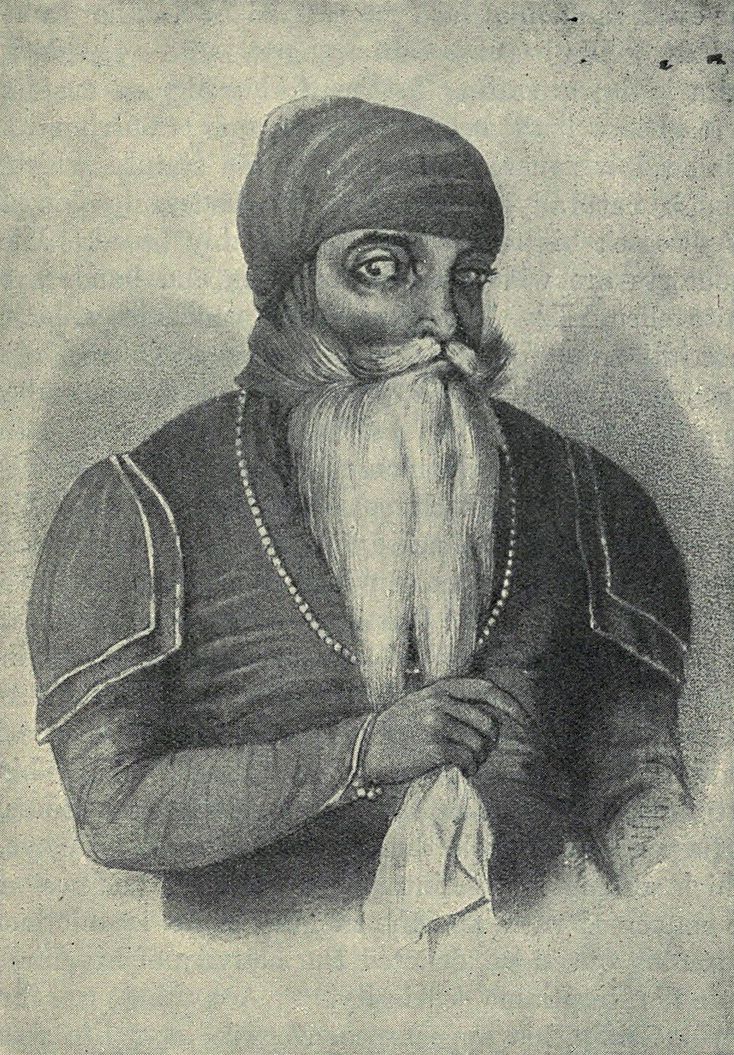
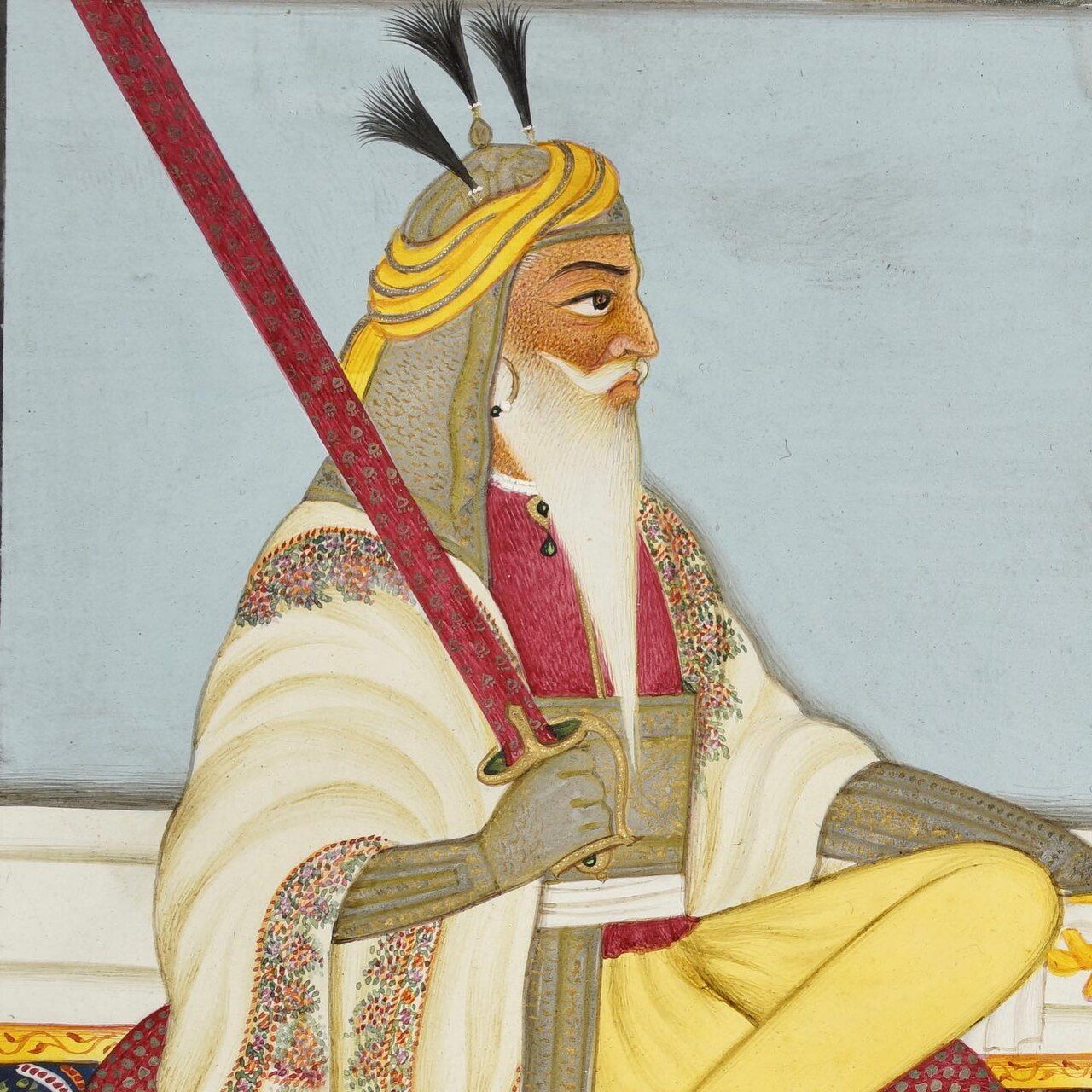
Maharaja Ranjit Singh was born in 1780 in the Sukerchakia misl. At just 19 he captured Lahore (1799), and in 1801 he was proclaimed Maharaja of Punjab. Over the next 38 years he joined the scattered misls into one strong state, the Sarkar-e-Khalsa, which stretched from the Sutlej to the Khyber Pass. He never fought the British. But after his death in 1839 the court broke into quarrels, and the British annexed (took over) Punjab in 1849. In this page you will learn:
- How Ranjit Singh rose from a misl chief to Maharaja (1799–1801)
- How the empire grew, how it was run and who ran it
- His treaties with the British, and why he never fought them
- How the empire fell: the successors, two Anglo-Sikh wars and annexation in 1849
Early life (1780–1799)
From a misl chief's son to the master of Lahore.
- Born on 13 November 1780 at Gujranwala (now in Pakistan).
- Father: Maha Singh, chief of the Sukerchakia misl. The misl was named after the village Sukkarchak and was founded by Charat Singh, his grandfather.
- Mother: Raj Kaur, daughter of Raja Gajpat Singh of Jind. She was known as Mai Malwain.
- As a child he caught smallpox and lost his left eye.
- His father died in 1792. Ranjit Singh, about 12, became the Sukerchakia chief. His mother and his mother-in-law Sada Kaur (of the Kanhaiya misl) guided him.
- Two marriages joined two misls to him: Mehtab Kaur of the Kanhaiya misl (1796) and Raj Kaur of the Nakai misl (1798). This Raj Kaur was later called Datar Kaur, and she was the mother of Kharak Singh.
Lahore (1799) and the crown (1801)
Three dates that exams love: 1799, 1801, 1802.
- On 7 July 1799 Ranjit Singh occupied Lahore, defeating the three Bhangi sardars — Chet Singh, Sahib Singh and Mohar Singh.
- The Afghan king Zaman Shah (grandson of Ahmad Shah Abdali) accepted him as the governor of Lahore.
- On Baisakhi, 12 April 1801, he was proclaimed Maharaja of Punjab at Lahore. Sahib Singh Bedi applied the tilak (the mark of crowning). Nanakshahi coins were struck.
- Lahore became the political capital.
- In 1802 he took Amritsar from the Bhangis (Mai Sukhan) and got the great gun Zamzama ("Bhangian di top"). Amritsar became the religious capital.
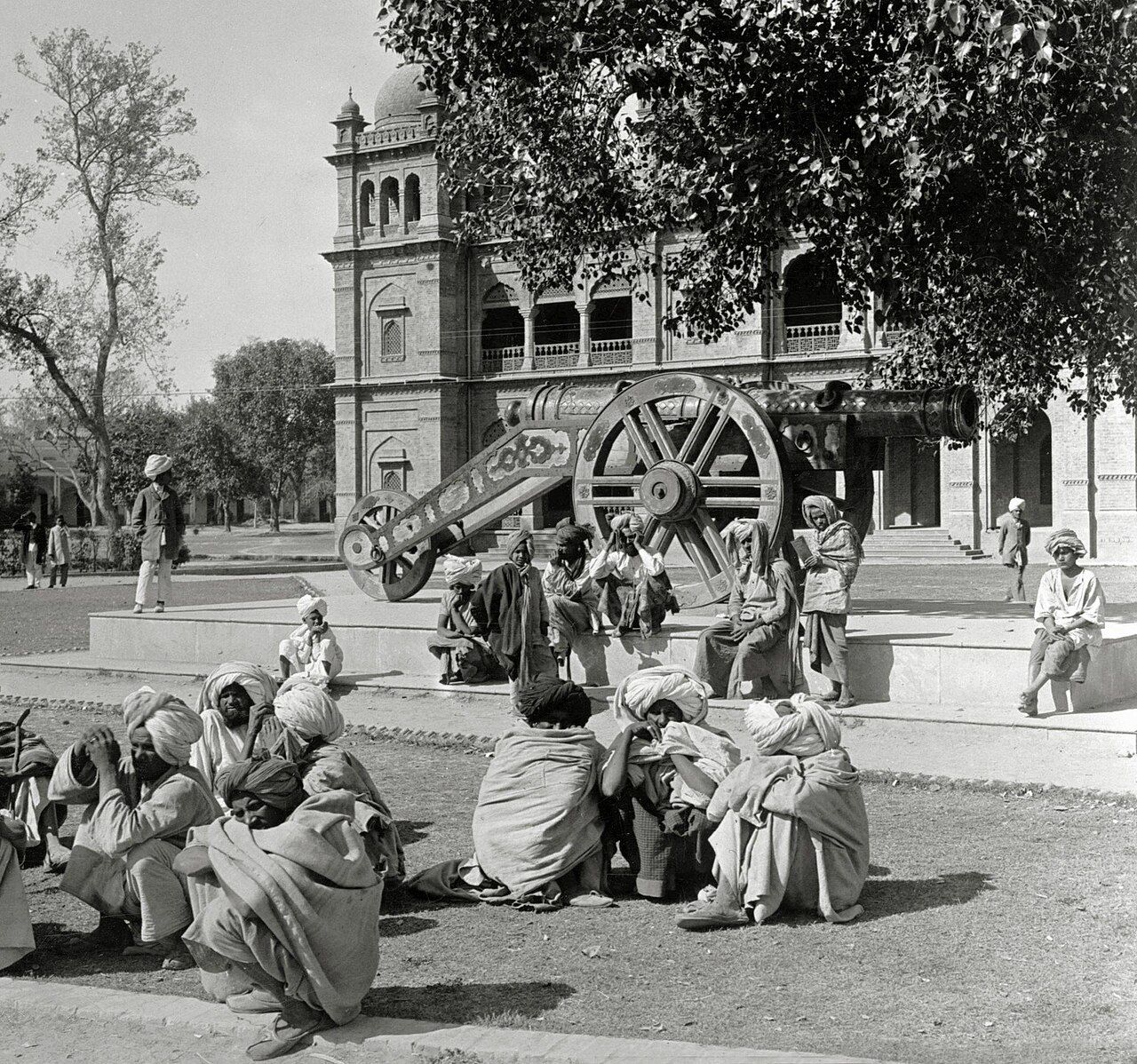
The name of Ranjit Singh's state. It means "the government of the Khalsa". His court was called the Darbar-e-Khalsa. Do not confuse it with the Dal Khalsa (1748), which was the joint army of the misls.
Timeline: conquests and treaties
How the empire grew, year by year.
- 1806First treaty with the British
The Maratha chief Jaswant Rao Holkar fled into Punjab, chased by the British under Lord Lake. Ranjit Singh stayed neutral. In January 1806 he signed his first friendship treaty with Lake, and Holkar had to leave Punjab.
- 1809Treaty of Amritsar; Kangra
Sutlej fixed as the boundary (25 April). Gurkhas driven from Kangra; the fort passes to Ranjit Singh.
- 1813Attock and the Koh-i-Noor
Diwan Mokham Chand beats the Afghans at Attock. Koh-i-Noor taken from Shah Shuja.
- 1818Multan
Captured on 2 June under Misr Diwan Chand — the seventh expedition since 1802.
- 1819Kashmir
Won from the Afghan governor Jabbar Khan at Shopian.
- 1823Battle of Nowshera
Afghans of Muhammad Azim Khan defeated; Akali Phula Singh killed; Peshawar made tributary.
- 1831Ropar meeting
Meets Governor-General William Bentinck at Ropar on the Sutlej. It was a friendly meeting, not a treaty — the Sutlej line had already been fixed in 1809.
- 1834Peshawar annexed
Hari Singh Nalwa made its governor.
- 1837Battle of Jamrud
At the mouth of the Khyber; Hari Singh Nalwa killed (30 April).
- 1838Tripartite Treaty
Ranjit Singh, Shah Shuja and Lord Auckland, to put Shah Shuja back on the Kabul throne.
More datesTap to open
- 1799Lahore occupied
From the Bhangi sardars, on 7 July.
- 1801Maharaja of Punjab
Proclaimed at Lahore on Baisakhi, 12 April.
- 1802Amritsar taken
From the Bhangis; the Zamzama gun comes with it.
- 1806–08Across the Sutlej
Three campaigns into the Cis-Sutlej (Malwa) states alarm the British.
- 1807Kasur
Taken from its Afghan chief Qutb-ud-din Khan.
- 1820–21The Derajat and Hazara
Dera Ghazi Khan, Dera Ismail Khan, Hazara and Mankera added.
- 1839Death at Lahore
27 June. Eldest son Kharak Singh succeeds him.
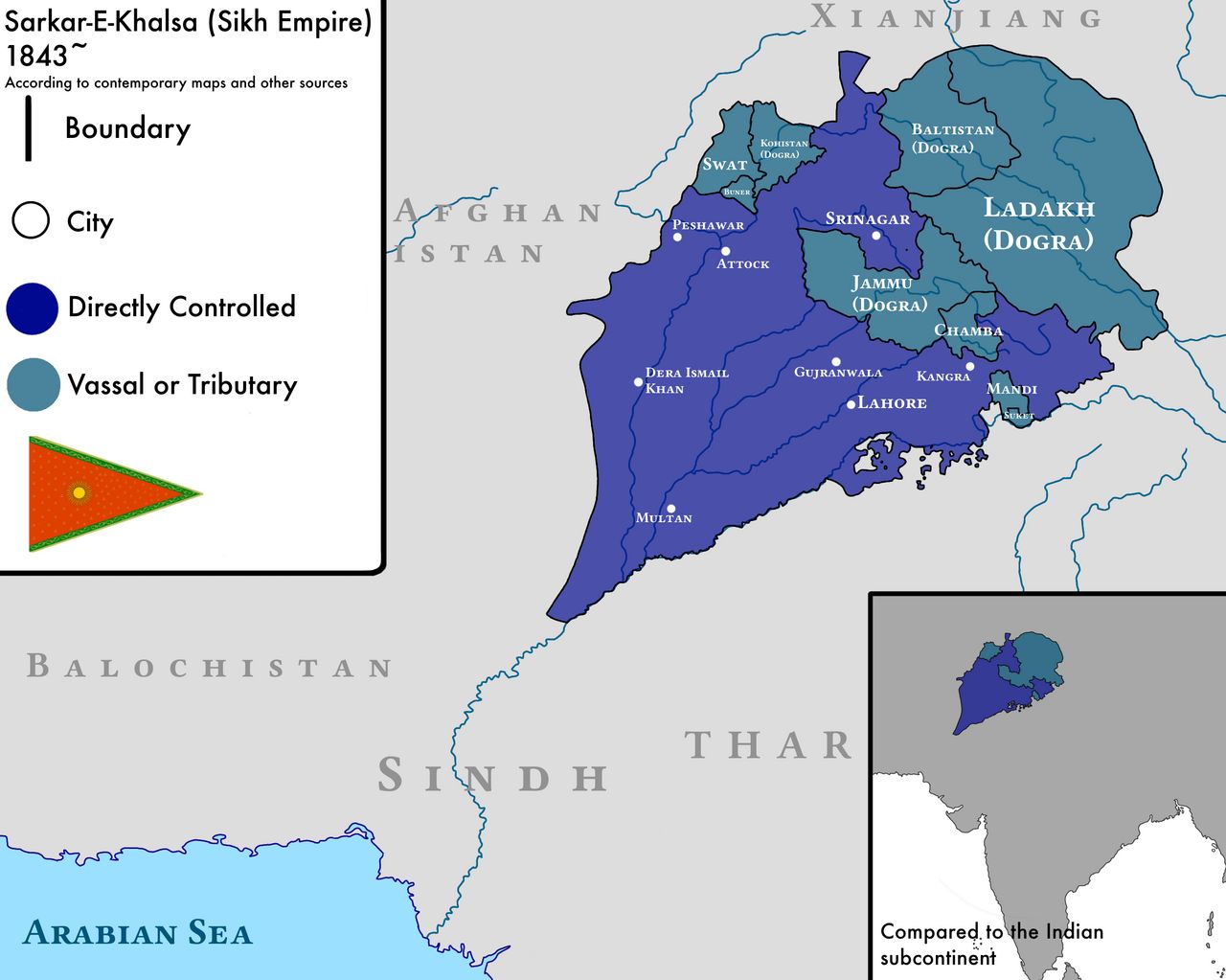
Old map of the whole empire (about 1843)Tap to open
| Place | Year | Taken from | Remember |
|---|---|---|---|
| Lahore | 1799 | Bhangi sardars | Political capital |
| Amritsar | 1802 | Bhangis (Mai Sukhan) | Religious capital; Zamzama gun |
| Kasur | 1807 | Qutb-ud-din Khan (Afghan) | — |
| Kangra | 1809 | Saved from the Gurkhas | Sansar Chand Katoch became a tributary |
| Multan | 1818 | Nawab Muzaffar Khan | Misr Diwan Chand; 7th expedition |
| Kashmir | 1819 | Jabbar Khan (Afghan) | Battle of Shopian; Diwan Moti Ram first Sikh governor |
| Peshawar | 1823 / 1834 | Muhammad Azim Khan's Afghans | Tributary after Nowshera (1823); annexed 1834 |
Big three conquests in order: M-K-P — Multan 1818 → Kashmir 1819 → Peshawar 1834. Think "My Kingdom Plan".
Treaty of Amritsar, 1809
The deal that fixed the Sutlej as the line between Ranjit Singh and the British.
- Signed on 25 April 1809 with the East India Company.
- Negotiated by Charles Metcalfe for the Governor-General Lord Minto. The British sent Metcalfe (1808–09) because they feared a French-Russian attack on India.
- The Sutlej river was fixed as the boundary.
- Ranjit Singh gave up his claims on the Cis-Sutlej states (the Malwa states east of the Sutlej, such as Patiala, Nabha and Jind). The British accepted his rule north of the river.
- The British set up a cantonment (army base) at Ludhiana in 1809.
The treaty stopped Ranjit Singh from becoming king of all Punjab — the Malwa states stayed under British protection. In return, he was free to expand west and north: Multan, Kashmir and Peshawar. He kept the treaty all his life and never fought the British.
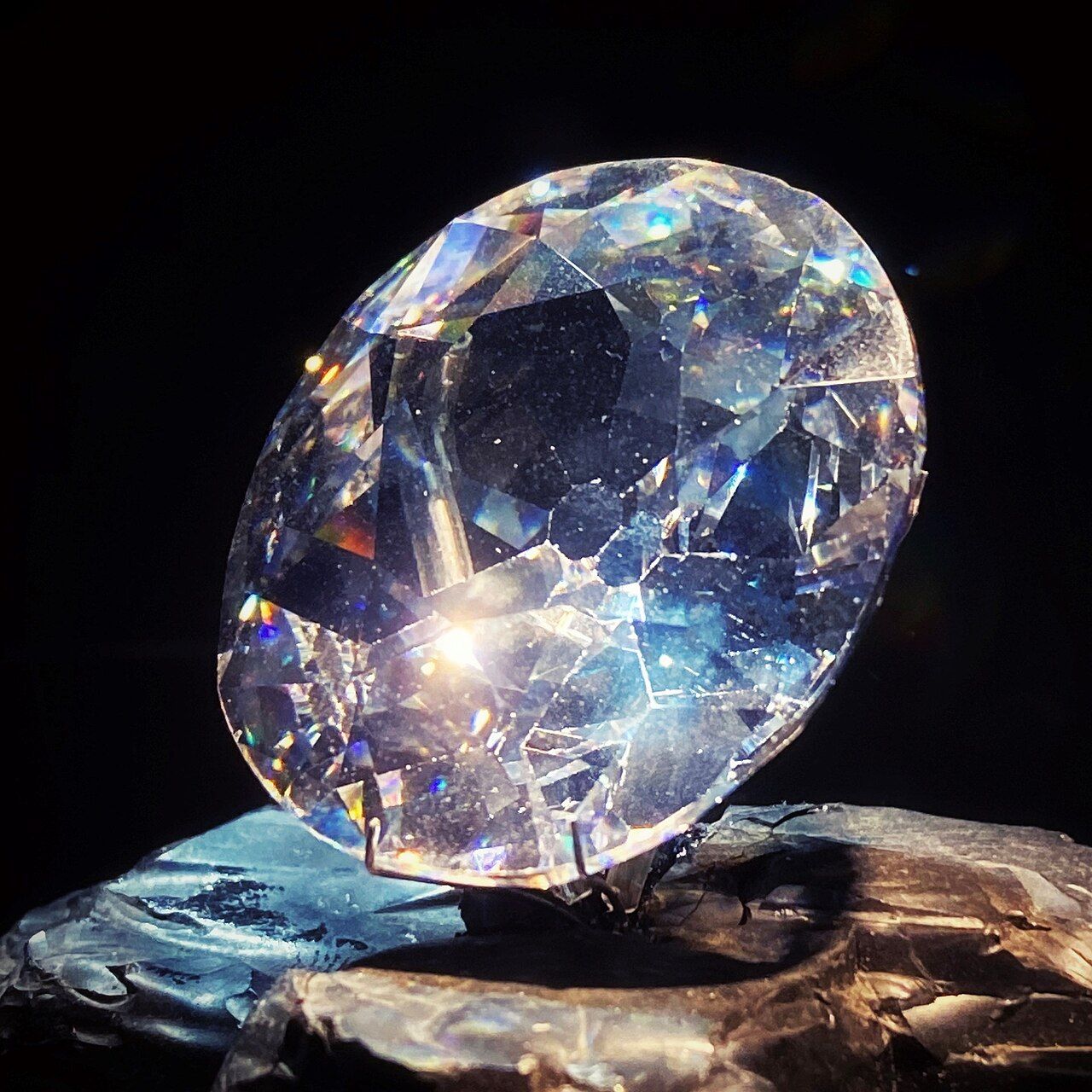
The Koh-i-Noor diamond
How the world-famous diamond came to Lahore — and left it.
- The exiled Afghan king Shah Shuja took shelter with Ranjit Singh.
- On 1 June 1813 Ranjit Singh obtained the Koh-i-Noor from him in return for shelter.
- After the annexation of 1849 the diamond was surrendered to the British Crown.
- It was presented to Queen Victoria in 1850.
Administration: how the empire was run
Sarkar-e-Khalsa had a simple, layered system.
- Maharaja at LahoreRuled in the name of the Khalsa, helped by ministers and central offices (daftars).
- nazim4 subas (provinces)Lahore, Multan, Kashmir, Peshawar. Each was under a nazim (governor).
- kardarParganas (districts)Each was under a kardar, a revenue and administrative officer who collected land revenue and kept order.
- muqaddam · patwariVillagesRun by muqaddams (headmen) and patwaris (record keepers).
| Head | Detail |
|---|---|
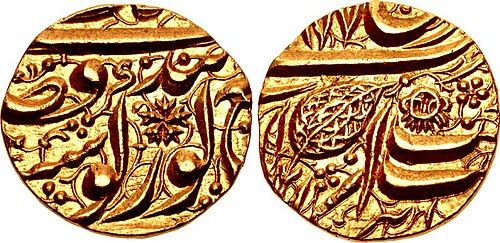
| Coins | Nanakshahi rupee, in the names of the Gurus; mints at Lahore and Amritsar |
| Treasury and stores | Toshakhana = treasury of valuables; Modikhana = state storehouse / granary |
- Batai — the crop is shared
- Kankut — standing crop is estimated
- Later, cash assessment (zabti)
- State share: about two-fifths to one-half
- Adalat-i-Ala (high court) at Lahore
- Village panchayats
- Qazis for Muslims
- No death sentence in normal practice
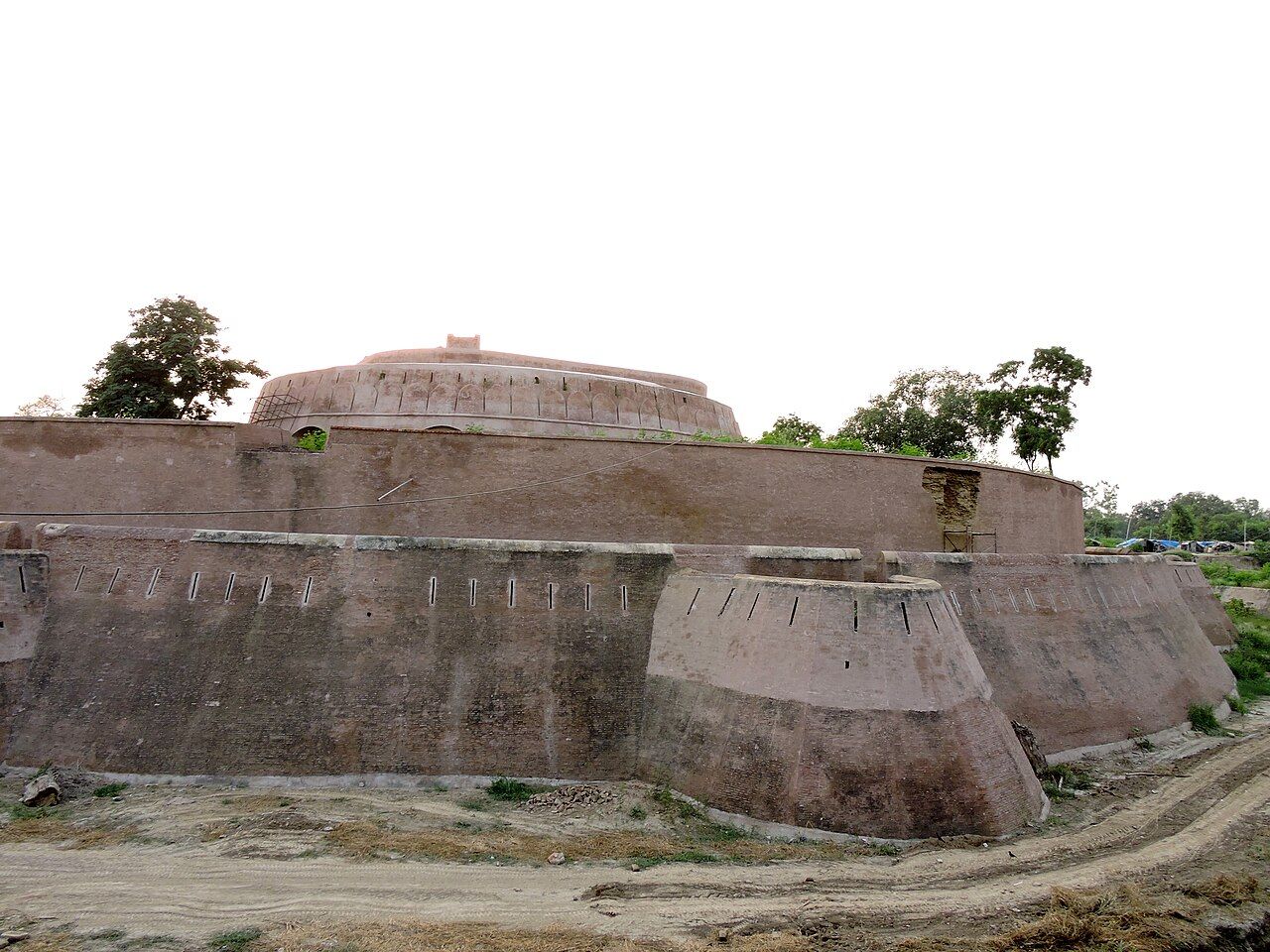
More detail: offices, coins, Gobindgarh FortTap to open
- Central offices (daftars): Abwab-ul-Mal (revenue), Tojihat (royal household), Mawajib (salaries), Roznamcha (daily accounts).
- The coins carried Persian couplets in honour of Guru Nanak and Guru Gobind Singh ("Deg Tegh Fateh…"). Later coins had a leaf / peacock-feather mark.
The army: Fauj-i-Khas and the European officers
Ranjit Singh built the strongest Indian army of his time.
| Wing | What it was |
|---|---|
| Fauj-i-Ain | Regular army — infantry, cavalry and artillery — drilled on European lines |
| Fauj-i-Khas | Model brigade raised in 1822 by Allard and Ventura; French words of command |
| Fauj-i-Be-Qawaid | Irregulars — Ghorchurras (horsemen) and troops sent by jagirdars |
| Topkhana | Artillery — under Mian Ghaus Khan, then Ilahi Bakhsh; modernised by Court |
Napoleon's cavalry officer. Raised and led the Fauj-i-Khas cavalry.
From Modena. Led the Fauj-i-Khas infantry.
Artillery and the gun-foundry (factory for casting cannons).
Governor of Wazirabad, then Peshawar (1838–43); known for harsh rule.
Other foreigners at the Lahore courtTap to open
Court personalities
Names that appear again and again in MCQs.
| Person | Role |
|---|---|
| Raja Dhian Singh (Dogra) | Prime minister (wazir). His brothers were Gulab Singh (Jammu) and Suchet Singh |
| Faqir Azizuddin | Foreign minister and royal physician |
| Faqir Nuruddin, Faqir Imamuddin | Brothers of Azizuddin; Imamuddin in charge of Gobindgarh Fort |
| Diwan Bhawani Das, Diwan Ganga Ram, Diwan Dina Nath | Finance |
| Diwan Mokham Chand, Misr Diwan Chand | Generals — Attock 1813; Multan 1818 and Kashmir 1819 |
| Hari Singh Nalwa | Great general; governor of Peshawar; killed at Jamrud, 1837 |
| Sham Singh Attariwala | General; later died fighting at Sobraon, 1846 |
| Jamadar Khushal Singh | Deorhiwala (chamberlain — in charge of the palace) |
| Sohan Lal Suri | Court chronicler; wrote Umdat-ut-Tawarikh in Persian |
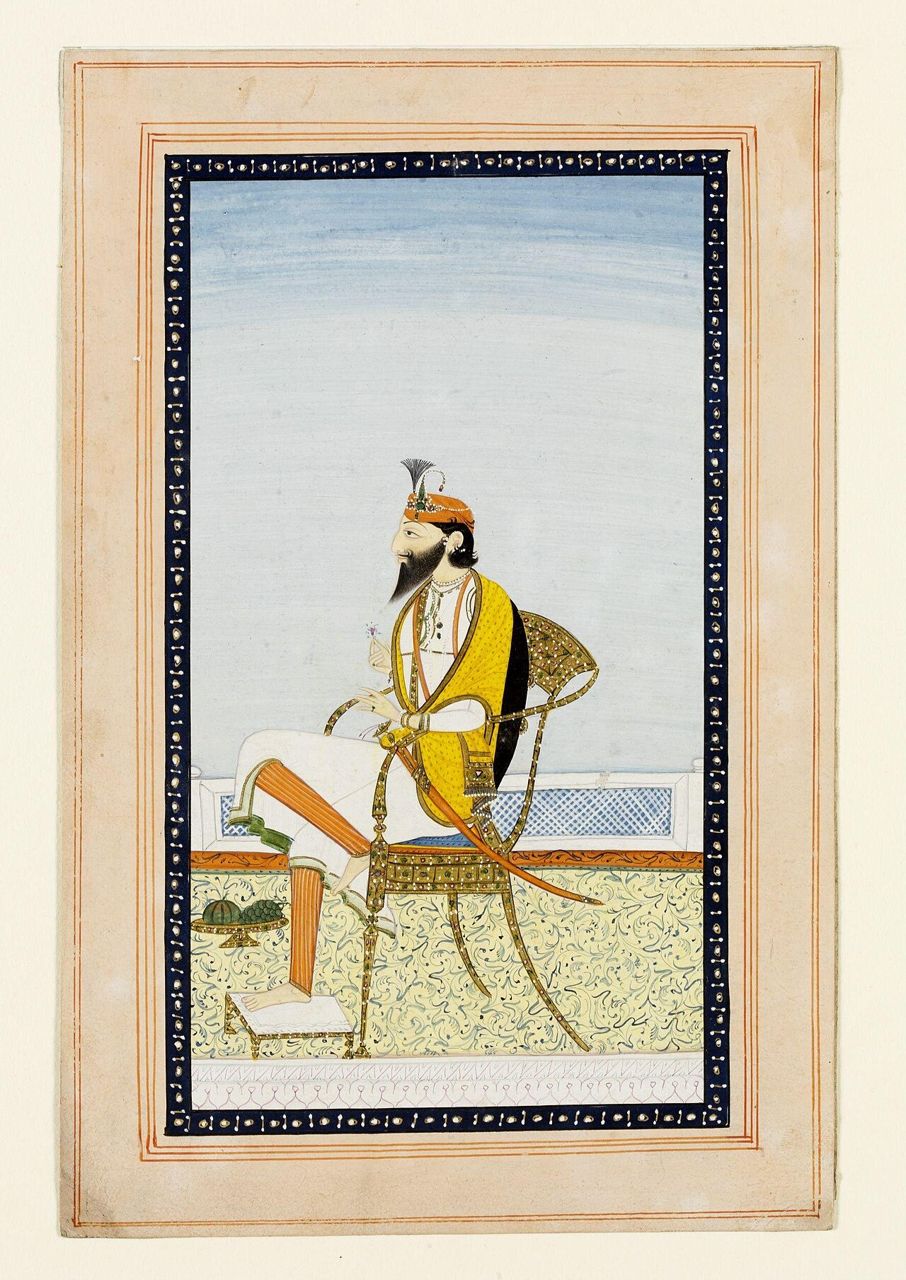
- Brothers: Gulab Singh (Jammu) and Suchet Singh
- Murdered with Maharaja Sher Singh by the Sandhawalias (15 September 1843)
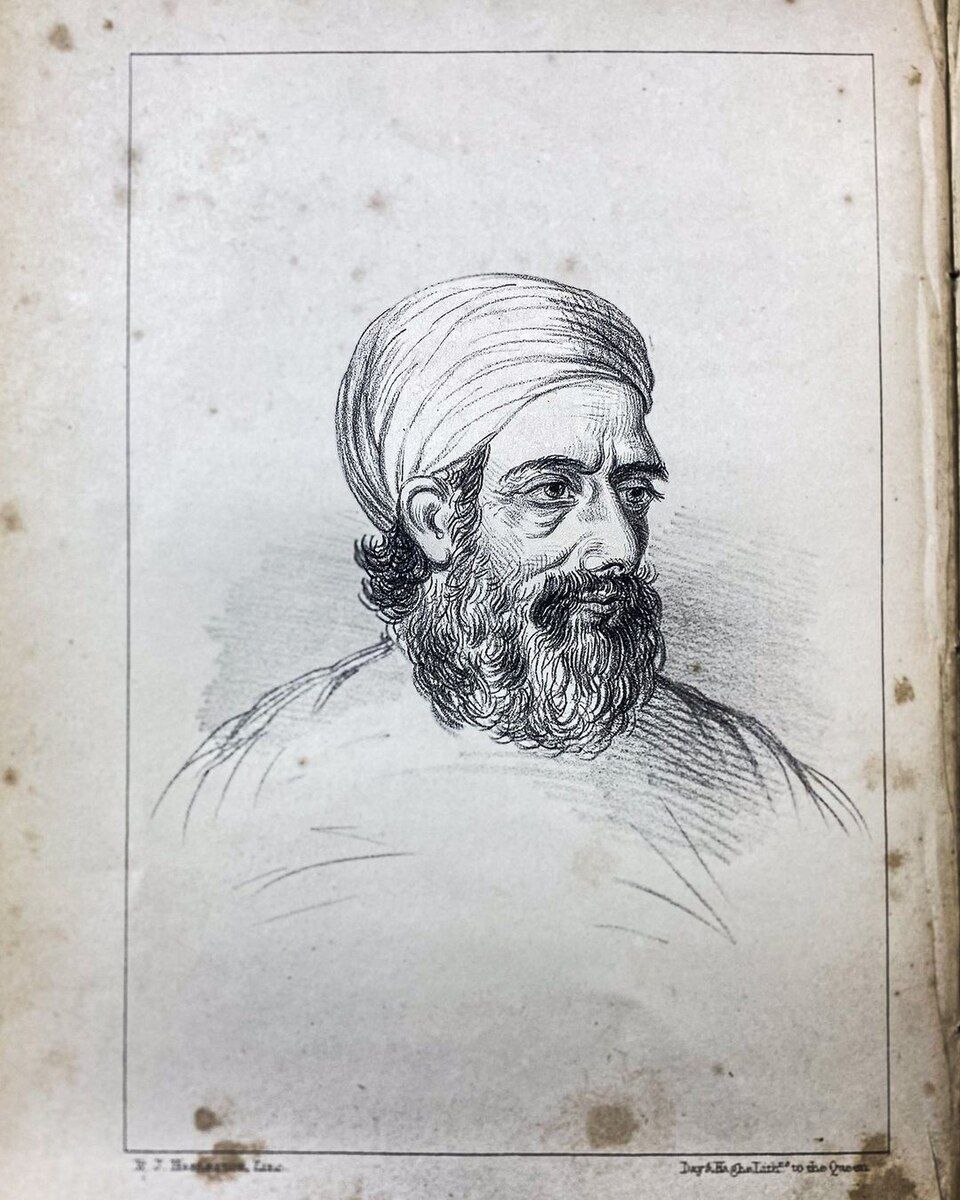
- His brothers: Faqir Nuruddin and Faqir Imamuddin
- Imamuddin was in charge of Gobindgarh Fort
- Governor of Peshawar (annexed 1834)
- Killed at Jamrud, at the mouth of the Khyber, 30 April 1837
Umdat-ut-Tawarikh by Sohan Lal Suri is a day-by-day record of the Lahore court, written in Persian. It is the main source for Ranjit Singh's reign.
Books to match with their writersTap to open
| Book | Writer | About |
|---|---|---|
| Umdat-ut-Tawarikh | Sohan Lal Suri | Day-by-day record of Ranjit Singh's court (Persian) |
| Waqia-i-Jang-i-Sikkhan | Diwan Ajudhia Parshad | The First Anglo-Sikh War (Persian prose) |
| Fauj-i-Khas: Maharaja Ranjit Singh and His French Officers | Jean-Marie Lafont | Ranjit Singh's European officers |
| Ranjit Singh, Maharajah of the Punjab | Khushwant Singh | Life of Ranjit Singh |
| The Sikh Army 1799–1849 | Ian Heath | The Sikh army |
| Empire of the Sikhs: The Life and Times of Maharaja Ranjit Singh | Patwant Singh and Jyoti M. Rai | Life of Ranjit Singh |
Death of Sher-e-Punjab (1839)
The lion of Punjab passes away.
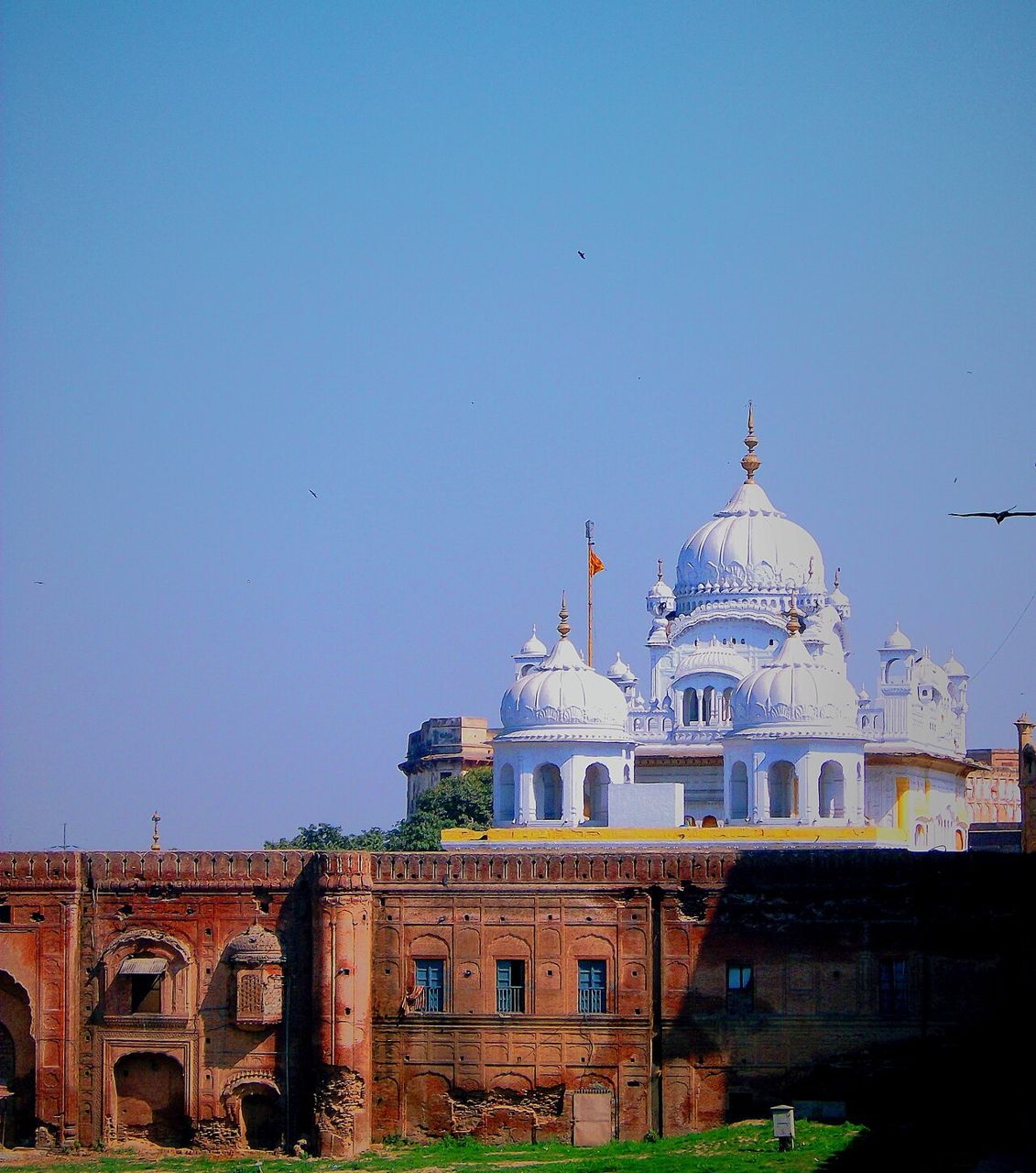
- Ranjit Singh died at Lahore on 27 June 1839.
- His samadhi (memorial) stands beside the Badshahi Mosque in Lahore.
- His popular title is Sher-e-Punjab (Lion of Punjab).
- His empire is often called the last great independent Indian kingdom before the British took over.
The successors (1839–1849)
Ten years of murders and plots that weakened the state.
- 1Maharaja Ranjit Singh1801–1839 · Died at Lahore, 27 June 1839eldest son
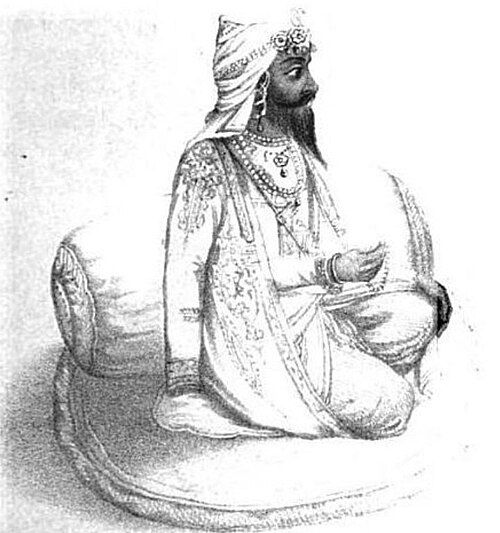
- 2Kharak Singh1839–1840 · Weak ruler, pushed aside by his son; died 5 November 1840 (poison suspected)son
- 3Nau Nihal Singh1839–1840 (real power) · Killed by a falling gateway arch at Lahore Fort while returning from his father's cremationhis mother, as regent
- 4Chand Kaur1840–1841 · Kharak Singh's widow; regent for Nau Nihal's unborn child; removedreplaced by Ranjit Singh's son
- 5Sher Singh1841–1843 · Army panchayats grew strong; murdered with wazir Dhian Singh by the Sandhawalias (15 September 1843)half-brother (Ranjit Singh's youngest son)
- 6Duleep Singh1843–1849 · Became Maharaja at five; his mother Rani Jindan guided him; last ruler of the Sikh Empire
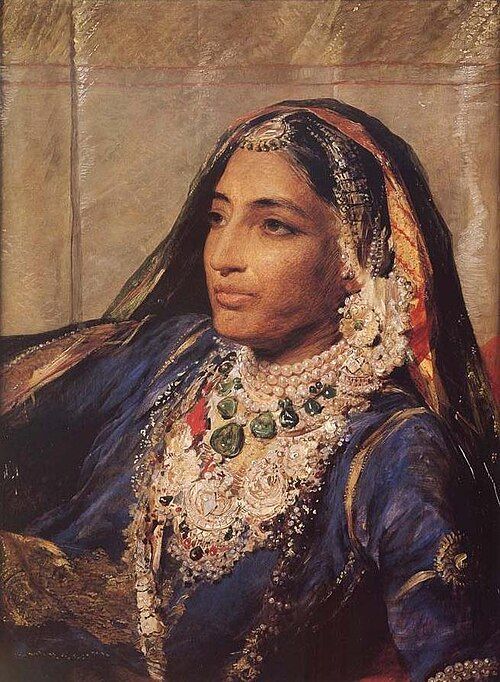
Under Duleep Singh the wazirs were Hira Singh (killed 1844), Jawahar Singh (killed by the army, 1845) and then Lal Singh; Misr Tej Singh was commander-in-chief.
Did you know? Two deaths on one dayTap to open
The fall: Anglo-Sikh wars and annexation
Two wars, and Punjab was gone.
With no strong ruler, the army and the court leaders fought each other. Two wars with the British followed, and the ruler during both of them was the boy king Duleep Singh. The battles, treaties and commanders you need are below; there is more on our Anglo-Sikh Wars page.
- 1845Sikh army crosses the Sutlej11 December 1845. Lord Hardinge declares war on 13 December.
- 1845–46First war battlesMudki → Ferozeshah → Aliwal → Sobraon (decisive).
- 1846Three treatiesLahore (9 March) → Amritsar (16 March) → Bhyrowal (26 December).
- 1848Revolt at MultanDiwan Mulraj resigns; two British officers are killed there (20 April).
- 1848–49Second war battlesRamnagar → Chillianwala → Gujrat (decisive).
- 29 March 1849AnnexationDalhousie's proclamation is read at Lahore. Punjab becomes part of British India.
First Anglo-Sikh War (1845–46)
Five battles, two betrayals and three treaties.
Who fought, and who ledTap to open
- It was fought between the Lahore Darbar (the Sikh state) and the East India Company.
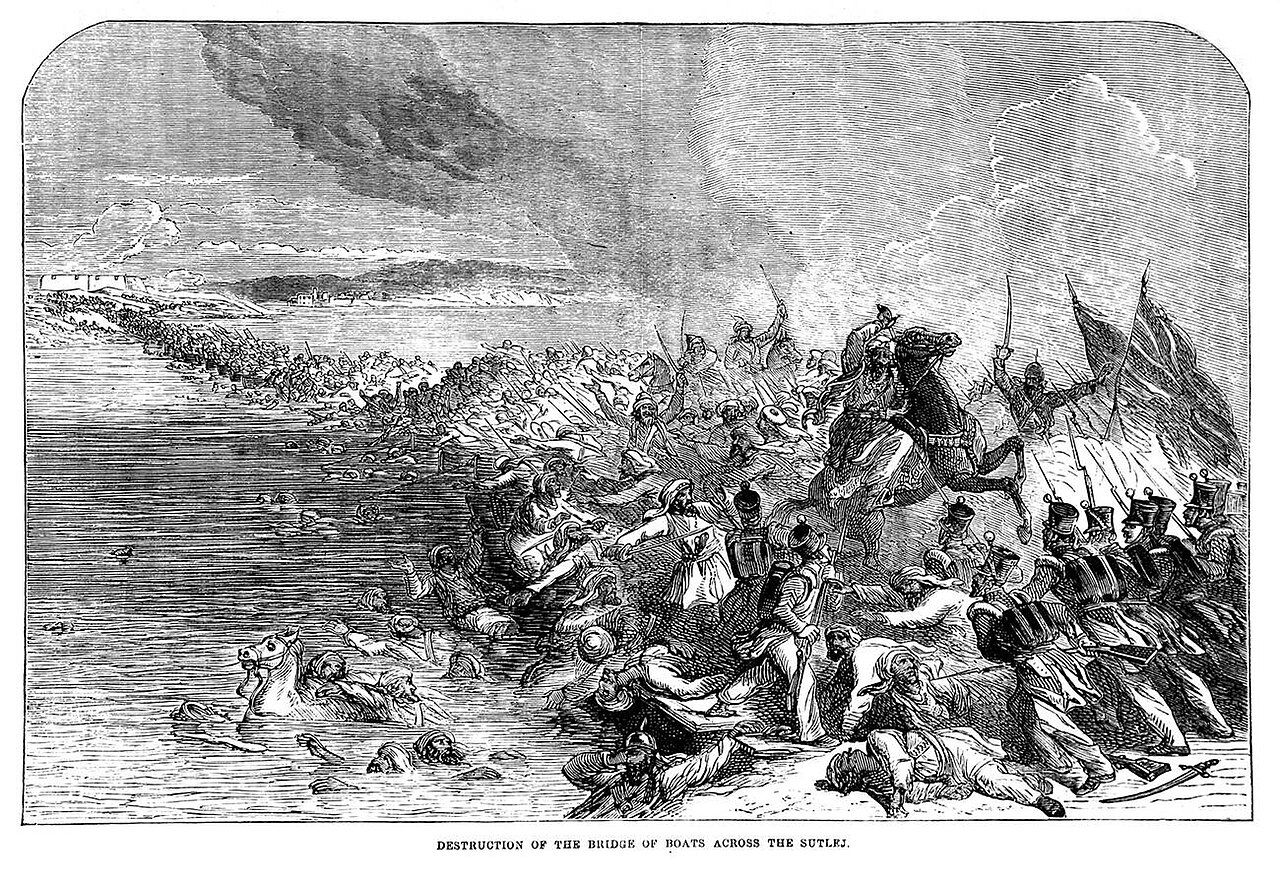
- The Sikh army crossed the Sutlej on 11 December 1845. Governor-General Lord Hardinge declared war on 13 December 1845.
- The British army was led by its commander-in-chief, Sir Hugh Gough.
- On the Sikh side, wazir Lal Singh and commander-in-chief Misr Tej Singh led the army. Both are blamed for betraying their own soldiers.
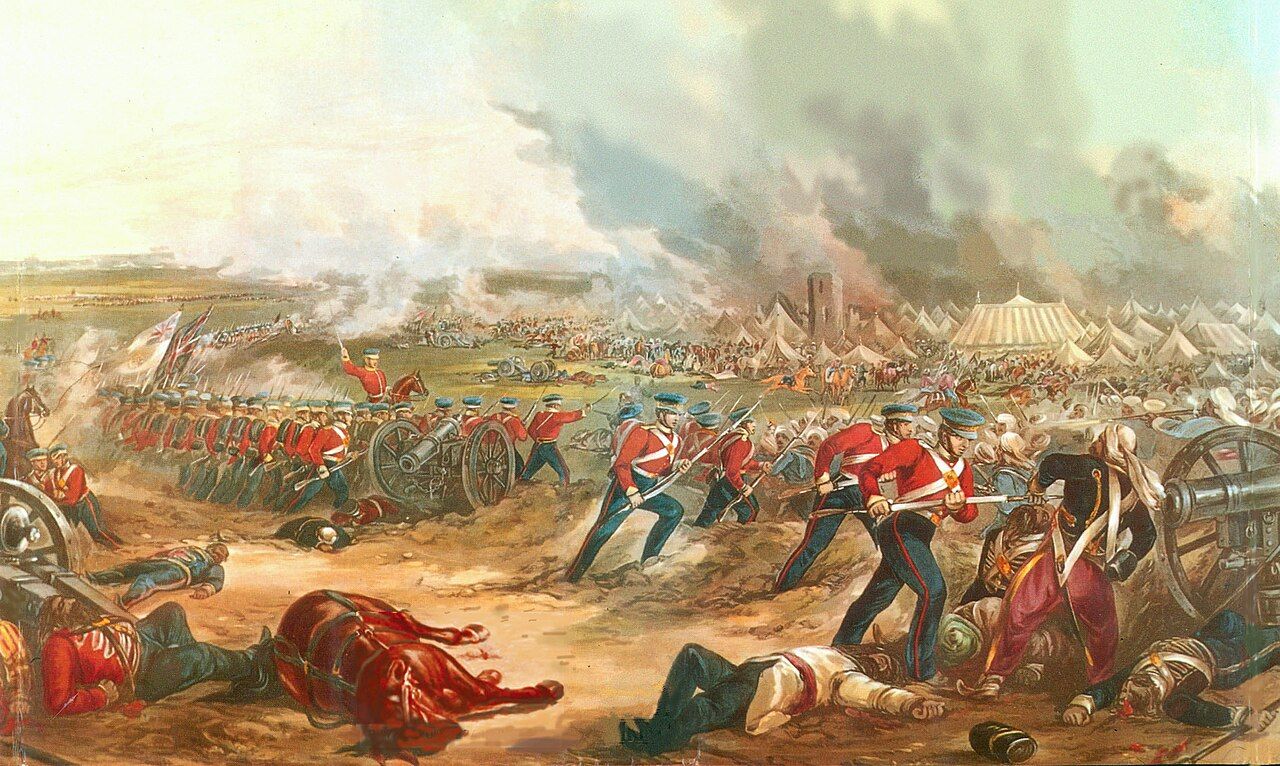
| Battle | Date | Remember |
|---|---|---|
| Mudki | 18 Dec 1845 | First battle of the war; fought in Ferozepur district; Lal Singh's force defeated |
| Ferozeshah | 21–22 Dec 1845 | Also in Ferozepur district; the heaviest British losses of the war |
| Baddowal | 21 Jan 1846 | Ranjodh Singh Majithia hits Harry Smith's column near Ludhiana |
| Aliwal | 28 Jan 1846 | Harry Smith defeats Ranjodh Singh Majithia |
| Sobraon | 10 Feb 1846 | Decisive battle; Sham Singh Attariwala died fighting; the British then marched into Lahore |
| Treaty (1846) | Date | Main terms |
|---|---|---|
| Treaty of Lahore | 9 March 1846 | Jalandhar Doab (land between the Beas and the Sutlej) given to the British; a fine of 1.5 crore rupees; the Sikh army cut down; a British Resident (Henry Lawrence) at Lahore |
| Treaty of Amritsar | 16 March 1846 | Kashmir sold to Raja Gulab Singh for 75 lakh rupees — the start of the Jammu and Kashmir state |
| Treaty of Bhyrowal (Bhairowal) | 26 December 1846 (signed 16 Dec, ratified 26 Dec) | Rani Jindan removed as regent; a Council of Regency of 8 sardars under the British Resident; a British army to stay at Lahore until Duleep Singh turned 16 (1854) |
Second Anglo-Sikh War (1848–49)
From a revolt at Multan to the end of the Sikh army at Gujrat.
| Name | Who | Remember |
|---|---|---|
| Sher Singh | Son of Ranjit Singh; Maharaja 1841–43 | Murdered by the Sandhawalias, 1843 |
| Sher Singh Attariwala | Led the Sikh army in the Second war | Son of Chattar Singh; fought at Chillianwala and Gujrat |
| Sham Singh Attariwala | General; hero of the First war | Died fighting at Sobraon, 1846 |
Second war in detail: how it began, and all battlesTap to open
- Governor-General: Lord Dalhousie. The British army was again led by Sir Hugh Gough.
- It began at Multan. Its governor Diwan Mulraj resigned, and the two British officers sent to take over, Vans Agnew and Lt. Anderson, were killed there on 20 April 1848.
- Sher Singh Attariwala led the Sikh army. His father Chattar Singh rose against the British in Hazara (September 1848). Dost Muhammad Khan of Kabul sided with the Sikhs.
- Mulraj was only the governor of Multan, never the ruler. The ruler was still Duleep Singh.
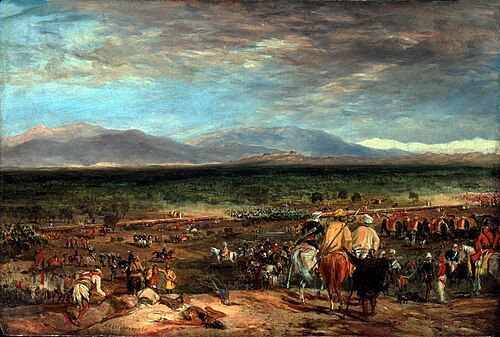
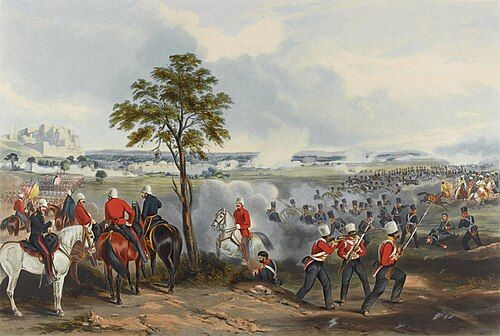
| Battle | Date | Remember |
|---|---|---|
| Ramnagar | 22 Nov 1848 | First battle of the war; on the Chenab |
| Chillianwala | 13 Jan 1849 | The bloodiest battle; heavy British losses caused an outcry in Britain |
| Multan | 22 Jan 1849 | Mulraj surrenders to General Whish after a long siege |
| Gujrat | 21 Feb 1849 | Decisive; called the "Battle of the Guns" because British artillery won it |
| Rawalpindi | March 1849 | The Sikh army lays down its arms |
Annexation of Punjab (1849)
29 March 1849: the end of the Sikh Empire.
- On 29 March 1849, Lord Dalhousie's proclamation was read at Lahore. Punjab became part of British India.
- Duleep Singh, then 10 years old, signed away the kingdom for a yearly pension of 4–5 lakh rupees.
- The Koh-i-Noor was handed over to the British Crown.
- Punjab was put under a three-member Board of Administration: Henry Lawrence (President), John Lawrence and Charles Mansel.
- Duleep Singh was later sent to England (1854). He died in Paris in 1893.
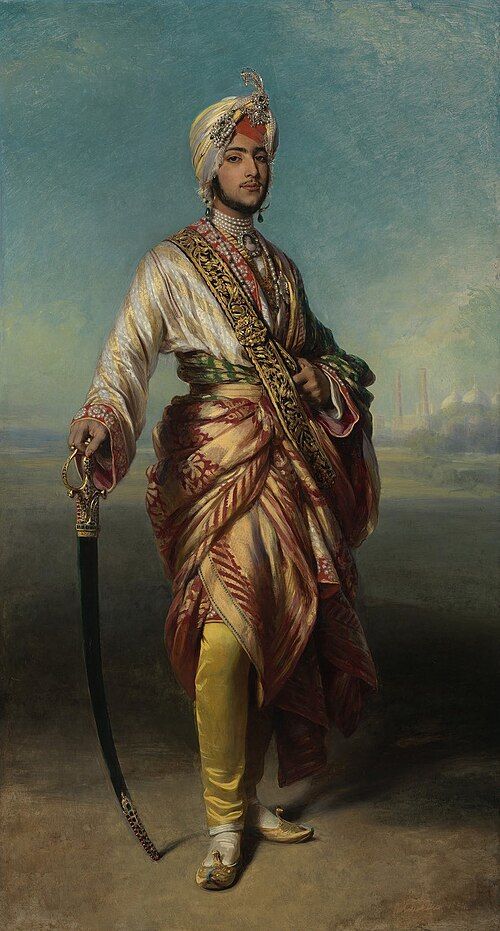
Duleep Singh's later lifeTap to open
He was taken away from his mother, became a Christian (1853) and was sent to England (1854), where he bought the Elveden estate. He met Rani Jindan again in 1861; she died in London in 1863. He took up Sikhism again at Aden in 1886, but the British stopped him from returning to India. He died in Paris on 22 October 1893. His daughter Princess Sophia Duleep Singh became a leading suffragette (fighter for women's right to vote) in England.
Common traps
- 1799 vs 1801 vs 1802: Lahore occupied (1799) → proclaimed Maharaja (1801) → Amritsar taken (1802).
- Two Treaties of Amritsar: 1809 = Ranjit Singh and the Company (Sutlej boundary). 1846 = Company and Gulab Singh (Kashmir sold for 75 lakh).
- Sarkar-e-Khalsa (Ranjit Singh's government) is not the Dal Khalsa (1748 army of the misls).
- Peshawar: tributary after Nowshera (1823), annexed only in 1834.
- Allard = French, cavalry; Ventura = Italian, infantry; Court = French, artillery; Avitabile = Italian, Peshawar governor.
- Hari Singh Nalwa died in 1837 (Jamrud) — before Ranjit Singh (1839). Ranjit Singh's successor was Kharak Singh, not Nalwa.
- Ranjit Singh never fought the British. The ruler during both Anglo-Sikh wars was Duleep Singh.
- Toshakhana = treasury of valuables; Modikhana = storehouse/granary.
- Sher-e-Punjab = Ranjit Singh; Punjab Kesari = Lala Lajpat Rai.
- First battles: Mudki (18 Dec 1845, Ferozepur district) opened the First war; Ramnagar (1848) opened the Second. Gujrat (1849) = "Battle of the Guns".
- Treaty of Lahore (9 March 1846, Jalandhar Doab lost) is not the Treaty of Bhyrowal (26 December 1846, Council of Regency).
- Ropar 1831 was a friendly meeting with Bentinck, not a treaty. The Tripartite Treaty 1838 was with Auckland and Shah Shuja (not Zaman Shah).
- Commanders: First war — Sikh C-in-C Misr Tej Singh, British C-in-C Hugh Gough. Second war — Sikh leader Sher Singh Attariwala, British again Gough.
- Sher Singh (son of Ranjit Singh, Maharaja 1841–43) ≠ Sher Singh Attariwala (led the Sikh army 1848–49; son of Chattar Singh) ≠ Sham Singh Attariwala (died at Sobraon, 1846).
- Raj Kaur the mother (Mai Malwain) ≠ Raj Kaur / Datar Kaur the wife (Nakai misl, mother of Kharak Singh) ≠ Jind Kaur (mother of Duleep Singh).
- The 1806 treaty (Lord Lake; Holkar leaves Punjab) is not the Treaty of Lahore (9 March 1846).
Quick revision
Read this the night before the exam.
- Lahore (1799) was taken from
- The three Bhangi sardars
- Proclaimed Maharaja of Punjab
- 1801, on Baisakhi, at Lahore
- Name of his government
- Sarkar-e-Khalsa (court: Darbar-e-Khalsa)
- Koh-i-Noor came from
- Shah Shuja, 1813
- Treaty of Amritsar, 1809
- Charles Metcalfe; Sutlej boundary
- Kashmir conquered
- 1819, from Jabbar Khan
- Finance minister
- Diwan Dina Nath
- First battle of the First Anglo-Sikh War
- Mudki, 18 December 1845
- Sikh C-in-C in the First war
- Misr Tej Singh
- Last ruler of the Sikh Empire
- Maharaja Duleep Singh
One-line revision listTap to open
- Born: 13 November 1780, Gujranwala
- Misl: Sukerchakia; father Maha Singh
- Lahore occupied: 7 July 1799
- Proclaimed Maharaja: 12 April 1801 (Baisakhi)
- Tilak applied by: Sahib Singh Bedi
- Amritsar and Zamzama gun: 1802
- Treaty of Amritsar: 25 April 1809, Charles Metcalfe
- Koh-i-Noor from Shah Shuja: 1813
- Multan 1818 → Kashmir 1819 → Peshawar 1834
- Nowshera 1823: Akali Phula Singh killed
- Jamrud 1837: Hari Singh Nalwa killed
- Fauj-i-Khas: 1822, Allard and Ventura
- Four subas: Lahore, Multan, Kashmir, Peshawar
- Prime minister: Raja Dhian Singh
- Foreign minister: Faqir Azizuddin
- Umdat-ut-Tawarikh: Sohan Lal Suri
- Died: 27 June 1839, Lahore
- First Anglo-Sikh War: 1845–46, Hardinge; first battle Mudki
- Ferozeshah: 21–22 December 1845
- Treaty of Lahore: 9 March 1846; Bhyrowal: 26 December 1846
- Second war: 1848–49, Dalhousie; Gujrat = Battle of the Guns
- Board of Administration President: Henry Lawrence
- Annexation: 29 March 1849, Dalhousie
Who negotiated the Treaty of Amritsar (1809), and what did it fix?
Show answer
Charles Metcalfe, for Lord Minto. It fixed the Sutlej as the boundary between Ranjit Singh and the British.
Who raised the Fauj-i-Khas, and when?
Show answer
Jean-François Allard (French) and Jean-Baptiste Ventura (Italian), in 1822.
Who was the last ruler of the Sikh Empire, and when was Punjab annexed?
Show answer
Maharaja Duleep Singh. Punjab was annexed on 29 March 1849 by Lord Dalhousie.
Who was the ruler of Punjab during both Anglo-Sikh wars, and which battle is called the "Battle of the Guns"?
Show answer
Maharaja Duleep Singh was the ruler during both wars. The Battle of Gujrat (21 February 1849) is the "Battle of the Guns".