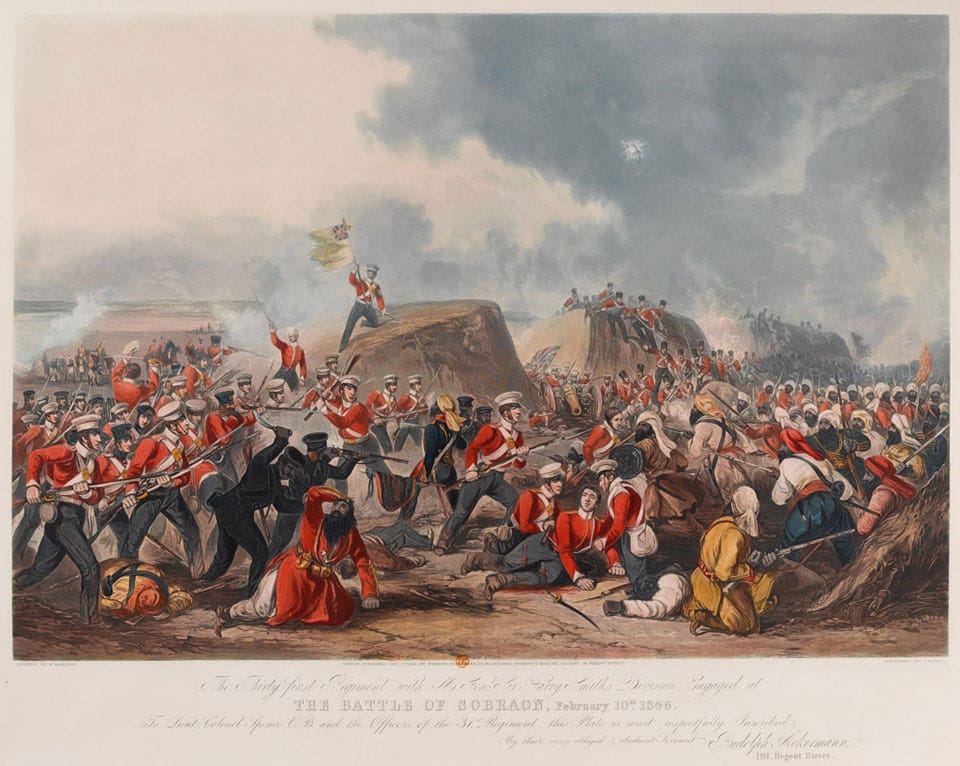
The Anglo-Sikh Wars were two wars between the Sikh kingdom of Lahore and the East India Company. The first was fought in 1845–46 and the second in 1848–49. Punjab was the last big kingdom in India still free of the British. After the second war, Lord Dalhousie annexed Punjab on 29 March 1849.
Punjab after Ranjit Singh
A strong kingdom, a weak throne.
Ranjit Singh took Lahore in 1799 and joined the Sikh misls into one strong kingdom. He is called Sher-e-Punjab, the Lion of Punjab. He kept peace with the British all his life. His Treaty of Amritsar (1809) made the Sutlej the border between them. He died in 1839. He never fought the British; both wars came after his death.
After 1839 the Lahore throne changed hands again and again. Rulers and ministers were killed in court fights. The Khalsa army grew strong and hard to control. In 1843 a five-year-old boy, Duleep Singh, became Maharaja. His mother, Maharani Jind Kaur (Rani Jindan), became regent. So the kingdom was breaking down from inside when the British moved in.
- 1Ranjit Singhruled 1799–1839 · Founder of the kingdomson
- 2Kharak Singh1839–1840 · Eldest son; soon pushed asideson
- 3Nau Nihal Singhdied Nov 1840 · Killed when a gateway fell, on the day of his father's funeraluncle
- 4Sher Singh1841–1843 · Murdered in September 1843half-brother
- 5Duleep Singh1843–1849 · Child Maharaja; mother Jind Kaur regent; last ruler
The First Anglo-Sikh War, 1845–46
Four battles on the Sutlej, all on today's Indian Punjab soil.
In December 1845 the Khalsa army crossed the Sutlej, the border river with British India. The Governor-General, Sir Henry Hardinge, declared war. The British army was led by the Commander-in-Chief, Sir Hugh Gough. The Sikh soldiers fought very hard. But their own top men, the wazir Lal Singh and the commander-in-chief Tej Singh, are widely believed to have betrayed them by keeping in touch with the British.
- 18 Dec 1845Mudki
The first battle of the war. Gough beat a Sikh force led by Lal Singh.
- 21–22 Dec 1845Ferozeshah (Pheru Shahar)
A hard two-day fight. The British nearly lost before the Sikh army pulled back.
- 21 Jan 1846Baddowal
Ranjodh Singh Majithia surprised Sir Harry Smith's column near Ludhiana.
- 28 Jan 1846Aliwal
Harry Smith defeated Ranjodh Singh near Ludhiana.
- 10 Feb 1846Sobraon
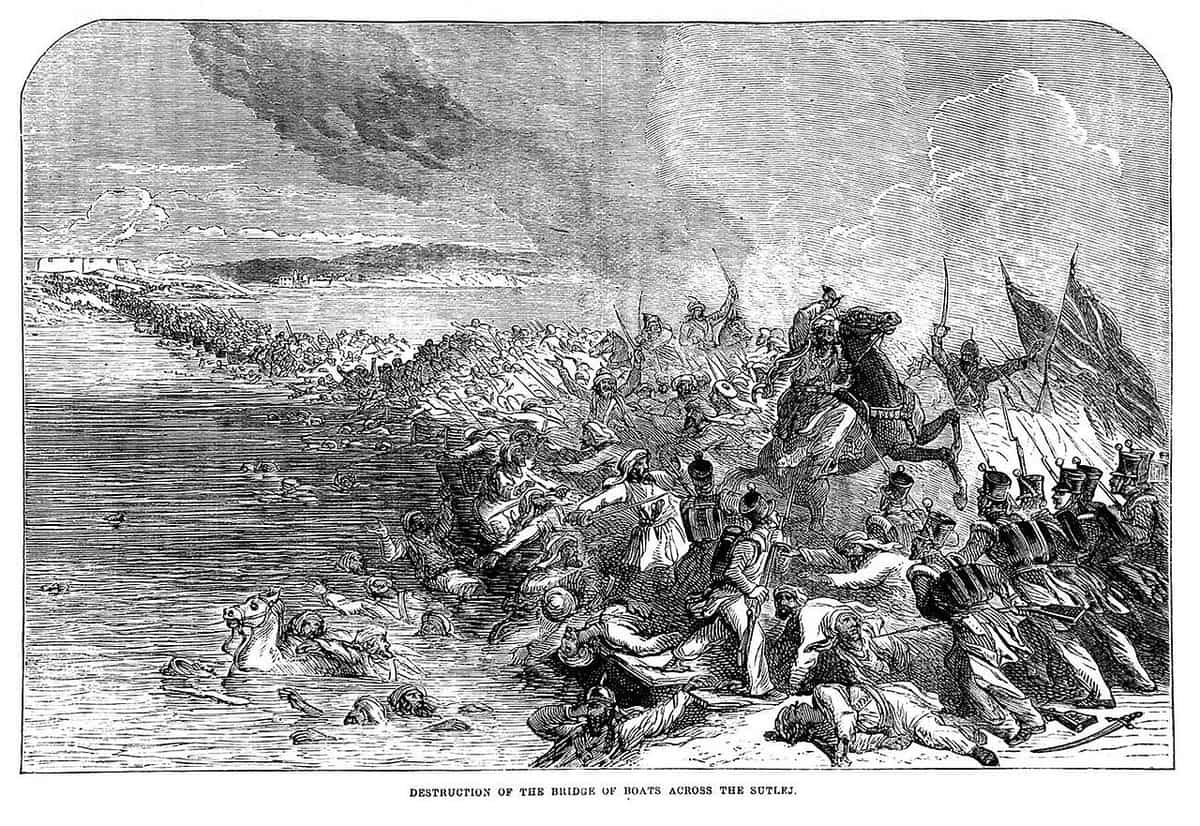
The deciding battle. Sham Singh Attariwala died fighting. The British then marched to Lahore.
First battle, 18 Dec 1845.
21–22 Dec 1845. Also spelt Pheru Shahar.
28 Jan 1846. Baddowal is nearby.
10 Feb 1846. Sham Singh Attariwala fell here.
First-war battlefields on today's map. All are in Indian Punjab.
Three treaties of 1846
Lahore, Amritsar, Bhairowal: each one took a little more.
- Ends the first war9 March 1846: Treaty of LahoreThe Jalandhar Doab (between the Beas and the Sutlej) goes to the Company. The Sikh army is cut down. A war fine of 1.5 crore rupees is fixed. Duleep Singh stays Maharaja, with Jind Kaur as regent and Lal Singh as wazir.
- Kashmir sold16 March 1846: Treaty of AmritsarLahore cannot pay the full fine, so it gives up the hill lands, including Kashmir. The British sell Jammu and Kashmir to Gulab Singh of Jammu for 75 lakh rupees.
- Rani removedDecember 1846: Treaty of BhairowalJind Kaur loses the regency. A council of 8 sardars rules under the British Resident, Sir Henry Lawrence. British troops stay in Lahore, paid by the Lahore state.
The Treaty of Amritsar of 1846 created the princely state of Jammu and Kashmir under the Dogra ruler Gulab Singh. Don't mix it up with the Treaty of Amritsar of 1809, signed by Ranjit Singh and Charles Metcalfe.
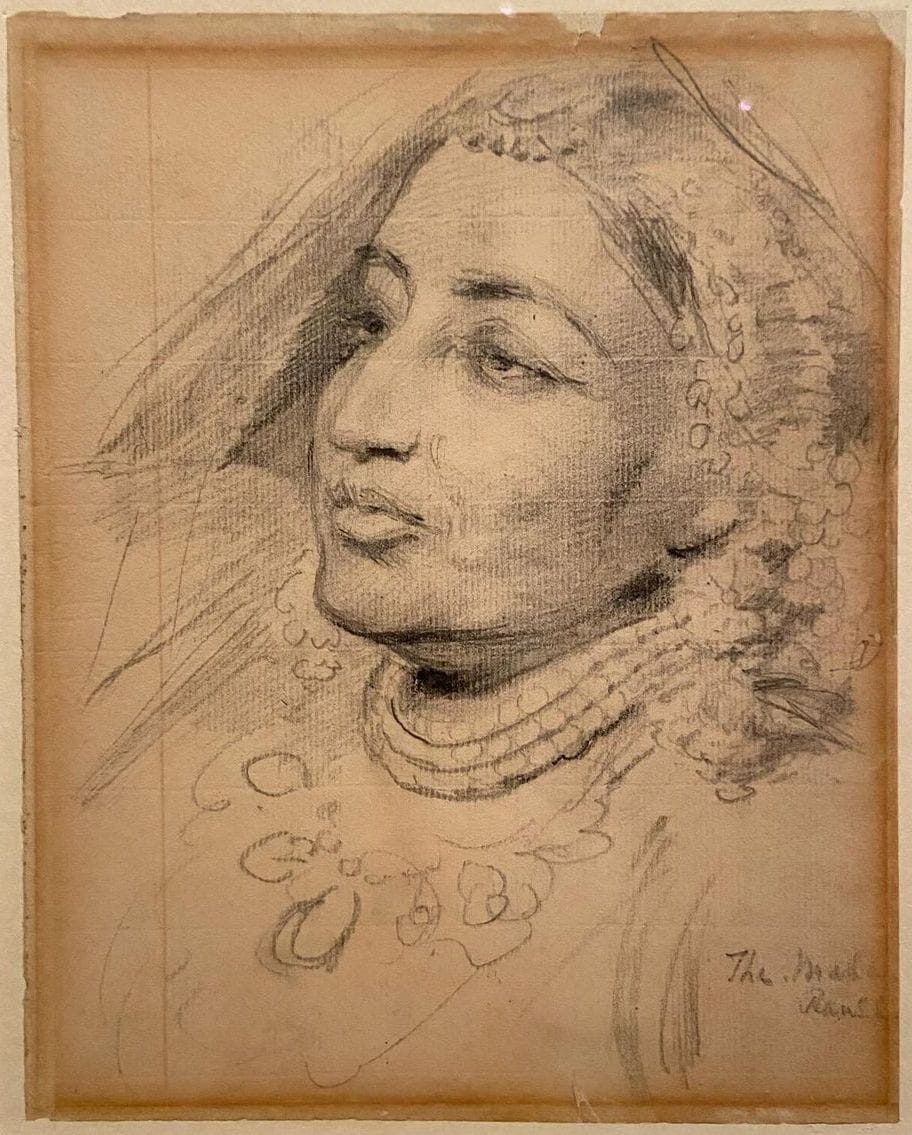
- Youngest wife of Ranjit Singh; mother of Duleep Singh
- Removed by the Treaty of Bhairowal; later held at Chunar, escaped to Nepal
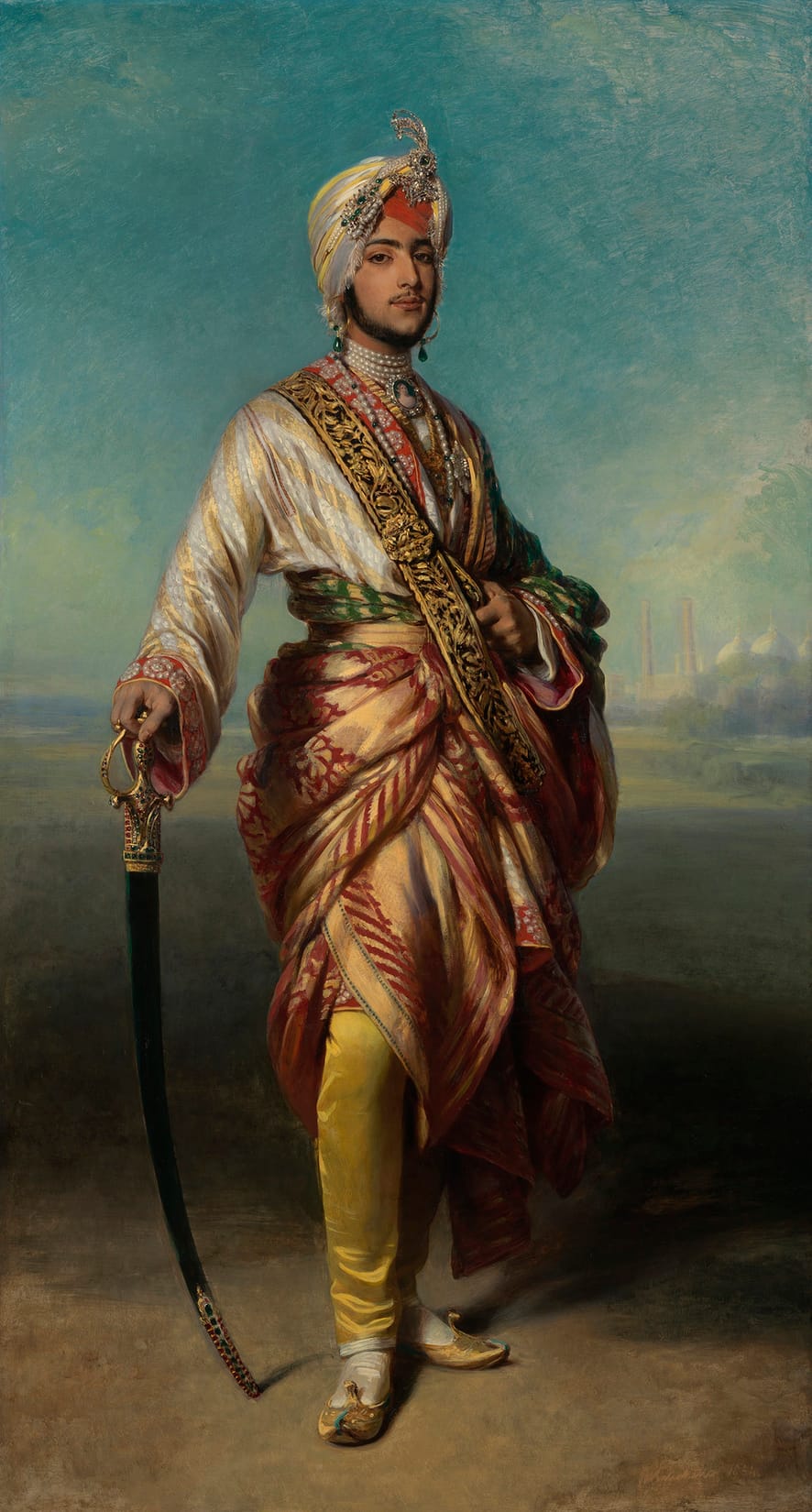
- Maharaja at 5, removed at 10 in 1849
- Taken to England in 1854; died in Paris, 1893
The Second Anglo-Sikh War, 1848–49
A revolt at Multan turns into a war for all of Punjab.
Punjab was angry at the treaties, the sale of Kashmir and the treatment of Rani Jindan. The spark came from Multan. Its governor, Diwan Mulraj, was pressed for more revenue and resigned. In April 1848 two British officers who came with the new governor, Vans Agnew and Anderson, were killed at Multan. Mulraj led the revolt that followed.
- Sher Singh Attariwala was sent to put down the revolt. In September 1848 he joined it and became the Sikh commander.
- His father Chattar Singh Attariwala rose in Hazara at the same time.
- The new Governor-General, Lord Dalhousie, wanted to end the Sikh kingdom. He used the revolt as his chance.
- Sir Hugh Gough again led the British army as Commander-in-Chief.
| Battle | Date | What happened |
|---|---|---|
| Ramnagar | 22 Nov 1848 | First clash on the Chenab; no clear result. |
| Sadullapur | 3 Dec 1848 | Sikh army moves back towards the Jhelum. |
| Chillianwala | 13 Jan 1849 | Very bloody; the British nearly lost. It shocked Britain. |
| Multan falls | Jan 1849 | Mulraj surrenders after a long siege. |
| Gujrat | 21 Feb 1849 | Deciding British win, the "Battle of the Guns". |
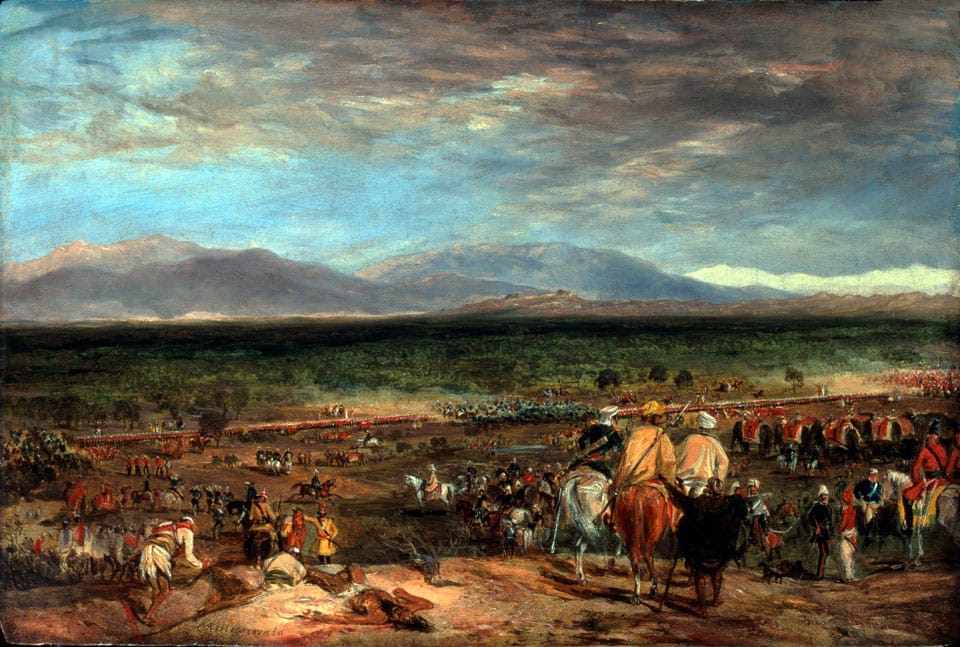
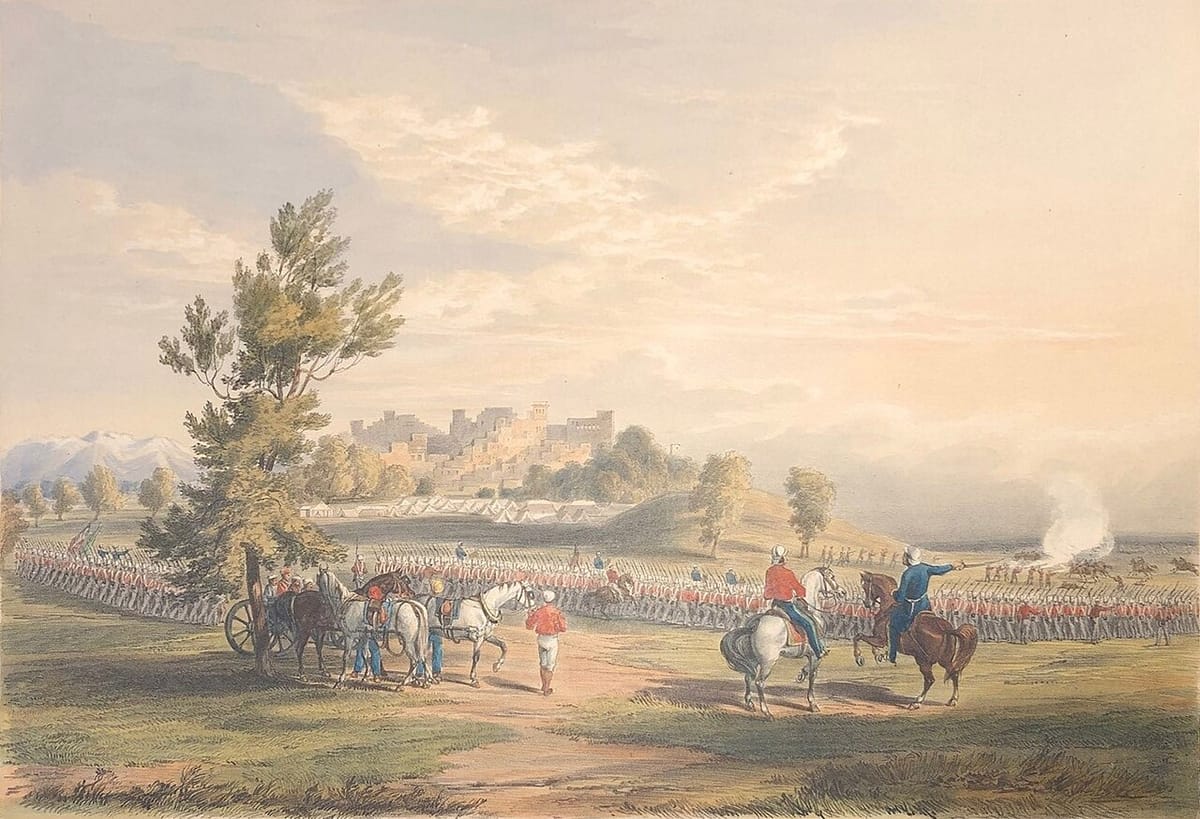
First war = "My Friend Always Sings": Mudki, Ferozeshah, Aliwal, Sobraon. Second war = "Ram Cheers Gujrat": Ramnagar, Chillianwala, Gujrat.
Annexation of Punjab, 1849
The end of the Sikh kingdom, and what came after.
Lord Dalhousie annexed Punjab by a proclamation read at Lahore. The boy Maharaja Duleep Singh, then 10 years old, lost his throne and was given a pension. The Koh-i-Noor diamond went to the British Crown and reached Queen Victoria in 1850. Punjab was taken by conquest, not by the Doctrine of Lapse.
- 1849Board of Administration
Three members ran Punjab: Henry Lawrence (President), John Lawrence and Charles Mansel.
- 1853First Chief Commissioner
The Board was ended. John Lawrence became Punjab's first Chief Commissioner.
- 1854Duleep Singh to England
He had become a Christian in 1853. He lived the rest of his life in Britain and Europe.
- 1857Punjab stays largely quiet
Punjabi troops and the Phulkian states helped the British retake Delhi.
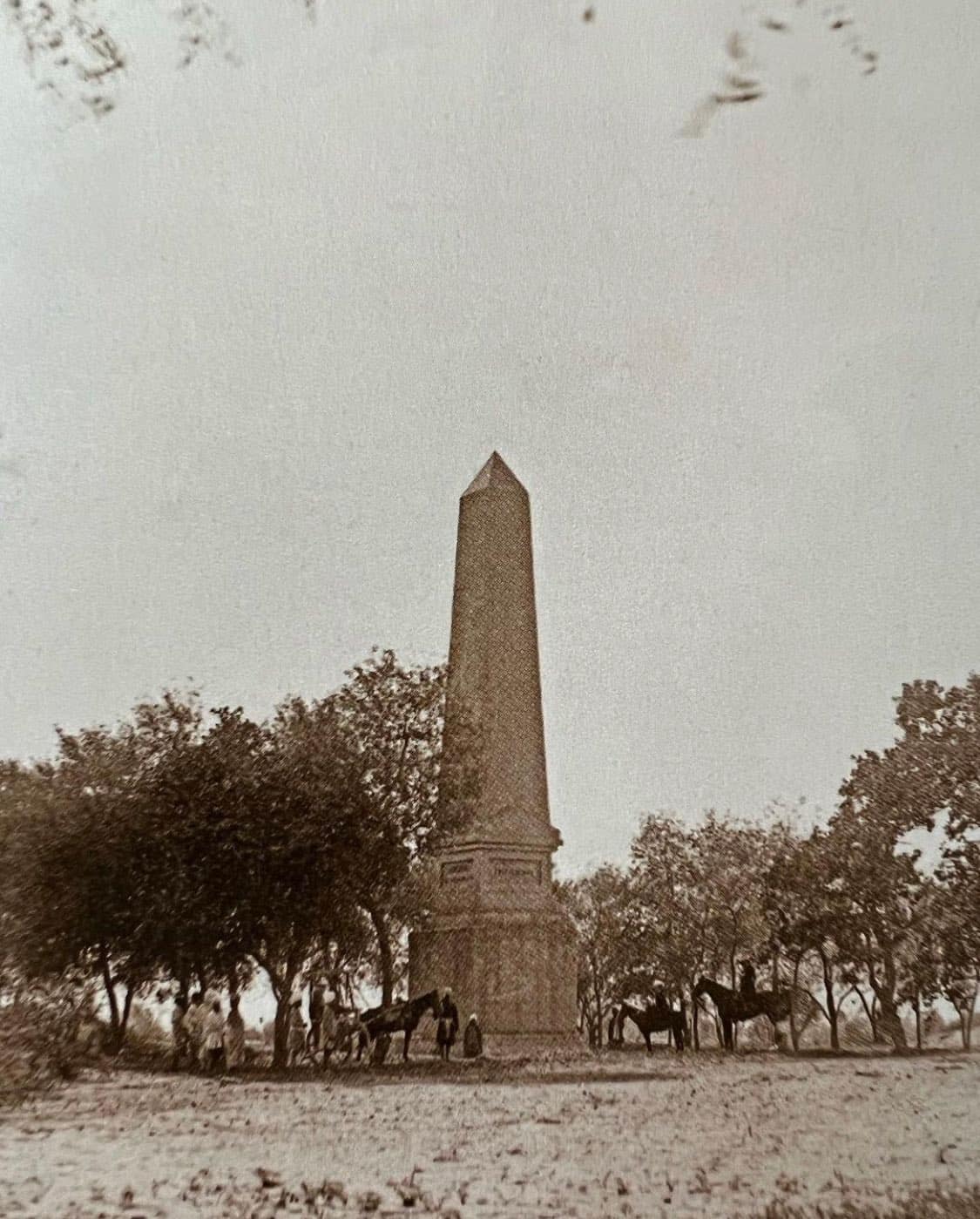
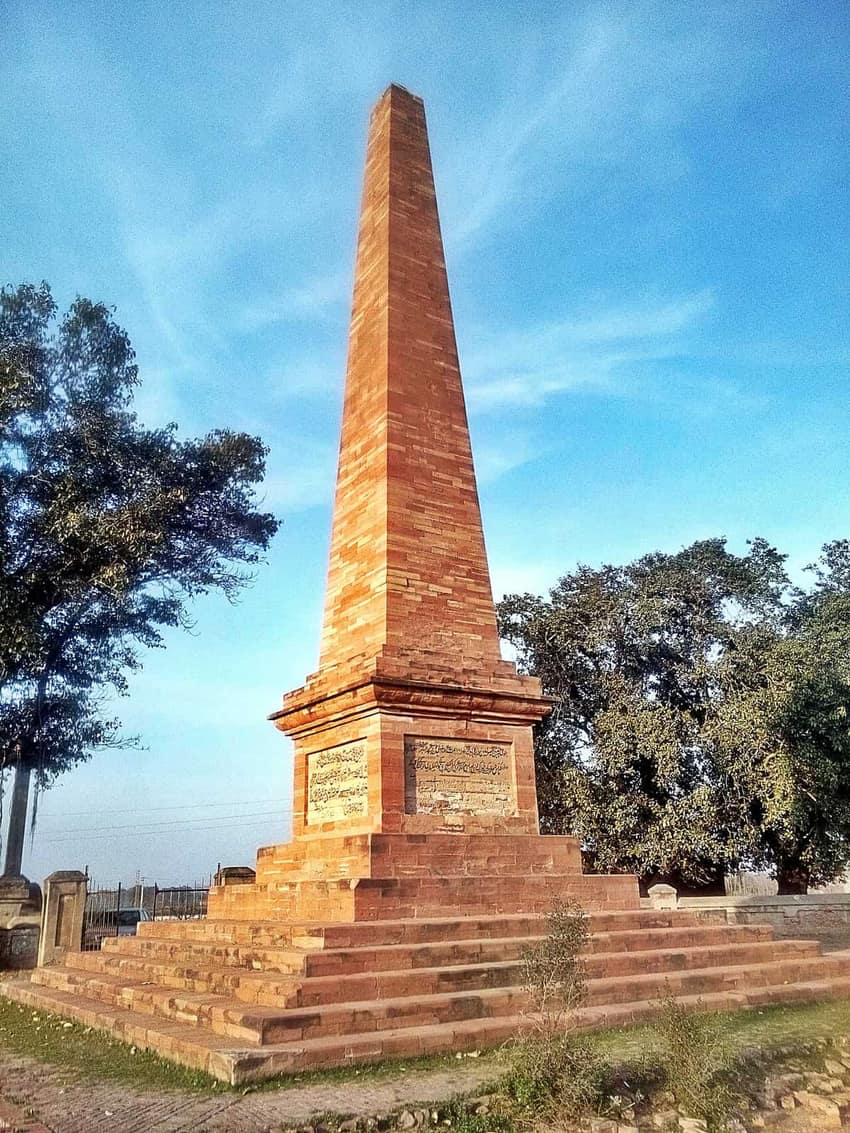
Also asked once: books and sourcesTap to open
- Waqai-i-Jang-i-Sikhan by Diwan Ajudhia Parshad is a Persian prose account of the First Anglo-Sikh War. He served the Lahore court, so it gives a Sikh-side view. (Asked in PPSC 2018.)
- Shah Muhammad's Jangnama is a Punjabi poem on the same war. It mourns the fall of the Sikh kingdom.
Everything on one look
The rulers, the battles, the treaties and the annexation.
- Governor-General: Hardinge; C-in-C: Gough
- Battles: Mudki (first), Ferozeshah, Aliwal, Sobraon (last)
- Traitors: Lal Singh (wazir), Tej Singh (commander)
- Treaty of Lahore, 9 March 1846: Jalandhar Doab lost
- Treaty of Amritsar, 1846: Kashmir to Gulab Singh
- Treaty of Bhairowal, Dec 1846: Jind Kaur removed
- Spark: Mulraj's revolt at Multan, April 1848
- Governor-General: Dalhousie; C-in-C: Gough
- Sikh commander: Sher Singh Attariwala
- Battles: Ramnagar, Sadullapur, Chillianwala, Gujrat
- Gujrat = Battle of the Guns, 21 Feb 1849
- Punjab annexed, 29 March 1849
- Ranjit Singh never fought the British. He died in 1839; the wars began in 1845.
- The ruler in both wars was Duleep Singh, not Ranjit Singh or Mulraj.
- Mudki was the first battle; Sobraon the last of the first war.
- Chillianwala and Gujrat belong to the second war.
- Gujrat, not Chillianwala, was the deciding battle and the "Battle of the Guns".
- Lal Singh was wazir; Tej Singh was commander-in-chief.
- Two Treaties of Amritsar: 1809 (Ranjit Singh–Metcalfe) and 1846 (Gulab Singh).
- Hardinge = first war; Dalhousie = second war and annexation.
- Punjab was annexed by conquest, not by the Doctrine of Lapse.
- Board of Administration President: Henry Lawrence. First Chief Commissioner: John Lawrence.
- Ranjit Singh took Lahore: 1799; died 1839
- First war: 1845–46
- First battle: Mudki, 18 Dec 1845
- Ferozeshah = Pheru Shahar, Dec 1845
- Aliwal: Harry Smith vs Ranjodh Singh, 1846
- Sobraon: 10 Feb 1846; Sham Singh Attariwala fell
- Treaty of Lahore: 9 March 1846
- Treaty of Amritsar: 16 March 1846, Gulab Singh
- Kashmir sold for 75 lakh rupees
- Treaty of Bhairowal: Dec 1846; Henry Lawrence Resident
- Second war: 1848–49
- Spark: Mulraj, Multan, April 1848
- Sikh commander: Sher Singh Attariwala
- Chillianwala: 13 Jan 1849
- Gujrat (Battle of the Guns): 21 Feb 1849
- Punjab annexed: 29 March 1849, Dalhousie
- Last Sikh ruler: Duleep Singh
- First Chief Commissioner: John Lawrence, 1853
Why is Punjab a wrong answer in questions on the Doctrine of Lapse?
Show answer
Because Punjab was annexed by conquest on 29 March 1849, after the British won the Second Anglo-Sikh War. The Doctrine of Lapse was used only when a ruler died without a natural son. Punjab still had a living Maharaja, Duleep Singh.