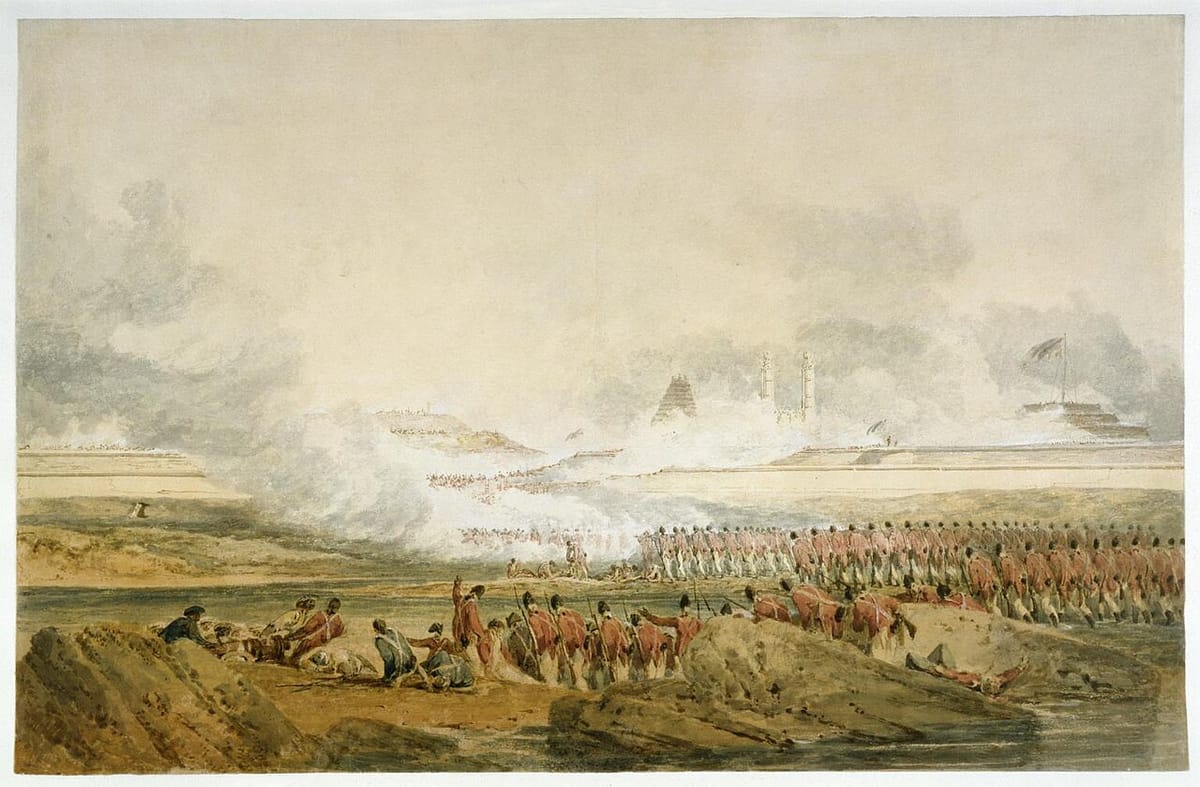
Between 1767 and 1799, the kingdom of Mysore fought the East India Company four times. Mysore was led first by Haider Ali and then by his son Tipu Sultan. Mysore won the first war and held its own in the second. It lost the third and was destroyed in the fourth, when Tipu died at Seringapatam on 4 May 1799.
South India before the Mysore wars
First the English beat the French. Then Mysore rose.
In the 1740s and 1750s, the English and the French fought for control of the south. These were the Carnatic Wars. The English won. At the same time, a soldier named Haider Ali was rising in Mysore. By about 1761 he was its real ruler. The old Wodeyar kings stayed on the throne only in name.
- 1746Battle of St. Thome
A small French force beats the much larger army of the Nawab of Carnatic, near Madras. This is part of the First Carnatic War.
- 1749–54Second Carnatic War
English and French back rival claimants to the Carnatic and Hyderabad thrones.
- 1760Battle of Wandiwash
English under Eyre Coote defeat the French under Lally. French power in India is broken.
- c. 1761Haider Ali takes control of Mysore
He rules for the Wodeyar king, who keeps only the title.
- 1764Battle of Buxar
In the north, the Company beats Mir Qasim, the Nawab of Awadh and the Mughal emperor together.
- 1767First Anglo-Mysore War begins
The south now has one strong Indian power facing the Company: Mysore.
The four wars at a glance
Learn this table first. Most questions come from it.
| War | Years | Mysore led by | How it ended |
|---|---|---|---|
| First | 1767–69 | Haider Ali | Treaty of Madras (1769). Haider Ali came close to Madras and forced peace. A Mysore success. |
| Second | 1780–84 | Haider Ali, then Tipu Sultan | Treaty of Mangalore (1784). Both sides gave back what they had taken. A draw. |
| Third | 1790–92 | Tipu Sultan | Treaty of Seringapatam (1792). Tipu lost about half his kingdom. |
| Fourth | 1799 | Tipu Sultan | No treaty. Seringapatam was stormed and Tipu was killed on 4 May 1799. |
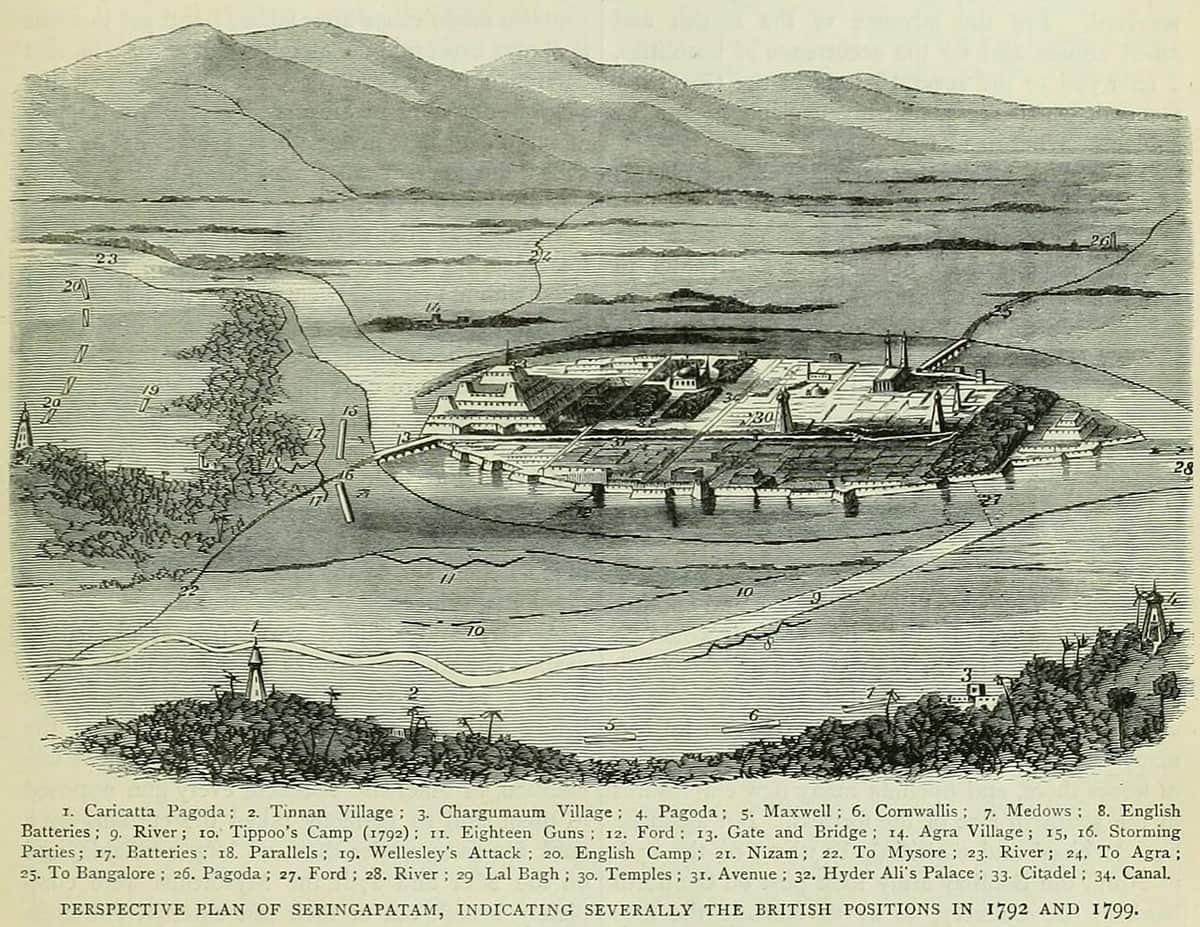
The Treaty of Seringapatam (1792) ended the Third war, not the Fourth. The Fourth war ended with no treaty. Tipu died fighting, and the British simply divided his kingdom. Seringapatam is the same place as Srirangapatna, near Mysore city.
Madras, Mangalore, Seringapatam, none. Say it as M-M-S-none: one treaty for each of the first three wars, and nothing for the fourth.
Governor-General when Haider Ali and Tipu fought the Company (1780–84).
Led the army himself. Made an alliance with the Nizam and the Marathas.
Feared Tipu's links with the French. Declared war in 1799.
Who led the British side. The First war came before the post of Governor-General existed.
Haider Ali's wars, 1767 to 1784
A soldier who became a ruler, and twice stood up to the Company.
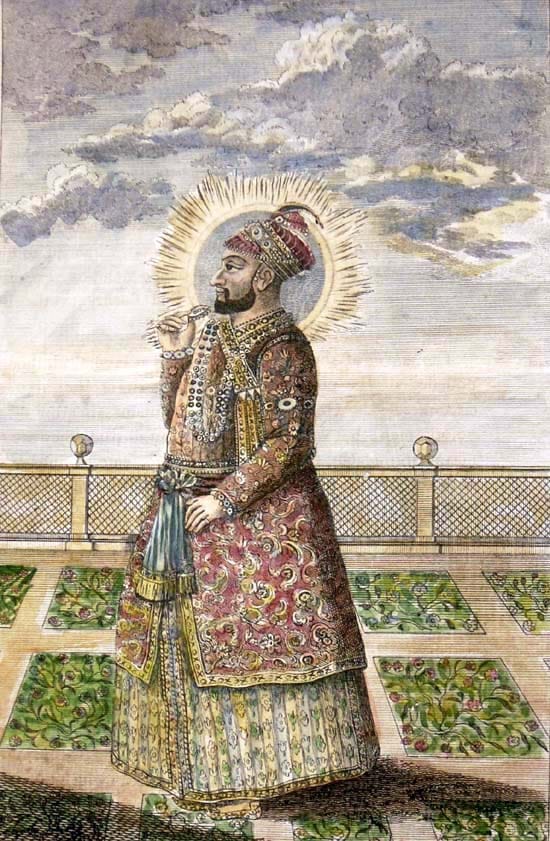
- Began as a soldier, not a king
- Won the First war; died during the Second
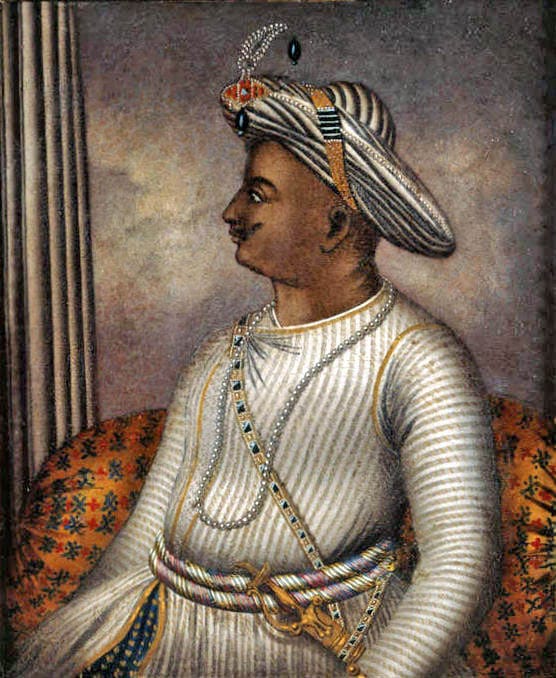
- Called the Tiger of Mysore
- Killed at Seringapatam on 4 May 1799
- The British gave the old Wodeyar family a smaller Mysore
- This Mysore had to accept the Subsidiary Alliance (Lord Wellesley's system, 1798): a British army stayed in the state, the ruler paid for it, and he could not deal with other powers without British consent
The Company, the Nizam and the Marathas joined against Haider Ali. He broke the alliance and marched to within a few miles of Madras. The frightened Company signed the Treaty of Madras (1769). Both sides returned conquests and promised to help each other if attacked.
When the Marathas attacked Mysore in 1771, the British did not help, as promised. In 1779 they also took Mahe, a French port in Haider's area. Haider struck in 1780. He died in December 1782, and Tipu fought on. The Treaty of Mangalore (1784) returned things to how they were.
Exam answer: Haider Ali died during the Second war (7 December 1782), not in the First or Third. The Second war was finished by Tipu, through the Treaty of Mangalore, 1784.
The Third war: Tipu against Cornwallis, 1790 to 1792
Three enemies at once, and half a kingdom lost.
In December 1789, Tipu attacked Travancore, a friend of the British. Lord Cornwallis answered with war. This time the Company did not fight alone. It made a Triple Alliance with the Nizam of Hyderabad and the Marathas.
- Dec 1789: Tipu attacks TravancoreTravancore was under British protection.
- Company + Nizam + Marathas1790: Triple AllianceTipu now faces three enemies together.
- March 1791: Bangalore takenCornwallis marches on Seringapatam, but the rains force him back.
- Feb 1792: Seringapatam besieged againTipu asks for peace.
- Third war endsMarch 1792: Treaty of SeringapatamTipu gives up about half his kingdom, pays a heavy war fine and hands over two sons as hostages.
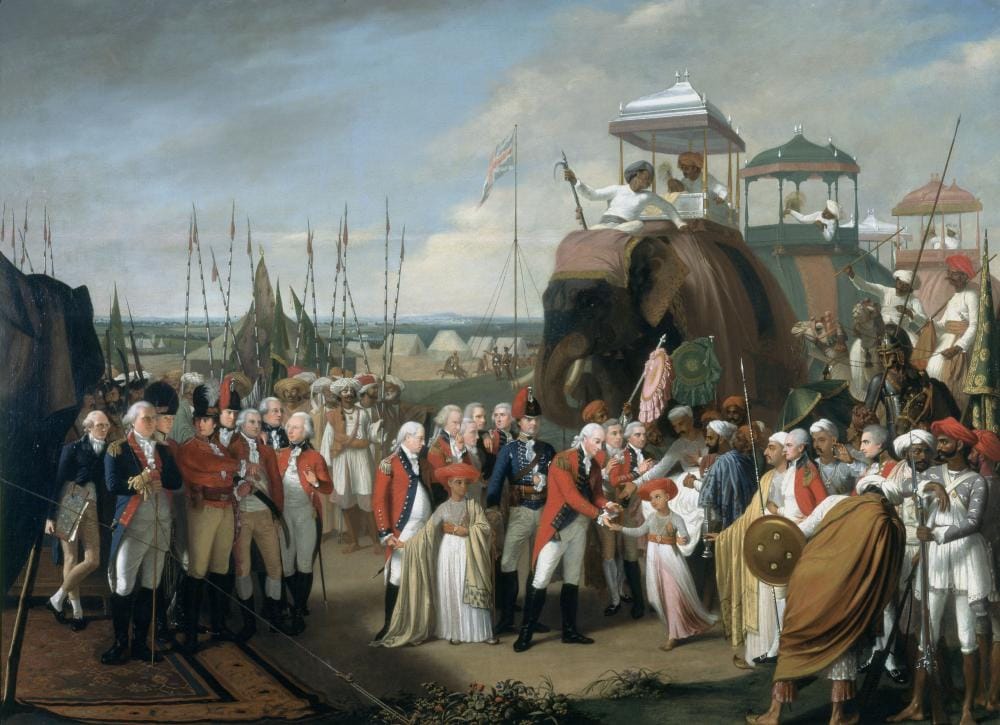
He led the Third Anglo-Mysore War himself.
Fixed land revenue for ever with the zamindars of Bengal, Bihar and Orissa.
Lord Cornwallis is asked about in other topics too.
Tipu Sultan and the fall of Mysore, 1799
A modern-minded ruler, the French link, and the last siege.
Tipu was more than a soldier. He issued new coins, a new calendar and new weights and measures. He used iron-cased rockets in battle. He also wrote to the French for help against the British. That French link gave Lord Wellesley his reason for war.
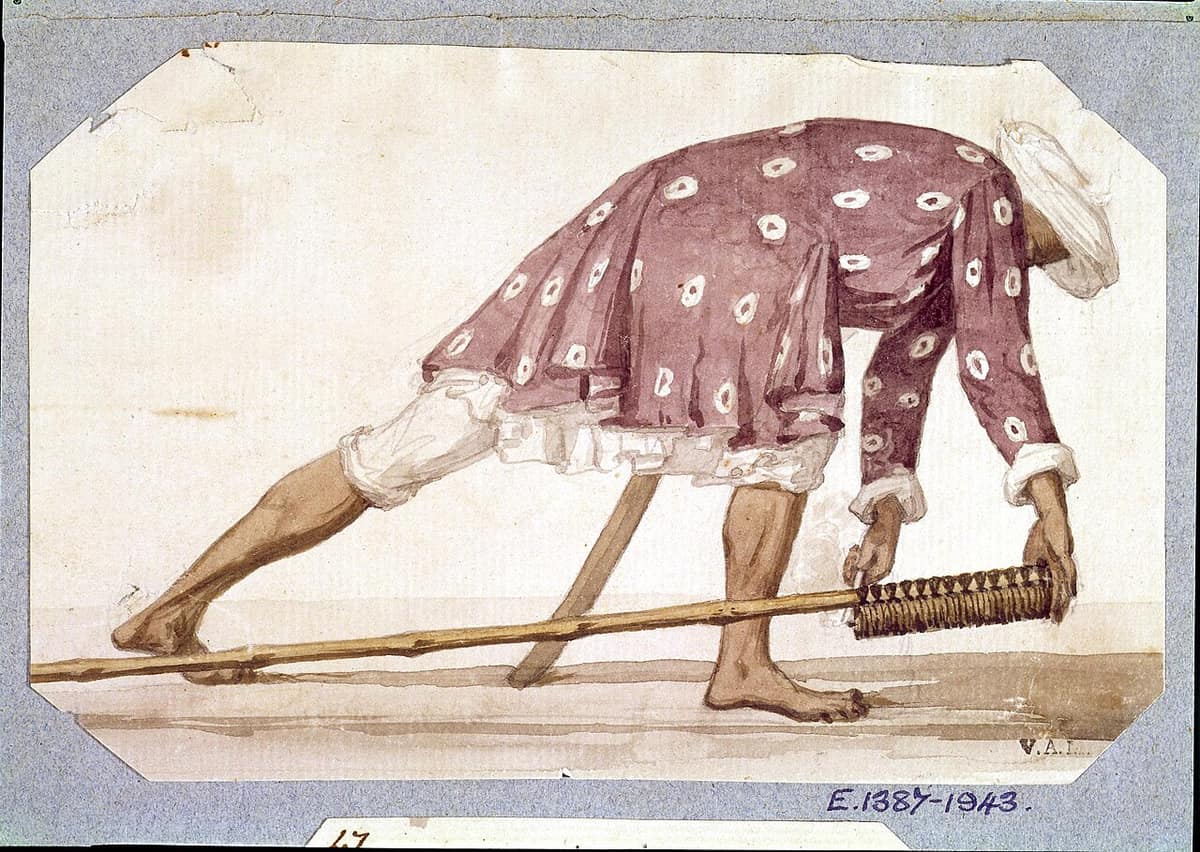
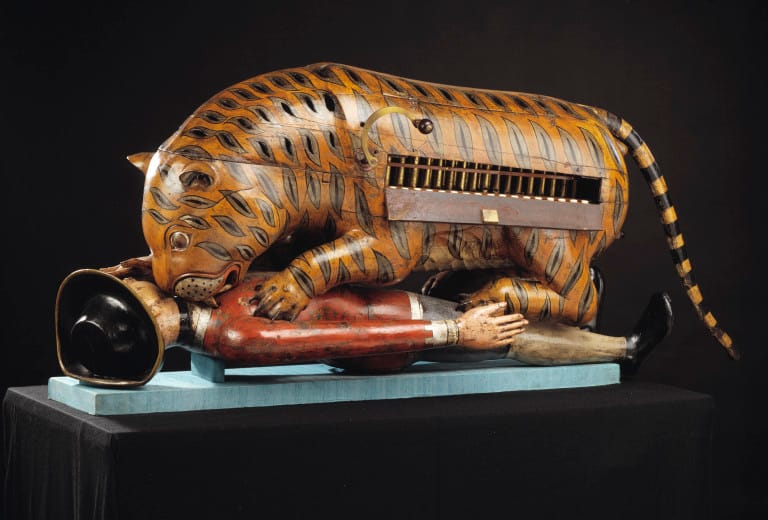
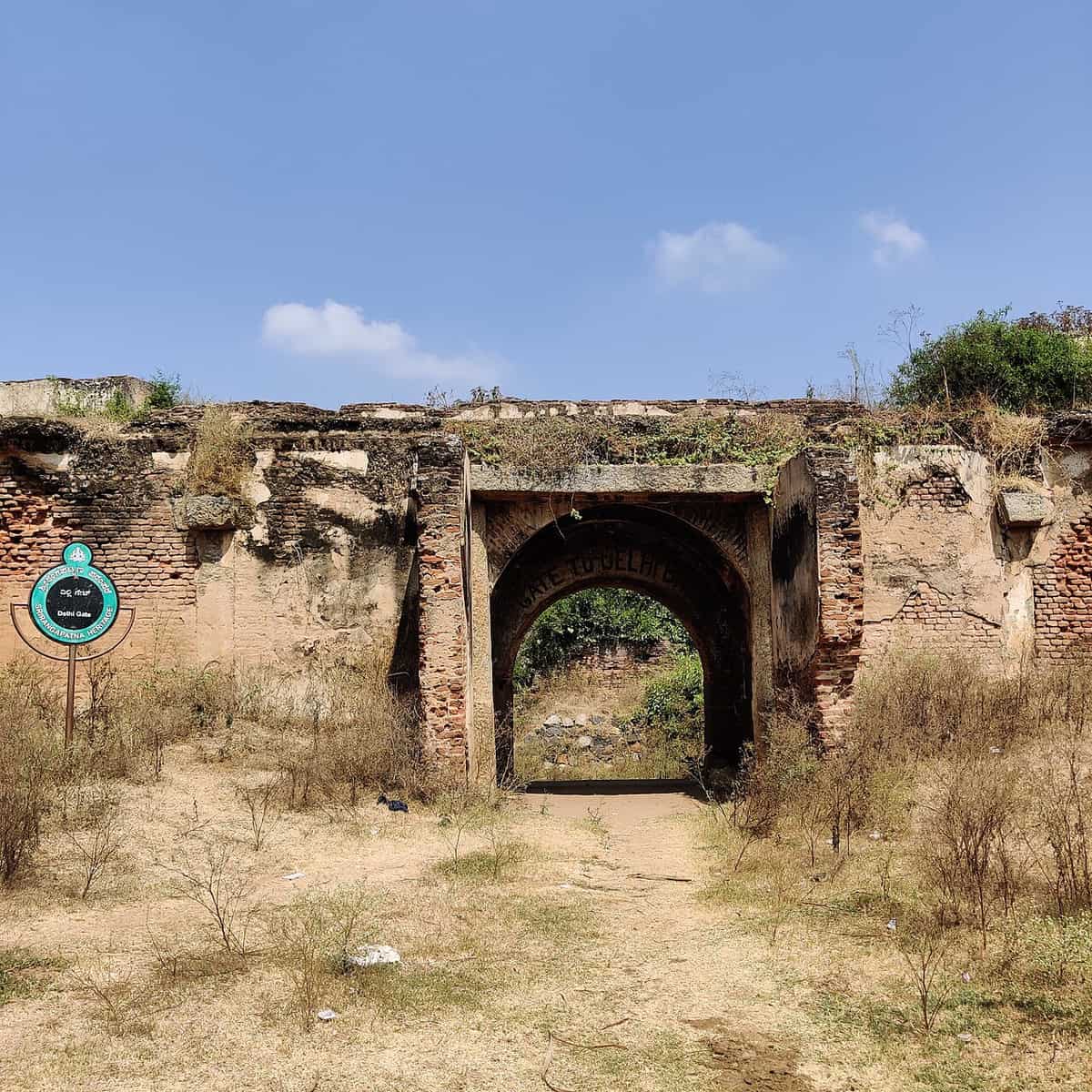
Tipu wanted the French as allies against the British. In 1797–98 he sent envoys to the French island of Mauritius. He is said to have joined a Jacobin Club and planted a Tree of Liberty at Seringapatam. These were symbols of the French Revolution, whose slogan was Liberty, Equality, Fraternity. Real French help never came in strength.
- 1798Lord Wellesley arrives
He is determined to remove French influence from India.
- Early 1799War declared
British and Nizam's armies march on Mysore. Arthur Wellesley, the Governor-General's brother, is among the commanders.
- 4 May 1799Seringapatam stormed
Tipu Sultan is killed defending his capital.
- 1799Mysore divided
The British and the Nizam take large areas. A small Mysore goes to a Wodeyar boy under the Subsidiary Alliance.
- 1Haider Alic. 1761–1782 · Real ruler; Wodeyar king only in nameson
- 2Tipu Sultan1782–1799 · Tiger of Mysoreput on throne by the British
- 3Krishnaraja Wodeyar IIIfrom 1799 · Boy king under British protection
Tipu was alone. The Nizam and the Marathas, who might have joined him, fought for the British in the Third war, and the Nizam again in the Fourth. The French help he hoped for never arrived. And the Company could bring money and troops from Bengal and Madras.
- First Anglo-Mysore War (1767–69)
- Treaty of Madras, 1769; Haider Ali wins
- Second Anglo-Mysore War (1780–84)
- Treaty of Mangalore, 1784; a draw
- Third Anglo-Mysore War (1790–92)
- Treaty of Seringapatam, 1792; Tipu loses half his kingdom
- Fourth Anglo-Mysore War (1799)
- No treaty; Tipu killed, Mysore divided
- Cornwallis
- Third war; also the Permanent Settlement, 1793
- Wellesley
- Fourth war; Subsidiary Alliance
Everything on one look
The wars, the treaties, the rulers and the end.
- First, 1767–69: Treaty of Madras
- Second, 1780–84: Treaty of Mangalore
- Third, 1790–92: Treaty of Seringapatam
- Fourth, 1799: no treaty
- Cornwallis led in the Third war
- Wellesley began the Fourth war
- Haider Ali ruled from about 1761
- Haider Ali died in December 1782
- Tipu Sultan: Tiger of Mysore
- Tipu lost half his kingdom in 1792
- Tipu killed: 4 May 1799, Seringapatam
- Mysore under Subsidiary Alliance, 1799
- The Treaty of Seringapatam (1792) ended the Third war, not the Fourth.
- The Fourth war had no treaty; Tipu was killed.
- Haider Ali died during the Second war (1782), of illness, not in battle.
- The First war was a Mysore success, not a British one.
- Cornwallis fought the Third war; Wellesley the Fourth.
- The Nizam and the Marathas helped the British against Tipu in 1790–92.
- Tipu, not Haider Ali, is the Tiger of Mysore.
- Wandiwash (1760) was English vs French, not English vs Haider Ali.
- Seringapatam and Srirangapatna are the same place.
- Anglo-Mysore Wars: 4 wars, 1767–1799
- Haider Ali: real ruler from about 1761
- First war: 1767–69, Treaty of Madras
- Second war: 1780–84, Treaty of Mangalore
- Haider Ali died: 7 December 1782
- Pollilur 1780: Haider and Tipu beat Baillie
- Third war: 1790–92, Treaty of Seringapatam
- Third war cause: Tipu attacks Travancore
- Triple Alliance: Company, Nizam, Marathas
- 1792: Tipu gives half his kingdom and two sons as hostages
- Fourth war: 1799, no treaty
- Tipu killed: 4 May 1799
- Mysore after 1799: Wodeyars, Subsidiary Alliance
- Tipu's rockets: iron-cased
- Tipu's Tiger: now in London
- Battle of St. Thome: 1746
- Wandiwash 1760: English beat French
Which treaty ended the Third Anglo-Mysore War, and what did Tipu lose?
Show answer
The Treaty of Seringapatam (1792). Tipu gave up about half his kingdom to the British and their allies, paid a heavy war fine and handed over two of his sons as hostages.