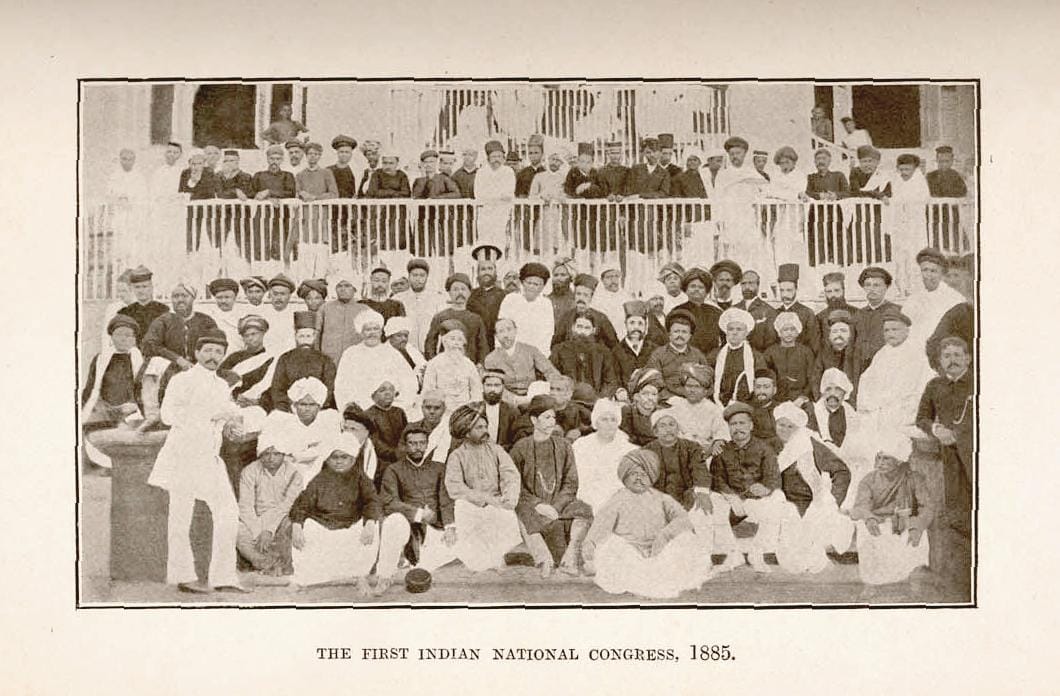
The Indian National Congress was founded in December 1885. Its first session met in Bombay from 28 to 31 December. 72 delegates attended. A retired British officer, A. O. Hume, organised it. A Calcutta lawyer, W. C. Bonnerjee, was its first President. Sixty-two years later, this body led India to freedom.
Before the Congress
Indians were organising long before 1885.
The Congress did not appear from nowhere. From the 1850s, educated Indians formed political associations. They wrote petitions and held public meetings. But each body worked mostly for its own region. The Congress joined these regional leaders into one all-India body.
- 1851British Indian Association, Calcutta
A body of big landlords. Its first president was Raja Radhakanta Deb.
- 1866East India Association, London
Founded by Dadabhai Naoroji to put India's case before the British public.
- 1870Poona Sarvajanik Sabha
A Poona body closely linked with Justice M. G. Ranade.
- 1876Indian Association, Calcutta
Founded by Surendranath Banerjea and Ananda Mohan Bose. It held an All-India National Conference in 1883.
- 1884Madras Mahajan Sabha
The main political body of Madras.
- Jan 1885Bombay Presidency Association
Formed by Pherozeshah Mehta, K. T. Telang and Badruddin Tyabji.
Under Viceroy Lord Lytton (1876–80), the Vernacular Press Act (1878) gagged Indian-language newspapers. The Arms Act (1878) barred Indians from keeping arms without a licence. In 1876 the top age for the civil service exam was cut from 21 to 19, which hurt Indian candidates. Then in 1883 came the Ilbert Bill row. Europeans in India protested loudly against a bill that let Indian judges try Europeans, and the government gave way. Indians learnt that organised protest works.
The first session, December 1885
The facts every paper asks.
| Fact | Detail |
|---|---|
| Dates | 28 to 31 December 1885 |
| Place | Gokuldas Tejpal Sanskrit College, Bombay |
| Delegates | 72: lawyers, traders, landholders, teachers and journalists |
| First President | Womesh Chandra (W. C.) Bonnerjee, a Calcutta barrister |
| Organiser | Allan Octavian Hume, retired ICS officer; the first General Secretary |
| Viceroy | Lord Dufferin |
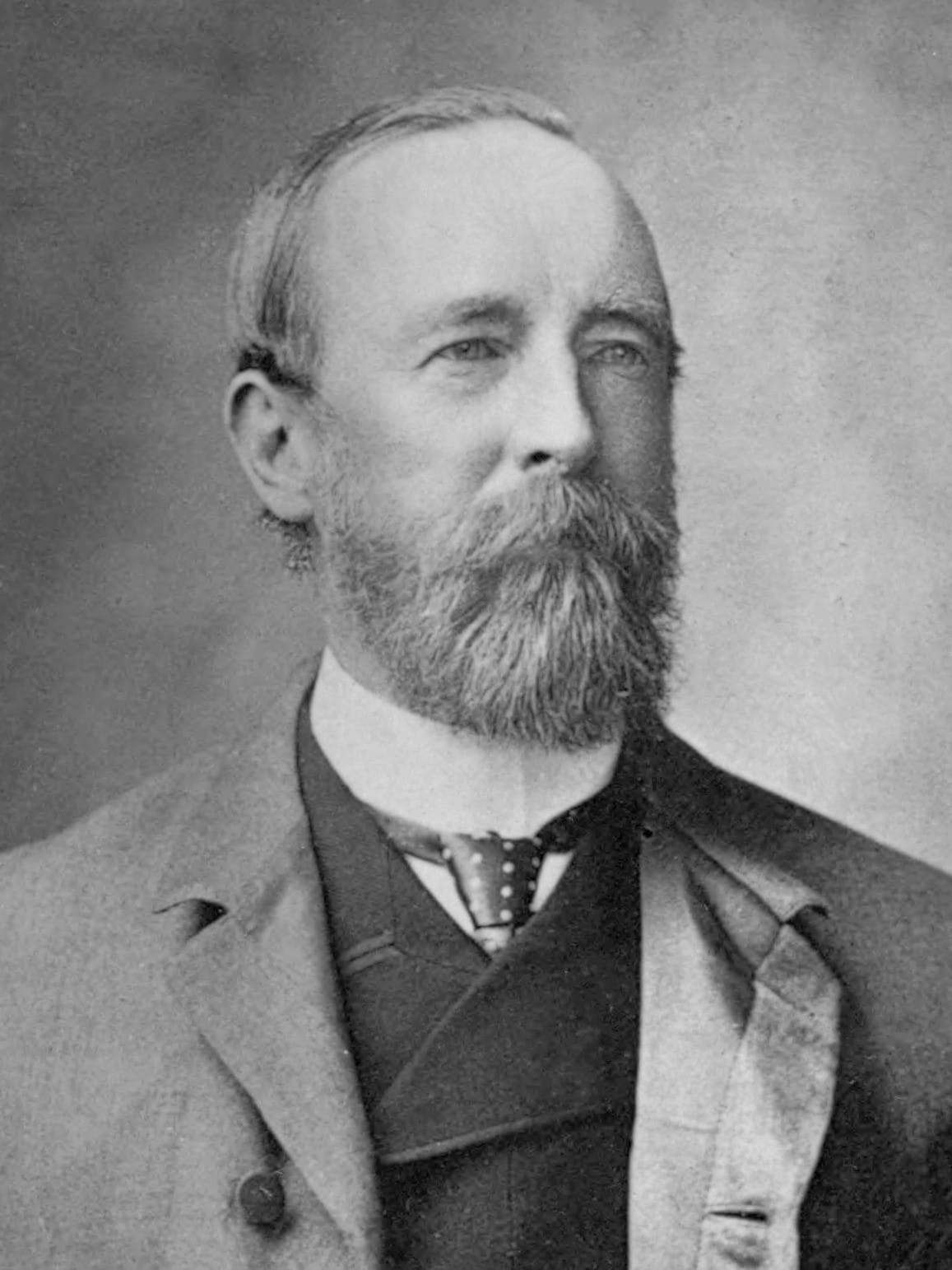
The meeting was first planned at Poona, under the name Indian National Union. An outbreak of cholera in Poona forced a move to Bombay. By the time it met, the name had become Indian National Congress. Exams test both details: the old name and the old venue.
Exam answer: Hume organised the Congress, so he is called its founder. W. C. Bonnerjee was its first President. Don't mix the two.
Why did Hume start it?
Two theories, and what historians say now.
Why would a retired British officer help Indians organise? Historians give two answers. Exams ask about both, especially the safety valve theory.
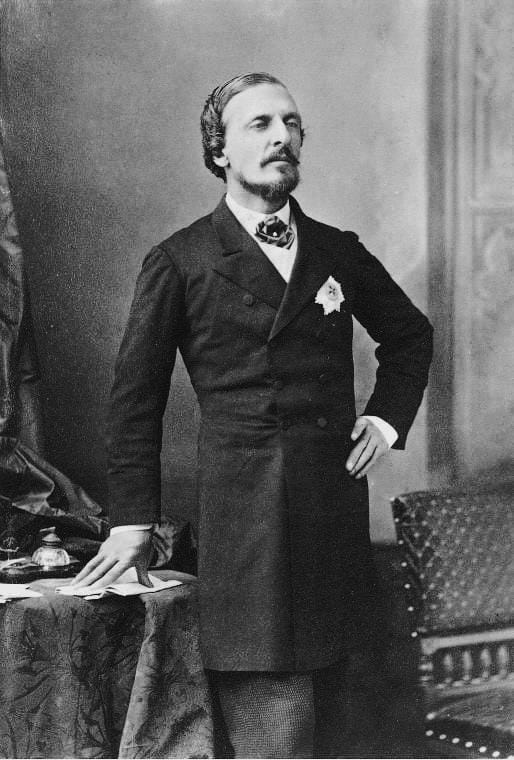
The safety-valve story rests on thin evidence. Indians were already meeting at an all-India level, as the National Conference of 1883 shows. And the Viceroy himself soon turned against the Congress. So Hume was a helper and catalyst, not a British puppet-master.
Early presidents
Leaders from different regions and communities.
The Congress met once a year, in the last week of December, in a different city each time. Its leaders wanted it to speak for all of India. So presidents were chosen from different communities. These early leaders are called the Moderates.
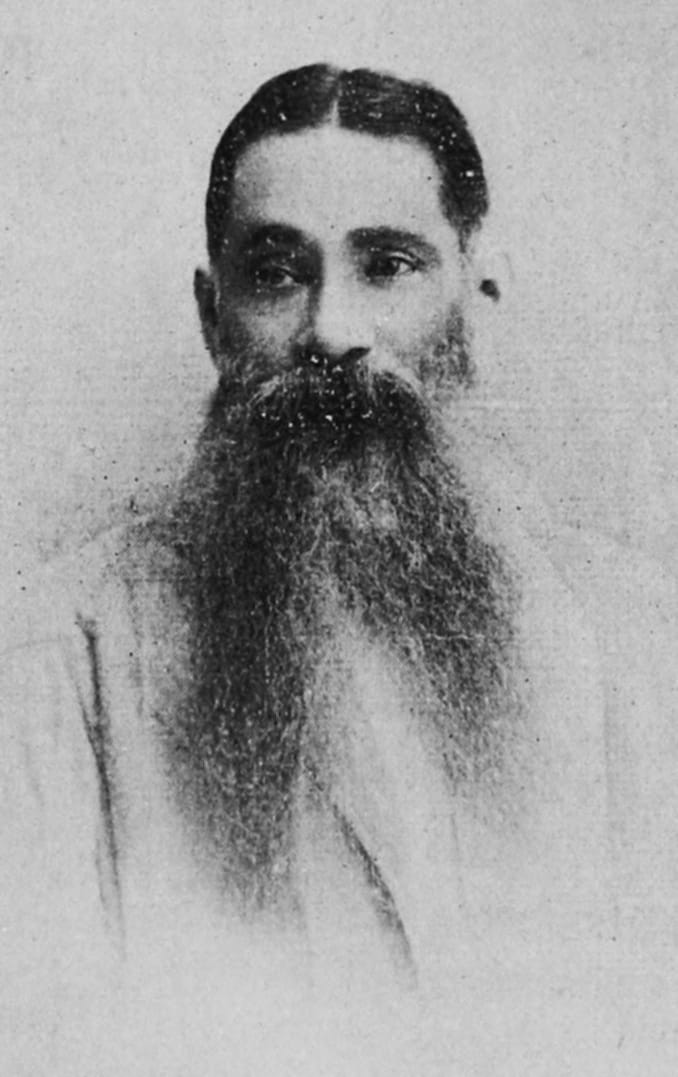
- Calcutta barrister
- Presided again at Allahabad, 1892
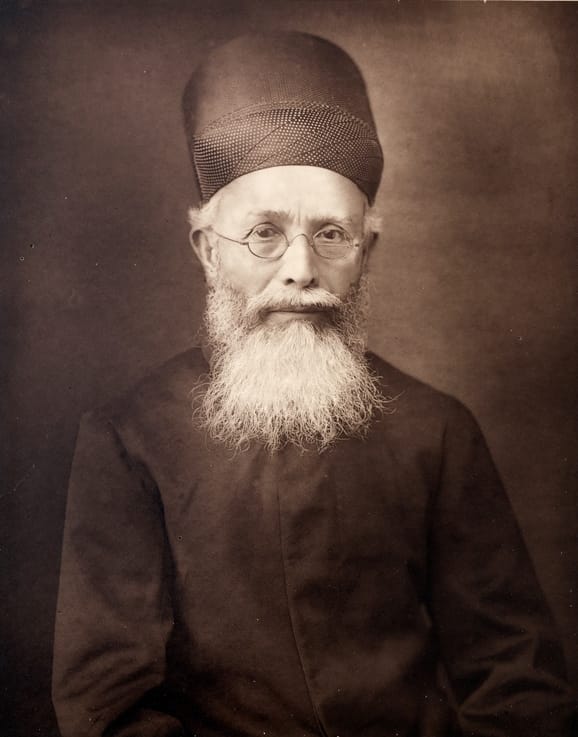
- The Grand Old Man of India
- Called British rule "un-British"; gave the drain of wealth theory
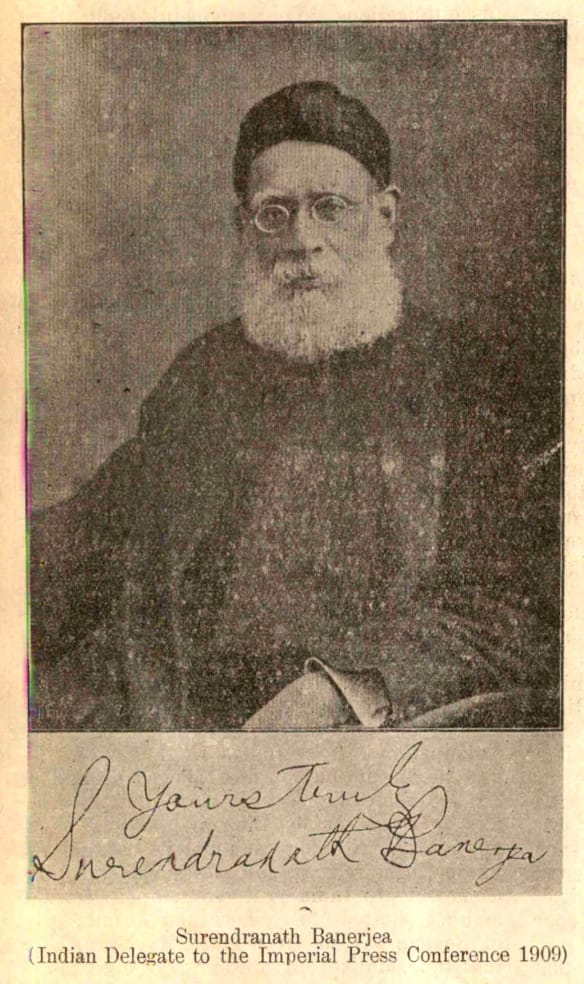
- Led the National Conference (1883), which merged into the Congress in 1886
- Congress President in 1895 and 1902
- First Muslim President
- A founder of the Bombay Presidency Association
- First English President
- A Calcutta businessman
| Year and place | President | Remember |
|---|---|---|
| 1885 Bombay | W. C. Bonnerjee | First session |
| 1886 Calcutta | Dadabhai Naoroji | National Conference joins the Congress |
| 1887 Madras | Badruddin Tyabji | First Muslim President |
| 1888 Allahabad | George Yule | First English President |
| 1893 Lahore | Dadabhai Naoroji | First session in Punjab |
First woman to address a Congress session (Calcutta).
First woman President. Born in London to a family of Irish descent. Started a Home Rule League at Madras in 1916; Tilak ran another.
First Indian woman President. Called the Nightingale of India.
The third woman to preside over a session.
Women and the Congress: four names exams ask.
Later sessions to remember
Lahore 1929 and Lucknow 1936 are asked the most.
Exams also ask about later sessions. Learn the place, year and president together. Lahore, in undivided Punjab, hosted some of the most important ones.
- 1905Benares — Gopal Krishna Gokhale
Supported the Swadeshi movement against the Partition of Bengal.
- 1907Surat — Rash Behari Ghosh
The Congress split into Moderates and Extremists.
- 1929Lahore — Jawaharlal Nehru
Nehru's first term as President. Purna Swaraj (complete independence) resolution. Tricolour hoisted on the bank of the Ravi on 31 December.
- 1931Karachi — Vallabhbhai Patel
Resolution on Fundamental Rights.
- 1936Lucknow — Jawaharlal Nehru
The All India Kisan Sabha was founded at Lucknow at the same time.
- 1938Haripura — Subhas Chandra Bose
Said the goal of independence covers the princely states too.
- 1939Tripuri — Subhas Chandra Bose
Bose was re-elected but soon resigned.
Lahore hosted Congress sessions in 1893 (Dadabhai Naoroji), 1900 (N. G. Chandavarkar), 1909 (Madan Mohan Malaviya) and 1929 (Jawaharlal Nehru). The 1929 session is the most famous. On the bank of the Ravi the Congress demanded Purna Swaraj, and 26 January 1930 was kept as Independence Day.
Princely states and the Congress (asked in PPSC)Tap to open
- The All India States People's Conference was formed in 1927 to fight for people's rights in the princely states.
- Jawaharlal Nehru became its President in 1939, at its Ludhiana session.
- At Haripura (1938) the Congress said its goal of independence included the princely states.
- The Tripuri session (1939) endorsed this again.
- First session
- Bombay, 28–31 Dec 1885, 72 delegates
- Founder / organiser
- A. O. Hume, retired ICS officer
- First President
- W. C. Bonnerjee
- First Muslim President
- Badruddin Tyabji, Madras 1887
- First English President
- George Yule, Allahabad 1888
- First woman to address the Congress
- Kadambini Ganguly, 1890
- First woman President
- Annie Besant, Calcutta 1917
- First Indian woman President
- Sarojini Naidu, Kanpur 1925
- First session in Punjab
- Lahore 1893, Dadabhai Naoroji
- Purna Swaraj
- Lahore 1929, Jawaharlal Nehru
Everything on one look
The session, the founder, the theories and the presidents.
- Founded December 1885, Bombay
- Venue: Gokuldas Tejpal Sanskrit College
- 72 delegates
- Organiser: A. O. Hume, retired ICS
- First President: W. C. Bonnerjee
- Viceroy: Lord Dufferin
- Safety valve: Hume, Wedderburn (1913), Lajpat Rai
- Lightning conductor: Indians used Hume
- 1887 Tyabji: first Muslim President
- 1888 Yule: first English President
- 1917 Besant; 1925 Sarojini Naidu
- 1929 Lahore: Nehru, Purna Swaraj
- The first session was at Bombay, not Poona. Cholera forced the change.
- The planned name was Indian National Union.
- W. C. Bonnerjee, not Hume, was the first President.
- Dufferin was Viceroy in 1885, not Ripon or Curzon.
- East India Association (London, 1866) was Naoroji's; the Indian Association (Calcutta, 1876) was Surendranath's.
- Annie Besant was the first woman President; Sarojini Naidu the first Indian woman President.
- Kadambini Ganguly spoke at the Congress in 1890 but never presided.
- Nehru's first presidency was Lahore 1929, not Lucknow 1936.
- Syed Ahmad Khan did not found the Muslim League; he died in 1898.
- INC founded: December 1885, Bombay
- First session: 28–31 Dec 1885, 72 delegates
- Venue: Gokuldas Tejpal Sanskrit College
- Founder: A. O. Hume (retired ICS)
- First President: W. C. Bonnerjee
- Viceroy in 1885: Lord Dufferin
- Planned name: Indian National Union (Poona)
- Safety valve: Wedderburn's book, 1913
- Indian Association: 1876, Surendranath Banerjea
- East India Association: 1866, Naoroji, London
- First Muslim President: Badruddin Tyabji (1887)
- First English President: George Yule (1888)
- First woman President: Annie Besant (1917)
- First Indian woman President: Sarojini Naidu (1925)
- First session in Punjab: Lahore 1893
- Purna Swaraj: Lahore 1929, Nehru
- Kisan Sabha: Lucknow 1936
Why is A. O. Hume called the founder of the Congress, and what is the safety valve theory?
Show answer
Hume, a retired ICS officer, organised the first session at Bombay in December 1885. The safety valve theory says he did it so that Indian anger would escape harmlessly through talk instead of revolt. It comes from Wedderburn's 1913 life of Hume. Most historians now see Hume as a helper of a movement Indians had already begun.