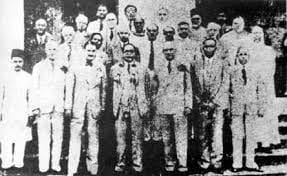
In November 1927 the British government named a commission to review India's system of rule. Its chairman was Sir John Simon. All its members were British. Indians were angry and met it with black flags and the cry "Simon Go Back". At Lahore, Lala Lajpat Rai was beaten by the police and died. Indian leaders also wrote their own plan of government, the Nehru Report of 1928.
A commission with no Indian on it
Why it was formed, and why it came early.
The Government of India Act 1919 had a promise. After ten years, a commission would check how the new system was working. It would also say if India was fit for more reforms. So the review was due in 1929.
This is the official name of the Simon Commission. "Statutory" means it was set up because a law (the 1919 Act) asked for it. People called it after its chairman, Sir John Simon, a Liberal MP and lawyer.
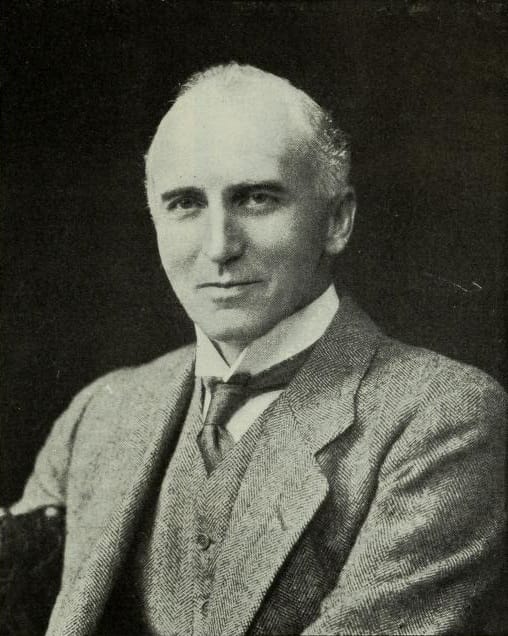
The commission was named in 1927, not 1929. The Conservative government in Britain feared it might lose the next election. A Labour government might choose people kinder to Indian demands. So it acted early. The Secretary of State for India was Lord Birkenhead. The Viceroy was Lord Irwin.
"Simon Go Back": the boycott
Black flags from Bombay to Lahore.
The insult was so plain that many parties came together. The Congress decided to boycott the commission at its Madras session in December 1927. Wherever the commission went, people met it with a hartal (shops shut), black flags and the slogan "Simon Go Back".
- Nov 1927Commission announced
Seven British MPs under Sir John Simon.
- Dec 1927Madras Congress
The Congress, under president M. A. Ansari, resolves to boycott it "at every stage and in every form".
- 3 Feb 1928Lands at Bombay
An all-India hartal, black flags and "Simon Go Back".
- 30 Oct 1928Lahore
Lala Lajpat Rai leads a silent protest march. The police beat him with lathis.
- Nov 1928Lucknow
Police also beat protesters at Lucknow. Jawaharlal Nehru was among those hit.
- 1930Report published
It said nothing about dominion status. Indians had already rejected it.
- Boycotted: the Congress, the Hindu Mahasabha, the liberals and Jinnah's group of the Muslim League.
- Did not boycott: the Unionist Party of Punjab, the Justice Party of Madras and Muhammad Shafi's group of the Muslim League.
Exam answer: the commission was named in 1927 but arrived in India in 1928 (Bombay, 3 February).
One more statement question on the commissionTap to open
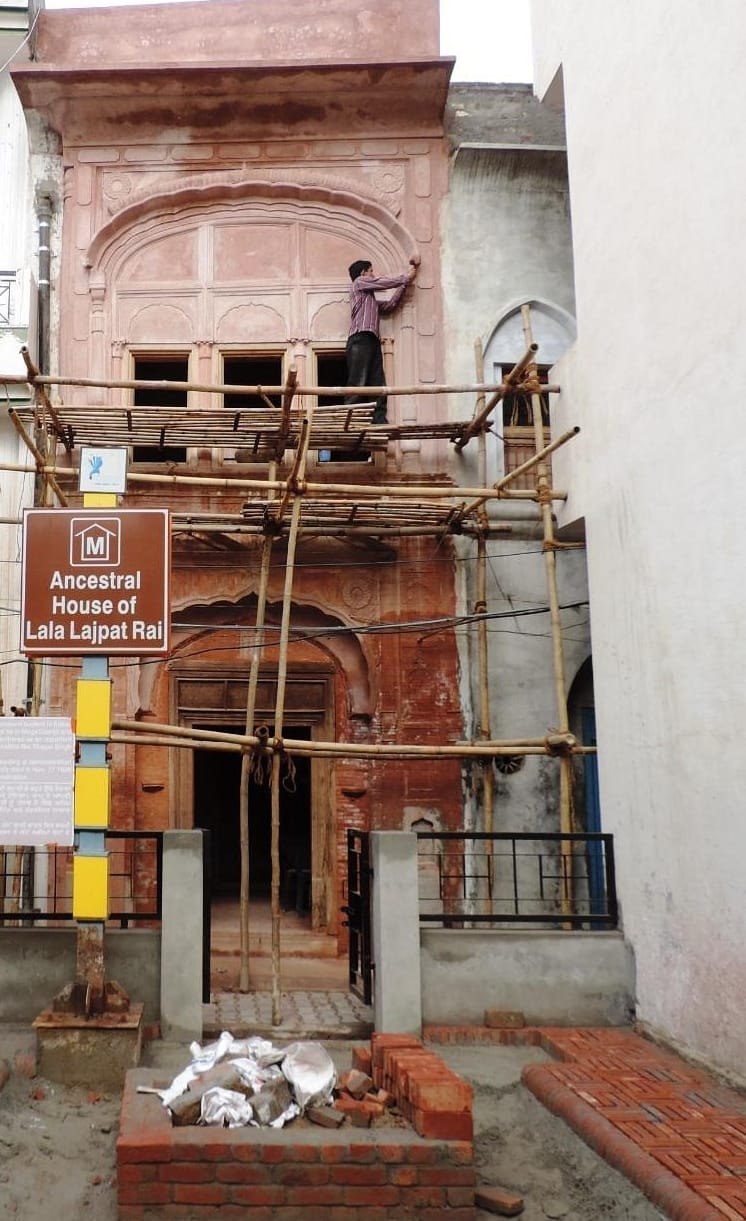
Lala Lajpat Rai, the Lion of Punjab
The Punjab leader who led the Lahore protest.
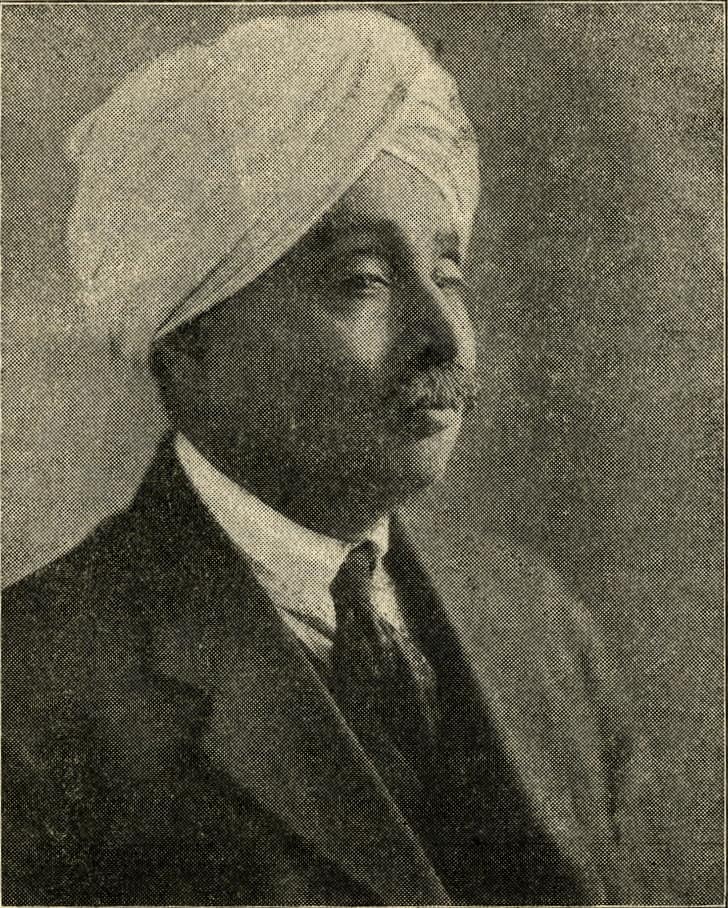
Lajpat Rai was born on 28 January 1865 at Dhudike, a village now in Moga district. His family home was at Jagraon (Ludhiana). He was a leader of the Arya Samaj and one of the Lal-Bal-Pal trio, with Tilak and Bipin Chandra Pal. He was a bold speaker and writer.
Deported to Burma without trial, with Sardar Ajit Singh, after the Punjab farmers' protest.
Presided over the special Calcutta session. He was also the first president of the AITUC (1920).
Founded this society in Lahore to train workers for public service.
Led the march against the Simon Commission. Died of his injuries weeks later.
Lajpat Rai's life in four facts.
From Lahore lathis to Bhagat Singh
One protest, one death, and a young man's revenge.
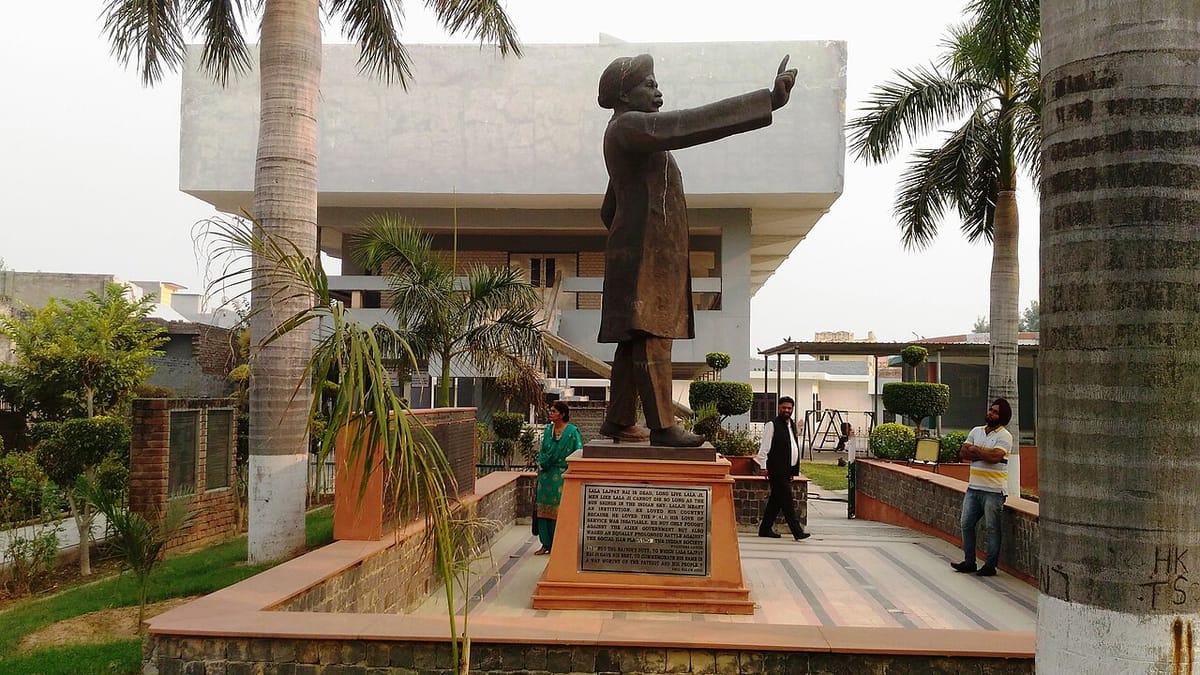
On 30 October 1928 the commission reached Lahore. Lajpat Rai led a silent march against it. Police Superintendent James A. Scott ordered a lathi charge. Lajpat Rai, then 63, was hit hard on the chest. He is reported to have said that every blow on him would be a nail in the coffin of British rule.
- 30 Oct 1928: lathi charge at LahoreOrdered by SP James A. Scott. Lajpat Rai is badly hurt.
- Punjab mourns17 Nov 1928: Lajpat Rai diesThe nation blames the police beating.
- 17 Dec 1928: Saunders shotBhagat Singh and Rajguru shoot ASP J. P. Saunders in Lahore. They had aimed at Scott, but mistook Saunders for him. Chandra Shekhar Azad covers their escape.
- 8 Apr 1929: bombs in the Central AssemblyBhagat Singh and Batukeshwar Dutt throw harmless bombs in Delhi and court arrest.
- Saunders case23 Mar 1931: hanged at LahoreBhagat Singh, Rajguru and Sukhdev are hanged in Lahore jail.
Birkenhead's challenge and the Nehru Report
Indians write their own constitution, and then split over it.
Lord Birkenhead, the Secretary of State for India, mocked Indian leaders. He said they could not agree on a constitution that all Indians would accept. Indian parties took up the challenge. An All Parties Conference set up a committee under Motilal Nehru. His son Jawaharlal Nehru worked as its secretary. Its report came out in August 1928.
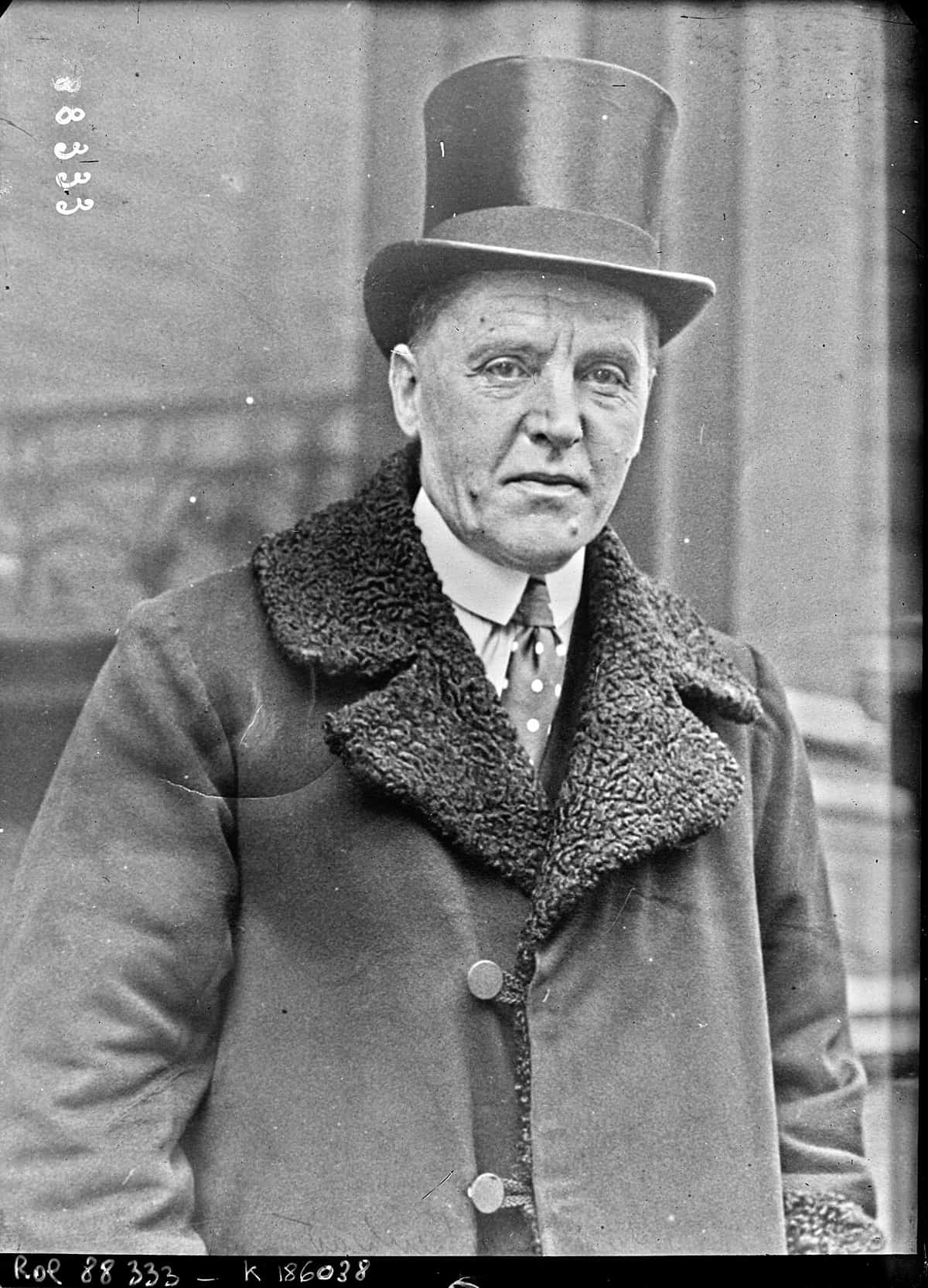
- Challenged Indians to draft a constitution all would accept
- His government named the Simon Commission
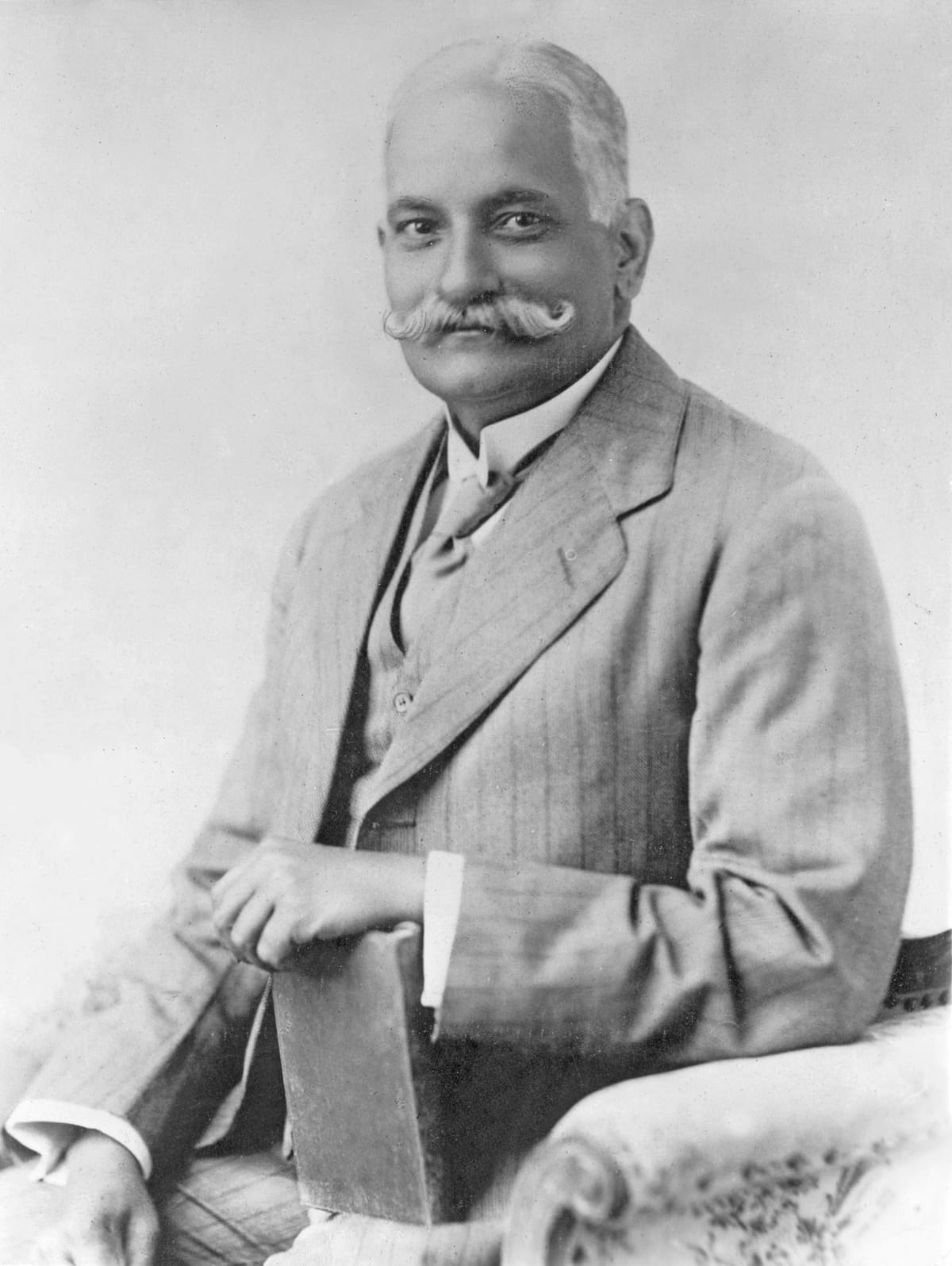
- Chaired the committee, not Jawaharlal
- Father of Jawaharlal Nehru
- Rejected the Nehru Report
- Gave his Fourteen Points in March 1929
| What the Nehru Report asked for | In short |
|---|---|
| Dominion status | Self-rule inside the British Empire, like Canada. Not full independence. |
| Joint electorates | No separate electorates. Seats reserved for minorities where they were few. |
| Fundamental rights | A list of rights for every citizen, including equal rights for women. |
| Strong Centre | Leftover (residual) powers to stay with the Centre. |
| Linguistic provinces | Provinces to be drawn on the basis of language. |
| No state religion | The state would not follow any one religion. |
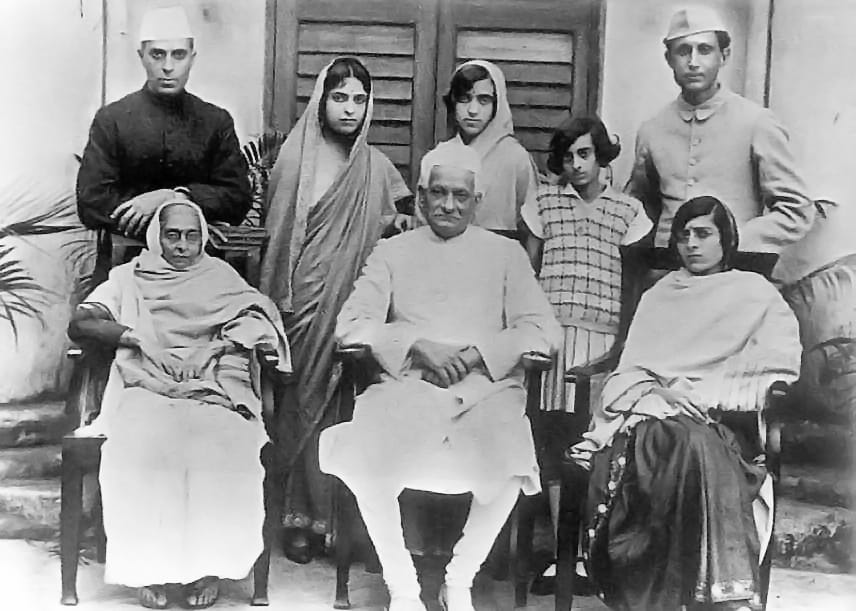
The report did not unite India. Jinnah and the Muslim League rejected it. Some Hindu Mahasabha and Sikh leaders objected too. Young Congress leaders, Jawaharlal Nehru and Subhas Chandra Bose, wanted complete independence, not dominion status. So the Congress gave Britain one year to accept dominion status.
- Dec 1928: Calcutta CongressAccepts the report, but with a one-year deadline for dominion status.
- 31 Oct 1929: Irwin's offerViceroy Lord Irwin speaks of dominion status some day, and a Round Table Conference. No date is given.
- Jawaharlal Nehru, presidentDec 1929: Lahore CongressThe goal becomes Purna Swaraj (complete independence). The flag is raised on the Ravi bank on 31 Dec 1929.
- 26 Jan 1930: first Independence DayThis is why the Constitution came into force on 26 January in 1950.
- Sir John Simon
- Chairman of the Indian Statutory Commission (1927)
- Clement Attlee
- Member of the Simon Commission; later British PM in 1947
- Lord Birkenhead
- Secretary of State; challenged Indians to draft a constitution
- Lala Lajpat Rai
- Led the Lahore protest; died 17 Nov 1928
- James A. Scott
- Lahore SP who ordered the lathi charge
- J. P. Saunders
- ASP shot by Bhagat Singh and Rajguru, 17 Dec 1928
- Motilal Nehru
- Chaired the Nehru Report committee (1928)
- M. A. Jinnah
- Fourteen Points, March 1929
Everything on one look
The commission, the boycott, Lajpat Rai and the report.
- Official name: Indian Statutory Commission
- Named Nov 1927; chairman Sir John Simon
- To review the Government of India Act 1919
- Seven members, all British; Attlee was one
- Landed at Bombay, 3 Feb 1928: "Simon Go Back"
- Lala Lajpat Rai beaten at Lahore, 30 Oct 1928
- Birkenhead's challenge to Indians
- Committee chaired by Motilal Nehru
- Report out in August 1928
- Asked for dominion status, not independence
- Joint electorates, fundamental rights
- Jinnah's Fourteen Points (1929) answered it
- Named in 1927, but arrived in 1928.
- Official name: Indian Statutory Commission, not "Royal Commission".
- It reviewed the 1919 Act. The Hunter Commission was about Jallianwala Bagh.
- Boycott was decided at Madras (1927). Purna Swaraj came at Lahore (1929).
- Scott ordered the lathi charge. Saunders was the one shot.
- Lajpat Rai was born at Dhudike (Moga). Jagraon (Ludhiana) was his family home.
- Motilal Nehru chaired the report. Jawaharlal was its secretary.
- The Nehru Report wanted dominion status, not Purna Swaraj.
- Punjab's Unionist Party did not boycott the commission.
- Punjab Kesari = Lajpat Rai. Sher-e-Punjab = Ranjit Singh.
- Simon Commission named: November 1927
- Official name: Indian Statutory Commission
- Members: 7, all British
- Reviewed: Government of India Act 1919
- Landed: Bombay, 3 February 1928
- Boycott decided: Madras Congress, Dec 1927
- Slogan: Simon Go Back
- Viceroy then: Lord Irwin
- Lahore lathi charge: 30 October 1928
- Lajpat Rai died: 17 November 1928, Lahore
- Punjab Kesari: Lala Lajpat Rai
- Born: Dhudike, Moga district
- Saunders shot: 17 December 1928
- Nehru Report chairman: Motilal Nehru
- Nehru Report goal: dominion status
- Fourteen Points: Jinnah, March 1929
- Purna Swaraj: Lahore Congress, Dec 1929
- First Independence Day: 26 January 1930
Why was the Simon Commission boycotted, and what did the boycott lead to in Punjab?
Show answer
It had no Indian member: all seven were British. At Lahore on 30 October 1928, Lala Lajpat Rai led the protest and was beaten in a lathi charge ordered by SP Scott. He died on 17 November 1928. To avenge him, Bhagat Singh and Rajguru shot ASP Saunders on 17 December 1928.