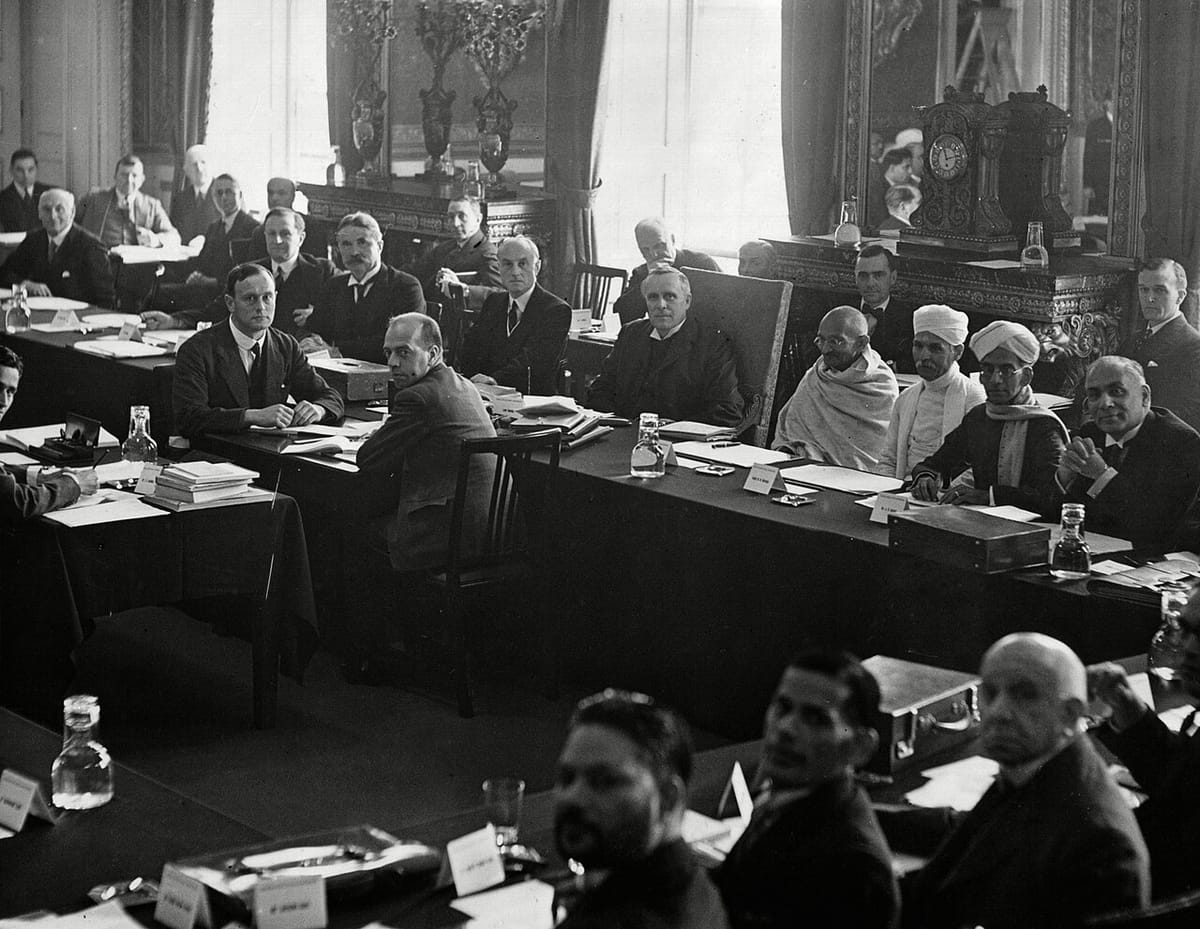
Between 1930 and 1932, Britain called Indian leaders to London three times to talk about India's future. These were the Round Table Conferences. They settled little. But they led to the Communal Award of 1932, Gandhi's fast in Yerwada jail, and the Poona Pact. The Pact still shapes how seats are reserved in India today.
The three conferences
Who came, who stayed away, and what each one did.
The Simon Commission report came out in 1930. Indians had already rejected it. So the British tried talks. In October 1929 the Viceroy, Lord Irwin, had promised a Round Table Conference. "Round table" meant all sides would sit as equals. The British Prime Minister, Ramsay MacDonald, chaired the talks.
| Conference | When | Key fact |
|---|---|---|
| First | Nov 1930 – Jan 1931 | Congress boycotted it. Its leaders were in jail for the Civil Disobedience Movement. Princes agreed to the idea of an all-India federation. |
| Second | Sep – Dec 1931 | Gandhi came as the only Congress delegate. Talks broke down over seats for minorities. |
| Third | Nov – Dec 1932 | Small: about 46 delegates. Congress stayed away again. Led to the White Paper of 1933. |
Ambedkar attended all three conferences. Gandhi attended only the second. The Congress took part only in the second. If a question links Gandhi with the first or third, it is wrong.
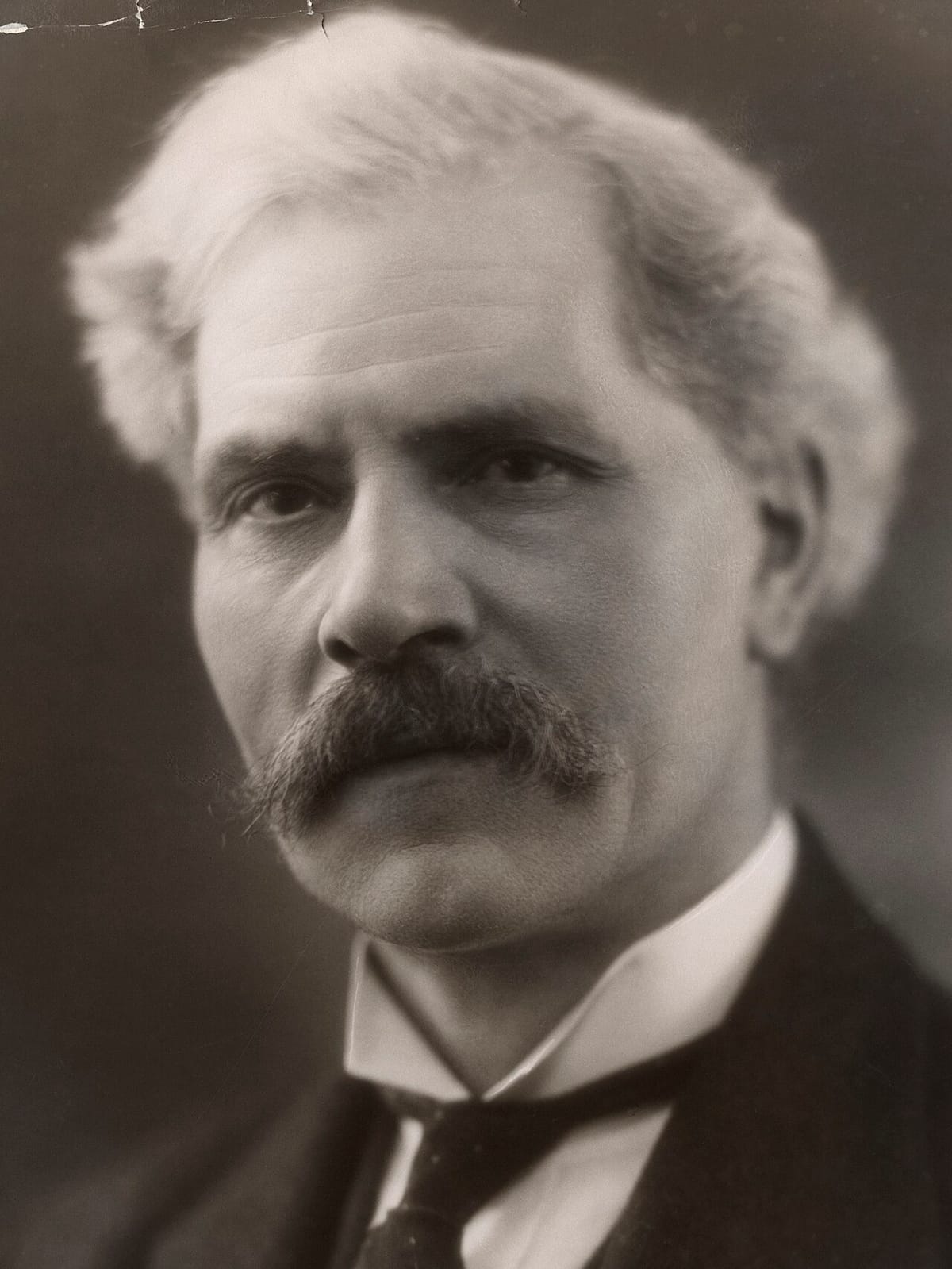
- Chaired the Round Table Conferences
- Announced the Communal Award (1932)
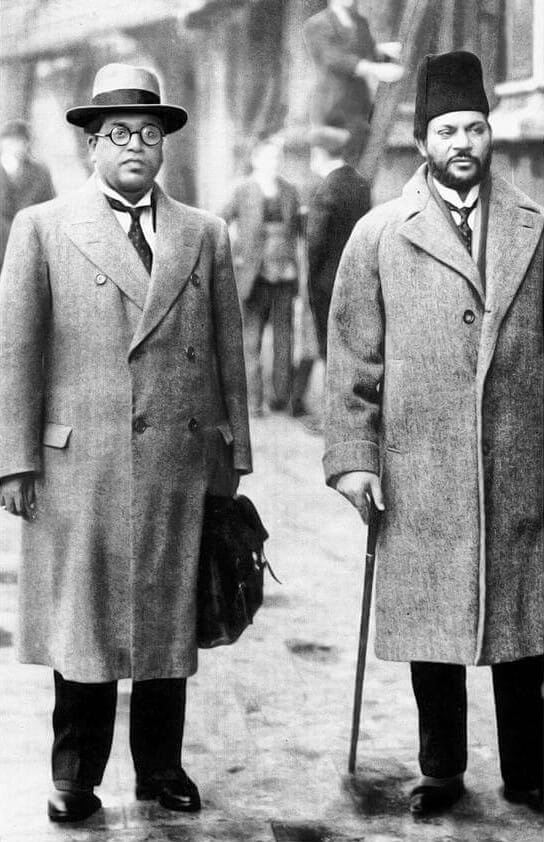
- Attended all three conferences
- Signed the Poona Pact (1932)
- Attended the First conference in 1930
- Chancellor of the Chamber of Princes
- A lawyer from Sialkot
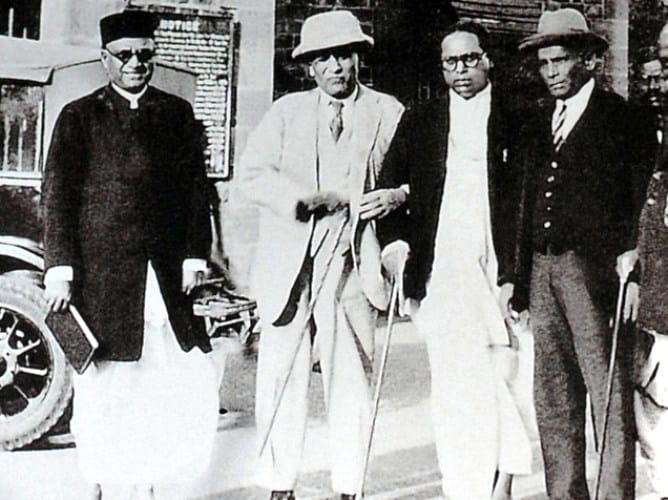
- Seen with Ambedkar in London, 1931 (photo above)
Gandhi goes to London, 1931
A pact in Delhi, a voyage, and talks that failed.
- 1930: Civil DisobedienceSalt March; Congress leaders jailed. The First RTC meets without them.
- Also called the Delhi Pact5 Mar 1931: Gandhi–Irwin PactGandhi stops Civil Disobedience and agrees to attend the next conference. Prisoners not guilty of violence are freed.
- Mar 1931: Karachi CongressThe Congress approves the pact and names Gandhi as its only delegate.
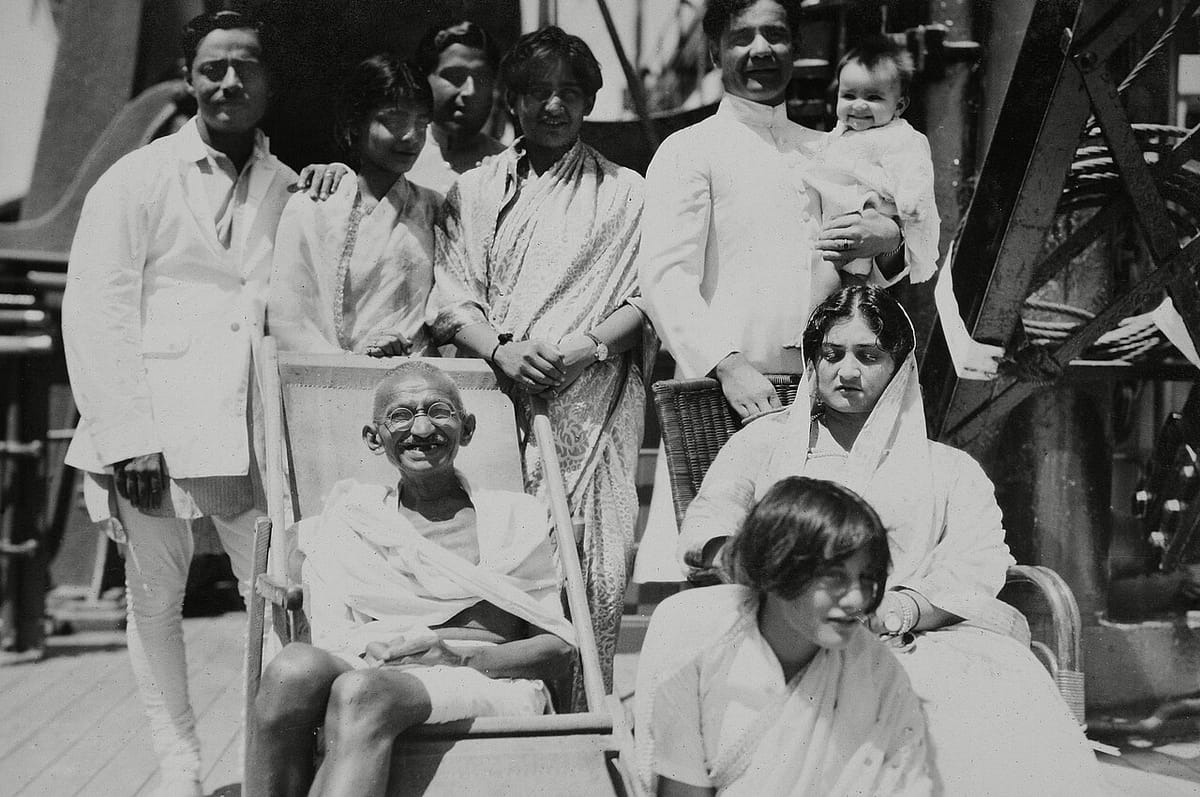
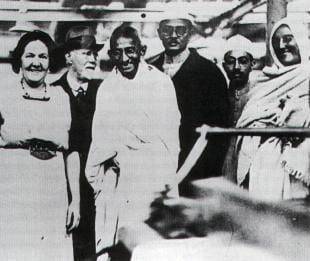
- Sep 1931: LondonGandhi sails on the S.S. Rajputana and joins the Second RTC.
- Dec 1931: talks failNo deal on minorities. Gandhi returns; Civil Disobedience starts again in January 1932.
The Communal Award, August 1932
Britain decides how Indians will vote.
The Second Conference failed over one question. How should minorities be represented? Indians could not agree. So Ramsay MacDonald gave a British decision on 16 August 1932. It was called the Communal Award.
A separate electorate means only voters of one community vote for that community's seats. For example, only Muslim voters elect the Muslim member. The Communal Award gave separate electorates to Muslims, Sikhs, Indian Christians, Anglo-Indians and Europeans. It also gave them to the depressed classes (today's Scheduled Castes).
The fast and the Poona Pact
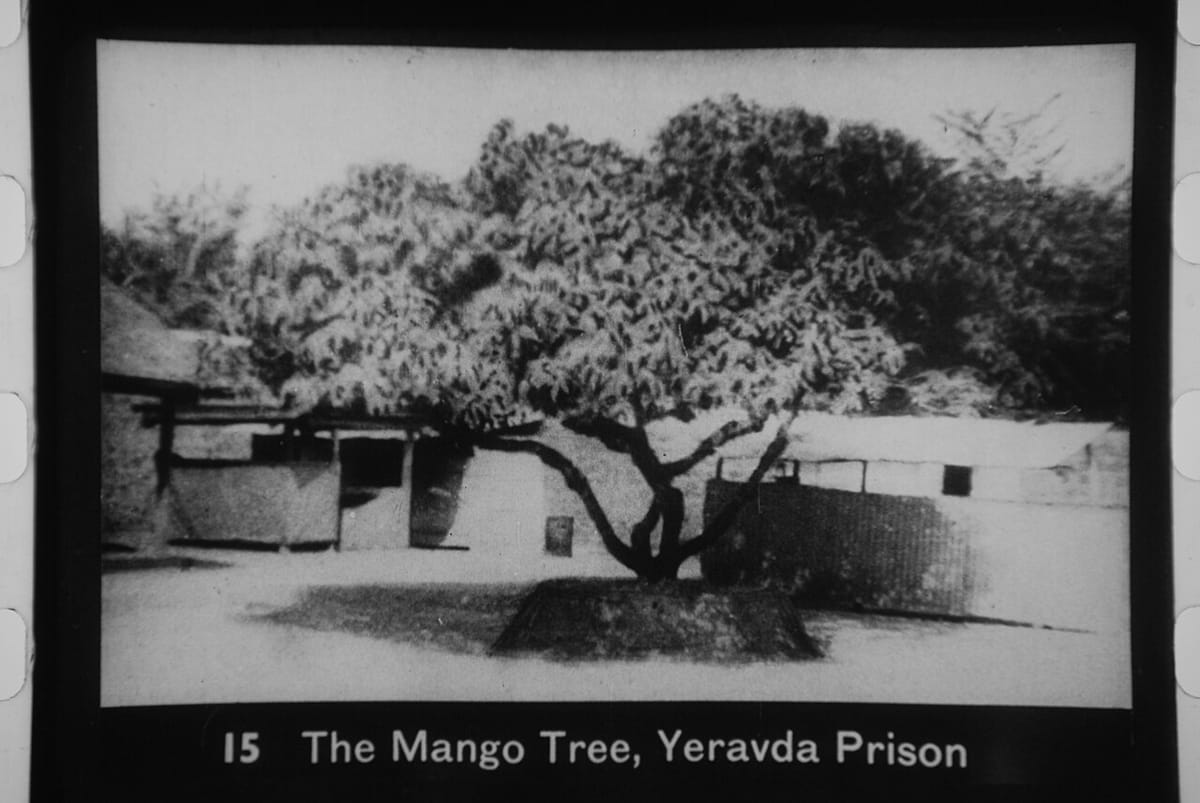
Six days in Yerwada jail, September 1932.
- 16 Aug 1932Communal Award
Separate electorate and 71 seats for the depressed classes in the provinces.
- 20 Sep 1932Fast unto death begins
Gandhi, a prisoner in Yerwada jail, Poona, stops eating.
- 24 Sep 1932Poona Pact signed
Ambedkar signs for the depressed classes. Madan Mohan Malaviya signs for the caste Hindus.
- 26 Sep 1932Fast ends
The British accept the Pact. Gandhi breaks his fast.
Ambedkar signed to save Gandhi's life. He later said the fast left the depressed classes no real choice. They won more reserved seats. But they lost the separate vote Ambedkar wanted. The reserved-seat model went into the Act of 1935 and lives on in our Constitution.
Exam answer: the Poona Pact was about separate electorates for the depressed classes. It is called a pact between Gandhi and Ambedkar, though Gandhi, still in jail, did not sign it himself.
What came out of it
From London talks to the Act of 1935, and to our Constitution.
- Nov–Dec 1932: Third RTCA small meeting; Congress absent.
- Mar 1933: White PaperThe British government sets out its plan.
- 1933–34: Joint Committee of ParliamentChaired by Lord Linlithgow, later the Viceroy during Quit India.
- Provincial autonomy1935: Government of India ActKeeps the separate electorates of the Award, and the reserved seats of the Poona Pact.
The Constitution link (asked in a Punjab bank paper)Tap to open
Ambedkar later chaired the Drafting Committee of the Constitution. Article 17 abolishes untouchability and makes its practice a punishable offence. Seats for Scheduled Castes in the Lok Sabha and Assemblies are still reserved within joint electorates, as the Poona Pact first did.
- Ramsay MacDonald
- British PM; chaired the RTCs; Communal Award 1932
- B. R. Ambedkar
- Attended all three RTCs; signed the Poona Pact
- Gandhi
- Only at the Second RTC; fasted at Yerwada, Sep 1932
- Lord Irwin
- Viceroy; Gandhi–Irwin Pact, 5 March 1931
- Bhupinder Singh
- Maharaja of Patiala at the First RTC, 1930
- Madan Mohan Malaviya
- Signed the Poona Pact for caste Hindus
- Lord Linlithgow
- Chaired the Joint Committee that led to the 1935 Act
Everything on one look
The conferences, the Award and the Pact.
- Three RTCs in London, 1930–1932
- Chaired by PM Ramsay MacDonald
- First (1930): Congress boycotted
- Second (1931): Gandhi, only Congress delegate
- Third (1932): small; led to White Paper 1933
- Ambedkar attended all three
- Communal Award: 16 Aug 1932
- Depressed classes got a separate electorate
- Gandhi's fast: Yerwada, from 20 Sep 1932
- Poona Pact: 24 Sep 1932
- Joint electorate with reserved seats
- Reserved seats: 71 → 148
- MacDonald, not Irwin, chaired the Round Table Conferences.
- Gandhi attended only the Second RTC, after the Gandhi–Irwin Pact.
- Ambedkar attended all three, not Malaviya or Gandhi.
- The Poona Pact was with Ambedkar, not Jinnah.
- The fast was at Yerwada jail, Poona, not Sabarmati.
- The Pact made the electorate joint, not separate.
- Seats rose from 71 (Award) to 148 (Pact).
- The Communal Award came from Ramsay MacDonald, not the Viceroy.
- Patiala at the First RTC: Bhupinder Singh, not Yadavindra Singh.
- RTCs: three, in London, 1930–32
- Chairman: Ramsay MacDonald
- First RTC: Nov 1930 – Jan 1931, Congress absent
- Gandhi–Irwin Pact: 5 March 1931, Delhi
- Second RTC: Sep – Dec 1931, Gandhi attends
- Gandhi's ship: S.S. Rajputana
- Third RTC: Nov – Dec 1932
- Attended all three: B. R. Ambedkar
- Patiala at First RTC: Maharaja Bhupinder Singh
- Communal Award: 16 August 1932
- Fast begins: 20 September 1932, Yerwada
- Poona Pact: 24 September 1932
- Signed by: Ambedkar and Malaviya
- Seats: 71 → 148, joint electorate
- Fast ends: 26 September 1932
- Harijan Sevak Sangh: 1932
- White Paper: 1933; Act: 1935
What did the Poona Pact change in the Communal Award?
Show answer
The Award gave the depressed classes a separate electorate with 71 reserved seats. The Poona Pact of 24 September 1932 made it a joint electorate, where they voted with other Hindus, but raised their reserved seats to 148. It ended Gandhi's fast in Yerwada jail.