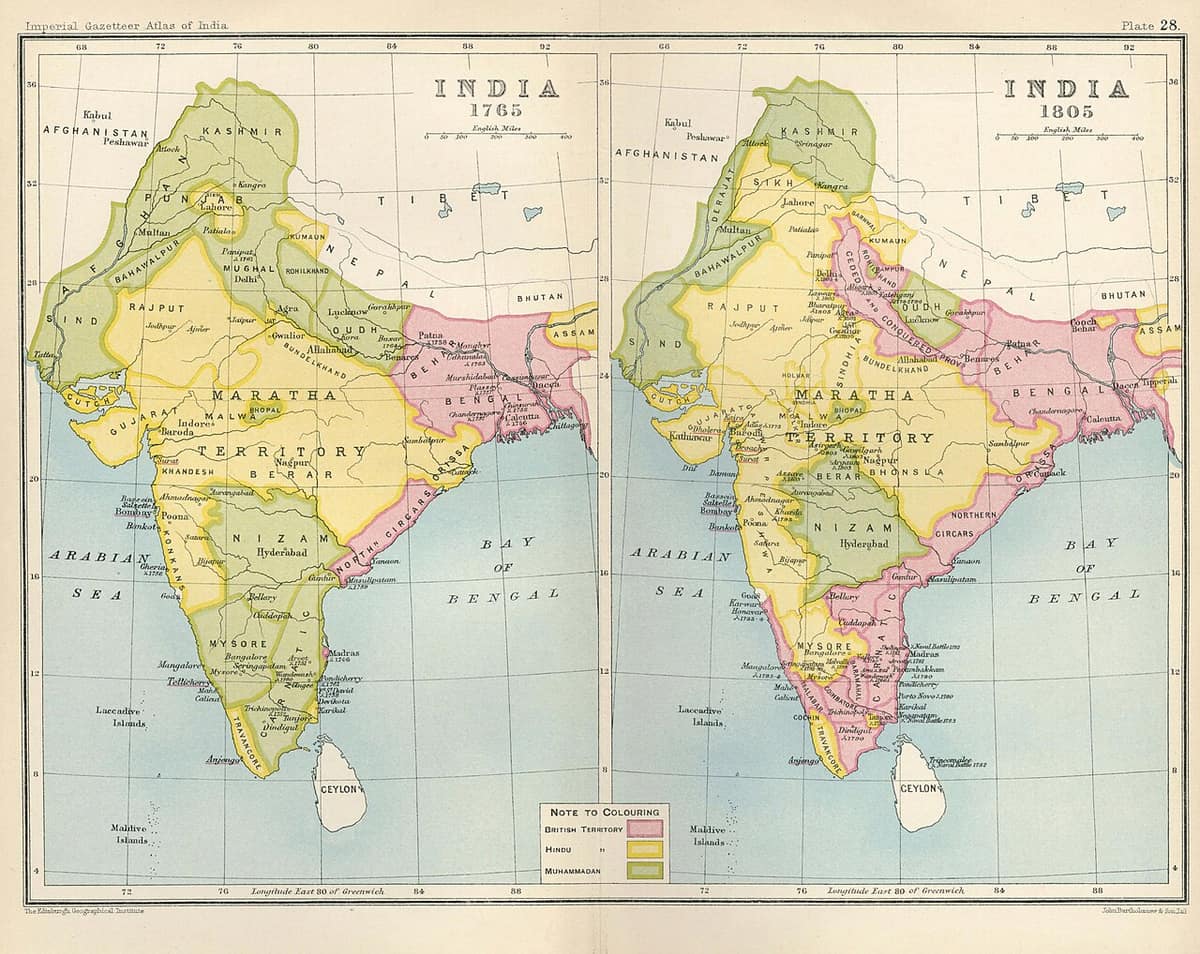
The English East India Company came to India to trade. In about 100 years, from Plassey (1757) to the annexation of Awadh (1856), it became the ruler of almost the whole country. It used war, treaties and legal tricks. And it often made Indian rulers fight each other.
From traders to rivals
Europeans arrive, and the English beat the French.
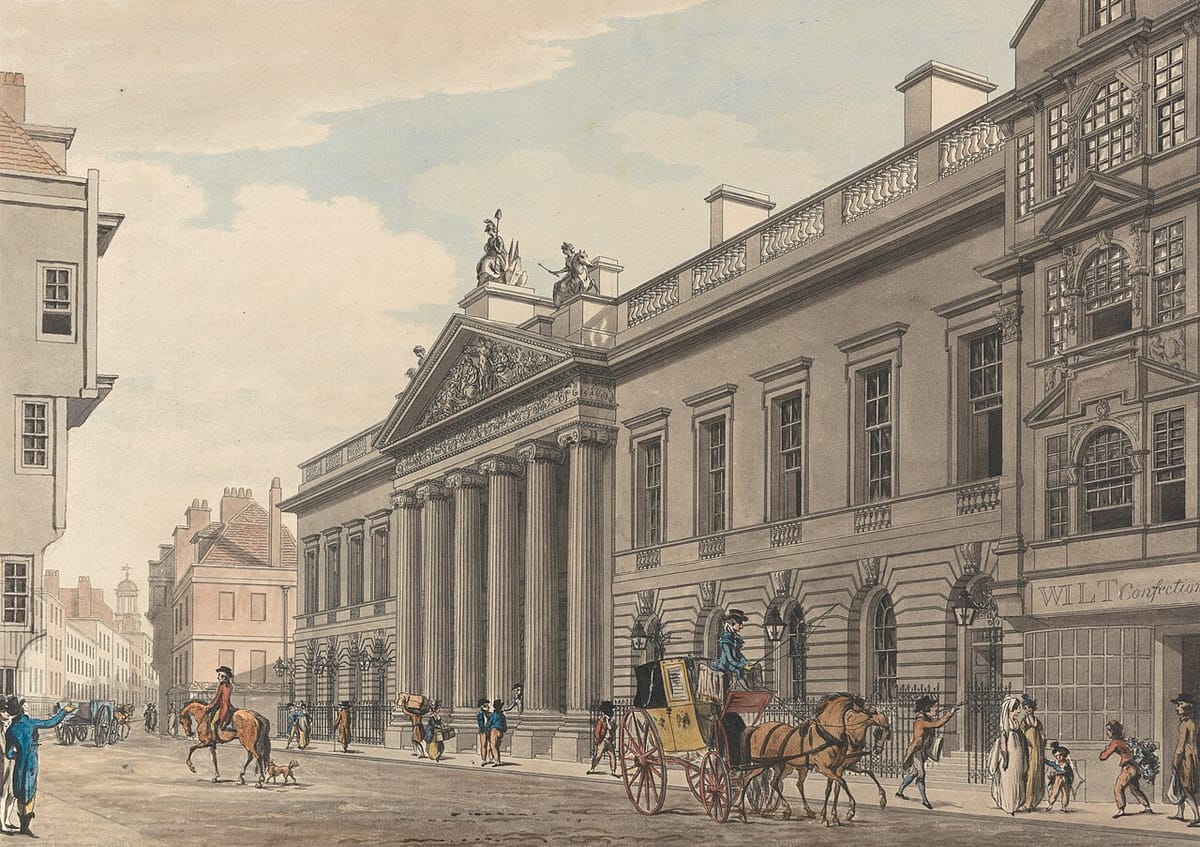
Europeans came to India by sea for spices, cotton cloth and indigo. The Portuguese came first. Then the Dutch, the English, the Danes and the French set up their own companies. Each built factories (trading posts) on the coast. Soon they were fighting each other for trade.
- 1498Portuguese: Vasco da Gama
Reaches Calicut. Francisco de Almeida (1505; wins at Diu, 1509) and Albuquerque, who takes Goa in 1510, build Portuguese power at sea.
- 1600English East India Company
Gets its charter from Queen Elizabeth I.
- 1602Dutch East India Company
Mostly interested in the spice islands of Indonesia.
- 1616Danish East India Company
Later settles at Tranquebar and Serampore.
- 1664French East India Company
Its main base becomes Pondicherry.
| Carnatic War | Main events |
|---|---|
| First (1746–48) | French under Dupleix take Madras. It is returned at the peace. |
| Second (1749–54) | Rival claimants for Carnatic and Hyderabad. Clive seizes Arcot (1751). Dupleix is called back to France. |
| Third (1756–63) | Eyre Coote beats the French under Lally at Wandiwash (1760). Pondicherry falls in 1761. |
After Wandiwash (1760), the French were finished as a political power in India. The Treaty of Paris (1763) gave back Pondicherry only as a trading post. From now on the English had no European rival.
Bengal first, then the Governors-General
The rich province that paid for everything else.
The Company's real rise began in Bengal, the richest province. Plassey (1757) made the Company the power behind the Nawab. Buxar (1764) and the Diwani (1765) gave it the legal right to collect Bengal's revenue. That money paid for the armies that conquered the rest of India.
Clive beats Siraj-ud-Daulah, mostly through Mir Jafar's betrayal.
Munro beats Mir Qasim, Shuja-ud-Daula and Shah Alam II together.
The Company gets the revenue of Bengal, Bihar and Orissa.
Read these topics in detail on their own pages.
- 1Warren Hastings1773–1785 · First Governor-General of Bengal
- 2Lord Cornwallis1786–1793 · Permanent Settlement; Third Mysore War
- 3Lord Wellesley1798–1805 · Subsidiary Alliance; Tipu killed
- 4Lord Minto1807–1813 · Treaty of Amritsar with Ranjit Singh (1809)
- 5Lord Hastings1813–1823 · Third Maratha War; Rajput treaties
- 6Lord William Bentinck1828–1835 · Sati banned (1829); first GG of India
- 7Lord Dalhousie1848–1856 · Doctrine of Lapse; Punjab and Awadh
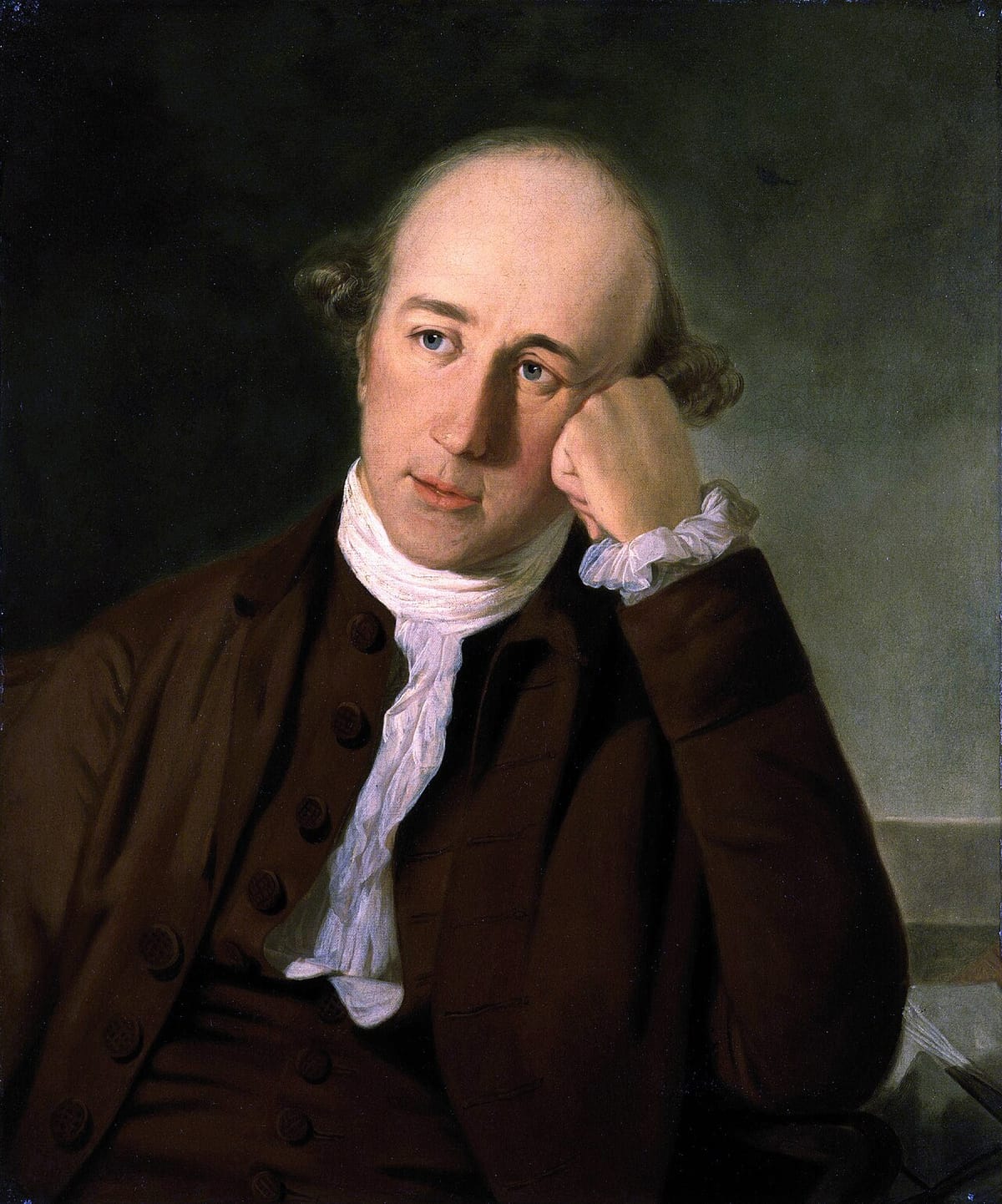
- Ended the Dual Government (1772)
- First Governor-General of Bengal under the Regulating Act of 1773
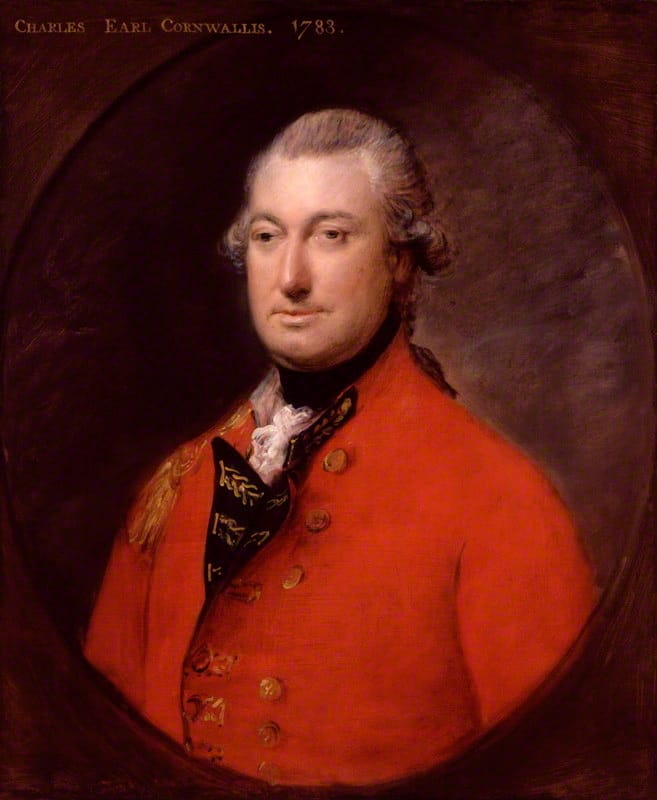
- Permanent Settlement of Bengal (1793)
- Defeated Tipu Sultan in the Third Mysore War
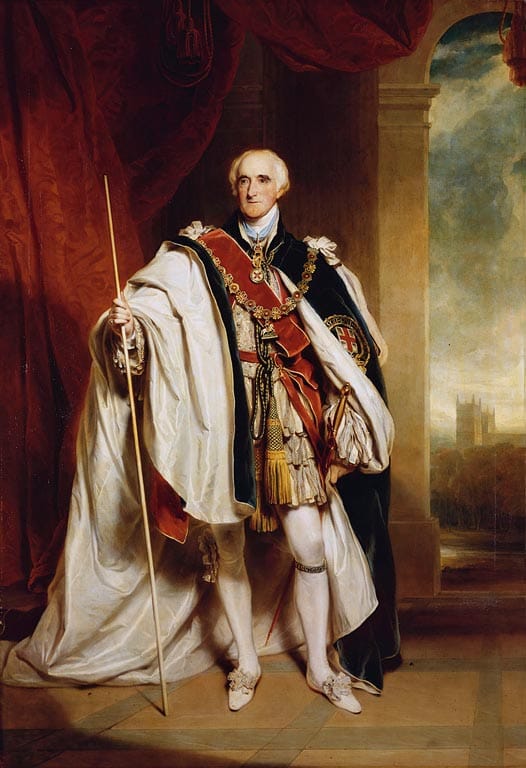
- Made the Subsidiary Alliance a system
- Tipu killed at Seringapatam (1799)
Two tools: the Subsidiary Alliance and the Doctrine of Lapse
How the Company took states without always fighting.
War was costly. So the Company also used two quieter methods. Lord Wellesley (1798–1805) turned the Subsidiary Alliance into a system. Lord Dalhousie (1848–56) used the Doctrine of Lapse. Both left a ruler with less and less power.
- A British army in the stateThe ruler keeps a Company force inside his state.
- SubsidyHe pays for itHe pays a yearly sum, or gives up land instead.
- A British Resident at courtHe may not employ other Europeans, and may not make war or treaties without the Company.
- Promise of protectionThe Company says it will defend him and not interfere inside his state.
- Loss of freedomResultThe ruler loses control of his foreign affairs and his army. Unpaid dues often mean lost territory.
The Nizam of Hyderabad was the first to accept Wellesley's Subsidiary Alliance, in 1798. Mysore (1799), Awadh (1801) and the Peshwa (Treaty of Bassein, 1802) followed.
By old custom, a ruler with no son could adopt an heir. Dalhousie refused to accept adopted heirs of dependent states. If such a ruler died without a natural son, his state lapsed to the Company. It was annexation by a legal rule, not by war.
| State | Year taken | How |
|---|---|---|
| Satara | 1848 | Lapse |
| Jaitpur, Sambalpur | 1849 | Lapse |
| Jhansi | 1853 | Lapse |
| Nagpur | 1854 | Lapse |
| Punjab | 1849 | War (Second Anglo-Sikh War) |
| Awadh | 1856 | Misrule, not Lapse |
Rajputana's treaties of 1817–18 (asked in RSMSSB papers)Tap to open
- During the Third Anglo-Maratha War, Lord Hastings brought the Rajput states under British protection.
- Charles Metcalfe negotiated most of the treaties in 1817–18.
- Karauli signed first, in November 1817. Kota, Jodhpur, Udaipur, Jaipur and others followed.
The great wars
Mysore, the Marathas, Sindh and the Sikhs.
Where treaties failed, the Company fought. Three strong Indian powers stood in its way: Mysore in the south, the Marathas in the west and centre, and the Sikhs in Punjab. One by one, they fell.
- 1767–1799Four Anglo-Mysore Wars
Hyder Ali and Tipu Sultan fight the Company. Tipu dies defending Seringapatam in 1799.
- 1775–1818Three Anglo-Maratha Wars
The Treaty of Salbai (1782) ends the first. The third (1817–18) ends the office of the Peshwa.
- 1843Sindh conquered
Sir Charles Napier defeats the Amirs of Sindh at Miani and Dabo.
- 1845–1846First Anglo-Sikh War
Battles at Mudki, Ferozeshah, Aliwal and Sobraon. Punjab loses the Jalandhar Doab.
- 1848–1849Second Anglo-Sikh War
Chillianwala and Gujrat. Punjab is annexed on 29 March 1849.
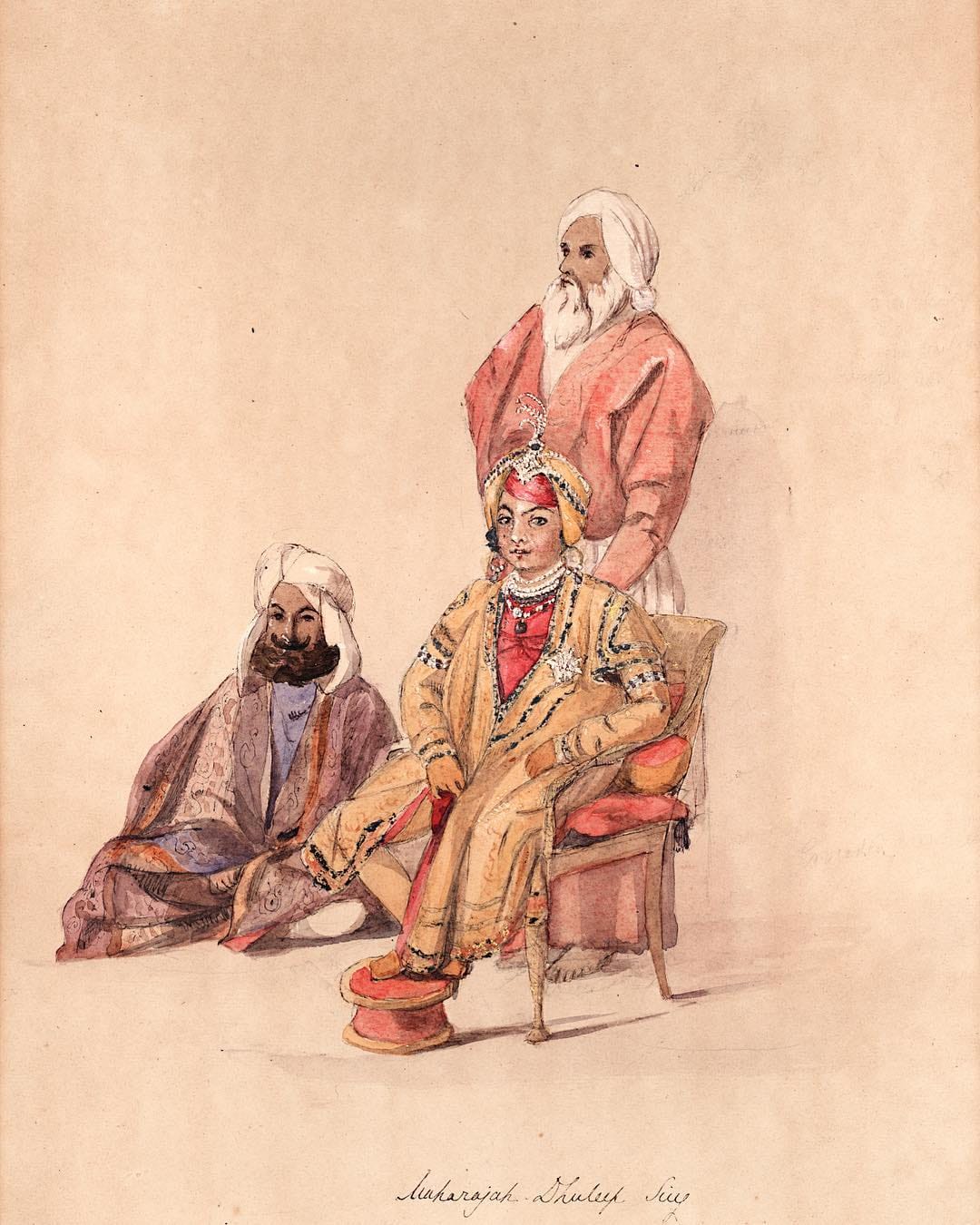
Father and son. Fought four wars; Tipu killed in 1799.
Signed the Treaty of Bassein (1802). Lost his office in 1818.
Defeated by Napier in 1843.
Boy king of the Sikh Empire; lost his kingdom in 1849.
The rulers the Company had to defeat.
Beyond the frontier
Afghanistan and Burma, the edges of British India.
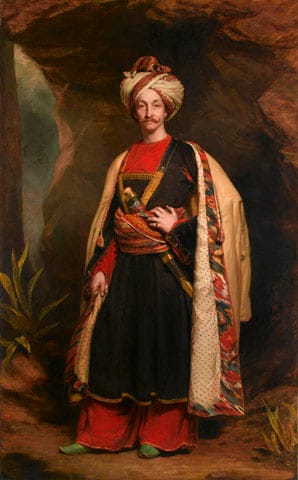
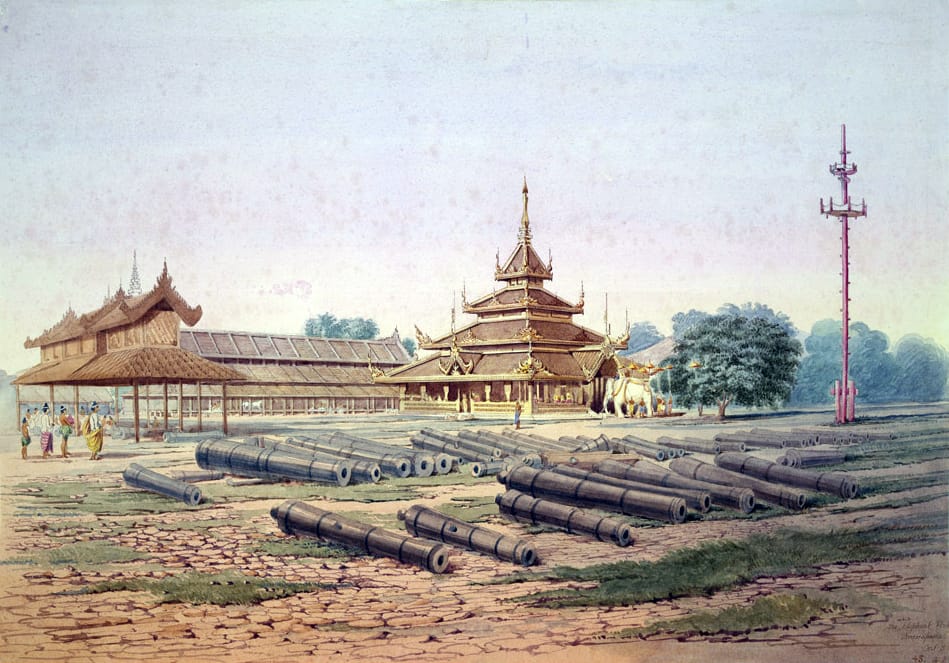
Once Punjab and Sindh were taken, British India touched Afghanistan. The British feared that Russia might use Afghanistan to reach India. So they fought the Afghans more than once. In the east, three wars with Burma pushed the border the other way.
Everything on one look
Rivals, tools, wars and frontiers.
- 1600: English East India Company formed
- 1760: Wandiwash; French beaten
- 1757 / 1764: Plassey / Buxar
- 1798: Subsidiary Alliance begins (Hyderabad)
- 1799: Tipu killed; Mysore falls
- 1818: Marathas broken; Peshwa ends
- 1843: Sindh; 1849: Punjab annexed
- 1856: Awadh annexed
- Warren Hastings: Regulating Act, 1773
- Cornwallis: Permanent Settlement, 1793
- Wellesley: Subsidiary Alliance
- Minto: Treaty of Amritsar, 1809
- Lord Hastings: Rajput treaties, 1817–18
- Bentinck: sati ban; first GG of India
- Dalhousie: Lapse; Punjab; Awadh
- Napier: Sindh; Durand: Afghan line
- Wellesley = Subsidiary Alliance; Dalhousie = Doctrine of Lapse.
- Hyderabad (1798) was the first to accept Wellesley's Subsidiary Alliance.
- Awadh (1856) was taken for misrule, not under Lapse.
- Punjab (1849) was taken by war, not by Lapse.
- Warren Hastings (1773–85) and Lord Hastings (1813–23) are different men.
- Wandiwash was English vs French, not English vs Hyder Ali.
- Almeida, not Albuquerque, won at Diu (1509). Albuquerque took Goa.
- Hardinge was GG in the first Anglo-Sikh War; Dalhousie in the second.
- The Durand Line (1893) is with Afghanistan, not Nepal or Burma.
- Vasco da Gama: Calicut, 1498
- English East India Company: 1600
- French company: 1664; base Pondicherry
- Battle of Diu 1509: Almeida
- Wandiwash 1760: Eyre Coote beat Lally
- Plassey 1757; Buxar 1764; Diwani 1765
- First GG of Bengal: Warren Hastings
- Subsidiary Alliance: Wellesley, from 1798
- First to accept: Nizam of Hyderabad, 1798
- Treaty of Bassein: Peshwa, 1802
- Tipu killed: Seringapatam, 1799
- Treaty of Amritsar 1809: Minto
- Rajput treaties 1817–18: Lord Hastings
- First Rajput state to sign: Karauli
- First GG of India: Bentinck (1833)
- Doctrine of Lapse: Dalhousie
- Sindh 1843: Charles Napier
- Punjab annexed: 29 March 1849, Dalhousie
- Awadh annexed: 1856, misrule
- Second Afghan War: Amir Sher Ali
- Durand Line: 1893, Afghanistan
How was the Subsidiary Alliance different from the Doctrine of Lapse?
Show answer
The Subsidiary Alliance (Wellesley, from 1798) kept a ruler on his throne but made him pay for a British army and give up his foreign affairs. The Doctrine of Lapse (Dalhousie, 1848–56) took the whole state when a dependent ruler died without a natural son.