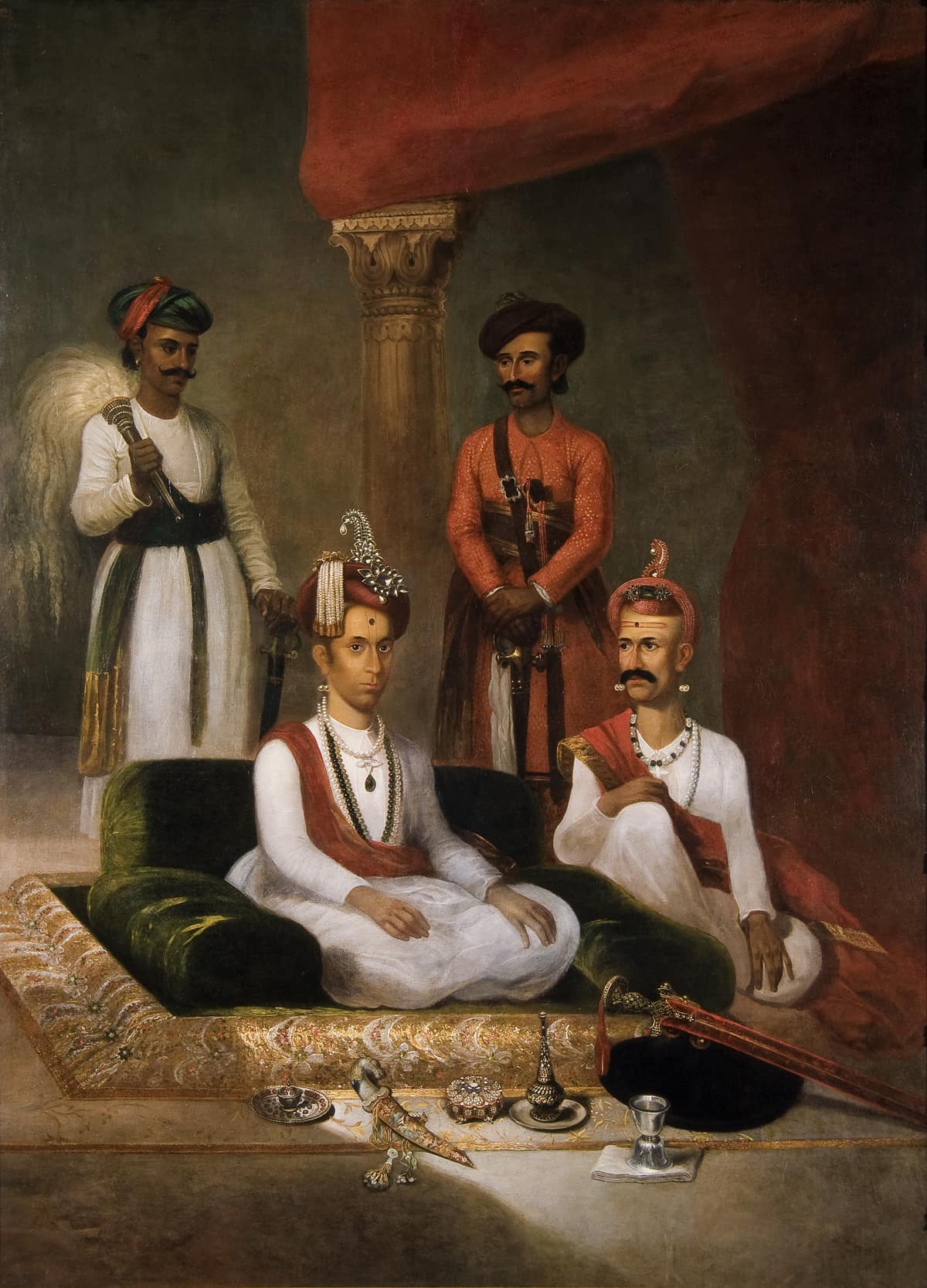
The Marathas were the strongest Indian power of the late 1700s. They fought the East India Company three times, between 1775 and 1818. They held their own in the first war. They lost the second and were finished in the third. In 1818 the post of Peshwa was abolished, and the Company became master of almost all India.
Who were the Marathas in 1775?
Not one state, but five great houses under the Peshwa.
In 1761 the Marathas lost badly to Ahmad Shah Abdali at the Third Battle of Panipat. But they recovered within ten years. By the 1770s they again ruled much of western, central and northern India. Their power was a confederacy: a group of chiefs loosely under one head, the Peshwa.
The chief minister of the Maratha king, and the real head of the confederacy.
Strongest in the north. Mahadji Scindia made the Treaty of Salbai.
Yashwantrao Holkar beat the Peshwa in 1802.
Ruled central India and once raided Bengal.
Ruled Gujarat; usually sided with the British.
The five Maratha houses. The British beat them by dealing with each one separately.
The First war, 1775 to 1782
A fight over who should be Peshwa. The Marathas held firm.
In 1773 the young Peshwa Narayanrao was murdered. His uncle Raghunathrao (Raghoba) wanted the post. But Narayanrao's son, Madhavrao II, was born in 1774 and was made Peshwa as a baby. A council led by Nana Fadnavis ran the state for him. Raghunathrao then asked the British in Bombay for help.
- 1Madhavrao I1761–1772 · Rebuilt Maratha power after Panipatyounger brother
- 2Narayanrao1772–1773 · Murdered in 1773son
- 3Madhavrao II1774–1795 · Peshwa as a baby; Nana Fadnavis ruled for himfather's cousin
- 4Baji Rao II1796–1818 · Son of Raghunathrao; the last Peshwa
- 1775Treaty of Surat
Raghunathrao promises Salsette and Bassein to the Bombay British in return for troops. War begins.
- 1776Treaty of Purandar
Warren Hastings's government at Calcutta disowns Surat and makes peace with Nana Fadnavis. It does not last.
- 1779Convention of Wadgaon
A Bombay army is trapped and surrenders. Calcutta refuses to accept the terms.
- 17 May 1782Treaty of Salbai
Made with Mahadji Scindia. Madhavrao II is accepted as Peshwa and Raghunathrao gets a pension. Each side returns most of its conquests.
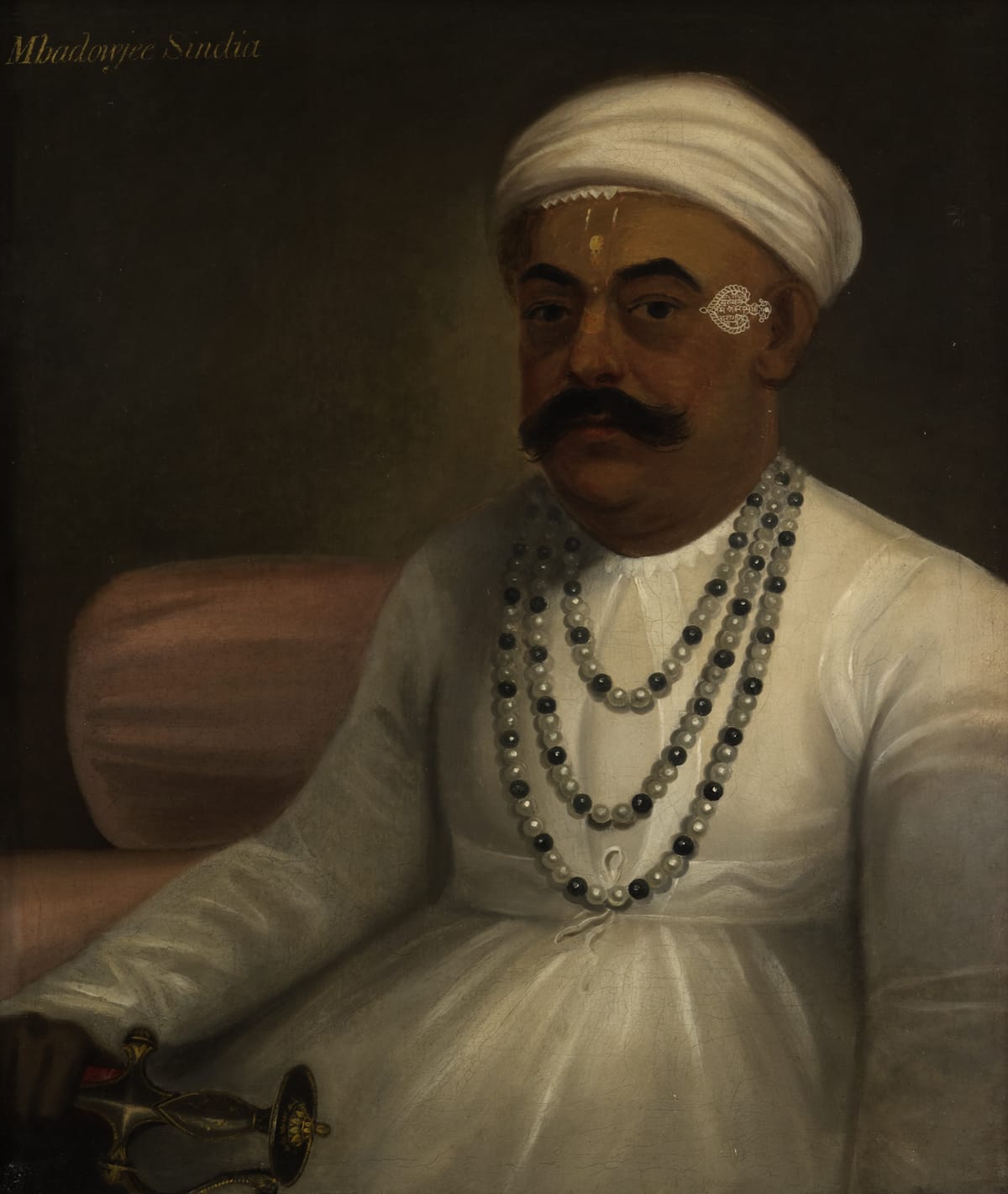
- Made the Treaty of Salbai (1782) with the British
- Brought the Mughal emperor Shah Alam II back to Delhi (1772)
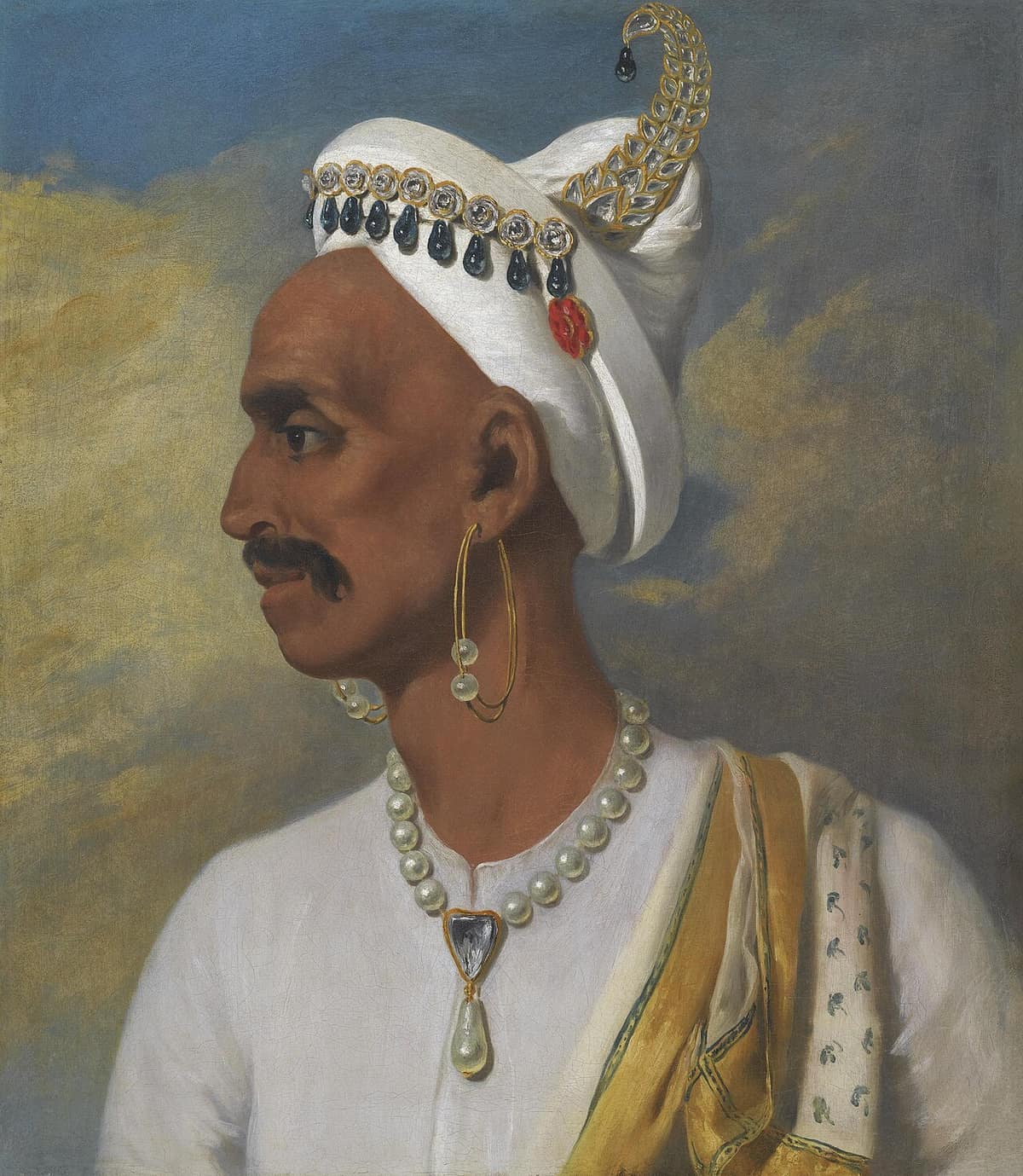
- Ran the state for the child Peshwa Madhavrao II
- His death in 1800 left the Marathas without a steady hand
It is the one Anglo-Maratha war the Marathas did not lose. The Treaty of Salbai brought things back almost to where they were. It gave about 20 years of peace between the two sides. That let the British turn to fight Mysore.
The Second war, 1803 to 1805
The Peshwa signs at Bassein, and the other chiefs fight back.
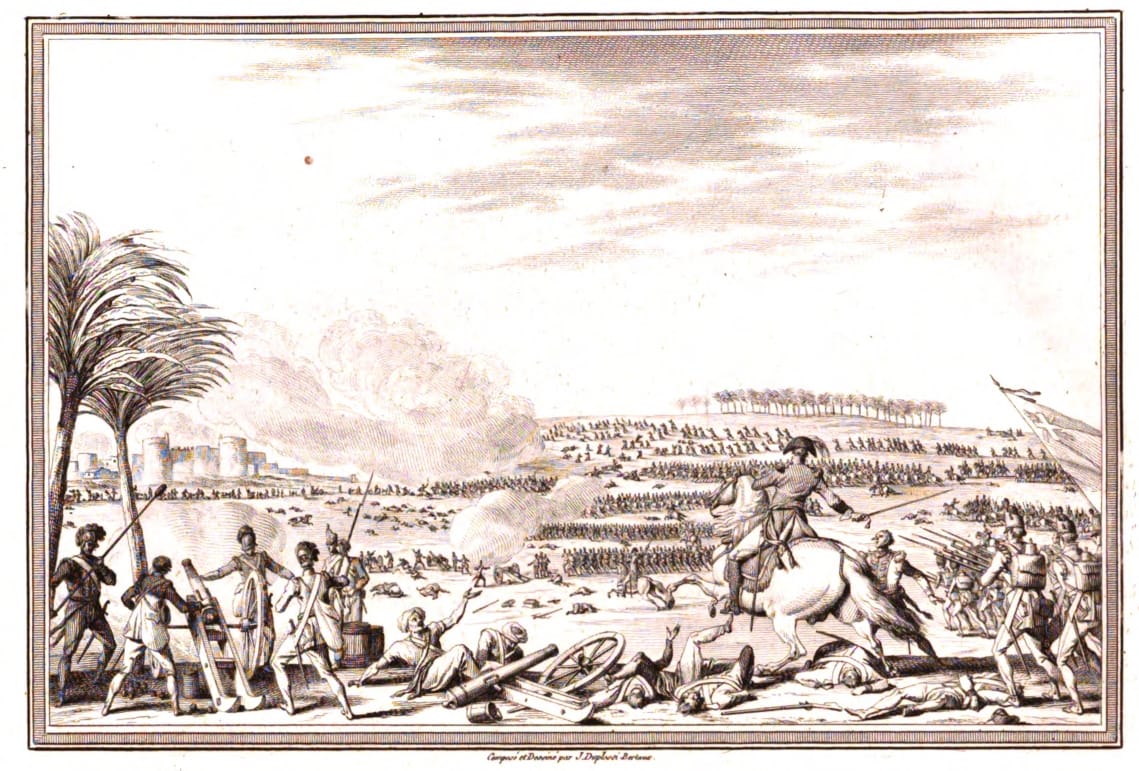
After Nana Fadnavis died in 1800, the chiefs began to fight one another. In October 1802, Yashwantrao Holkar defeated the Peshwa Baji Rao II near Poona. The Peshwa fled to the coast and turned to the British for help.
By this treaty Baji Rao II accepted the Subsidiary Alliance. A British force would stay in his lands, paid for by territory he gave up. The British put him back on his seat at Poona in 1803. Scindia and Bhonsle saw this as selling Maratha freedom. They went to war.
| Treaty | Signed by | What it did |
|---|---|---|
| Bassein (1802) | Peshwa Baji Rao II | Accepted British troops. Cause of the war. |
| Deogaon (1803) | Bhonsle of Nagpur | Gave up Cuttack (Orissa) to the British. |
| Surji-Arjungaon (1803) | Scindia of Gwalior | Gave up land between the Ganga and Yamuna, with Delhi and Agra. |
| Rajghat (1805) | Holkar of Indore | Holkar made peace and kept most of his lands. |
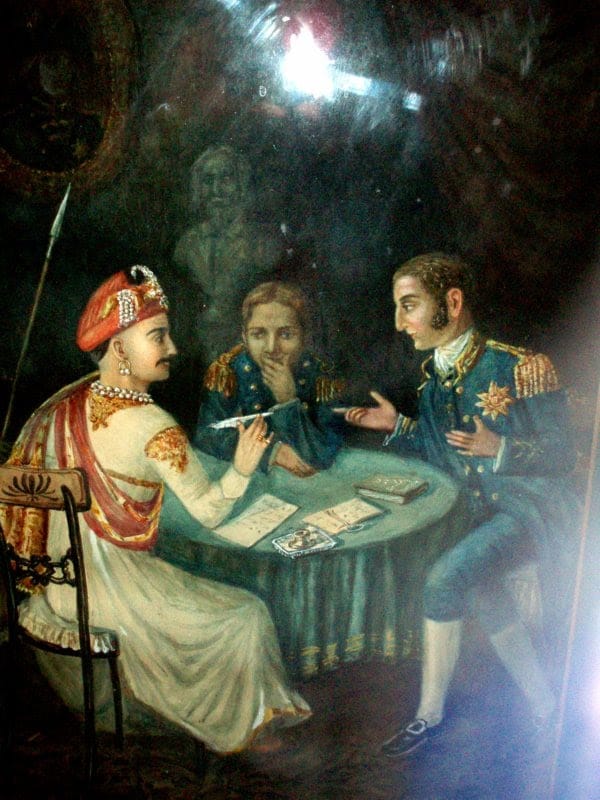
- Signed the Treaty of Bassein (1802)
- Surrendered in 1818; sent to Bithur near Kanpur
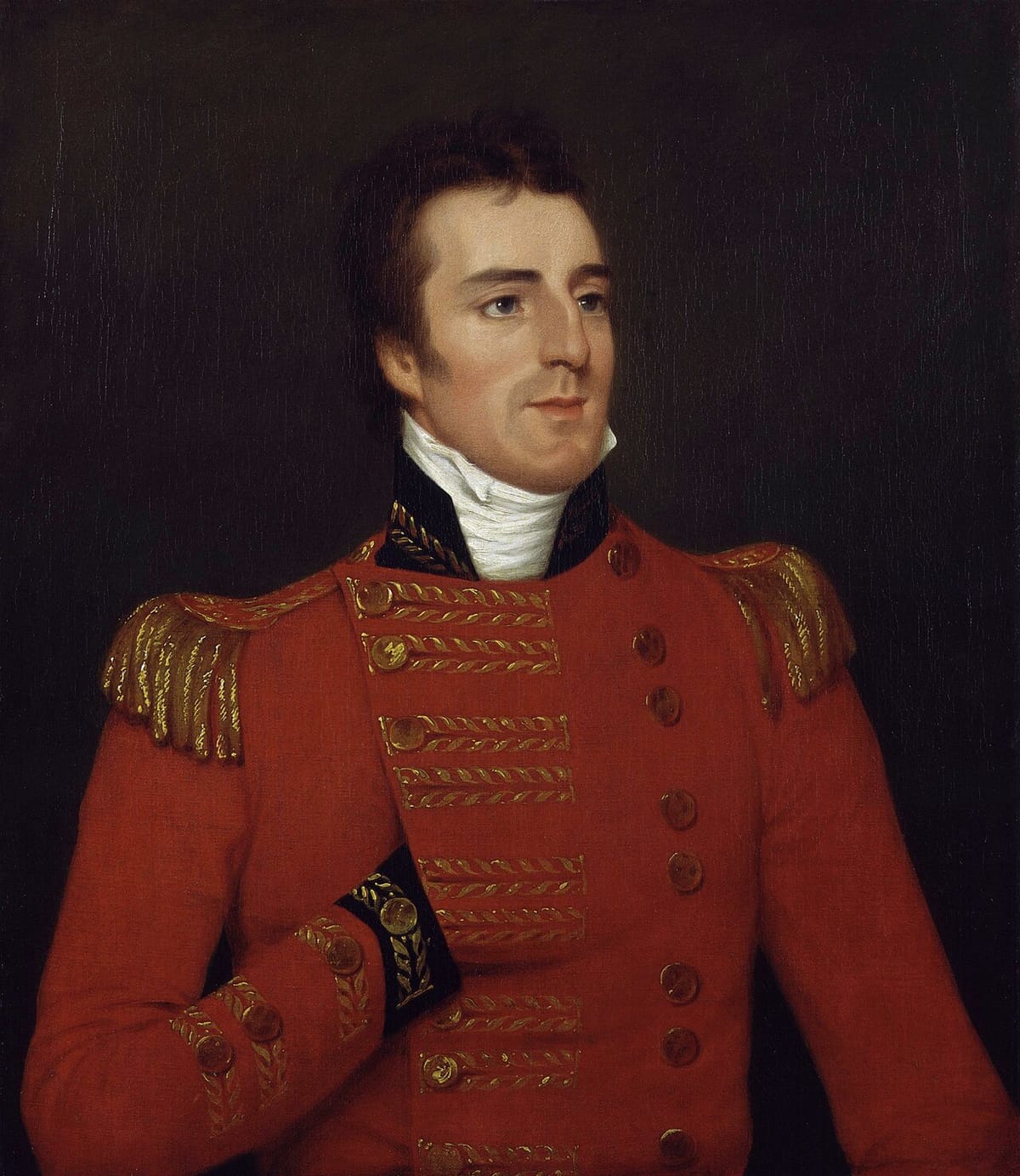
- Won at Assaye (1803)
- Later the Duke of Wellington, who beat Napoleon at Waterloo (1815)
- Took Delhi in 1803
- Won at Laswari (1803)
Exam answer: the Treaty of Bassein (1802) caused the Second war; it did not end it. The war ended with Deogaon (Bhonsle) and Surji-Arjungaon (Scindia) in 1803.
The Third war, 1817 to 1818
The Pindari campaign, one last Maratha rising, and the end of the Peshwas.
The Pindaris were bands of horsemen who lived by plunder. They had long ridden with Maratha armies. In 1817 the Governor-General Lord Hastings sent a huge army to destroy them. It marched through Maratha lands. The Maratha chiefs saw this as an attack on them and rose one last time.
- June 1817Treaty of Poona
The Peshwa gives up his claim to lead the other Maratha chiefs.
- 5 Nov 1817Khirki (Khadki)
The Peshwa attacks the British near Poona and is beaten. Scindia signs the Treaty of Gwalior the same day and stays out.
- Nov 1817Sitabuldi
Appa Sahib Bhonsle of Nagpur is beaten.
- 21 Dec 1817Mahidpur
Holkar's army is beaten. He signs the Treaty of Mandasor on 6 January 1818.
- 1 Jan 1818Koregaon
A small Company force, many of them Mahar soldiers, holds off the Peshwa's army.
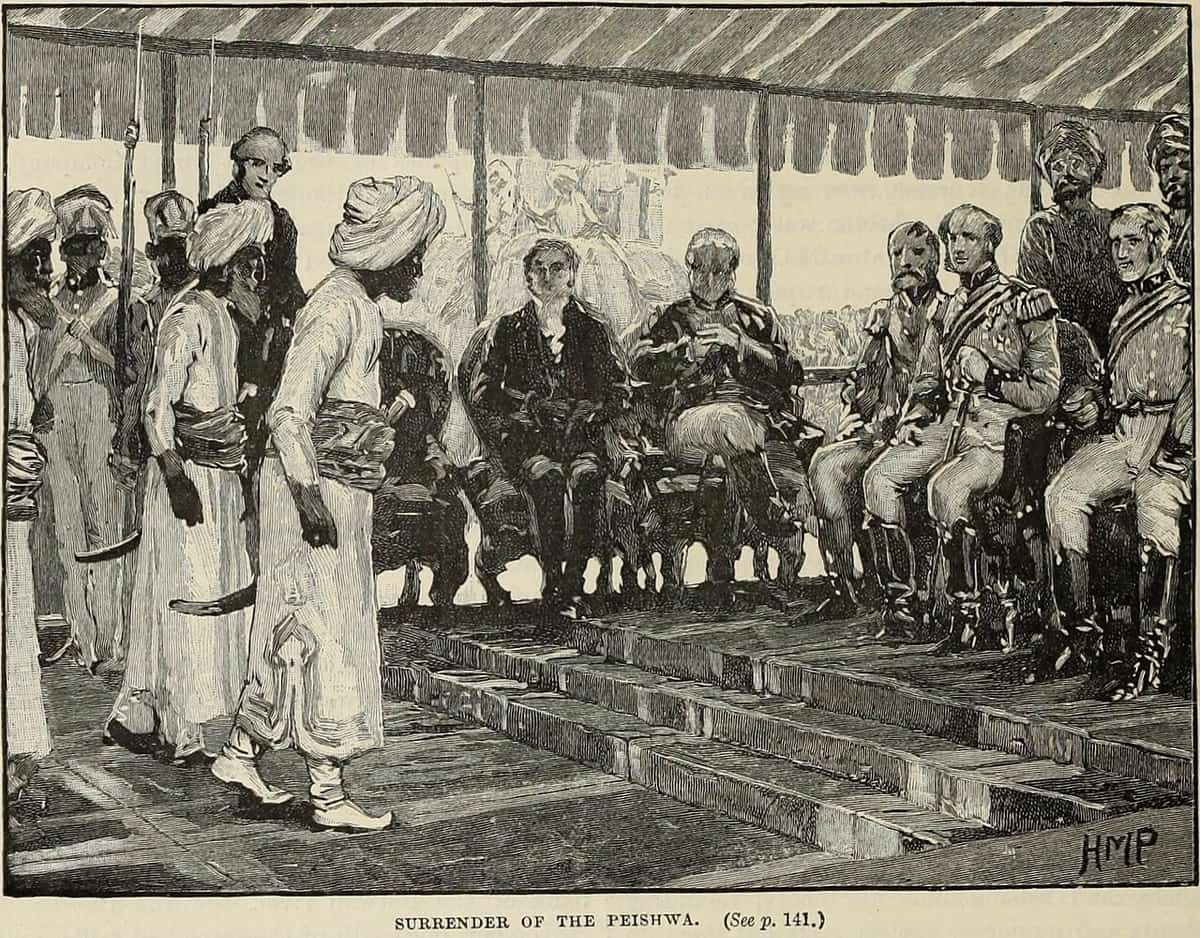
- June 1818The Peshwa surrenders
Baji Rao II gives himself up to John Malcolm.
- June 1818: Baji Rao II surrendersHe is given a pension and sent to Bithur, near Kanpur.
- Most important resultPeshwaship abolishedThe Peshwa's lands join the Bombay Presidency.
- Satara kept for Shivaji's familyPratap Singh, a descendant of Shivaji, gets a small state at Satara.
- 1857: Nana SahibBaji Rao II's adopted son, Nana Sahib, later leads the revolt at Kanpur.
The Marathas, the British and Rajasthan (asked in RSMSSB papers)Tap to open
- In the Second war, Lord Lake's campaign brought Bharatpur (29 September 1803) and Alwar (14 November 1803) into treaties with the Company.
- After the Pindari campaign, almost all Rajput states signed treaties with the Company in 1817–18, under Lord Hastings.
- Charles Metcalfe, the British Resident at Delhi, made these treaties for the Company.
- Treaty of Surat
- 1775; Raghunathrao and Bombay; started the First war
- Treaty of Purandar
- 1776; Calcutta and Nana Fadnavis
- Treaty of Salbai
- 17 May 1782; Mahadji Scindia; ended the First war
- Treaty of Bassein
- 31 Dec 1802; Baji Rao II accepts British troops
- Treaty of Deogaon
- 1803; Bhonsle gives up Cuttack
- Treaty of Surji-Arjungaon
- 1803; Scindia gives up Delhi and Agra
- Treaty of Gwalior
- 1817; Scindia stays out of the Third war
- Treaty of Mandasor
- 6 Jan 1818; Holkar
Everything on one look
The houses, the wars, the treaties and the end.
- First, 1775–82: ended by Salbai (1782)
- Salbai: Warren Hastings's time, with Mahadji Scindia
- Bassein, 31 Dec 1802: Peshwa accepts British troops
- Second, 1803–05: Assaye (Arthur Wellesley)
- Third, 1817–18: Pindari campaign, Lord Hastings
- Mandasor, 1818: Holkar's treaty
- Peshwa: Poona
- Scindia: Gwalior; Holkar: Indore
- Bhonsle: Nagpur; Gaekwad: Baroda
- Khirki, Sitabuldi, Mahidpur: Peshwa, Bhonsle, Holkar beaten
- 1818: Peshwaship abolished; Baji Rao II to Bithur
- Pratap Singh given Satara
- The First war was not a British victory; Salbai restored the old position.
- Bassein (1802) caused the Second war; it did not end it.
- Salbai was made with Mahadji Scindia, in Warren Hastings's time.
- Lord Hastings fought the Third war; Warren Hastings the First.
- Arthur Wellesley won Assaye; his brother Lord Wellesley was Governor-General.
- Mandasor was signed with Holkar, not with the Peshwa.
- The Treaty of Gwalior (1817) was with Scindia.
- Baji Rao II went to Bithur, not to Satara. Satara went to Pratap Singh.
- Third Panipat (1761): Abdali beat the Marathas; it was not an Anglo-Maratha war.
- Charles Metcalfe, not Colonel Tod, made the 1818 Rajput treaties.
- Anglo-Maratha Wars: 3 wars, 1775–1818
- Third Panipat 1761: Abdali beat the Marathas
- Five houses: Peshwa, Scindia, Holkar, Bhonsle, Gaekwad
- Treaty of Surat 1775 started the First war
- Treaty of Purandar: 1776
- Convention of Wadgaon 1779: British surrender
- Treaty of Salbai: 17 May 1782
- Nana Fadnavis died: 1800
- Treaty of Bassein: 31 December 1802
- Assaye: 23 September 1803, Arthur Wellesley
- Deogaon 1803: Bhonsle; Surji-Arjungaon 1803: Scindia
- Lord Lake took Delhi: 1803
- Third war: 1817–18, Lord Hastings
- Pindaris: plundering horsemen
- Treaty of Mandasor: 6 January 1818, Holkar
- Koregaon: 1 January 1818
- Peshwaship abolished: 1818
- Baji Rao II sent to Bithur
- Rajput treaties 1817–18: Charles Metcalfe
- Katwa 1745: Raghuji Bhonsle
Why did the Treaty of Bassein anger the other Maratha chiefs?
Show answer
By the Treaty of Bassein (1802), Peshwa Baji Rao II let a British force stay in his lands. Scindia and Bhonsle felt he had given away the freedom of all the Marathas. They went to war in 1803, which became the Second Anglo-Maratha War.