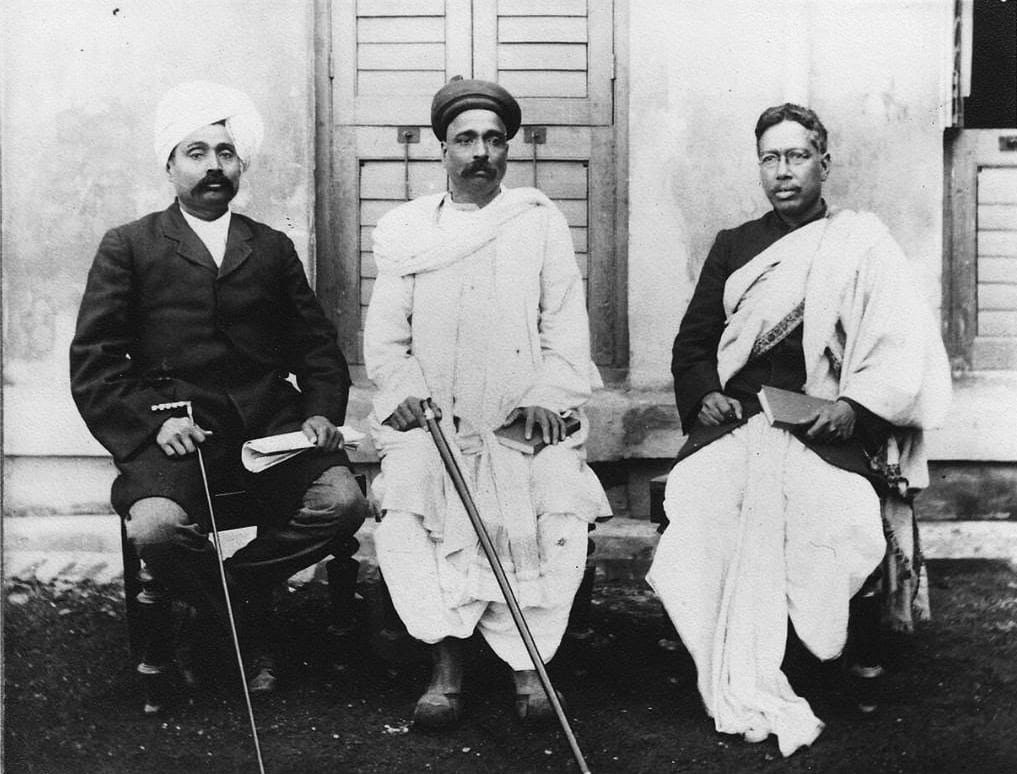
In its first twenty years the Congress was led by the Moderates. They asked the British for reforms, politely and with facts. After 1905 a bolder group, the Extremists, demanded Swaraj (self-rule) and used boycott and Swadeshi. In 1907 the two groups clashed and the Congress split at Surat. They came together again only in 1916.
The Moderates (1885–1905)
Ask politely, argue with facts.
The Moderates (the Naram Dal) were mostly lawyers, teachers and journalists. They trusted British justice. They believed Britain would give India more rights if Indians argued well. So they used prayers, petitions and protests (the "three Ps"): resolutions, speeches, letters and meetings with officials.
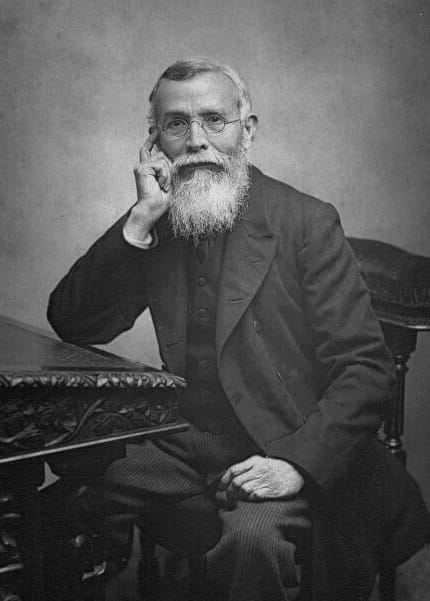
- Gave the drain of wealth theory
- First Indian member of the British House of Commons (1892)
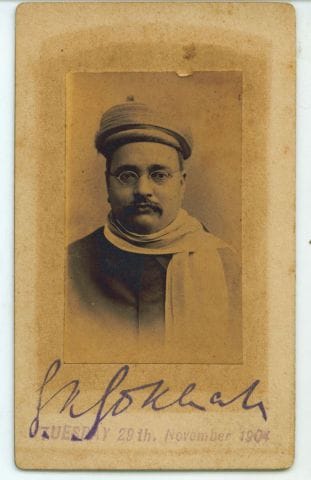
- Founded the Servants of India Society (1905)
- Gandhi's political guru; his own guide was M. G. Ranade
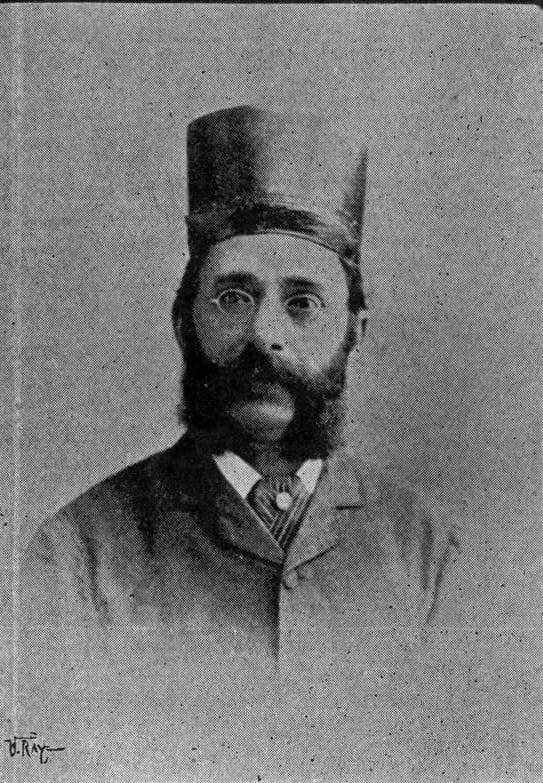
- A founder of the Bombay Presidency Association (1885)
- Strong Moderate voice at Surat, 1907
- Founded the Indian Association (1876)
- Later led Moderates out to form the Liberal Federation (1918)
Dadabhai Naoroji showed that Britain took India's wealth away every year. Salaries and pensions of British officers, interest on loans and "home charges" were paid from India to Britain. Nothing came back. He explained this in his book Poverty and Un-British Rule in India (1901). R. C. Dutt also wrote on India's economic ruin.
- What they asked for: bigger legislative councils with elected Indians; the ICS exam held in India and England at the same time; less spending on the army; lower land revenue.
- What they got: the Indian Councils Act, 1892, which added a few more Indian members to the councils. Little else.
- Their real gift: they built a national platform and the economic case against British rule that every later leader used.
The Extremists
Demand Swaraj; don't beg for it.
By 1900 many young Indians were tired of petitions. They called the Moderate way "mendicancy", which means begging. The Extremists (the Garam Dal) said Swaraj must be demanded, not requested. They wanted ordinary people, not only the educated, to join the fight.
- Petitions had failed. Twenty years of requests won very little.
- Hard times: famines and plague in the late 1890s, and harsh plague measures.
- Lord Curzon (1899–1905) insulted Indians and passed unpopular laws. Then he partitioned Bengal in 1905.
- Japan defeated Russia in 1905. Asians felt a European power could be beaten.
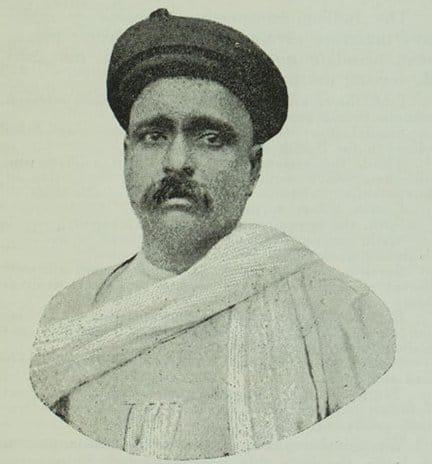
- Papers: Kesari (Marathi) and Mahratta (English)
- "Swaraj is my birthright and I shall have it"
- Deported to Mandalay in 1907
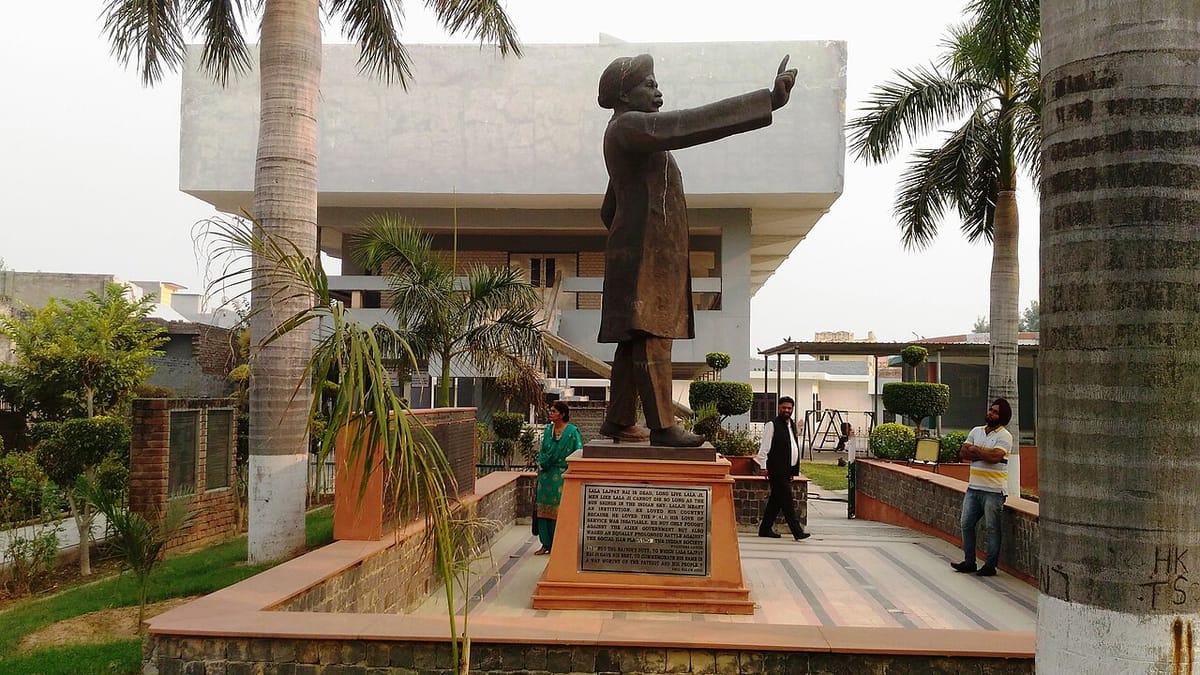
- Died after a police lathi charge at Lahore, 1928
- Great speaker of the Swadeshi movement
- Ran the paper Bande Mataram with Aurobindo
- Tried in the Alipore Bomb Case (1908), set free in 1909
- Left politics for Pondicherry in 1910
Lal-Bal-Pal and Punjab in 1907
Lala Lajpat Rai, Ajit Singh and "Pagri Sambhal Jatta".
Punjab Kesari (Lion of Punjab). Born at Dhudike, now in Moga district.
Lokmanya. Jailed at Mandalay for six years (1908–14).
Spread the Swadeshi message through speeches across India.
Lal-Bal-Pal: one leader from each big province.
In 1907 Punjab's farmers rose against the Punjab Colonization Bill and higher canal water rates. The bill hit settlers in the new canal colonies, such as Lyallpur. Sardar Ajit Singh, Bhagat Singh's uncle, and Lala Lajpat Rai led the protest. The song "Pagri Sambhal Jatta", written by Banke Dayal, became its anthem. In May 1907 the government deported both leaders to Mandalay in Burma without trial. But Viceroy Minto vetoed the bill, and the two were freed in November 1907.
The Surat split and after
Calcutta 1906, Surat 1907, Lucknow 1916.
- President: Gokhale1905: Benares sessionThe Congress supports Swadeshi in Bengal, but gently.
- President: Dadabhai Naoroji1906: Calcutta sessionChosen to please both sides. Swaraj is declared the goal. Resolutions on Swadeshi, boycott and national education.
- On the Tapti riverDec 1907: Surat sessionModerates elect Rash Behari Ghosh. Extremists fear the 1906 resolutions will be dropped. The meeting breaks up in chaos; a shoe is thrown. The Congress splits.
- 1908–09: crackdownTilak gets six years in Mandalay jail. Moderates accept the Morley-Minto Reforms (1909), with separate electorates for Muslims.
- Reunion1916: Lucknow sessionExtremists return to the Congress. The Lucknow Pact with the Muslim League is made (Tilak and Jinnah). The same year two Home Rule Leagues begin: Tilak at Belgaum (April 1916) and Annie Besant at Madras (September 1916), helped by S. Subramania Iyer.
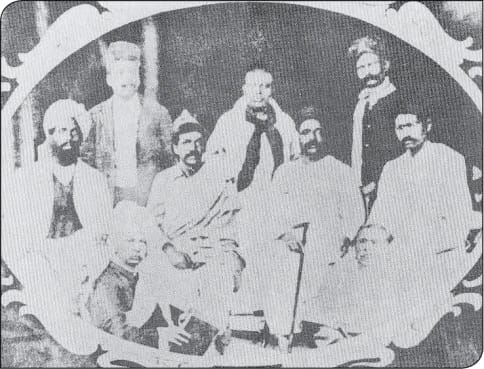
The 1907 session was first planned for Nagpur, where the Extremists were strong. It was shifted to Surat in Gujarat, safer ground for the Moderates. The Extremists wanted Lala Lajpat Rai as President. The Moderates chose Rash Behari Ghosh.
Don't confuse Rash Behari Ghosh (Moderate, Surat President 1907) with Rash Behari Bose (revolutionary, later linked with the INA).
- "Swaraj is my birthright"
- Bal Gangadhar Tilak
- Drain of wealth theory
- Dadabhai Naoroji
- Servants of India Society (1905)
- Gopal Krishna Gokhale
- Gandhi's political guru
- Gopal Krishna Gokhale
- Punjab Kesari
- Lala Lajpat Rai
- "Pagri Sambhal Jatta" song
- Written by Banke Dayal; Ajit Singh's 1907 movement
- Kesari and Mahratta papers
- Bal Gangadhar Tilak
- President at Surat, 1907
- Rash Behari Ghosh
- Liberal Federation, 1918
- Moderates under Surendranath Banerjea
Everything on one look
The two camps, Punjab 1907, the split and the reunion.
- Moderates = Naram Dal, 1885–1905
- Methods: prayers, petitions, protests
- Leaders: Naoroji, Gokhale, Mehta, Surendranath
- Extremists = Garam Dal, after 1905
- Methods: Swadeshi, boycott, national education
- Lal-Bal-Pal: Punjab, Maharashtra, Bengal
- 1906 Calcutta: Swaraj declared the goal
- May 1907: Lajpat Rai, Ajit Singh to Mandalay
- Dec 1907 Surat: split; Rash Behari Ghosh
- 1908: Tilak jailed six years, Mandalay
- 1916 Lucknow: reunion and Lucknow Pact
- 1918: Moderates form Liberal Federation
- The Surat split was in December 1907, not 1906.
- Rash Behari Ghosh, not Tilak, presided at Surat.
- Lal = Lajpat Rai, Bal = Tilak, Pal = Bipin Chandra Pal.
- Gokhale was a Moderate, not an Extremist.
- Swaraj became the Congress goal at Calcutta 1906, under Naoroji, before the split.
- Punjab Kesari is Lajpat Rai; Sher-e-Punjab is Ranjit Singh.
- Lajpat Rai was sent to Mandalay in 1907; Tilak in 1908.
- The two wings reunited at Lucknow in 1916.
- The 1918 breakaway formed the Liberal Federation, not the Swaraj Party (1923).
- Moderate phase: 1885–1905
- Moderate methods: prayers, petitions, protests
- Drain theory: Dadabhai Naoroji (1901 book)
- Gandhi's political guru: Gokhale
- Servants of India Society: Gokhale, 1905
- Indian Councils Act: 1892
- Extremist trio: Lal-Bal-Pal
- Lokmanya: Tilak (Kesari, Mahratta)
- Punjab Kesari: Lala Lajpat Rai
- Punjab agrarian unrest: 1907, Ajit Singh
- Pagri Sambhal Jatta: Banke Dayal
- Mandalay: Lajpat Rai 1907, Tilak 1908–14
- Swaraj as goal: Calcutta 1906, Naoroji
- Surat split: Dec 1907, Rash Behari Ghosh
- Morley-Minto Reforms: 1909
- Reunion: Lucknow 1916
- Home Rule Leagues: Tilak and Besant, 1916
- Liberal Federation: 1918, Surendranath Banerjea
How did the methods of the Moderates and the Extremists differ?
Show answer
The Moderates trusted British justice and used prayers, petitions and protests to win reforms slowly. The Extremists called this begging. They demanded Swaraj at once and used Swadeshi, boycott and national education to bring ordinary people into the struggle.