Gandhi came back to India in 1915. Within three years he led three small, local struggles. Champaran (1917) was for indigo farmers in Bihar. Ahmedabad (1918) was for mill workers. Kheda (1918) was for peasants who could not pay land tax. Each one tested his method of satyagraha, and together they made him a national leader.
Gandhi comes home
A method from South Africa, and a year of listening.
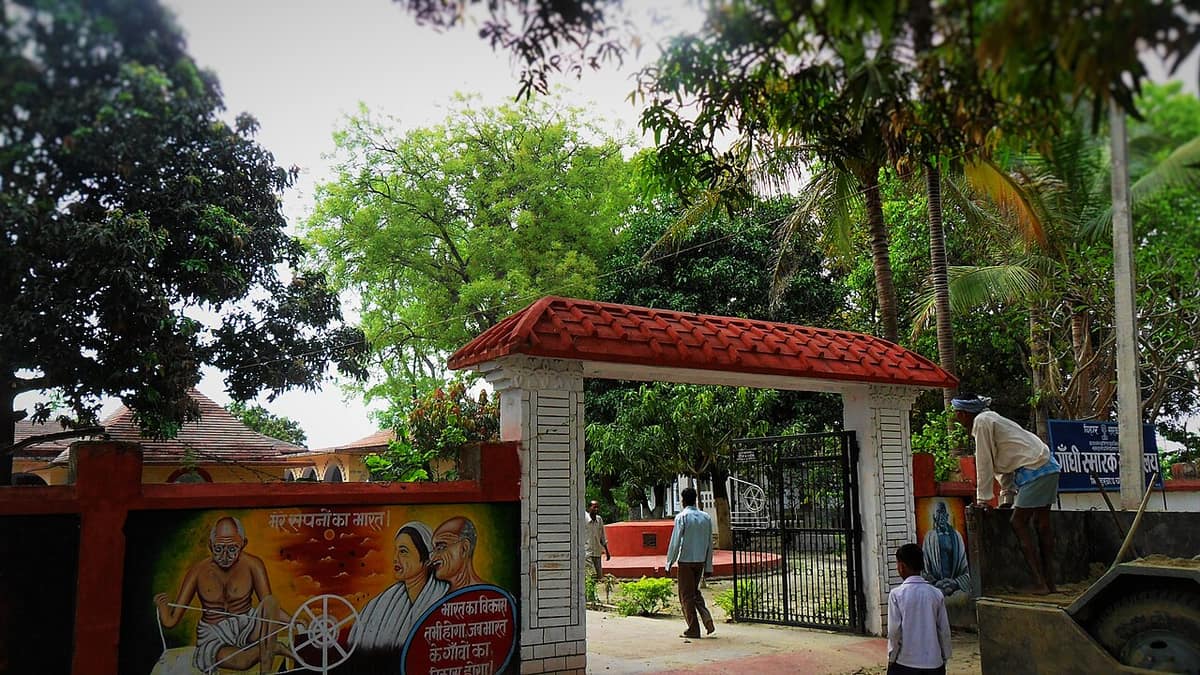
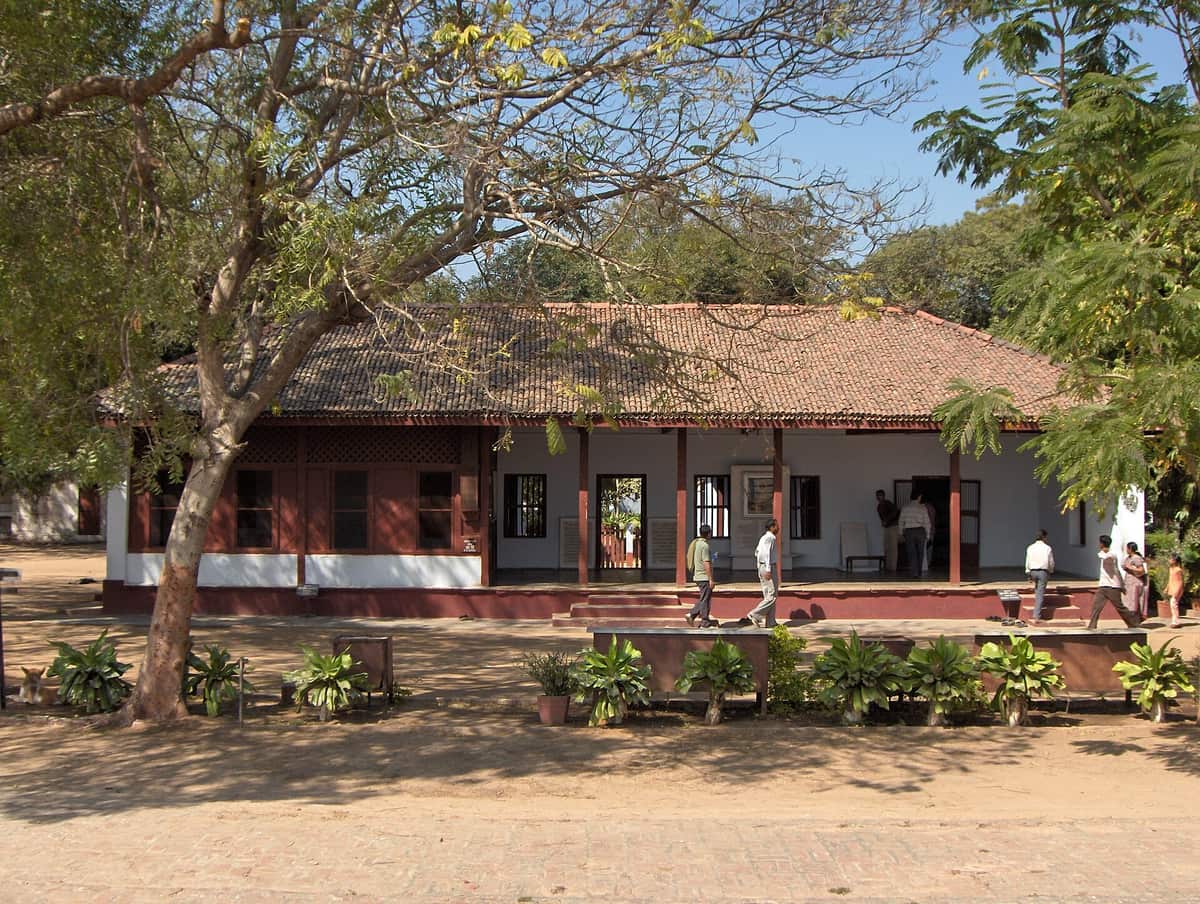
Gandhi lived in South Africa for about twenty years. There he led Indians against unfair laws, from 1906 onwards. He called his method satyagraha. He returned to India on 9 January 1915. His political guru, Gopal Krishna Gokhale, told him to travel and learn about India for a year before taking part in politics. Gandhi did so, and set up an ashram at Ahmedabad.
Satyagraha means holding firmly to truth. A satyagrahi refuses to obey an unjust law, but never uses violence. He accepts punishment calmly. The aim is to change the opponent's mind, not to hurt him.
- 9 Jan 1915Back in India
Gandhi lands at Bombay. The day is now kept as Pravasi Bharatiya Divas.
- 1915Ashram at Ahmedabad
He sets up the Kochrab Ashram. In 1917 it moves to the bank of the Sabarmati.
- Dec 1916Lucknow Congress
Raj Kumar Shukla, a farmer from Champaran, asks Gandhi to come and see the indigo farmers.
- Apr 1917Champaran
Gandhi reaches Champaran and defies the order to leave.
- Feb–Mar 1918Ahmedabad
Mill strike; Gandhi's first fast in India.
- Mar–Jun 1918Kheda
Peasants refuse to pay land revenue after crop failure.
Gandhi's South African years: also askedTap to open
- In 1909 Gandhi wrote *Hind Swaraj* (Indian Home Rule), in Gujarati, on a ship from London to South Africa.
- In 1915 the British gave him the Kaiser-i-Hind gold medal for his ambulance work in South Africa.
- He gave this medal back in 1920, during the Non-Cooperation Movement, in protest against the wrongs done in Punjab and to the Khilafat.
Champaran, 1917: the indigo farmers
Gandhi's first satyagraha in India.
Champaran is a district in north Bihar. There, European planters forced peasants to grow indigo, a plant used to make blue dye. The peasants had to sell it to the planters at a low price fixed by them. When German chemical dye made indigo less profitable, planters demanded extra payments instead. At the Lucknow Congress (1916), a farmer named Raj Kumar Shukla begged Gandhi to visit Champaran.
Under tinkathia, a peasant had to grow indigo on 3 kathas out of every 20 kathas of his land. That is three-twentieths of the land. The crop went to the planter at a fixed low price. The land could have grown food instead.
- Gandhi reached Champaran in April 1917. The officials ordered him to leave. He refused and said he would accept the punishment. This was his first civil disobedience in India.
- Crowds gathered at the court. The government dropped the case and let him carry on.
- With his team, he recorded the statements of thousands of peasants.
- The government set up an inquiry committee with Gandhi as a member. The Champaran Agrarian Act (1918) then ended the tinkathia system.
- The planters agreed to return 25 percent of the money they had taken from the peasants.
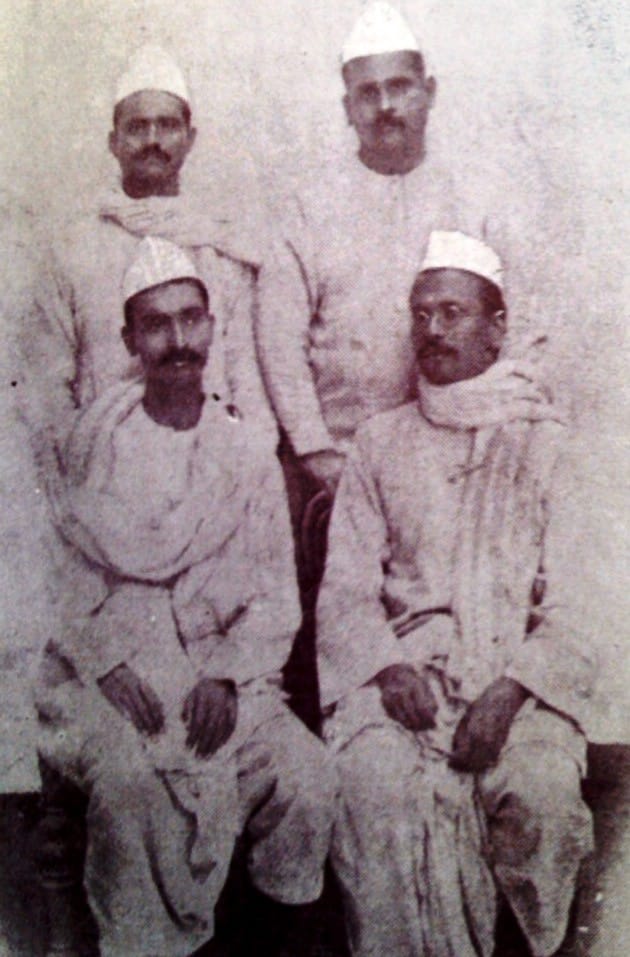
Later the first President of India.
Later a senior minister in Bihar.
Gandhi's secretary for many years.
Later Congress President in 1947.
Leading lawyers of Bihar.
Gandhi's Champaran team: future national leaders.
Ahmedabad, 1918: the mill workers
A strike, a pledge, and Gandhi's first fast.
Ahmedabad was a big cotton mill city. During a plague in 1917, mill owners paid workers a plague bonus so that they would not leave the city. Later the owners wanted to stop the bonus. But prices had risen sharply because of the war. The workers asked for a 50 percent rise. The owners offered only 20 percent.
- Bonus to be stoppedWorkers demand a pay rise instead.
- Gandhi's adviceAsk for 35 percent. Go on a peaceful strike and take a pledge not to give up.
- First fastWorkers begin to waverTo keep them firm, Gandhi goes on a hunger strike. It is his first fast for a public cause in India.
- SettlementThe dispute goes to arbitration. The workers get a 35 percent rise.
Anasuya Sarabhai stood with the workers. Her own brother, Ambalal Sarabhai, was a leading mill owner. Anasuya later helped build the Ahmedabad Textile Labour Association (Majoor Mahajan).
Kheda, 1918: the peasants' tax
No crop, but full tax: the rise of Vallabhbhai Patel.
In 1918 the crops failed in Kheda district of Gujarat. The rules said that if the crop was less than one-fourth of normal, peasants should get remission (a let-off) of land revenue. The government still demanded the full tax. Gandhi asked the peasants to refuse to pay and accept the punishment. A young lawyer, Vallabhbhai Patel, gave up his practice and toured the villages with him.
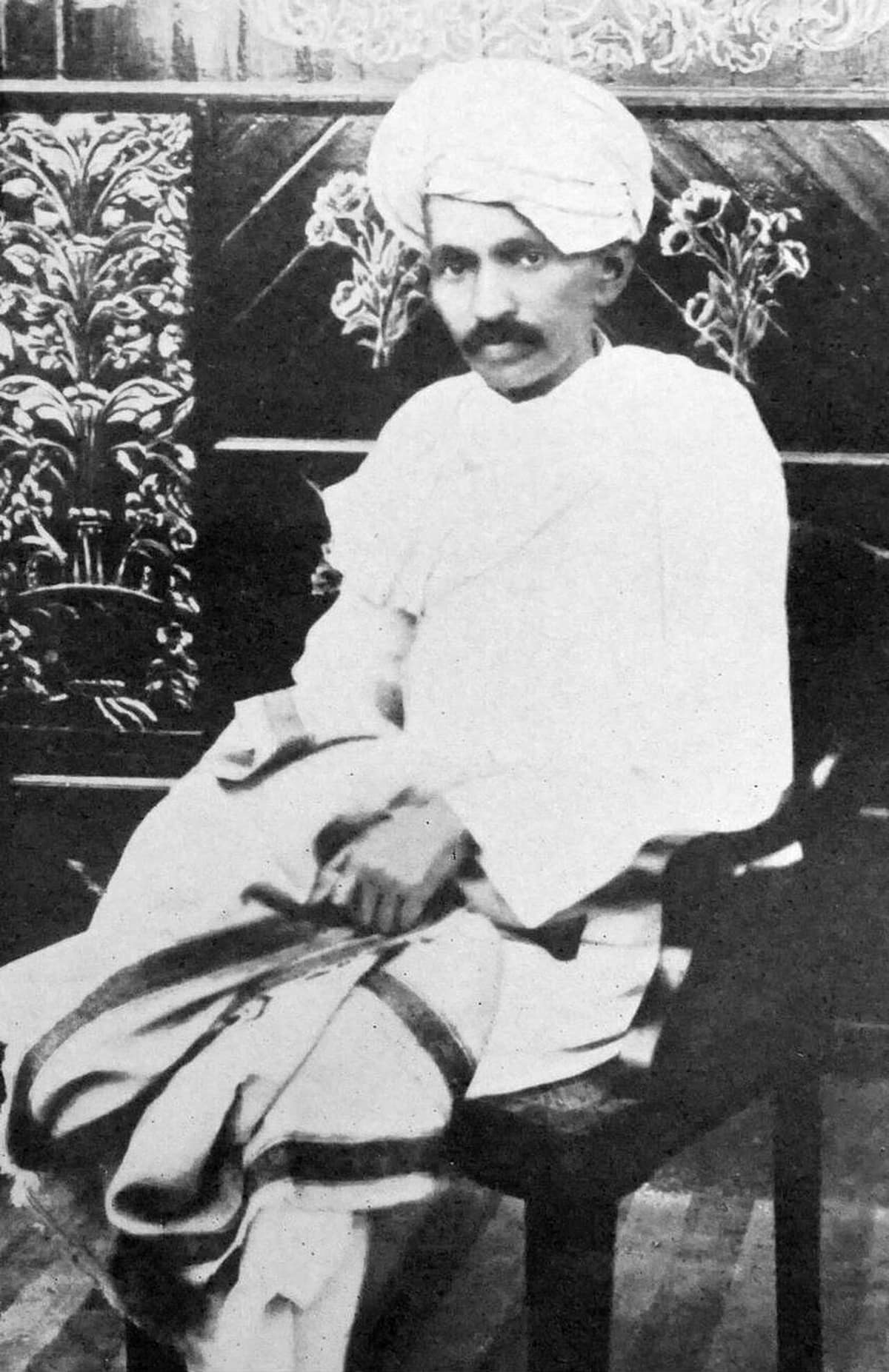
- Other Kheda workers included Indulal Yagnik, Shankarlal Banker, Mahadev Desai and Narhari Parikh.
- The government quietly ordered that revenue be taken only from those who could pay. Gandhi then ended the campaign in June 1918.
- Kheda made Vallabhbhai Patel a leader. Ten years later he led the Bardoli Satyagraha (1928), where the women gave him the title "Sardar".
Patel after Kheda: Bardoli, 1928Tap to open
- In 1928 the Bombay government raised land revenue in Bardoli taluka (Surat district) sharply.
- The peasants invited Vallabhbhai Patel to lead them. They refused to pay the higher tax.
- An inquiry later cut the increase. The women of Bardoli gave Patel the title "Sardar".
- Gandhi supported Bardoli, but Patel was its leader.
None of them asked the British to leave India. Each fought one clear, local wrong and won. Gandhi tested his method, met the common people, and gathered a team: Rajendra Prasad, Mahadev Desai, Kripalani, Patel. When the Rowlatt Act came in 1919, he was ready to lead all of India.
- Gandhi returned to India
- 9 January 1915
- Gandhi's political guru
- Gopal Krishna Gokhale
- Brought Gandhi to Champaran
- Raj Kumar Shukla
- Tinkathia
- Indigo on 3 of every 20 kathas
- Ended tinkathia
- Champaran Agrarian Act, 1918
- Gandhi's first fast in India
- Ahmedabad mill strike, 1918
- Ahmedabad pay rise
- 35 percent
- Kheda's new leader
- Vallabhbhai Patel
Everything on one look
Three movements, three firsts.
- District in Bihar; indigo farmers
- Tinkathia: 3/20 of land under indigo
- Invited by Raj Kumar Shukla (Lucknow, 1916)
- Gandhi's first civil disobedience in India
- Champaran Agrarian Act 1918 ended tinkathia
- Team: Rajendra Prasad, Mahadev Desai, Kripalani
- Ahmedabad: mill workers, plague bonus
- Gandhi's first hunger strike; 35% rise
- Anasuya Sarabhai with workers; brother Ambalal an owner
- Kheda: crop failure, land revenue
- Remission rule: crop below one-fourth
- Vallabhbhai Patel rose at Kheda
- Champaran (1917) came first; Ahmedabad and Kheda were both in 1918.
- Champaran is in Bihar; Ahmedabad and Kheda are in Gujarat.
- Tinkathia was about indigo, not land revenue.
- Gandhi's first fast was at Ahmedabad, not Champaran.
- Gandhi first used satyagraha in South Africa, not India.
- Kheda (1918) was led by Gandhi; Bardoli (1928) by Patel.
- Patel got the title Sardar at Bardoli, not Kheda.
- Gandhi returned the Kaiser-i-Hind medal, not a knighthood.
- Gandhi's political guru was Gokhale, not Tilak.
- Gandhi back in India: 9 January 1915
- First satyagraha anywhere: South Africa
- Political guru: Gokhale
- Hind Swaraj: 1909
- Kaiser-i-Hind: got 1915, returned 1920
- Champaran: April 1917, Bihar
- Invited by: Raj Kumar Shukla
- Tinkathia: 3 of 20 kathas under indigo
- Champaran Agrarian Act: 1918
- Ahmedabad: plague bonus dispute
- First fast in India: Ahmedabad, 1918
- Ahmedabad award: 35% rise
- Kheda: crop failure, 1918
- Kheda: Vallabhbhai Patel rises
- Bardoli 1928: Patel becomes Sardar
Name one "first" for Gandhi in each of Champaran, Ahmedabad and Kheda.
Show answer
Champaran (1917): his first civil disobedience in India, when he refused to leave the district. Ahmedabad (1918): his first hunger strike. Kheda (1918): his first non-cooperation, when peasants refused to pay land revenue.