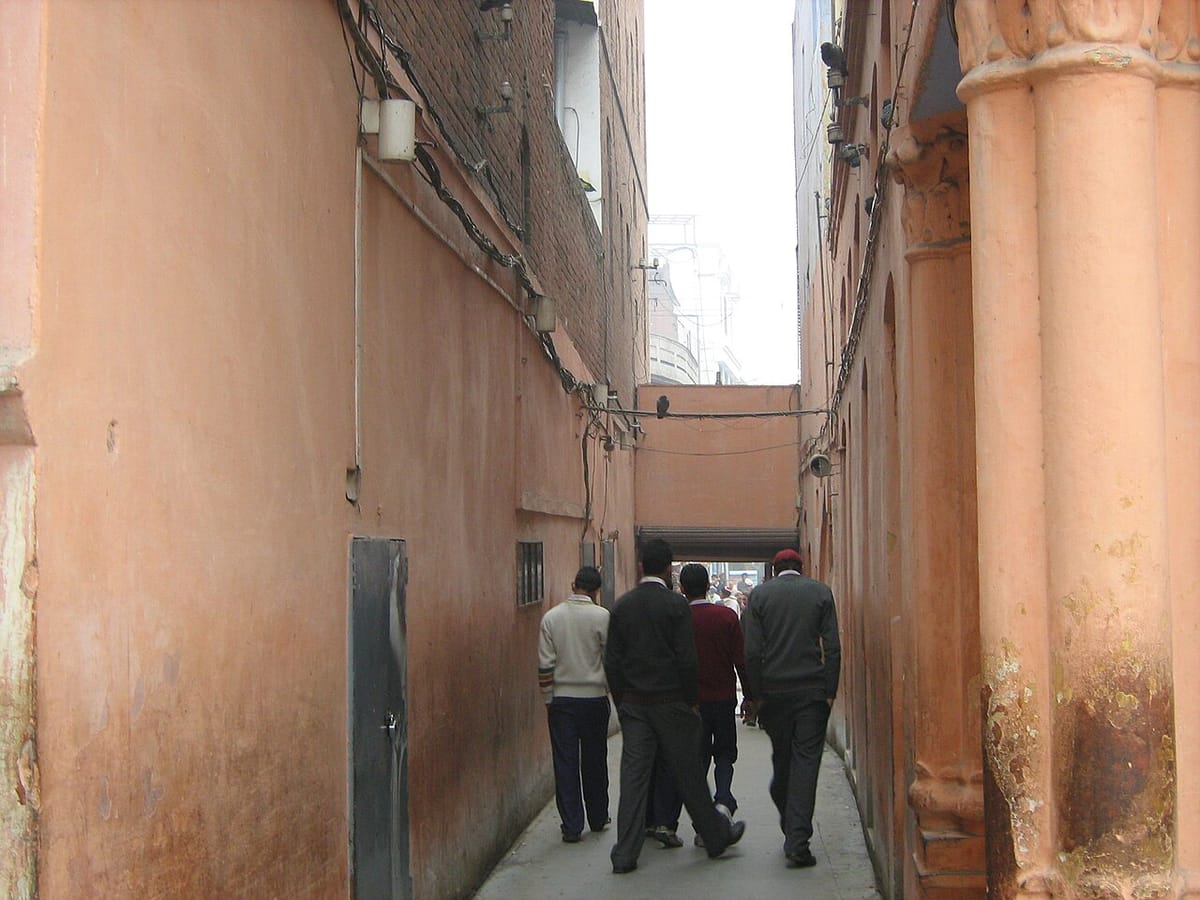
In 1919 Indians expected a reward for helping Britain in World War I. Instead they got the Rowlatt Act, a law to jail people without trial. Gandhi called a nationwide protest. In Punjab it ended in the Jallianwala Bagh massacre at Amritsar on 13 April 1919. After that day, many Indians stopped trusting British rule.
The Rowlatt Act: the black law
No lawyer, no argument, no appeal.
During the war, the government had special powers to jail people without trial. In 1918 a committee under the British judge Sidney Rowlatt said these powers should continue. It was also called the Sedition Committee. Its advice became the Rowlatt Act, passed in March 1919. Its official name was the Anarchical and Revolutionary Crimes Act, 1919.
This was how people described the Rowlatt Act: no lawyer, no argument, no appeal. The Act let the police arrest without a warrant. A suspect could be kept in jail without trial, for up to two years. Special courts could try cases without a jury, and there was no right of appeal. Indians called it the Black Act.
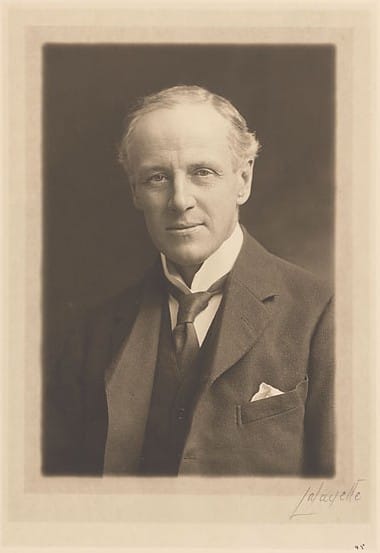
- All the elected Indian members of the Imperial Legislative Council opposed the bill. The government passed it anyway.
- Muhammad Ali Jinnah, Madan Mohan Malaviya and Mazharul Haque resigned from the Council in protest.
- Gandhi formed a Satyagraha Sabha and called a nationwide hartal (shops shut, work stopped) for 6 April 1919, with fasting and prayer.
- This Rowlatt Satyagraha was Gandhi's first all-India movement. Some cities saw violence, and Punjab was the most tense.
Amritsar, April 1919
Arrests, a ban, and Baisakhi in a walled garden.
- 6 Apr 1919Hartal
Amritsar and Lahore shut down peacefully.
- 9 Apr 1919Ram Navami
Hindus and Muslims of Amritsar march together. Gandhi, on his way to Punjab, is stopped at Palwal and sent back.
- 10 Apr 1919Leaders taken away
Two popular leaders, Dr Saifuddin Kitchlew and Dr Satyapal, are arrested and sent out of Amritsar. Police fire on protesters, and rioting follows.
- 11–12 Apr 1919Dyer takes charge
Brigadier-General Reginald Dyer takes control of Amritsar. Public meetings are banned, but the order is not made known to everyone.
- 13 Apr 1919Jallianwala Bagh
It is Baisakhi. Thousands gather in the Bagh. Dyer opens fire without warning.
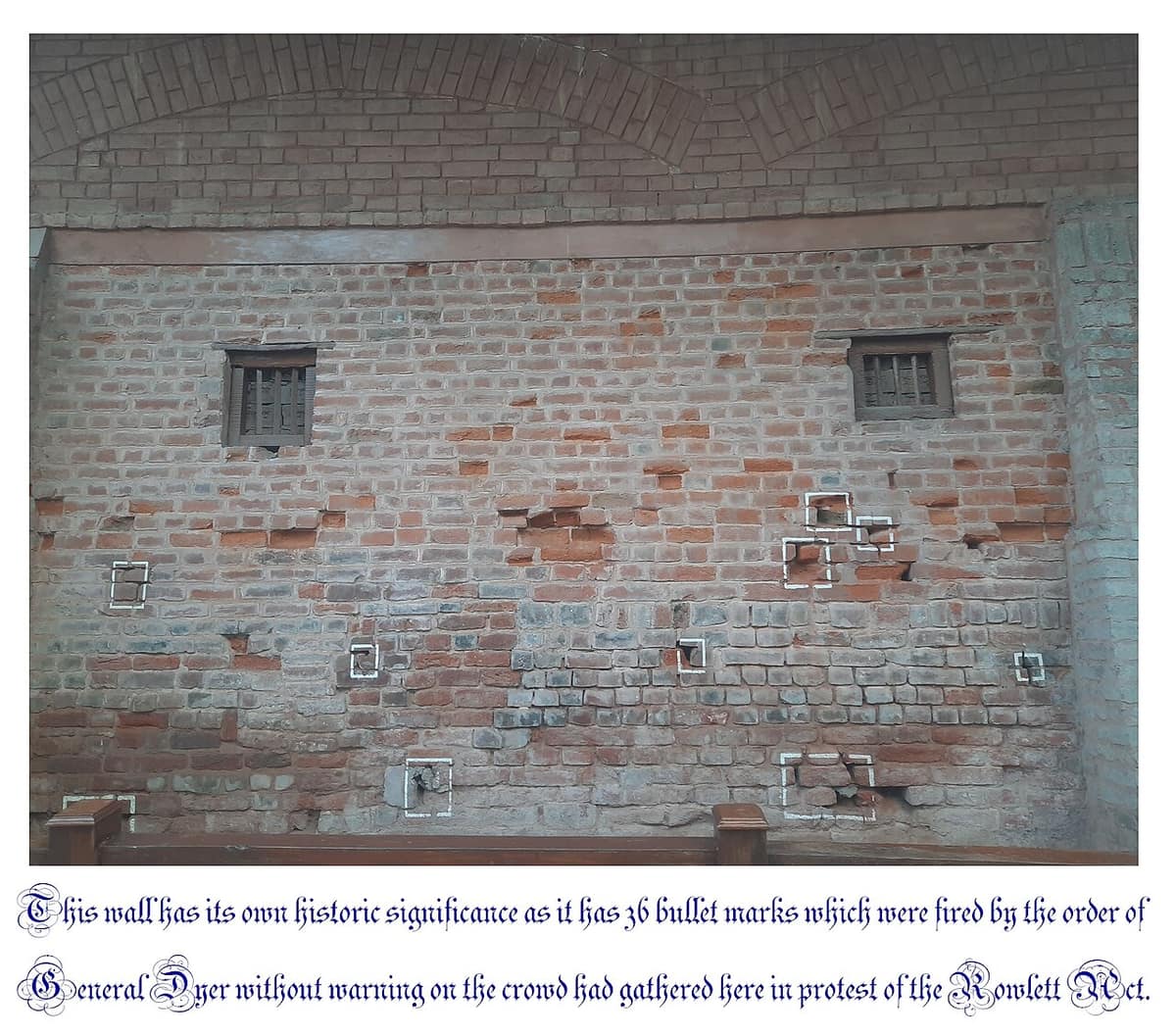
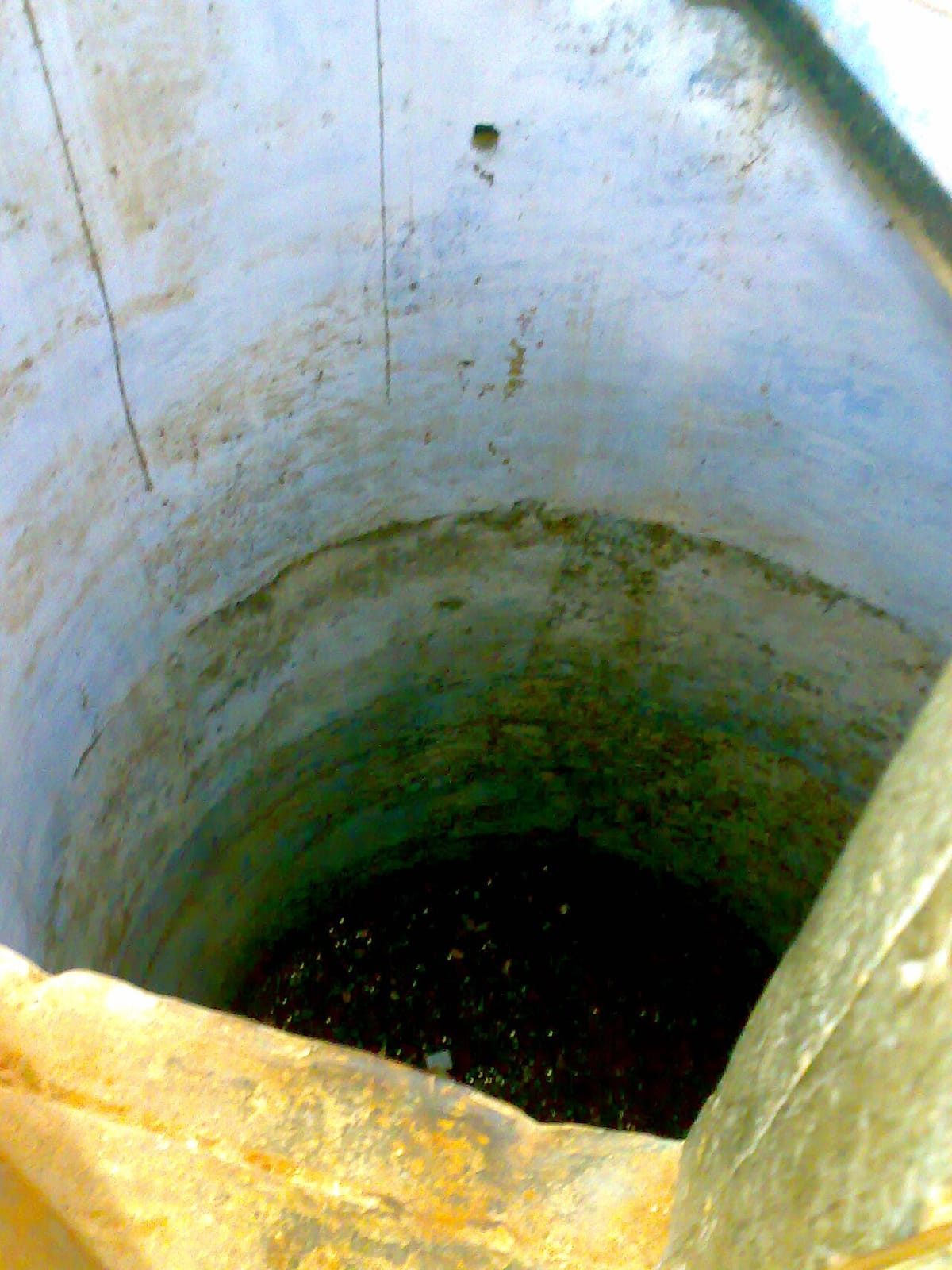
Jallianwala Bagh was an open ground with walls and houses on all sides. It had only a few narrow exits. On the afternoon of 13 April, a meeting was held there to protest the arrests. Many villagers had come for the Baisakhi fair and did not know about the ban. Dyer arrived with troops, blocked the main entrance and ordered firing without any warning. The firing went on for about ten minutes. About 1,650 rounds were fired into the unarmed crowd.
The government's Hunter Committee counted 379 dead. The Congress inquiry put the toll at about 1,000, with many more wounded. Learn both figures and who gave them. Nobody disputes the main facts: the crowd was unarmed, no warning was given, and the way out was blocked.
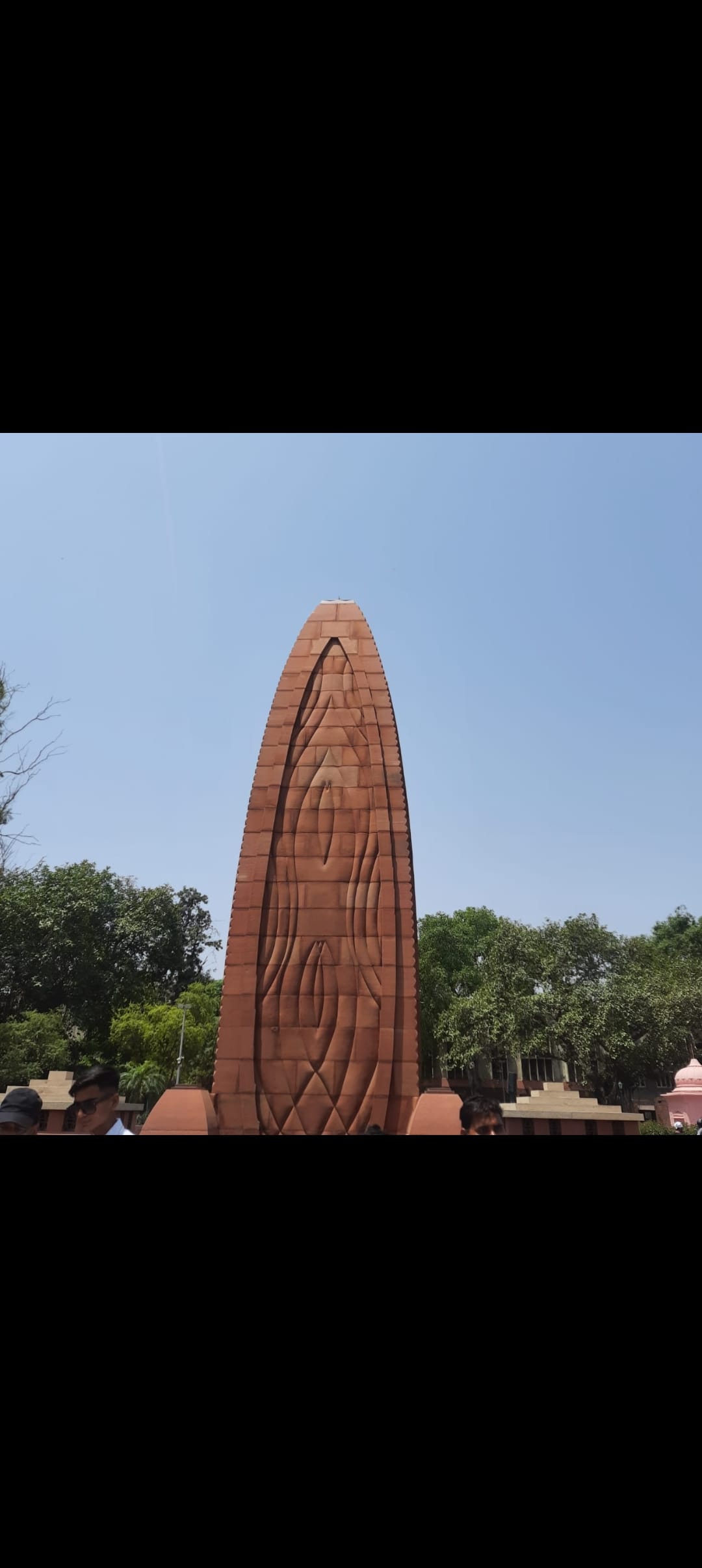
After the firing
Martial law, an inquiry, and the protests that followed.
- Martial law was declared in Amritsar, Lahore and other districts from 15 April 1919.
- Indians were made to crawl on their bellies along a lane in Amritsar where an English woman had been attacked. This was the crawling order.
- Planes dropped bombs on Gujranwala to scatter protesters.
- Gandhi called off the satyagraha on 18 April 1919. He said starting it before people were ready for non-violence was a "Himalayan blunder".
- Disorders Inquiry CommitteeOct 1919: committee appointedChairman Lord William Hunter. Three of its members were Indians.
- Report, 1920It said Dyer acted wrongly. But no legal punishment was given. Dyer was asked to resign from the army.
- Indian members disagreeThe Indian members wrote a separate minority report.
- Congress inquiryThe Congress held its own inquiry. Gandhi is said to have drafted much of its report.
Knighted in 1915. He wrote to Viceroy Chelmsford in May 1919 giving up the title.
Left the Viceroy's Executive Council in protest.
Gave back his Kaiser-i-Hind medal in 1920, citing the Punjab wrongs.
How Indians protested.
In Britain, some people praised Dyer, but Winston Churchill called the firing "monstrous" in the House of Commons in 1920. Dyer died in England in 1927.
Dyer, O'Dwyer and Udham Singh
Two different men, and the Punjabi who did not forget.
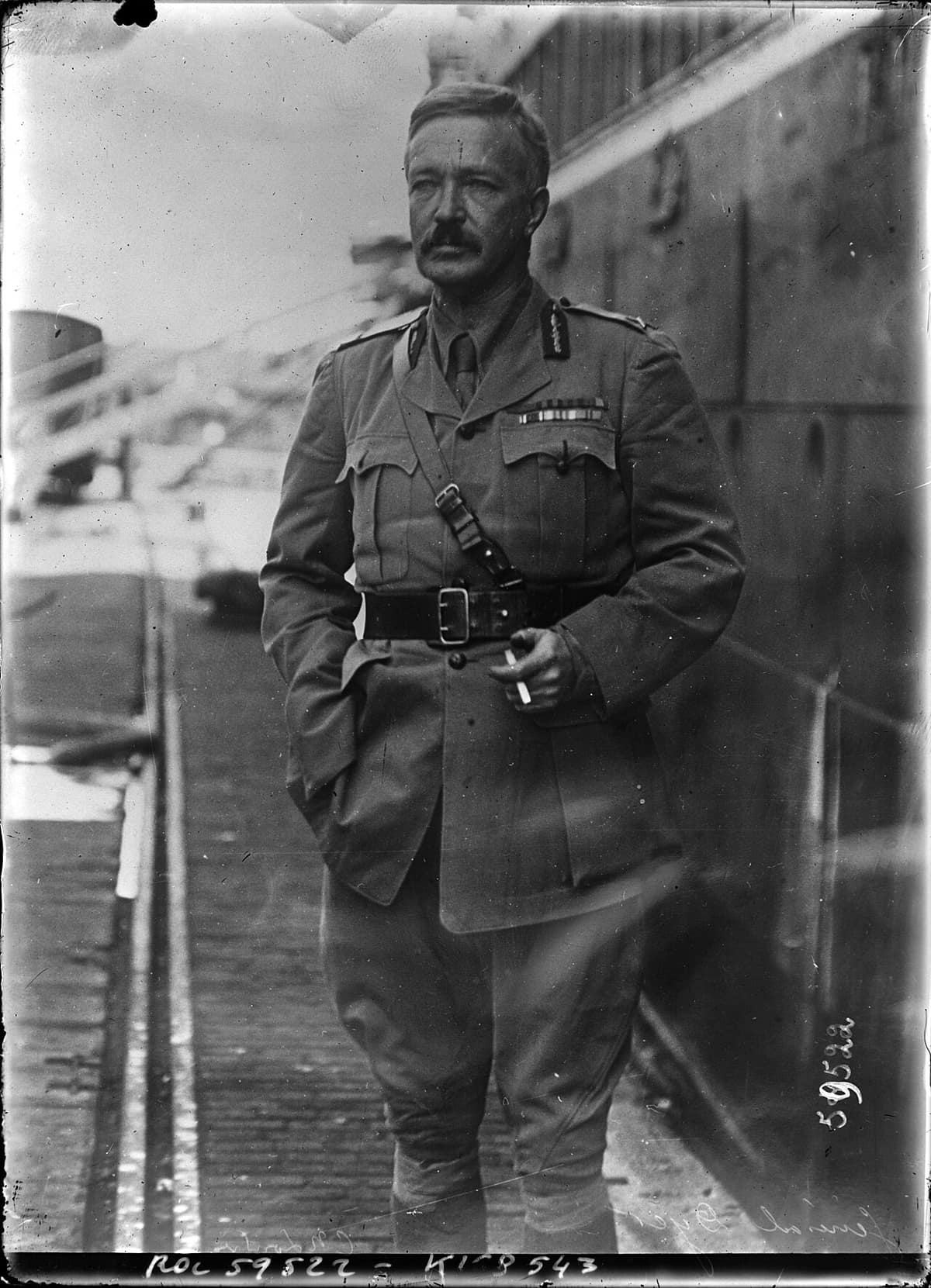
- Ordered the firing at Jallianwala Bagh
- Made to resign after the Hunter report
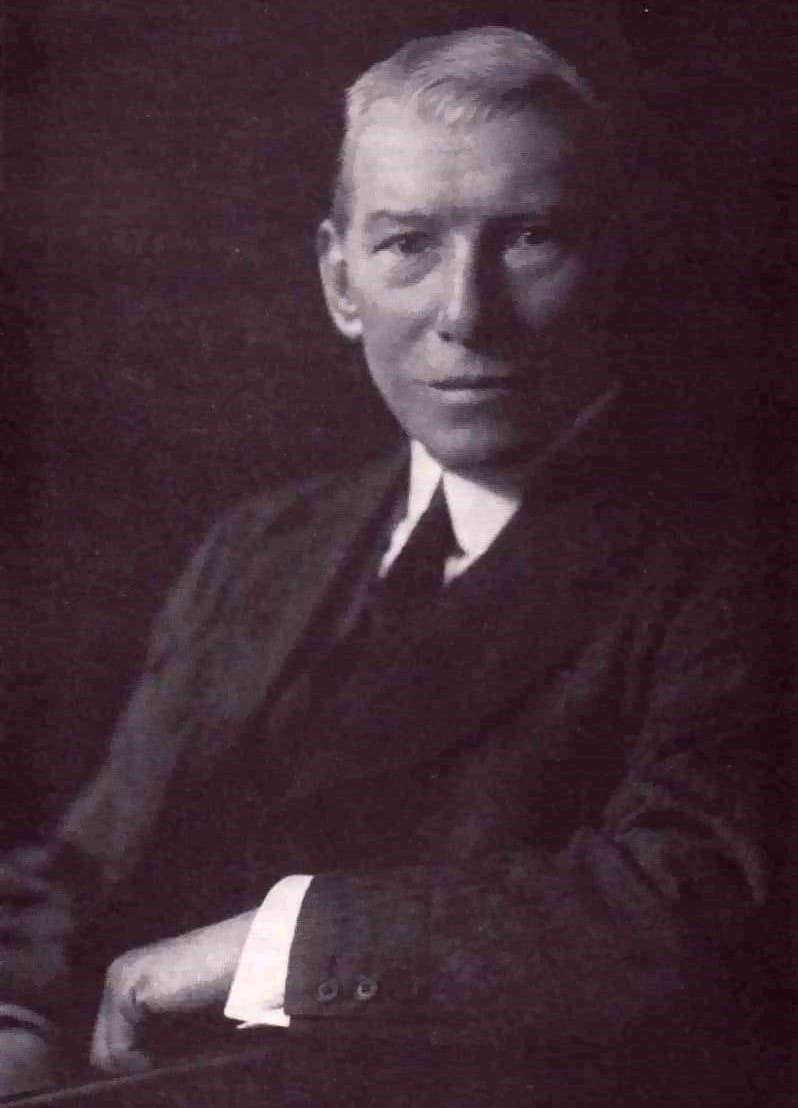
- Backed Dyer's action
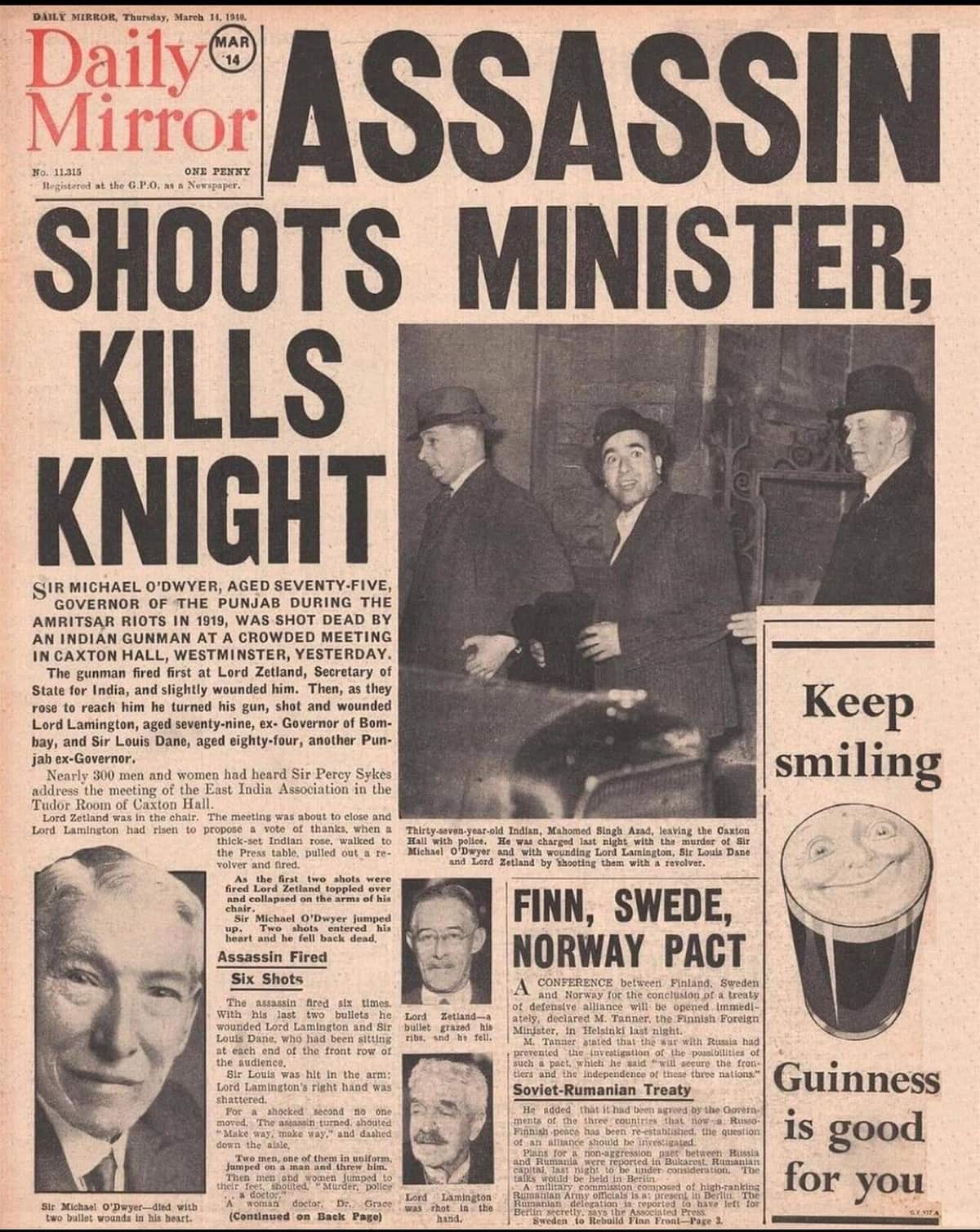
- Shot dead in London, 13 March 1940
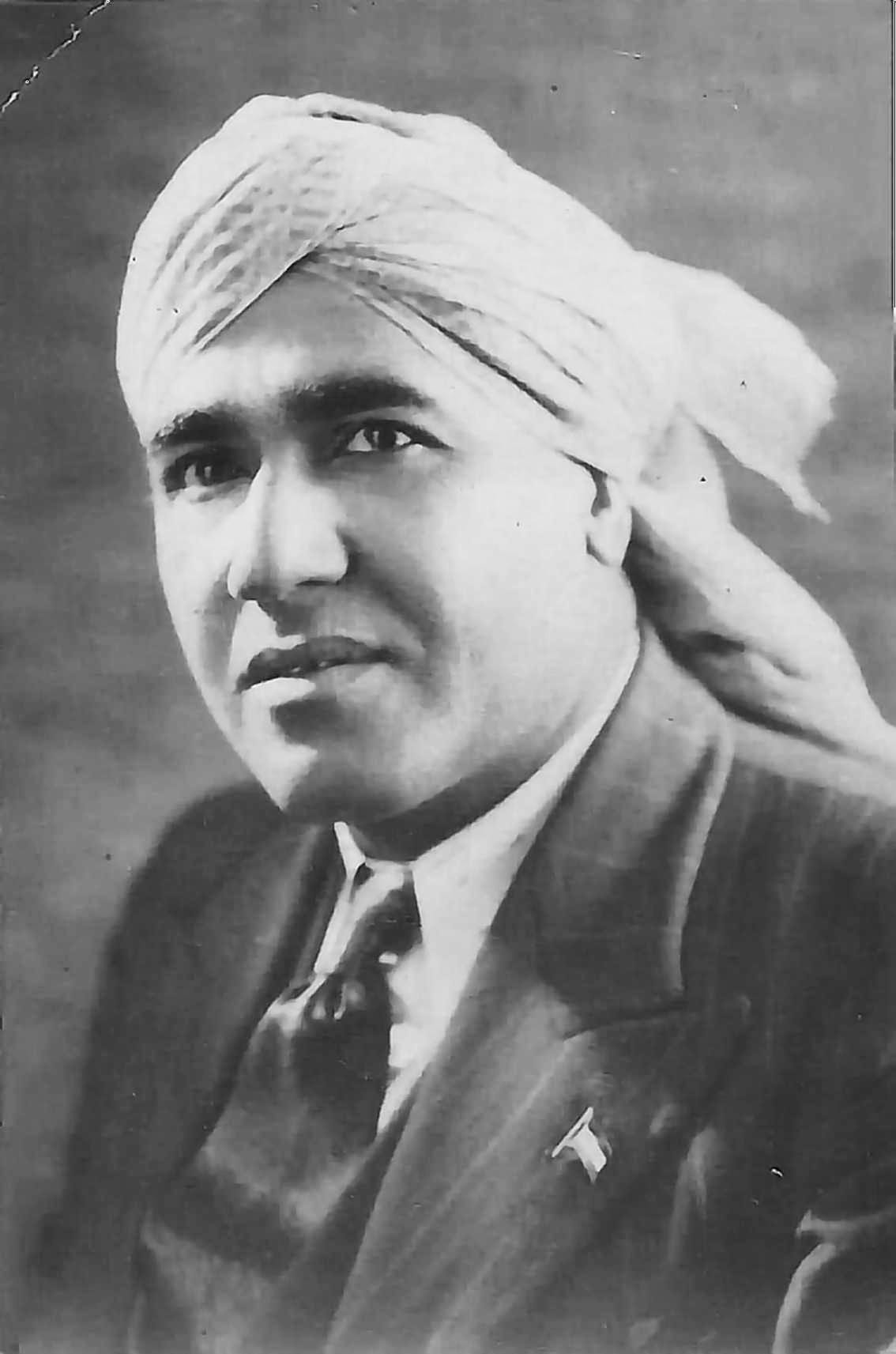
- Born Sher Singh; grew up in an Amritsar orphanage
- Called himself Ram Mohammad Singh Azad
Udham Singh was born in 1899 at Sunam, in today's Sangrur district. His birth name was Sher Singh. He was brought up at the Central Khalsa Orphanage, Amritsar. On 13 March 1940 he shot Michael O'Dwyer at Caxton Hall, London. He was hanged in London on 31 July 1940. In court he gave his name as Ram Mohammad Singh Azad, to stand for Hindu, Muslim and Sikh unity. His ashes were brought back to India in 1974.
Why 1919 changed everything
From reform to non-cooperation.
- March 1919Rowlatt Act passed against all Indian opinion.
- April 1919Rowlatt Satyagraha, then Jallianwala Bagh and martial law in Punjab.
- 1920The Hunter report lets Dyer off lightly. Faith in British justice breaks.
- Non-Cooperation1920Gandhi decides that working with such a government is wrong. The Non-Cooperation Movement begins.
Before 1919, many leaders believed British rule could be reformed step by step. The Rowlatt Act and Jallianwala Bagh ended that hope. The massacre also stirred young Punjabis. Bhagat Singh, then only 11, is said to have visited the Bagh soon after. Udham Singh carried its memory for twenty years.
March law, April hartal, April massacre. Rowlatt Act: March 1919. Hartal: 6 April. Jallianwala Bagh: 13 April. Then remember "Dyer fired, O'Dwyer approved, Udham avenged."
The memorial: also askedTap to open
- The Jallianwala Bagh National Memorial Act was passed in 1951. A trust looks after the site.
- The red sandstone Flame of Liberty was designed by the American architect Benjamin Polk.
- President Dr Rajendra Prasad opened it on 13 April 1961.
- A statue of Udham Singh stands at the entrance, and his ashes are kept in the memorial museum.
Everything on one look
The Act, the massacre, the inquiry and the revenge.
- Passed March 1919; based on the Rowlatt (Sedition) Committee
- Official name: Anarchical and Revolutionary Crimes Act
- Arrest without warrant, jail without trial, no appeal
- "No vakil, no dalil, no appeal"
- Gandhi's hartal: 6 April 1919
- Jinnah, Malaviya, Mazharul Haque resigned from the Council
- 13 April 1919, Baisakhi, Amritsar
- Arrests of Kitchlew and Satyapal on 10 April
- Dyer fired; O'Dwyer approved
- Official toll 379; Congress about 1,000
- Hunter Committee (Disorders Inquiry Committee)
- Tagore gave up his knighthood
- Dyer gave the order; O'Dwyer was Lieutenant-Governor.
- Udham Singh shot O'Dwyer in 1940. Dyer died of illness in 1927.
- The Rowlatt Committee (Sedition Committee) led to the Act; the Hunter Committee inquired into the firing.
- The meeting protested the arrests of Kitchlew and Satyapal, not of Gandhi or Lajpat Rai.
- The massacre belongs to the Rowlatt Satyagraha (1919), not Non-Cooperation (1920).
- The hartal was on 6 April; the massacre on 13 April.
- Tagore was knighted in 1915 and gave it up in 1919.
- Gandhi returned the Kaiser-i-Hind medal, not a knighthood.
- The memorial was opened in 1961 by Rajendra Prasad.
- Udham Singh's real name: Sher Singh.
- Rowlatt Act: March 1919
- Official name: Anarchical and Revolutionary Crimes Act
- Committee head: Justice Sidney Rowlatt
- Slogan: no vakil, no dalil, no appeal
- Satyagraha Sabha: formed by Gandhi
- Hartal: 6 April 1919
- Kitchlew and Satyapal arrested: 10 April 1919
- Massacre: 13 April 1919, Baisakhi
- Ordered firing: Brigadier-General Dyer
- Lieutenant-Governor: Michael O'Dwyer
- Viceroy: Lord Chelmsford
- Official dead: 379
- Inquiry: Hunter Committee, Oct 1919
- Tagore: knighted 1915, renounced 1919
- Gandhi: "Himalayan blunder"
- Udham Singh shot O'Dwyer: 13 March 1940
- Udham Singh hanged: 31 July 1940
- Memorial opened: 13 April 1961
- Rowlatt Act repealed: 1922
What was the difference between the roles of Dyer and O'Dwyer in 1919?
Show answer
Brigadier-General Reginald Dyer was the army officer who blocked the entrance and ordered the firing at Jallianwala Bagh. Sir Michael O'Dwyer was the Lieutenant-Governor of Punjab, who approved the action and ran martial law. Udham Singh shot O'Dwyer in London in 1940.