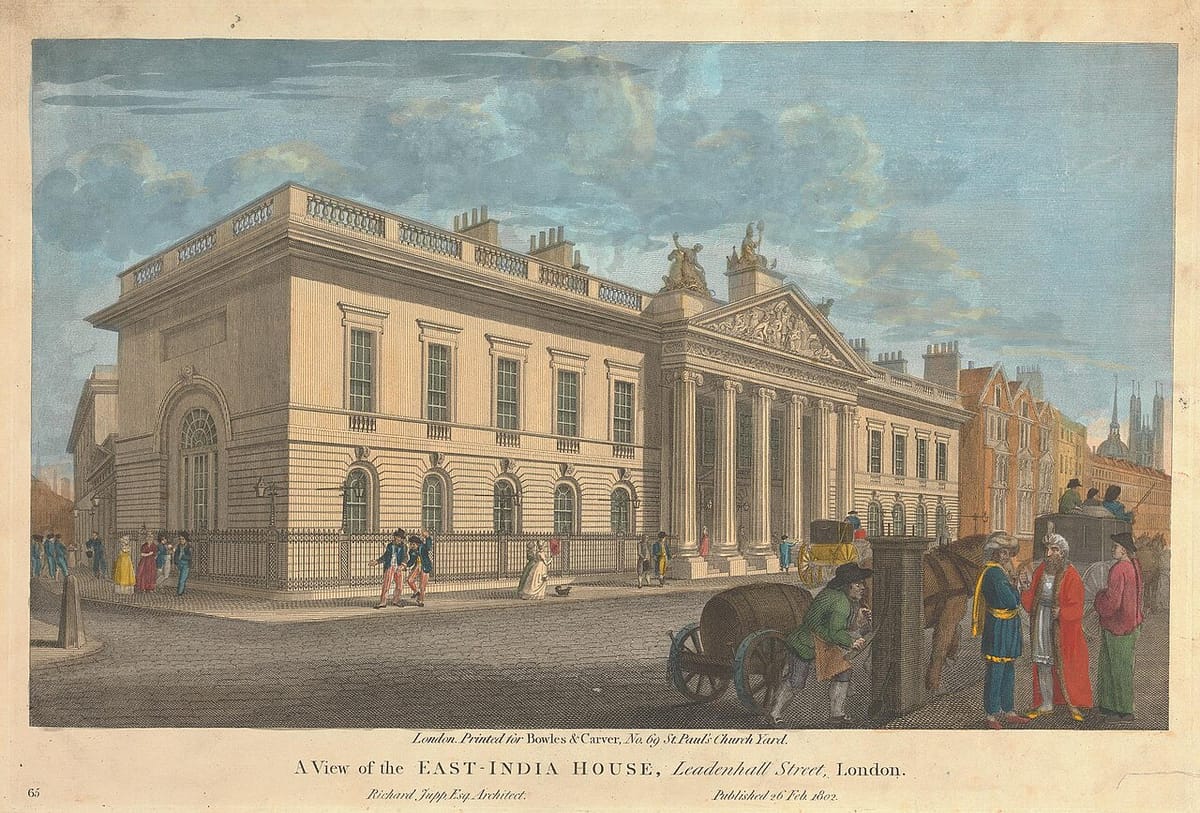
The English East India Company began as a trading company of London merchants in 1600. It came to India to buy spices and cloth. It set up trading posts at Surat, Madras, Bombay and Calcutta. After Plassey (1757) and Buxar (1764) it became a ruler. In 1858 the British Crown took India from it.
Born in London, welcomed by Jahangir
A charter in 1600, and Mughal permission by 1613.
On 31 December 1600, Queen Elizabeth I gave a royal charter to a group of London merchants. A charter is an official letter of permission. It gave them a monopoly: only this company could trade for England east of the Cape of Good Hope. The first grant was for 15 years.
The Company raised money by selling shares to many investors. Each investor shared the profit and the risk. So the Company had its own money and did not depend on the king. This helped it outlast the French company, which leaned on its government.
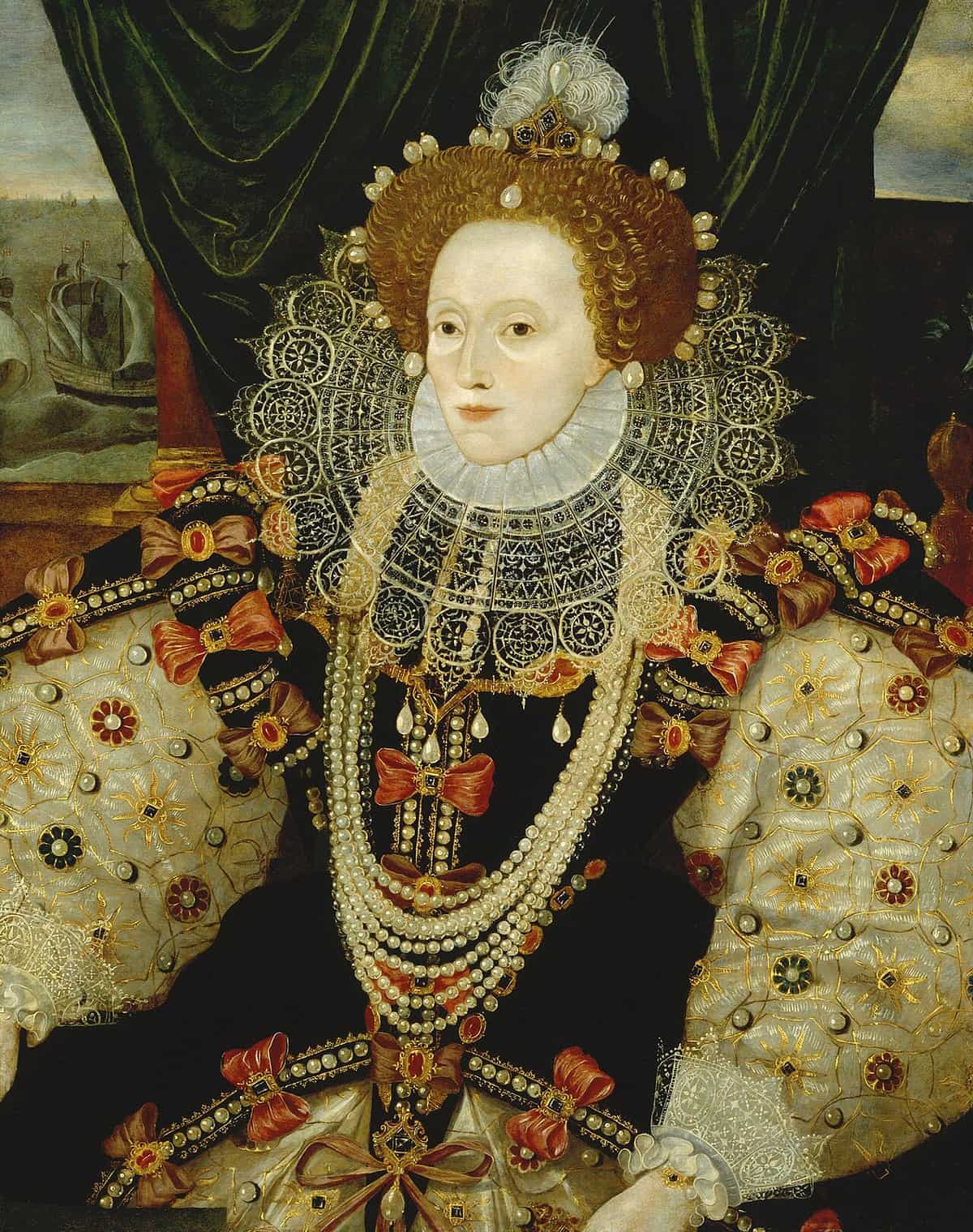
- Signed the charter on 31 December 1600
- Gave a trade monopoly east of the Cape of Good Hope
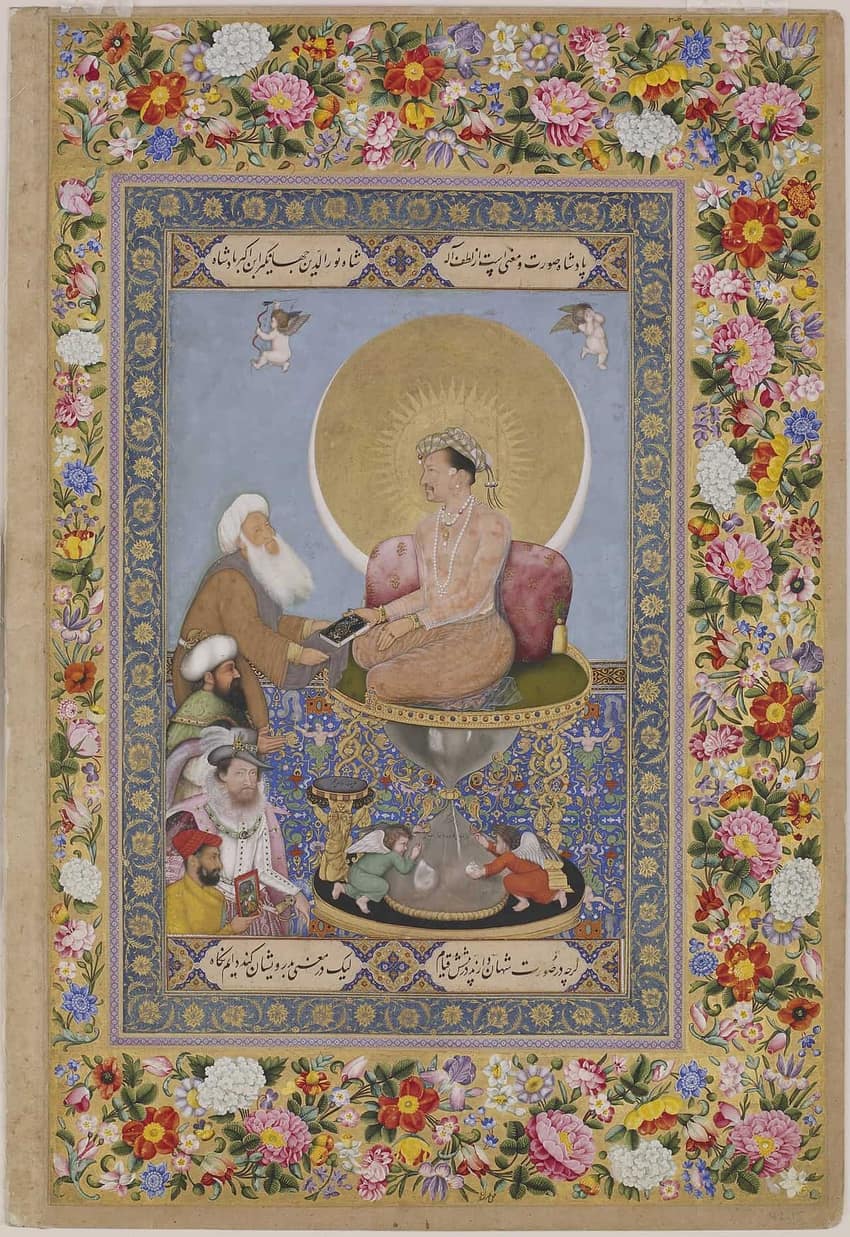
- Received Captain William Hawkins and Sir Thomas Roe
- His farman (1613) let the English trade at Surat
- 1608Hawkins reaches Surat
Captain William Hawkins lands at Surat and goes to Jahangir's court at Agra. The Portuguese work against him, and he leaves in 1611.
- 1611Trade at Masulipatnam
The English begin trading on the east coast, at Masulipatnam.
- 1612Battle of Swally
An English fleet under Thomas Best beats the Portuguese off Surat. Jahangir takes note.
- 1613Surat factory
Jahangir's farman allows a factory at Surat. It becomes the Company's main base for years.
- 1615–1619Sir Thomas Roe
King James I sends Roe as ambassador to Jahangir. He wins rights to trade and set up factories in Mughal lands.
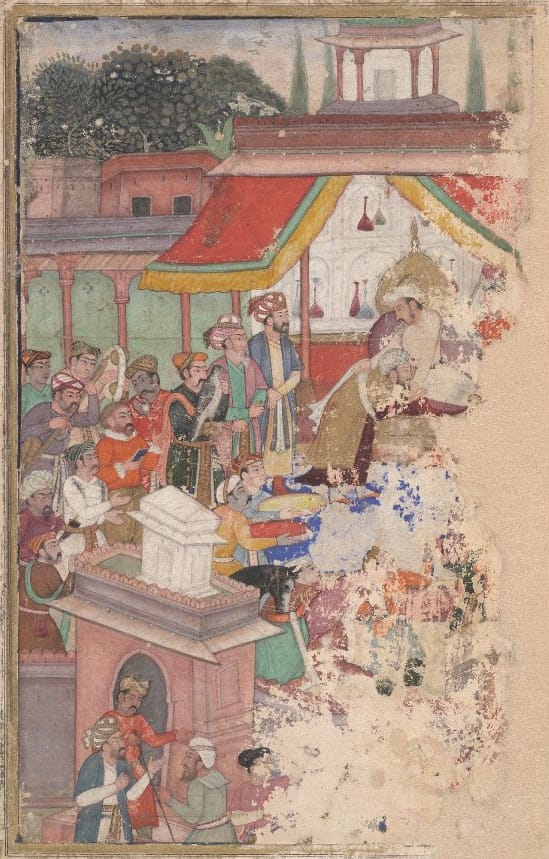
Roe at Ajmer (asked in RSMSSB papers)Tap to open
- Roe first met Jahangir at Ajmer on 10 January 1616, in the fort built by Akbar.
- Jahangir was then running his campaign against Mewar from Ajmer.
Factories, forts and the three Presidencies
Surat, Madras, Bombay and Calcutta.
A factory then meant a trading post, not a place where goods are made. The Company's agents, called factors, lived and stored goods there. Slowly the factories got walls and soldiers. Three of them grew into great cities: Madras, Bombay and Calcutta.
| Year | Base | Remember |
|---|---|---|
| 1613 | Surat (Gujarat) | First main factory, by Jahangir's farman. |
| 1639 | Madras | Land granted to Francis Day by a local Nayak. Fort St George built. |
| 1668 | Bombay | Given to Charles II as dowry (1661); leased to the Company for £10 a year. |
| 1690 | Calcutta | Job Charnock set up a post at Sutanuti. Fort William followed. |
| 1698 | Three villages | Company bought rights over Sutanuti, Kalikata and Gobindpur. |
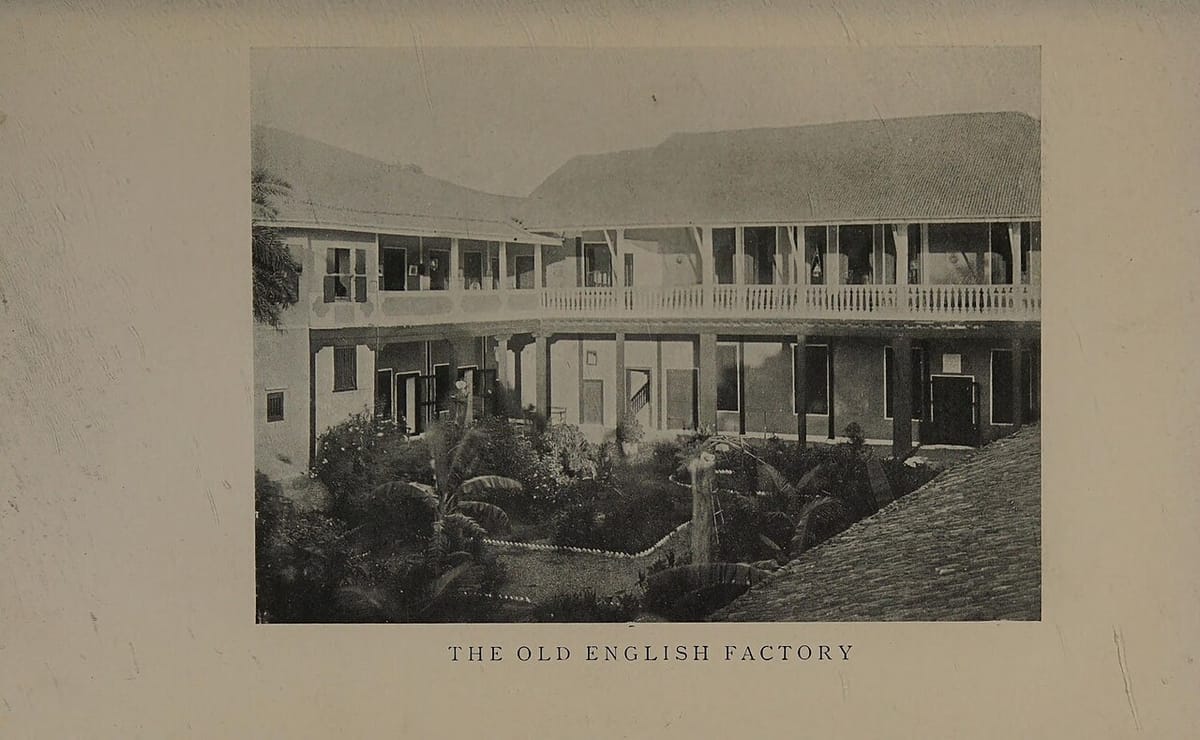
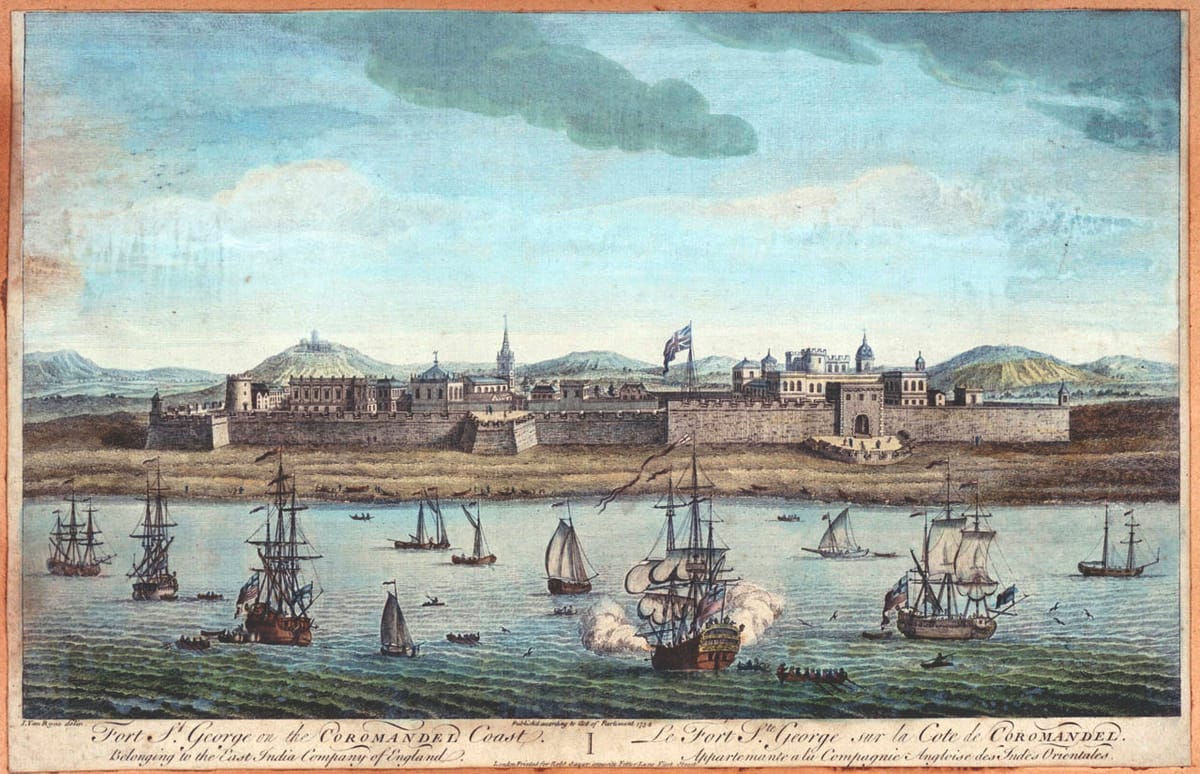
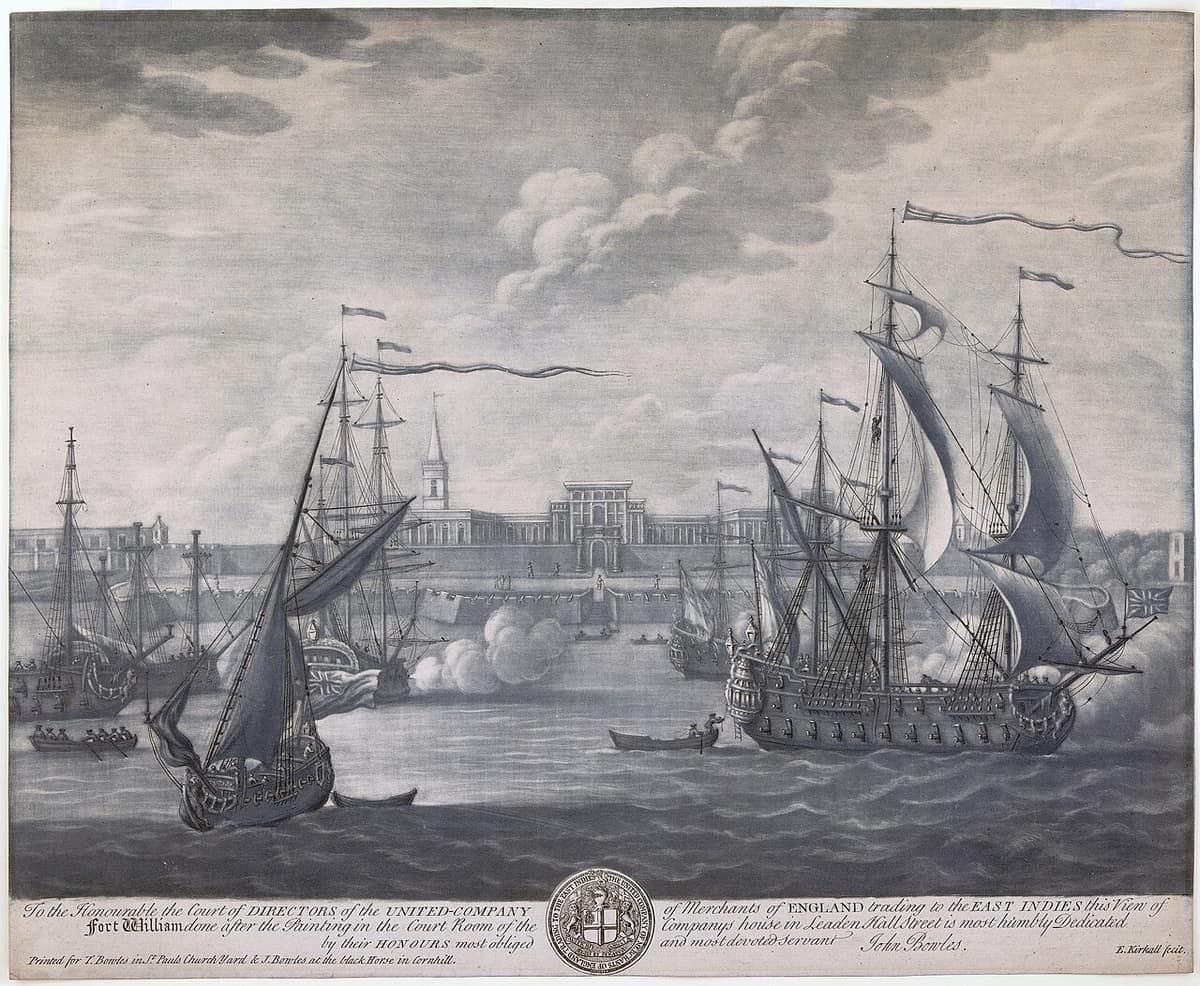
In 1717 the Mughal emperor Farrukhsiyar gave the Company a farman (royal order). It could trade in Bengal free of customs duty for a fixed ₹3,000 a year. Its passes, called dastaks, were later misused by Company servants for private trade. Historians call this farman the Company's Magna Carta.
Fort St George, 1639. Now Chennai.
From 1668. Became the western head office after Surat. Now Mumbai.
Fort William. Capital of British India until 1911. Now Kolkata.
The three Presidencies, each with a fort and a Governor.
From trader to ruler: Plassey to the Diwani
1757 to 1765, the years that changed everything.
After Aurangzeb died in 1707, Mughal power grew weak. In Bengal, the Nawab Siraj-ud-Daulah quarrelled with the Company over its forts and its misuse of dastaks. The Company had trained soldiers and money. It now began to fight for power.
- Clive wins23 June 1757: Battle of PlasseyRobert Clive defeats Siraj-ud-Daulah. The Nawab's commander Mir Jafar had been won over and held back.
- 1757–1763: puppet NawabsThe Company makes Mir Jafar Nawab, then Mir Qasim (1760). Mir Qasim tries to act on his own and is driven out.
- Munro wins22 Oct 1764: Battle of BuxarHector Munro beats the joint army of Mir Qasim, Shuja-ud-Daula of Awadh and Mughal emperor Shah Alam II.
- Diwani1765: Treaty of AllahabadShah Alam II gives the Company the Diwani (right to collect revenue) of Bengal, Bihar and Orissa.
The Company and Punjab
A treaty in 1809, wars in the 1840s, annexation in 1849.
By 1803 the Company's border had reached the Yamuna. Beyond it lay the rising Sikh kingdom of Maharaja Ranjit Singh. The British feared Napoleon, then friendly with Russia (Treaty of Tilsit, 1807), might march on India through Persia and Afghanistan. So they wanted a friendly Punjab, but a Punjab that stayed north of the Sutlej.
- 1808–09Metcalfe's mission to Lahore
Charles Metcalfe is sent to keep Ranjit Singh away from any French link.
- 25 April 1809Treaty of Amritsar
The Sutlej becomes the border. Ranjit Singh gives up the cis-Sutlej states, which come under British protection.
- 1845–46First Anglo-Sikh War
Treaties of Lahore and Amritsar (1846). Gulab Singh gets Jammu and Kashmir.
- 29 March 1849Punjab annexed
After the Second Anglo-Sikh War, Lord Dalhousie annexes Punjab.
Company government, Parliament and the end
Revenue, Acts of Parliament, and 1858.
After 1765 the Company collected the land revenue of Bengal. But it ruled badly at first, and the Bengal famine of 1770 killed millions. Company servants grew rich from private trade and gifts. So the British Parliament stepped in, one Act at a time.
| Act | What it did to the Company |
|---|---|
| Regulating Act, 1773 | First control by Parliament. Warren Hastings became Governor-General of Bengal. |
| Pitt's India Act, 1784 | A Board of Control in London oversaw its political work. |
| Charter Act, 1813 | Ended its trade monopoly in India, except tea and China trade. |
| Charter Act, 1833 | Ended all its trade. It became only a ruling body. |
| Government of India Act, 1858 | Crown takes over. Company rule ends. |
Lord Cornwallis was Governor-General from 1786 to 1793. In 1793 he brought the Permanent Settlement in Bengal, Bihar and Orissa. The land revenue was fixed forever, and the zamindars became owners of the land. He also reorganised the Company's civil service.
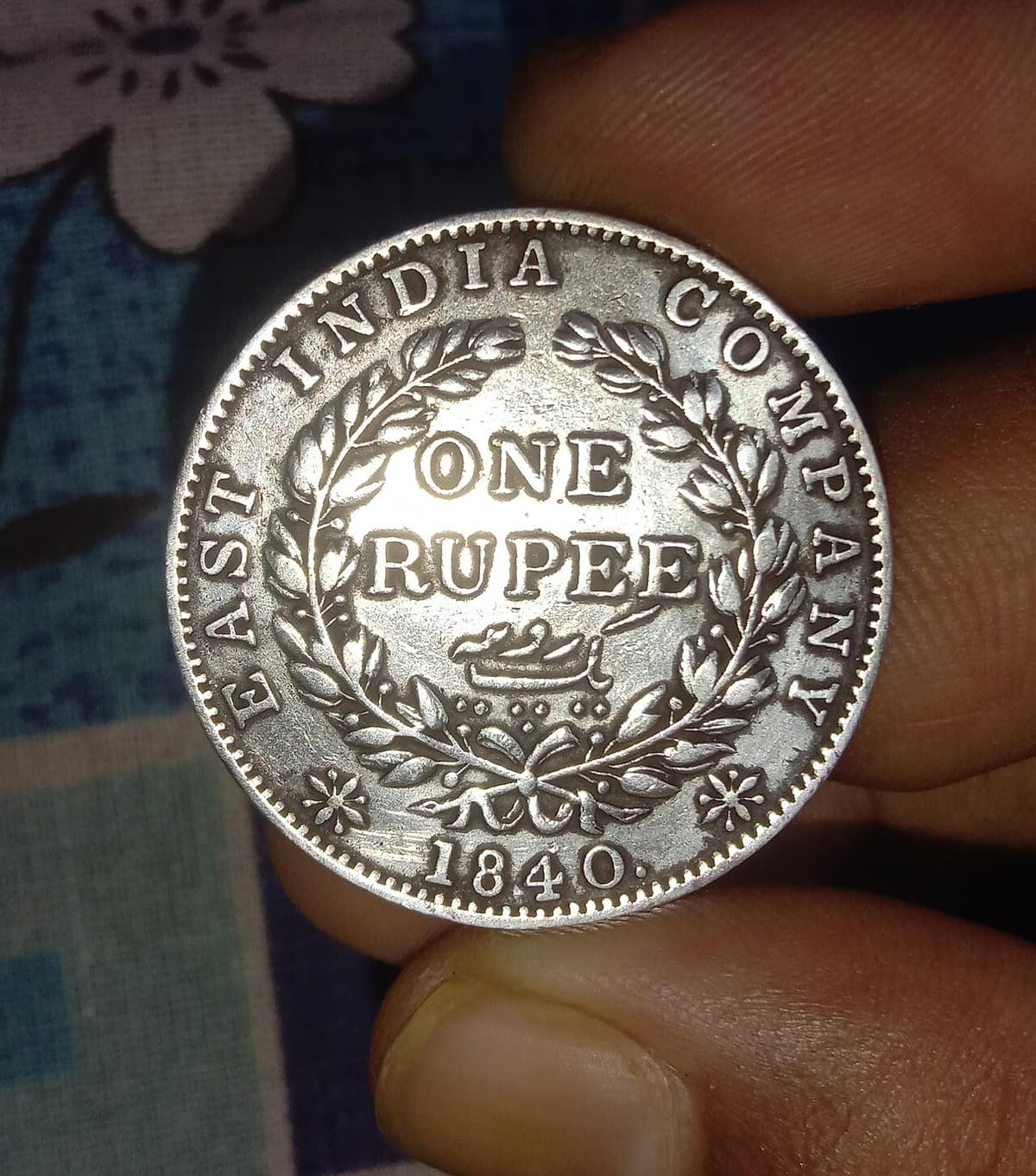
Two end dates, and exams use both. 1858: Company rule ended; the Crown took over. 1874: the Company itself was dissolved.
1600 born, 1613 Surat, 1757 Plassey, 1765 Diwani, 1858 loses India, 1874 dies. Six years tell the Company's whole life.
- Queen Elizabeth I
- Charter, 31 December 1600
- William Hawkins
- At Jahangir's court, 1609–1611
- Sir Thomas Roe
- Ambassador of James I, 1615–1619
- Francis Day
- Madras, 1639
- Job Charnock
- Calcutta, 1690
- Farrukhsiyar
- Farman of 1717
- Robert Clive
- Plassey, 1757
- Hector Munro
- Buxar, 1764
- Charles Metcalfe
- Treaty of Amritsar, 1809
Everything on one look
Charter, factories, battles, Punjab and the end.
- 31 Dec 1600: charter from Elizabeth I
- 1613: Surat factory (Jahangir's farman)
- 1639 Madras · 1668 Bombay · 1690 Calcutta
- 1717: Farrukhsiyar's farman
- 1757 Plassey · 1764 Buxar · 1765 Diwani
- 1809 Treaty of Amritsar · 1849 Punjab annexed
- Hawkins and Roe: Jahangir's court
- Job Charnock: Calcutta
- Clive: Plassey; Munro: Buxar
- Cornwallis: Permanent Settlement, 1793
- Metcalfe: mission to Ranjit Singh
- Dalhousie: annexed Punjab, 1849
- A factory was a trading post, not a place of manufacture.
- Jahangir, not Akbar or Shah Jahan, received Hawkins and Roe.
- Roe was sent by James I, not Elizabeth I (she died in 1603).
- Bombay came as a dowry to Charles II (1661), then went to the Company (1668).
- Plassey = Clive vs Siraj-ud-Daulah. Buxar = Munro vs Mir Qasim, Shuja-ud-Daula and Shah Alam II.
- "Established supremacy" → Buxar (1764), not Plassey.
- Treaty of Amritsar 1809 was with Ranjit Singh; the 1846 one was with Gulab Singh.
- East India Association (1866) ≠ East India Company. Its founder was Dadabhai Naoroji.
- Company rule ended in 1858; the Company was dissolved in 1874.
- Charter: 31 December 1600, Elizabeth I
- First monopoly grant: 15 years
- Hawkins at Agra: 1609–1611
- Battle of Swally: 1612, English beat Portuguese
- Surat factory: 1613
- Roe: 1615–1619, ambassador of James I
- Madras: 1639, Francis Day, Fort St George
- Bombay to Company: 1668, £10 a year
- Calcutta: 1690, Job Charnock
- Farrukhsiyar's farman: 1717
- Plassey: 23 June 1757, Clive
- Buxar: 22 October 1764, Hector Munro
- Diwani: 1765, Treaty of Allahabad
- Permanent Settlement: 1793, Cornwallis
- Treaty of Amritsar: 25 April 1809, Metcalfe
- Punjab annexed: 29 March 1849, Dalhousie
- Company rule ends: 1858; dissolved 1874
Where and when did the English set up their first main factory in India, and who allowed it?
Show answer
At Surat in Gujarat, in 1613, by a farman of the Mughal emperor Jahangir. The English had won his attention by beating the Portuguese at Swally in 1612.