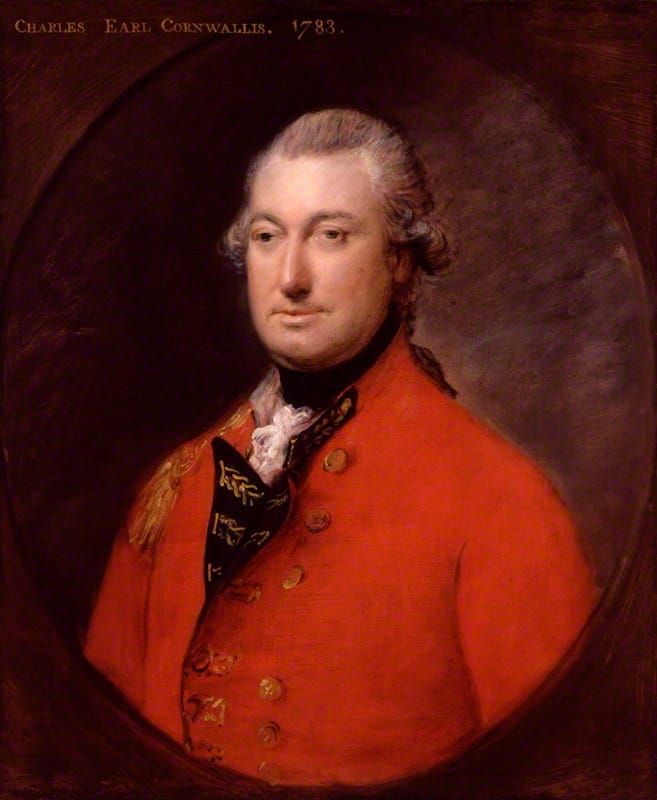
Land revenue was the British government's biggest source of income in India. The big question was: who pays the tax? The British gave three answers in three regions. The zamindar paid in the east. The ryot (farmer) paid in the south and west. The village paid in the north, including Punjab.
Three answers to one question
Zamindar, ryot or village: who pays?
After the Diwani of 1765, the Company collected Bengal's land revenue. At first it tried short contracts and auctions. Collection was hard and farmers suffered. So the British tried fixed systems. Each system decided who pays the state and who is treated as owner of the land.
Here, a settlement means the official act of fixing how much land tax is owed, and by whom. It is not a village or a colony. A permanent settlement is a tax demand fixed forever.
- 1772Revenue farming
Warren Hastings gives collection rights to the highest bidders for five years.
- 1789–90Ten-year settlement
Cornwallis settles with zamindars for ten years.
- 22 Mar 1793Made permanent
The Permanent Settlement of Bengal, Bihar and Orissa.
- 1820Ryotwari in Madras
Thomas Munro, now Governor of Madras, spreads settlement with each farmer.
- 1822Mahalwari
Holt Mackenzie plans village-wise settlement in the North-Western Provinces.
- 1833Mahalwari revised
Under Lord William Bentinck; the work is led by R. M. Bird.
- 1849 onwardPunjab
After annexation, Punjab is settled village by village.
Z-R-M, East-South-North. Zamindari in the east (Bengal), Ryotwari in the south (Madras), Mahalwari in the north (and Punjab). The name tells you who pays: zamindar, ryot or mahal.
Permanent Settlement, 1793
The landlord's bargain in Bengal.
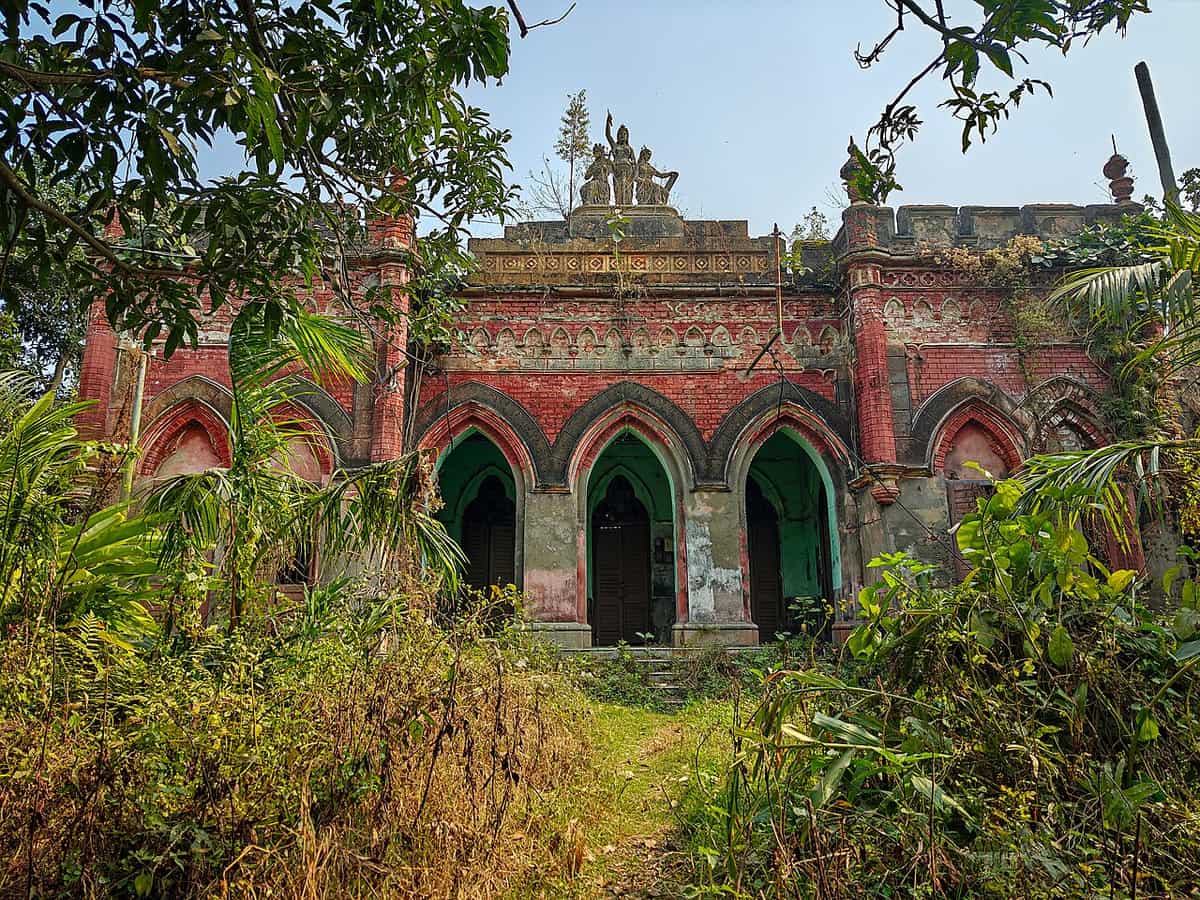
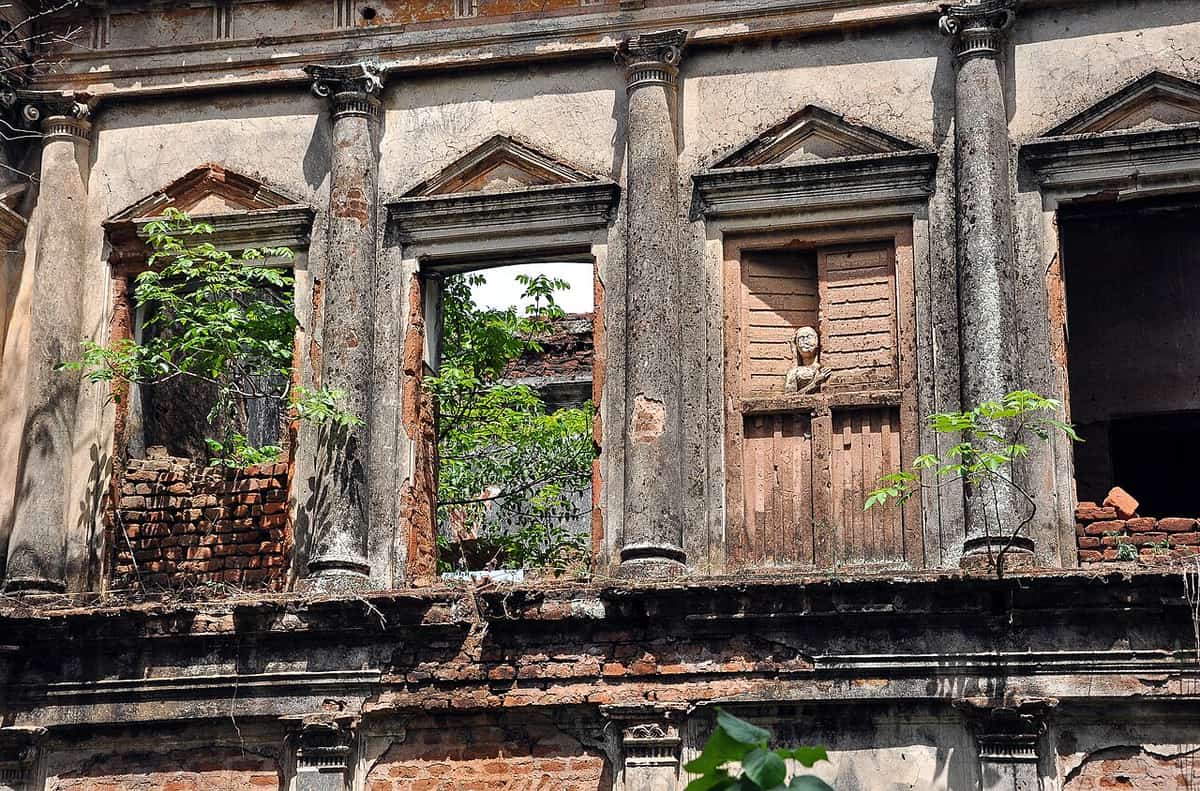
Before 1793, zamindars were mainly tax collectors. Cornwallis made them owners of the land, and their heirs after them. In return, each zamindar owed the Company a fixed sum, forever. John Shore helped plan the scheme and became the next Governor-General.
- Of the rent collected, about ten-elevenths went to the Company and one-eleventh stayed with the zamindar.
- Under the Sunset Law, if the zamindar did not pay by sunset on the due date, his land could be auctioned.
- The state's demand never rose. Later gains from higher prices went to the zamindar, not the state.
- The real farmers became tenants with no fixed rights. Zamindars could raise rent and evict them.
- Fixed revenue foreverThe Company gets a steady, sure income.
- A loyal classZamindars become ownersA new landlord class grows that supports British rule.
- Farmers become tenantsHigh rents, eviction and debt for the cultivator.
- Later lawsPeasant anger, as at Pabna (1873), led to the Bengal Tenancy Act of 1885.
Ryotwari and Mahalwari
The farmer pays, or the village pays.
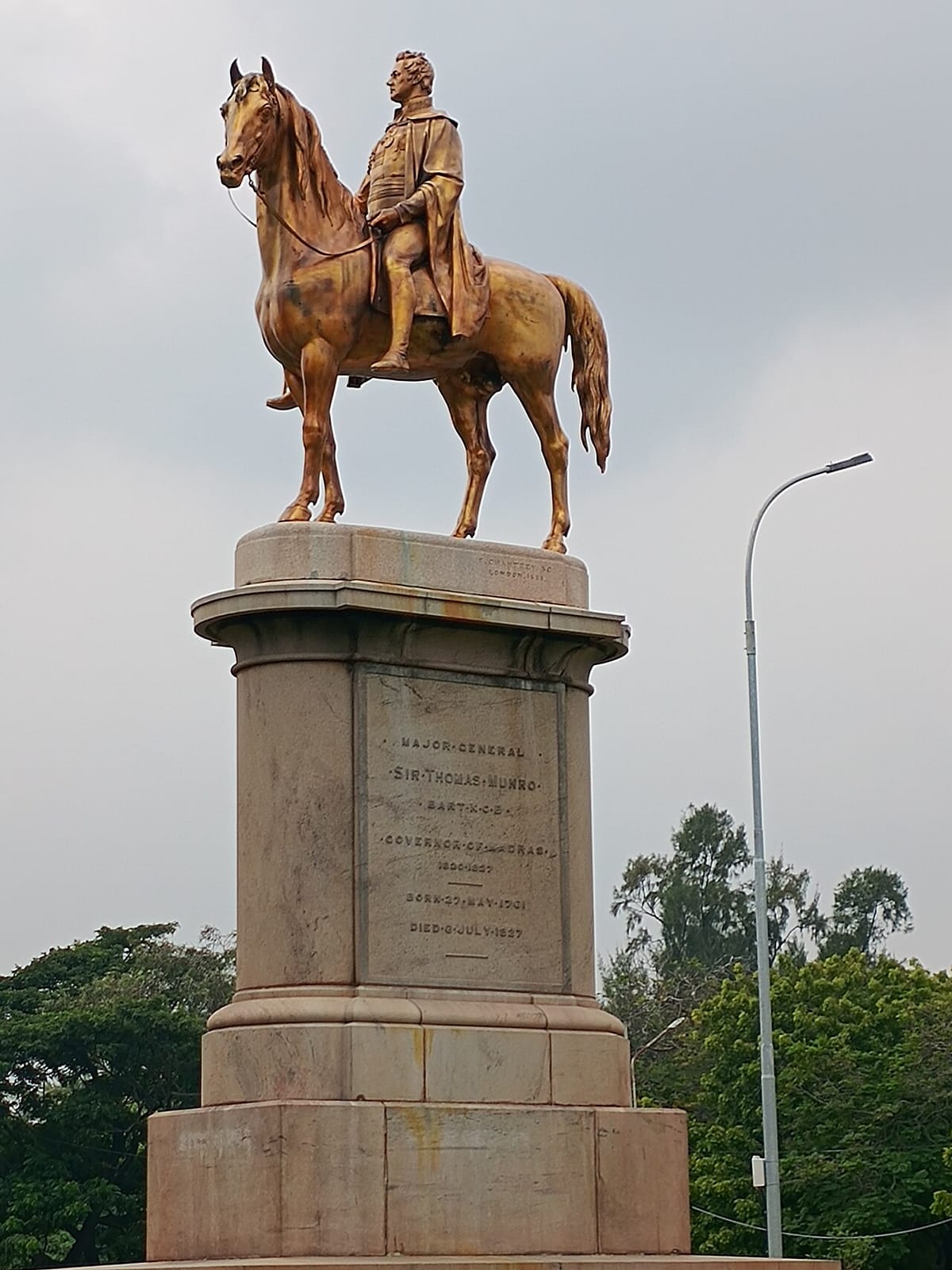
In the south there was no strong zamindar class. So Alexander Read and Thomas Munro settled the tax directly with each ryot. Read began in Baramahal in the 1790s. Munro made it general in Madras in 1820. It later spread to Bombay. The ryot was treated as the owner and could sell or mortgage his land. But the tax was high, and it was raised at each revision, every 20–30 years.
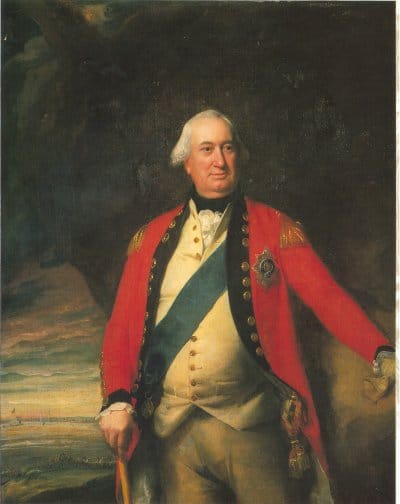
- Made zamindars owners of land
- Revenue fixed forever in 1793
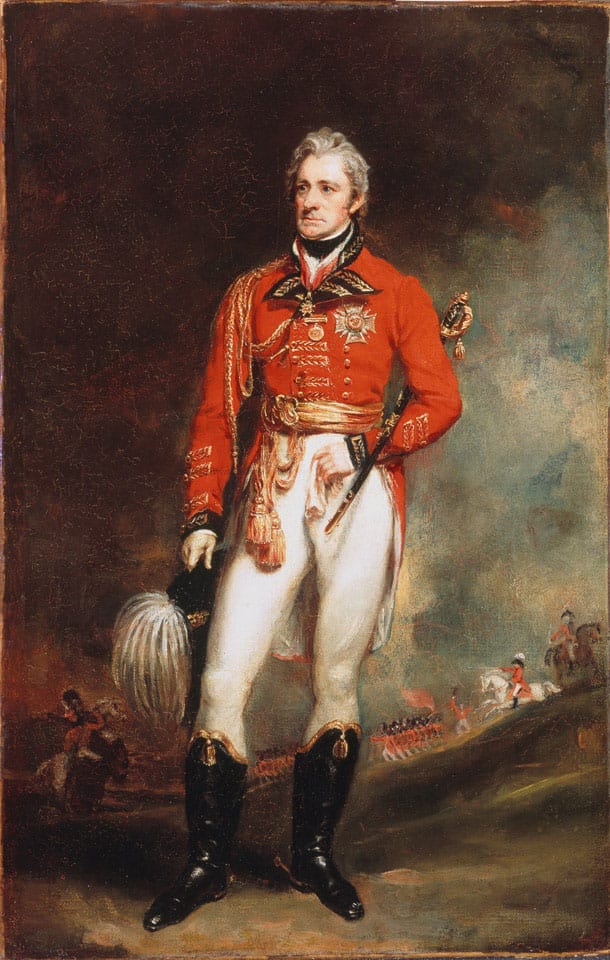
- Worked with Alexander Read in Baramahal
- Settled tax directly with the ryot
- Village (mahal) as the unit of tax
- Regulation of 1822
- Revised the system in 1833
- Work led by R. M. Bird
A mahal is an estate, usually a village, taken as one unit for tax. The government fixed one total for the whole village. The lambardar (village headman) collected it from every family. The village was jointly responsible: if one family failed, the others had to pay.
Kheda (Gujarat, 1918): crops failed, but the government would not stop collecting land revenue, so Gandhi led a satyagraha. Bardoli (Gujarat, 1928): farmers refused to pay a revenue rise of about 22%. They themselves invited Vallabhbhai Patel to lead them, and the women of Bardoli called him Sardar. Both were Ryotwari areas.
Extra detail: revenue rates in the northTap to open
- Under R. M. Bird's settlement after 1833, the state's share in the North-Western Provinces was set at about two-thirds of the rental.
- The Saharanpur Rules of 1855 under Dalhousie cut it to about half.
- James Thomason, Lieutenant-Governor of the North-Western Provinces, carried Bird's work forward.
Land, canals and anger in Punjab
From village settlement to Pagri Sambhal Jatta.
The British took Punjab in 1849. They settled its revenue village by village, with the lambardar as headman and the patwari keeping land records. From the 1880s they dug big canals in west Punjab and settled farmers in new canal colonies, like Lyallpur (now Faisalabad). But many farmers fell into debt to moneylenders and lost their land.
- 1849Punjab annexed
Village-wise (Mahalwari-type) settlement begins.
- 1880s onwardCanal colonies
New canals turn dry west Punjab into wheat and cotton land.
- 1900Punjab Land Alienation Act
Bars moneylenders and traders ("non-agricultural" classes) from buying farmers' land.
- 1906–07Colonisation Bill
Strict new rules for colony farmers, plus higher water rates.
- 1907Agitation
Led by Ajit Singh and Lala Lajpat Rai; both deported to Mandalay. The Viceroy, Lord Minto, vetoed the Bill.
- 1923Unionist Party
Fazl-i-Husain and Chhotu Ram organise the landholders' party.
The song "Pagri Sambhal Jatta" ("Guard your turban, O farmer") was written by Banke Dayal, editor of the paper Jhang Sial. It was sung at a farmers' meeting at Lyallpur in 1907. It became the name of the whole agitation. Ajit Singh was Bhagat Singh's uncle.
Same result everywhere
Debt, lost land and peasant movements.
- High demand, in cashDue on a fixed date, good harvest or bad.
- Borrow from moneylendersAt high interest, often against the land.
- Land lostDebt grows; land passes to moneylenders and landlords.
- Peasants protestRevolts, riots and later organised kisan movements.
Tenants unite against high rents of zamindars.
Farmers attack moneylenders; relief law in 1879.
No revenue after crop failure; led by Gandhi.
Against a revenue hike; led by Vallabhbhai Patel.
First president Swami Sahajanand Saraswati.
Peasant struggles linked to land and revenue.
Everything on one look
Makers, years, regions and who paid.
- Permanent Settlement: Cornwallis, 1793; Bengal, Bihar, Orissa
- Zamindar keeps 1/11, Company 10/11; Sunset Law
- Ryotwari: Read and Munro; Madras 1820, then Bombay
- Mahalwari: Holt Mackenzie 1822; revised 1833 (Bentinck)
- Mahalwari areas: NW Provinces, Punjab, central India
- Only the Permanent Settlement was fixed forever
- Punjab Land Alienation Act: 1900
- → Unionist Party 1923 (Fazl-i-Husain, Chhotu Ram)
- 1907: Colonisation Bill; Ajit Singh, Lajpat Rai
- Pagri Sambhal Jatta: written by Banke Dayal
- Kheda 1918 (Gandhi); Bardoli 1928 (Patel)
- All India Kisan Sabha: Lucknow 1936, Sahajanand
- Permanent Settlement: Cornwallis, not John Shore (Shore only helped plan it).
- Ryotwari is Munro's, in Madras and Bombay, not Bengal.
- Mahalwari was planned by Holt Mackenzie (1822); Bentinck only revised it (1833).
- Punjab got Mahalwari, not the Permanent Settlement.
- Under Ryotwari the ryot was the owner; under the Permanent Settlement the zamindar was.
- Bardoli was led by Patel, not Gandhi; Kheda was led by Gandhi.
- Pagri Sambhal Jatta was written by Banke Dayal; the agitation was led by Ajit Singh.
- The 1907 agitation was against the Colonisation Bill, not the Rowlatt Bill (1919).
- Biggest British income: land revenue
- Diwani of Bengal: 1765
- Revenue farming: Warren Hastings, 1772
- Permanent Settlement: 22 March 1793, Cornwallis
- Zamindar's share: one-eleventh
- Sunset Law: pay by sunset or land auctioned
- Ryotwari: Read and Munro, Madras 1820
- Ryotwari revision: every 20–30 years
- Mahalwari: Holt Mackenzie, 1822
- Mahalwari revised: 1833, Bentinck and R. M. Bird
- Lambardar: village headman under Mahalwari
- Punjab: village-wise settlement after 1849
- Punjab Land Alienation Act: 1900
- Unionist Party: 1923
- Colonisation Bill agitation: 1907, Ajit Singh
- Pagri Sambhal Jatta: Banke Dayal
- Bengal Tenancy Act: 1885
- Bardoli: 1928, Vallabhbhai Patel
- All India Kisan Sabha: 1936, Lucknow
A question says a land system treated the whole village as the unit of tax. Name the system, its planner and two regions where it was used.
Show answer
The Mahalwari system, planned by Holt Mackenzie in 1822 and revised under Bentinck in 1833. It was used in the North-Western Provinces and Punjab, and parts of central India.