Before radio and TV, the newspaper was how ideas travelled. Indian leaders used papers to spread reform and, later, the call for freedom. The British answered with law after law to control them. This page covers who ran which paper and which law came when.
The first papers and the press laws
A paper speaks; the government answers with a law.
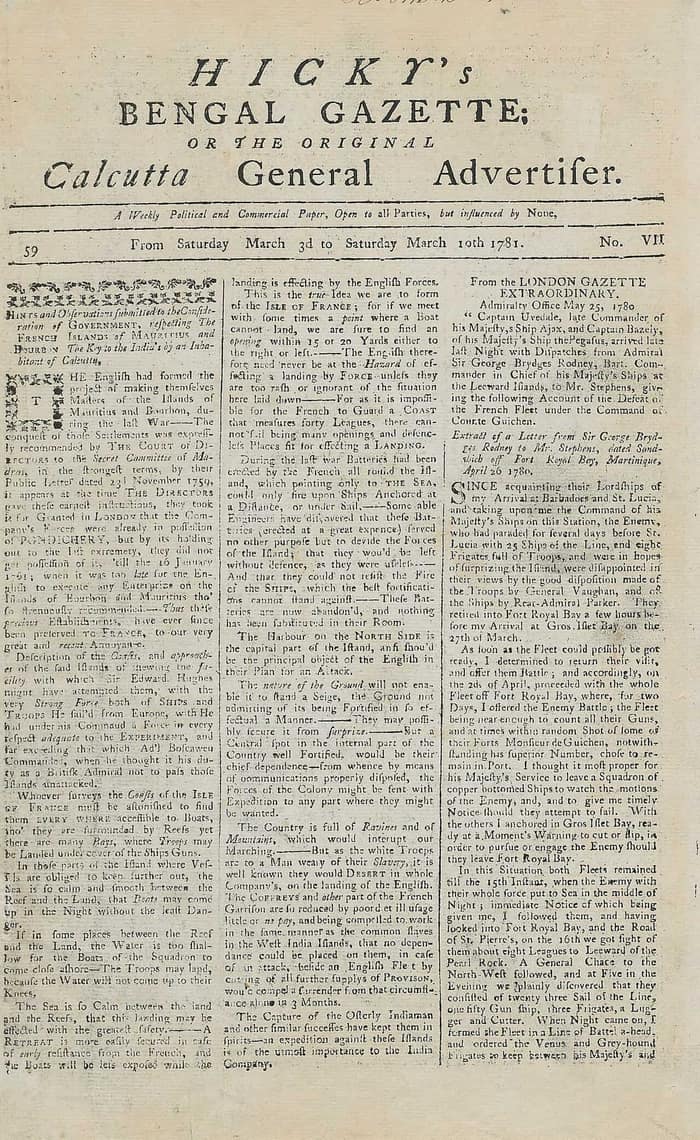
India's first newspaper was Hicky's Bengal Gazette (Calcutta, 1780). It was also called the Calcutta General Advertiser. It attacked Governor-General Warren Hastings and his officials. Hicky was fined and jailed, and the paper was closed in 1782.
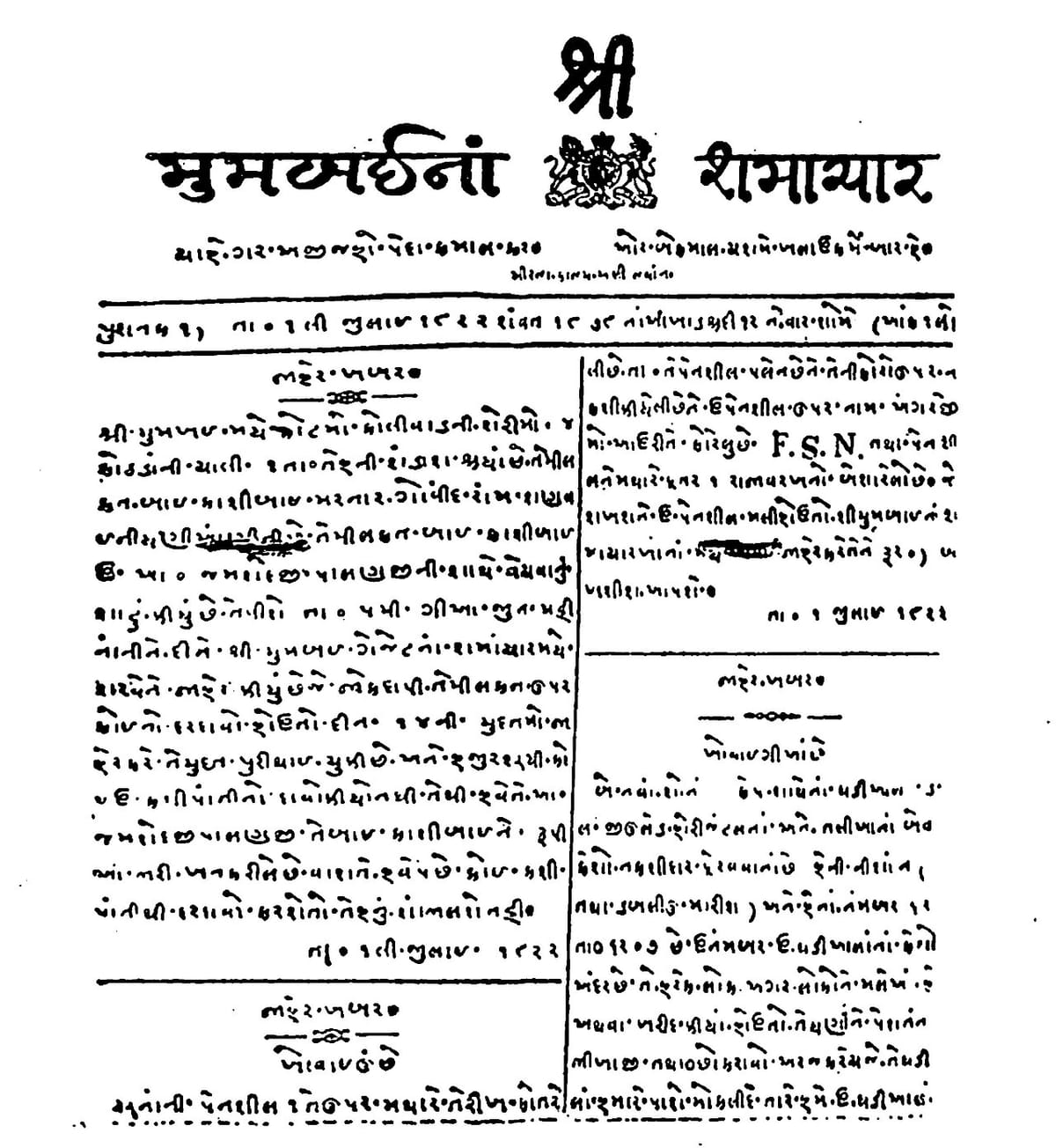
Indian-language papers came next. Raja Ram Mohan Roy ran Sambad Kaumudi in Bengali (1821) and Mirat-ul-Akhbar in Persian (1822). He used them to argue against Sati. The Bombay Samachar (Gujarati) began on 1 July 1822. It still comes out today, as the Mumbai Samachar.
- 1799Censorship of Press Act
Lord Wellesley. Every paper checked by the government before printing.
- 1823Licensing Regulations
John Adam (acting Governor-General). A licence needed to run a press.
- 1835Metcalfe's Press Act
Charles Metcalfe removed most curbs. He is called the Liberator of the Indian Press.
- 1878Vernacular Press Act
Lord Lytton. Aimed only at Indian-language papers.
- 1882Act repealed
Lord Ripon cancelled the Vernacular Press Act.
- 1908Newspapers (Incitement to Offences) Act
Magistrates could seize presses that printed calls to violence.
- 1910Indian Press Act
Printers had to give a security deposit, lost if they printed "objectionable" matter.
Passed by Lord Lytton. A magistrate could make an Indian-language paper sign a bond not to print anything against the government. There was no appeal to a court. English papers were left out. Indians called it unfair. Many called it the Gagging Act. Lord Ripon repealed it in 1882.
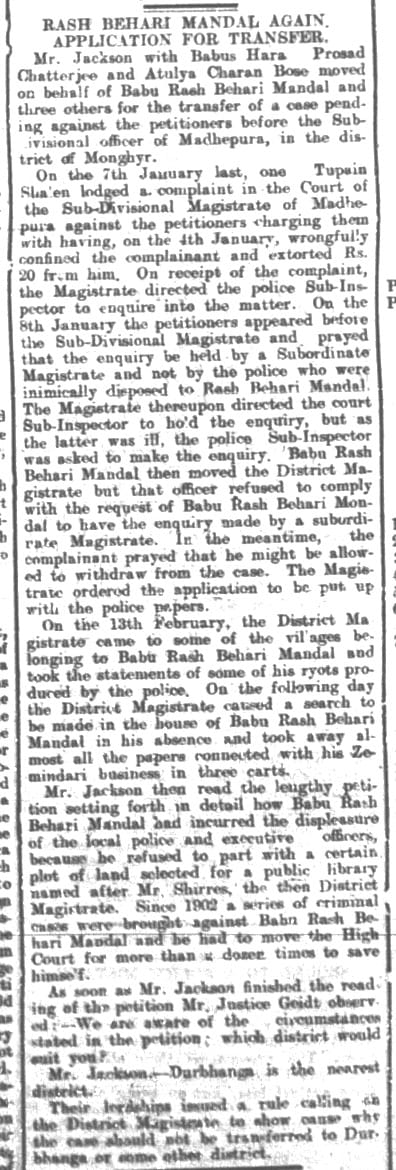
The Amrita Bazar Patrika was a Bengali paper run by Sisir Kumar Ghosh and Motilal Ghosh. The 1878 Act did not touch English papers. So the Patrika is said to have turned into an English paper almost overnight, to escape the law.
Leaders and their papers
The most-asked part: match the leader to the paper.
Almost every big leader ran or wrote for a paper. Exams mostly ask you to match the leader with the paper. Learn the table below, then the cards.
| Leader | Paper | Language, year |
|---|---|---|
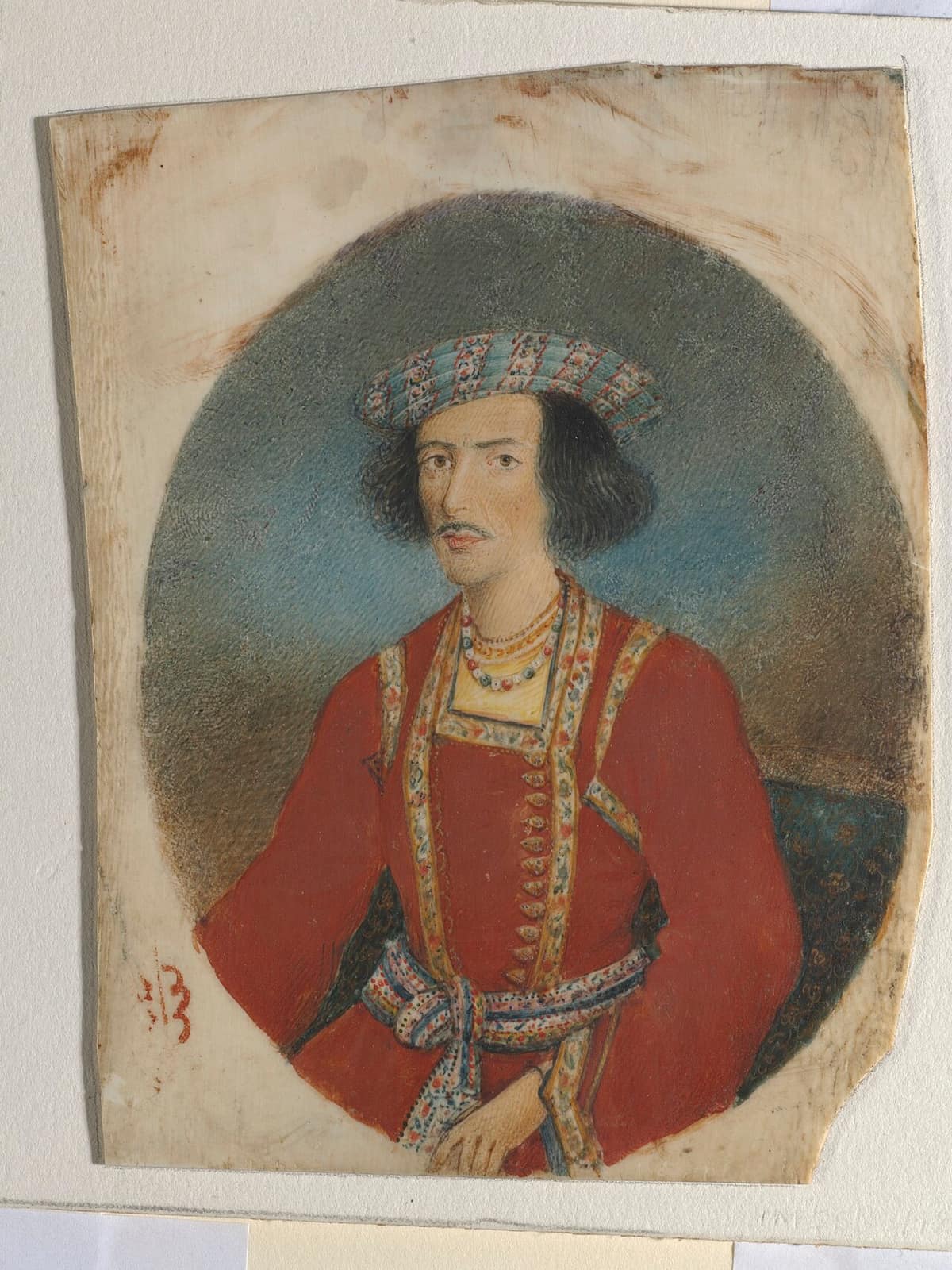
| Ram Mohan Roy | Sambad Kaumudi; Mirat-ul-Akhbar | Bengali 1821; Persian 1822 |
| Bal Gangadhar Tilak | Kesari; Mahratta | Marathi; English; both 1881 |
| Surendranath Banerjea | The Bengalee | English |
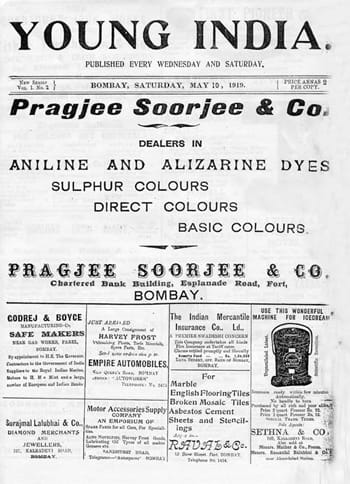
| Mahatma Gandhi | Young India; Navajivan; Harijan | English, Gujarati (1919); English (1933) |
| Annie Besant | New India; Commonweal | English, 1914 |
| Maulana Mohammad Ali | Comrade | English, 1911 |
| Maulana Abul Kalam Azad | Al-Hilal | Urdu, 1912 |
| Krishna Kumar Mitra | Sanjivani | Bengali weekly |
| M. N. Roy | Vanguard of Indian Independence | English, from Berlin, 1922 |
His first paper, for Indians in South Africa.
English weekly. His main political paper till 1931.
Gujarati weekly, the partner of Young India.
Started to fight untouchability.
Gandhi's papers, often mixed up.
Punjab Kesari, the daily newspaper, was started by Lala Jagat Narain in 1965 ("Punjab Kesari" as a title means Lala Lajpat Rai). Exams also mix in novels: Anandamath is by Bankim Chandra Chatterjee, and Gora is by Rabindranath Tagore.
More editor–paper pairsTap to open
- Madan Mohan Malaviya: The Leader, Allahabad, 1909.
- Jawaharlal Nehru: National Herald, Lucknow, 1938.
- B. R. Ambedkar: Mook Nayak (1920) and Bahishkrit Bharat (1927), in Marathi.
- Lala Lajpat Rai: helped start The Punjabee (Lahore, 1904).
Punjab and the press
From The Tribune in Lahore to Ghadar in America.
The Tribune began at Lahore on 2 February 1881. Its founder was Sardar Dyal Singh Majithia, a Brahmo Samaj leader of Punjab. He also left money for Dyal Singh College and Library in Lahore. After 1947 The Tribune moved to India. It is now published from Chandigarh.
Punjabi papers grew with the Singh Sabha movement. The Khalsa Akhbar of Lahore (1886), run by Giani Ditt Singh, is among the earliest Punjabi papers. Later the Akali (1920) and the monthly Kirti (1926) carried the Akali and left-wing voices of Punjab.
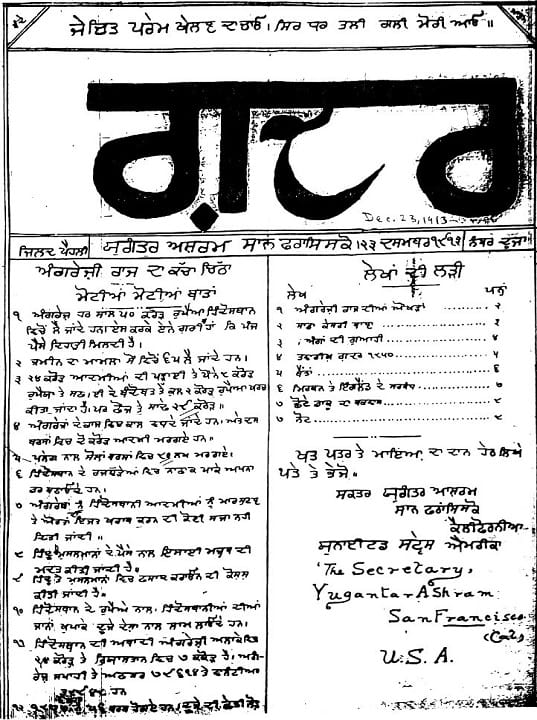
Ghadar means revolt. The Ghadar Party began its weekly paper in San Francisco on 1 November 1913. Lala Har Dayal was its guiding editor. The first issue was in Urdu; a Punjabi edition followed in December 1913. It was sent to Indian soldiers and workers abroad. It called for an armed rising against British rule. It was later renamed Hindustan Ghadar.
- Bengal Gazette (1780)
- James Augustus Hicky
- Sambad Kaumudi
- Ram Mohan Roy
- Kesari / Mahratta
- Bal Gangadhar Tilak
- Amrita Bazar Patrika
- Sisir Kumar and Motilal Ghosh
- The Tribune (1881)
- Dyal Singh Majithia, Lahore
- Young India / Harijan
- Mahatma Gandhi
- Al-Hilal
- Maulana Abul Kalam Azad
- Comrade
- Maulana Mohammad Ali
- Ghadar (1913)
- Ghadar Party; Lala Har Dayal
Everything on one look
First papers, leader–paper pairs and the laws in order.
- Bengal Gazette, 1780: Hicky, Calcutta
- Sambad Kaumudi, Mirat-ul-Akhbar: Ram Mohan Roy
- Bombay Samachar, 1822: oldest still printed
- Kesari, Mahratta, 1881: Tilak
- The Tribune, 1881: Dyal Singh Majithia, Lahore
- Young India, Navajivan, Harijan: Gandhi
- Ghadar, 1913: San Francisco, Urdu first
- 1799: Censorship (Wellesley)
- 1823: Licensing rules (John Adam)
- 1835: Metcalfe frees the press
- 1878: Vernacular Press Act (Lytton)
- 1882: Repealed (Ripon)
- 1908: Newspapers (Incitement) Act
- 1910: Indian Press Act (deposits)
- First newspaper: Bengal Gazette (1780), not Bombay Samachar (1822), which is the oldest still running.
- Vernacular Press Act hit only Indian-language papers; English papers were exempt.
- Lytton passed it (1878); Ripon repealed it (1882).
- Liberator of the Indian Press = Charles Metcalfe (1835), not Ripon.
- Kesari was Marathi; Mahratta was English. Both were Tilak's.
- Punjab Kesari the newspaper is Lala Jagat Narain's (1965); "Punjab Kesari" the title is Lala Lajpat Rai's.
- Harijan (1933) fought untouchability; Young India was Gandhi's main political weekly.
- The Tribune was founded by Dyal Singh Majithia, not Lajpat Rai.
- Ghadar's first issue was in Urdu, not Punjabi.
- Al-Hilal was Azad's; Comrade was Mohammad Ali's.
- First newspaper: Hicky's Bengal Gazette, 1780
- Bengal Gazette also called: Calcutta General Advertiser
- Sambad Kaumudi: Bengali, Ram Mohan Roy
- Mirat-ul-Akhbar: Persian, Ram Mohan Roy
- Bombay Samachar: 1 July 1822, Gujarati
- Censorship of Press Act: 1799, Wellesley
- Liberator of the Indian Press: Charles Metcalfe
- Vernacular Press Act: 1878, Lytton
- Repeal: 1882, Ripon
- Escaped the 1878 Act: Amrita Bazar Patrika
- Kesari and Mahratta: Tilak, 1881
- Young India and Navajivan: Gandhi, 1919
- Harijan: Gandhi, 1933
- New India, Commonweal: Annie Besant
- Al-Hilal: Abul Kalam Azad, 1912
- Comrade: Mohammad Ali, 1911
- The Leader: Malaviya, Allahabad
- The Tribune: Lahore, 1881, Dyal Singh Majithia
- Ghadar: San Francisco, 1 Nov 1913, Urdu
Why did the Amrita Bazar Patrika switch to English in 1878?
Show answer
The Vernacular Press Act (1878) of Lord Lytton applied only to Indian-language papers. By turning into an English paper, the Bengali Patrika is said to have escaped the Act. Lord Ripon repealed the Act in 1882.