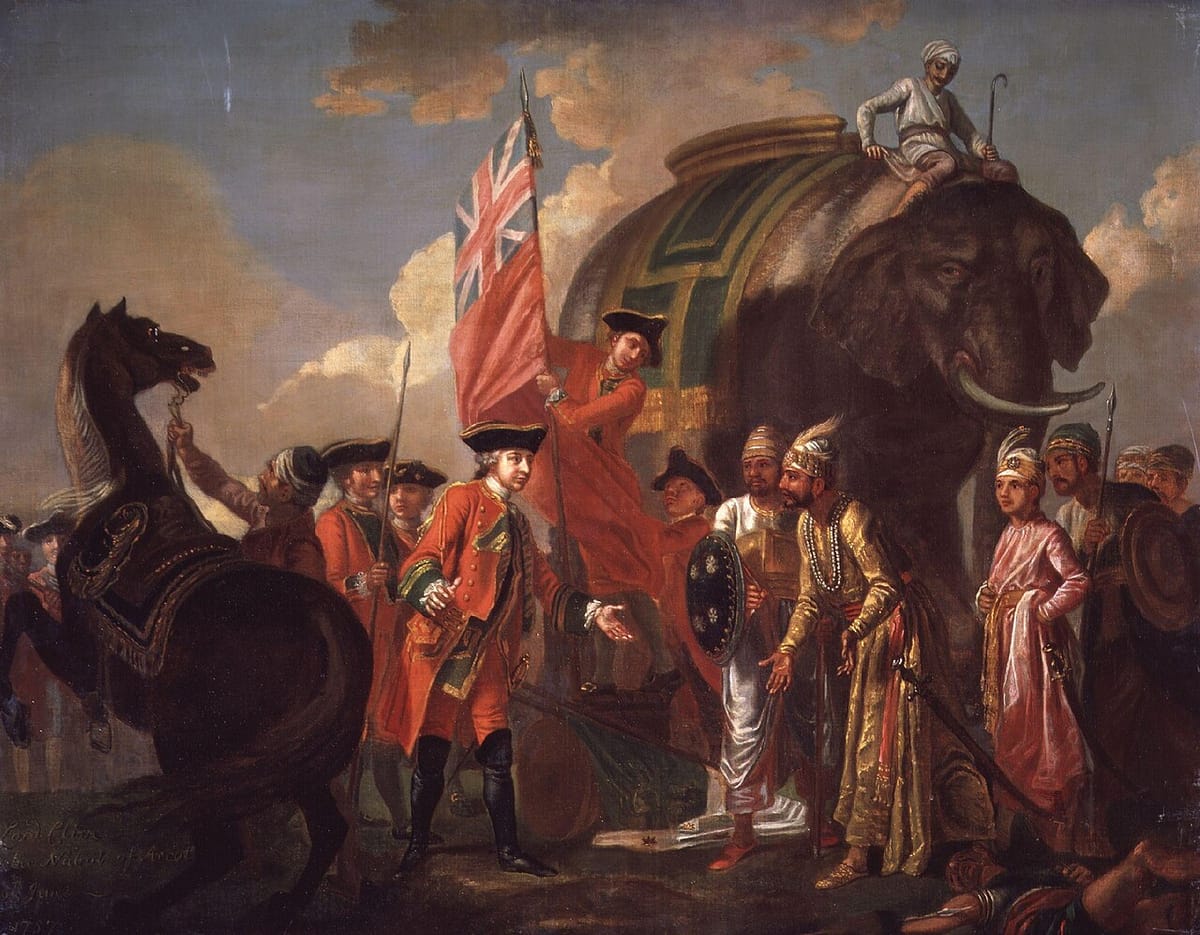
On 23 June 1757, a small Company army under Robert Clive met the huge army of Siraj-ud-Daulah, the Nawab of Bengal. The fight was short. Most of the Nawab's troops never fought, because his commander Mir Jafar had secretly joined the British. After Plassey, a trading company became the real power in Bengal, the richest province of India.
Bengal and the English before 1757
A rich province, a new Nawab, and a company that wanted more.
Bengal then meant Bengal, Bihar and Orissa together. It was the richest province of the Mughal Empire. It sold cloth, silk, saltpetre and sugar to the world. The Nawab of Bengal ruled it from Murshidabad. He was in name a governor of the Mughal emperor, but in practice he was free.
- 1498Vasco da Gama at Calicut
The Portuguese find the sea route to India. Other Europeans follow.
- 1600English East India Company formed
Queen Elizabeth I gives a group of London merchants the right to trade with the East.
- 1690Calcutta founded
Job Charnock sets up an English base on the Hooghly. Fort William is built there soon after.
- 1717Farrukhsiyar's farman
Mughal emperor Farrukhsiyar lets the Company trade in Bengal without paying duty, for a small yearly sum.
- 1742–1751Maratha raids on Bengal
Nawab Alivardi Khan fights the Maratha raiders sent by Raghuji Bhonsle of Nagpur and beats them at Katwa (1745). In 1751 he buys peace.
- April 1756Siraj becomes Nawab
Alivardi Khan dies. His young grandson Siraj-ud-Daulah takes the throne.
A dastak was a free pass for the Company's goods. A Company officer signed it, and the Nawab's men let the goods pass without duty. The 1717 farman meant this only for the Company's own trade. But Company servants used dastaks for their private trade too. Some even sold them to Indian merchants. The Nawab lost a lot of tax money.
Background questions: Europeans and Maratha raidsTap to open
Why Siraj and the Company fought
Trade passes, a new fort, and a Nawab who would not bend.
Siraj-ud-Daulah was only in his twenties. Some of his own relatives and nobles wanted someone else on the throne. The English did not come to greet the new Nawab with gifts, as custom expected. Soon the two sides were quarrelling over money and respect.
| Cause | What happened |
|---|---|
| Misuse of dastaks | Company servants used the duty-free passes for private trade and sold them. The Nawab lost customs income. |
| New fortification | The English strengthened Calcutta's defences without the Nawab's permission. They were preparing for war with the French. |
| Shelter to Krishna Das | The Company gave shelter to Krishna Das, who had fled with treasure. The Nawab wanted him handed back. |
| A young, unsure Nawab | Rivals inside his own court disliked Siraj. The British later used these men against him. |
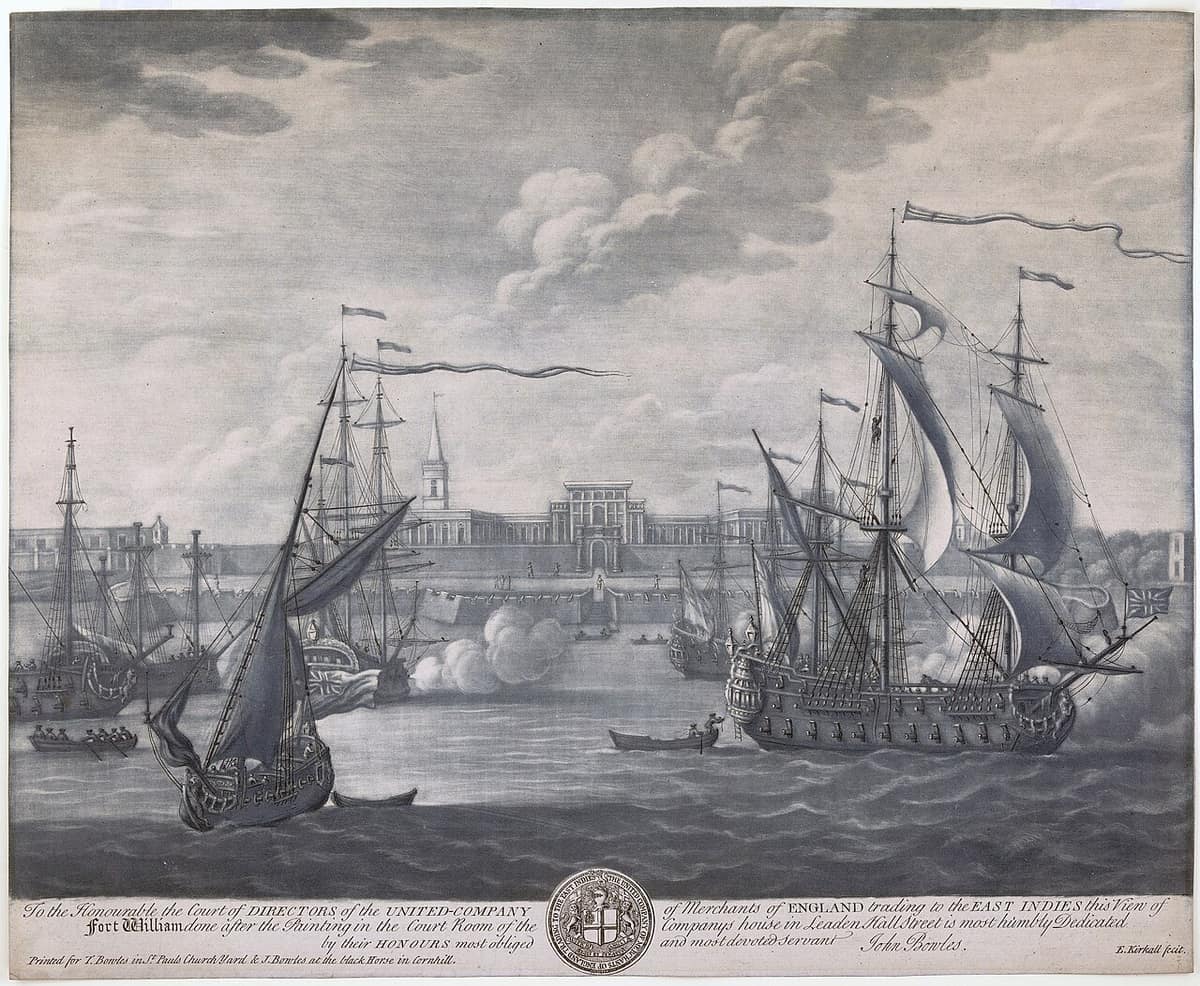
- Siraj wins20 June 1756: Calcutta capturedSiraj takes Fort William. He renames Calcutta Alinagar.
- The Black Hole storyBritish prisoners are said to have died overnight in a small cell. The story angers people in Britain.
- 2 Jan 1757: Calcutta retakenRobert Clive and Admiral Watson arrive from Madras and take the city back.
- Short peace9 Feb 1757: Treaty of AlinagarSiraj gives back the Company's trade rights. The peace does not last.
- March 1757: Chandernagore takenThe English capture the French base of Chandernagore, against Siraj's wishes.
- ConspiracyJune 1757: the secret dealClive promises Mir Jafar the throne if he holds back his troops in battle.
After Calcutta fell, British prisoners were locked overnight in a small guard-room called the Black Hole. J. Z. Holwell, a survivor, wrote that 146 went in and 123 died. Many historians now think the real numbers were much smaller. In exams, remember: the incident is linked to 1756 and to Siraj-ud-Daulah, and it came before Plassey.
The battle: 23 June 1757
Won by a plot more than by guns.
The armies met near Palashi (Plassey), a village on the Bhagirathi river. It lies in today's Nadia district of West Bengal, south of Murshidabad. The name is said to come from the red-flowered palash trees that grew there.
Commander of the Nawab's army. Promised the throne by Clive.
Led a large part of the army. Also kept his men out of the fight.
The richest banking house of Bengal. Backed the plot with money and influence.
Helped carry messages. Clive tricked him with a fake copy of the treaty.
The men in the plot against Siraj.
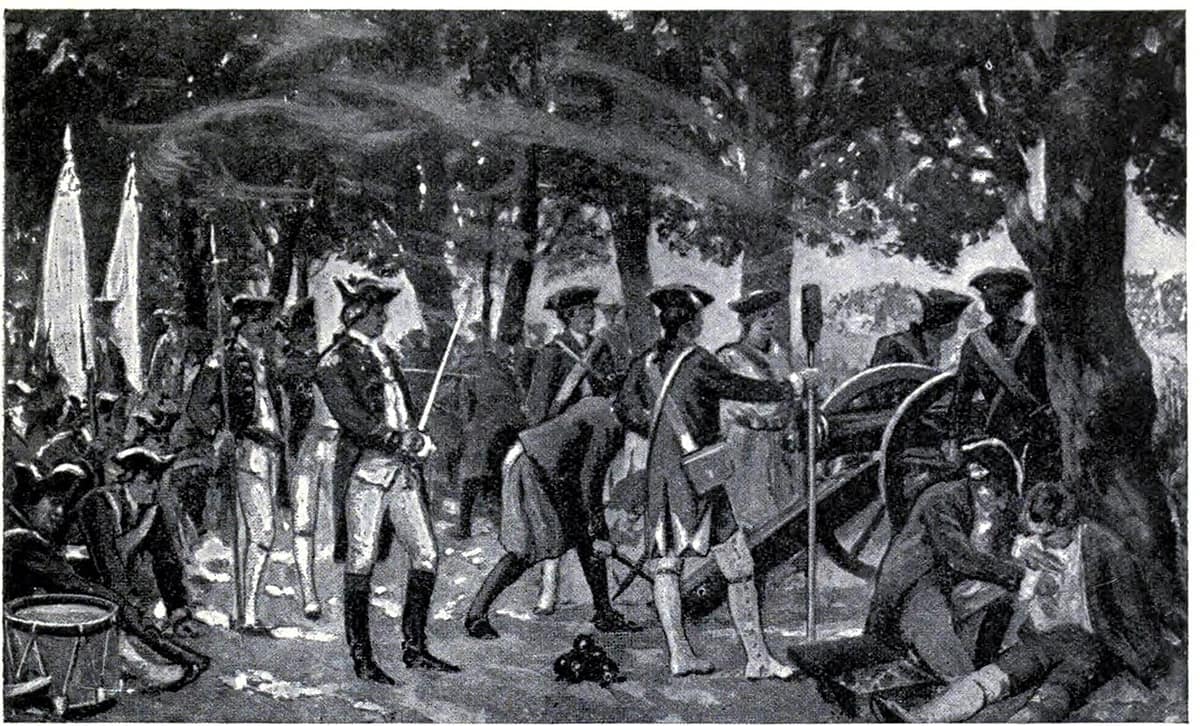
Clive did not win with better soldiers. He won by buying the Nawab's generals. Mir Jafar, Rai Durlabh and Yar Lutf Khan kept their troops out of the battle. Only Mir Madan and Mohan Lal fought hard. When Mir Madan was killed by a cannon ball, Siraj lost heart and fled. That is why Plassey is called a victory of conspiracy, not of arms.
A heavy monsoon shower fell during the battle. Clive's men covered their gunpowder. Much of the Nawab's powder got wet. When the Nawab's horsemen charged, thinking the British guns were wet too, they were cut down. Only about 22 of Clive's men were killed.
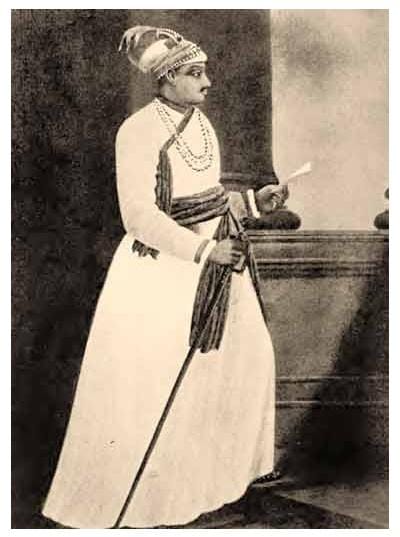
- Grandson of Alivardi Khan
- Captured Calcutta in 1756; lost at Plassey
- Killed on 2 July 1757 on the orders of Miran
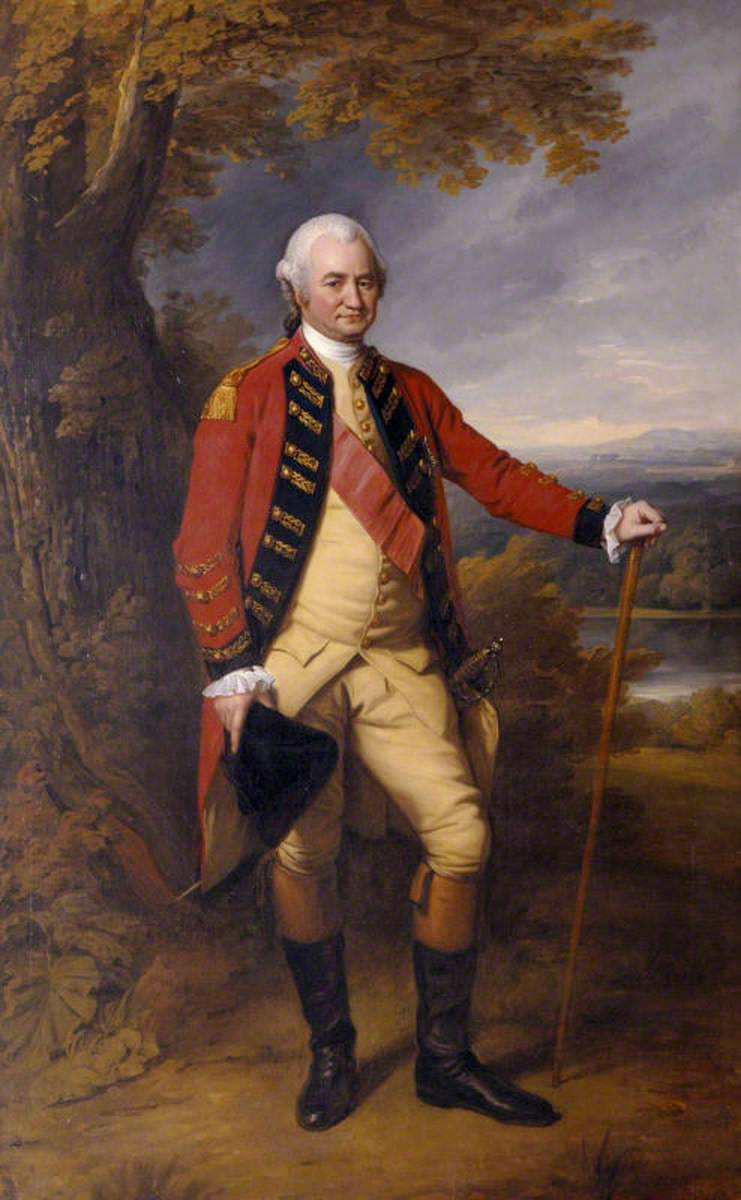
- Won Plassey with about 3,000 men
- Governor of Bengal twice (1758–60, 1765–67)
- Later made Baron Clive of Plassey
- Betrayed Siraj for the throne
- Made Nawab after Plassey, but a puppet of the Company
- Fought for Siraj to the end
- Killed by a cannon ball during the battle
What Plassey changed
A puppet Nawab, a rich Company, and the road to Buxar.
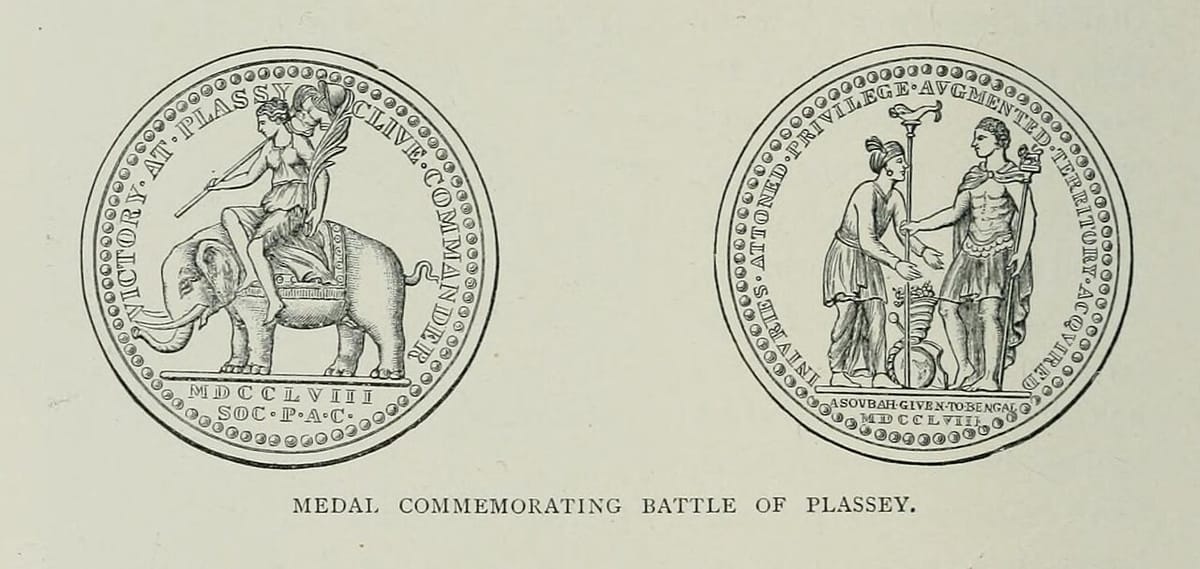
Siraj fled to Murshidabad and then tried to escape north. He was caught and killed on 2 July 1757 on the orders of Miran, Mir Jafar's son. Mir Jafar became Nawab. But he owed his throne to the Company, and he could refuse it nothing.
- A puppet Nawab. Mir Jafar ruled in name. The real power in Bengal was now the Company.
- Huge payments. Mir Jafar paid the Company and its officers enormous sums. Clive himself became very rich.
- Land and trade. The Company got the zamindari of the 24 Parganas near Calcutta, and its free trade rights were confirmed.
- The French pushed out. With Chandernagore gone, the French lost their power in Bengal.
- Money for more wars. Bengal's wealth helped the Company fight its rivals elsewhere in India.
- 1757: Mir Jafar made NawabHe cannot meet the Company's demands for money.
- New Nawab1760: Mir Qasim replaces himThe Company puts Mir Jafar's son-in-law, Mir Qasim, on the throne.
- 1763: war with Mir QasimMir Qasim acts like a real ruler. The Company removes him and brings Mir Jafar back.
- Next page1764: Battle of BuxarMir Qasim, the Nawab of Awadh and the Mughal emperor fight the Company together, and lose.
- Siraj-ud-Daulah
- Nawab of Bengal; lost at Plassey; killed 2 July 1757
- Robert Clive
- Led the Company at Plassey; later Governor of Bengal
- Mir Jafar
- Nawab's army chief; betrayed him; made puppet Nawab
- Mir Madan
- Loyal commander; killed in the battle
- Miran
- Mir Jafar's son; ordered Siraj's killing
- Alivardi Khan
- Siraj's grandfather; fought the Maratha raids
- Farrukhsiyar
- Mughal emperor; 1717 farman for duty-free trade
- J. Z. Holwell
- Wrote the Black Hole account (1756)
Everything on one look
The causes, the plot, the battle and the result.
- 23 June 1757, Palashi, on the Bhagirathi
- Today in Nadia district, West Bengal
- Robert Clive vs Siraj-ud-Daulah
- About 3,000 vs about 50,000
- Mir Jafar betrayed; Mir Madan died fighting
- Siraj killed on Miran's orders, 2 July 1757
- 1717 farman of Farrukhsiyar; dastaks misused
- Calcutta fortified without permission
- Black Hole story, 1756
- Treaty of Alinagar, Feb 1757
- Mir Jafar made puppet Nawab
- Company becomes the real power in Bengal
- Plassey is 1757; Buxar is 1764. Do not swap them.
- Clive led at Plassey; Hector Munro led at Buxar.
- Mir Jafar was the traitor; Mir Madan was the loyal commander who died.
- Siraj was killed on the orders of Miran, not by Clive in battle.
- The 1717 farman came from Farrukhsiyar, not Aurangzeb.
- The Black Hole (1756) and the Treaty of Alinagar (Feb 1757) both came before the battle.
- Clive was Governor of Bengal, not the first Governor-General. That was Warren Hastings.
- Vasco da Gama reached Calicut in 1498, not Calcutta.
- Plassey gave influence; the Diwani (1765) after Buxar gave legal revenue rights.
- Battle of Plassey: 23 June 1757
- Place: Palashi, Nadia district, West Bengal
- Company leader: Robert Clive
- Nawab of Bengal: Siraj-ud-Daulah
- Siraj's grandfather: Alivardi Khan
- Duty-free farman: Farrukhsiyar, 1717
- Dastak: duty-free trade pass
- Calcutta captured by Siraj: 20 June 1756
- Black Hole story: 1756, told by Holwell
- Clive and Watson retake Calcutta: Jan 1757
- Treaty of Alinagar: 9 Feb 1757
- French Chandernagore taken: March 1757
- Traitor: Mir Jafar (army chief)
- Loyal commander killed: Mir Madan
- Siraj killed: 2 July 1757, on Miran's orders
- New puppet Nawab: Mir Jafar
- Company got: 24 Parganas zamindari
- First Governor-General of Bengal: Warren Hastings
- Katwa 1745: Alivardi beat Raghuji Bhonsle's Marathas
Why is the Battle of Plassey called a victory of conspiracy rather than of arms?
Show answer
Clive had secretly promised Mir Jafar, the Nawab's army chief, the throne of Bengal. On the day, Mir Jafar, Rai Durlabh and Yar Lutf Khan kept their troops out of the fight. Most of the Nawab's 50,000 men never fought, so Clive's 3,000 won.