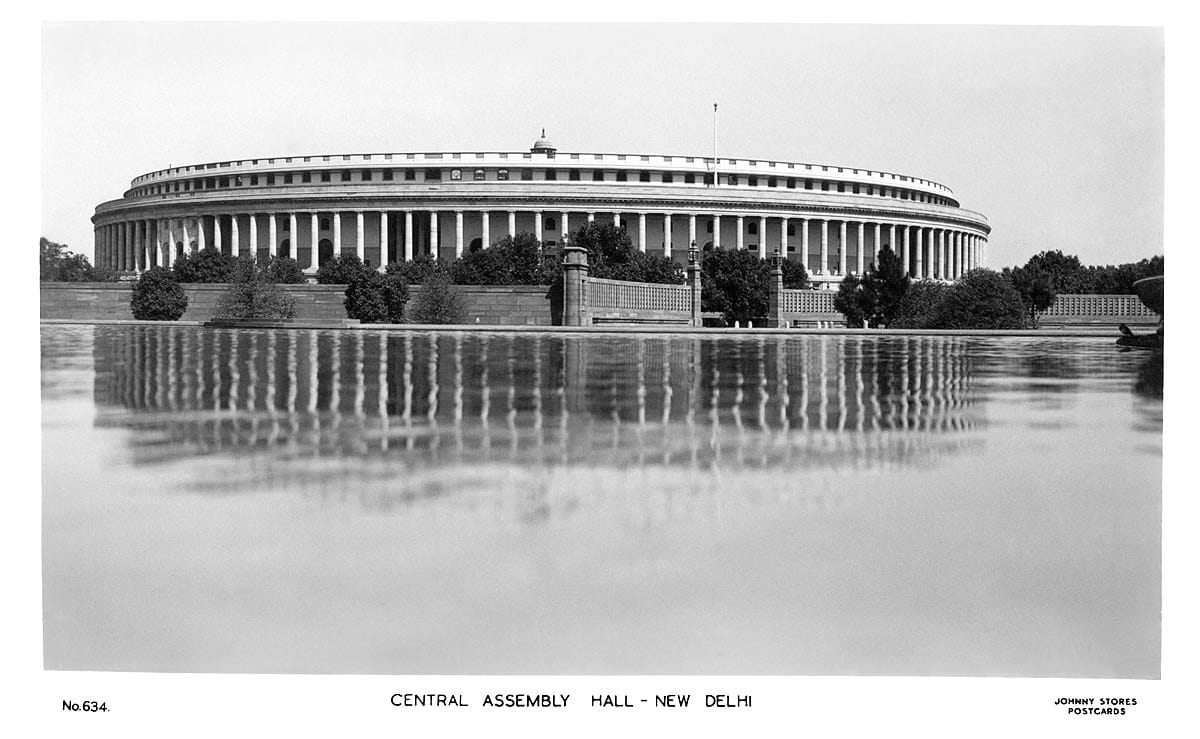
After the Revolt of 1857, Britain took India away from the East India Company. For the next 90 years it ruled through a series of Government of India Acts and Indian Councils Acts. Each one gave Indians a little more say. The last big one, the Act of 1935, became the skeleton of our Constitution.
1858 to 1909: Crown rule and the first elections
From no Indian voice to the first elected members.
The Government of India Act 1858 was passed on 2 August 1858. It ended Company rule. From now on India was governed in the name of the Crown.
- 2 Aug 1858Company rule endsLand, army and treaties pass from the East India Company to the British Crown.
- Secretary of State for IndiaA member of the British cabinet runs Indian affairs from London. A Council of India of 15 members advises him.
- Dual control endsThe Board of Control and the Court of Directors are abolished.
- ViceroyThe Governor-General also becomes Viceroy, the Crown's representative. Lord Canning is the first.
- 1 Nov 1858Queen's ProclamationNo more annexations. Princes' rights and people's religions will be respected.
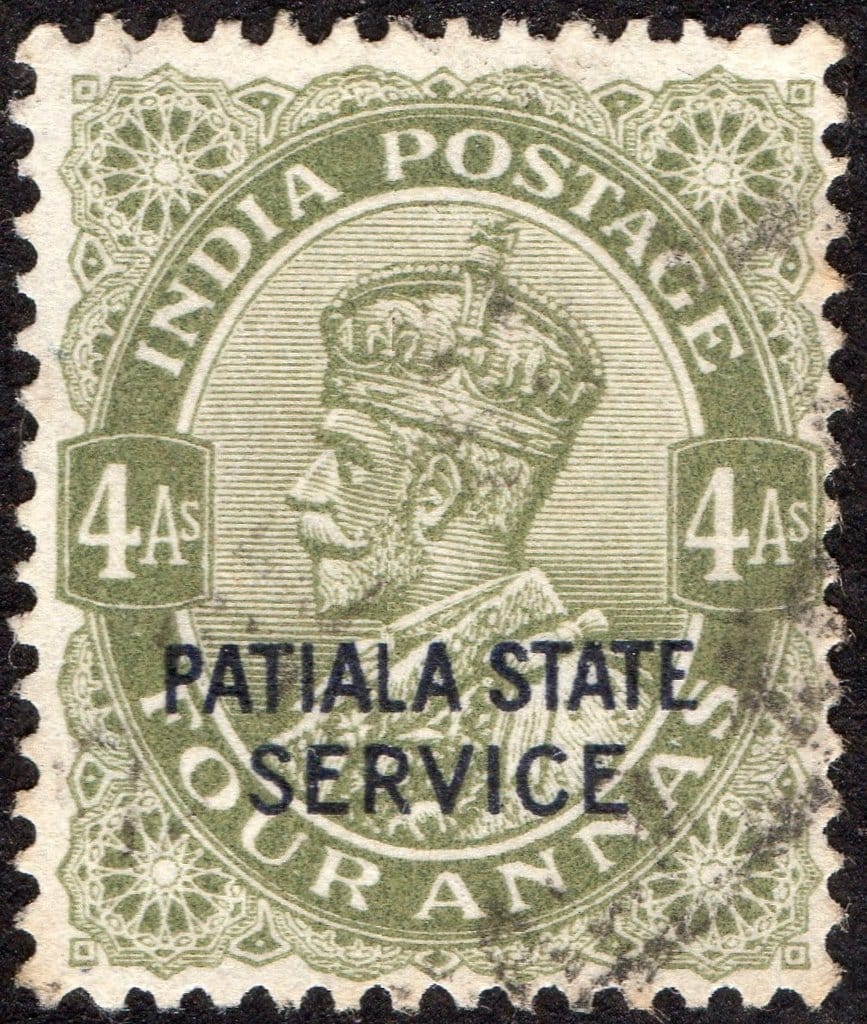
Under the 1861 Act, Lord Canning nominated three Indians to his council: the Maharaja of Patiala, the Raja of Benaras and Sir Dinkar Rao. The 1861 Act also gave law-making powers back to Bombay and Madras. Punjab got its own legislative council later, in 1897.
The Indian Councils Act 1909 is called the Morley-Minto Reforms. It is named after John Morley, the Secretary of State, and Lord Minto, the Viceroy.
- Elections came in officially. The central council grew from 16 to 60 members.
- Muslims got separate electorates: seats for Muslims, voted for only by Muslim voters. So Minto is called the Father of Communal Electorate.
- Satyendra Prasanna Sinha became the first Indian on the Viceroy's Executive Council, as Law Member.
- Members could ask supplementary questions and move resolutions on the budget, but not vote on it as a whole.
- The central council kept an official majority; provincial councils could have a non-official majority.
- Demand1906A Muslim deputation led by the Aga Khan meets Minto at Simla. The Muslim League is founded at Dhaka in December.
- Morley-Minto1909Muslims get separate electorates.
- Lucknow Pact1916The Congress accepts separate electorates in a deal with the League.
- Montagu-Chelmsford1919Extended to Sikhs, Indian Christians, Anglo-Indians and Europeans.
- Communal AwardAug 1932British PM Ramsay MacDonald gives separate electorates to the Depressed Classes too.
- Poona PactSept 1932Gandhi and Ambedkar agree on reserved seats in a joint electorate instead, for the Depressed Classes.
1919: Montagu-Chelmsford and dyarchy
Half-power in the provinces, two houses at the centre.
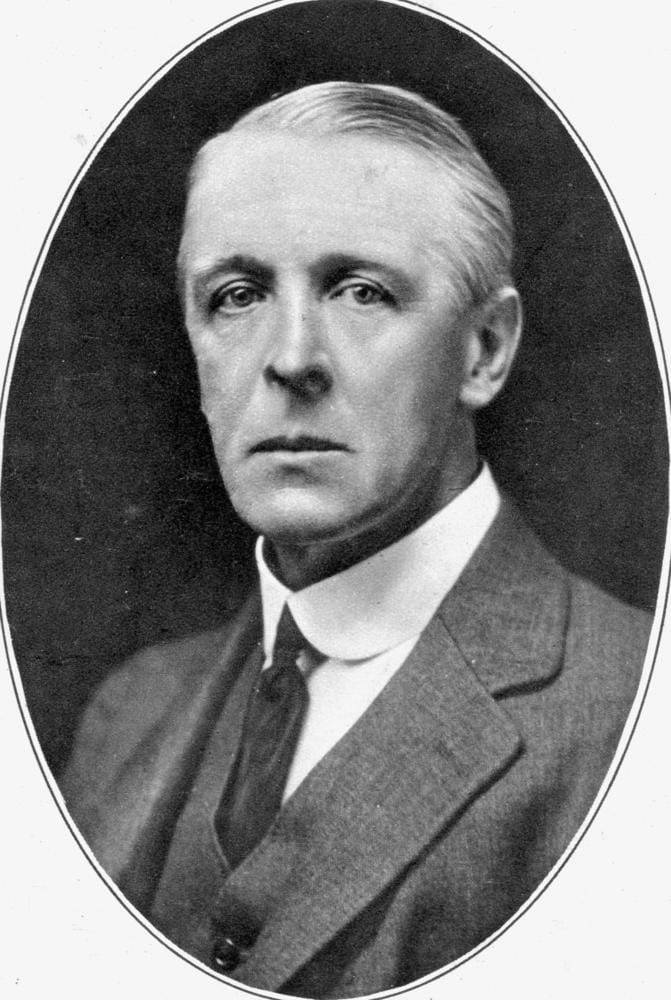
In August 1917, Secretary of State Edwin Montagu said Britain's aim was responsible government in India, step by step. His report with Viceroy Lord Chelmsford (1918) became the Government of India Act 1919. It came into force in 1921.
Dyarchy means double government. In each province, subjects were split into two lists. Reserved subjects stayed with the Governor and his councillors. Transferred subjects went to Indian ministers answerable to the legislature. The Governor could still overrule the ministers.
- Two houses at the centre for the first time: the Legislative Assembly (lower) and the Council of State (upper).
- Direct elections, but only for a few people: the vote depended on property, tax or education.
- Separate electorates extended to Sikhs, Indian Christians, Anglo-Indians and Europeans.
- Three of the six members of the Viceroy's Executive Council, other than the Commander-in-Chief, were to be Indians.
- Provincial budgets separated from the central budget.
- A Public Service Commission; it was set up in 1926.
- A High Commissioner for India in London.
- A statutory commission to review the Act after ten years.
Indian ministers had responsibility without power. They ran education and health, but finance was reserved, so they had little money. The Governor could overrule them. Nationalists found it too little. The 1935 Act ended dyarchy in the provinces.
From Simon to the Round Tables
1927 to 1932: the review promised in 1919, and the talks that led to 1935.
- Nov 1927Simon Commission named
Seven British members under Sir John Simon. No Indian.
- 3 Feb 1928Lands at Bombay
Met with black flags and "Simon, go back".
- 30 Oct 1928Lathi-charge at Lahore
Lala Lajpat Rai is hurt leading a protest. He dies on 17 Nov 1928.
- 1930Simon Report
Recommends provincial autonomy, among other things.
- 1930–31First Round Table Conference
In London. The Congress stays away.
- 1931Second Round Table Conference
Gandhi attends for the Congress, after the Gandhi-Irwin Pact.
- Aug–Sept 1932Communal Award; Poona Pact
Gandhi fasts in Yerwada Jail; the Poona Pact follows.
- 1932–33Third Round Table; White Paper
The British plan that became the 1935 Act.
John Morley, Secretary of State; Lord Minto, Viceroy.
Edwin Montagu, Secretary of State; Lord Chelmsford, Viceroy.
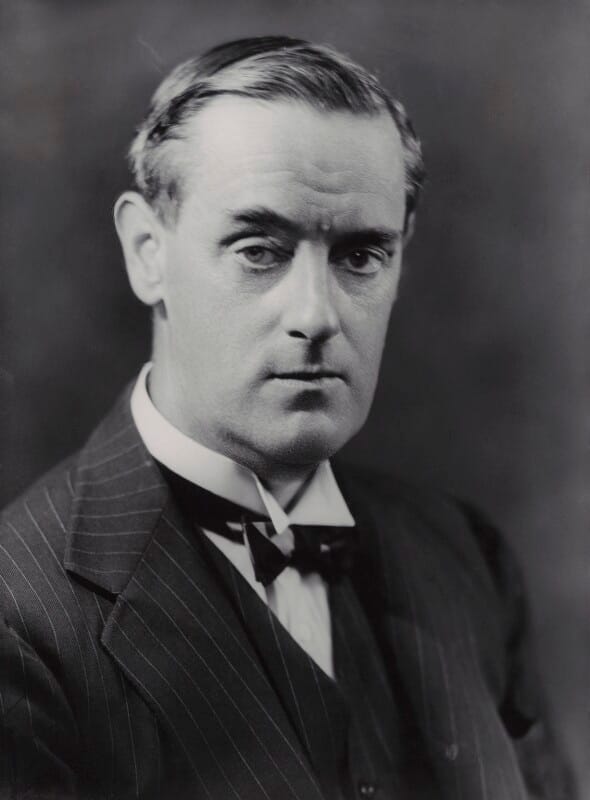
Sir John Simon; sent to review the 1919 Act.
Ramsay MacDonald, British Prime Minister.
The pairs behind the Acts: one minister in London, one Viceroy in India.
1935: the Act that shaped the Constitution
Provincial autonomy, a federation that never came, and much more.
The Government of India Act 1935 was passed in August 1935. It was the longest Act Parliament had passed for India, with 321 sections and 10 schedules. Its provincial part began in 1937. Its federal part never fully began.
| Feature | What it meant |
|---|---|
| All-India Federation | British provinces plus princely states. It never came, because the princes did not join. |
| Three lists | Federal (59), Provincial (54) and Concurrent (36) subjects. Leftover (residuary) powers went to the Viceroy. |
| Provincial autonomy | Dyarchy ended in the provinces. Elected Indian ministers ran the whole province. |
| Dyarchy at the centre | Planned for federal subjects, but never worked. |
| Two houses in provinces | 6 of the 11 provinces, such as Bengal, Bombay and Madras. |
| Federal Court | Set up at Delhi in 1937. |
| Reserve Bank | The Act planned for it; the RBI itself began in 1935 under the RBI Act of 1934. |
| Wider vote | About 10% of the people could now vote. |
| Other changes | Council of India abolished. Burma separated from India (1937). Public Service Commissions for the federation and provinces. |
Elections under the 1935 Act were held early in 1937. The Congress formed ministries in most provinces. In Punjab, the Unionist Party of Sir Sikandar Hayat Khan formed the government. In the United Provinces, the Muslim League hoped to share power, but the Congress said no. The Congress ministries resigned in late 1939 over the war.
1858 Crown, 1909 vote, 1919 half-power, 1935 skeleton. Four words keep four Acts apart. Add 1861 nominate and 1892 question between the first two.
Everything on one look
Each Act with its one identifying feature.
- 1858: Crown rule; Secretary of State; Viceroy
- First Viceroy: Lord Canning
- Council of India: 15 members
- 1861: Indians nominated; portfolio system
- 1892: budget discussion; questions
- 1909: elections; separate electorates
- 1919: dyarchy in the provinces
- 1919: two houses at the centre; direct elections
- Simon Commission: review of the 1919 Act
- 1935: provincial autonomy; elections 1937
- 1935: Federal Court (1937); three lists
- 1935: federation proposed, never formed
- Separate electorates came in 1909, not 1919.
- Dyarchy in the provinces came in 1919; in 1935 it was planned at the centre instead.
- Morley was Secretary of State and Minto was Viceroy; do not swap them.
- Montagu was Secretary of State and Chelmsford was Viceroy.
- Under dyarchy, police and finance were reserved; education and health were transferred.
- The first two-house central legislature came in 1919, not 1935.
- The Public Service Commission was promised in 1919 but set up in 1926.
- The All-India Federation of 1935 never came into existence.
- The Poona Pact replaced separate electorates for the Depressed Classes with reserved seats.
- The Liberal Federation (1918) was formed by Moderates, not the Swaraj Party (1923).
- Act of 1858: passed 2 August 1858
- 1858: Secretary of State for India
- Council of India: 15 members (abolished 1935)
- First Viceroy: Lord Canning
- 1861: Indians nominated; portfolio system
- 1892: budget discussion and questions
- Muslim League: Dhaka, 1906
- 1909: Morley-Minto; separate electorates
- Father of Communal Electorate: Lord Minto
- First Indian on Executive Council: S. P. Sinha
- 1919: Montagu-Chelmsford; dyarchy
- 1919: Legislative Assembly + Council of State
- Public Service Commission: set up 1926
- Indian Liberal Federation: Moderates, 1918
- Simon Commission: lands 3 Feb 1928
- Assembly bomb: Bhagat Singh and B. K. Dutt, 1929
- Communal Award: Ramsay MacDonald, 1932
- Poona Pact: Gandhi and Ambedkar, 1932
- 1935: provincial autonomy; 321 sections
- Federal Court: Delhi, 1937
- Revenue sharing in Constitution: from 1935 Act
- Viceroy at 1937 elections: Linlithgow
Which Act brought separate electorates, which brought dyarchy in the provinces, and which ended that dyarchy?
Show answer
Separate electorates: the Indian Councils Act 1909 (Morley-Minto). Dyarchy in the provinces: the Government of India Act 1919 (Montagu-Chelmsford). It was ended in the provinces by the Government of India Act 1935, which brought provincial autonomy.