In the 1800s, Indian society carried heavy customs. Widows were burnt as Sati. Girls were married as children. Widows could not marry again. Low castes were kept away. A new group of educated Indians said these customs were wrong. They started reform movements to change society and religion from within.
Bengal: Ram Mohan Roy and the Brahmo Samaj
Where the reform story begins.
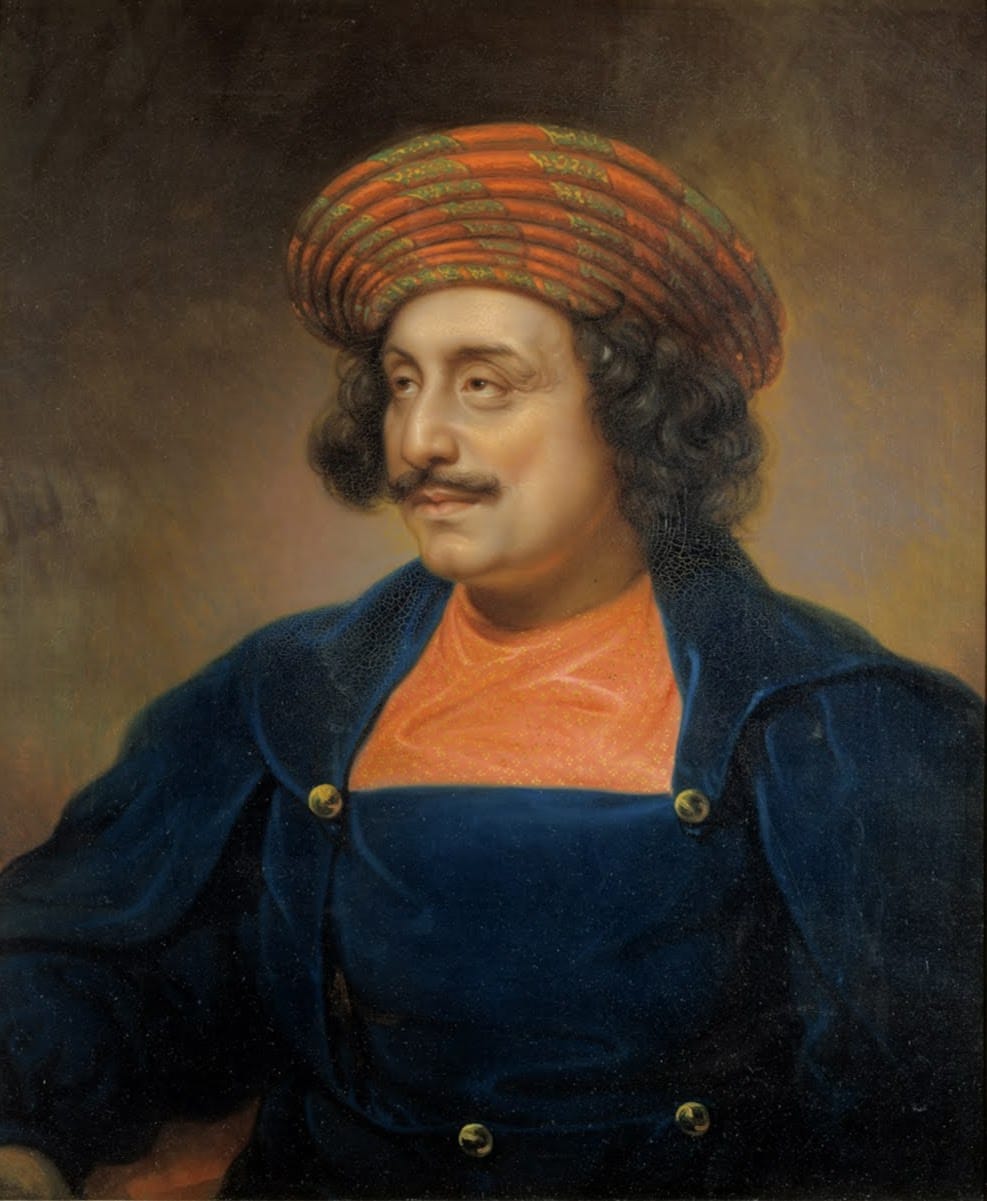
Raja Ram Mohan Roy (1772–1833) was born in Bengal. He knew Sanskrit, Persian, Arabic and English. He read the holy books of many religions. He decided that true Hinduism taught one formless God. Idol worship, caste cruelty and Sati, he said, were later wrong practices.
- 1815Atmiya Sabha
Roy starts a small discussion circle in Calcutta.
- 1817Hindu College, Calcutta
Opens for English education. Roy is counted among its founders.
- 20 Aug 1828Brahmo Sabha
Roy founds it in Calcutta. It soon becomes the Brahmo Samaj.
- 4 Dec 1829Sati banned
Lord William Bentinck makes Sati a crime by Regulation XVII.
- 1830Dharma Sabha
Radhakanta Deb forms it to defend old customs, including Sati.
- 1833Roy dies
He dies at Bristol, England.
One God, no idols, no caste walls, and reason above ritual. It respected all religions. It worked against Sati, child marriage and purdah. It wanted modern education for boys and girls.
Roy wrote and petitioned for years. He showed that the old books did not order Sati. Governor-General Lord William Bentinck agreed. Regulation XVII of 1829 made Sati illegal and punishable in the Bengal Presidency. The orthodox Dharma Sabha of Radhakanta Deb protested, but the ban stayed.
After Roy, Debendranath Tagore (father of Rabindranath) led the Samaj from 1842. Later the young Keshab Chandra Sen spread it beyond Bengal. The two differed, and the Samaj split in 1866. Keshab's campaign led to the Native Marriage Act of 1872. It allowed marriage across castes and set an age limit for marriage.
Young Bengal was a group of bold students at Hindu College. Their teacher was Henry Vivian Derozio (1809–1831). They openly questioned old customs. Derozio was removed from the college in 1831 and died the same year.
Western India and the Arya Samaj
Prarthana Samaj, Phule and Dayananda.
The Prarthana Samaj began in Bombay in 1867. Its founder was Dr Atmaram Pandurang. Its guiding spirits were M. G. Ranade and R. G. Bhandarkar. It worked quietly for widow remarriage, women's education and an end to caste rules.
Most reformers came from upper castes. Jyotirao Phule of Pune did not. In 1848 he and his wife Savitribai Phule opened a school for girls in Pune. In 1873 he founded the Satyashodhak Samaj (Society of Truth-Seekers). It fought for the lower castes and against Brahmin control of religion. His book Gulamgiri (Slavery) also came out in 1873.
Swami Dayananda Saraswati (1824–1883) was born in Gujarat as Mool Shankar. He founded the Arya Samaj in Bombay on 10 April 1875. He said the Vedas alone held the full truth. His call was "Back to the Vedas". His main book is the Satyarth Prakash (Light of Truth).
The Arya Samaj attacked idol worship, caste by birth, untouchability and child marriage. It supported widow remarriage and education. Lahore soon became its strongest centre. After Dayananda's death, his followers opened the DAV (Dayanand Anglo-Vedic) school at Lahore in 1886. The Samaj also ran Shuddhi, to bring converts back into Hinduism.
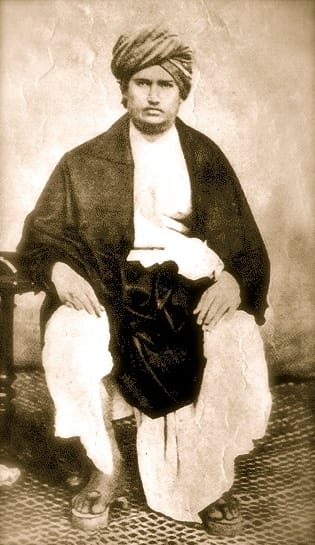
- Call: Back to the Vedas
- Book: Satyarth Prakash
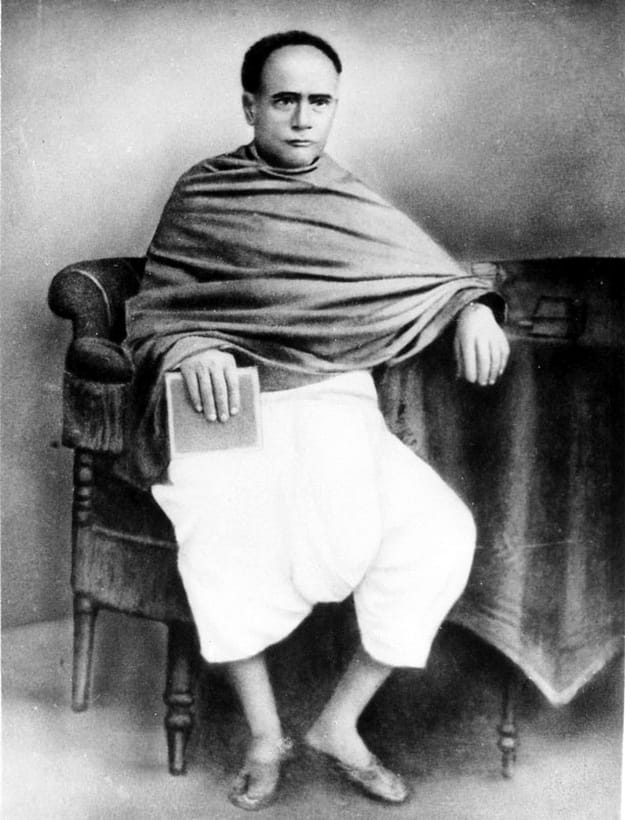
- Won the Widow Remarriage Act, 1856
- Sanskrit scholar; opened girls' schools
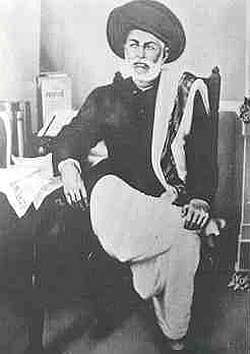
- Satyashodhak Samaj, 1873
- Girls' school with Savitribai, 1848
| Reformer | Cause | Law won |
|---|---|---|
| Ram Mohan Roy | End Sati | Regulation XVII, 1829 |
| Ishwar Chandra Vidyasagar | Widow remarriage | Hindu Widows' Remarriage Act, 1856 |
| Keshab Chandra Sen | Inter-caste marriage, later marriage age | Native Marriage Act, 1872 |
| B. M. Malabari | Against child marriage | Age of Consent Act, 1891 |
| Harbilas Sarda | Against child marriage | Sarda Act, 1929 |
Vivekananda and the Theosophists
Pride in India's own heritage.
Ramakrishna Paramahamsa (1836–1886) was a priest at Dakshineswar near Calcutta. He taught that all religions lead to the same God. His chief disciple was Narendranath Datta, later Swami Vivekananda (1863–1902).
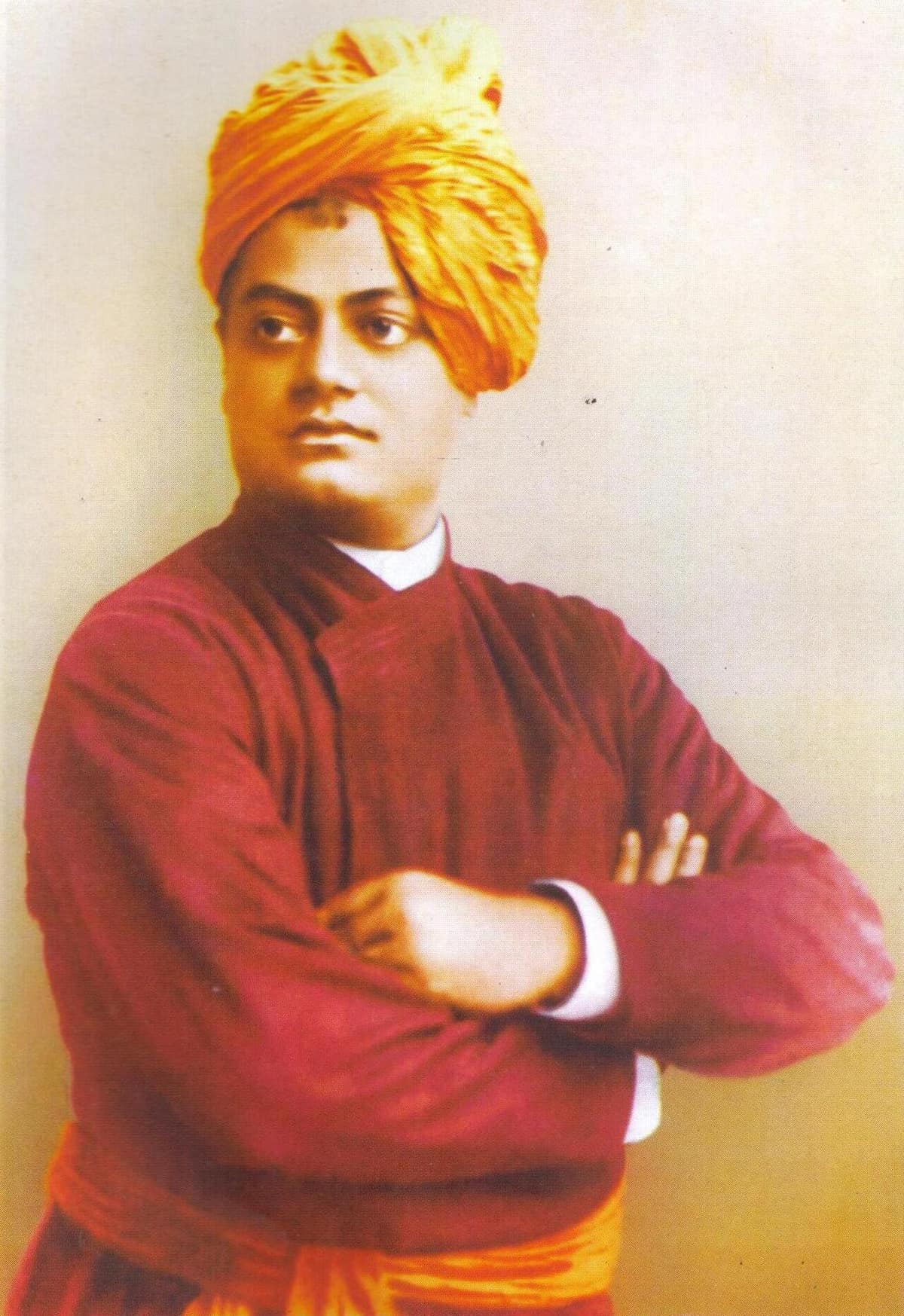
In 1897 Vivekananda founded the Ramakrishna Mission in his guru's name. Its main centre later became Belur Math, near Calcutta. He taught that service to man is service to God. The Mission runs schools, hospitals and relief work. His birthday, 12 January, is National Youth Day.
Founded in New York in 1875 by Madame H. P. Blavatsky and Colonel H. S. Olcott. They came to India in 1879. In 1882 they set up their headquarters at Adyar, Madras. The Society praised Hindu and Buddhist thought. This gave educated Indians new pride.
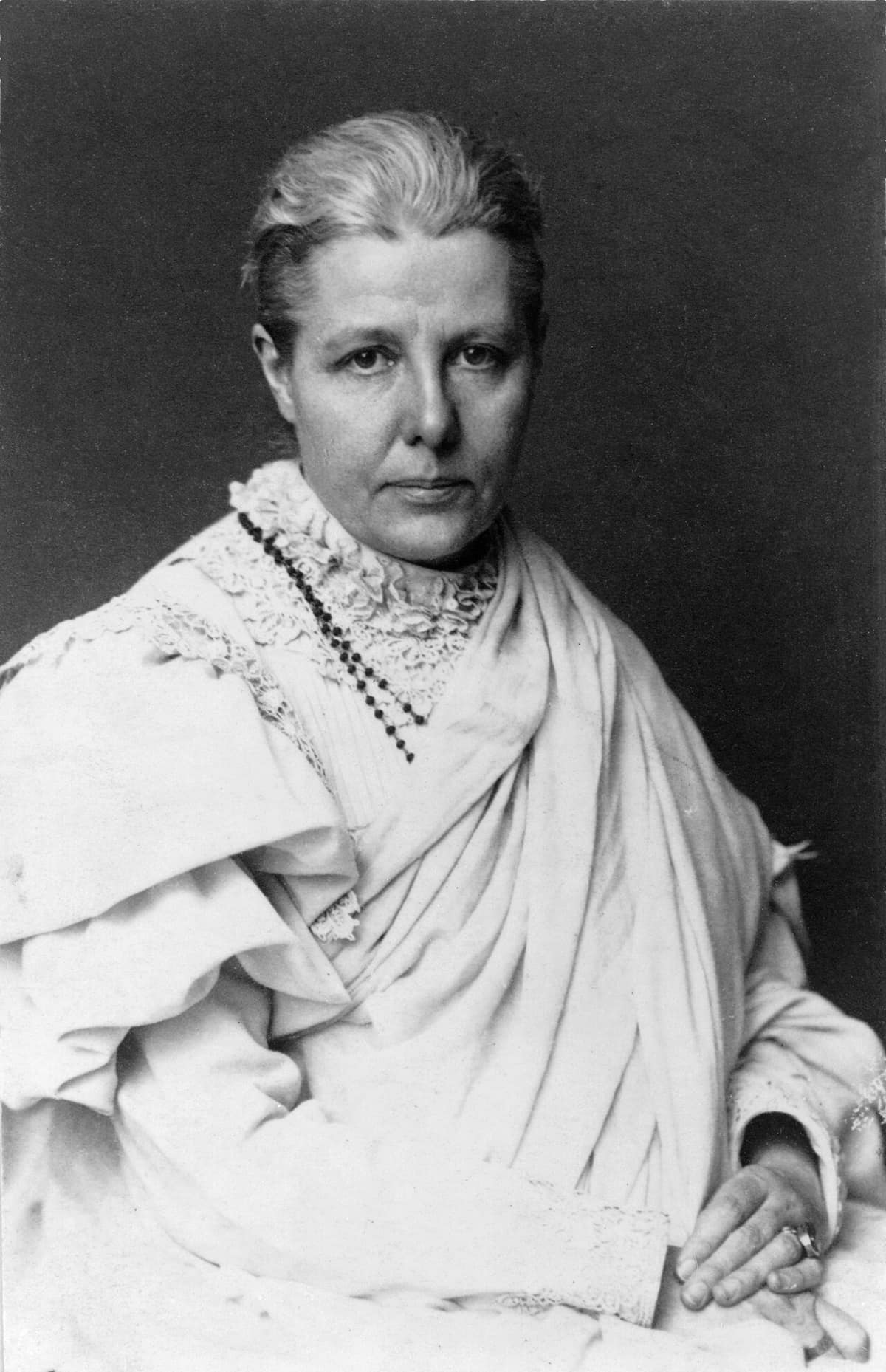
- Came to India in 1893; President of the Society from 1907
- Founded Central Hindu College, Banaras (1898); Home Rule League (1916)
- Chicago speech, 11 Sept 1893
- Birthday = National Youth Day
Reform among Muslims
Aligarh, Deoband and others.
Sir Syed Ahmad Khan (1817–1898) wanted Muslims to take up modern, scientific education. He set up a Scientific Society in 1864. In 1875 he started the Muhammadan Anglo-Oriental (MAO) school at Aligarh. It became a college in 1877 and Aligarh Muslim University in 1920. This is called the Aligarh Movement.
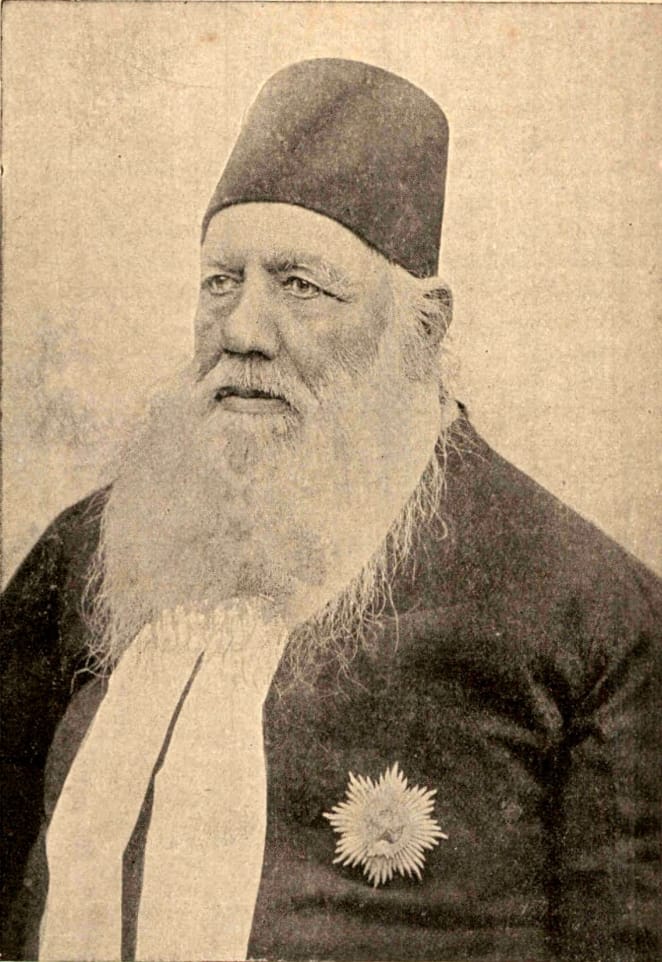
Sir Syed Ahmad Khan. Modern English education for Muslims.
Muhammad Qasim Nanautavi and Rashid Ahmad Gangohi. Traditional Islamic learning; against British rule.
Mirza Ghulam Ahmad of Qadian, in Gurdaspur district.
Haji Shariatullah. Began as religious reform, then fought landlords.
Muslim movements of the 1800s, often mixed up in exams.
Reform in Punjab
Nirankaris, Namdharis, Singh Sabha and Arya Samaj.
Punjab had its own reform wave. It began even before the British took Punjab in 1849. It grew strong after 1870, when Christian missions, the Arya Samaj and the Singh Sabha all worked in the province.
- Early 1800sNirankari movement
Baba Dayal Das (1783–1855) of Rawalpindi. Worship of the formless God (nirankar); simple Anand marriage.
- Mid-1800sNamdhari movement
Begun by Baba Balak Singh of Hazro. Baba Ram Singh led it from Bhaini Sahib (Ludhiana) from 1857. Also called the Kuka movement.
- 1873First Singh Sabha
Founded at Amritsar. Thakur Singh Sandhawalia was its president.
- 1877Arya Samaj in Lahore
Dayananda visits Punjab. Lahore becomes the Samaj's strongest centre.
- 1879Lahore Singh Sabha
Led by Professor Gurmukh Singh.
- 1892Khalsa College, Amritsar
A fruit of the Singh Sabha's work for education.
The Singh Sabha wanted to keep Sikh practice pure and separate. It removed rituals that had crept into Sikh worship. It spread education in Punjabi (Gurmukhi) and printed books and papers. The Chief Khalsa Diwan (1902) joined many Sabhas together. The Anand Marriage Act (1909) gave legal status to the Sikh marriage rite.
Nirankari → Namdhari → Singh Sabha. In Punjab's order: Dayal Das, then Balak Singh and Ram Singh, then Amritsar 1873. Formless God, Name (naam), then Sabha.
Two more Punjab reform bodies (asked in SI papers)Tap to open
- Nirankari movement: begun by Baba Dayal Das (1783–1855). He called Sikhs back to the formless God and to Guru Nanak's teaching.
- Dev Samaj: founded at Lahore in 1887 by Pandit Shiv Narayan Agnihotri. He had first been a Brahmo Samaj preacher in Punjab.
Everything on one look
Founders, years and the laws they won.
- Brahmo Samaj, 1828: Ram Mohan Roy, Calcutta
- Prarthana Samaj, 1867: Atmaram Pandurang, Bombay
- Satyashodhak Samaj, 1873: Jyotirao Phule, Pune
- Arya Samaj, 1875: Dayananda Saraswati, Bombay
- MAO College, 1875: Sir Syed Ahmad Khan, Aligarh
- Ramakrishna Mission, 1897: Swami Vivekananda
- Singh Sabha, 1873: Amritsar
- 1829: Sati banned (Bentinck)
- 1856: Widow Remarriage Act (Vidyasagar)
- 1872: Native Marriage Act (Keshab Chandra Sen)
- 1891: Age of Consent Act (Malabari)
- 1893: Vivekananda at Chicago
- 1916: First women's university (Karve)
- 1929: Sarda Act (child marriage)
- Brahmo Samaj was founded by Ram Mohan Roy, not Debendranath Tagore, who joined in 1842.
- Prarthana Samaj: Atmaram Pandurang (with Ranade), not Vidyasagar and not Dayananda.
- Arya Samaj began in Bombay (1875), though Lahore became its main centre.
- Ramakrishna Mission was founded by Vivekananda (1897), after Ramakrishna's death in 1886.
- Theosophical Society began in New York (1875); Annie Besant was not a founder.
- Radhakanta Deb opposed the Sati ban; he was not a reformer.
- Sati was banned in 1829, before the Revolt; widow remarriage became legal in 1856.
- Syed Ahmad Khan founded the MAO College (1875), not the Muslim League (1906).
- Namdhari founder: Balak Singh; its great leader: Ram Singh. Nirankari: Dayal Das.
- First Singh Sabha: Amritsar, 1873, not Lahore.
- Father of Indian Renaissance: Ram Mohan Roy
- Atmiya Sabha: 1815, Roy
- Brahmo Samaj: 1828, Calcutta
- Sati banned: 1829, Bentinck, Regulation XVII
- Dharma Sabha: 1830, Radhakanta Deb
- Young Bengal: Henry Vivian Derozio
- Native Marriage Act: 1872, Keshab Chandra Sen
- Widow Remarriage Act: 1856, Vidyasagar
- Prarthana Samaj: 1867, Atmaram Pandurang
- Satyashodhak Samaj: 1873, Jyotirao Phule
- Arya Samaj: 1875, Bombay; Satyarth Prakash
- DAV school: Lahore, 1886
- Ramakrishna Mission: 1897, Vivekananda
- National Youth Day: 12 January
- Theosophical Society: New York 1875; Adyar 1882
- MAO College, Aligarh: 1875; AMU 1920
- Deoband: 1866; Ahmadiyya: Qadian, 1889
- Singh Sabha: Amritsar 1873; Lahore 1879
- Namdhari: Balak Singh; Kuka leader Ram Singh
- Dev Samaj: Lahore 1887, Agnihotri
How was the Arya Samaj different from the Brahmo Samaj?
Show answer
The Brahmo Samaj (Roy, 1828) respected all religions and drew on the Upanishads. The Arya Samaj (Dayananda, 1875) held that the Vedas alone were true and called people "Back to the Vedas". Both fought idol worship, caste and child marriage.