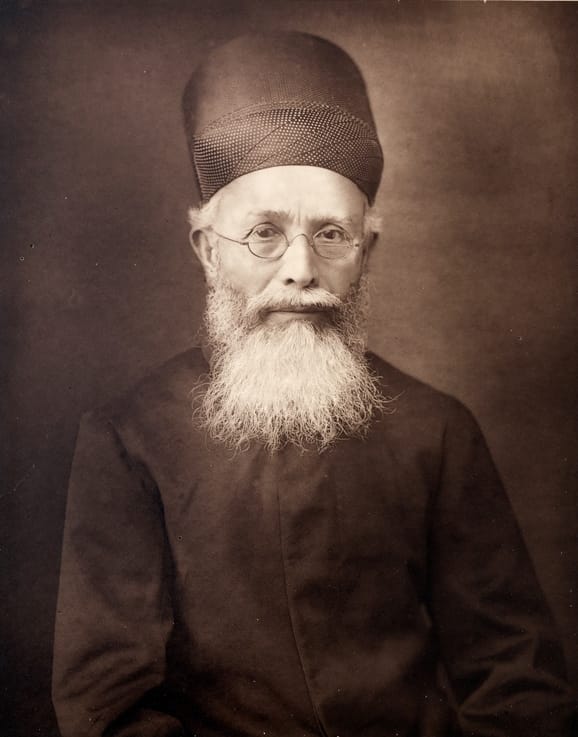
Many Indians felt their country was getting poorer under British rule. Dadabhai Naoroji tried to prove it with figures. He said a large part of India's wealth went to Britain every year, and nothing came back for it. He called this the drain of wealth.
What the drain means
A one-way flow, not fair trade.
In normal trade, money goes out and goods come back. The drain was different. Indian money paid for things that gave India nothing in return. It paid British officers' pensions in London. It paid interest on loans taken in Britain. It paid the costs of the India Office in London.
The part of India's wealth and income that went to Britain under British rule without any economic return to India. Naoroji said this drain, not any fault of Indians, was a main cause of India's poverty.
| Channel of the drain | What it was |
|---|---|
| Home Charges | Costs paid in Britain from Indian revenue: the India Office, pensions of retired officers, interest on India's debt, military stores. |
| Salaries and savings | British officers earned in India and sent their savings home. |
| Profits | British firms in India sent their profits to Britain. |
| Interest on railway capital | India paid guaranteed interest to British investors in railways. |
| Export surplus | India exported more than it imported. The extra paid for the drain and did not come back as goods. |
Home Charges is the most asked term here. It means expenses paid in Britain out of Indian revenue. India was made to pay for the cost of ruling India.
Dadabhai Naoroji, the Grand Old Man
From Bombay to the British Parliament.
- 1825Born in Bombay
Into a Parsi family. He later taught mathematics at Elphinstone College.
- 1866East India Association
Founded in London to put India's case before the British public.
- 2 May 1867England's Debt to India
A paper read in London. Here he first put forward the drain idea.
- 1886, 1893, 1906Congress President three times
The Congress first met in 1885 at Bombay under W. C. Bonnerjee; Naoroji presided next, in 1886. At the 1906 Calcutta session, the Congress named Swaraj as its goal.
- 1892Member of Parliament
Won Finsbury Central in London; the first Indian elected to the House of Commons.
- 1901His famous book
Poverty and Un-British Rule in India.
- 1917Died in Bombay
Aged 91.
1867 is when Naoroji first stated the drain idea, in the paper England's Debt to India. 1901 is when his book Poverty and Un-British Rule in India came out. Question asks about the idea first? Answer 1867. About the book? Answer 1901.
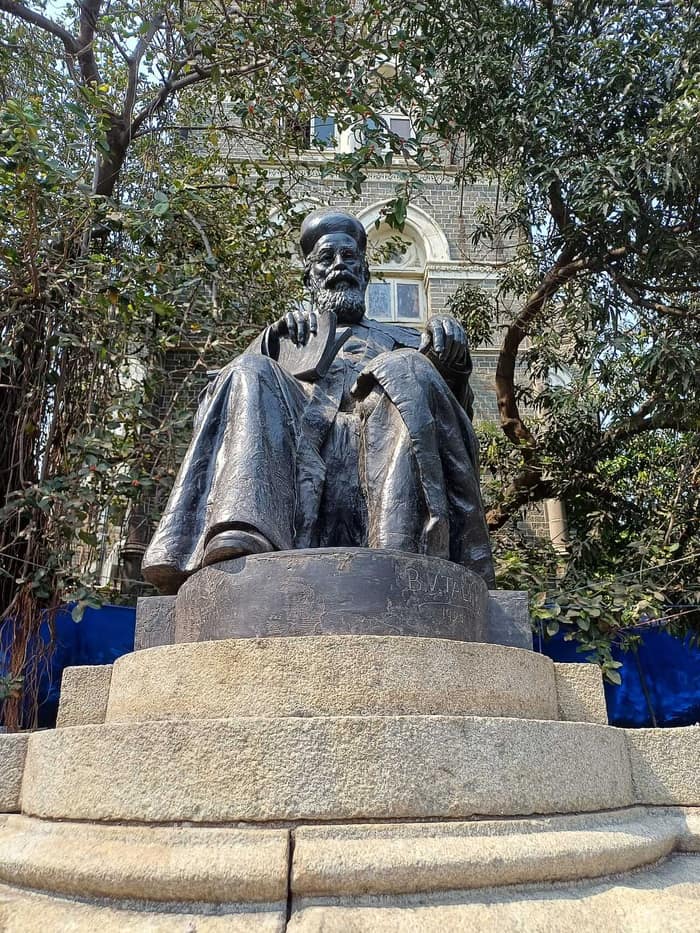
Other economic nationalists
Dutt, Ranade and Gokhale carried the argument forward.
Naoroji was not alone. Other early leaders also studied India's poverty with facts and figures. Together they built economic nationalism: the view that British rule was harming India's economy. Most of them were Moderates of the early Congress.
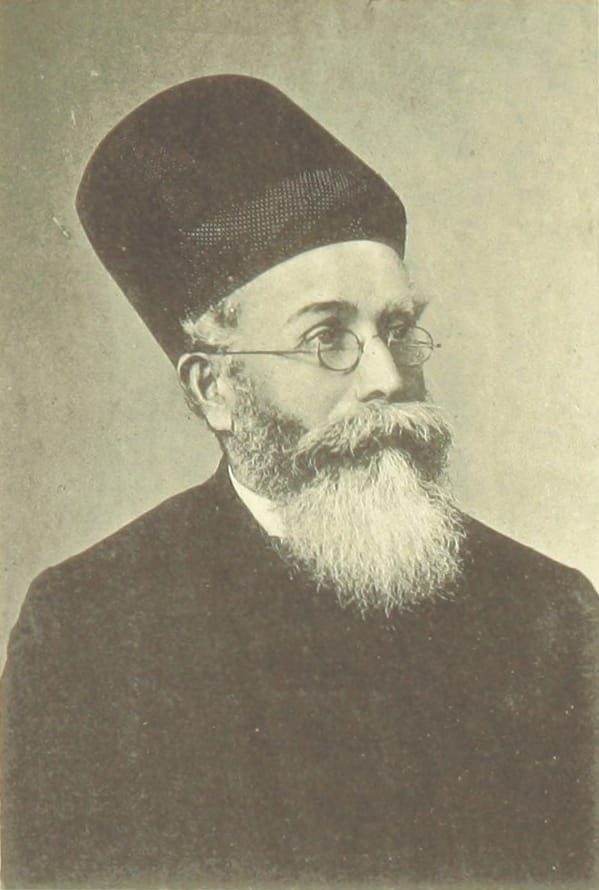
- Book: Poverty and Un-British Rule in India (1901)
- Called the Grand Old Man of India
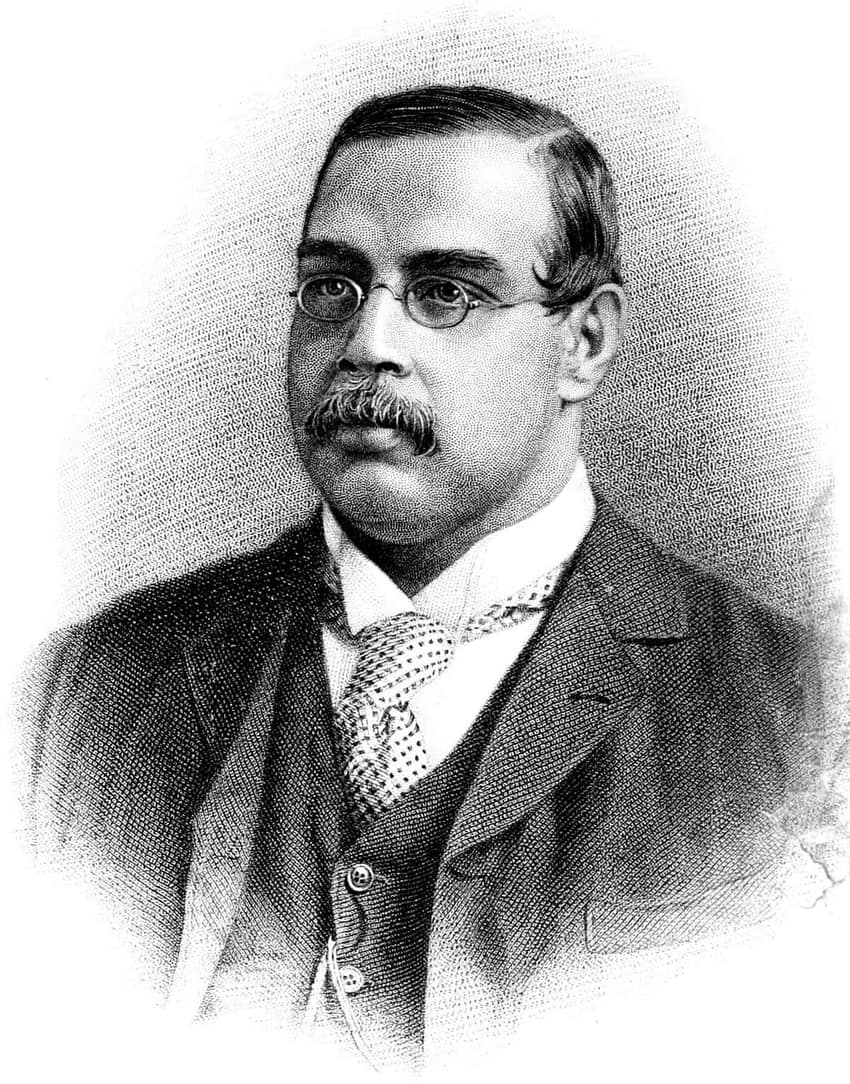
- Wrote The Economic History of India
- Congress President in 1899
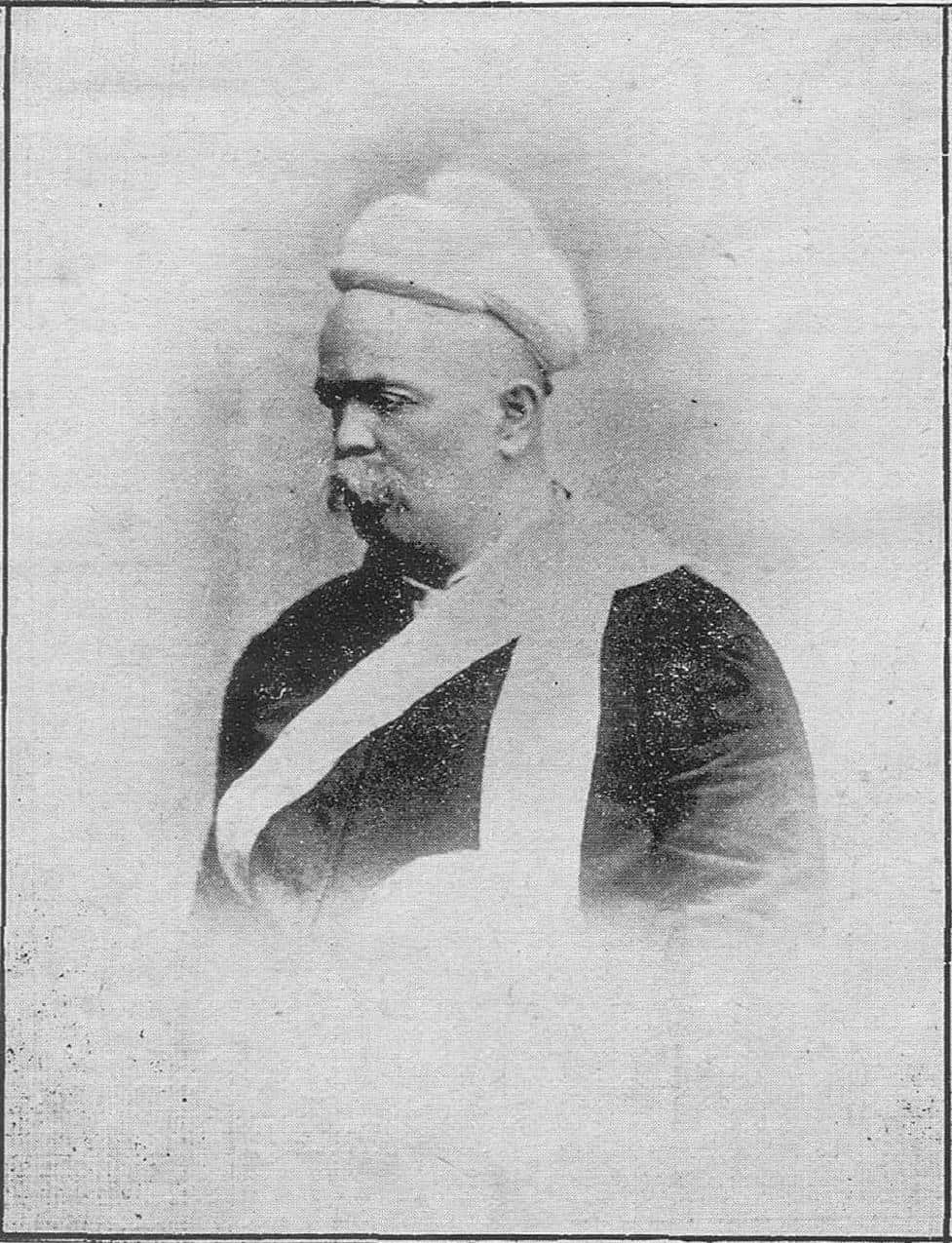
- A leading figure of the Prarthana Samaj and the Poona Sarvajanik Sabha
- Wrote Essays on Indian Economics
- Founded the Servants of India Society (1905)
- Gandhi's political guru; attacked high military spending in his budget speeches
- Poverty and Un-British Rule in India
- Dadabhai Naoroji (1901)
- England's Debt to India (paper)
- Dadabhai Naoroji (1867)
- The Economic History of India
- R. C. Dutt
- Essays on Indian Economics
- M. G. Ranade
- Prosperous British India
- William Digby (1901)
Dutt's The Economic History of India came out in two volumes: the first in 1902, the second in 1904. Some exam books give 1901. Naoroji showed the drain with figures; Dutt traced how British policy hurt Indian industry and farmers.
Why the theory mattered
From petitions to Swadeshi and Swaraj.
- Drain theoryIndia is poor because its wealth goes to Britain.
- Economic nationalismBritish rule is harmful, not a blessing.
- 1885–1905Moderate demandsCut Home Charges and military spending; give Indians high jobs.
- 1905SwadeshiUse Indian goods; boycott British goods.
- 1906SwarajUnder Naoroji, the Calcutta Congress names self-rule as the goal.
What happened to the Moderates laterTap to open
In 1918 the Congress rejected the Montagu–Chelmsford Report as not enough. Many Moderates then left the Congress. They formed the Indian Liberal Federation (also called the National Liberal Federation).
Everything on one look
The man, the dates, the channels and the allies.
- Drain theory: Dadabhai Naoroji
- First stated: 1867, England's Debt to India
- Book: Poverty and Un-British Rule in India, 1901
- East India Association: London, 1866
- First Indian British MP: 1892, Finsbury Central
- Congress President: 1886, 1893, 1906
- Home Charges: paid in Britain from Indian revenue
- Also: officers' savings, firms' profits, railway interest
- R. C. Dutt: The Economic History of India
- Ranade: Prarthana Samaj, Essays on Indian Economics
- Gokhale: Moderate; Gandhi's political guru
- First Congress President: W. C. Bonnerjee, 1885
- Idea 1867 (paper); book 1901.
- Naoroji, not R. C. Dutt, wrote Poverty and Un-British Rule in India.
- First Congress President was W. C. Bonnerjee, not Naoroji.
- Home Charges were spent in Britain but paid from Indian revenue.
- The East India Association (1866, London) was Naoroji's; not Ranade's.
- Gokhale was Gandhi's political guru, not Tilak or Naoroji.
- Prarthana Samaj links to Ranade, not Vidyasagar or Dayanand.
- Drain theory belongs to the Moderate era, before Gandhi.
- Drain theory: Dadabhai Naoroji
- Naoroji: Grand Old Man of India
- England's Debt to India: 1867
- Poverty and Un-British Rule in India: 1901
- East India Association: London, 1866
- Naoroji MP: 1892, Finsbury Central
- Naoroji Congress President: 1886, 1893, 1906
- Swaraj as goal: Calcutta Congress, 1906
- Income per head: about Rs 20 (Naoroji, 1867–68)
- Home Charges: costs paid in Britain from Indian revenue
- The Economic History of India: R. C. Dutt
- Essays on Indian Economics: M. G. Ranade
- Prosperous British India: William Digby
- Servants of India Society: Gokhale, 1905
- First Congress President: W. C. Bonnerjee, 1885
- Indian Liberal Federation: Moderates, 1918
What were Home Charges, and why did Naoroji call them a drain?
Show answer
Home Charges were costs paid in Britain out of Indian revenue: the India Office, pensions of retired officers, interest on debt and military stores. Naoroji called them a drain because the money left India for good, and India got nothing back for it.