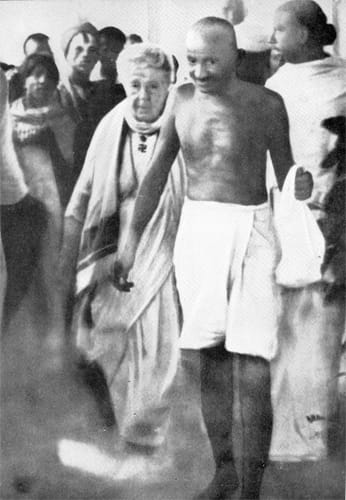
From 1920 to 1922 India saw its first true mass movement. It joined two causes. The Khilafat Movement was a Muslim protest about the Sultan of Turkey. The Non-Cooperation Movement was Gandhi's call to stop helping British rule. Together they put Hindus and Muslims under one banner. It ended suddenly after Chauri Chaura in February 1922.
Three grievances
The Punjab wrong, the Khilafat wrong and a let-down.
By 1920 Indians had three big complaints against the British. Gandhi had backed the British in the First World War (1914–18). He expected fair treatment in return. Instead came the Rowlatt Act, a massacre in Punjab, and harsh terms for Turkey. Gandhi now turned from a loyal critic into a rebel.
| Grievance | What happened |
|---|---|
| The Punjab wrong | The Jallianwala Bagh massacre at Amritsar (13 April 1919), and martial law in Punjab. The Hunter Committee that inquired into it did not punish General Dyer. |
| The Khilafat wrong | After the war, Britain and its allies imposed harsh terms on defeated Turkey. Indian Muslims felt their Khalifa had been insulted. |
| The let-down of 1919 | The Montagu-Chelmsford Reforms, given legal shape by the Government of India Act 1919, offered only dyarchy in the provinces. Indians had hoped for much more. |
Many Muslims saw the Sultan of Turkey (the Ottoman ruler) as the Khalifa: the religious head of Muslims and guardian of the holy places. Turkey fought against Britain in the First World War and lost. The peace terms took away much of its land and threatened the Khalifa's position. Indian Muslims asked Britain to treat him fairly.
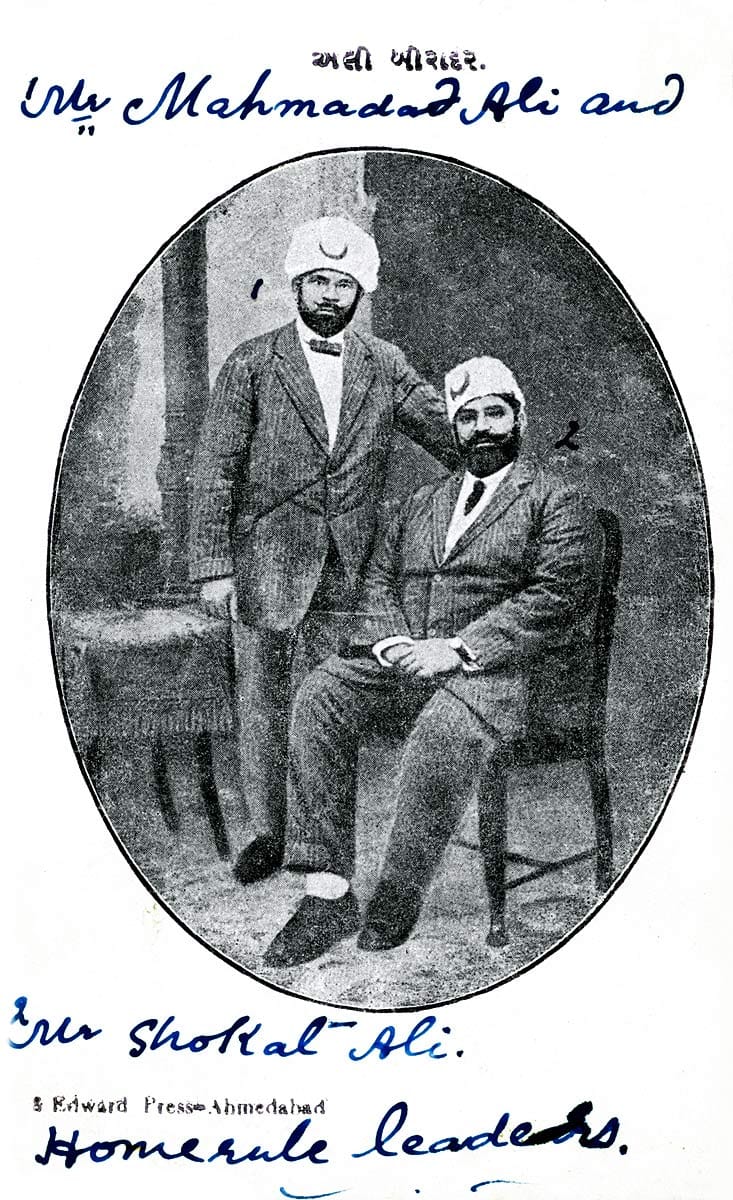
- Led the All India Khilafat Committee (1919)
- Mohammad Ali ran the English weekly Comrade
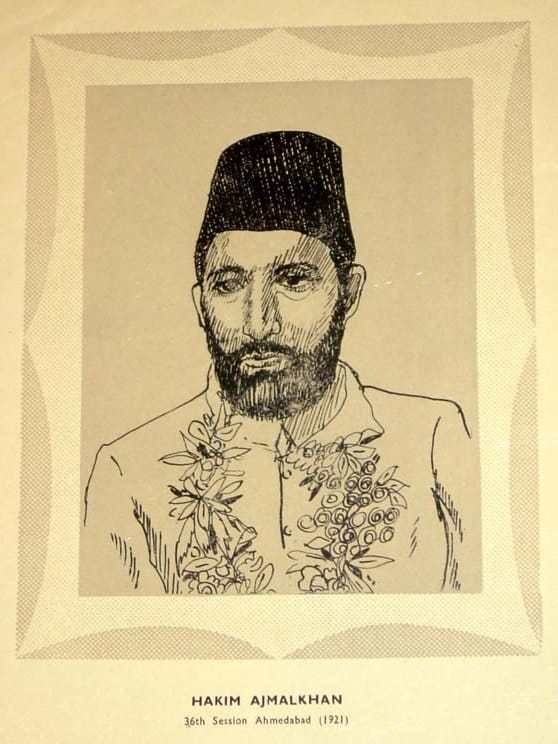
- Presided over the Ahmedabad Congress of December 1921
- A founder of Jamia Millia Islamia
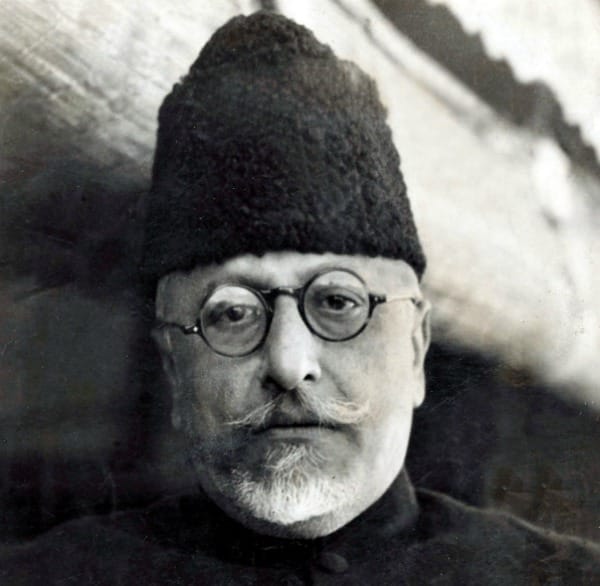
- Ran the Urdu paper Al-Hilal (1912)
- Later free India's first Education Minister
English weekly started in 1911.
Urdu weekly started in 1912.
Her papers for the Home Rule campaign.
Bengali weekly of the Swadeshi years.
Published abroad, from Berlin, in 1922.
Papers of the national movement that exams pair with their founders.
The launch, 1920
August start, September approval, December adoption.
The All India Khilafat Committee was formed in 1919. A Khilafat conference at Delhi in November 1919 said Muslims would stop cooperating if their demands were refused. Gandhi joined the Khilafat cause. He saw a rare chance for Hindu-Muslim unity. Then he made non-cooperation a programme for the whole country.
- 1 Aug 1920Gandhi begins
He returns his Kaiser-i-Hind medal. Lokmanya Tilak dies the same day.
- Sept 1920Calcutta special session
Congress approves non-cooperation. Lala Lajpat Rai presides.
- Nov 1920Council elections
Congress boycotts the first elections under the 1919 Act.
- Dec 1920Nagpur session
Congress adopts the programme. C. R. Das moves the main resolution.
Nagpur also turned the Congress into a mass party. It made Provincial Congress Committees on the basis of language, set up a Working Committee of 15, and let anyone join for four annas a year.
Not everyone agreed. The Moderates had already left the Congress in 1918, after it rejected the Montagu-Chelmsford proposals. They formed the Indian Liberal Federation. Muhammad Ali Jinnah, Annie Besant and Bipin Chandra Pal opposed non-cooperation. Jinnah left the Congress after Nagpur.
The programme at work, 1920–21
What to give up, and what to build.
- Titles and honours from the government
- Government schools and colleges
- Law courts: lawyers to stop practice
- Councils made under the 1919 Act
- Foreign cloth and foreign goods (boycott and swadeshi were first used in 1905, against the Partition of Bengal)
- Later: government jobs and taxes
- National schools: Jamia Millia Islamia, Kashi Vidyapith, Gujarat Vidyapith
- Panchayats to settle disputes
- Khadi: spin and wear hand-made cloth
- Hindu-Muslim unity
- End untouchability
- Strict non-violence
- Gandhi promised swaraj within one year if the programme was followed fully.
- Motilal Nehru and C. R. Das gave up rich legal practices. Thousands of students left government colleges.
- The Tilak Swaraj Fund collected over one crore rupees in 1921.
- Foreign cloth was burnt in bonfires. Liquor shops were picketed.
- When the Prince of Wales landed in Bombay on 17 November 1921, India greeted him with a hartal.
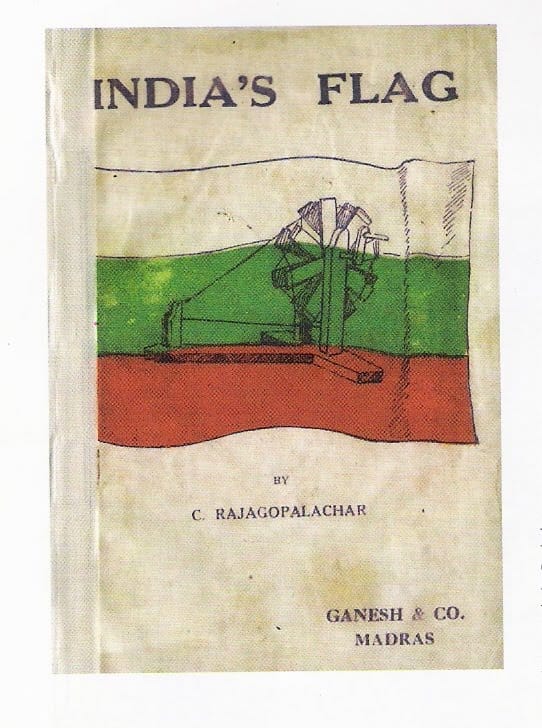
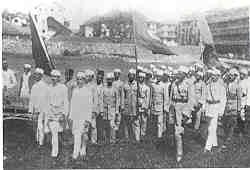
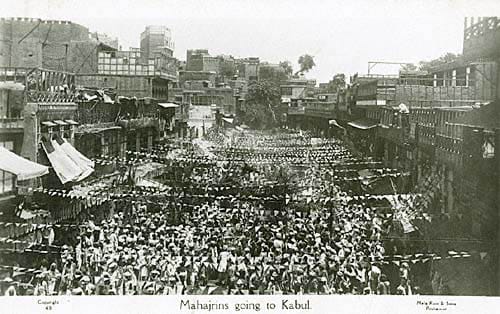
Punjab was still angry after Jallianwala Bagh. Lala Lajpat Rai presided over the Calcutta special session. At the same time the Sikhs began the Akali (Gurdwara Reform) Movement. At Nankana Sahib on 20 February 1921, the men of Mahant Narain Das killed peaceful Sikh reformers. In early 1922, when the British returned the keys of the Golden Temple treasury to the Sikhs, Gandhi is reported to have called it the "first decisive battle for India's freedom won".
Chauri Chaura and after
One violent day ended the movement.
By early 1922 Gandhi planned mass civil disobedience, including refusal of taxes, at Bardoli in Gujarat. Then came news from Chauri Chaura, a village in Gorakhpur district (UP). On 4 February 1922 (some books say 5 February), police fired on a procession. The angry crowd set the police station on fire. About 22 policemen died.
- 4 Feb 1922: Chauri ChauraA crowd burns the police station. About 22 policemen die.
- Movement called off12 Feb 1922: Bardoli resolutionThe Congress Working Committee, meeting at Bardoli, stops the movement. Gandhi fasts for five days.
- March 1922: Gandhi jailedHe is tried for sedition and sentenced to six years. He is released early, in 1924, due to illness.
- 1923: Swaraj PartyC. R. Das and Motilal Nehru form it to enter the councils. Others, the no-changers, stay with Gandhi's constructive work.
- 1924: Khilafat endsTurkey's new leader Mustafa Kemal had ended the Sultanate in 1922. In 1924 he abolished the Caliphate itself.
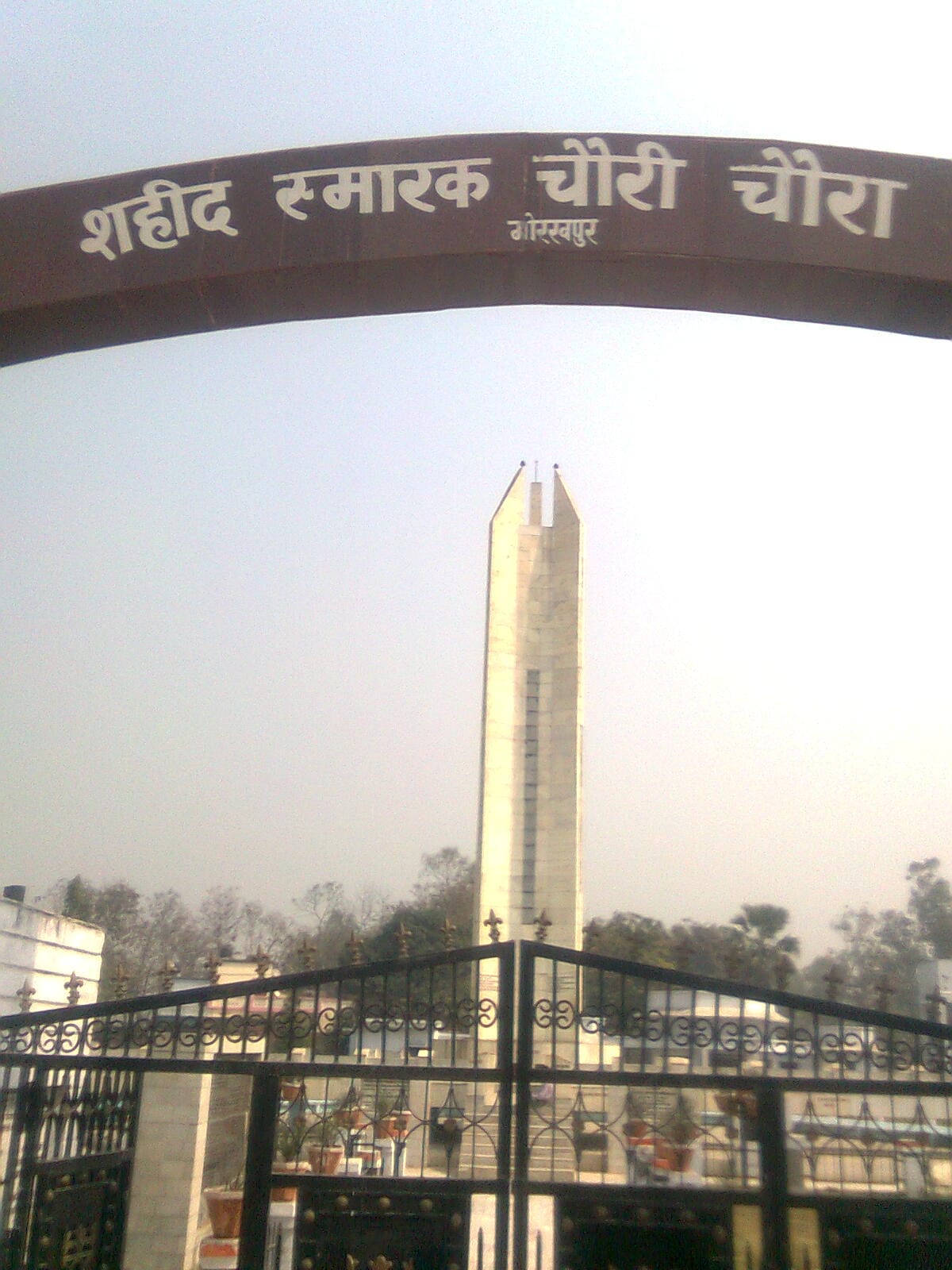
For Gandhi, non-violence was a condition, not a tactic. He feared a violent movement would be crushed and the people would lose heart. C. R. Das, Motilal Nehru and young Subhas Chandra Bose felt the movement was stopped at its peak. Many young people lost faith in non-violence and turned to the revolutionary path.
Everything on one look
Causes, launch, programme and the end.
- Causes: Jallianwala, Khilafat, 1919 reforms
- Khilafat Committee: 1919, Ali brothers
- Gandhi begins: 1 August 1920; Tilak dies
- Calcutta, Sept 1920: approved (Lajpat Rai)
- Nagpur, Dec 1920: adopted (C. R. Das moved it)
- Moderates had left in 1918: Liberal Federation
- Boycott: titles, schools, courts, councils, foreign cloth
- Build: national schools, khadi, panchayats
- Gandhi returned Kaiser-i-Hind
- Chauri Chaura: 4 February 1922, Gorakhpur
- Called off at Bardoli, 12 February 1922
- Swaraj Party 1923; Caliphate abolished 1924
- Calcutta (Sept 1920) approved; Nagpur (Dec 1920) adopted. Two different sessions.
- C. R. Das opposed council boycott at Calcutta but moved the Nagpur resolution.
- Swadeshi and boycott were first used in 1905 (Bengal), not in Non-Cooperation.
- The Moderates formed the Indian Liberal Federation (1918), not the Swaraj Party.
- The Swaraj Party (1923) came after the movement was called off.
- Gandhi surrendered Kaiser-i-Hind, not "Hind Kesari".
- Chauri Chaura is in Gorakhpur (UP), not Bihar.
- Called off in February 1922, not 1921.
- The Khilafat cause ended because Turkey itself abolished the Caliphate (1924).
- Movement years: 1920–22
- Khalifa: the Sultan of Turkey
- Khilafat Committee: 1919
- Ali brothers: Mohammad Ali, Shaukat Ali
- Comrade: Mohammad Ali; Al-Hilal: Azad
- Gandhi begins: 1 August 1920
- Tilak (Lokmanya) died: 1 August 1920
- Calcutta special session: Sept 1920, Lajpat Rai
- Nagpur session: Dec 1920, C. Vijayaraghavachariar
- Main Nagpur resolution: C. R. Das
- Congress membership: four annas
- Medal returned: Kaiser-i-Hind
- Tilak Swaraj Fund: over one crore rupees
- Prince of Wales hartal: 17 November 1921
- Saka Nankana: 20 February 1921
- Chauri Chaura: 4 February 1922, Gorakhpur
- Bardoli resolution: 12 February 1922
- Gandhi sentenced: six years, March 1922
- Swaraj Party: 1923, Das and Motilal Nehru
- Caliphate abolished: 1924, Mustafa Kemal
Why did Gandhi call off the Non-Cooperation Movement, and who objected?
Show answer
After the Chauri Chaura violence of 4 February 1922, in which about 22 policemen died, Gandhi called it off (Bardoli, 12 February 1922). Non-violence was a condition of the movement for him. C. R. Das, Motilal Nehru and Subhas Chandra Bose objected that it was stopped at its peak.