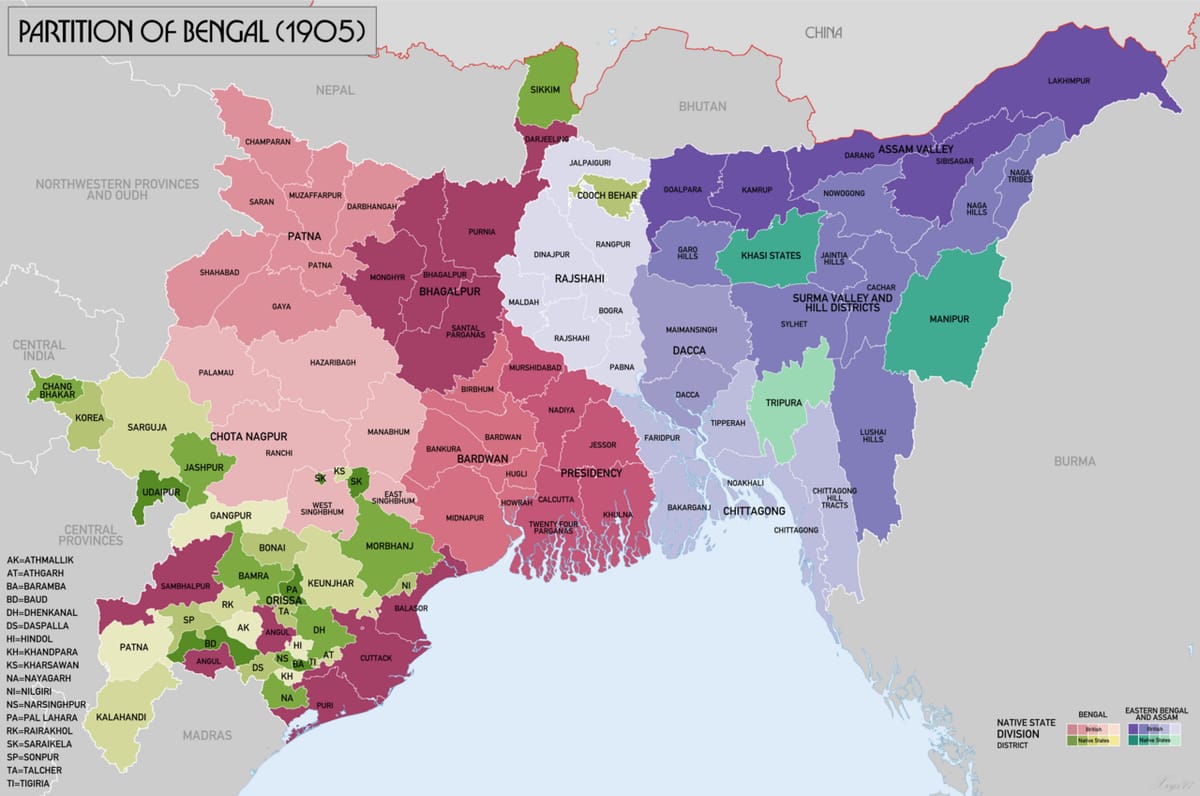
In 1905 Viceroy Lord Curzon cut the big province of Bengal into two. He said it was for better government. Indians saw it as a plan to divide and weaken them. Bengal answered with Swadeshi and the boycott of British goods, India's first big mass movement. In 1911 the British gave in and joined Bengal again.
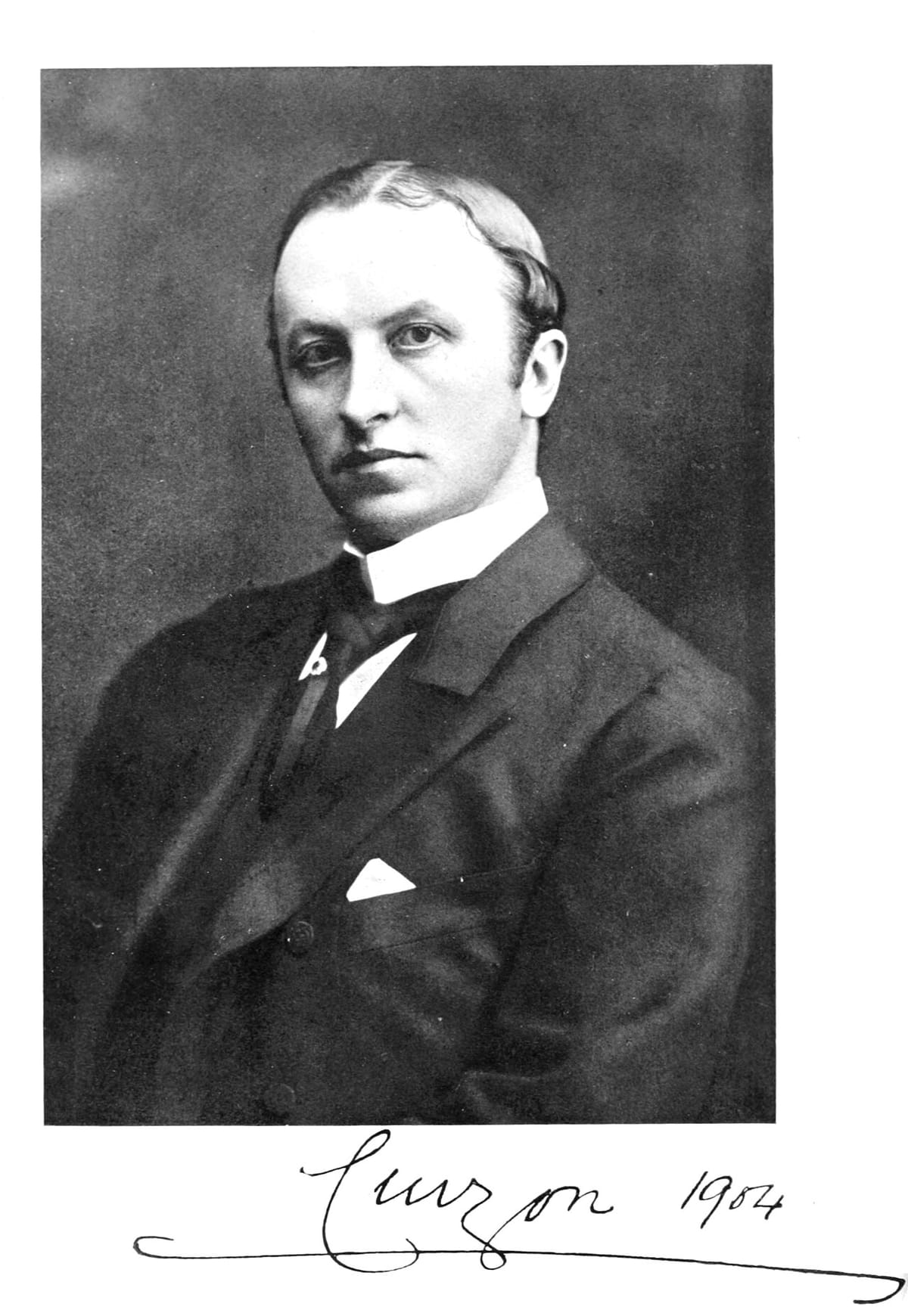
Curzon and the partition
Divide Bengal, weaken nationalism.
The Bengal Presidency included Bengal, Bihar and Orissa. It had about 7.8 crore people. The official reason for cutting it was that it was too big to govern. But Bengal was also the centre of Indian nationalism. Splitting it would split the Bengali-speaking people and separate Hindu-majority west from Muslim-majority east.
In 1904 Herbert Risley, the Home Secretary of the Government of India, wrote in a note: "Bengal united is a power; Bengal divided will pull several different ways." This is why Indians did not believe the "better government" reason.
Stopped farmers' land passing easily to moneylenders.
Made from five districts of Punjab and the tribal areas.
Troops under Younghusband marched to Lhasa.
More official control of universities; protection for old monuments.
Other Curzon steps that exams ask, two of them about Punjab.
Swadeshi and boycott
India's first big mass movement.
- July 1905Partition announced
Protest meetings begin across Bengal.
- 7 Aug 1905Boycott resolution
A huge meeting at Calcutta Town Hall resolves to boycott British goods. The Swadeshi movement formally begins.
- 16 Oct 1905Partition comes into force
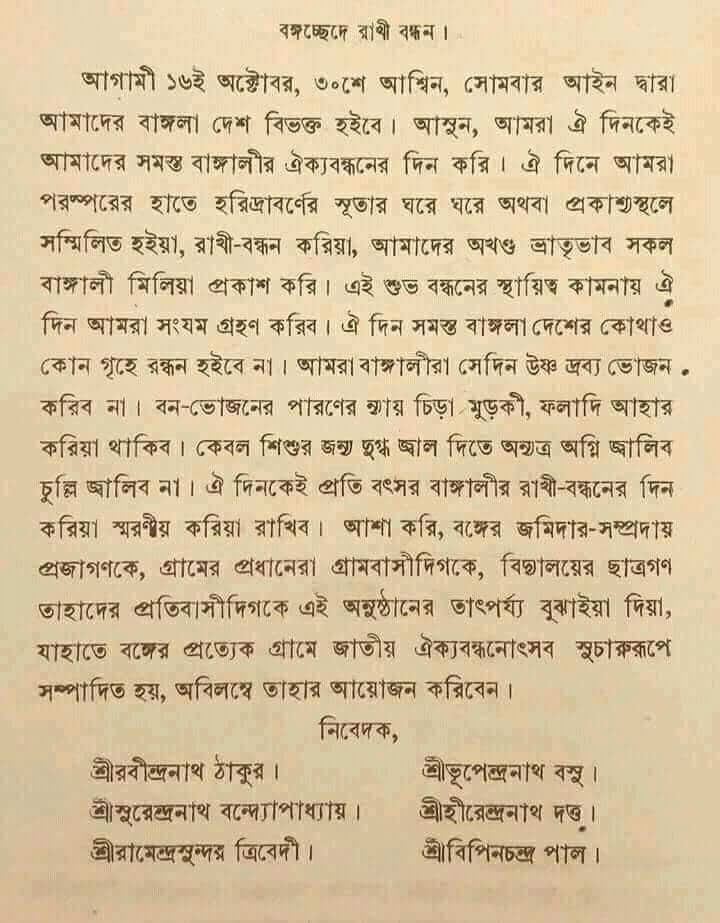
Kept as a day of mourning. People fast, bathe in the Ganga, sing Bande Mataram and tie rakhis on each other as a sign of unity.
- Aug 1906National Council of Education
Set up to run national schools and colleges. Aurobindo Ghosh becomes principal of the Bengal National College.
- Dec 1906Calcutta Congress
Under Dadabhai Naoroji, the Congress backs Swadeshi and boycott and calls Swaraj its goal.
Swadeshi means "of one's own country". Buy Indian goods, wear Indian cloth, start Indian schools and factories. Boycott was its other half: refuse British goods, above all Manchester cloth and Liverpool salt. Foreign cloth was burnt in public bonfires. The idea was to hurt the British where it mattered most: trade.
- Swadeshi business: Indian textile mills, soap and match factories, banks and shops grew. V. O. Chidambaram Pillai started the Swadeshi Steam Navigation Company at Tuticorin (1906).
- Samitis (volunteer groups): the best known was Ashwini Kumar Dutta's Swadesh Bandhab Samiti in Barisal.
- National education: schools free from government control, teaching in Indian languages.
- Students and women joined in large numbers for the first time.
Songs, symbols and leaders
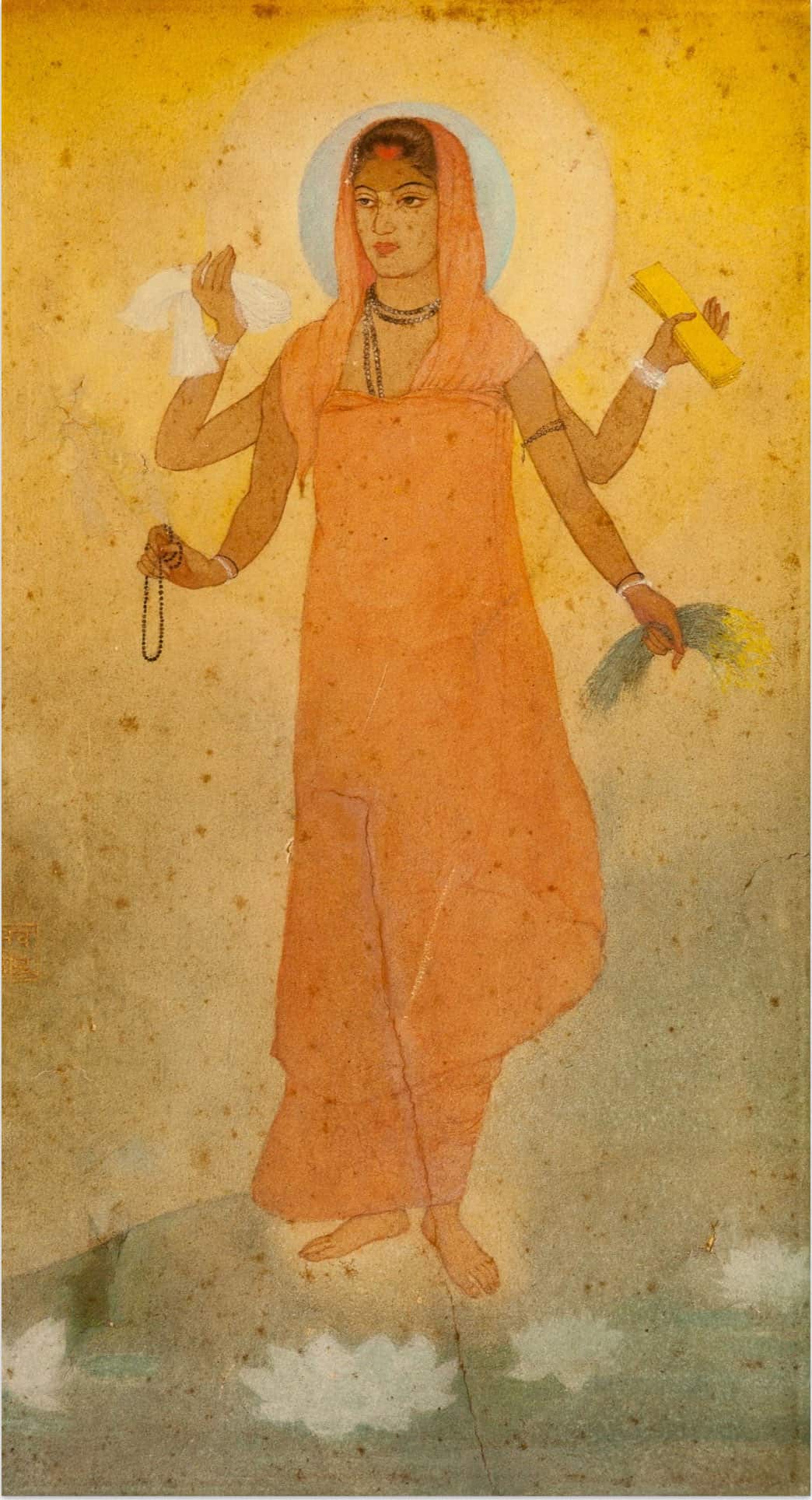
Bande Mataram, rakhi and Tagore.
The movement gave India new symbols. The song Bande Mataram became its battle cry. Rabindranath Tagore turned the Hindu festival of Raksha Bandhan into a sign of Bengali unity. Tagore also wrote "Amar Sonar Bangla" (My Golden Bengal) in 1905.
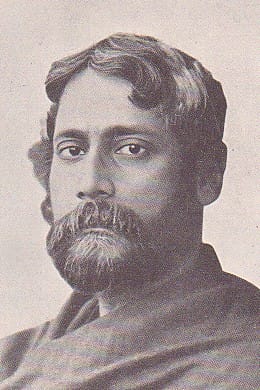
- Wrote Amar Sonar Bangla, now Bangladesh's national anthem
- Won the Nobel Prize (1913) for Gitanjali
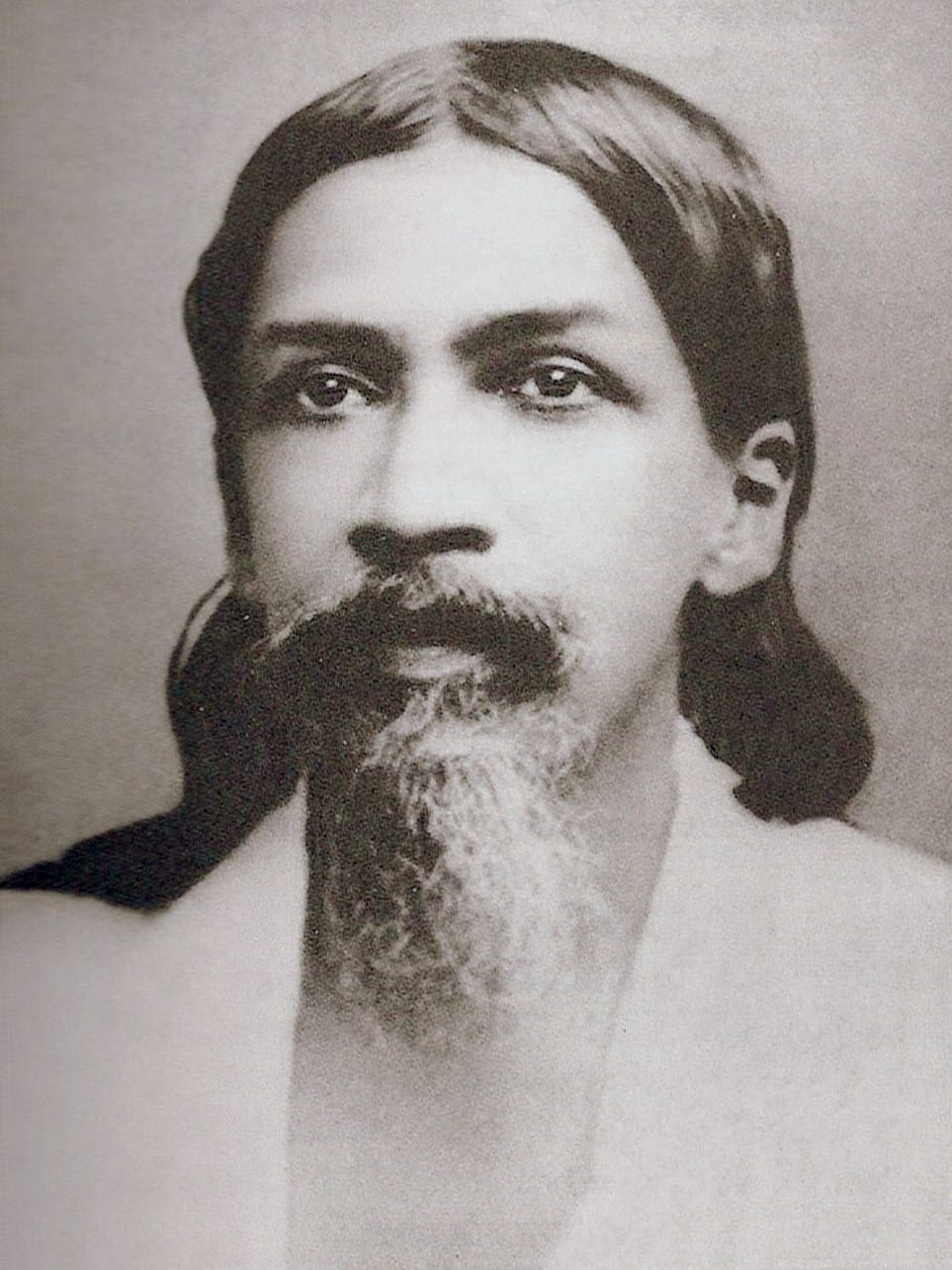
- Wrote for the paper Bande Mataram
- Tried in the Alipore Bomb Case (1908)
- Led protest meetings against the partition
- Founder of the Indian Association (1876)
- The "Pal" of Lal-Bal-Pal
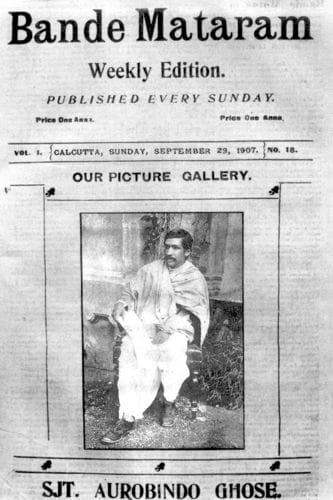
- Started the English paper Bande Mataram (1906)
Spread, the Muslim League and 1911
From Bengal to Punjab, and the British climb-down.
The movement spread beyond Bengal. Tilak led it in Bombay and Poona, Lala Lajpat Rai and Ajit Singh in Punjab, Syed Haider Raza in Delhi and Chidambaram Pillai in Madras. In Punjab the new mood helped the farmers' agitation of 1907.
- Why it slowed down by 1908: the government banned meetings, punished students and jailed or deported leaders.
- The Surat split of 1907 weakened the Congress, and Tilak was jailed in 1908.
- Swadeshi goods were often costlier, so most peasants stayed away.
- Some young men turned to secret revolutionary groups, such as the Anushilan Samiti.
In 1913 Indians living in America and Canada, mostly Punjabis, formed the Ghadar Party at San Francisco, with Sohan Singh Bhakna and Lala Har Dayal. Swadeshi used boycott inside India; Ghadar planned an armed revolt. Its rising of February 1915 failed.
The British courted Muslim leaders in the new eastern province. In October 1906 a Muslim delegation led by the Aga Khan met Viceroy Minto at Simla and asked for separate electorates. On 30 December 1906 the All India Muslim League was founded at Dacca, with help from Nawab Salimullah. The Morley-Minto Reforms of 1909 then gave Muslims separate electorates.
- King George V12 Dec 1911: Delhi DurbarThe King-Emperor announces the changes in person. The Viceroy is Lord Hardinge.
- Bengal reunitedEast and west Bengal become one province again.
- New provinces (1912)Bihar and Orissa become a separate province. Assam goes back to a Chief Commissioner.
- From CalcuttaCapital moves to DelhiDelhi is taken out of Punjab and made a separate province in 1912. New Delhi is inaugurated in 1931.
- Partition of Bengal
- Lord Curzon; in force 16 Oct 1905
- Boycott resolution
- Calcutta Town Hall, 7 Aug 1905
- Rakhi as a symbol of unity
- Rabindranath Tagore, 16 Oct 1905
- Amar Sonar Bangla
- Tagore, 1905; Bangladesh's national anthem
- Bande Mataram
- Bankim Chandra Chatterjee, Anandamath
- Swadeshi Steam Navigation Company
- V. O. Chidambaram Pillai, 1906
- Muslim League
- Dacca, 30 Dec 1906
- Partition annulled
- Delhi Durbar, 12 Dec 1911; Hardinge
- NWFP carved out of Punjab
- Curzon, 1901
Everything on one look
The partition, the movement, the League and 1911.
- By Lord Curzon, announced July 1905
- In force 16 October 1905
- New province: Eastern Bengal and Assam
- Its capital: Dacca
- Real aim: divide Bengal's nationalists
- Annulled 12 Dec 1911, Delhi Durbar
- Boycott resolution: 7 Aug 1905, Calcutta
- Methods: Swadeshi, boycott, national education
- Symbols: Bande Mataram, rakhi
- Muslim League: Dacca, 1906
- Morley-Minto: separate electorates, 1909
- Capital Calcutta → Delhi, announced 1911
- Announced in July, but in force on 16 October 1905.
- Curzon split Bengal; Hardinge was Viceroy when it was undone.
- The annulment was announced by King George V, not the Viceroy.
- Swadeshi and boycott were first used in 1905, not in Non-Cooperation.
- Bande Mataram is by Bankim; Jana Gana Mana and Amar Sonar Bangla are by Tagore.
- The Muslim League was born at Dacca in 1906, not Lahore or Aligarh.
- Bihar and Orissa became a province in 1912, after the reunion.
- NWFP came from Punjab in 1901; Delhi left Punjab in 1911–12.
- Ghadar (1913) was organised abroad and aimed at armed revolt; Swadeshi was not.
- Partition: Lord Curzon, 1905
- In force: 16 October 1905
- Eastern Bengal and Assam: capital Dacca
- Boycott resolution: 7 Aug 1905, Calcutta Town Hall
- Swadeshi: "of one's own country"
- Rakhi of unity: Tagore
- Amar Sonar Bangla: Tagore, 1905
- Bande Mataram: Bankim, Anandamath
- National Council of Education: 1906
- Bengal National College: Aurobindo principal
- Swadeshi Steam Navigation: Chidambaram Pillai
- Muslim League: Dacca, 30 Dec 1906
- Separate electorates: Morley-Minto, 1909
- Annulment: Delhi Durbar, 12 Dec 1911
- Viceroy in 1911: Lord Hardinge
- Capital to Delhi: announced 1911
- Tibet expedition: Curzon, 1903
- NWFP from Punjab: 1901
Why did Curzon partition Bengal, and how did Indians respond?
Show answer
Curzon said Bengal was too big to govern. Indians believed the real aim was to divide the nationalists of Bengal by region and religion. They answered with the Swadeshi movement: boycott of British goods from 7 August 1905, use of Indian goods, national education, and symbols like Bande Mataram and rakhi. The partition was annulled in 1911.