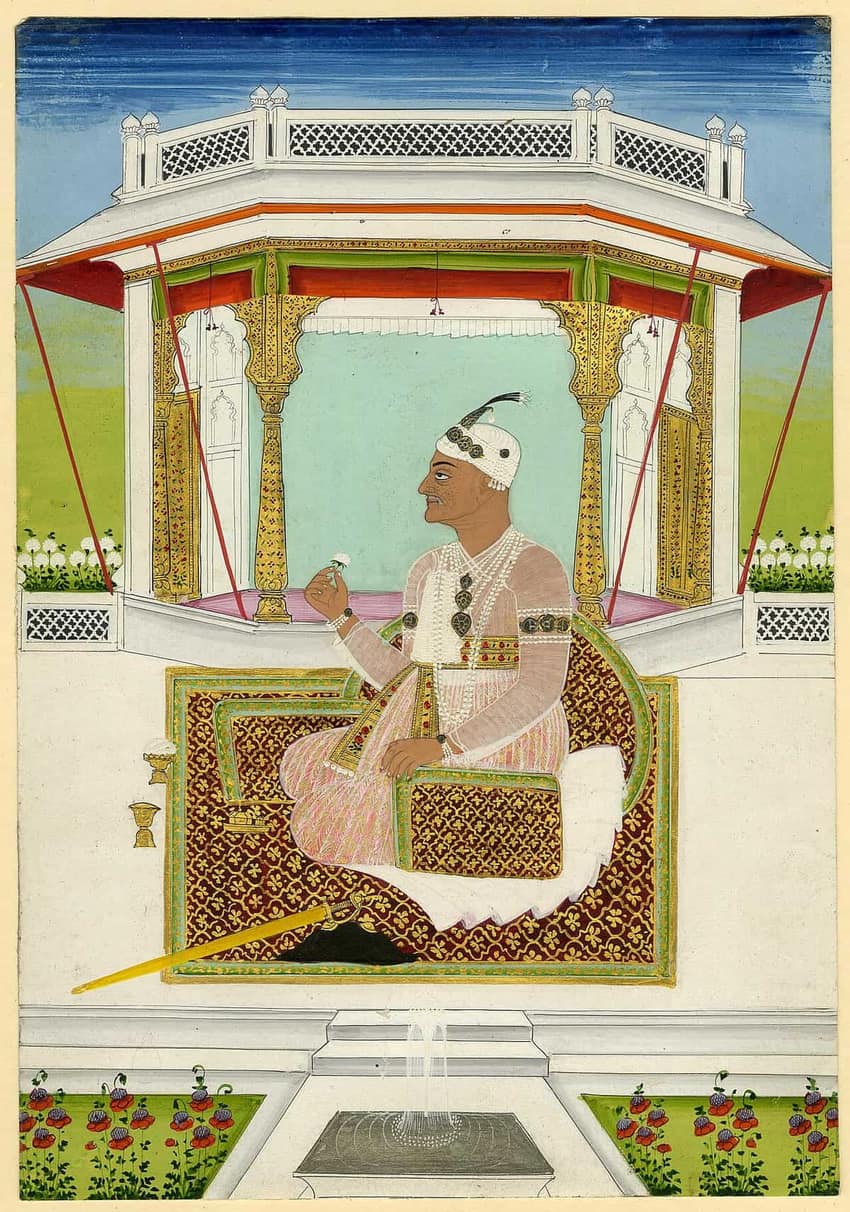
The Subsidiary Alliance was a treaty that let the East India Company control an Indian state without taking it over. The ruler kept his throne and title. But a British army sat in his state, he paid for it, and he lost control of his foreign affairs. Lord Wellesley, Governor-General from 1798 to 1805, made it a full system. Hyderabad signed first, in 1798.
What the Subsidiary Alliance was
Keep your throne, lose your power.
In the 1790s the Company feared two things: French influence at Indian courts, and strong Indian armies. Wellesley's answer was a treaty. An Indian ruler would get British protection. In return he gave up his own army and his freedom to deal with other powers. The ruler stayed. His power went.
The French Governor Dupleix was the first to lend European troops to Indian rulers for money, in the 1740s and 1750s. But Lord Wellesley turned the idea into a complete system and used it across India. Exams ask both: Dupleix began it, Wellesley perfected it.
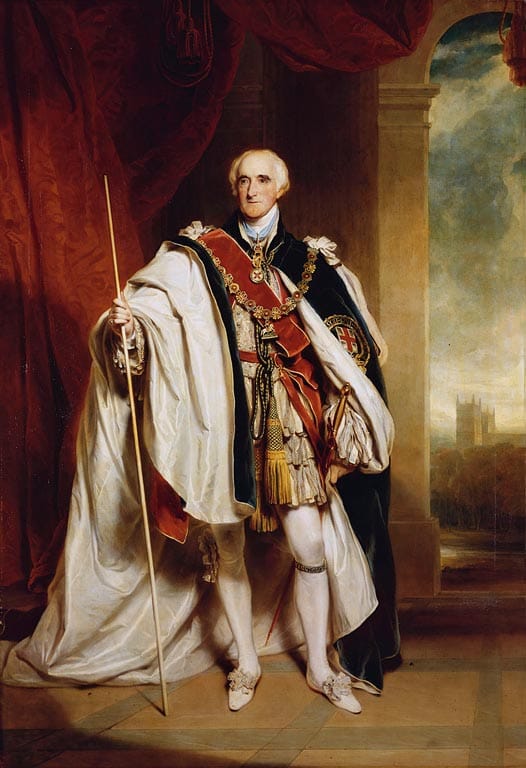
- Brought Hyderabad, Mysore, Awadh and the Peshwa into it
- Aimed to push the French out of India
- Lent French troops to Indian princes for pay
- Lost out to the English in the Carnatic Wars
- Sent away his French-trained troops
- In 1800 gave up land to pay for the British force
The terms of the treaty
Each term sounds small. Together they leave nothing.
| The term | What the ruler really lost |
|---|---|
| A British army stationed in his state | A foreign force lived inside his kingdom for good. |
| He paid for that army | The cost was heavy. If he could not pay, he had to give land instead. |
| He sent away his own army | He could no longer defend himself or resist the Company. |
| A British Resident at his court | A British officer watched every decision. |
| No other Europeans in his service | No French or other European officers without British consent. This was aimed at the French. |
| No war or treaty without British consent | He lost all foreign policy. |
| British protection; no interference inside | The promise on paper. In practice, the Resident interfered all the time. |
- Ruler signs the allianceHe gets British protection.
- British force stationed in his stateHe must pay a subsidy for its upkeep.
- He falls behind on paymentsThe amounts were set high.
- Land for moneyHe hands over territory insteadAwadh lost about half its land this way in 1801.
- The state becomes a protectorateIndependent in name, dependent in fact.
Exam answer: under the Subsidiary Alliance the Indian ruler paid for the British army, not the Company. The Company built a huge army at Indian expense.
Which states signed, and in what order
The order is asked again and again. Hyderabad came first.
- 1798Hyderabad (the Nizam)
The first. The Nizam sent away his French-trained force.
- 1799Mysore
After Tipu Sultan was killed, the new Wodeyar state had to sign.
- 1799Tanjore
The ruler handed government to the British.
- 1801Awadh
Nawab Saadat Ali Khan gave up about half his land, including Rohilkhand.
- 1802The Peshwa
Baji Rao II signed the Treaty of Bassein (31 December).
- 1803–04Bhonsle and Scindia
Brought in after defeat in the Second Anglo-Maratha War.
- 1818Holkar
After the Third Anglo-Maratha War (Treaty of Mandasor).
Hy-My-Ta-A-Pe: Hyderabad 1798, Mysore 1799, Tanjore 1799, Awadh 1801, Peshwa 1802. The Maratha chiefs Bhonsle and Scindia follow in 1803–04.
Some books say Awadh was the first to have such an arrangement. After the Treaty of Allahabad (1765), the Company agreed to defend Awadh if the Nawab paid for the troops. But the first state to sign Wellesley's Subsidiary Alliance was Hyderabad, in 1798. If the question names Wellesley or gives a date, answer Hyderabad.
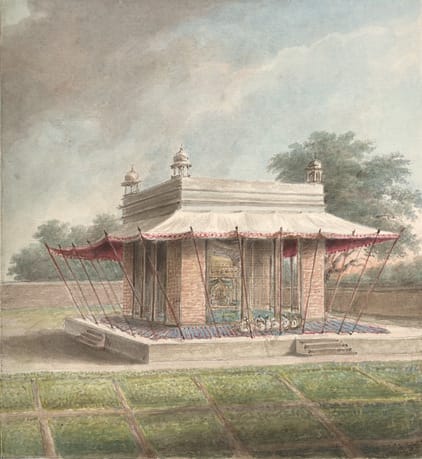
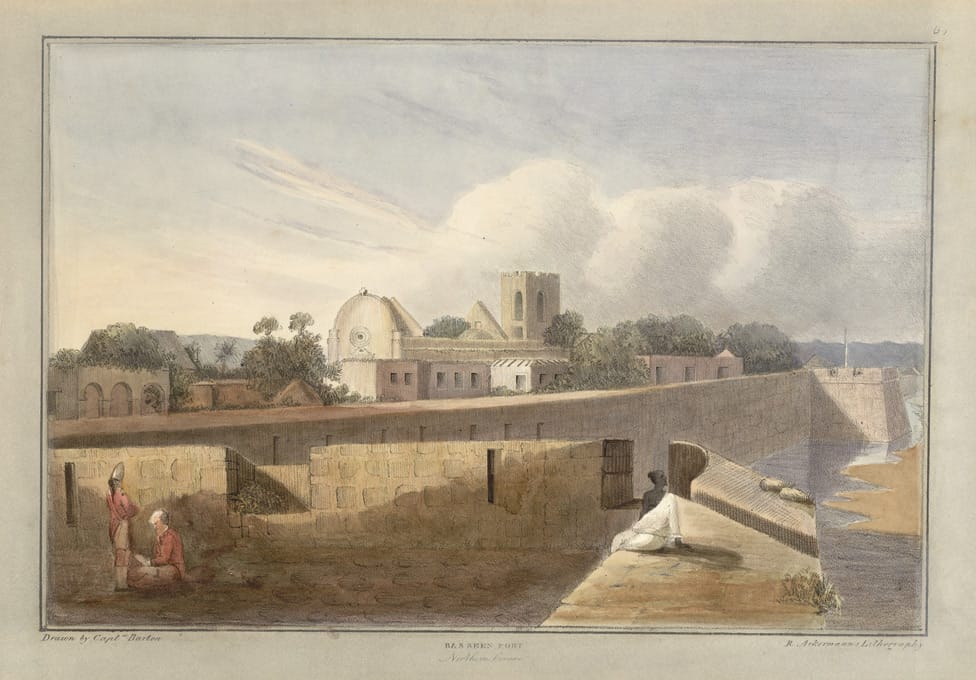
Awadh: from alliance to annexation
The clearest example of how the system worked.
- 1765Treaty of Allahabad
After Buxar, the Nawab pays for Company troops to guard his borders.
- 1801Subsidiary Alliance
Wellesley forces Saadat Ali Khan to give up about half of Awadh.
- 1851"A cherry"
Lord Dalhousie calls Awadh "a cherry that will drop into our mouth one day".
- 1856Annexed
Nawab Wajid Ali Shah is removed for "misrule" and sent to Calcutta. A lament of the time says "the life had gone out of the body".
Maharaja Ranjit Singh never signed a Subsidiary Alliance. The Treaty of Amritsar (1809), made in Lord Minto's time, only fixed the Sutlej as the boundary. The Cis-Sutlej states, such as Patiala, Nabha and Jind, came under British protection in 1809. Punjab itself was annexed only in 1849.
Two more Governors-General for the match question below: Warren Hastings became the first Governor-General of Bengal under the Regulating Act of 1773. Lord William Bentinck banned Sati in 1829.
What the system did to India
Huge gains for the Company, heavy costs for Indian states.
- A big army paid by Indian rulers
- French influence pushed out of Indian courts
- Territory gained without open war
- Control of foreign policy of many states
- Rulers became protectorates, free only in name
- Heavy payments drained the treasury
- Disbanded soldiers lost their jobs
- Safe rulers often became careless of their people
Rajasthan's treaties with the Company (asked in RSMSSB papers)Tap to open
- The first Rajasthan state to make a treaty with the Company was Bharatpur, on 29 September 1803, in Wellesley's time.
- In 1817–18, under Lord Hastings, nearly every Rajput state signed. Karauli was first (November 1817), then Kota (26 December 1817), Jodhpur (6 January 1818) and Udaipur (13 January 1818).
- Rajasthan books call these subsidiary treaties. Strictly, most of them were treaties of protection: the state accepted British supremacy and paid tribute.
- Who perfected the Subsidiary Alliance?
- Lord Wellesley (1798–1805)
- Who first lent troops to Indian rulers for pay?
- Dupleix (French)
- First state to sign
- Hyderabad, 1798
- Mysore joined
- 1799, after Tipu's death
- Awadh joined
- 1801; lost about half its land
- Treaty of Bassein
- 1802; Peshwa Baji Rao II
- Doctrine of Lapse
- Dalhousie, not Wellesley
Everything on one look
The maker, the terms, the states and the effects.
- Perfected by Lord Wellesley, 1798–1805
- Idea first used by Dupleix
- British force stationed in the state
- Ruler paid for that force
- Ruler disbanded his own army
- British Resident at his court
- Hyderabad first, 1798
- Mysore and Tanjore, 1799
- Awadh, 1801; lost about half its land
- Peshwa, 1802 (Treaty of Bassein)
- Bhonsle and Scindia, 1803–04
- Holkar, 1818
- Subsidiary Alliance = Wellesley; Doctrine of Lapse = Dalhousie.
- Dupleix began the idea; Wellesley perfected it.
- Hyderabad (1798) was the first to sign Wellesley's alliance.
- The ruler, not the Company, paid for the British force.
- Unpaid subsidy was taken as land, not just left as debt.
- Awadh joined in 1801 but was annexed in 1856, not 1876.
- Bassein (1802) brought in the Peshwa; it was not signed by Scindia.
- Ranjit Singh never signed a Subsidiary Alliance.
- Rajasthan: Bharatpur first (1803); among the 1817–18 treaties, Karauli first.
- Subsidiary Alliance: Lord Wellesley
- Wellesley: Governor-General 1798–1805
- Idea first used by: Dupleix
- First to sign: Hyderabad, 1798
- Mysore: 1799, after Tipu
- Tanjore: 1799
- Awadh: 1801, about half its land lost
- Peshwa: Treaty of Bassein, 31 December 1802
- Bhonsle 1803, Scindia 1804
- Holkar: 1818
- Ruler pays for the British force
- British Resident at the court
- No other Europeans without consent
- Dalhousie on Awadh, 1851: "a cherry"
- Awadh annexed: 1856, Wajid Ali Shah
- Treaty of Amritsar 1809: Minto and Ranjit Singh
- Rajasthan: Bharatpur first (1803); Karauli first in 1817
How could the Subsidiary Alliance take land without a war?
Show answer
The ruler had to pay for the British force in his state, and the payments were set high. When he fell behind, the treaty let the Company take land instead of money. So territory passed to the British through debt, not battle, as in Awadh in 1801.