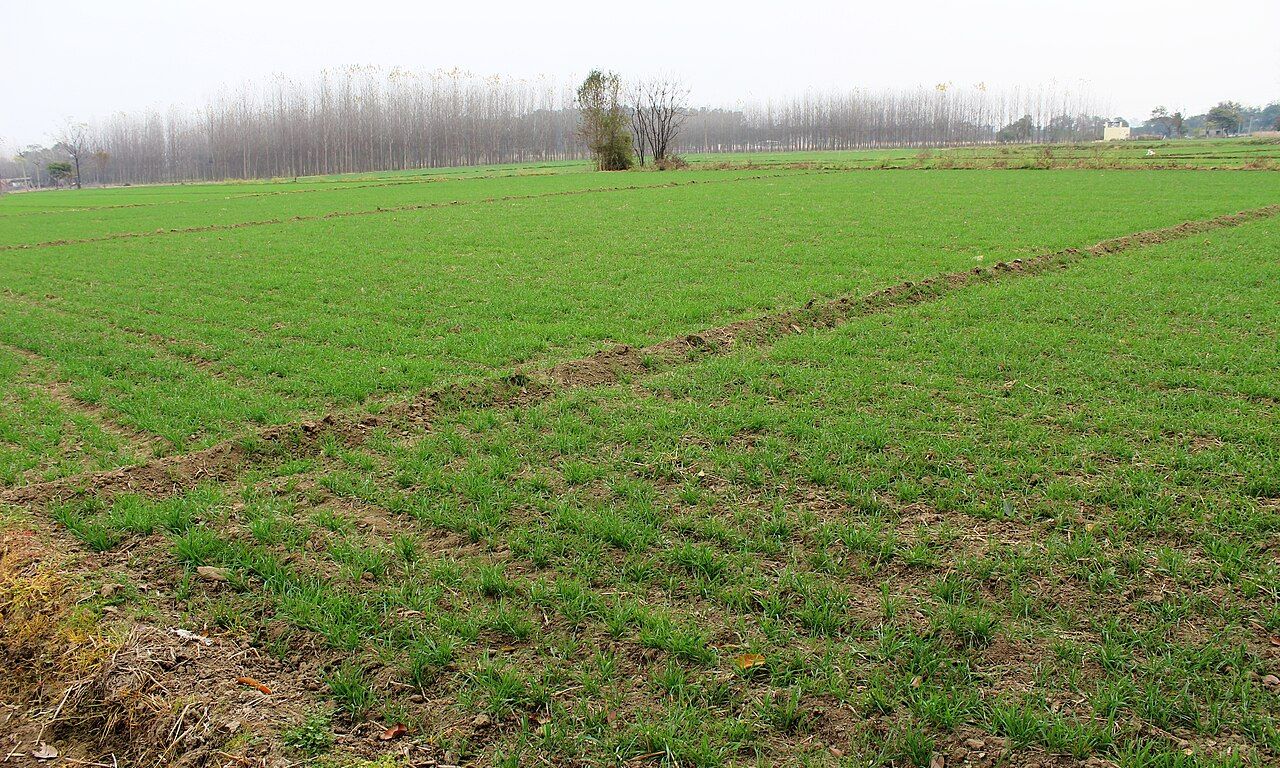
Punjab is a small state — only about 1.53% of India's area — but it is called the granary (food bowl) of India. Three things explain this: a climate with a cool winter for wheat and a monsoon for paddy, deep alluvial soils, and canal and tubewell irrigation on almost every field. This page explains Punjab's seasons and rainfall, its soils and land types, its crops, the Green Revolution, and the price Punjab is now paying — falling groundwater and stubble burning.
Climate of Punjab
Hot summers, cold winters and a short monsoon.
Punjab is far from the sea, so it has a subtropical continental climate (an inland climate with big changes between seasons). It is semi-arid (fairly dry) in the south-west and sub-humid (fairly moist) near the hills. Summers are very hot, winters are cold, and most of the rain comes from the monsoon. Punjab is not coastal, and it has a clear dry season (October–November). Snow does not fall on the plains; rain, not snow, waters the crops.
| Season | Months | What it is like |
|---|---|---|
| Hot and dry season | Mid-April – June | 40–47°C. A tropical continental air mass covers Punjab: very hot, dry air from the Thar (Rajasthan) desert. Hot loo winds, dust storms (andhi), low humidity |
| Monsoon (rainy) season | July – September | Moist air from the sea brings rain. About 70% of the year's rain falls now. Humidity is highest |
| Post-monsoon season | October – November | Clear skies; the driest months of the year. Paddy harvest and wheat sowing |
| Winter (cold) season | December – February | Minimum near 0°C; frost (kora) in Malwa; fog. Light rain from western disturbances |
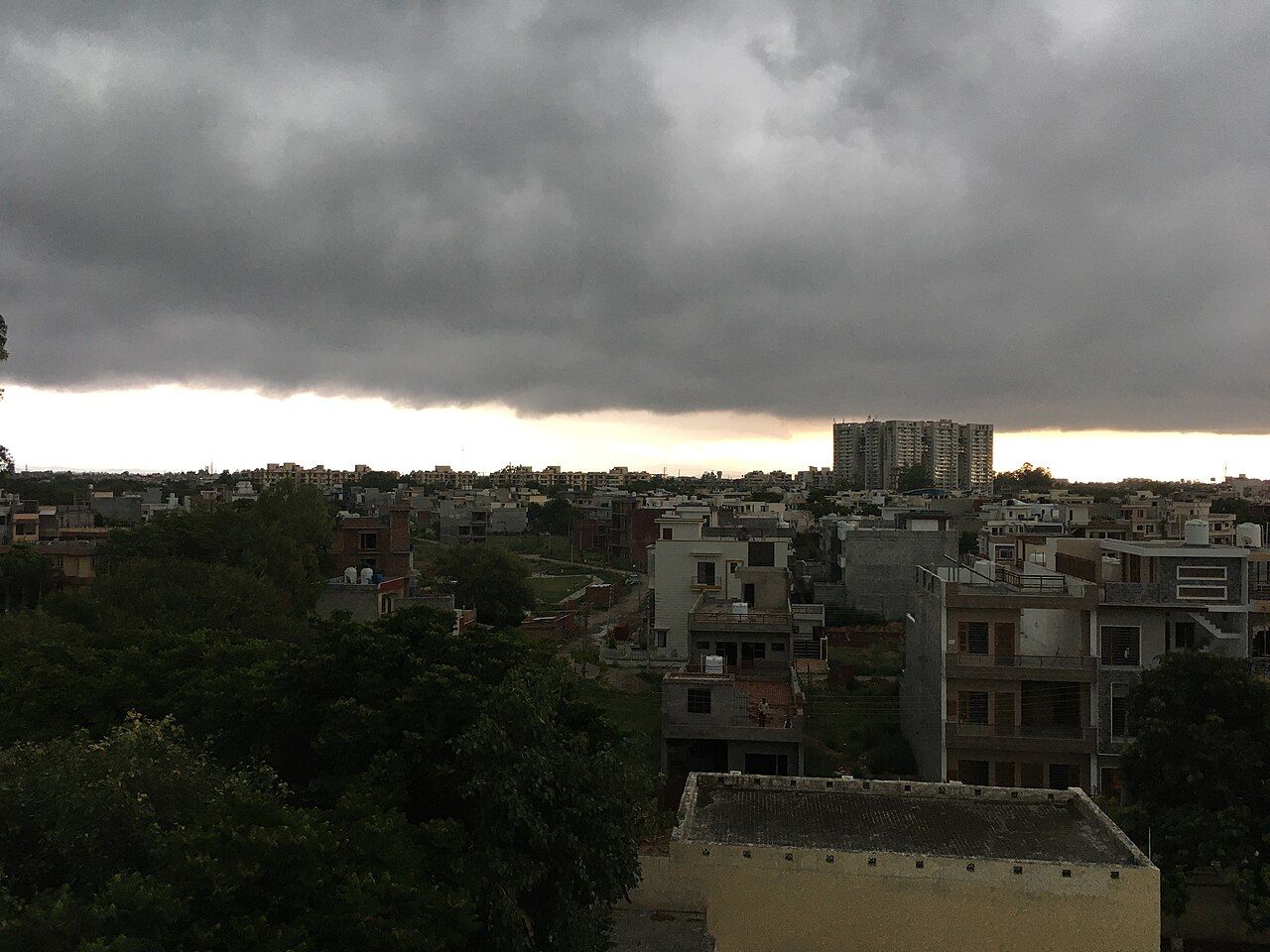
Storms (cyclones — here this just means a low-pressure weather system, not a sea storm) that start over the Mediterranean Sea and are carried east by westerly winds. They bring winter rain (mahawat) to Punjab, Haryana and west Uttar Pradesh. This rain is vital for the rabi wheat crop. It is cyclonic rain, not monsoon rain.
Rainfall belts
Rain falls steeply as you move away from the Shivalik hills.
| Belt | Districts | Yearly rain |
|---|---|---|
| Wettest — Shivalik foothills | Pathankot (Dhar Kalan block is the wettest), Gurdaspur, Hoshiarpur, Rupnagar | Over 1,000 mm |
| Middle — central plain | Majha, Doaba and central Malwa | In between (state average roughly 500–700 mm) |
| Driest — sandy south-west | Fazilka (Abohar), Ferozepur, Mansa, Bathinda, Sri Muktsar Sahib | About 300–450 mm (least around Abohar–Fazilka) |
"Hills get heavy, sands get scanty." Rainfall falls from the north-east (Shivalik hills, over 1,000 mm) to the south-west (sandy Malwa, about 300–450 mm).
Local land types
Local names for land that exams ask again and again.
| Local name | What it means | Where |
|---|---|---|
| Bet (= khadar) | Low floodplain right beside a river; gets fresh silt every monsoon | Along the Sutlej, Beas, Ravi and Ghaggar |
| Mand | Low-lying riverine tract (land along a river) | Best known along the Beas, near Kapurthala–Tarn Taran |
| Changar | Uneven, eroded, less fertile land beside the rivers where they leave the hills | Near the Shivalik foothills |
| Dhaya (= bhangar) | The high bank or terrace of old alluvium above the bet | Above the river floodplains |
| Kandi | Gravelly belt at the foot of the Shivaliks, cut by seasonal torrents (choes) | Hoshiarpur, Rupnagar, Pathankot, SBS Nagar, Gurdaspur |
Bet = Beside the river (both start with B). Bet is the new, low land (khadar); Dhaya is the old, high bank (bhangar) above it.
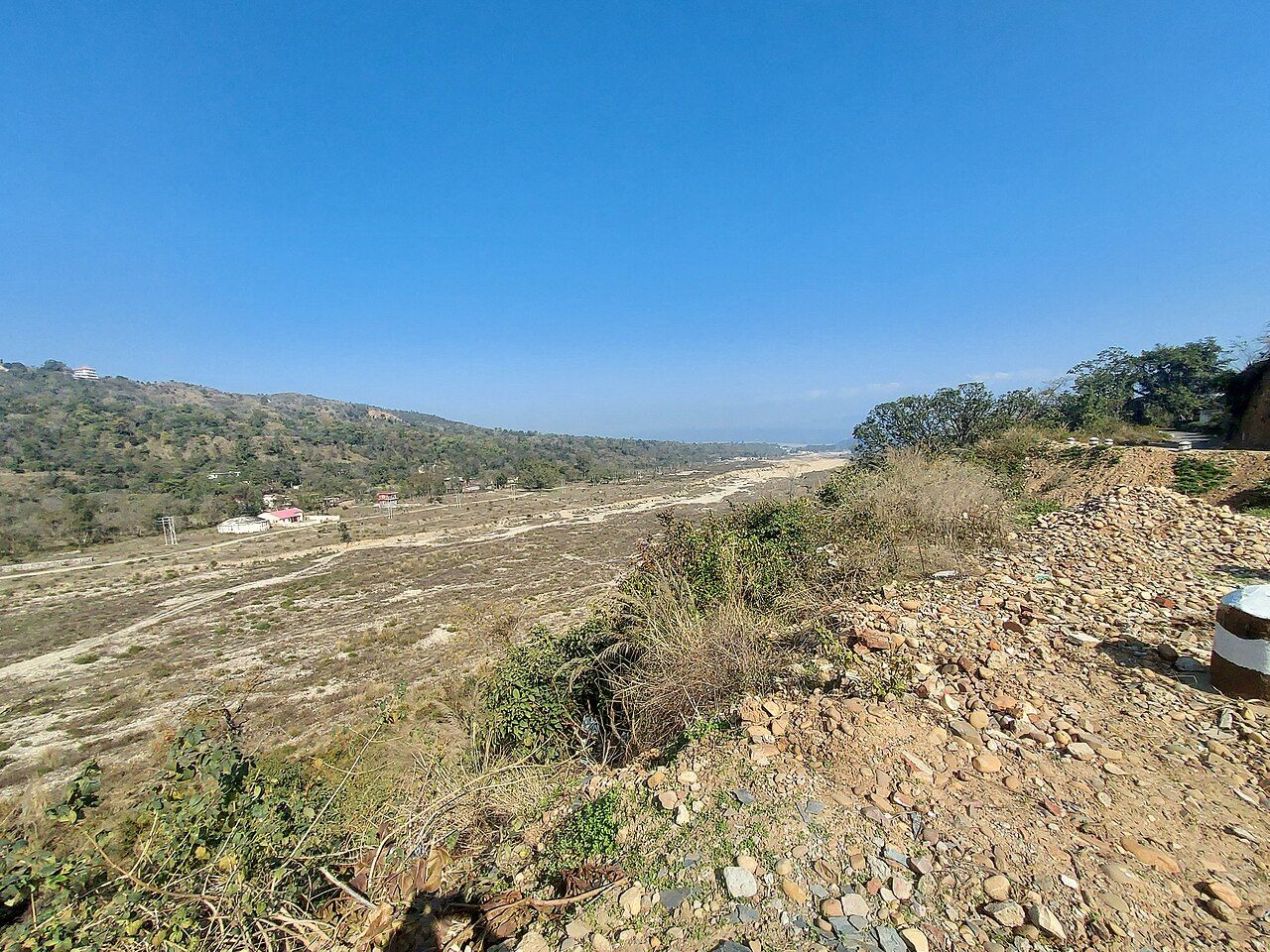
The sub-mountain, undulating (up-and-down) belt along the Shivalik foothills. It is drained by seasonal torrents called choes, so it suffers soil erosion. It is rain-fed with no perennial (year-round) water source, and its water table is deep. Farming here has a high cost of cultivation, and the land is not very fertile. Its natural vegetation is tropical dry deciduous forest — dhak (palas), khair, shisham, jamun.
More land words, and Punjab's vegetation beltsTap to open
| Local name | What it means | Where |
|---|---|---|
| Rohi | Dry, sandy tract | South-west Punjab |
| Bar | High, dry upland between two rivers | Sandal Bar, Ganji Bar (now in Pakistan) |
| Bangar | Old-alluvium upland between the Ghaggar and the Yamuna | Mostly in Haryana |
Punjab's natural vegetation has four belts: chir pine (subtropical pine) on the highest Shivalik ridges; subtropical scrub hill on the Shivalik slopes; tropical dry deciduous in the Kandi and undulating plains; and tropical thorn (kikar, jand, karir) in the dry south-west. More on forests and wildlife of Punjab.
Soils: three main zones
Most of Punjab is alluvium brought by the Indus river system.
| Soil zone | Where | Soil |
|---|---|---|
| 1. Sub-mountain (Kandi) soils | North-east: Pathankot, Gurdaspur, Hoshiarpur, Rupnagar, SBS Nagar | Stony, gravelly, sandy loam; easily eroded by choes |
| 2. Alluvial plain soils | Centre: Majha, Doaba and central Malwa | Deep loam to clay loam; the most fertile |
| 3. Arid / desert soils | South-west: Fazilka, Sri Muktsar Sahib, Bathinda, Mansa, Faridkot, Ferozepur | Sandy and calcareous (rich in lime); low rainfall; salt and waterlogged patches |
- Desert (arid) soil is found in the south-west, next to Rajasthan, where rain is lowest. It is sandy and calcareous (lime-rich).
- The sub-mountain districts (Gurdaspur, Hoshiarpur) have Kandi soils, not desert soils.
- Black soil (Deccan), red soil and laterite soil (peninsular India) are not Punjab soils.
- Bet
- Low, new floodplain right beside a river (= khadar)
- Dhaya
- Old, high bank above the bet (= bhangar)
- Mand
- Low riverine tract, best known along the Beas
- Changar
- Rough, eroded land by the rivers at the Shivalik foot
- Kandi
- Gravelly, rain-fed belt at the Shivalik foot, cut by choes
- Rohi
- Dry, sandy tract of the south-west
- Kallar / thur
- Salt-affected land (reclaimed with gypsum)
- Reh
- White salt crust on top of the soil
- Sem
- Waterlogged land. Sem and kallar are problems of the canal-watered south-west
Crops and seasons
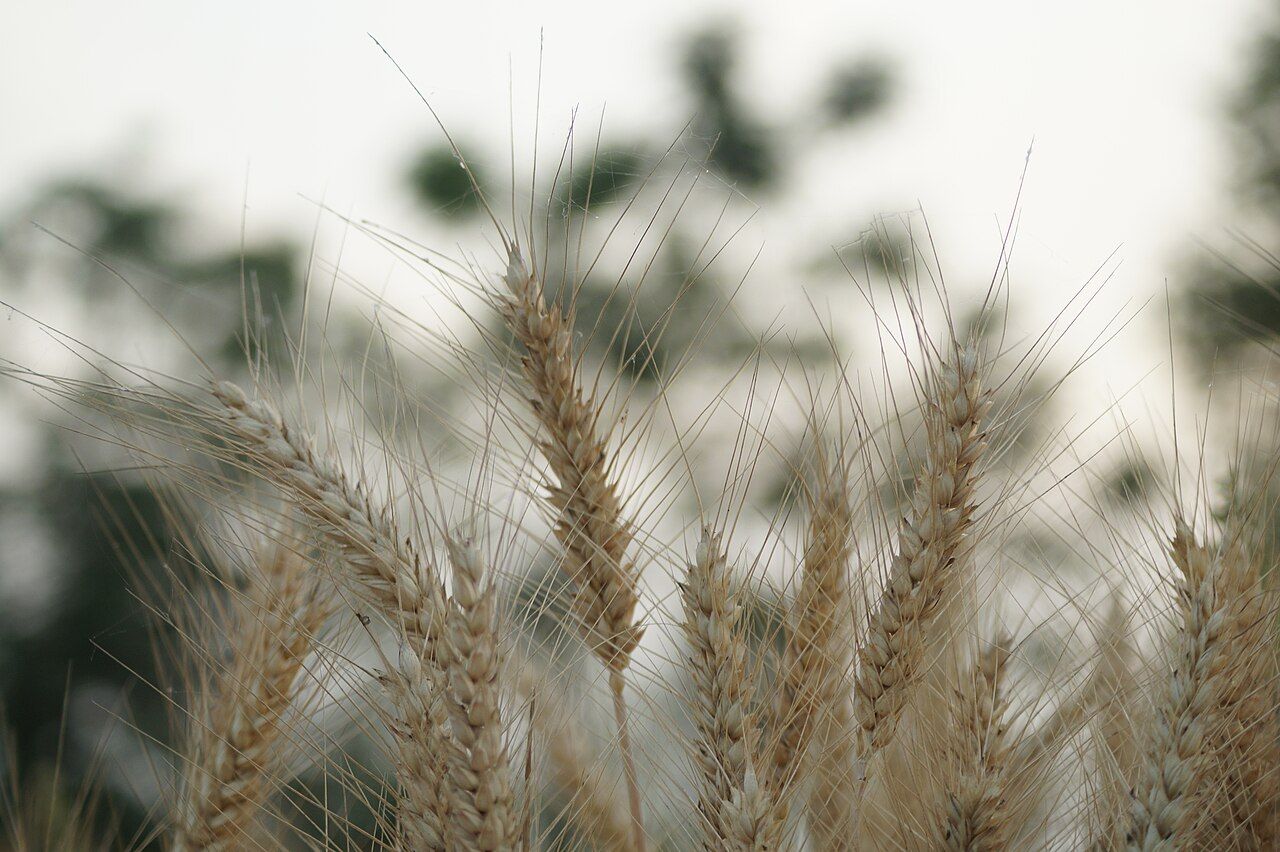
Wheat in winter, paddy in summer — the two biggest crops.
- Cold, frost and fog
- Winter rain from western disturbances
- Wheat growing
- Winter rain helps wheat
- Sugarcane planting from mid-February
- Zaid sowing: summer moong, vegetables
- Wheat ripens
- Wheat harvest — Baisakhi
- Cotton sowing from 1 April
- Loo and dust storms
- Paddy nursery not before 10 May
- DSR sowing from 1 June
- Paddy transplanting not before 10 June
- Monsoon rain begins
- Kharif (Sauni) sowing
- Humidity highest
- Smallest day-night humidity change
- About 70% of the year's rain falls July–September
- Driest months begin
- Paddy harvest; stubble burning starts
- Wheat (Harhi) sowing
- Stubble smoke over north India
- Minimum near 0°C
- Frost (kora) in Malwa
| Crop | Main belt / districts | Remember |
|---|---|---|
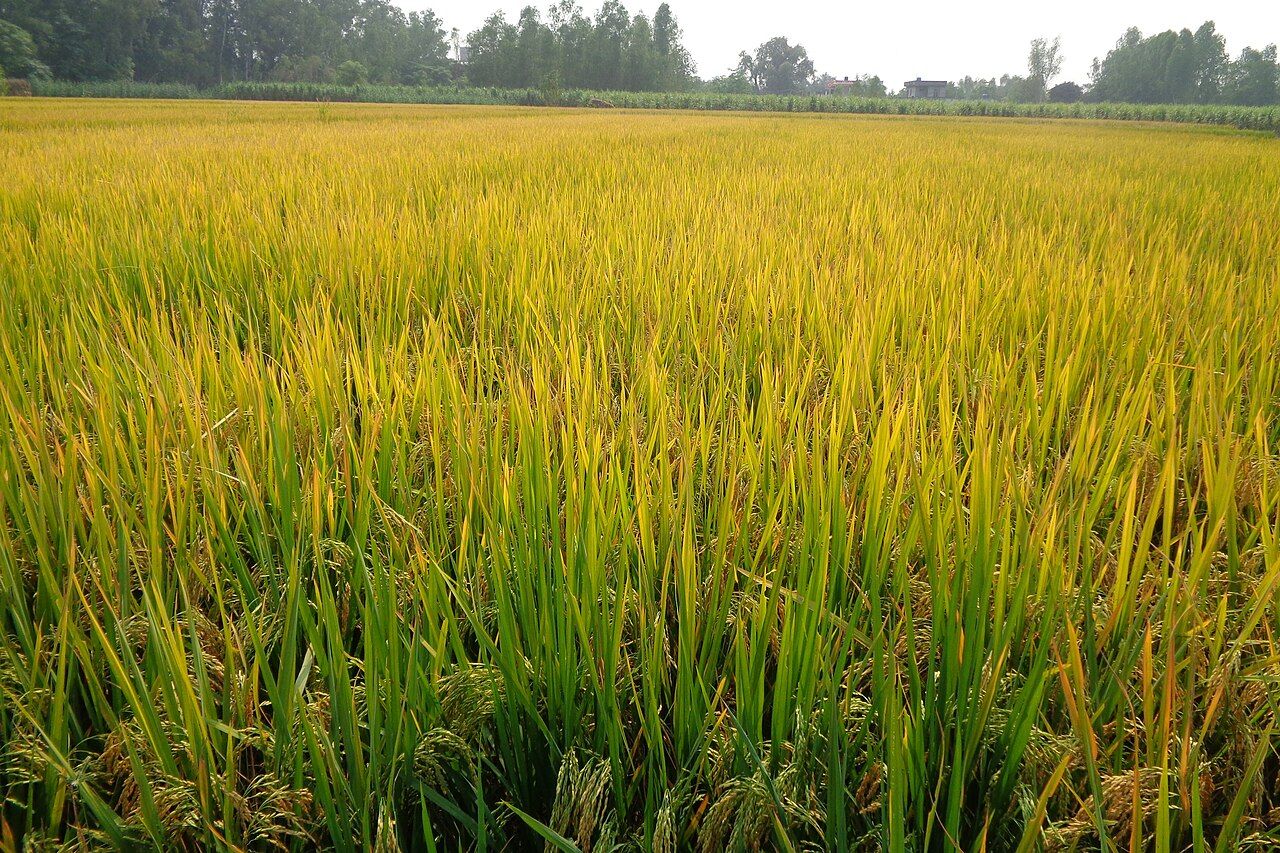
| Wheat and paddy | The whole state, above all the central plain | The two crops bought by government agencies at MSP |
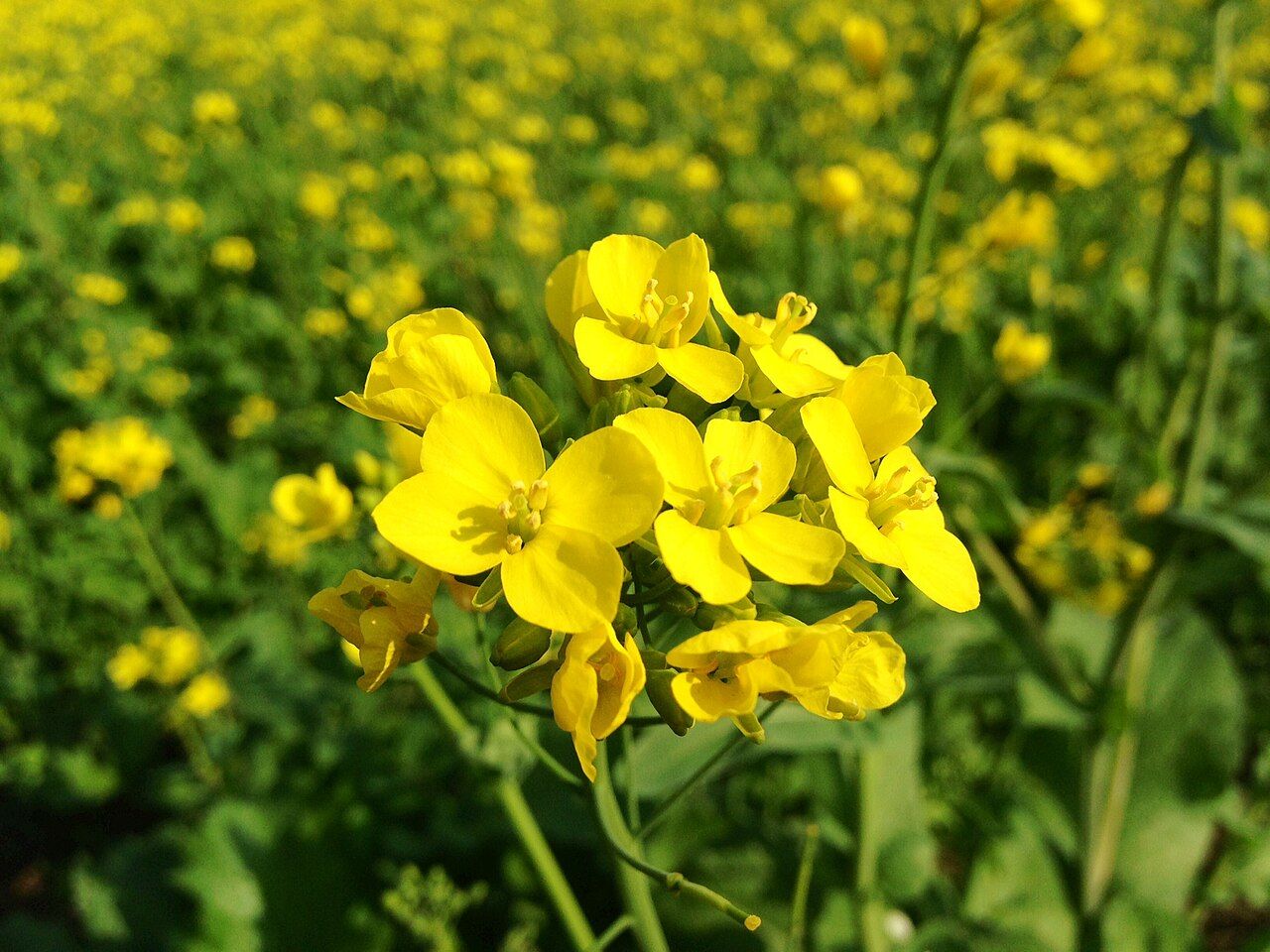
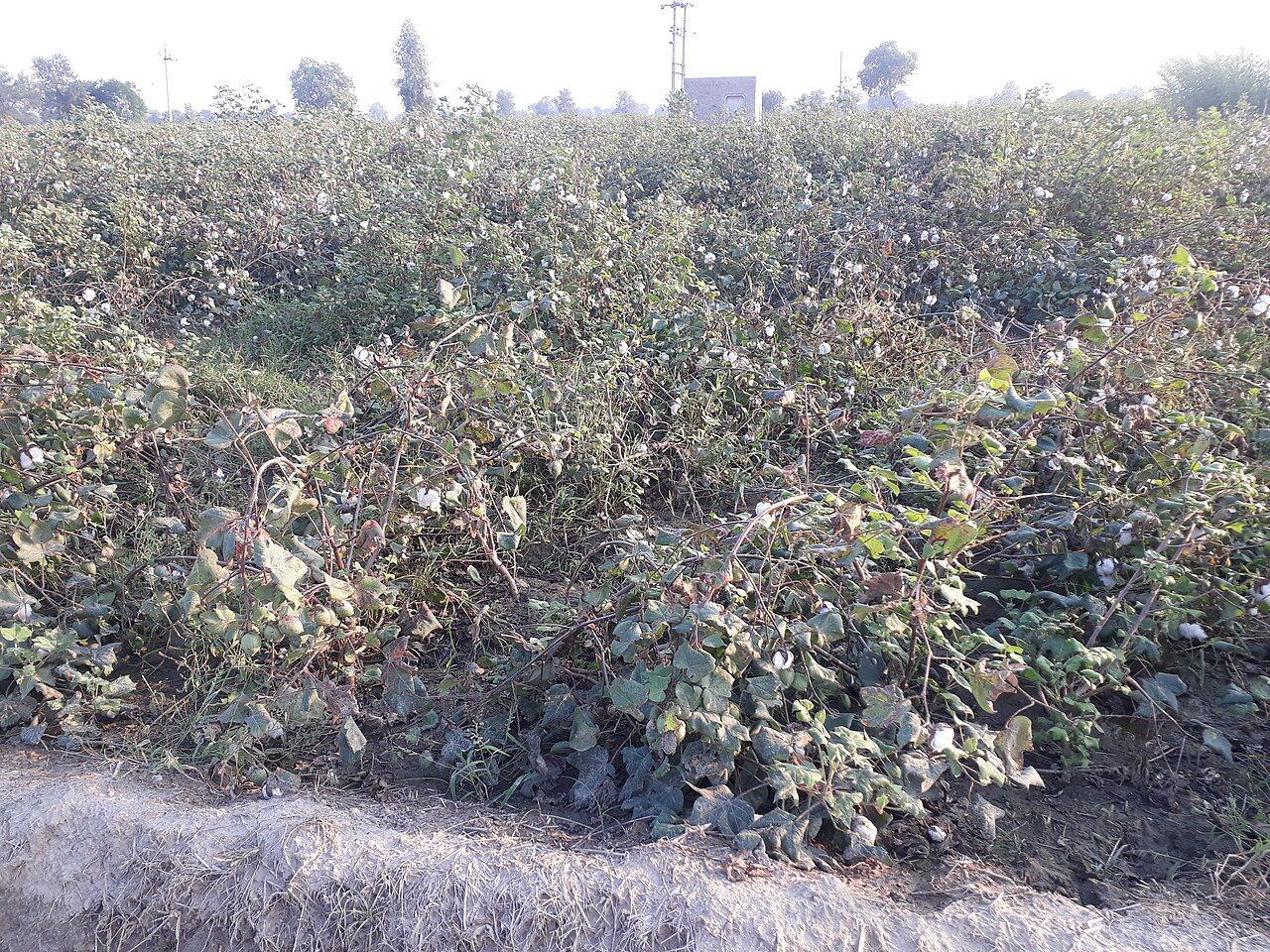
| Cotton | Malwa — the south-west cotton belt: Bathinda, Mansa, Fazilka, Sri Muktsar Sahib | Sown 1 April–15 May; pink bollworm and whitefly are big pests |
| Basmati | Bathinda had the largest basmati area in kharif 2024-25 (exam answer) | Older belt: Majha (Amritsar, Tarn Taran, Gurdaspur) and parts of Doaba. Sold in the open market, not under MSP |
| Maize | Hoshiarpur and the Kandi belt; spring maize in Doaba | Main substitute for paddy in diversification |
| Potato | Doaba: Jalandhar, Kapurthala, Hoshiarpur | Largest area of any vegetable in Punjab; seed-potato hub for other states |
| Sugarcane | Northern districts — Gurdaspur, Hoshiarpur, Jalandhar | Planted mid-February to March |
| Kinnow | Abohar–Fazilka, Hoshiarpur, Sri Muktsar Sahib, Bathinda | Punjab's leading fruit |
How the crop pattern changed, 1971 → 2014Tap to open
| Crop | Area 1971-72 | Area 2014-15 | What happened |
|---|---|---|---|
| Rice | 4.50 lakh ha | 28.94 lakh ha | About six-fold jump |
| Wheat | 23.36 lakh ha | 35.05 lakh ha | Covers almost the whole rabi area |
| Maize | 5.48 lakh ha | 1.26 lakh ha | Replaced by paddy |
| Pulses | 3.84 lakh ha | 0.13 lakh ha | Nearly vanished |
| Oilseeds | 3.19 lakh ha | 0.46 lakh ha | Sharp fall |
| Cotton | 4.75 lakh ha | 4.20 lakh ha | Stayed in the south-west |
Horticulture and kinnow
Fruits and vegetables are a growing part of Punjab's farming.
Horticulture means growing fruits, vegetables and flowers. It is growing in importance in Punjab because it earns more per acre and uses less water than paddy. Do not mix it up with similar words: floriculture is flowers only, olericulture is vegetables, pomology is fruits, sericulture is rearing silkworms, apiculture is bee-keeping and aquaculture is fish farming.
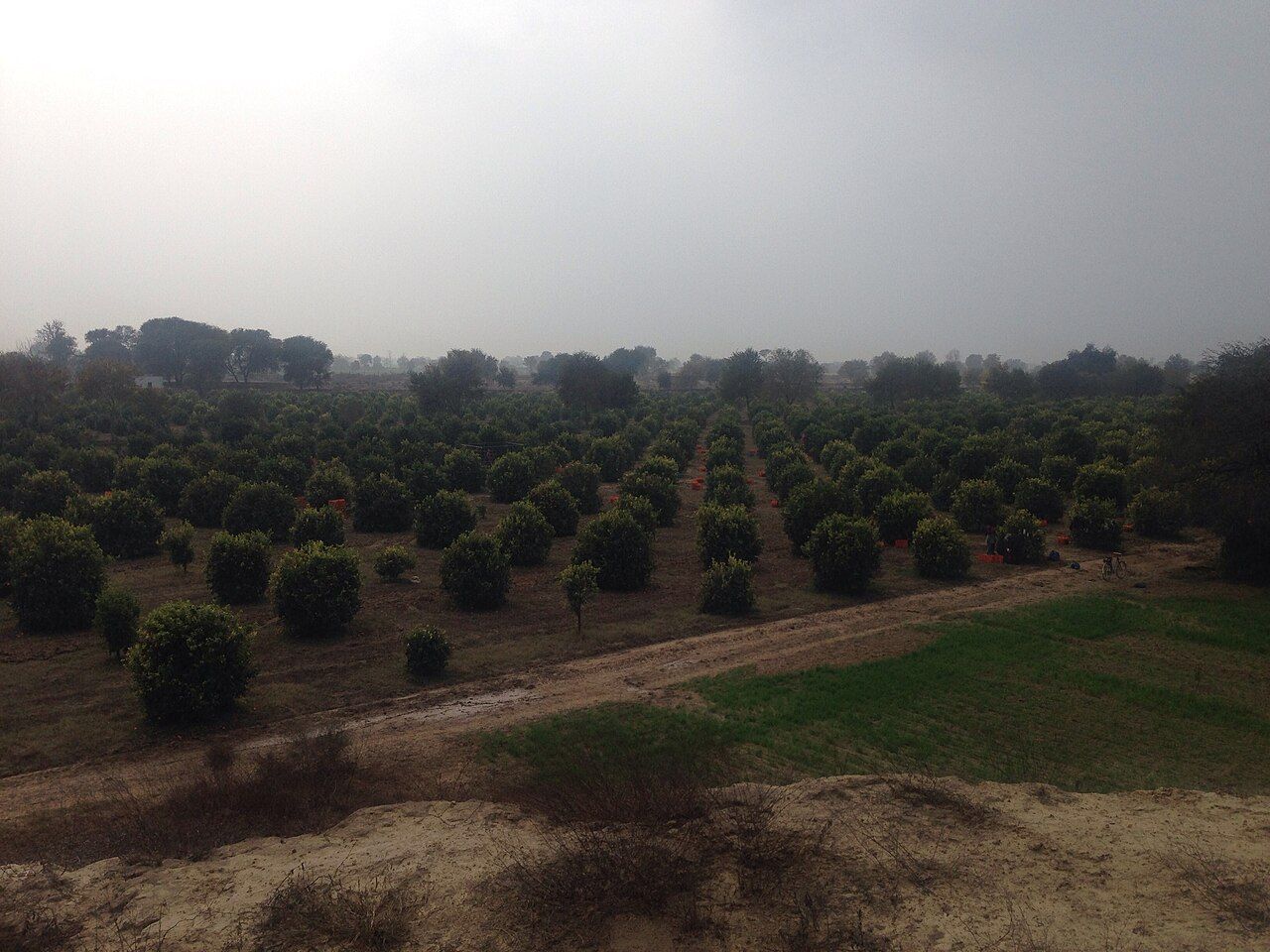
- Punjab is India's largest kinnow producer and kinnow is its leading fruit. Main belt: Abohar–Fazilka, Hoshiarpur, Sri Muktsar Sahib, Bathinda.
- Other fruits: guava, pear, ber, litchi (Pathankot), mango (Hoshiarpur).
- Potato has the largest area among vegetables. Peas, tomato and muskmelon cover much less.
- Leaders elsewhere: grapes and strawberry — Maharashtra; apples — Jammu & Kashmir and Himachal Pradesh.
Uttar Pradesh is the largest wheat producer; Punjab is usually second (Madhya Pradesh has been close in some recent years).
Punjab tops all states in kinnow.
Highest rice yield per hectare among states; 2nd in wheat yield (Punjab Economic Survey 2023-24).
Older Punjab GK books and exam keys list Punjab as the top honey producer. Recent national data show other states, such as Uttar Pradesh, ahead — for the exam, learn the book answer.
Kinnow: where it came fromTap to open
- Kinnow is a mandarin hybrid of 'King' × 'Willow Leaf'. It was bred by H.B. Frost in California and released in 1935.
- In official "mandarin" data, which also count other mandarins, Punjab ranked 2nd after Madhya Pradesh in 2017-18.
The Green Revolution
How Punjab became the granary of India.
- Began in the mid-1960s. India's high-yielding variety (HYV) programme started in 1966-67.
- Seeds: semi-dwarf Mexican wheats bred by Norman Borlaug (Nobel Peace Prize 1970), which gave Indian wheats like Kalyan Sona and Sonalika.
- Dr M.S. Swaminathan is called the father of India's Green Revolution. C. Subramaniam was the Union Agriculture Minister.
- Punjab's package: HYV seeds, Bhakra canal water and tubewells, fertiliser, assured MSP procurement (FCI, 1965), consolidation of holdings (1948 Act), rural electrification and PAU Ludhiana (1962).
- Wheat gained the most. Later, rice too.

- Bred the semi-dwarf Mexican wheats
- They gave Indian wheats like Kalyan Sona and Sonalika
- Nobel Peace Prize 1970
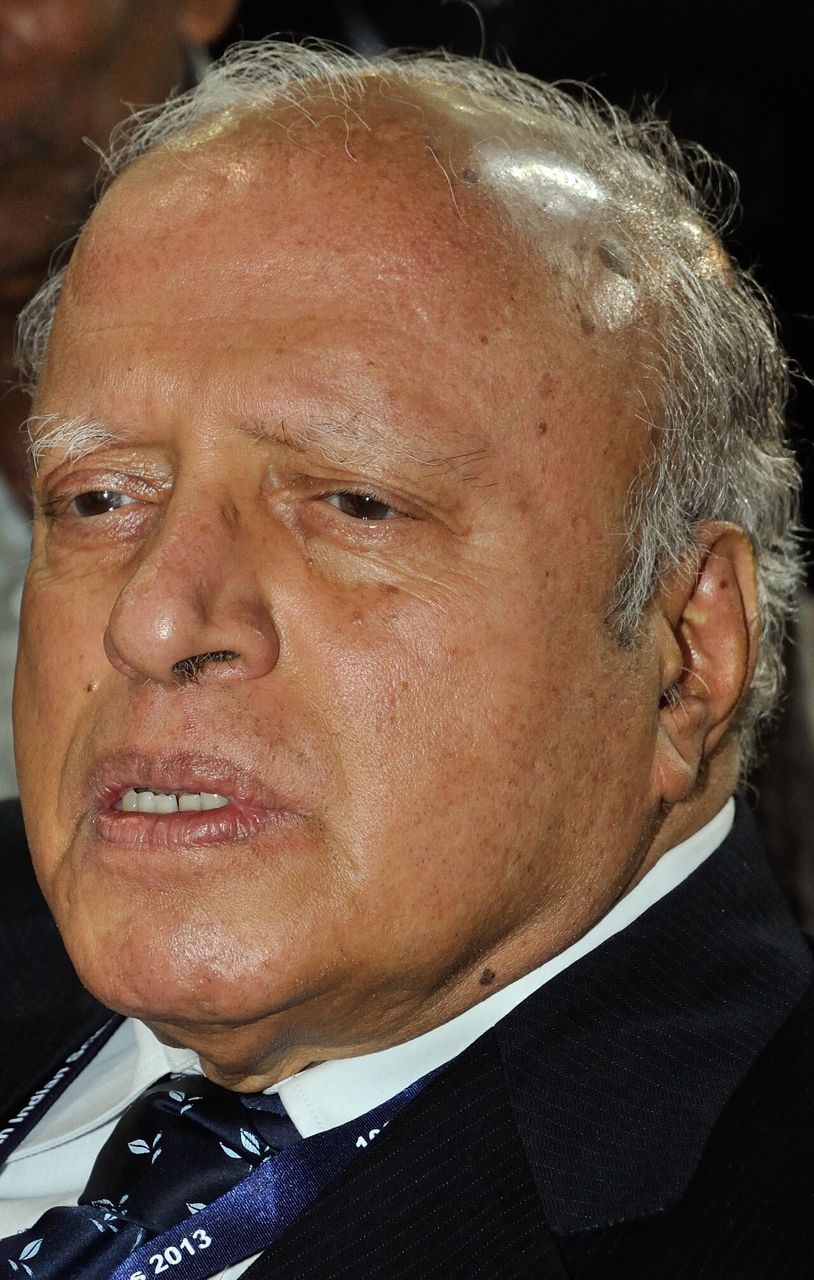
- India's HYV programme began in 1966-67
- Agriculture Minister when the Green Revolution began
More Green Revolution detail: timeline, seeds, all the numbersTap to open
- 1962PAU Ludhiana set up
Inaugurated by Nehru on 8 July 1963. It bred Punjab's PBW wheats and PR rice.
- 1963Bhakra Dam dedicated
Canal water and power for Punjab's fields.
- 1965FCI set up
Government buying of grain at MSP begins on a big scale.
- 1966-67HYV programme begins
Mexican dwarf wheats reach Punjab's fields.
- 1980-81Peak share
Punjab gives about 73% of central-pool wheat and 45% of rice.
- 1986First Johl Committee
Advises moving 20% of wheat–paddy area to other crops.
- 2002Second Johl Committee
Proposes shifting about one million hectares out of wheat and paddy.
- 2009Subsoil Water Act
Paddy transplanting pushed later to save groundwater.
- 2017PR 126 and debt-waiver group
PAU's short-duration paddy released; expert group on farm debt waiver set up under Dr T. Haque.
- 2019Stubble-to-biofuel MoU
Punjab signs an MoU with the US-based Virgo Corporation (February).
- 2023Groundwater alarm
CGWB classes 114 of about 150 blocks as over-exploited.
- The Mexican wheats were Lerma Rojo 64 and Sonora 64.
- The term "Green Revolution" was coined by William Gaud in 1968.
| Punjab's share | Figure | Note |
|---|---|---|
| World output | About 2% of cotton, 2% of wheat, 1% of rice | Standard Punjab GK figure |
| India's area | About 1.53% (older books: 1.54%) | 50,362 sq km |
| Foodgrains procured (older books) | Nearly two-thirds | Based on the 1980s peak |
| Central pool, 2023-24 | Wheat 46.24%, rice 31.22% | Punjab Economic Survey 2023-24 |
| Net sown area | About 82% of total area — highest in India | 2013-14 |
| Irrigation sources | Tubewells about 72%, canals about 28% | 2013-14 |
| Average farm holding | 3.62 ha (India 1.08 ha) | Agriculture Census 2015-16 |
Punjab is called the "granary of India", the "bread basket of India" and the "food bowl of India" because it sends a very large share of the wheat and rice that feed the country's ration shops.
Falling groundwater
The biggest cost of the wheat–paddy cycle.
Paddy is grown in the hot summer on a low-rainfall plain, so most of its water is pumped from under the ground by about 14 lakh tubewells. Electricity for farm tubewells is free, so there is little reason to save water. As a result the water level (water table) keeps falling in rural Punjab every year. The fall is fastest in central Punjab — Sangrur, Barnala (central Malwa) and Jalandhar. Overall, Malwa (south of the Sutlej) is the region worst hit by water scarcity. Only the far south-west corner of Malwa (around Sri Muktsar Sahib and Fazilka) has the opposite problem: waterlogging (sem) and salinity (kallar), and its groundwater is salty in places.
- Free electricity for farm tubewellsLittle reason to save water
- About 14 lakh tubewells pump groundwaterTubewells give about 72% of irrigation
- Paddy grown in the hot, low-rain summerRice normally needs more than 100 cm of rain
- Problem 1Water table falls every year114 of about 150 blocks over-exploited (CGWB 2023)
- FixLaw pushes transplanting laterSubsoil Water Act 2009: no transplanting before 10 June
- Late paddy harvestOnly a short gap before wheat sowing in November
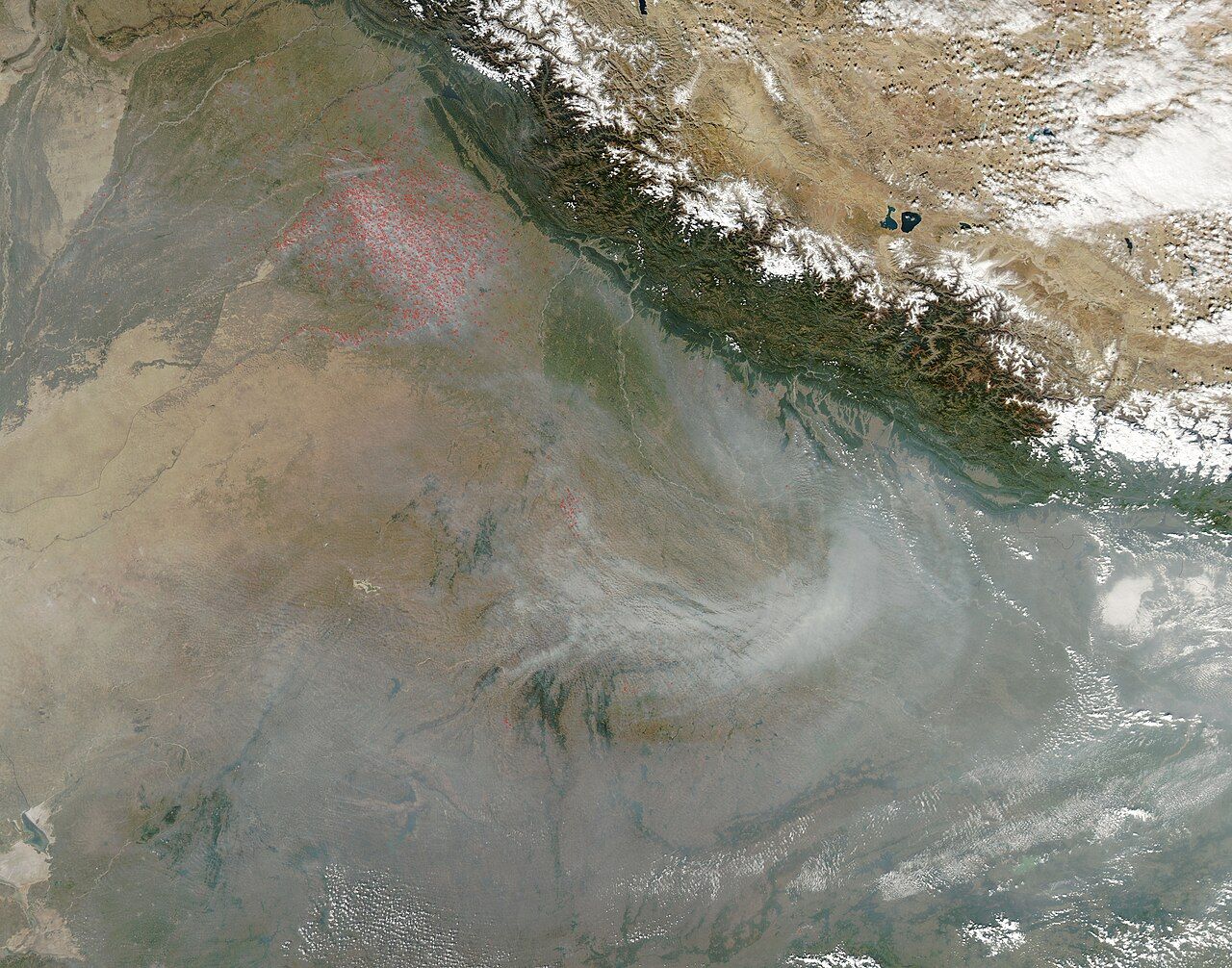
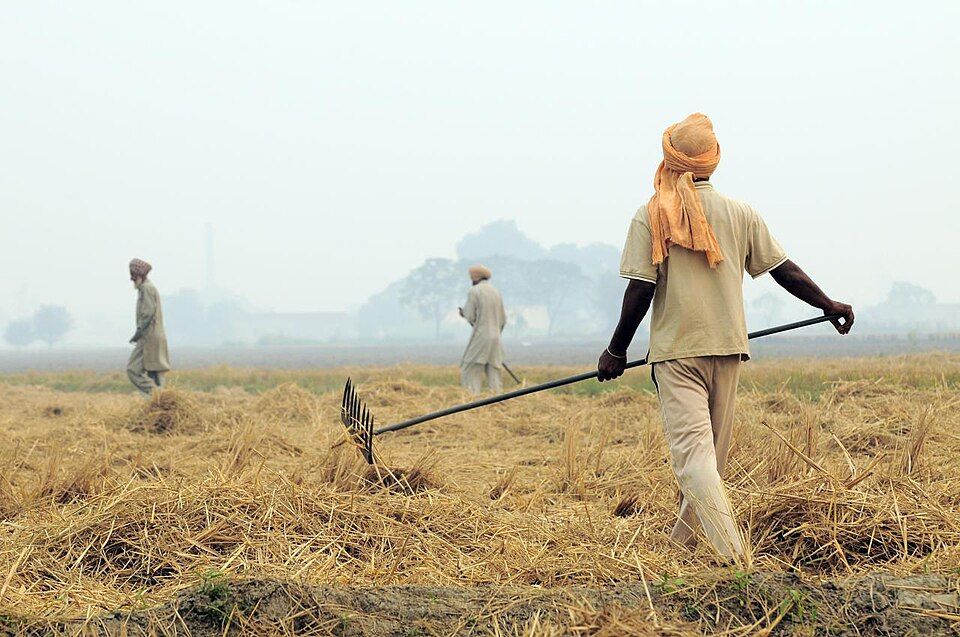
- Problem 2Farmers burn the paddy straw (parali)To clear the field fast
- Smoke over north IndiaEvery October–November; soil loses organic matter
| Step taken | What it does |
|---|---|
| Punjab Preservation of Subsoil Water Act, 2009 | No paddy nursery before 10 May and no transplanting before 10 June (or a later date the state notifies). Fine: ₹10,000 per hectare for every month of violation |
| Pani Bachao Paise Kamao | Pays farmers who save electricity, and so water, on their tubewells |
| Crop diversification | Johl Committees (1986, 2002) advised shifting land out of wheat and paddy |
| Water-saving paddy | Short-duration PR varieties, DSR, laser levelling, tensiometer-based irrigation |
Water-saving ways of farmingTap to open
- Precision farming gives each field only the water, seed and fertiliser it needs. Tools: laser land levelling, the tensiometer (measures soil moisture) and the Leaf Colour Chart (for nitrogen).
- Organic farming is different: it uses no chemical fertiliser or pesticide, only manure, compost and bio-pesticides like neem.
- Direct-seeded rice (DSR): paddy seed is sown straight into a moist (tar-wattar) field from 1 June, without a nursery or puddling.
- Short-duration paddy: PAU's PR 126 (2017) matures about 93 days after transplanting. PAU advises against long-duration Pusa 44, which needs 15–20% more water.
- Crop diversification: moving land from paddy to maize, cotton, basmati, pulses, oilseeds, fruit (kinnow), vegetables, agro-forestry (poplar) and dairy.
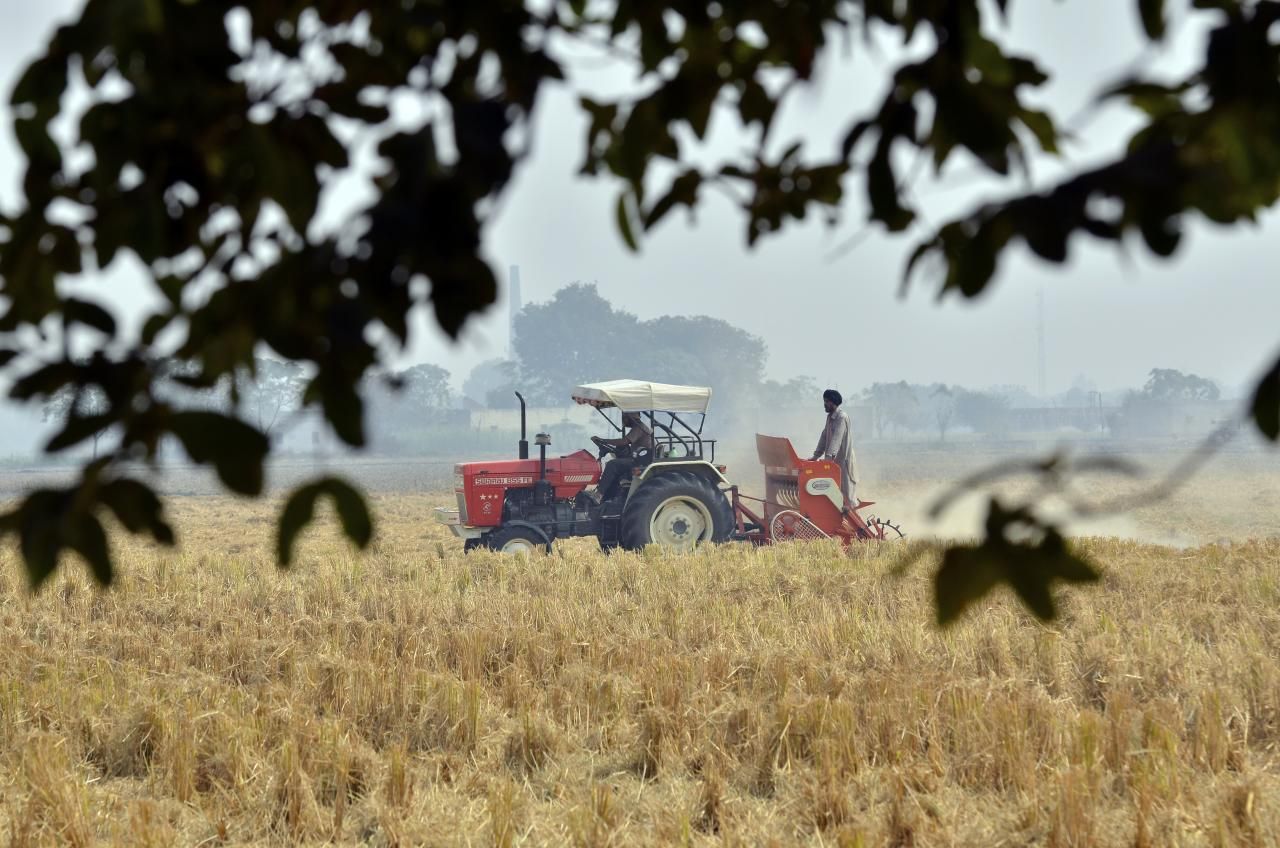
Stubble burning
Why fields smoke every October–November.
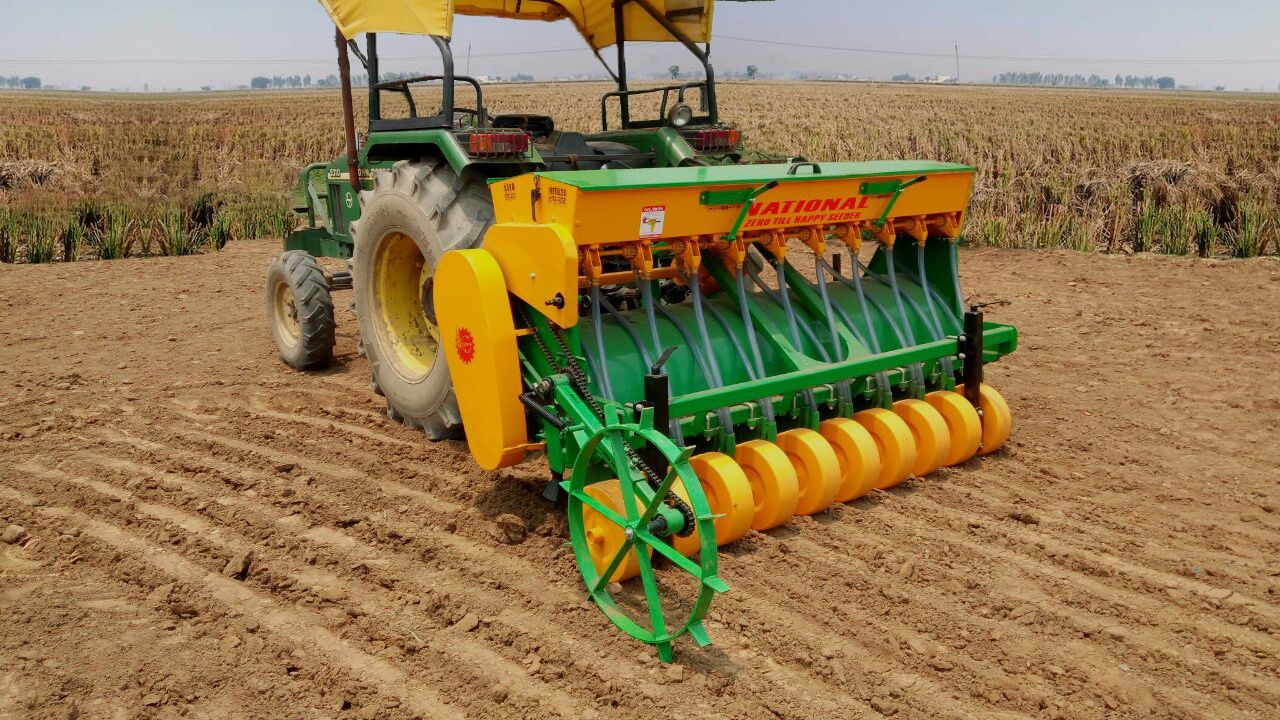
Late paddy transplanting means a late paddy harvest, which leaves only a short gap before wheat sowing in November. To clear the field fast, many farmers burn the paddy straw (parali). This adds smoke over north India every October–November and kills the soil's organic matter and useful microbes. PAU's answer is in-situ management (in the field itself): sowing wheat straight into the stubble with the Happy Seeder, Super Seeder, PAU Smart Seeder or PAU Surface Seeder, or collecting straw with balers. In February 2019 the Punjab Government signed an MoU with the US-based Virgo Corporation for a global biofuel project to turn paddy stubble into fuel instead of burning it.
Farm bodies and committees
Names and places that come up in Punjab papers.
| Body | Place / year | Known for |
|---|---|---|
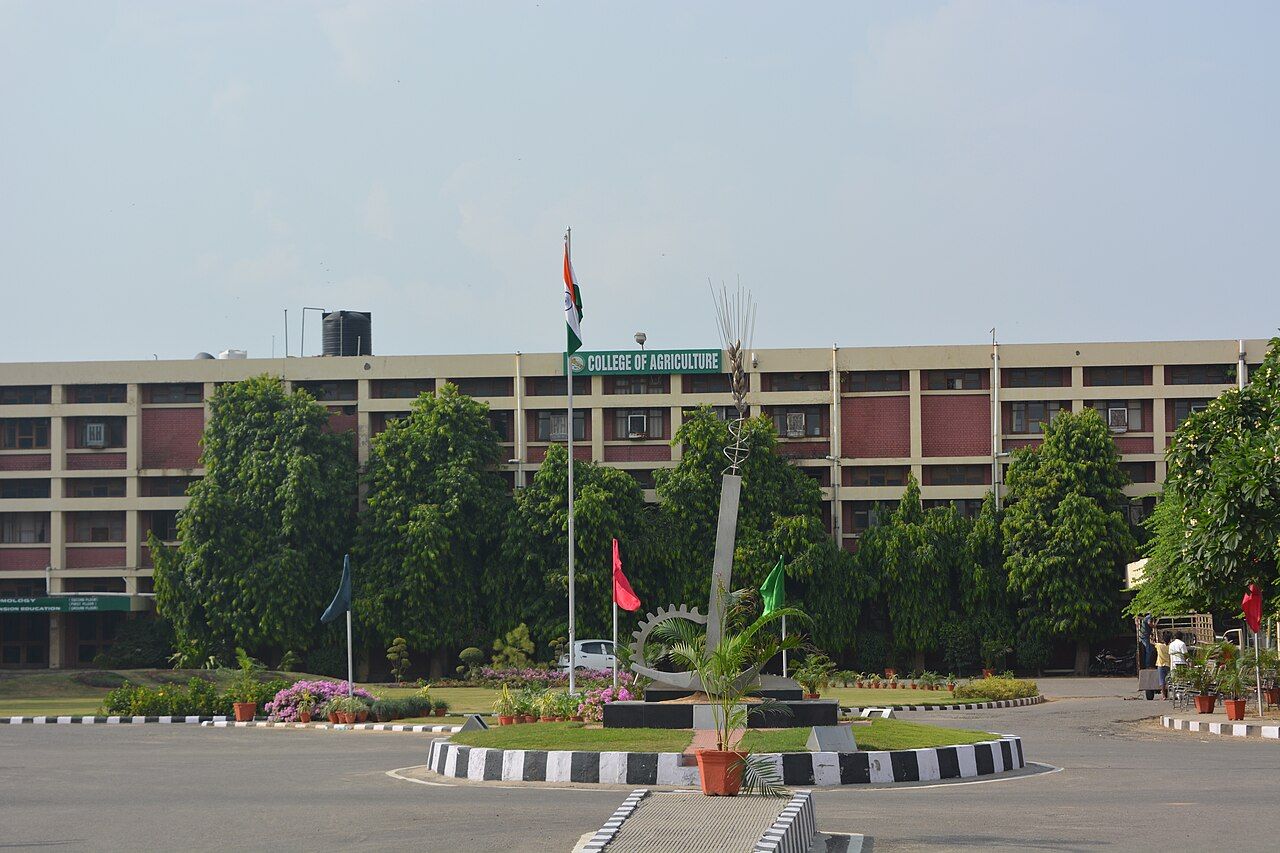
| Punjab Agricultural University (PAU) | Ludhiana, 1962 | Green Revolution wheats (PBW), PR rice; magazines Changi Kheti and Progressive Farming |
| Johl Committees | 1986 and 2002 | Crop diversification — Dr S.S. Johl |
| Expert group on farm debt waiver | April 2017 | Headed by Dr T. Haque, former chairman of the Commission for Agricultural Costs and Prices |
Other farm bodiesTap to open
| Body | Place / year | Known for |
|---|---|---|
| GADVASU (veterinary university) | Ludhiana, 2005 | Animal sciences |
| CIPHET | Ludhiana (PAU campus), 1989 | Post-harvest engineering |
| Punjab Mandi Board | Punjab | Runs the regulated mandi system |
| Markfed | Punjab (co-operative) | Procurement and fertiliser |
| Milkfed (Verka) | 1973 | Dairy |
| PUNSEED | 1976 | Seeds |
Also: minerals and powerTap to open
Punjab is mineral-poor: it has only sand, gravel, kankar, brick earth and small deposits of saltpetre (shora) — no coal, oil or metal ores. Power for farms and towns comes from coal-based thermal plants (the largest is Talwandi Sabo, 1,980 MW, in Mansa), hydel projects (Ranjit Sagar Dam, 600 MW, on the Ravi) and Punjab's share of Bhakra–Beas power. Read more on Punjab's economy and industry and on rivers, canals and dams.
Common traps
- Bet (= khadar) is the low, new floodplain. Dhaya is the old high bank, Rohi the sandy south-west, Bangar the Ghaggar–Yamuna upland.
- Kandi land is not "extremely fertile". It is undulating, rain-fed, eroded and costly to farm.
- Dust storms come from strong heating of the ground and convection — not from the north-east monsoon or Arabian Sea moisture.
- Winter rain comes from western disturbances, not from the monsoon. Punjab's plains get no snowfall.
- South-west soil is desert / calcareous. Salt (kallar) patches occur there too, but red, laterite and black soils do not.
- Cotton belt = Malwa (south-west). Potato = Doaba. Kinnow = Abohar–Fazilka.
- Wheat: Uttar Pradesh is 1st, Punjab usually 2nd. Kinnow: Punjab is 1st.
- Johl headed the crop-diversification committees; T. Haque headed the 2017 debt-waiver expert group.
- PAU (1962) is not India's first agricultural university — Pantnagar (1960) is.
- Honey: exam keys say Punjab is 1st (older books); newer national data show other states ahead.
Quick revision
Read this the night before the exam.
- Climate: subtropical continental; most rain from the monsoon
- Hot season: mid-April–June, loo and dust storms
- Dust storms: ground heating + convection
- Monsoon: July–September, about 70% of rain
- Driest months: October–November
- Winter rain: western disturbances (Mediterranean)
- Smallest day-night humidity change: monsoon
- Wettest: Shivalik districts (over 1,000 mm)
- Driest: Fazilka (Abohar), Bathinda, Mansa (about 300–450 mm)
- Bet = khadar floodplain; Dhaya = bhangar
- Bet, Mand, Changar: land beside the rivers
- Kandi: rain-fed, eroded, costly; dry deciduous forest
- Soil types: 3 — Kandi, alluvial, desert
- South-west soil: desert, sandy, calcareous
- Top two crops: wheat and rice
- Cotton belt: Malwa; potato: Doaba
- Largest vegetable area: potato
- Kinnow: Punjab 1st; Abohar–Fazilka
- World share: 2% cotton, 2% wheat, 1% rice
- CGWB 2023: 114 of about 150 blocks over-exploited
Why does Punjab's south-west get dust storms and the loo in summer?
Show answer
In April–June a hot, dry tropical continental air mass covers Punjab. The ground heats strongly, hot air rises in convection currents, and strong winds lift the dry, loose soil. The same dry heat gives the loo.
Name Punjab's three soil zones and say where each is found.
Show answer
Kandi (sub-mountain) soils in the north-east (Pathankot, Gurdaspur, Hoshiarpur, Rupnagar, SBS Nagar); alluvial soils in the centre (Majha, Doaba, central Malwa); desert (arid, calcareous) soils in the south-west (Fazilka, Sri Muktsar Sahib, Bathinda, Mansa).
Why is the water table falling in Punjab, and what law tries to slow it?
Show answer
Summer paddy is watered mostly by tubewells running on free power, so more water is pumped out than rain puts back. The Punjab Preservation of Subsoil Water Act, 2009 bans paddy nursery before 10 May and transplanting before 10 June.