In a chemical reaction, substances change into new ones: milk turns into curd, iron rusts, coal burns. Many everyday reactions involve acids and bases — the sourness of lemon, the sting of an ant, the relief from an antacid. Exams ask about reaction types, which acid is in which food, litmus and pH, and the names of common salts.
On this page you will learn:
- Types of chemical reaction; exothermic and endothermic
- Oxidation and reduction; rusting and rancidity
- Acids in food and in stings
- Indicators and the pH scale; neutralisation
- Common salts: baking soda, washing soda, bleaching powder, plaster of Paris
Types of chemical reaction
Rule in one line: a balanced equation has the same number of each atom on both sides.
Signs that a reaction has taken place: a change of colour, a gas given off, a change of temperature, or an insoluble solid (precipitate) forming. Equations are balanced because mass is conserved: 2H2 + O2 → 2H2O.
| Type | What happens | Example |
|---|---|---|
| Combination | Two or more substances form one | CaO + H2O → Ca(OH)2 |
| Decomposition | One substance breaks into simpler ones | CaCO3 → CaO + CO2 (on heating) |
| Displacement | A more reactive metal pushes out a less reactive one | Fe + CuSO4 → FeSO4 + Cu (blue turns green) |
| Double displacement | Two compounds swap partners, often giving a precipitate | Na2SO4 + BaCl2 → BaSO4 (white) + 2NaCl |
Oxidation and reduction
Rule in one line: oxidation is gain of oxygen or loss of electrons; reduction is the opposite.
Iron + oxygen + water gives reddish-brown rust.
Fats and oils in food go stale; chips packets are filled with nitrogen to stop it.
Coal, wood and LPG join oxygen quickly, giving heat and light.
Oxidation in daily life
Acids and bases around us
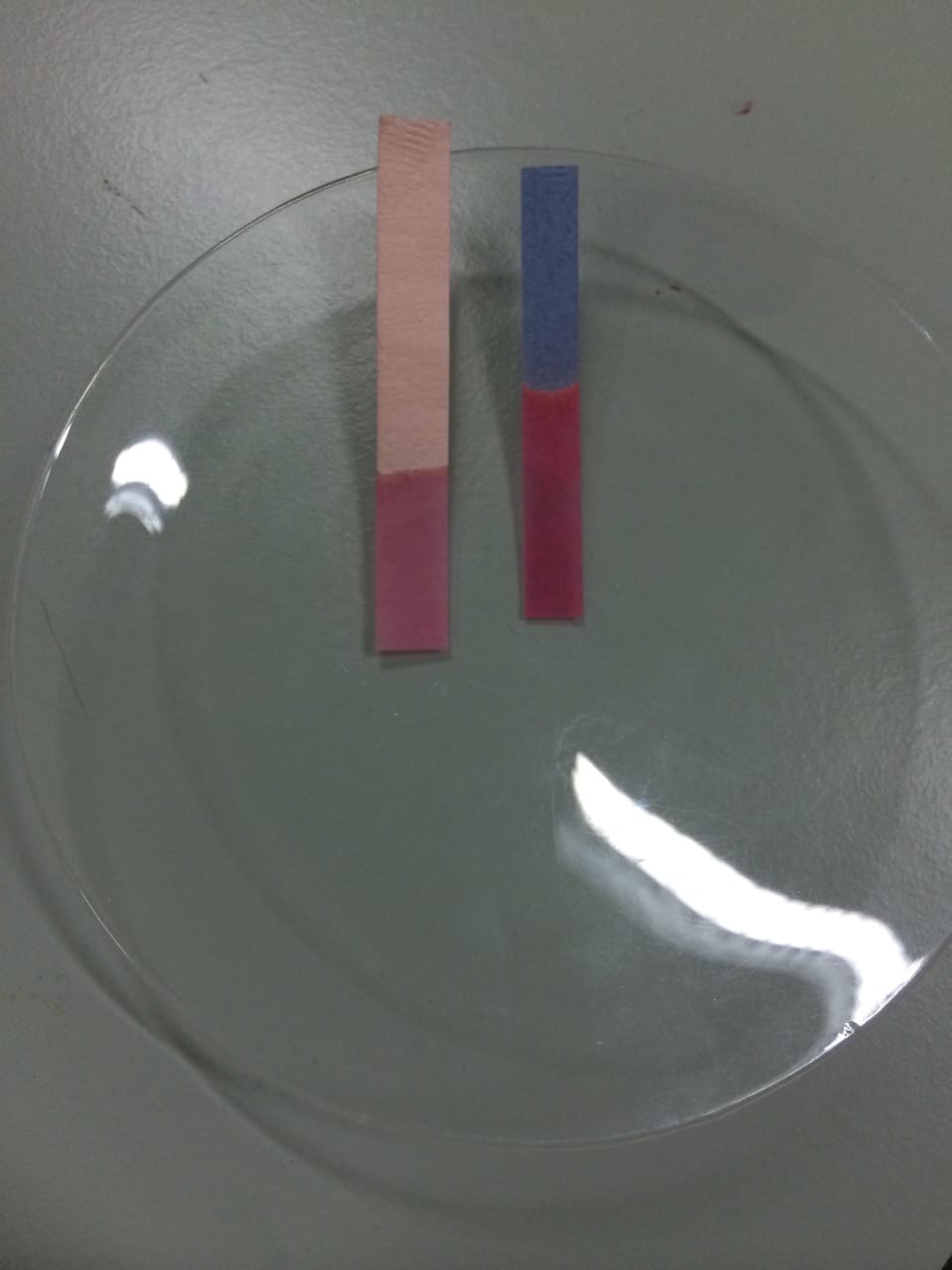
Rule in one line: acids taste sour and turn blue litmus red; bases taste bitter, feel soapy and turn red litmus blue.
| Source | Acid |
|---|---|
| Lemon, orange | Citric acid |
| Curd, sour milk | Lactic acid |
| Vinegar | Acetic acid |
| Tamarind, grapes | Tartaric acid |
| Tomato, spinach | Oxalic acid |
| Ant sting, nettle sting | Formic (methanoic) acid |
| Amla, citrus fruits (vitamin C) | Ascorbic acid |
| Apple | Malic acid |
| Our stomach | Hydrochloric acid |
| Base | Common name or use |
|---|---|
| Sodium hydroxide, NaOH | Caustic soda; soap making |
| Calcium hydroxide, Ca(OH)2 | Slaked lime, lime water; whitewash |
| Magnesium hydroxide, Mg(OH)2 | Milk of magnesia; antacid |
| Ammonium hydroxide, NH4OH | Window cleaners |
Indicators and the pH scale
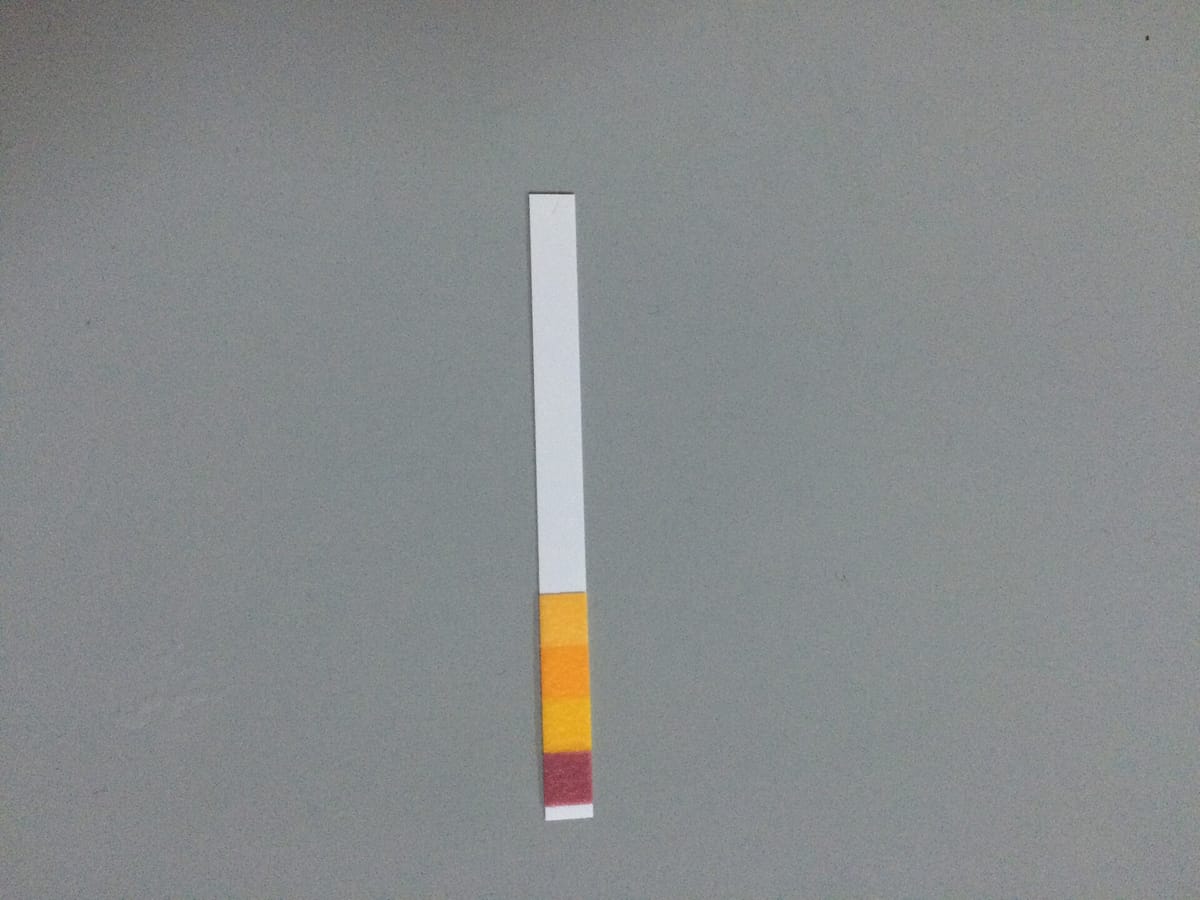
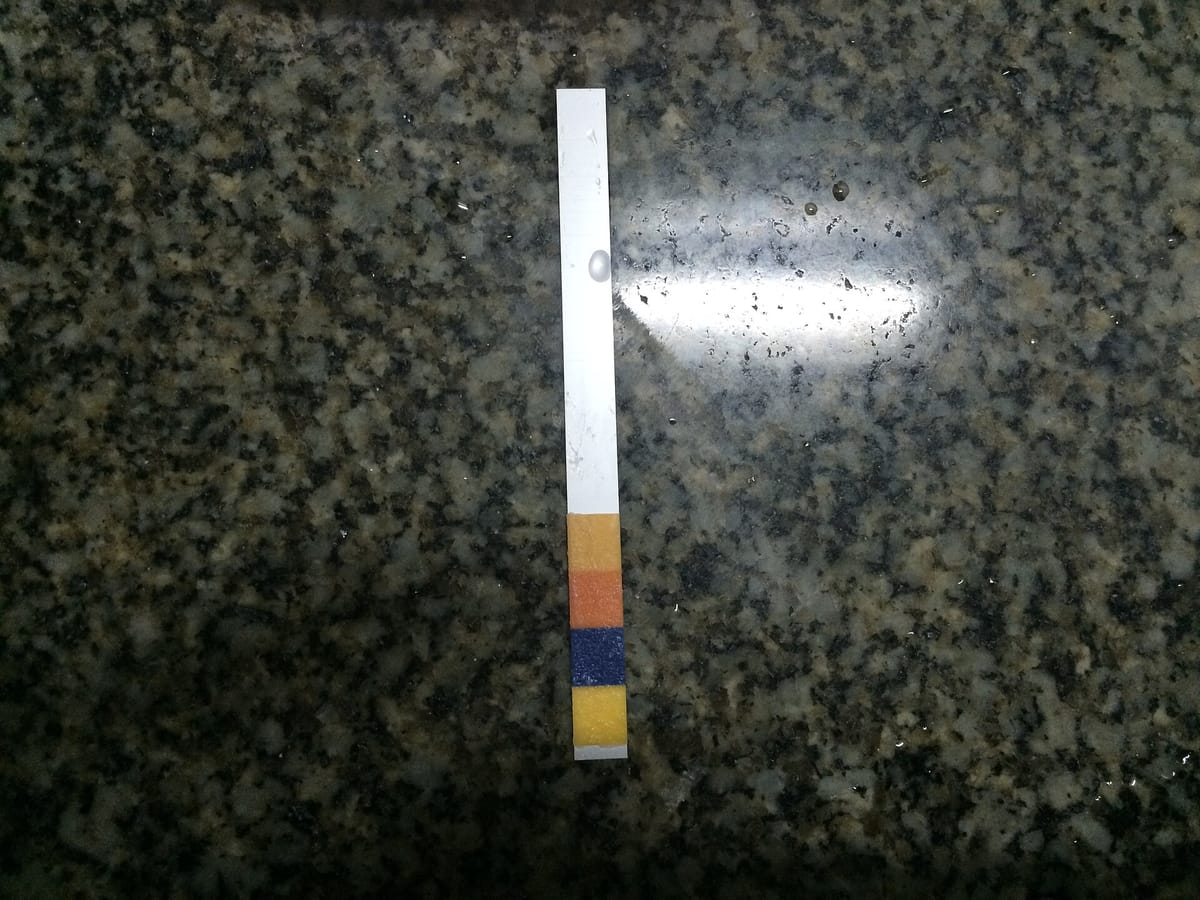
Rule in one line: pH below 7 is acidic, 7 is neutral, above 7 is basic.
| Indicator | In acid | In base |
|---|---|---|
| Litmus (from lichens) | Blue turns red | Red turns blue |
| Phenolphthalein | Colourless | Pink |
| Methyl orange | Red | Yellow |
| Turmeric | Stays yellow | Turns reddish-brown |
| China rose (gurhal) | Dark pink | Green |
| Problem | Cause | Neutralised with |
|---|---|---|
| Indigestion | Too much stomach acid | Antacid such as milk of magnesia |
| Ant sting | Formic acid in the skin | Baking soda or calamine |
| Acidic soil | Too much acid for crops | Quicklime or slaked lime |
| Tooth decay | Acid from food left in the mouth | Basic toothpaste |
Salts and chemicals we meet every day
Rule in one line: learn each salt with its chemical name, formula and main use.
| Common name | Chemical name and formula | Main uses |
|---|---|---|
| Common salt | Sodium chloride, NaCl | Food; raw material for caustic soda and baking soda |
| Baking soda | Sodium bicarbonate (sodium hydrogen carbonate), NaHCO3 | Baking powder, antacid, soda-acid fire extinguisher |
| Washing soda | Sodium carbonate, Na2CO3·10H2O | Cleaning; removing hardness of water; glass making |
| Bleaching powder | Calcium oxychloride, CaOCl2 | Disinfecting drinking water; bleaching cloth |
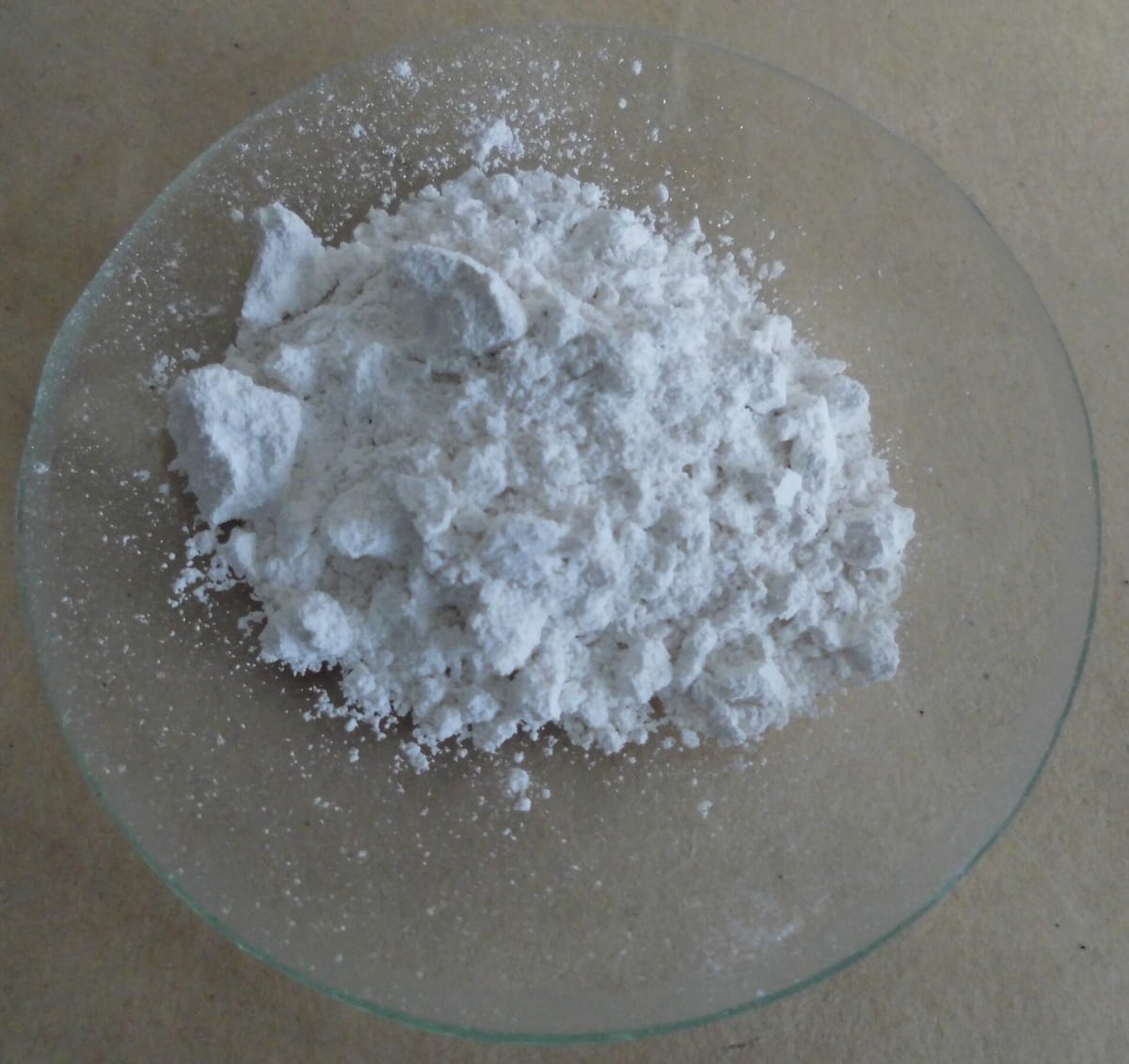
| Plaster of Paris | Calcium sulphate hemihydrate, CaSO4·½H2O | Plaster for broken bones, statues, toys |
| Gypsum | Calcium sulphate dihydrate, CaSO4·2H2O | Heated to make plaster of Paris; added to cement |
| Blue vitriol | Copper sulphate, CuSO4·5H2O | Turns white on heating as it loses its water |
Soda water is water with carbon dioxide dissolved in it under pressure. A little of the gas forms the weak carbonic acid, which gives the drink its slight sour bite. When the bottle is opened, the extra gas escapes as bubbles.
Traps and practice
Last revision — where the options try to fool you.
- Oxidation is loss of electrons, not gain. Gain of electrons is reduction.
- Temperature goes up = exothermic; goes down = endothermic.
- Ant sting is formic (methanoic) acid, not oxalic.
- Lemon: citric; milk and curd: lactic; vitamin C: ascorbic; vinegar: acetic.
- Acids have pH less than 7; a lower pH means a stronger acid.
- Baking soda is NaHCO3 (sodium bicarbonate); washing soda is Na2CO3·10H2O.
- Kidney stones: calcium oxalate, not just 'calcium'.
An ant bites you. What should you apply, and why?
Show answer
Apply baking soda (or calamine). The sting puts formic acid into the skin; the mild base neutralises it and eases the pain.
- Acid in lemon
- Citric acid
- Acid in milk and curd
- Lactic acid
- Acid in ant sting
- Formic (methanoic) acid
- Vitamin C
- Ascorbic acid
- Baking soda
- Sodium bicarbonate, NaHCO3
- Gas in soda water
- Carbon dioxide
- Kidney stones
- Calcium oxalate
- Oxidation (electrons)
- Loss of electrons
- Combination, decomposition, displacement, double displacement
- Lime + water: combination and exothermic
- OIL RIG: oxidation is loss, reduction is gain
- Acid turns blue litmus red; base turns red litmus blue
- pH 7 neutral; blood 7.4; gastric juice 1.2
- Acid + base → salt + water
- Plaster of Paris CaSO4·½H2O; gypsum CaSO4·2H2O