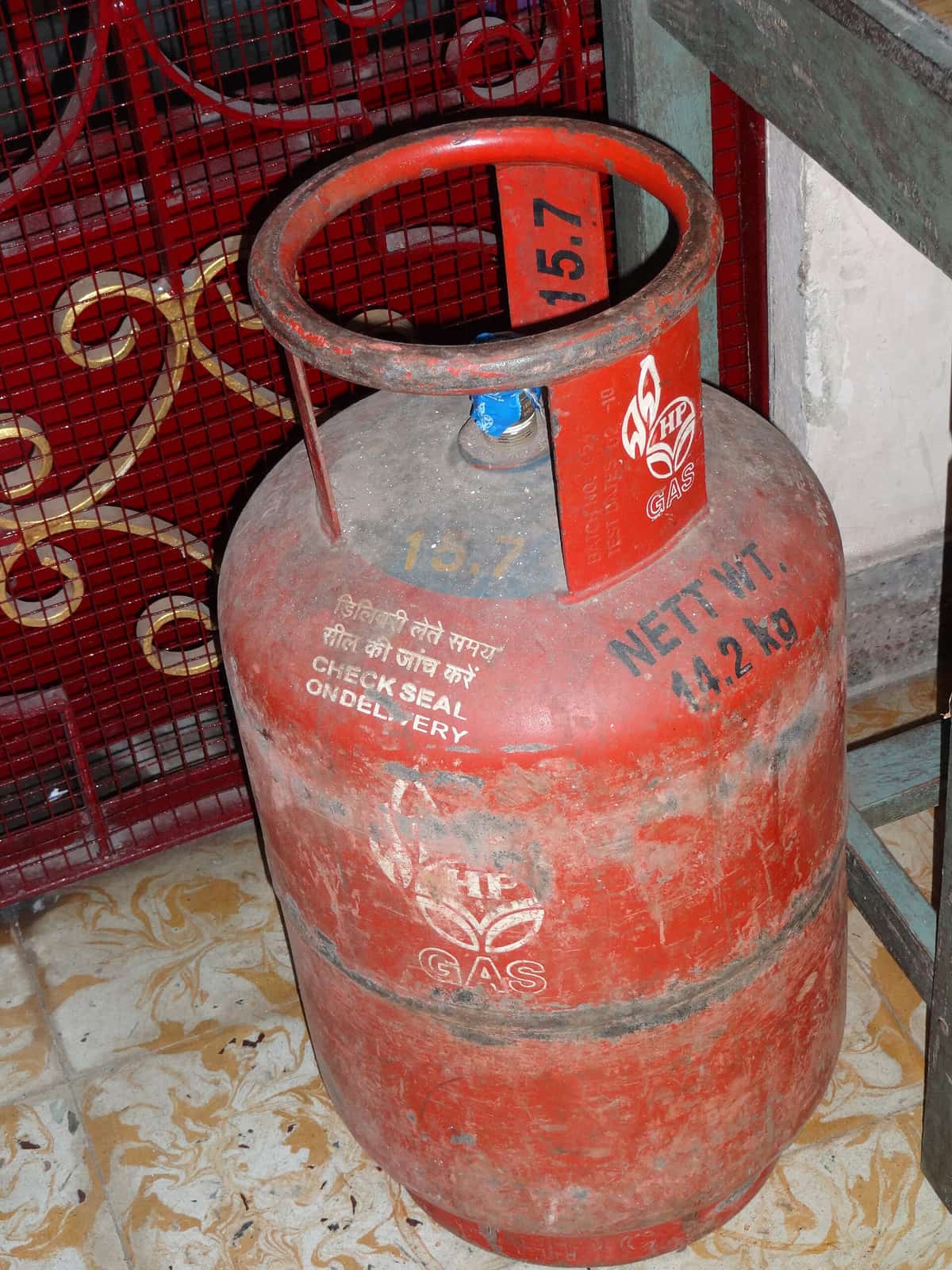
Kitchen fires, vehicles and most of India's electricity run on fuels — mostly coal, petroleum and natural gas, formed from living things buried millions of years ago. Burning them is combustion. Petroleum also gives us synthetic fibres and plastics. Exams ask about LPG, CNG and methane, fire control, flame zones, polymers like PVC, and chemicals used every day.
On this page you will learn:
- Coal, petroleum and natural gas, and their products
- Gas fuels: LPG, CNG, biogas and the many names of methane
- Combustion, ignition temperature and putting out fires
- Flame zones and calorific value
- Polymers: fibres and plastics
- Chemicals and materials of daily life
Coal, petroleum and natural gas
Rule in one line: fossil fuels formed from dead organisms over millions of years and cannot be replaced.
Dead plants buried deep under the earth, at high temperature and pressure, slowly turned into coal. This is carbonisation. Because coal came from living things, it is a fossil fuel. Petroleum and natural gas formed in a similar way from tiny sea organisms.
| Product of coal | What it is | Uses |
|---|---|---|
| Coke | Tough, porous, almost pure carbon | Making steel |
| Coal tar | Thick black liquid, a mixture of about 200 substances | Dyes, drugs, explosives, paints, naphthalene balls |
| Coal gas | Gas given off while making coke | Fuel in nearby factories |
| Part of petroleum | Main use |
|---|---|
| LPG | Cooking fuel |
| Petrol | Cars and scooters; dry-cleaning solvent |
| Kerosene | Stoves, lamps, jet aircraft |
| Diesel | Heavy vehicles, generators |
| Lubricating oil | Smoothing machines |
| Paraffin wax | Candles, vaseline, ointments |
| Bitumen | Road surfaces, paints |
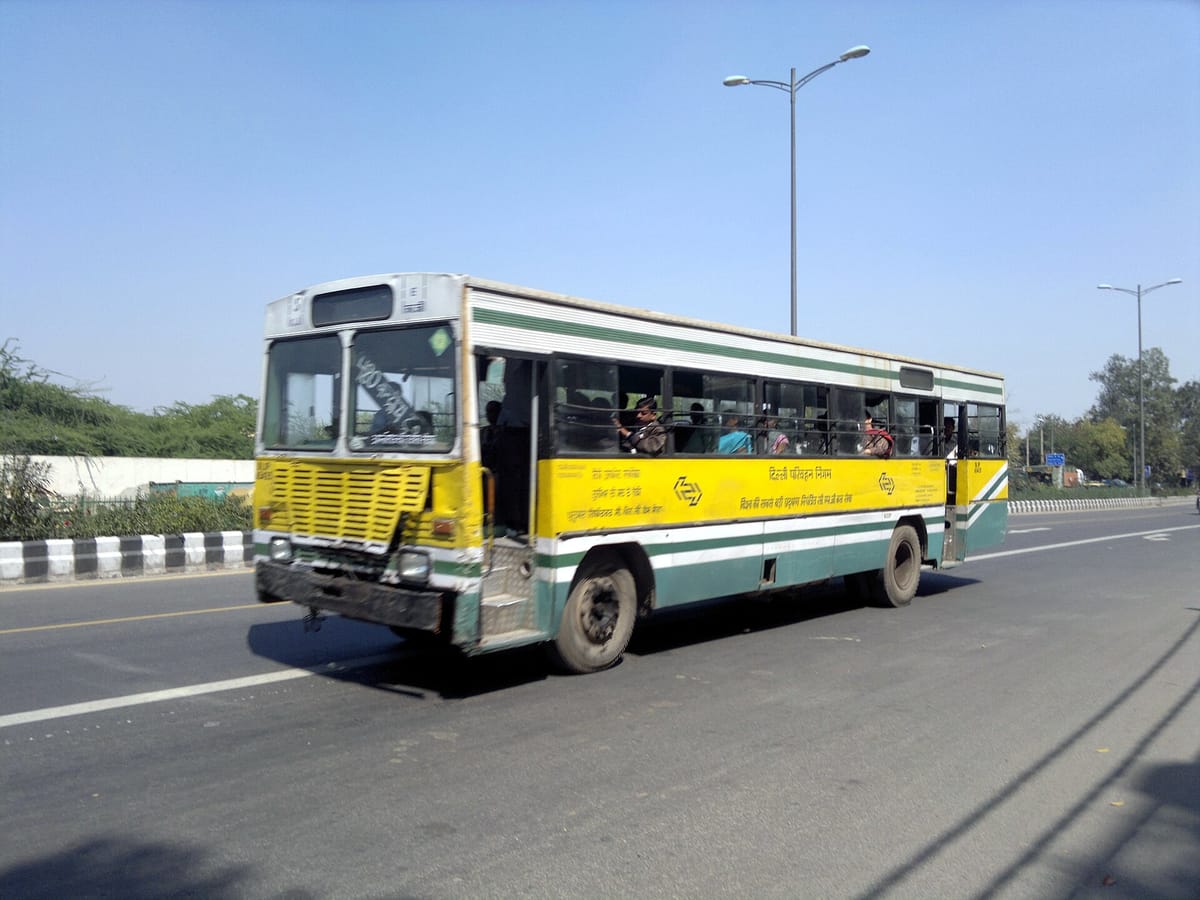
LPG, biogas and the names of methane
Rule in one line: cooking gas is butane and propane; marsh gas, gobar gas and CNG are mostly methane.
| Name | Where it comes from | Main gas |
|---|---|---|
| Marsh gas | Rotting plants under marsh and paddy water | Methane, CH4 |
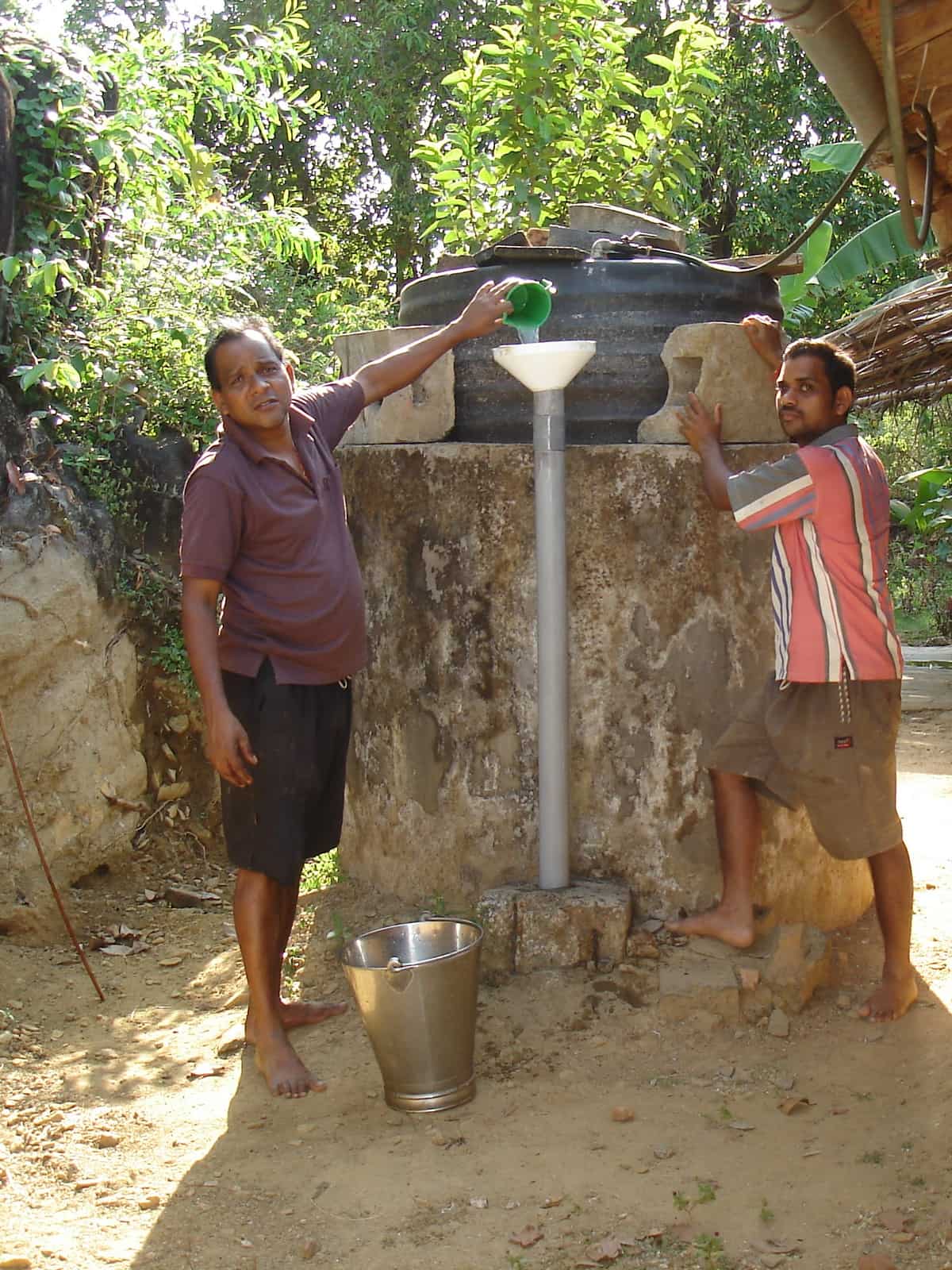
| Gobar gas (biogas) | Cattle dung rotting without air | Methane, with carbon dioxide |
| Firedamp | Coal mines | Methane |
| CNG | Natural gas wells | Methane |
| LPG (cooking gas) | Refining crude oil | Butane and propane |
Combustion and fire control
Rule in one line: fire needs fuel, air and heat; take away any one and the fire goes out.
Combustion is a chemical reaction in which a substance joins with oxygen and gives off heat, often with light. The chemical energy stored in the fuel turns into heat (thermal) energy.
- 1FuelWood, LPG, petrol
- 2AirOxygen supports burning
- 3HeatEnough to reach the ignition temperature
The lowest temperature at which a substance catches fire. A paper cup of water does not burn over a flame, because the water takes the heat away. Substances that catch fire very easily — petrol, alcohol, LPG — are inflammable.
| Type of combustion | What happens | Example |
|---|---|---|
| Rapid | Burns quickly with heat and light | LPG on a stove |
| Spontaneous | Catches fire on its own | White phosphorus in air |
| Explosion | Sudden burning with heat, light and sound | Firecrackers; methane and air in coal mines |
| Kind of fire | Use water? | Why |
|---|---|---|
| Wood, paper, cloth | Yes | Water cools the fuel below its ignition temperature |
| Electrical | No | Water conducts electricity; risk of shock |
| Oil or petrol | No | Water sinks below the oil, which keeps burning on top |
Flame and calorific value
Rule in one line: the outer, blue part of a flame is hottest; hydrogen gives the most heat per kilogram.
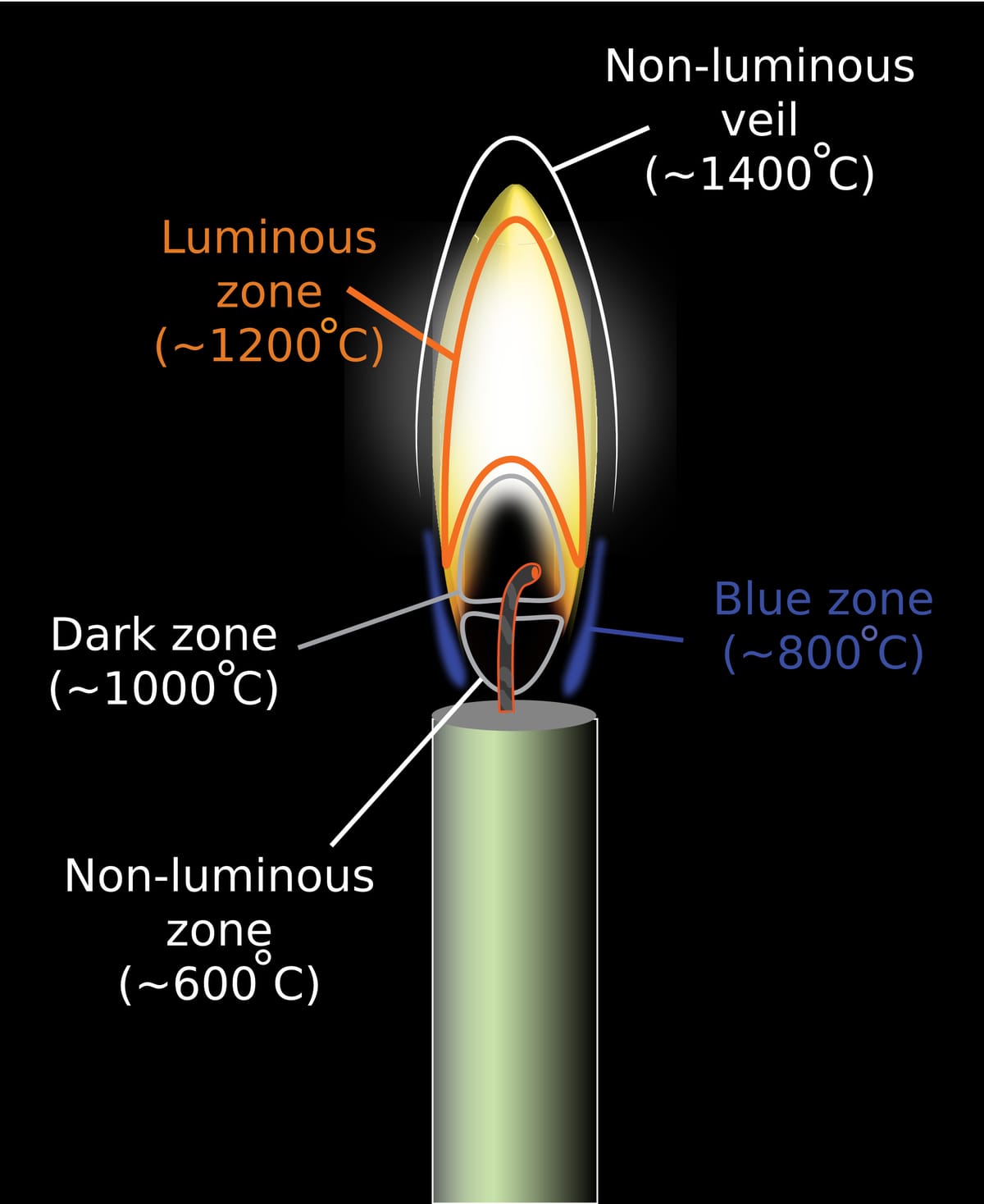
| Zone | Colour | Burning | Heat |
|---|---|---|---|
| Innermost | Dark | Unburnt wax vapour | Least hot |
| Middle | Yellow, bright | Partial | Moderate |
| Outermost | Blue, not bright | Complete | Hottest |
Incomplete burning gives carbon monoxide, a deadly gas — never sleep in a closed room with a coal fire. Extra carbon dioxide adds to global warming. Sulphur and nitrogen oxides dissolve in rain and cause acid rain.
Polymers: fibres and plastics
Rule in one line: a polymer is a giant molecule made of many small repeating units.
'Poly' means many and 'mer' means part. Small units called monomers join into long chains. Polythene is made of thousands of ethene units. Natural polymers exist too: cotton is cellulose, and proteins are polymers of amino acids.
| Fibre | Made from / known as | Uses |
|---|---|---|
| Rayon | Wood pulp; artificial silk | Bed sheets, carpets |
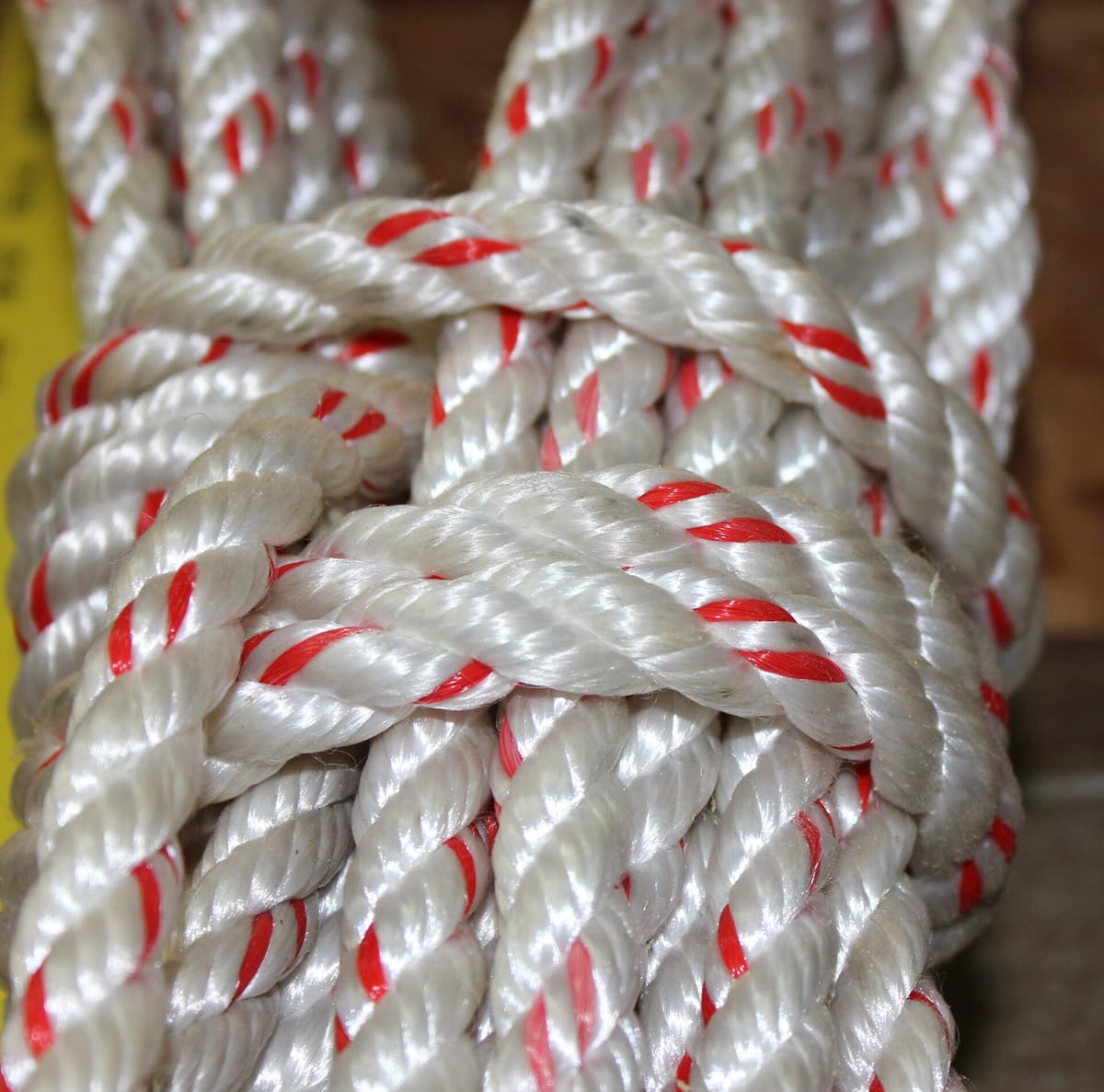
| Nylon | First fully synthetic fibre | Ropes, parachutes, toothbrushes, socks |
| Polyester | Terylene and PET are forms of it | Wrinkle-free clothes, bottles |
| Acrylic | Artificial wool | Sweaters, shawls, blankets |
Chemicals and materials of daily life
Rule in one line: match each chemical or material to the job it does.
| Item | What it is | Used for |
|---|---|---|
| Aspartame, saccharin | Artificial sweeteners | Sugar-free drinks and sweets |
| Mosquito coils, mats, liquids | Insecticides | Killing or driving away mosquitoes |
| Silicon carbide (carborundum) | A very hard compound | Cutting and grinding hard things |
| Concrete, fibreglass | Composites | Buildings; boats, helmets, tanks |
| Cement | Made by heating limestone and clay; gypsum is added | Binding bricks and concrete |
| Glass | Made mainly from sand (silica) | Windows, bottles, optical fibres |
Traps and practice
Last revision — where the options try to fool you.
- CNG comes from gas wells, not from refining crude oil; LPG comes from refining.
- Cooking gas = butane + propane; marsh gas, gobar gas, CNG = methane.
- Mine explosions: methane + air, not hydrogen + oxygen.
- Combustion turns chemical energy into heat.
- The bright yellow zone is not the hottest — the outer blue zone is.
- PVC = polyvinyl chloride, not carbonate.
- Aspartame is a sweetener, not a preservative.
Why does a paper cup full of water not catch fire over a candle?
Show answer
The heat passes from the paper into the water, so the paper never reaches its ignition temperature. The water warms; the cup does not burn.
- Unrefined petroleum
- Crude oil (black gold)
- Cooking gas (LPG)
- Butane + propane
- Marsh gas
- Methane, CH4
- Cause of mine explosions
- Methane + air
- Hottest flame zone
- Outermost, blue
- PVC
- Polyvinyl chloride
- Aspartame
- Artificial sweetener
- Concrete, fibreglass
- Composite materials
- Coal products: coke, coal tar, coal gas
- Petroleum = crude oil = black gold
- CNG methane, from gas wells; burns cleanly
- Fire needs fuel, air, heat; CO2 for oil and electrical fires
- Highest calorific value: hydrogen, 150,000 kJ/kg
- Rayon artificial silk; acrylic artificial wool; nylon fully synthetic
- Thermosetting: bakelite, melamine; thermoplastic: polythene, PVC