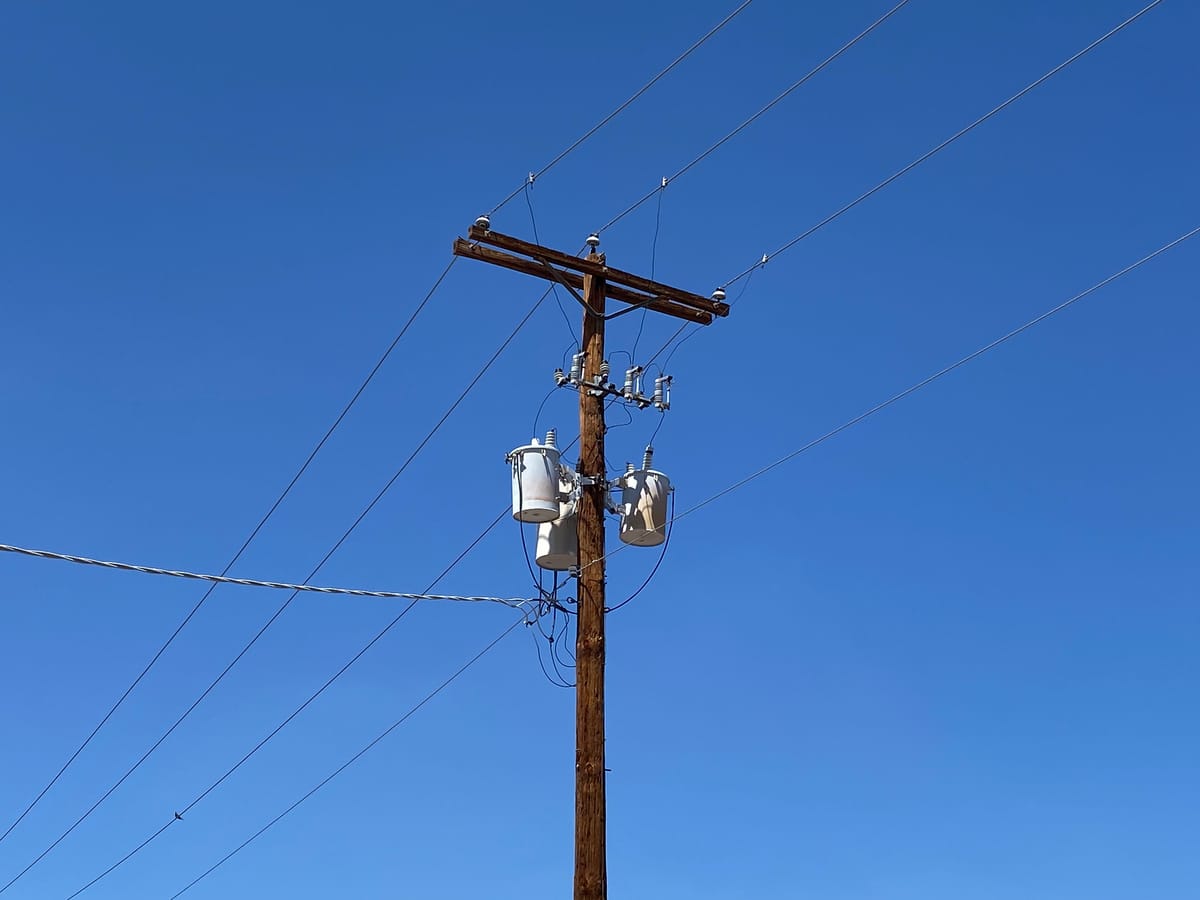
Every switch, fan and phone charger runs on electric current, the flow of charge in a wire. A current heats a wire, can split a liquid, and turns a coil into a magnet. A moving magnet can, in turn, make a current. These links run motors and power stations. Exams ask about meters and units, Ohm's law, series and parallel, the fuse, the kilowatt hour, magnets and home wiring.
On this page you will learn:
- Current, potential difference and the meters: ammeter, voltmeter, galvanometer
- Ohm's law, resistance, series and parallel, and the capacitor
- Heating effect, the bulb, the kilowatt hour, cells and electroplating
- Magnets, the right-hand thumb rule, the motor and the generator
- AC and DC, home wiring, fuse, short circuit, earthing and lightning
Current and the meters that measure it
Rule in one line: the ammeter goes in series, the voltmeter in parallel.
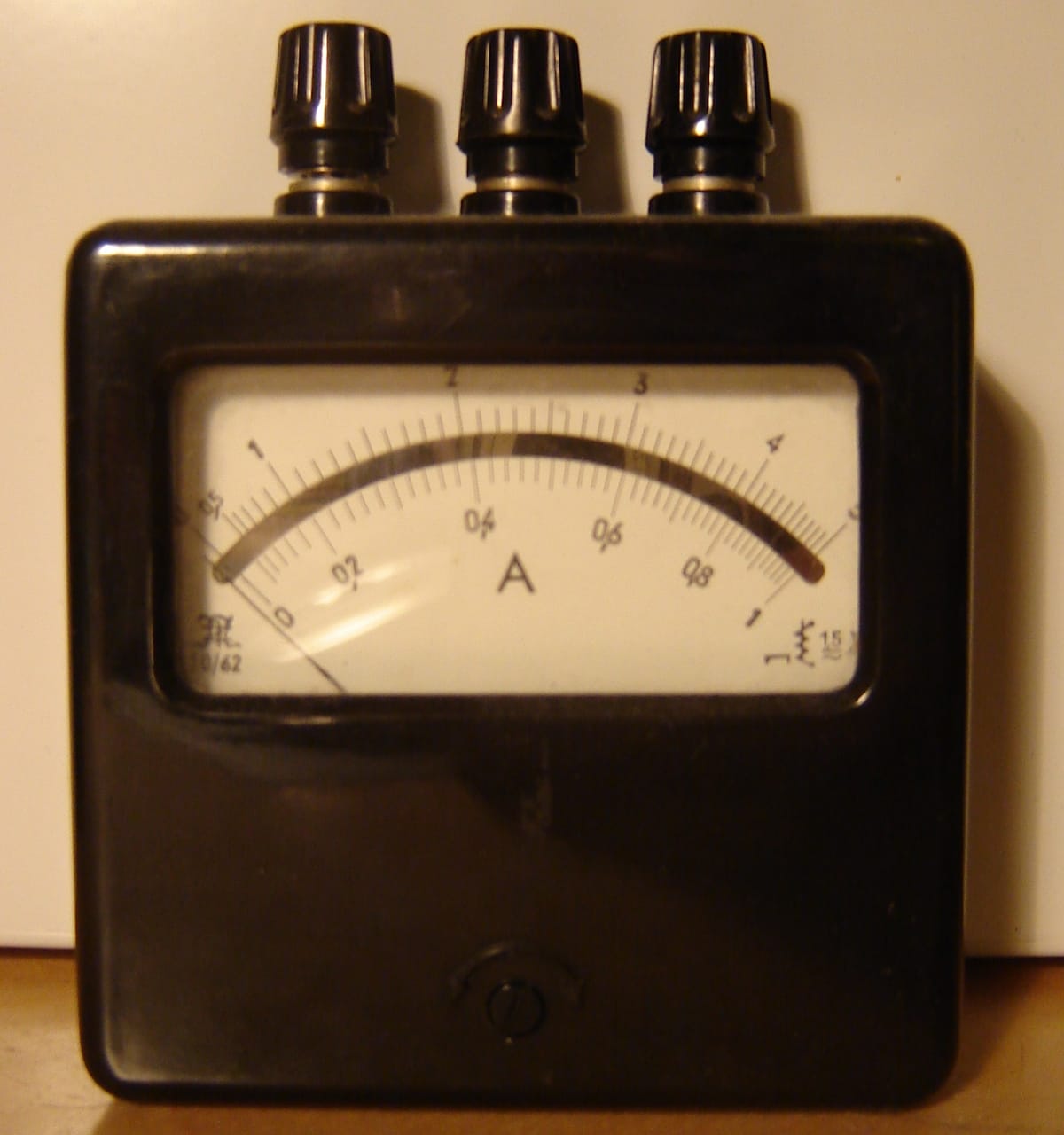
Current is the rate of flow of charge: I = Q/t. In a metal wire, electrons carry the charge. A cell keeps a potential difference (voltage) across the wire. This push drives the charge round the circuit. By custom, current flows from the + end to the − end, opposite to the electrons.
| Quantity | SI unit | Measured with |
|---|---|---|
| Current (I) | Ampere (A) | Ammeter, joined in series |
| Potential difference (V) | Volt (V) | Voltmeter, joined in parallel |
| Very small current | Ampere (A) | Galvanometer: detects it and its direction |
| Resistance (R) | Ohm (Ω) | Ohmmeter |
| Charge (Q) | Coulomb (C) | — |
Ohm's law, resistance, series and parallel
Rule in one line: in series resistances add; in parallel the total is less than the smallest.
The voltage across a metal wire is directly proportional to the current in it, if its temperature stays the same: V = IR. R is the resistance, the wire's opposition to current. Double the voltage and the current doubles. Double the resistance and the current halves.
| Quantity | Formula | Unit in other units |
|---|---|---|
| Current | I = Q/t | ampere = coulomb/second |
| Charge | Q = It | coulomb = ampere·second |
| Resistance | R = V/I | ohm = volt/ampere |
| Power | P = VI | watt = volt·ampere |
Resistance grows with the length of a wire and falls with its thickness: R = ρl/A. ρ is the resistivity of the material, in Ω m. A long, thin wire resists more than a short, thick one. Resistance also changes with temperature.
A capacitor is two metal plates with an insulator between them. It stores charge and gives it back when needed, as in a camera flash. A resistor controls current. A transistor switches or boosts signals. An ammeter only measures current.
Heating and chemical effects of current
Rule in one line: heat = I²Rt, and the bill is counted in kilowatt hours.
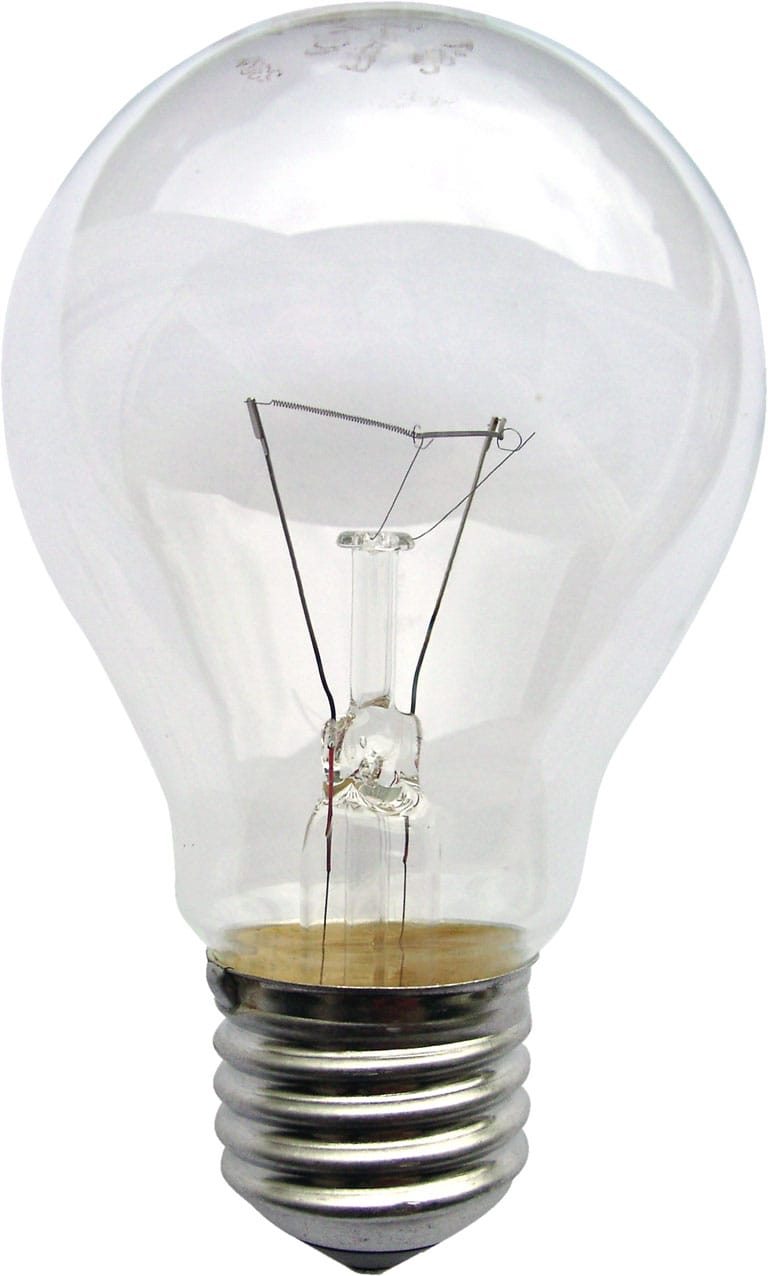
A current I in a resistance R for time t makes heat H = I²Rt. Double the current and the heat becomes four times. Irons, toasters, kettles, heaters, bulbs and the fuse all use this effect.
| Part | Material | Why |
|---|---|---|
| Bulb filament | Tungsten | Melts only at about 3380 °C, so it can glow white-hot |
| Gas inside a bulb | Nitrogen and argon | Do not react, so the filament lasts longer |
| Heater and iron coils | Nichrome (nickel + chromium) | High resistivity; does not burn away when red-hot |
| Fuse wire | Tin-lead alloy | Low melting point; melts when current is too high |
| House wires | Copper or aluminium | Low resistivity; little heat is wasted |
Electric power is P = VI, in watts. The commercial unit of energy is the kilowatt-hour (kWh). It is the energy a 1000 W appliance uses in 1 hour. 1 kWh = 1 unit = 3.6 × 10⁶ J. A watt is a unit of power; a kWh is a unit of energy.
A 100 W bulb used for 10 hours uses 100 × 10 = 1000 Wh = 1 kWh, that is 1 unit. A 1000 W heater used 2 hours a day for 30 days uses 1 × 2 × 30 = 60 units.
A cell turns chemical energy into electrical energy. In a common dry cell, a zinc can is the − end and a carbon rod is the + end. Between them is a moist paste of ammonium chloride and zinc chloride, the electrolyte. Current also does the reverse: it can break a liquid apart. This is electrolysis.
- SolutionCopper sulphate in a beaker
- + endA copper plate; it slowly dissolves
- − endThe object to be coated
- ResultA thin copper layer on it
Magnets, motors and generators
Rule in one line: a current makes a magnetic field; a changing magnetic field makes a current.
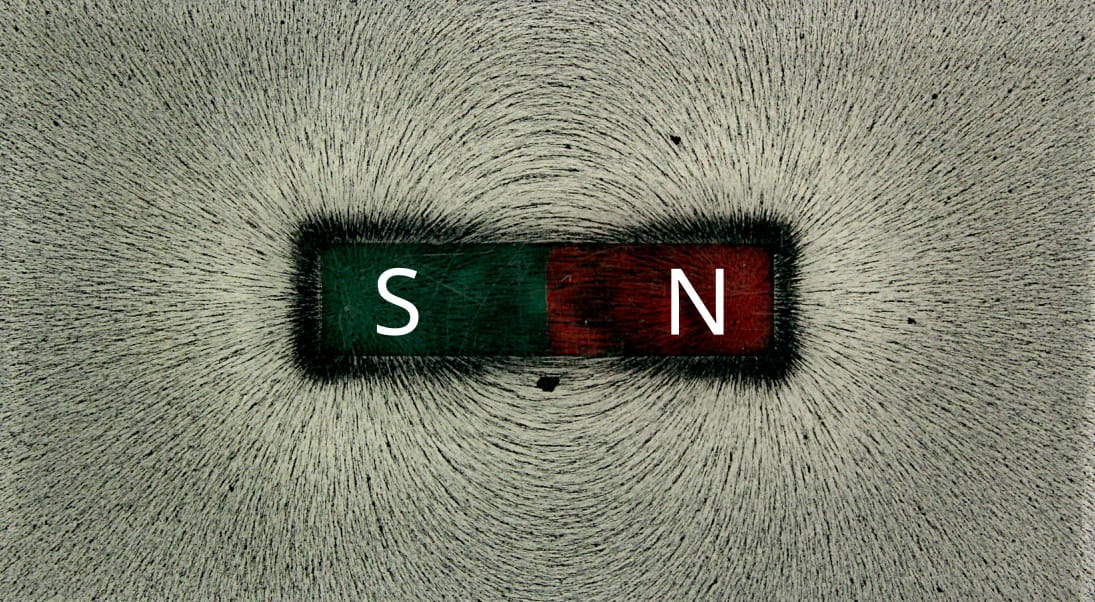
- Every magnet has a north and a south pole. Break it, and each piece still has both.
- Like poles repel; unlike poles attract. Repulsion is the sure test of a magnet.
- A freely hung magnet points north–south. A compass needle is a small magnet.
- Iron, nickel and cobalt are pulled by magnets. Magnetite is a natural magnet.
- Field lines run from N to S outside a magnet. They never cross. They crowd where the field is strong.
Oersted saw a compass needle turn near a wire carrying current. So a current makes a magnetic field. Hold the wire in your right hand with the thumb along the current. Your curled fingers then show the direction of the field lines, which circle the wire.
Michael Faraday found that moving a magnet in or out of a coil makes a current in it. The faster the change, the bigger the current. A generator turns a coil in a magnetic field to make electricity this way. A transformer also works on induction: it steps AC voltage up or down.
Home electricity and safety
Rule in one line: Indian homes get 220 V AC at 50 Hz (NCERT value; the official standard is 230 V), guarded by a fuse or MCB and an earth wire.
| Wire | Colour | Job |
|---|---|---|
| Live | Red (brown in new wiring) | Brings current at 220 V |
| Neutral | Black (blue in new wiring) | Completes the circuit |
| Earth | Green | Joined to a metal plate deep in the ground; takes leaking current away from a metal body |
- 1Insulation wears off
- 2Live touches neutralThis is a short circuit
- 3Resistance falls to nearly zeroCurrent shoots up
- 4Fuse wire meltsHeating effect breaks the circuit; fire is avoided
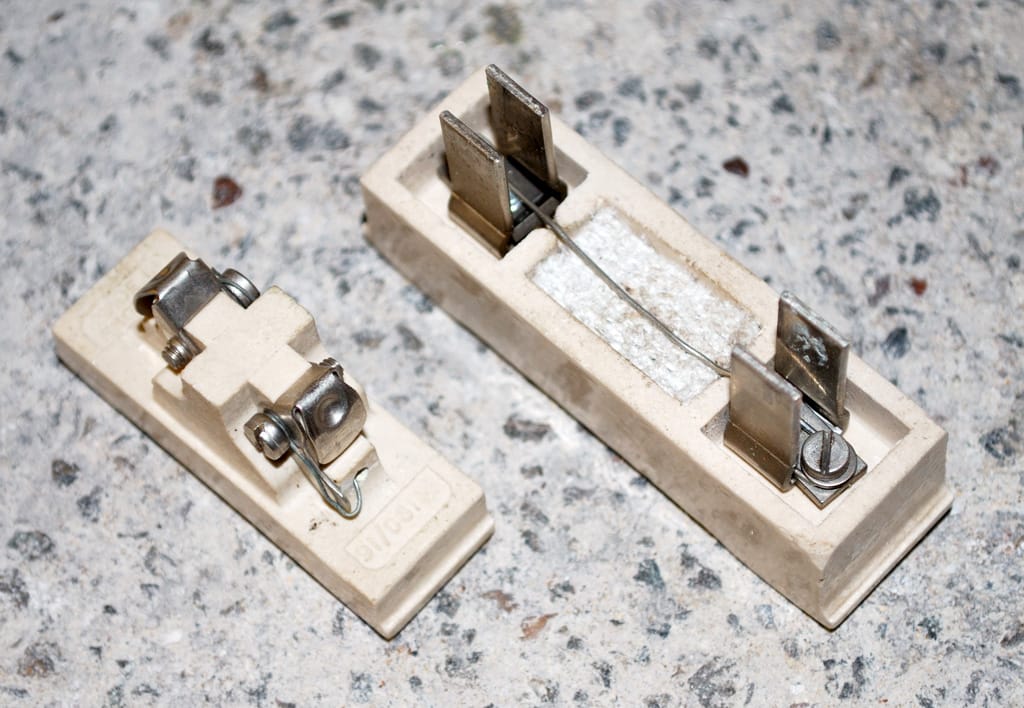
Metal-bodied appliances such as irons, toasters and fridges are earthed. If the live wire touches the metal body, current flows to the ground through the earth wire. It does not flow through the person who touches it.
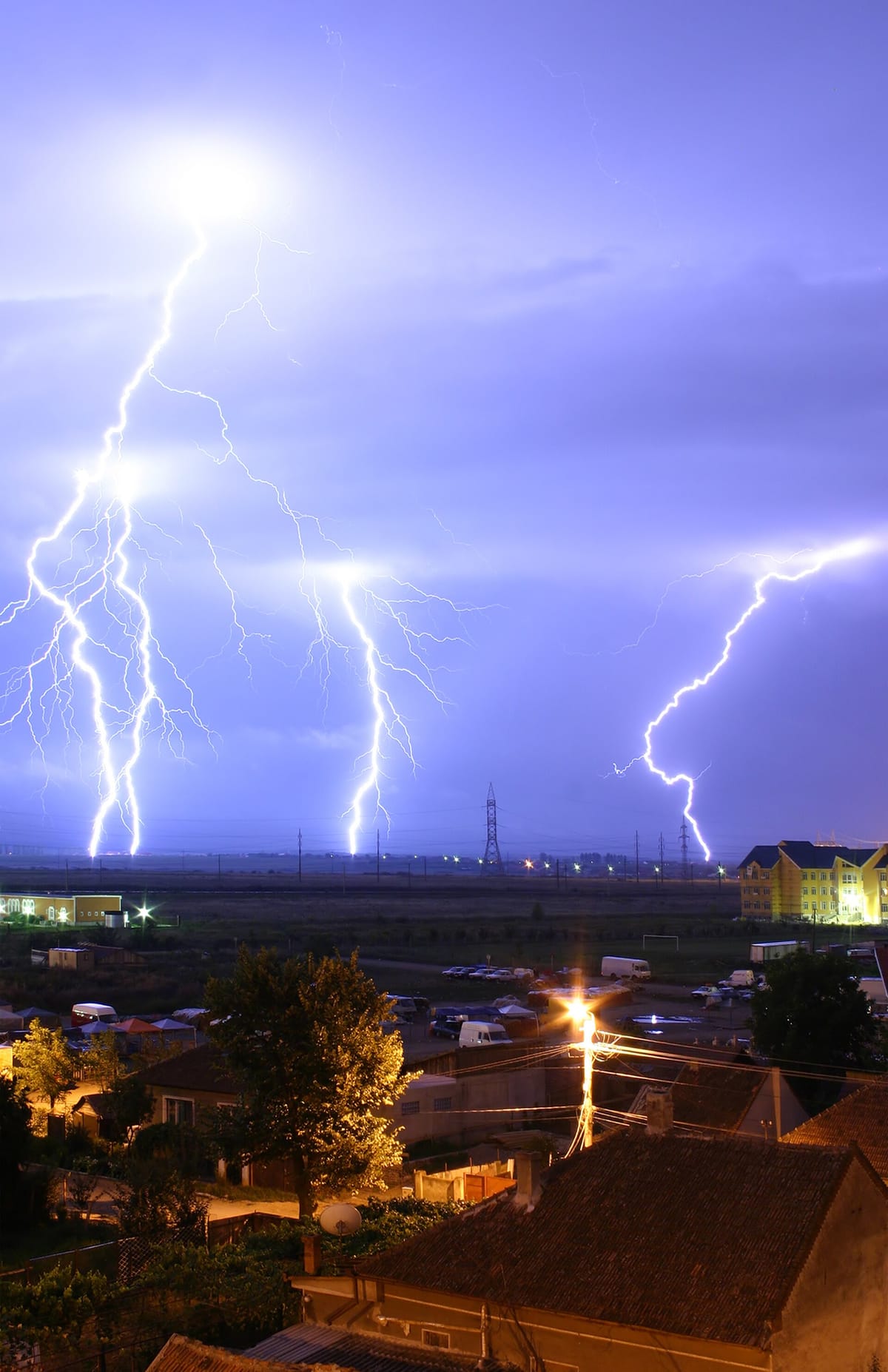
A house, or a car or bus with windows shut, is safe. Stay away from open fields, tall lone trees, poles and metal objects. If caught outside, squat low; do not lie flat. Do not bathe or touch metal pipes during the storm.
More facts asked once in a whileTap to open
- A compass needle's north pole points north. So the Earth's magnetic pole near the geographic north is really a magnetic south pole.
- Heating, hammering or dropping a magnet weakens it. Bar magnets are stored in pairs with soft-iron keepers across the ends.
- In a DC motor, split rings (the commutator) reverse the current every half turn, so the coil keeps turning one way.
- 1 horsepower = about 746 W.
- Glass rubbed with silk becomes positive; a plastic rod rubbed with wool becomes negative. An electroscope detects charge.
- Johann Schweigger of Germany built the first galvanometer, in 1820. It was named after Luigi Galvani, who studied electricity in frog legs.
Traps and practice
Last revision — where the options try to fool you.
- Ammeter in series, voltmeter in parallel. Do not swap them.
- In parallel the total resistance is LESS than the smallest one, not the average.
- The kWh is a unit of energy; the watt and kilowatt are units of power.
- Tungsten for the filament, nichrome for the heater, low-melting alloy for the fuse.
- Thumb = current in the right-hand thumb rule; fingers = field.
- Generator: motion → electricity. Motor: electricity → motion.
- Short circuit = live touches neutral. Overloading = too many appliances.
Resistors of 2 Ω, 3 Ω and 6 Ω are joined (a) in series and (b) in parallel. Find the total in each case.
Show answer
(a) 2 + 3 + 6 = 11 Ω. (b) 1/R = 1/2 + 1/3 + 1/6 = 1, so R = 1 Ω — less than the smallest.
- Measures current
- Ammeter (in series)
- Measures voltage
- Voltmeter (in parallel)
- Detects tiny currents
- Galvanometer
- Stores charge
- Capacitor
- Commercial unit of energy
- Kilowatt-hour (kWh)
- Fuse works on
- Heating effect
- Motion into electricity
- Generator
- Earth wire colour
- Green