Punjab is a state with one house of law-makers, the Vidhan Sabha (117 seats). It sends 13 members to the Lok Sabha and 7 to the Rajya Sabha. Its capital, Chandigarh, is not inside the state — it is a Union Territory shared with Haryana, and the two states also share one High Court. This page explains how the state is run: the Governor, the Chief Ministers since 1947, President's Rule, the districts and panchayats, and the state bodies that hold your exams.
- peopleVotersElect 117 MLAs to the Vidhan Sabha every five years.
- law-makersVidhan Sabha (117 MLAs)Makes the state's laws. A party needs 59 seats to form the government.
- real powerChief Minister and ministersThe Governor appoints the leader of the majority as Chief Minister. The CM and ministers run the government.
- formal headGovernorFormal head of the state, appointed by the President of India. Also runs UT Chandigarh.
- administrationOfficersThe Chief Secretary leads the officers; Deputy Commissioners run the 23 districts, down to the village.
Three capitals
Lahore → Shimla → Chandigarh in less than ten years.
- Before 1947Lahore
Lahore was the capital of undivided Punjab. At Partition it went to Pakistan.
- 15 Aug 1947East Punjab is formed
The Indian part of Punjab is called East Punjab. Shimla becomes its temporary capital. Dr Gopi Chand Bhargava is the first Chief Minister.
- 15 Jul 1948PEPSU is formed
Eight princely states join as the Patiala and East Punjab States Union, with Patiala as capital. Its first Chief Minister (Premier) is Gian Singh Rarewala.
- 1950"East Punjab" becomes "Punjab"
The new name comes with the Constitution of India.
- 7 Oct 1953Chandigarh becomes the capital
Inaugurated by President Rajendra Prasad.
- 1 Nov 1956PEPSU merged into Punjab
Under the States Reorganisation Act 1956.
- 1 Nov 1966Punjab reorganised
Haryana is created and hill areas go to Himachal Pradesh. Chandigarh becomes a Union Territory and the joint capital of Punjab and Haryana. 1 November is Punjab Day.
- 1 Jan 1970Legislative Council abolished
Punjab's legislature becomes one-house (unicameral).
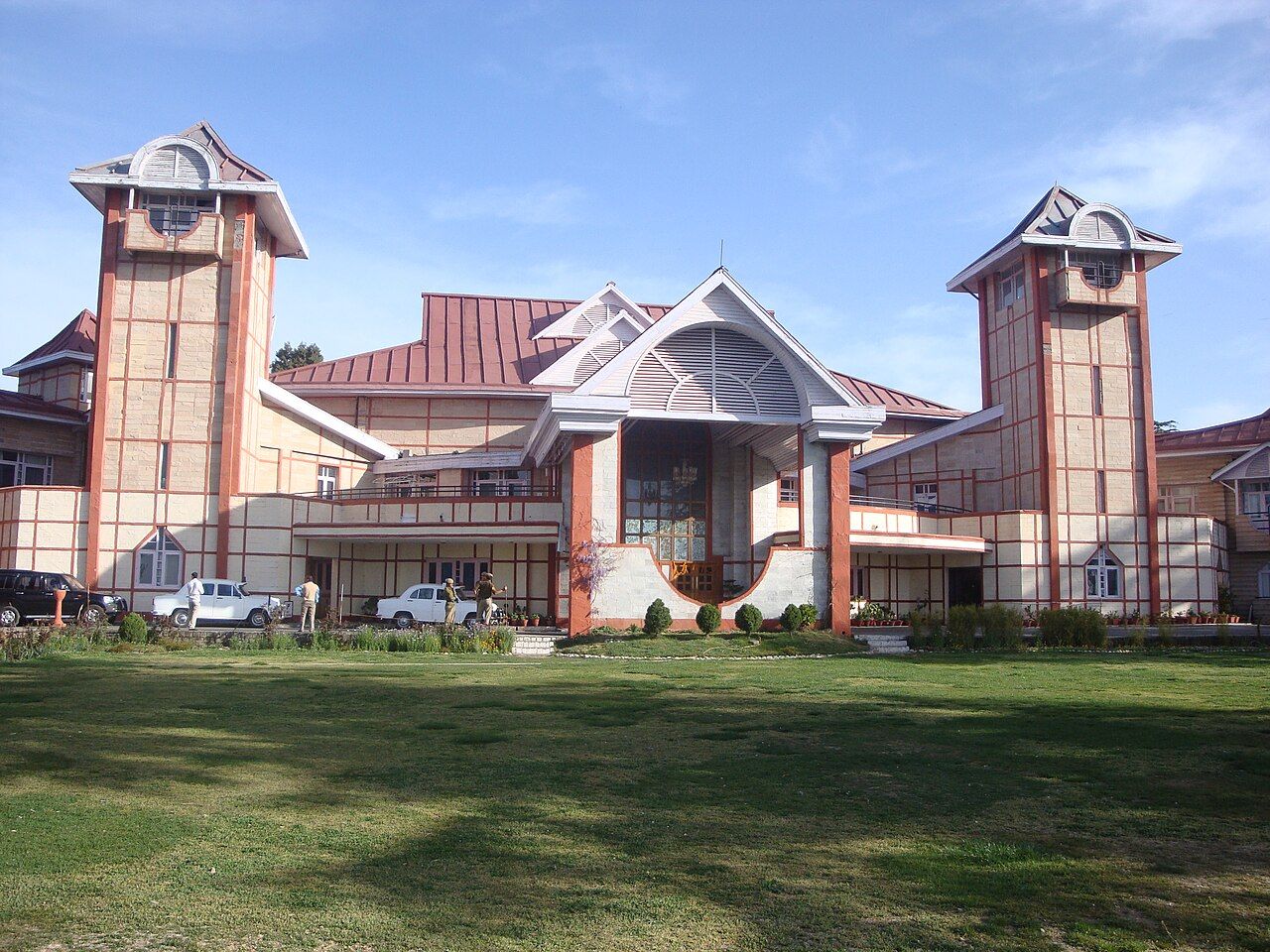
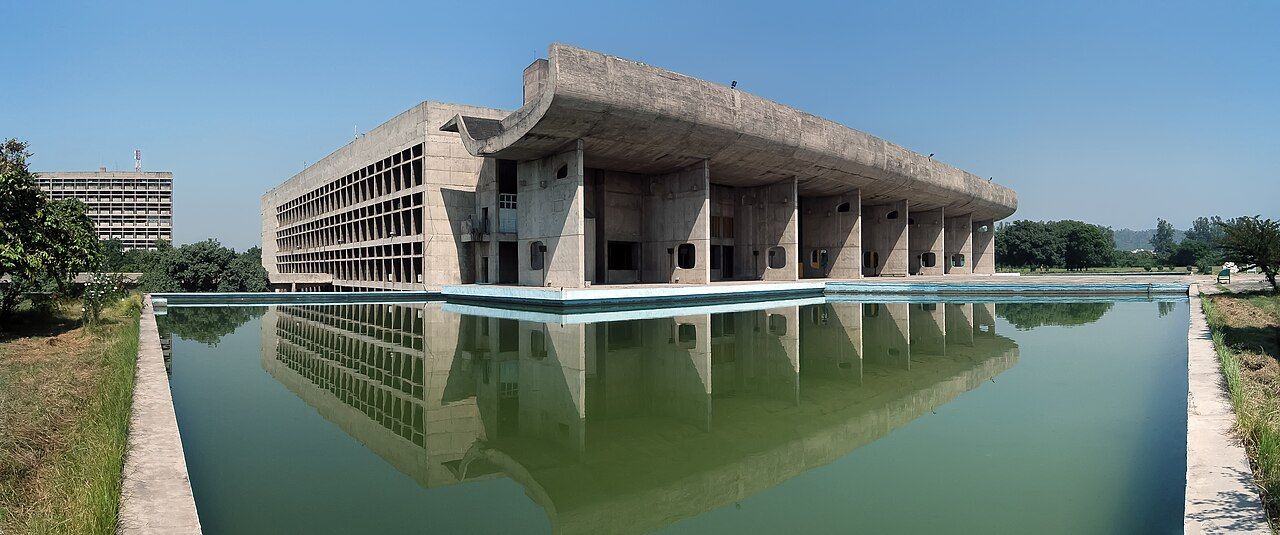
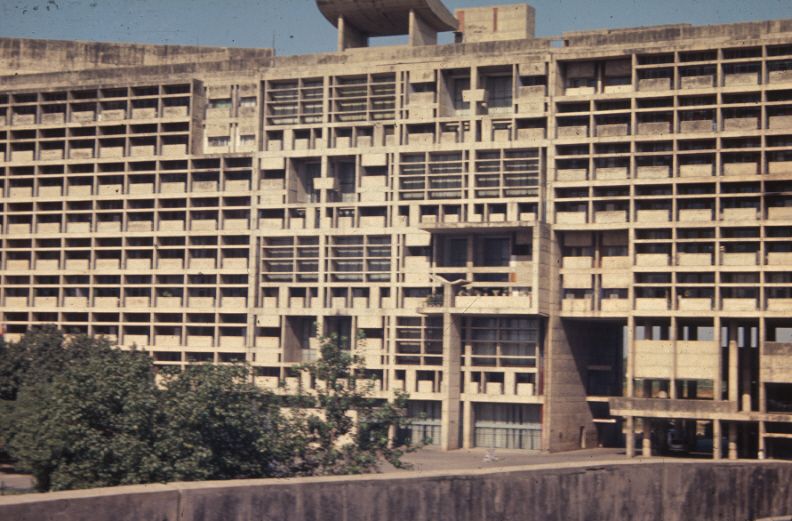
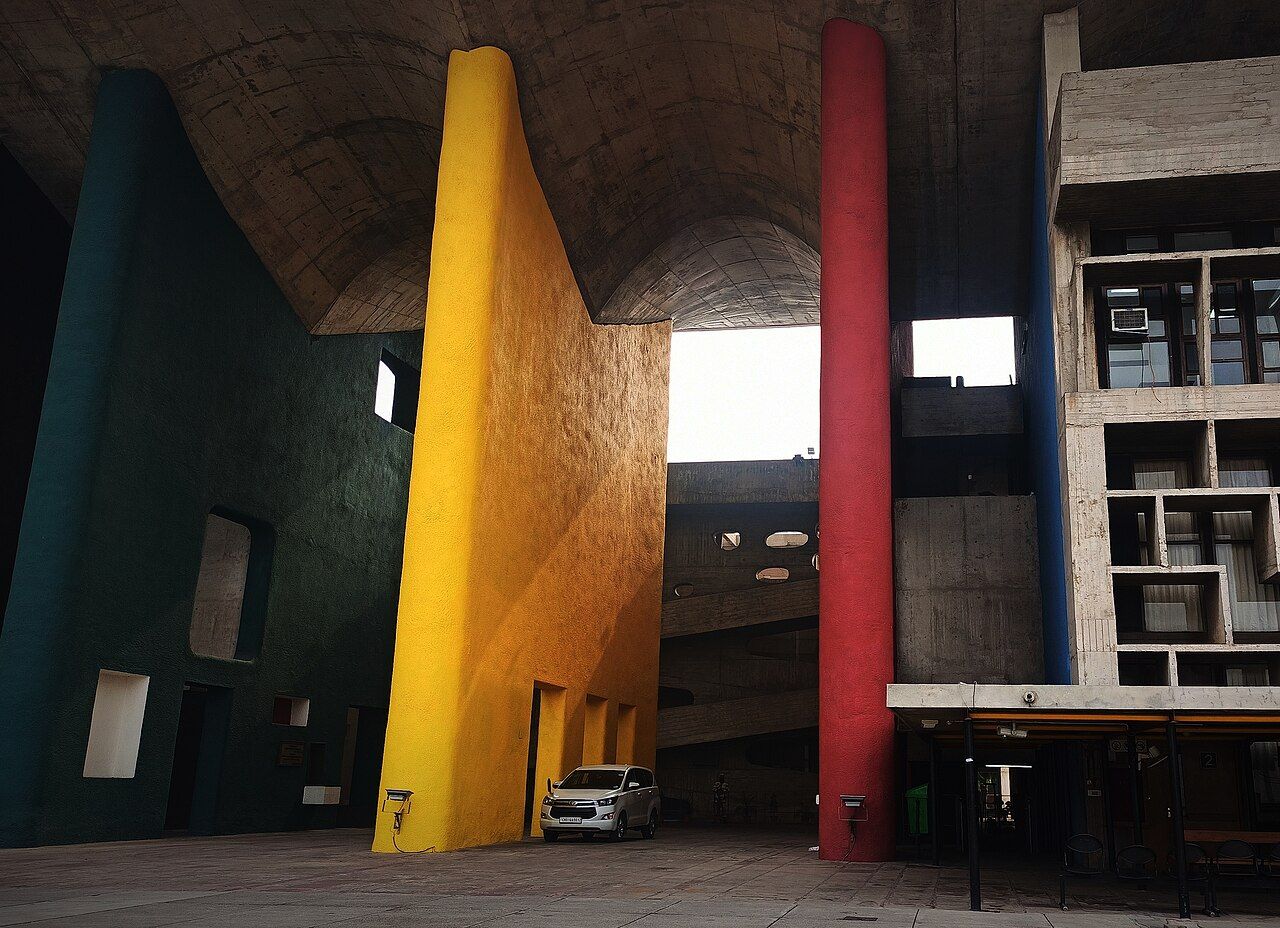
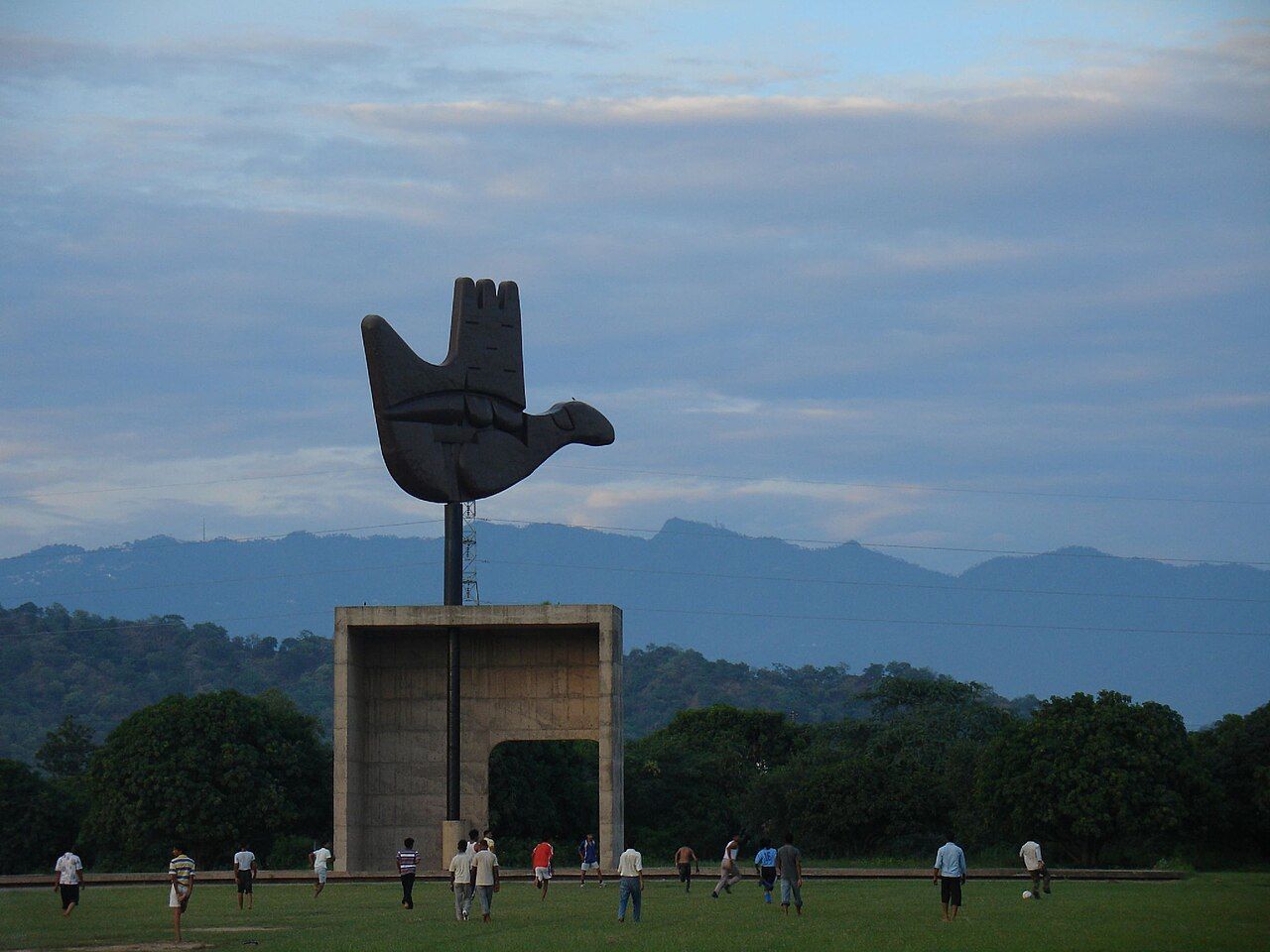
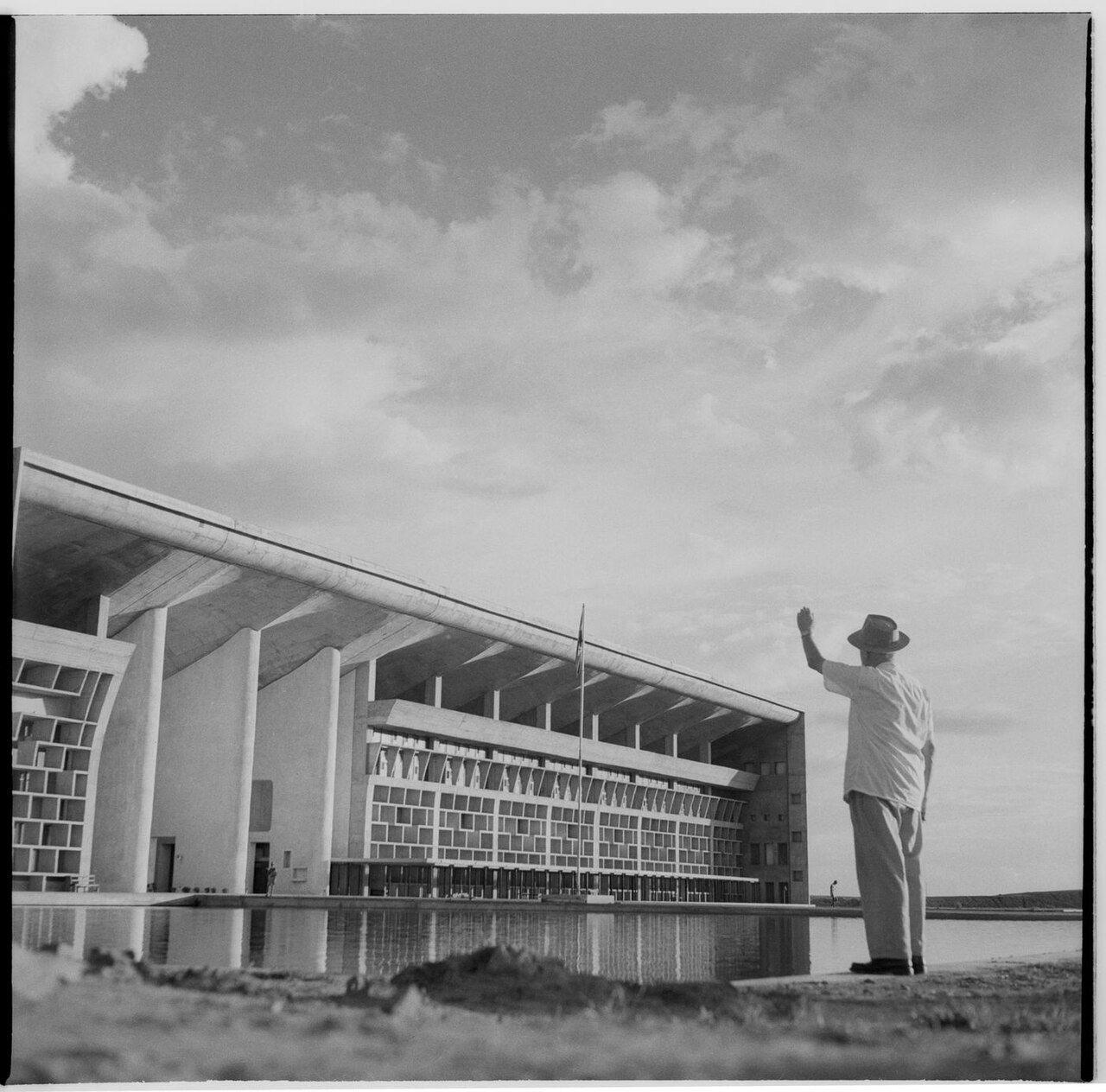
- Chandigarh was planned by Le Corbusier, a Swiss-born French architect, with Pierre Jeanneret, Maxwell Fry and Jane Drew. The first master plan was made by Albert Mayer.
- Since 1 November 1966 Chandigarh is a Union Territory (UT, an area run by the Centre). It is the capital of both Punjab and Haryana.
- By convention, since 1984 the Governor of Punjab is also the Administrator of UT Chandigarh.
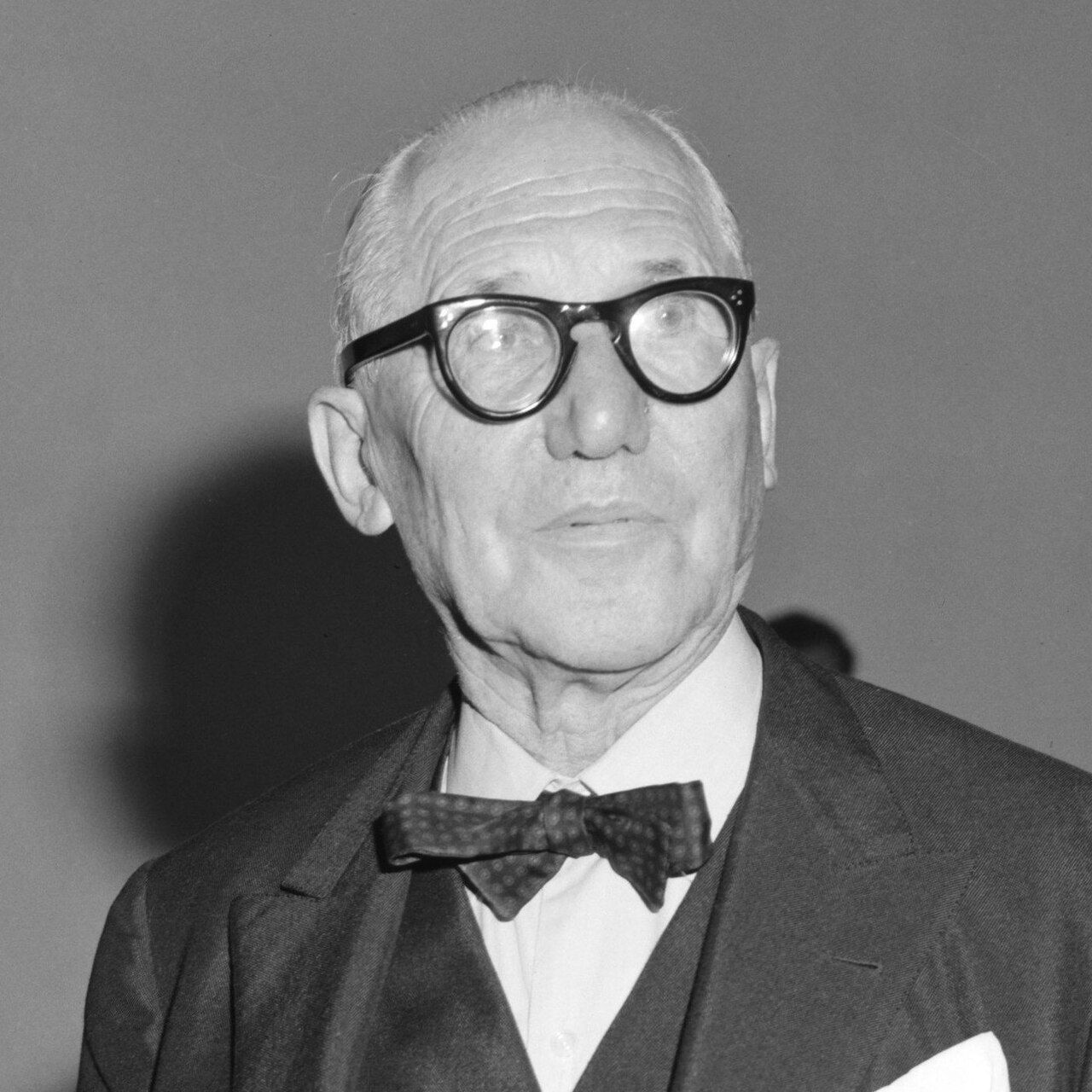
- Do not mix up the planners: Le Corbusier planned Chandigarh; New Delhi's imperial centre was designed by Lutyens and Baker. Puducherry's French look is much older than Le Corbusier.
The full story of Partition, PEPSU, the Punjabi Suba movement and the 1966 reorganisation is on the page Punjab history after 1947.
The Vidhan Sabha
One house, 117 seats.
| Point | Fact |
|---|---|
| Type | Unicameral (one house) since 1 January 1970 |
| Upper house | The Vidhan Parishad (Legislative Council) was abolished by the Punjab Legislative Council (Abolition) Act 1969, with effect from 1 Jan 1970 |
| Seats | 117 members (MLAs), directly elected |
| Reserved seats | 34 seats reserved for Scheduled Castes |
| Majority mark | 59 seats |
| Building | Palace of Assembly, Capitol Complex, Chandigarh — designed by Le Corbusier |
| 2022 election | 16th Vidhan Sabha; AAP won 92 of 117 seats |
A unicameral legislature has one house. A bicameral one has two houses (a Vidhan Sabha and a Vidhan Parishad). Punjab had two houses until 1969 and has had only one since 1 January 1970.
| Office (when) | Person |
|---|---|
| First Speaker after Independence (1947–51) | S. Kapur Singh |
| Speaker (2017–22) | Rana K.P. Singh |
| Deputy Speaker (elected June 2017) | Ajaib Singh Bhatti |
| Leader of the Opposition (from July 2018) | Harpal Singh Cheema (AAP); he replaced Sukhpal Singh Khaira |
| Speaker (elected 2022) | Kultar Singh Sandhwan |
| Deputy Speaker (elected 2022) | Jai Krishan Singh Rouri |
| Leader of the Opposition (from 2022) | Partap Singh Bajwa (Congress) |
Also asked: Speakers of the 1950sTap to open
- Dr Satya Pal was Speaker in 1952–54, right after S. Kapur Singh.
- Gurdial Singh Dhillon was Speaker in 1954–62. He later became Speaker of the Lok Sabha.
Punjab in Parliament
13 in the Lok Sabha, 7 in the Rajya Sabha.
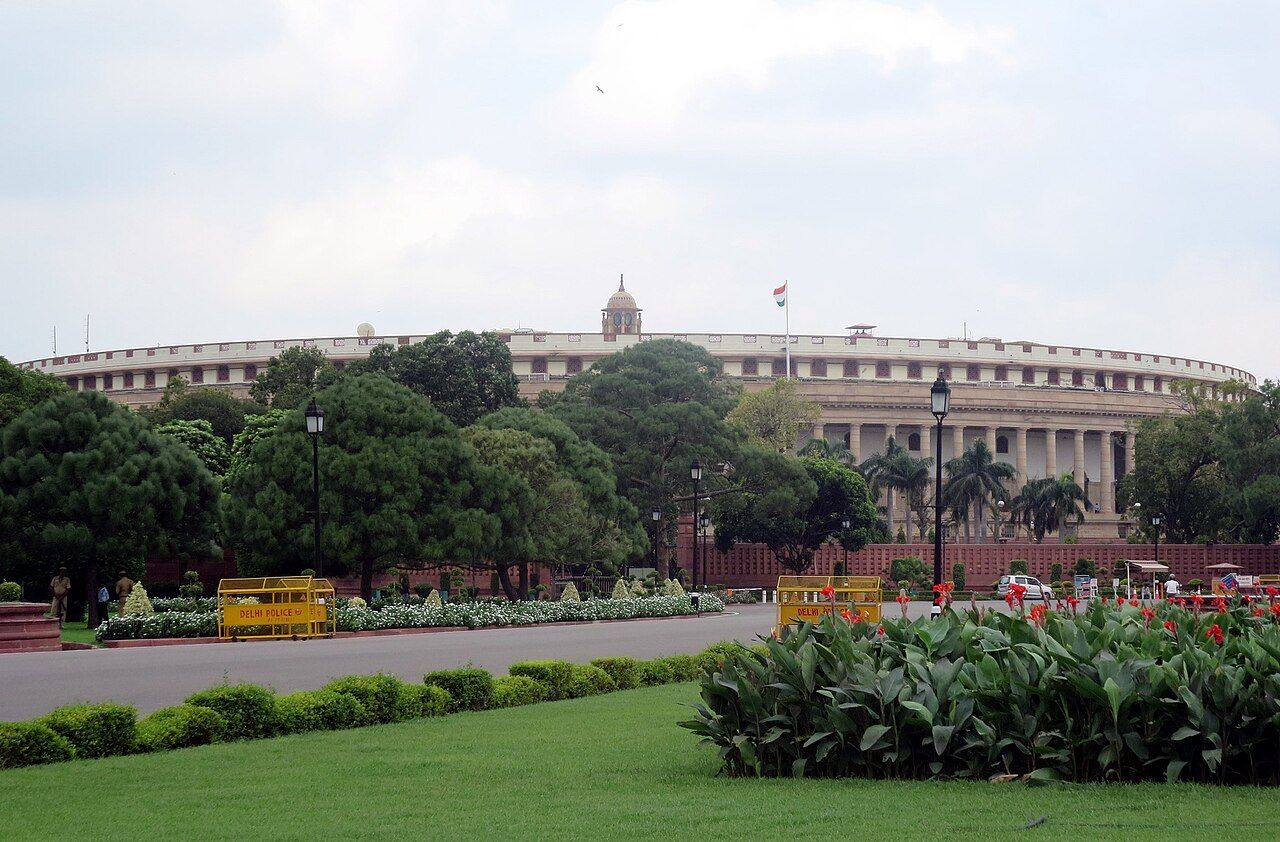
13 – 7 – 117: the bigger number (13) goes to the bigger house, the Lok Sabha; the smaller (7) to the Rajya Sabha; and 117 stay home in one house, the Vidhan Sabha.
The Governor
- The Governor is the constitutional head of the state (Articles 153–162). He is appointed by the President of India.
- The Governor of Punjab is also the Administrator of UT Chandigarh — a convention followed since 1984.
- The Governor appoints the Advocate General (the state's top lawyer, Article 165) and the State Election Commissioner (Article 243K).
- The first Governor of East Punjab was Sir Chandulal Trivedi (1947–53).
| Governor | Term |
|---|---|
| Shivraj Patil | 22 Jan 2010 – 22 Jan 2015 |
| Kaptan Singh Solanki (additional charge; he was Governor of Haryana) | 22 Jan 2015 – 22 Aug 2016 |
| V.P. Singh Badnore | 22 Aug 2016 – 30 Aug 2021 |
| Banwarilal Purohit | 31 Aug 2021 – 28 Jul 2024 |
| Gulab Chand Kataria | from 31 Jul 2024 |
Hokishe Sema held Punjab as additional charge for only 12 days (14–26 Nov 1985) — the shortest of all.
Also asked: next-shortest Governor termsTap to open
- A.R. Kidwai (Akhlaqur Rahman Kidwai): additional charge, 3–16 Nov 2004, 13 days.
- Justice R.S. Narula (Ranjit Singh Narula): acting Governor in 1977, about 23 days.
Chief Ministers since 1947
Learn the order and the "firsts".
- Congress1947–66: before reorganisationBhargava → Sachar → Kairon → Ram Kishan
- Congress1966–67Gurmukh Singh Musafir — first CM of today's Punjab
- Akali-led1967–71: coalition yearsJustice Gurnam Singh (first Akali CM) → Lachhman Singh Gill → Gurnam Singh again → Parkash Singh Badal (1970)
- mixed1972–87Zail Singh → Badal → Darbara Singh → President's Rule → Surjit Singh Barnala
- no CM1987–92President's Rule — the last and longest spell
- mixed1992–2002Beant Singh → Harcharan Singh Brar → Rajinder Kaur Bhattal (first woman CM) → Badal
- mixed2002–22Amarinder Singh → Badal (2007, 2012) → Amarinder Singh → Charanjit Singh Channi (first SC CM)
- AAPFrom 16 March 2022Bhagwant Mann, after AAP won 92 seats
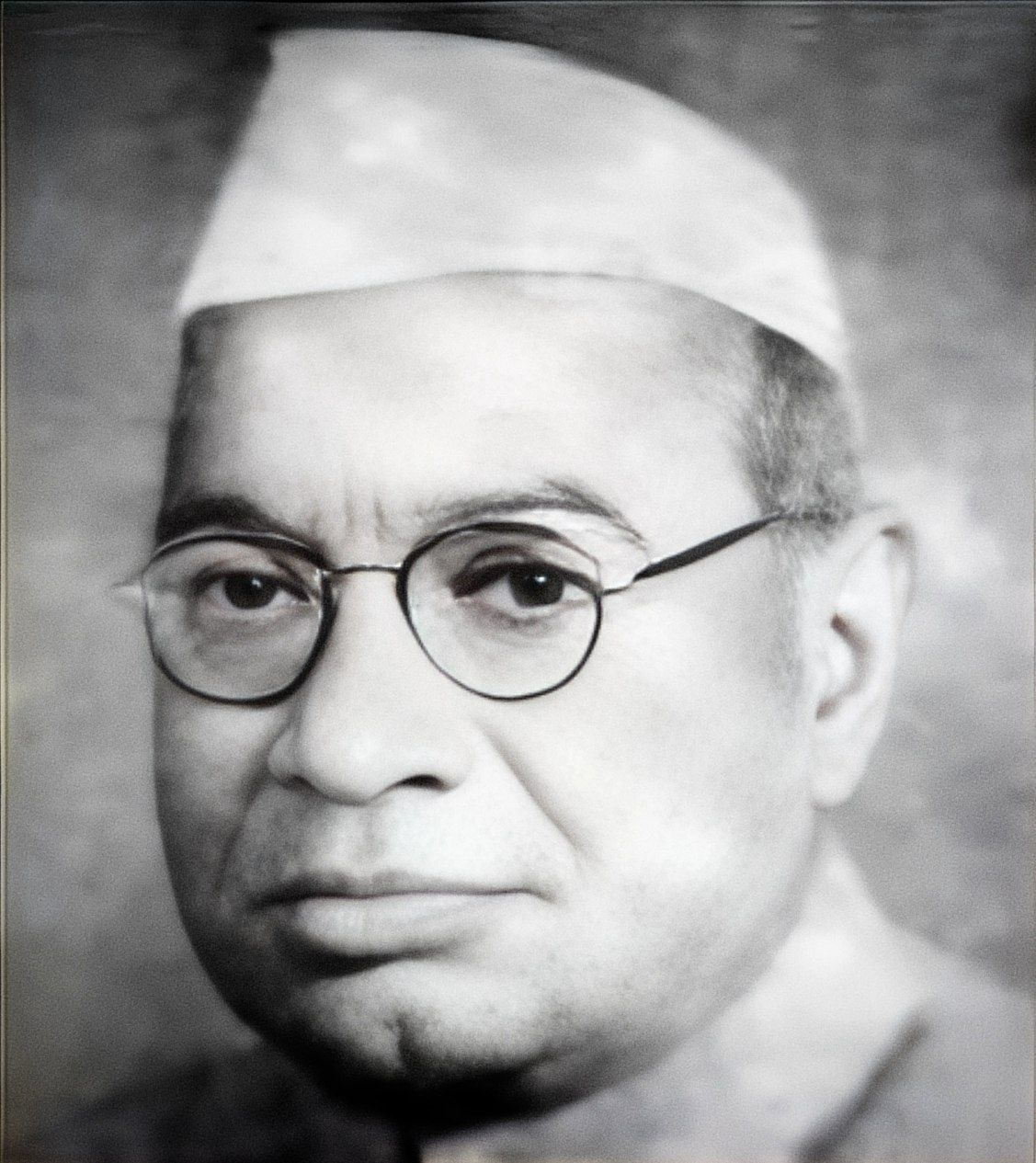
- Took office on 15 Aug 1947.
- CM three times.
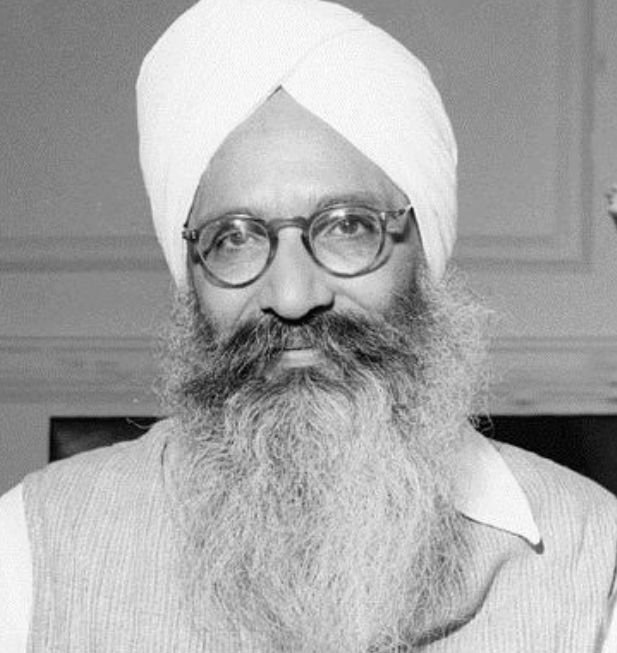
- "Architect of modern Punjab".
- One of only four CMs to complete a full five-year term.
- First CM of reorganised Punjab, from 1 Nov 1966.
- Became CM in March 1967.
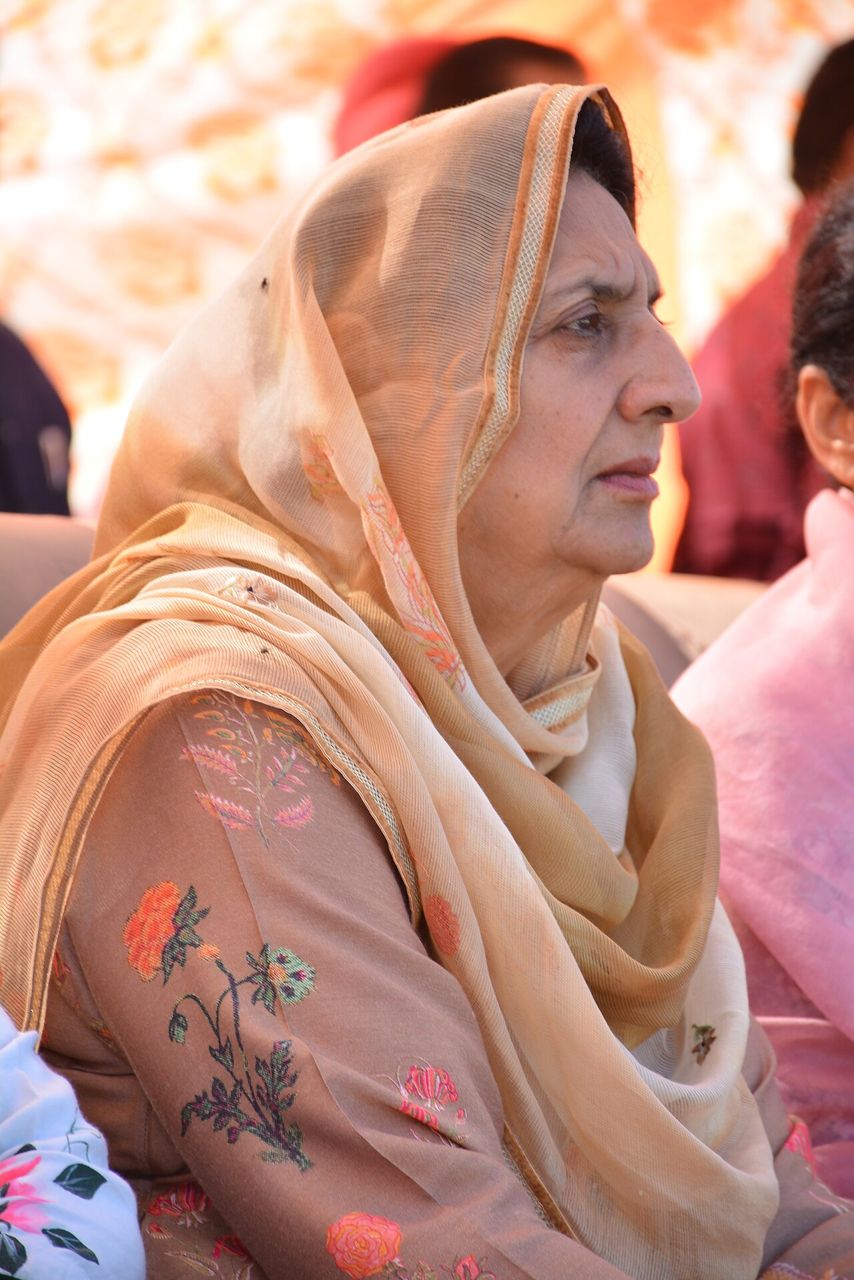
- Congress.
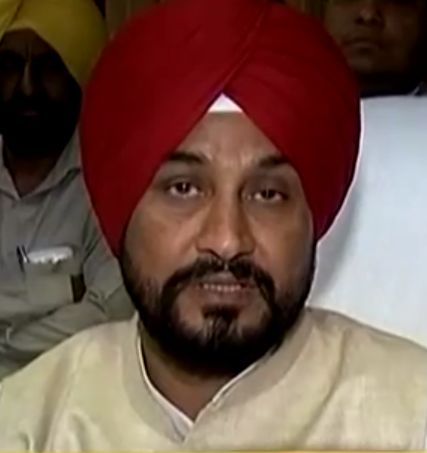
- First Scheduled Caste Chief Minister.
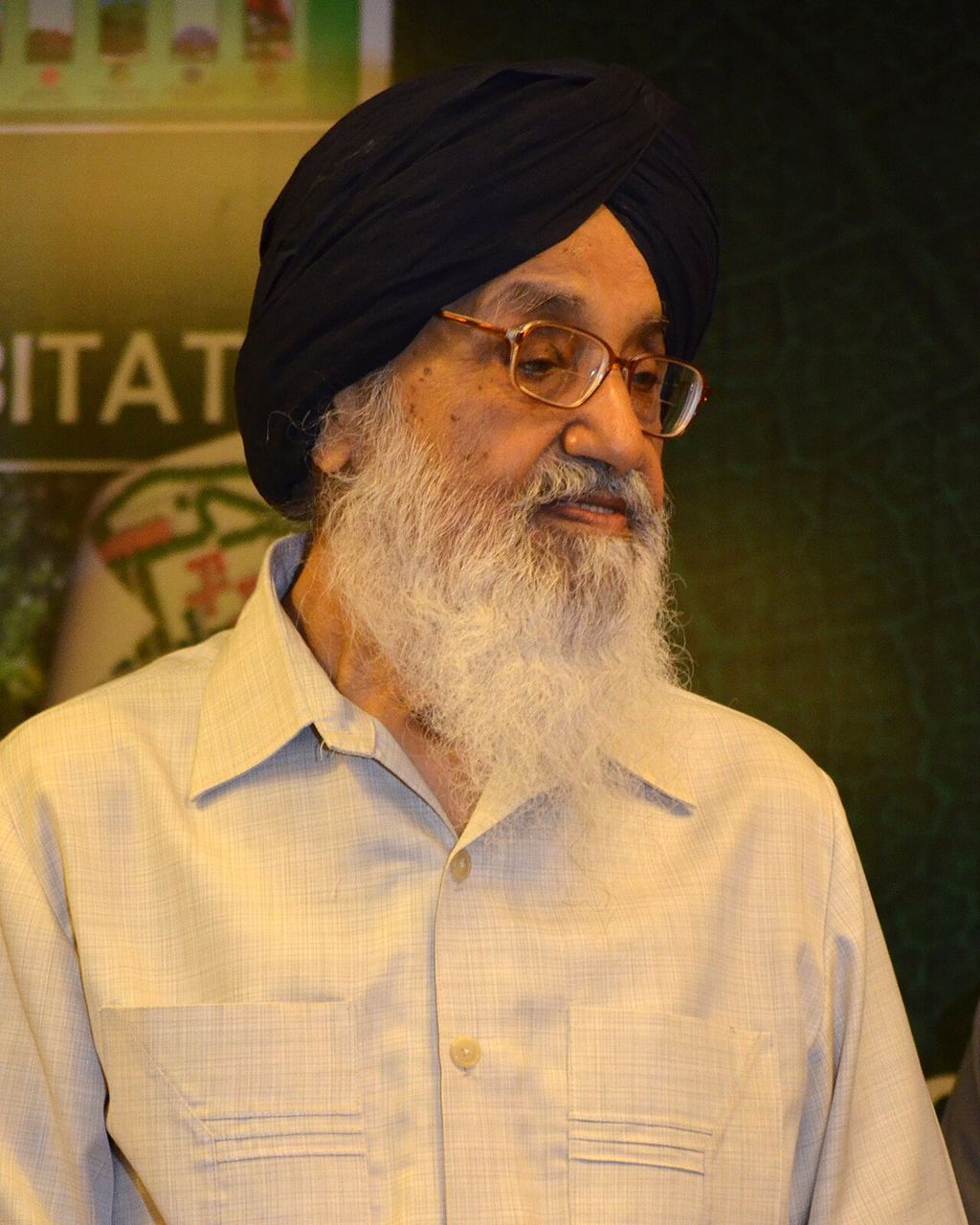
- Five terms between 1970 and 2017.
- Padma Vibhushan; 14th Sant Namdev National Award (2015).
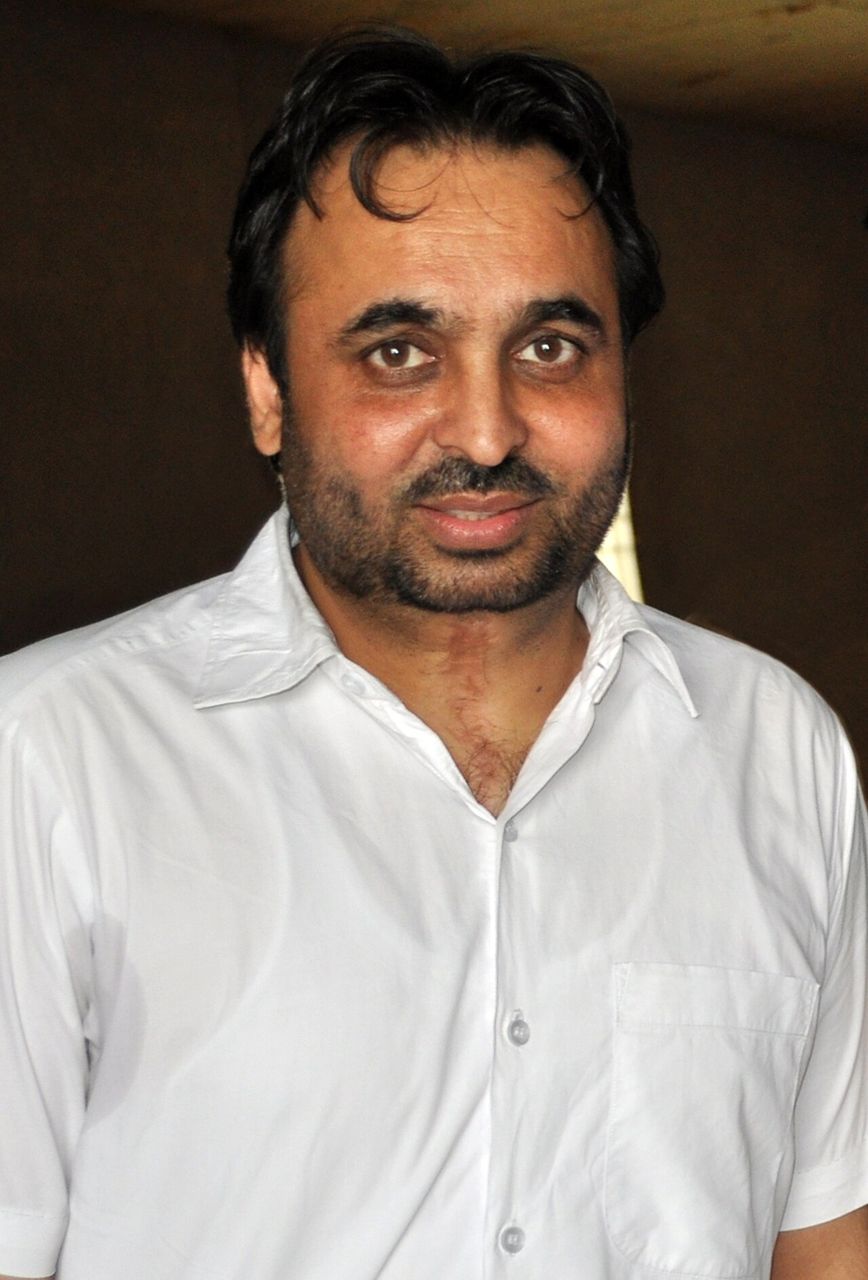
- Sworn in at Khatkar Kalan after AAP won 92 of 117 seats.
Early CMs in order — "Bus Stand Kol Ruko" (stop near the bus stand): Bhargava → Sachar → Kairon → Ram Kishan. Then after 1966: Musafir → Gurnam → Gill ("My Great Grand-dad").
Only four CMs completed a full five-year term: Partap Singh Kairon, Giani Zail Singh, Parkash Singh Badal and Capt Amarinder Singh.
Full table: every Chief Minister with party and termsTap to open
| Chief Minister | Party | Term(s) | Remember for |
|---|---|---|---|
| Dr Gopi Chand Bhargava | Congress | 1947–49; 1949–51; 1964 (acting, 21 Jun – 6 Jul) | First CM; CM three times |
| Bhim Sen Sachar | Congress | 1949 (Apr–Oct); 1952–56 | Came between Bhargava's terms |
| Partap Singh Kairon | Congress | 1956–64 | "Architect of modern Punjab" |
| Ram Kishan | Congress | 1964–66 | Last CM before the 1966 reorganisation |
| Giani Gurmukh Singh Musafir | Congress | 1966–67 | First CM of reorganised Punjab (from 1 Nov 1966) |
| Justice Gurnam Singh | Akali Dal (Sant) | 1967; 1969–70 | First non-Congress and first Akali CM |
| Lachhman Singh Gill | Punjab Janta Party | 1967–68 | Made Punjabi the official language (Act of 1967) |
| Parkash Singh Badal | Shiromani Akali Dal | 1970–71; 1977–80; 1997–2002; 2007–17 | CM five times; longest-serving |
| Giani Zail Singh | Congress | 1972–77 | Later President of India (1982–87) |
| Darbara Singh | Congress | 1980–83 | President's Rule followed (1983–85) |
| Surjit Singh Barnala | Shiromani Akali Dal | 1985–87 | Government dismissed on 11 Jun 1987 |
| Beant Singh | Congress | 1992–95 | Sworn in 25 Feb 1992; assassinated 31 Aug 1995 |
| Harcharan Singh Brar | Congress | 1995–96 | |
| Rajinder Kaur Bhattal | Congress | 1996–97 | First woman CM |
| Capt Amarinder Singh | Congress | 2002–07; 2017–21 | Two separate terms |
| Charanjit Singh Channi | Congress | 2021–22 | First Scheduled Caste CM |
| Bhagwant Mann | Aam Aadmi Party | from 16 Mar 2022 | Sworn in at Khatkar Kalan after AAP won 92 seats |
Parkash Singh Badal also received the Padma Vibhushan and the 14th Sant Namdev National Award (for peace and communal harmony) in 2015.
President's Rule
Eight spells — the last one ended in 1992.
When a state government cannot run as per the Constitution, the President takes over the state's government under Article 356. The Governor then runs the state on the Centre's behalf, and the Vidhan Sabha is suspended or dissolved.
| Spell | Note |
|---|---|
| 1 · 1951 | The first time |
| 2 · 1966 | Just before the reorganisation |
| 3 · 1968–69 | After Lachhman Singh Gill's government |
| 4 · 1971–72 | — |
| 5 · 1977 | — |
| 6 · 1980 | — |
| 7 · 1983–85 | After Darbara Singh; ended when Barnala became CM (29 Sep 1985) |
| 8 · 11 Jun 1987 – 25 Feb 1992 | Barnala government dismissed; ended when Beant Singh became CM. The last and longest spell |
From state to village
Divisions, districts and the officers who run them.
- 1StateGovernment at Chandigarh; the Chief Secretary heads the officers.
- 5DivisionHeaded by a Divisional Commissioner.
- 23 (since 2021)DistrictHeaded by the Deputy Commissioner (an IAS officer).
- several per districtSub-divisionHeaded by the Sub-Divisional Magistrate (SDM).
- about 97 + 82 (2024)Tehsil / sub-tehsilTehsildar / Naib Tehsildar look after land revenue.
- about 150Development blockBlock Development and Panchayat Officer (BDPO).
- about 12,500VillageThe Patwari keeps land records; the Sarpanch heads the gram panchayat.
Lists: districts of each division, and when new districts were madeTap to open
| Division | Districts | Its districts |
|---|---|---|
| Jalandhar | 7 | Amritsar, Tarn Taran, Gurdaspur, Pathankot, Jalandhar, Kapurthala, Hoshiarpur |
| Patiala | 6 | Patiala, Ludhiana, Fatehgarh Sahib, Sangrur, Malerkotla, Barnala |
| Ferozepur (Firozpur) | 4 | Ferozepur, Fazilka, Sri Muktsar Sahib, Moga |
| Faridkot | 3 | Faridkot, Bathinda, Mansa |
| Rupnagar | 3 | Rupnagar, SAS Nagar (Mohali), Shaheed Bhagat Singh Nagar (Nawanshahr) |
- 196611 districts
Reorganised Punjab starts with 11 districts, including Rupnagar (Ropar).
- 1972Faridkot
Made out of Bathinda and Ferozepur.
- 1992Fatehgarh Sahib and Mansa
Both on Baisakhi, 13 April 1992.
- 1995Moga, Muktsar, Nawanshahr
Muktsar is now Sri Muktsar Sahib; Nawanshahr became Shaheed Bhagat Singh Nagar in 2008.
- 2006SAS Nagar, Tarn Taran, Barnala
The 18th, 19th and 20th districts.
- 2011Pathankot and Fazilka
27 July 2011 — the 21st and 22nd districts.
- 2021Malerkotla
The 23rd district, carved out of Sangrur. Punjab's only Muslim-majority district.
District headquarters, areas and superlatives are on Districts and cities of Punjab. Population figures are on Punjab census and demographics.
Panchayats and town bodies
Local government in villages and towns.
- The law for village bodies is the Punjab Panchayati Raj Act 1994, made after the 73rd Constitutional Amendment (1992).
- The Constitution says at least one-third of panchayat seats must go to women. That is a minimum, not a limit.
- Punjab reserves 50% (one half) of seats for women in panchayats at all three levels (2017 amendment).
- Panchayat and municipal elections are held by the State Election Commission (set up in 1994).
- Municipal Corporations: Amritsar, Ludhiana, Jalandhar, Patiala, Bathinda, SAS Nagar, Hoshiarpur, Pathankot, Moga, Phagwara, Abohar, Batala, Kapurthala.
The State Election Commissioner is appointed by the Governor (Article 243K) and holds panchayat and municipal elections. The Election Commission of India is a separate central body that holds Lok Sabha, Rajya Sabha, Vidhan Sabha, President and Vice-President elections.
Courts and commissions
| Body | Key facts |
|---|---|
| Punjab and Haryana High Court | At Chandigarh; common to Punjab, Haryana and UT Chandigarh. Got its present name on 1 Nov 1966 (history below) |
| State Election Commission | Set up in 1994; Commissioner appointed by the Governor (Art. 243K); holds panchayat and municipal polls |
| Punjab Lokpal | Under the Punjab Lokpal Act 1996; checks corruption by ministers and public servants. Justice S.S. Sodhi is the usual answer for the first Lokpal; Justice Vinod Kumar Sharma was appointed in 2019 |
| Advocate General | The state's chief law officer (Art. 165); appointed by the Governor |
| Chief Secretary | Senior-most IAS officer of the state. Vini Mahajan became the first woman Chief Secretary in June 2020 |
High Court historyTap to open
- Began on 15 Aug 1947 as the East Punjab High Court at Shimla (Peterhoff building). First Chief Justice: Sir Eric Weston.
- Moved to Chandigarh in 1955.
- Named the Punjab and Haryana High Court on 1 Nov 1966; its first Chief Justice under this name was Justice Mehar Singh.
Language and state symbols
| Item | Fact |
|---|---|
| Official language | Punjabi in Gurmukhi script — the sole official language, by the Punjab Official Language Act 1967 (Lachhman Singh Gill's government). Amendments in 2008 made its use in offices and courts stricter |
| State emblem | The Lion Capital of Ashoka in a circle, a wheat stem above it and crossed swords below; motto Satyameva Jayate |
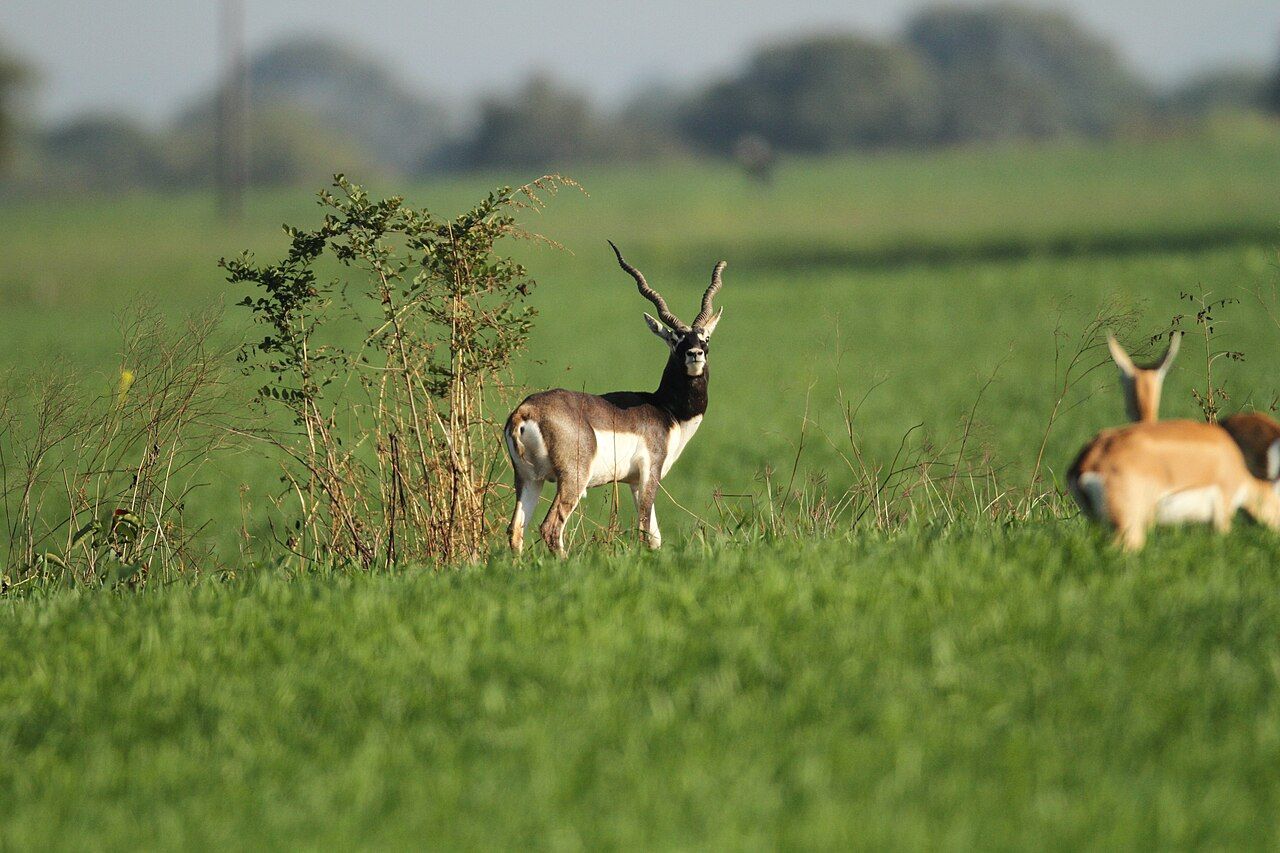
| State animal | Blackbuck (Kala Hiran) |
| State bird | Northern Goshawk (Baaz) |
| State tree | Shisham (Tahli) |
| State aquatic animal | Indus river dolphin |
| Punjab Day | 1 November (reorganisation, 1966) |
The wheat in the state emblem stands for Punjab as the "granary of India". The year to remember for Punjabi as official language is 1967, not 1966 — 1966 is the year of reorganisation.
Key state laws
| Law (year) | What it did |
|---|---|
| Punjab Reorganisation Act (1966) | Created Haryana, gave hill areas to Himachal, made Chandigarh a UT (in force 1 Nov 1966) |
| Punjab Official Language Act (1967) | Punjabi in Gurmukhi became the official language |
| Punjab Legislative Council (Abolition) Act (1969) | Ended the upper house from 1 Jan 1970 |
| Punjab Panchayati Raj Act (1994) | Three-tier panchayats |
| Punjab Lokpal Act (1996) | Set up the state anti-corruption ombudsman (a public complaints officer) |
| Punjab Fire and Emergency Services Act (2024) | Sorts places, buildings and pandals by fire risk (details below) |
Also asked: Fire and Emergency Services Act 2024Tap to open
- It puts places, buildings and pandals in three fire-risk classes — Low, High and Highest. There is no "Moderate" class.
- Wilfully blocking a fire or emergency worker on duty can bring jail of up to three months.
Dated events
- 2015: Parkash Singh Badal got the 14th Sant Namdev National Award.
- June 2020: Vini Mahajan became the first woman Chief Secretary.
- 2021: Malerkotla became the 23rd district.
- Feb–Mar 2022: AAP won 92 of 117 seats; Bhagwant Mann was sworn in on 16 March 2022 at Khatkar Kalan.
- For state schemes and boards, see Punjab government schemes and institutions.
Also asked once: current-affairs itemsTap to open
- 15–17 March 2023: Amritsar hosted the 2nd Education Working Group meeting of the G20 (during India's G20 presidency).
- 26 January 2025: at the 76th Republic Day, the Chief Minister, Bhagwant Mann, attended the state function at Patiala.
Common traps
- 13 vs 7: Lok Sabha = 13, Rajya Sabha = 7. Options often swap them.
- Unicameral, not bicameral: Punjab has had one house since 1 Jan 1970. 117 is correct; 121 is wrong.
- Capitals: Lahore (before 1947) → Shimla (1947–53) → Chandigarh (from 1953). Amritsar and Patiala were never Punjab's capital after 1947 (Patiala was PEPSU's capital).
- First CM vs first CM after 1966: Gopi Chand Bhargava (1947) vs Gurmukh Singh Musafir (1966). First Akali CM: Justice Gurnam Singh (1967).
- Kairon vs Kartar Singh: Partap Singh Kairon was CM (1956–64); Giani Kartar Singh was a big Akali leader but never CM.
- Last President's Rule: 11 Jun 1987 – 25 Feb 1992. The period 1992–95 is Beant Singh's government, not President's Rule.
- Women in panchayats: Punjab = one half (50%); the Constitution's minimum = one-third.
- Who appoints? State Election Commissioner and Advocate General — the Governor; the Governor himself — the President.
- Vini Mahajan = first woman Chief Secretary; Rajinder Kaur Bhattal = first woman CM.
- Kapur Singh = first Speaker (1947); Kaptan Singh Solanki = Governor (additional charge, 2015–16). Do not confuse the names.
Quick revision
Read this the night before the exam.
- First Chief Minister (1947)
- Dr Gopi Chand Bhargava — CM three times
- First CM of reorganised Punjab (1966)
- Giani Gurmukh Singh Musafir
- First Akali / non-Congress CM (1967)
- Justice Gurnam Singh
- First woman Chief Minister
- Rajinder Kaur Bhattal (1996–97)
- First Scheduled Caste CM
- Charanjit Singh Channi (2021–22)
- First Speaker after independence
- S. Kapur Singh (1947–51)
- First Governor of East Punjab
- Sir Chandulal Trivedi (1947–53)
- First woman Chief Secretary
- Vini Mahajan (June 2020)
- First Lokpal (usual exam answer)
- Justice S.S. Sodhi
20 one-line facts for the night beforeTap to open
- Vidhan Sabha: 117 seats, 34 SC-reserved
- Unicameral since: 1 Jan 1970
- Lok Sabha: 13 (4 SC); Rajya Sabha: 7
- Capital: Chandigarh (UT), shared with Haryana
- Capital 1947–53: Shimla; before 1947: Lahore
- Chandigarh planner: Le Corbusier
- High Court: Punjab and Haryana HC, Chandigarh
- Governor = Administrator of Chandigarh (since 1984)
- First Governor: Sir Chandulal Trivedi
- Shortest Governor: Hokishe Sema (12 days, 1985)
- First CM: Gopi Chand Bhargava (3 times)
- First Akali CM: Justice Gurnam Singh (1967)
- First woman CM: Rajinder Kaur Bhattal
- President's Rule: 8 times; last 1987–92
- First Speaker: S. Kapur Singh
- Divisions 5; districts 23 (Malerkotla, 2021)
- Women in panchayats: 50%
- State Election Commissioner: appointed by Governor
- Official language: Punjabi (Gurmukhi), Act of 1967
- First woman Chief Secretary: Vini Mahajan (2020)
Which statement is correct: Punjab has 13 Lok Sabha seats, 7 Rajya Sabha seats and a 117-seat bicameral or unicameral legislature?
Show answer
Unicameral. Punjab has 13 Lok Sabha seats, 7 Rajya Sabha seats and a one-house Vidhan Sabha of 117 seats. The Legislative Council was abolished from 1 January 1970.
Put these CMs in order: Zail Singh, Darbara Singh, Gopi Chand Bhargava, Lachhman Singh Gill.
Show answer
Bhargava (1947) → Gill (1967) → Zail Singh (1972) → Darbara Singh (1980).
When did the last spell of President's Rule in Punjab run?
Show answer
From 11 June 1987 (Barnala government dismissed) to 25 February 1992 (Beant Singh sworn in). It was the eighth and longest spell; none has been imposed since.