Living things too small to see without a microscope are microorganisms or microbes. Most are harmless and many are useful — they make curd, bread and medicines and keep the soil fertile. A few are pathogens that cause disease. Exams ask which microbe causes a disease, how it spreads, which medicine or vaccine works, and who discovered it.
On this page you will learn:
The five groups of microorganisms
Useful microbes, food spoilage and shelf life
Diseases, their germs and how they spread
From 'bad air' to germ theory: the Black Death and the great scientists
Vaccines and antibiotics
5
Groups of microbes
Bacteria, fungi, protozoa, algae, viruses
1796
First vaccine
Edward Jenner, smallpox
2014
India certified polio-free
By the WHO
Kinds of microorganisms
Rule in one line: viruses are the odd ones out — they multiply only inside a living host cell.
Antonie van Leeuwenhoek was the first to see microbes, through his own microscope.
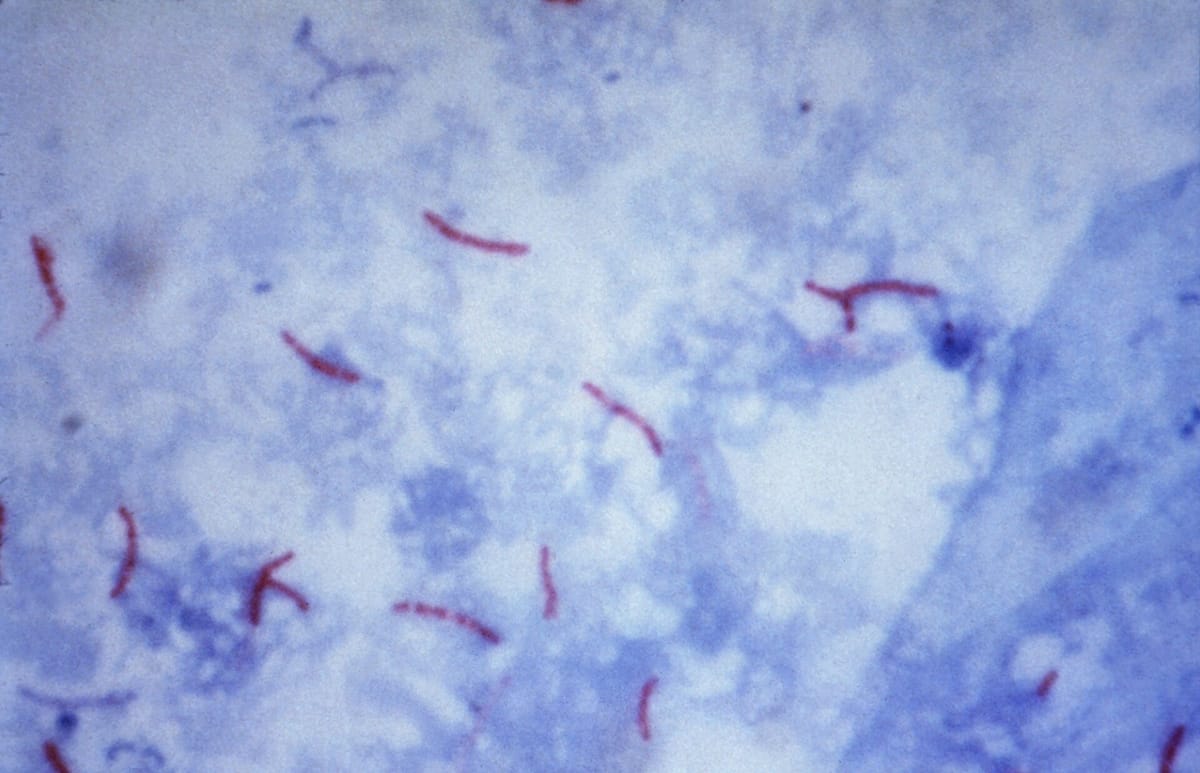
Bacteria under the microscope: the red rods are Mycobacterium tuberculosis, the germ of TB, stained red with a special dye. Robert Koch discovered it in 1882. TB spreads through the air when a patient coughs. Image: CDC / Dr. George P. Kubica, Wikimedia Commons · Public domain
CAUSED BY BACTERIA
Tuberculosis (TB)
Typhoid, cholera
Tetanus, plague
Pneumonia (usually)
CAUSED BY VIRUSES
Common cold, flu, Covid-19
Chickenpox, measles
Polio, dengue, rabies
AIDS (HIV), hepatitis
QUICK CHECK
PYQ · Punjab Police Constable 2021 — Which of the following disease is caused by fungi?
Tap an option to answer
Answer: A — Ring Worm
Ringworm is a fungal skin infection, not a worm. Cholera and TB are bacterial; Covid-19 is viral.
QUICK CHECK
PYQ · Punjab Police SI 2016 — Which of the following is not a viral disease?
Tap an option to answer
Answer: C — Pneumonia
Pneumonia is usually bacterial, though it can also be viral. Chickenpox, AIDS and the common cold are always viral, so pneumonia is the answer.
Microbes in food: friends and spoilers
Rule in one line: microbes need water and warmth — take these away and food keeps longer.
Use
Microbe
What happens
Curd
Lactobacillus (bacterium)
Turns milk into curd
Bread, idli, bhatura
Yeast (Saccharomyces, a fungus)
CO2 gas makes dough rise
Alcohol
Yeast
Sugar becomes alcohol by fermentation
Antibiotics
Fungi and bacteria
Penicillin from Penicillium; streptomycin from Streptomyces
Soil fertility
Rhizobium; blue-green algae
Fix air nitrogen in the soil
Cleaning the environment
Decomposer bacteria and fungi
Break dead matter into manure
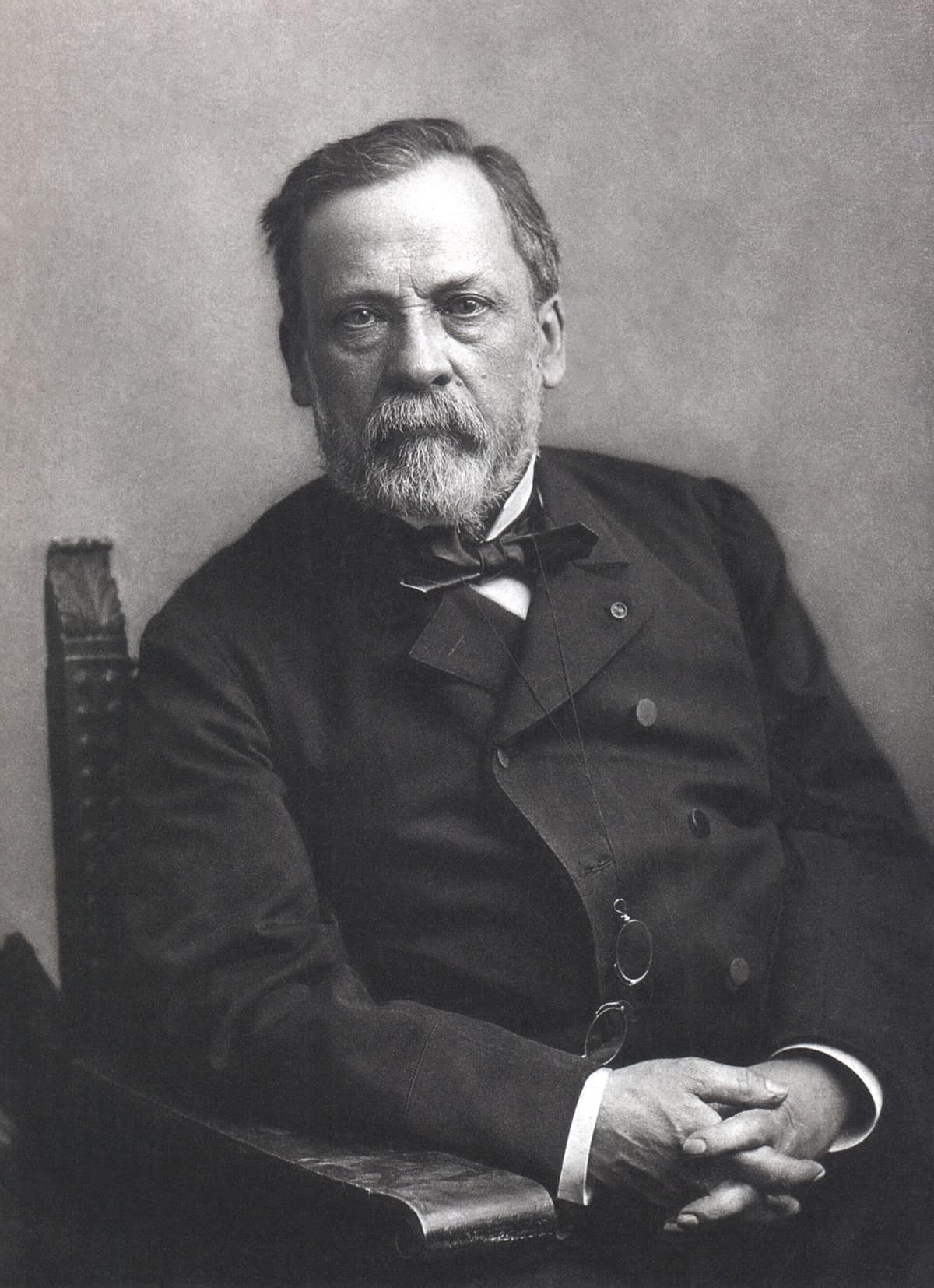
Microbes as friends. Louis Pasteur discovered fermentation in 1857.
TWO KINDS OF FOOD POISONING
Food infection
Food intoxication
What you swallow
Live microorganisms
A toxin already made in the food
What follows
Germs grow in the gut
Poison acts quickly
Example
Salmonella
Botulism
Salmonella bacteria live in raw eggs, undercooked chicken and dirty water. One kind, Salmonella Typhi, causes typhoid.
1
Drying
Removes water. Grains, pulses and biscuits have low water activity, so they keep for months.
2
Salt and sugar
Pull water out of microbes. Used in pickles, jams and squashes.
3
Cold
A fridge slows the growth of microbes; it does not kill them.
4
Pasteurisation
Milk is heated to about 70 °C for 15–30 seconds, then chilled quickly.
Ways to keep food safe. Fresh, moist foods such as milk, meat and fruit are perishable.
QUICK CHECK
PYQ · Punjab Police Constable 2025 — Which of the following types of organisms is responsible for causing food infection upon ingestion?
Tap an option to answer
Answer: C — Microorganisms
Food infection means swallowing live microorganisms that then grow in the body. Hormones, enzymes and toxins are not organisms; a toxin causes food intoxication.
QUICK CHECK
PYQ · Punjab Police Constable 2025 — Which of the following is a likely cause of food poisoning in humans?
Tap an option to answer
Answer: C — Salmonella
Salmonella causes food poisoning. Lactobacillus makes curd, Saccharomyces is baker's yeast, and Pseudomonas denitrificans is a soil bacterium that turns nitrates into nitrogen gas.
QUICK CHECK
PYQ · Punjab Police Constable 2025 — Which of the following factors prolongs the shelf life of non-perishable foods?
Tap an option to answer
Answer: A — They have low water activity, which inhibits microbiological growth.
Microbes need free water to grow. Dry foods such as grains and sugar have little of it, so they last long without a fridge. Moisture helps microbes; it does not stop them.
Diseases and how they spread
Rule in one line: learn each disease with its germ and its carrier.
Disease
Caused by
Spreads through
Tuberculosis (TB)
Bacterium
Air
Typhoid
Bacterium (Salmonella Typhi)
Contaminated water and food
Cholera
Bacterium
Contaminated water and food
Tetanus
Bacterium
Wounds dirtied by soil or rust
Common cold, flu
Virus
Air
Measles, chickenpox
Virus
Air, contact
Polio
Virus
Contaminated food and water
Hepatitis A
Virus
Contaminated water
AIDS
Virus (HIV)
Sexual contact, infected blood, mother to child
Rabies
Virus
Bite of an infected dog or other animal
Dengue
Virus
Aedes mosquito
Malaria
Protozoan (Plasmodium)
Female Anopheles mosquito
Ringworm
Fungus
Contact, shared towels and combs
Common human diseases. Polio spreads mainly through food and water dirtied by an infected person's faeces.
Malaria and dengue: germ and carrier
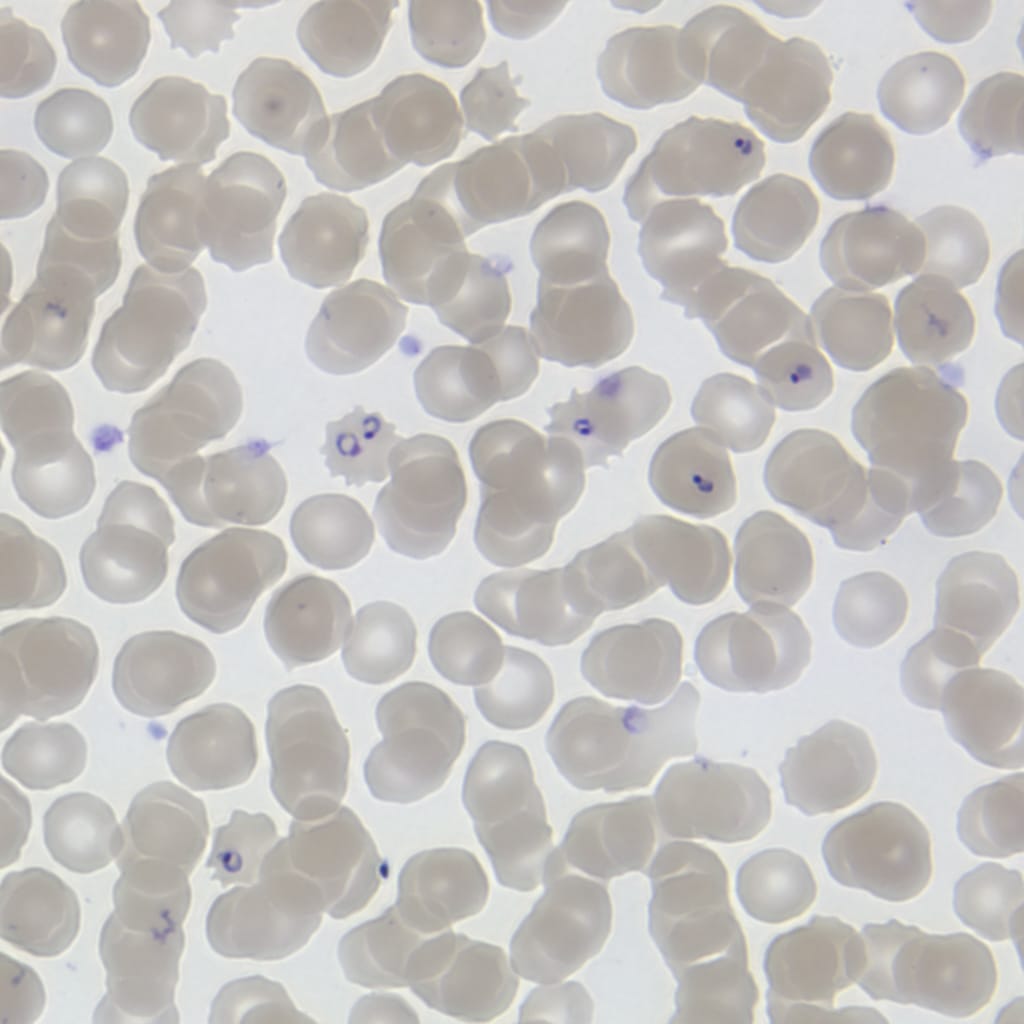
Plasmodium, the malaria protozoan, as small purple rings inside red blood cells
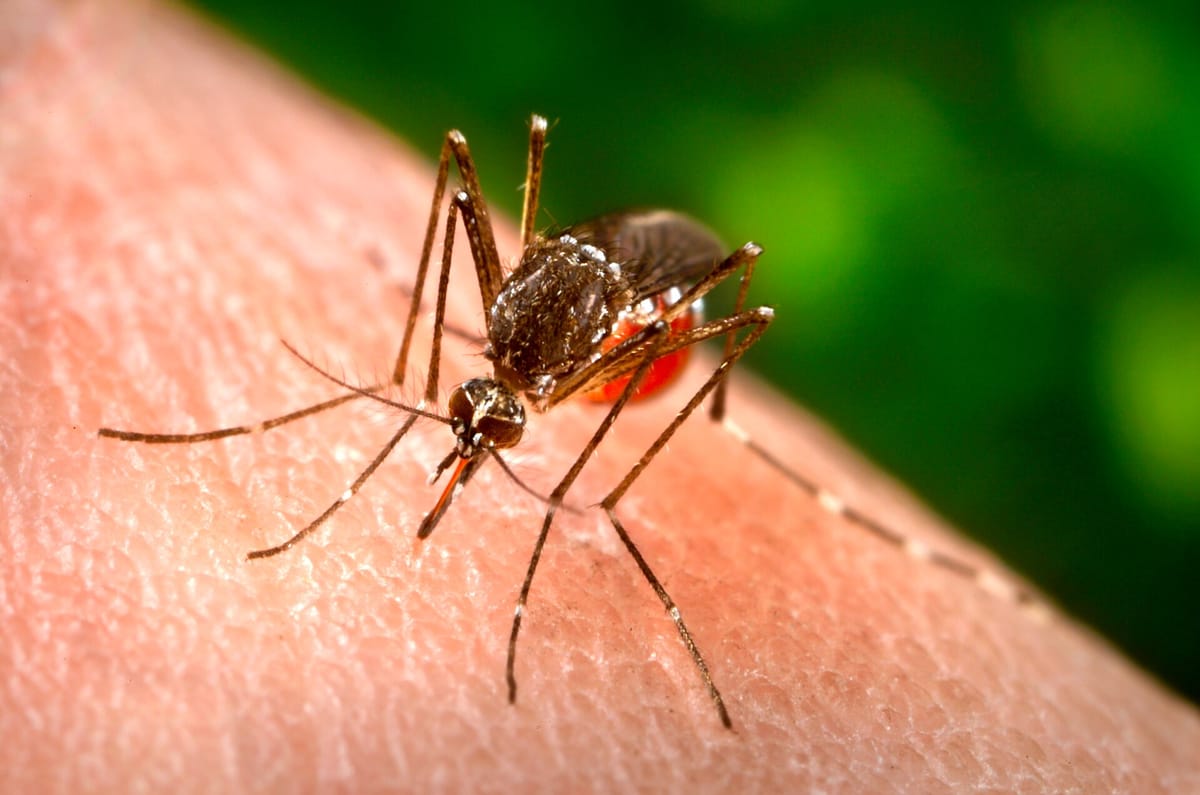
The mosquito only carries the germ. Aedes also spreads chikungunya and yellow fever.
QUICK CHECK
PYQ · PPSC OHE 2016 — Malaria is caused by:
Tap an option to answer
Answer: C — Protozoa
Malaria is caused by the protozoan Plasmodium. The female Anopheles mosquito carries it from person to person.
QUICK CHECK
PYQ · PPSC OHE 2016 — 'Dengue' is caused by:
Tap an option to answer
Answer: B — Aedes aegypti mosquito
Strictly, the cause is the dengue virus; Aedes aegypti is the mosquito that carries it. 'Virus' is not an option, so Aedes aegypti is the best answer. Anopheles carries malaria.
KEY TERM
HIV and AIDS
HIV (Human Immunodeficiency Virus) attacks white blood cells called lymphocytes (helper T-cells). As they are destroyed, the body's defence becomes weak. Then common infections become deadly. This last stage is AIDS — Acquired Immuno Deficiency Syndrome.
HIV enters blood→Lymphocytes destroyed→Immunity falls→AIDS
QUICK CHECK
PYQ · Punjab Police Constable 2024 — The full name of AIDS is ________.
Tap an option to answer
Answer: C — Acquired Immuno Deficiency Syndrome
The 'D' stands for Deficiency — a lack of immunity — not 'Disease'.
QUICK CHECK
PYQ · PPSC OHE 2016 — The HIV virus weakens the immunity of a person because it destroys
Tap an option to answer
Answer: D — Lymphocytes
HIV kills helper T-lymphocytes, the cells that organise the body's defence. Erythrocytes carry oxygen; platelets help clotting.
INFECTIOUS VS NON-INFECTIOUS
Infectious
Non-infectious
Cause
A germ
Diet, genes, lifestyle
Spreads
Yes
No
Examples
TB, malaria, flu, HIV
Diabetes, cancer, high BP
By time: acute diseases (cold, typhoid) last a short time; chronic ones (TB, diabetes) last long.Diseases of animals and plants; tests to knowTap to open
Disease
Host
Caused by
Anthrax
Cattle and humans
Bacterium
Foot-and-mouth disease
Cattle
Virus
Citrus canker
Citrus plants
Bacterium
Rust of wheat
Wheat
Fungus
Yellow vein mosaic
Okra (bhindi)
Virus
Robert Koch discovered the anthrax bacterium in 1876.
The Widal test is a blood test used to confirm typhoid.
A blood smear seen under the microscope shows the malaria parasite in red blood cells.
Mosquitoes also carry filaria (Culex), Japanese encephalitis and yellow fever.
From 'bad air' to germs: a short history
Rule in one line: people once blamed bad air; Pasteur and Koch proved that germs cause disease.
TWO OLD IDEAS ABOUT DISEASE
Miasma theory
Germ theory
Cause of disease
'Bad air' or 'night air' from rot and dirt
Living microorganisms
When
Ancient times to the 1800s
Proved in the late 1800s
Linked names
Blamed for cholera, plague
Pasteur, Koch
'Miasma' is a Greek word for pollution. The theory of humours was another old idea: illness came from an imbalance of four body fluids.
THE BLACK DEATH
In 1347–1351 a plague pandemic swept Europe and killed a very large share of its people — often given as a third to a half or more. Plague is caused by a bacterium (Yersinia pestis) carried by fleas on rats.
MILESTONES AGAINST DISEASE
1796
Edward Jenner
Used cowpox to protect against smallpox — the first vaccine.
1857
Louis Pasteur
Showed that fermentation is done by microbes; later gave pasteurisation and the rabies vaccine (1885).
1882
Robert Koch
Found the TB bacterium. World TB Day, 24 March, marks this.
1897
Ronald Ross
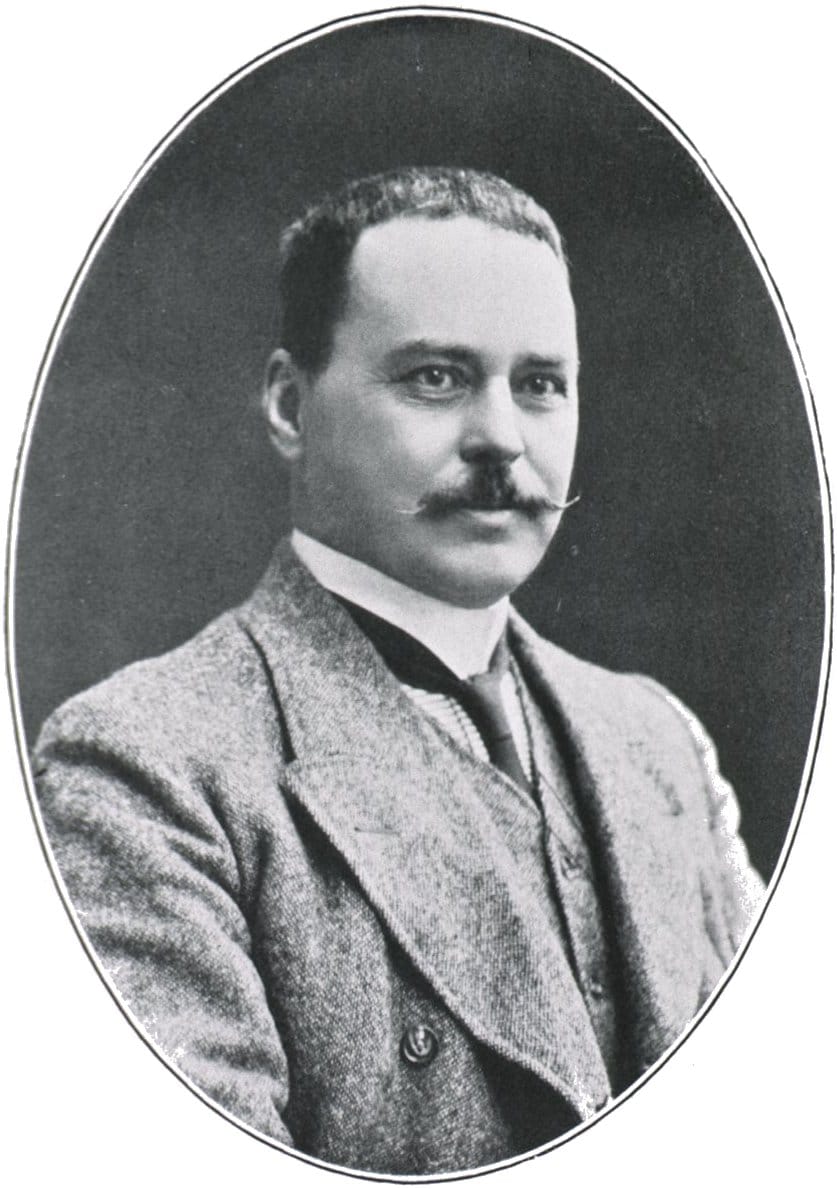
In India, showed that the Anopheles mosquito carries the malaria parasite; Nobel Prize 1902.
1928
Alexander Fleming
Discovered penicillin from the mould Penicillium.
Three names exams ask
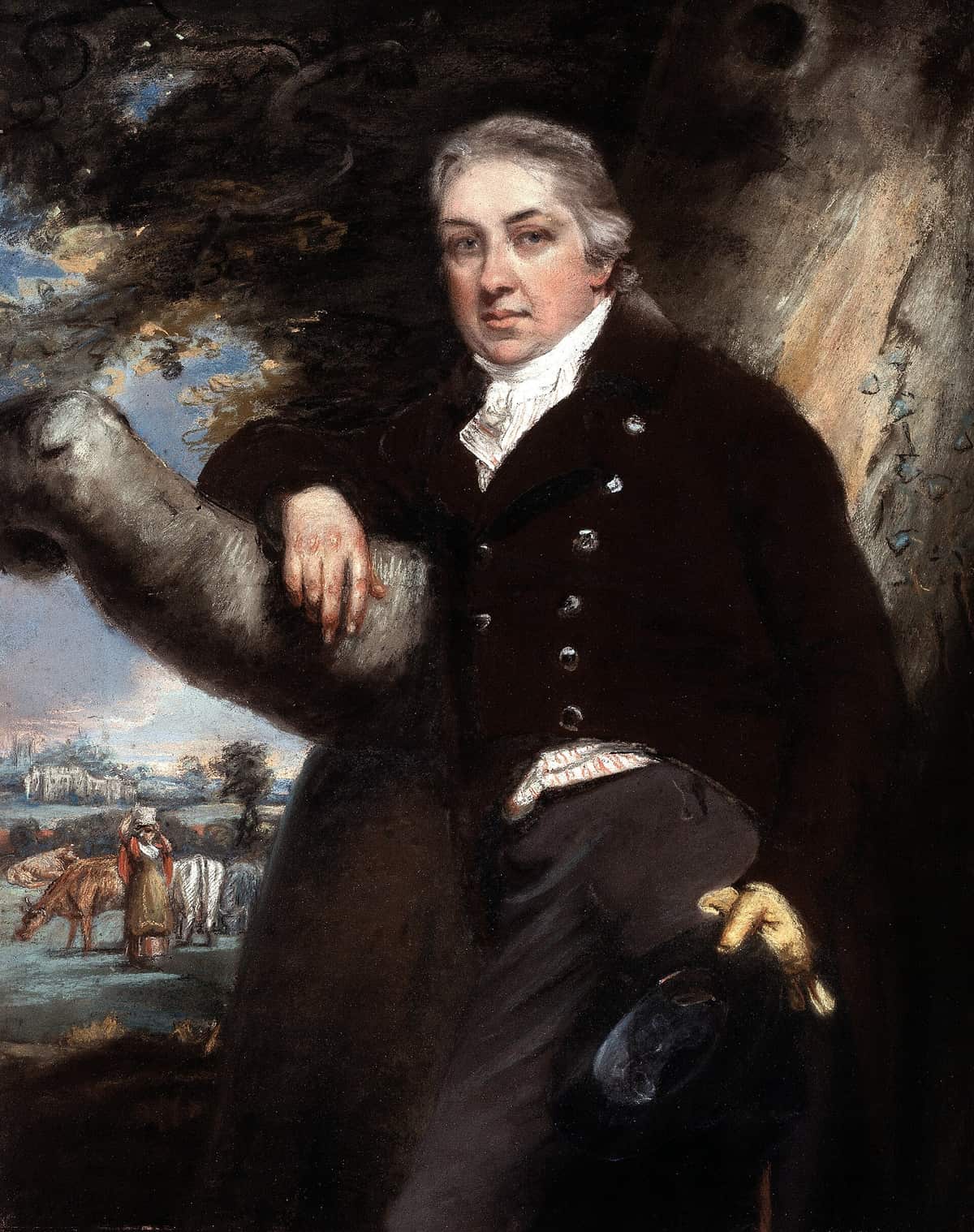
Edward Jenner. Note the cows and milkmaid: he saw that milkmaids who caught cowpox did not get smallpox. 'Vaccine' comes from vacca, Latin for cow.
PYQ · Punjab Police SI 2016 — The Black Death was one of the most devastating pandemics in human history that killed around 60% of Europe's population due to which of the following?
Tap an option to answer
Answer: B — Plague
The Black Death was plague, a bacterial disease spread by rat fleas. The death share is uncertain; some historians give figures as high as the 60% in the question.
QUICK CHECK
PYQ · Punjab Police SI 2021 — The theory that held that diseases such as cholera, chlamydia, plague etc. were caused by pollution or a noxious form of "bad air", also known as "night air", and that diseases were the product of environmental factors is:
Tap an option to answer
Answer: B — The Miasma Theory
'Bad air' is the miasma theory. Germ theory, which replaced it, says living microbes cause disease.
Vaccines and antibiotics
Rule in one line: a vaccine prevents disease in advance; an antibiotic treats a bacterial infection after it starts.
KEY TERM
Vaccine
A vaccine contains dead or weakened germs, or just a harmless part of them such as a protein. It makes the body produce antibodies and remember the germ. A real infection later is fought off quickly. So vaccination is preventive medicine. Smallpox has been wiped out worldwide, and India was certified polio-free in 2014.
Vaccine given→Antibodies made→Memory cells stay→Germ beaten fast
Vaccine
Protects against
BCG
Tuberculosis
OPV (drops) / IPV (injection)
Polio
DPT
Diphtheria, pertussis (whooping cough), tetanus
MMR
Measles, mumps, rubella
Hepatitis A, Hepatitis B
Liver infections
Varicella
Chickenpox
Vaccines in use. There is still no approved vaccine for HIV.
QUICK CHECK
PYQ · Punjab Police SI 2023 — Vaccination is an example of ________.
Tap an option to answer
Answer: C — preventive medicine
A vaccine is given to healthy people before they fall ill, so it prevents disease. Curative medicine treats a disease that has already started.
QUICK CHECK
PYQ · Punjab Police Constable 2021 — Which disease among the following does not have a vaccine?
Tap an option to answer
Answer: D — HIV
Chickenpox, hepatitis A and hepatitis B all have vaccines. HIV keeps changing its surface, and no vaccine has been approved yet.
ANTIBIOTICS DO NOT WORK ON VIRUSES
An antibiotic is a medicine, first made by microbes, that kills or stops bacteria. It blocks processes that only bacteria have. Viruses live inside our own cells, so antibiotics are useless against the cold, flu or chickenpox. Taking them when not needed helps bacteria become resistant.
Antibiotic
Found
Known for
Penicillin
1928, Alexander Fleming, from Penicillium mould
The first antibiotic
Streptomycin
1943, from the soil bacterium Streptomyces
First drug that cured TB
Chloramphenicol
1947, from a Streptomyces bacterium
Used against typhoid
Antibiotics asked in papers. Streptomycin is an aminoglycoside.
TWO WAYS ANTIBIOTICS WORK
Bactericidal
Bacteriostatic
Action
Kills bacteria
Stops their growth
Examples
Penicillin, aminoglycosides
Tetracycline, erythromycin, chloramphenicol
With a bacteriostatic drug, the body's own defence cells finish off the stopped bacteria.
QUICK CHECK
PYQ · Punjab Police Constable 2024 — Which of the following diseases is successfully treated with Streptomycin?
Tap an option to answer
Answer: D — Tuberculosis
Streptomycin (1943) was the first antibiotic that cured TB. Yellow fever is viral and malaria is protozoan, so an antibiotic cannot cure them.
QUICK CHECK
PYQ · Punjab Police SI 2023 — When was Chloramphenicol discovered?
Tap an option to answer
Answer: D — 1947
Chloramphenicol was isolated from a Streptomyces soil bacterium in 1947. It was soon used to treat typhoid.
QUICK CHECK
PYQ · Punjab Police SI 2023 — Which of these is a bactericidal type of antibiotic?
Tap an option to answer
Answer: C — Aminoglycosides
Aminoglycosides such as streptomycin kill bacteria. Tetracycline, erythromycin and chloramphenicol only stop their growth (bacteriostatic).
How to prevent infectious diseases; science in the newsTap to open
Drink boiled or purified water; eat freshly cooked food.
Wash hands with soap before eating and after using the toilet.
Do not let water collect in coolers, tyres and pots — it breeds mosquitoes.
Cover the mouth and nose when coughing or sneezing.
Get every vaccine on time; use mosquito nets and repellents.
In April 2024 the President of India launched India's first home-grown gene therapy for cancer, a CAR-T cell therapy, at IIT Bombay. It was developed with Tata Memorial Hospital.
Traps and practice
Last revision — where the options try to fool you.
COMMON TRAPS
Ringworm is a fungus, not a worm.
Malaria is caused by a protozoan; the female Anopheles mosquito only carries it.
Dengue is a virus carried by Aedes, which bites by day. Anopheles carries malaria.
AIDS: the 'D' is Deficiency, not Disease. HIV destroys lymphocytes, not red cells.
Pneumonia is the usual 'not viral' answer: it is mostly bacterial.
Food lasts longer with low water activity, not high moisture.
The female Anopheles mosquito. Malaria itself is caused by a protozoan called Plasmodium, which the mosquito carries from one person to another.
Which mosquito spreads dengue?
Aedes aegypti, a day-biting mosquito with white bands on its legs. It breeds in clean, still water in coolers, tyres and pots.
Is ringworm caused by a worm?
No. Ringworm is a fungal infection of the skin. It spreads by contact and shared towels or combs.
What is the full form of AIDS, and how does HIV harm the body?
Acquired Immuno Deficiency Syndrome. HIV destroys lymphocytes (helper T-cells), so the body's defence becomes weak.
Is there a vaccine for HIV?
No approved vaccine exists yet. Chickenpox, hepatitis A and hepatitis B do have vaccines.
Why is vaccination called preventive medicine?
Because it is given before illness. It trains the body to make antibodies, so the disease does not take hold later.
Which antibiotic was first used to cure tuberculosis?
Streptomycin, discovered in 1943 from the soil bacterium Streptomyces. It is an aminoglycoside, a bactericidal antibiotic.
Why don't antibiotics work against viral diseases?
Antibiotics block processes found only in bacteria. Viruses lack these processes and multiply inside our own cells.
Why do dry foods such as grains keep for months?
They have low water activity. Microbes need free water to grow, so dry foods do not spoil quickly.
What was the miasma theory?
An old belief that diseases such as cholera and plague came from 'bad air' given off by rotting matter. Germ theory, proved by Pasteur and Koch, replaced it.
Now sit the questions they actually set
Previous-year PPSC questions on this topic, free to read with the worked answer.