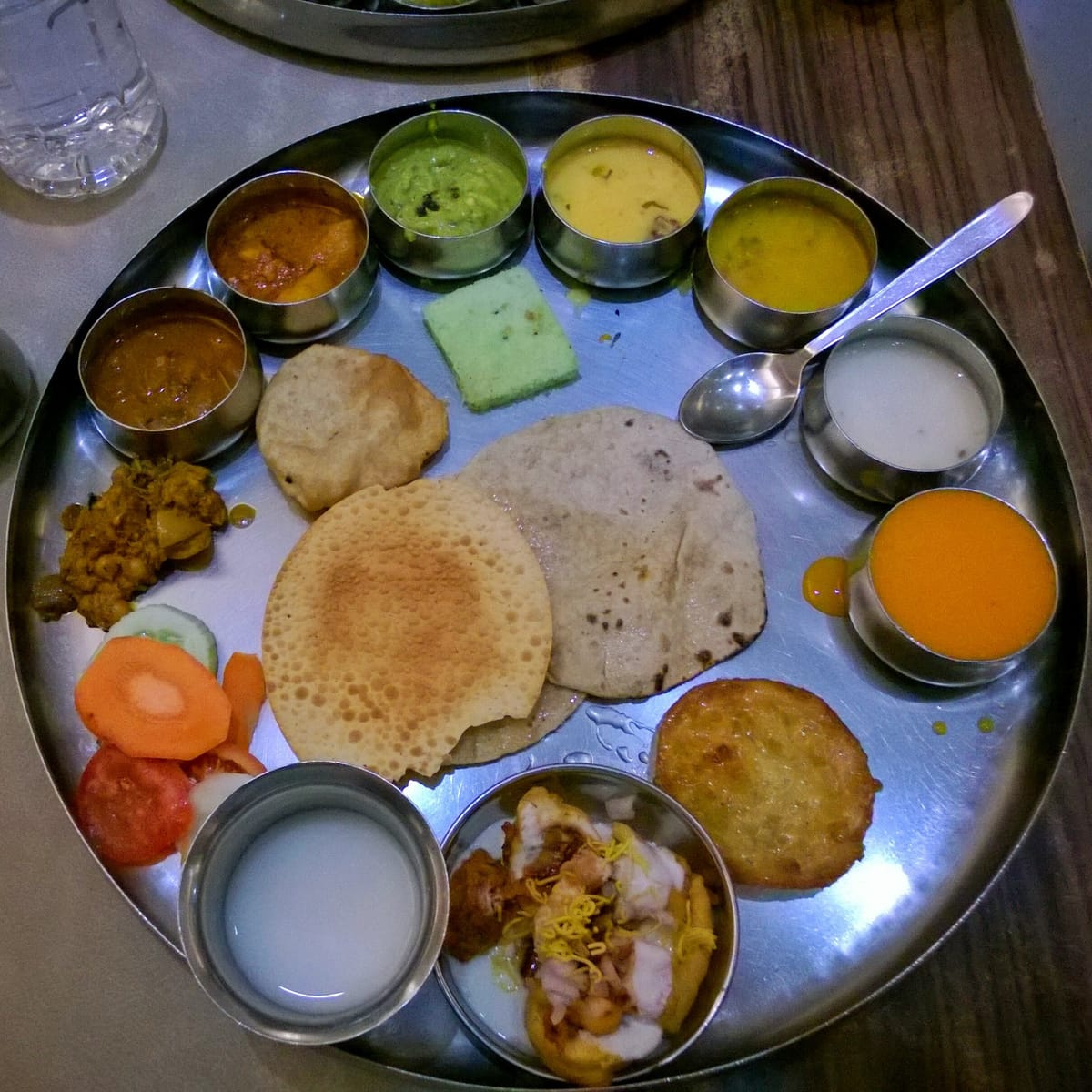
Food keeps us alive, but the nutrients inside food do the work. Some give energy, some build the body, and some protect it. When a nutrient is missing for a long time, a deficiency disease follows. Punjab Police papers ask about this chapter more than any other part of General Science.
On this page you will learn:
- The seven components of food and the three macronutrients
- Simple and complex carbohydrates; good and bad fats
- Proteins and the 20 amino acids
- Every vitamin with its source and deficiency disease
- Minerals: calcium, iron, iodine, sodium and fluoride
- Kwashiorkor, marasmus, goitre and other deficiency diseases
- Balanced diet, obesity, and food for players
Nutrients: what food gives us
Rule in one line: carbohydrates and fats give energy, proteins build the body, vitamins and minerals protect it.
Nutrients are the substances in food that the body needs. The body needs carbohydrates, proteins and fats in large amounts, so they are called macronutrients. They give energy and help growth. Vitamins and minerals are needed in small amounts; they are micronutrients. Add fibre and water, and food has seven components.
| Component | Main job | Rich sources |
|---|---|---|
| Carbohydrates | Main and quickest source of energy | Wheat, rice, maize, potatoes, sugar, jaggery |
| Fats | Stored energy; carries vitamins A, D, E, K | Ghee, butter, cooking oil, nuts, oilseeds |
| Proteins | Body-building and repair; enzymes, antibodies | Pulses, soybean, milk, paneer, eggs, meat, fish |
| Vitamins | Protect from disease; keep body processes running | Fruits, vegetables, milk, eggs |
| Minerals | Bones, teeth, blood, nerves, body fluids | Milk, leafy vegetables, salt, fruits |
| Dietary fibre (roughage) | Moves food through the gut; prevents constipation | Whole grains, husk, fruits, salad |
| Water | Carries nutrients and wastes; controls body temperature | Drinking water, fruits, milk, soups |
Water gives no energy, yet every body process needs it. It carries nutrients, removes wastes in urine and sweat, and keeps body temperature steady by sweating (thermoregulation). About two-thirds of the body is water. A dry mouth and headache are common early signs of mild dehydration.
| Nutrient | Test | Positive result |
|---|---|---|
| Starch | Add a few drops of dilute iodine solution | Blue-black colour |
| Protein | Add copper sulphate solution, then caustic soda | Violet colour |
| Fat | Rub the food on a piece of paper | Oily patch that lets light through |
Carbohydrates and fats
Rule in one line: sugars are simple, starch is complex; both end up as glucose.
- 1MonosaccharidesOne sugar unit: glucose, fructose
- 2DisaccharidesTwo units: cane sugar (sucrose), milk sugar (lactose)
- 3PolysaccharidesMany units: starch, glycogen, cellulose
Trans fats raise 'bad' (LDL) cholesterol and harm the heart. Small amounts occur naturally in dairy products and the meat of cows, buffaloes and goats. Most trans fat, though, comes from vanaspati and other partly hydrogenated oils used in fried snacks and bakery items.
Proteins and amino acids
Rule in one line: proteins are long chains built from 20 kinds of amino acids.
Every protein is made of repeating units called amino acids. Only 20 kinds of amino acids join in long chains, in different orders, to make every protein in the body. It is like 35 Gurmukhi letters making countless words. Digestion breaks food proteins back into amino acids, and the body reuses them.
- The body cannot make them; they must come from food
- Examples: lysine, leucine, tryptophan, valine
- Milk, eggs and meat have all of them in good balance
- The body can make them itself
- 'Non-essential' does not mean unimportant
- Examples: glycine, alanine, glutamic acid
Animal proteins such as milk and eggs give all essential amino acids.
A low-cost protein source; pulses and soybean are too.
Cereals with pulses together cover each other's missing amino acids.
Athletes need extra protein for muscle repair after hard training.
Protein facts asked in Constable 2025 papers
Vitamins
Rule in one line: A, D, E and K dissolve in fat; the B group and C dissolve in water.
| Vitamin | Main role | Sources | Deficiency |
|---|---|---|---|
| A (retinol) | Eyesight, healthy skin | Carrot, papaya, mango, milk, fish-liver oil | Night blindness, xerophthalmia |
| B1 (thiamine) | Nerves; using carbohydrates | Whole grains, pulses, unpolished rice | Beriberi |
| B2 (riboflavin) | Skin, growth | Milk, eggs, green vegetables | Cracks at mouth corners |
| B3 (niacin) | Skin, digestion, nerves | Groundnut, grains, meat | Pellagra |
| B9 (folic acid) | Cell division, red blood cells | Leafy vegetables, pulses | Anaemia; birth defects |
| B12 (cobalamin) | Red blood cells, nerves | Milk, curd, eggs, meat | Anaemia (pernicious anaemia) |
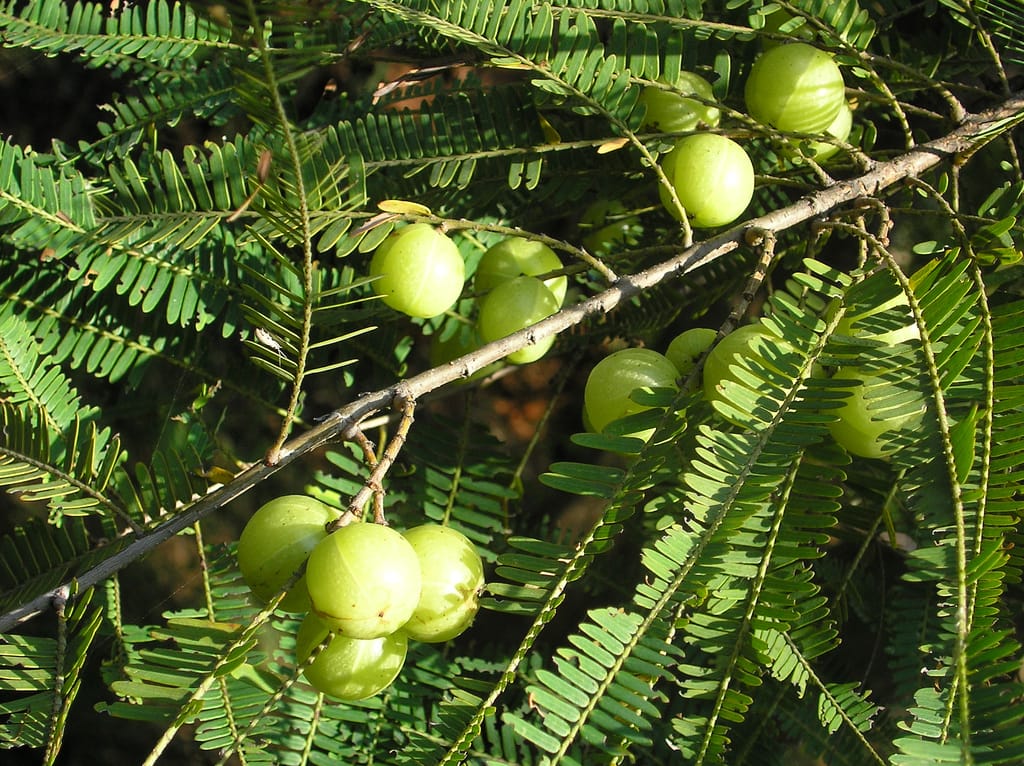
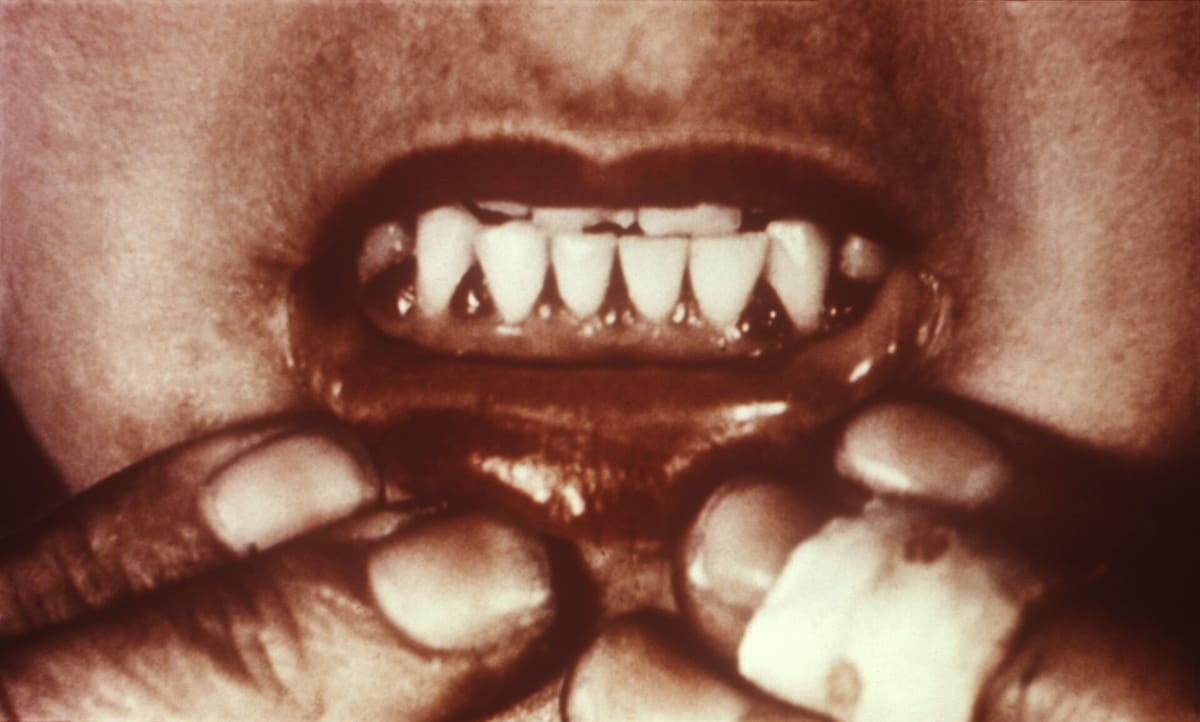
| C (ascorbic acid) | Gums, wound healing, immunity; an antioxidant | Amla, oranges, lemon, guava, tomato | Scurvy (bleeding gums) |
| D (calciferol) | Absorbs calcium for strong bones and teeth | Sunlight on skin, milk, eggs, fish | Rickets; osteomalacia in adults |
| E (tocopherol) | Antioxidant; protects cell membranes, including those of red blood cells | Wheat germ, vegetable oils, nuts | Muscle and nerve weakness |
| K (phylloquinone) | Blood clotting | Spinach, cabbage, other leafy greens | Slow clotting, heavy bleeding |
Fat-soluble vitamins: A, D, E, K — remember the word 'ADEK'. All the others (the eight B vitamins and C) dissolve in water.
Our skin makes vitamin D in sunlight, and gut bacteria make vitamin K. Vitamin B12 comes almost only from animal foods such as milk, curd and eggs, so strict vegetarians must watch it. Vegetables and fruits are called protective foods: they help the body fight infections and diseases.
Minerals
Rule in one line: minerals are needed in small amounts, but no body process works without them.
| Mineral | Main role | Sources | If lacking |
|---|---|---|---|
| Calcium | Bones and the strengthening of teeth; nerve transmission and muscle function; clotting | Milk, curd, paneer, ragi, leafy greens | Weak bones and teeth; osteoporosis |
| Iron | Part of haemoglobin, which carries oxygen | Green leafy vegetables, jaggery, dates, pulses, meat | Anaemia: low haemoglobin, tiredness, pale skin |
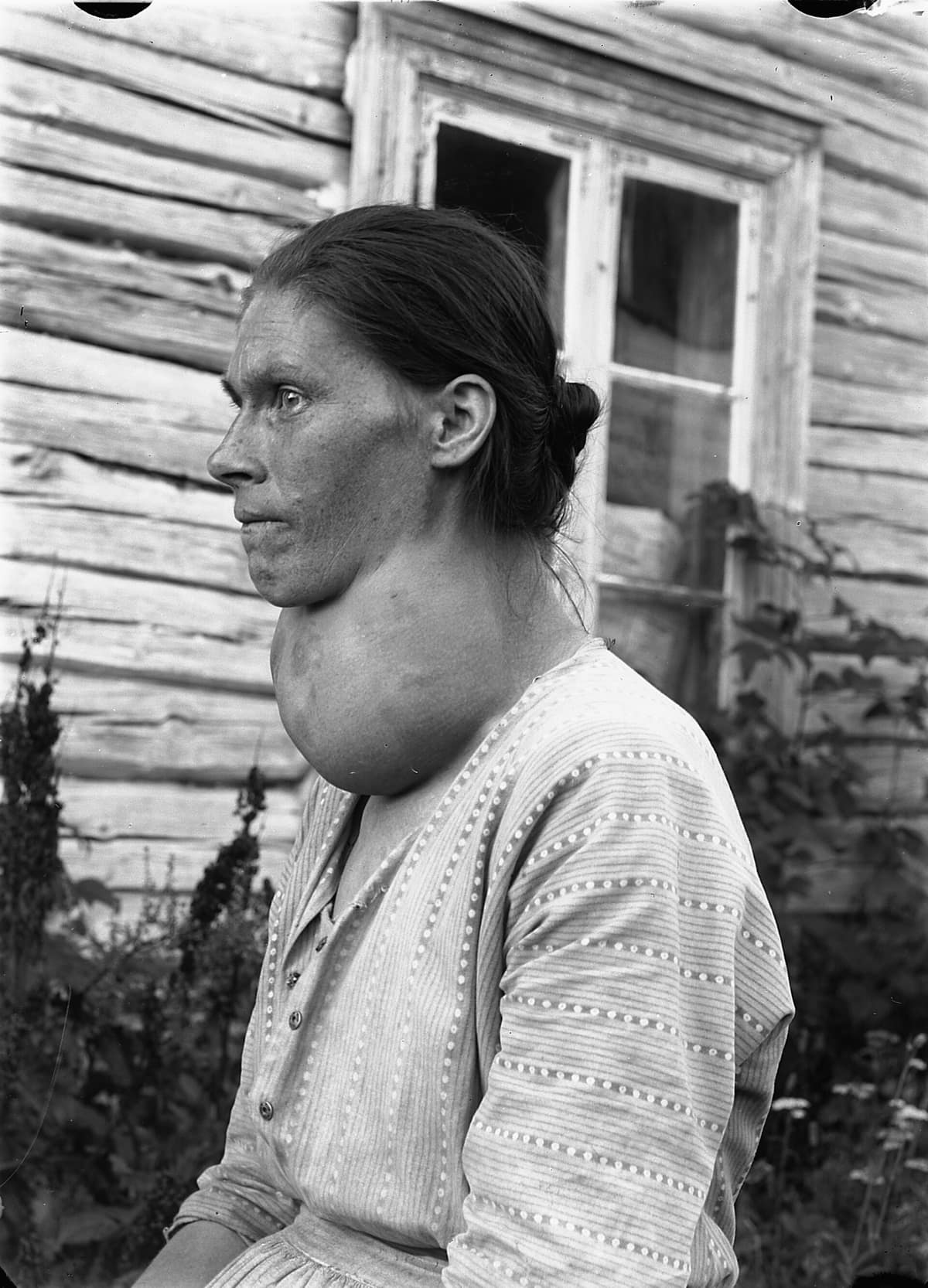
| Iodine | Makes the thyroid hormone (thyroxine) | Iodised salt, seafood | Goitre; cretinism in children |
| Sodium | Water balance, nerve signal transmission | Common salt | Cramps; too much raises blood pressure |
| Potassium | Nerves, heart beat, muscles | Banana, potato, coconut water | Muscle weakness |
| Fluoride | Hard, decay-resistant teeth | Drinking water, tea and fish, spinach | Tooth caries (decay) |
Deficiency diseases
Rule in one line: a long lack of one nutrient gives one typical disease.
| Disease | Caused by lack of | Main signs |
|---|---|---|
| Kwashiorkor | Protein | Swelling (oedema), fatty enlarged liver, thin hair, skin patches |
| Marasmus | Protein and energy both | Very thin body, wasted muscles, wrinkled skin |
| Night blindness | Vitamin A | Poor vision in dim light |
| Beriberi | Vitamin B1 | Weak muscles, nerve damage |
| Pellagra | Vitamin B3 | Skin rash, diarrhoea, confusion |
| Scurvy | Vitamin C | Bleeding gums, slow wound healing |
| Rickets | Vitamin D (and calcium) | Soft, bent bones in children |
| Anaemia | Iron (also B9, B12) | Tiredness, pale skin, breathlessness |
| Goitre | Iodine | Swollen thyroid in the neck |
Balanced diet, obesity and food for players
Rule in one line: eat what your body uses — no less, no more.
A balanced diet gives every nutrient in the right amount for a person's age, work and health, with enough fibre and water. Optimal nutritional status comes from balanced nutrients — not from too little, and not from too much. Food choices also depend on individual likes/dislikes, cost, season and custom.
Good physical health is best shown by a person who can perform routine daily tasks efficiently, experiences minimal fatigue and has strong immunity — not by body weight alone, and not by exercise alone. The WHO defines health as complete physical, mental and social well-being.
- 1More energy eaten than usedFast food, sweets, little exercise
- 2Extra stored as fatThis is an energy imbalance
- 3Weight risesChildren who eat only fast food become obese
- 4ObesityRisk of diabetes, high blood pressure, heart disease
The main source of energy for a football player or runner.
Roti, bread, potatoes, or cereal with milk — not heavy fat like butter and paneer.
Water 15-20 minutes before the event, sips at regular intervals, and electrolyte drinks.
They give no energy but keep overall health and prevent deficiencies.
Diet for players. Constable 2025 papers asked each of these.
| Type | Keeps for | Examples |
|---|---|---|
| Perishable | A day or a few days | Milk, curd, paneer, meat, fish, green vegetables |
| Semi-perishable | Weeks | Potatoes, onions, apples, nuts |
| Non-perishable | Months, if kept dry | Sugar, salt, pulses, cereals, oil |
More facts that are asked onceTap to open
- Pregnant women need a balanced diet rich in iron and folic acid. Eating fast food often is not good for them.
- Eating disorders such as anorexia nervosa can delay a girl's periods. The cause is excessive physical activity and inadequate nutrition.
- Nutritional psychiatry studies how diet affects mental health.
- Caffeine in many soft drinks makes the body pass more urine (a mild diuretic effect), so they are a poor way to replace lost water.
- Anaemia is still common in India because plant foods give iron that is poorly absorbed (phytates in cereals, polyphenols in tea), and because iron-folic acid tablets do not reach every pregnant woman.
- Polishing rice removes its outer layer and much of the vitamin B1 — the cause of beriberi in rice-eating areas.
- Soybean has the most protein among pulses — about 40%. Milk is nearly complete but poor in iron and vitamin C.
- Pasteurisation: milk is heated to about 70 °C for 15 to 30 seconds, then quickly chilled. It is named after Louis Pasteur.
Traps and practice
Last revision — where the options try to fool you.
- Water is essential, but it is not a source of energy.
- Fat gives the most energy per gram (9 kcal), but carbohydrate is the main fuel, also for players.
- Rice and bread are complex carbohydrates; sugar and fruit sugars are simple.
- Vitamin K is for clotting; vitamin C is for gums. B12 lack gives anaemia; B3 lack gives pellagra.
- Iron lack lowers haemoglobin; iodine lack lowers thyroxine and gives goitre.
- Too little fluoride = tooth decay; too much = mottled teeth (fluorosis).
- Kwashiorkor = protein only; marasmus = protein and calories.
- Haemoglobin and insulin are globular; myosin and keratin are fibrous.
A player has a race at 9 am. What should she eat for breakfast, and why?
Show answer
Light carbohydrate food such as roti, bread or cereal with milk, because carbohydrates give quick energy. She should avoid heavy fat like butter and paneer, and drink water before the race.
- Night blindness
- Vitamin A
- Beriberi
- Vitamin B1
- Scurvy
- Vitamin C
- Rickets
- Vitamin D
- Slow blood clotting
- Vitamin K
- Antioxidant in wheat germ
- Vitamin E
- Goitre; cretinism
- Iodine
- Anaemia, low haemoglobin
- Iron
- Kwashiorkor
- Protein
- Macronutrients: carbohydrates, proteins, fats
- Energy per gram: fat 9 kcal; carbohydrate and protein 4 kcal each
- Proteins: 20 amino acids, 9 essential; milk has the best mix
- Fat-soluble vitamins: A, D, E, K
- Sodium: nerve signals; calcium: teeth, nerves and muscles
- Fluoride: tea and fish, spinach
- Obesity = energy imbalance
- Milk is perishable; sugar, pulses and oil are not