The life of the Buddha
Birth, the Great Renunciation, enlightenment, first sermon and death — with places, people and symbols.
In the 6th century BCE the Ganga valley was changing fast: new kingdoms like Magadha and Kosala were growing, towns and trade were rising, and many people were unhappy with costly Vedic rituals, animal sacrifice and the rigid caste order. Many new teachers appeared at this time. Two of their movements became world religions: Buddhism and Jainism. Buddhism was founded by Gautama Buddha, whose childhood name was Siddhartha.
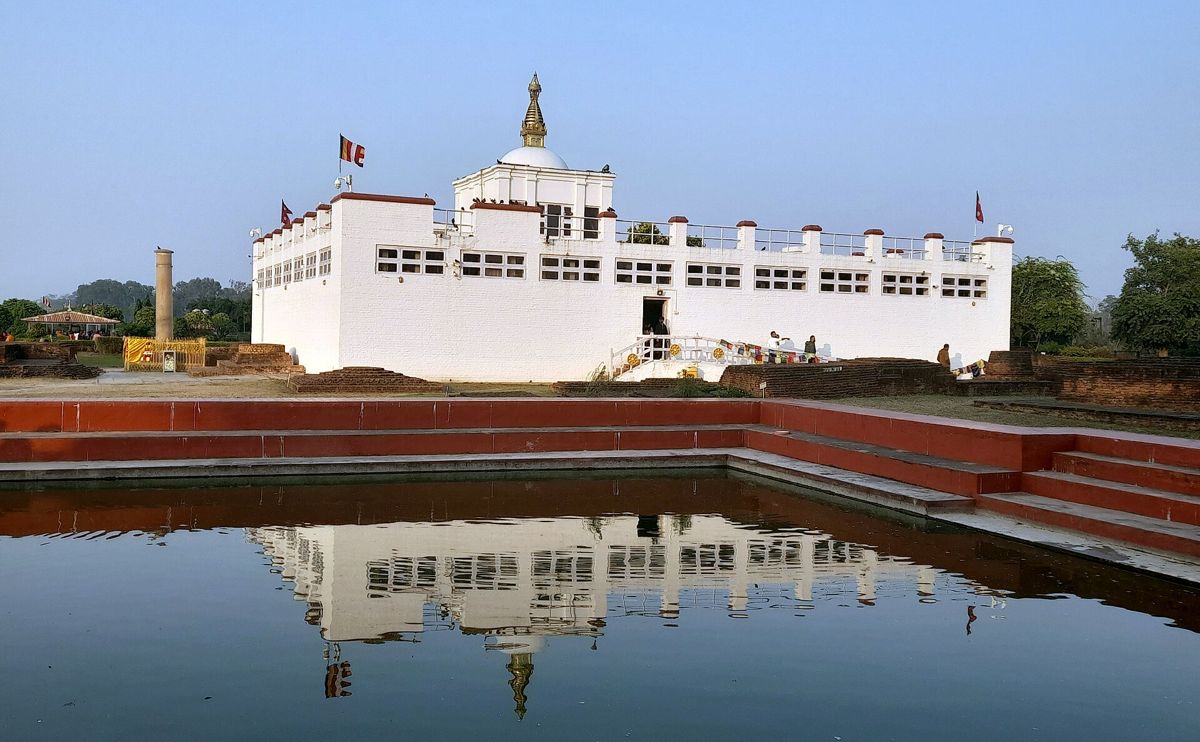
| Who / what | Name | Remember |
|---|---|---|
| Clan | Shakya | so he is also called Shakyamuni ('sage of the Shakyas') |
| Father | Suddhodana | chief of the Shakya gana (republic) of Kapilavastu |
| Mother | Mahamaya | died 7 days after his birth |
| Brought up by | Mahaprajapati Gautami | his aunt and step-mother; later the first Buddhist nun |
| Wife | Yashodhara | mother of Rahula |
| Son | Rahula | later joined the Sangha as a novice monk |
| Horse · charioteer | Kanthaka · Channa | used when he left home |
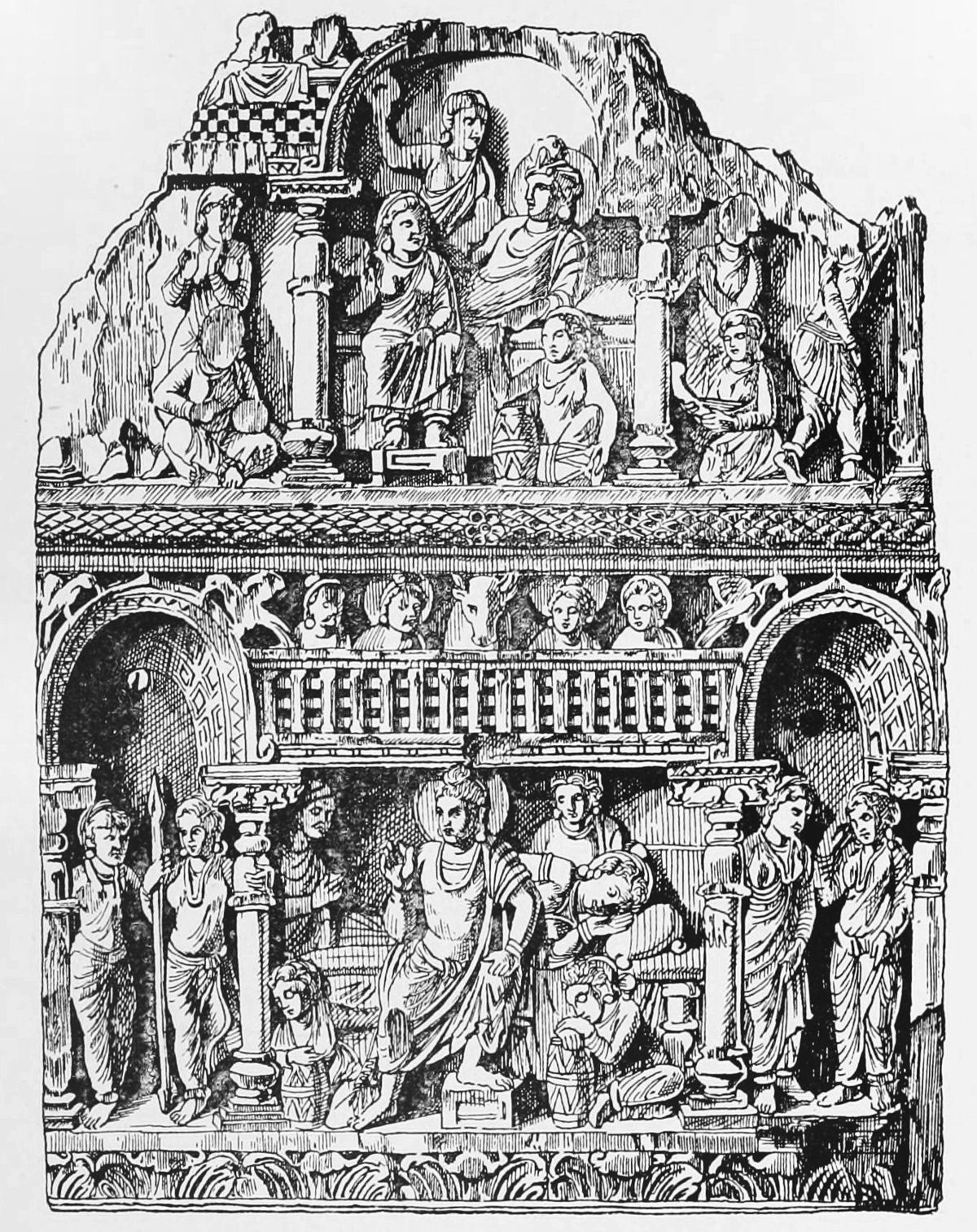
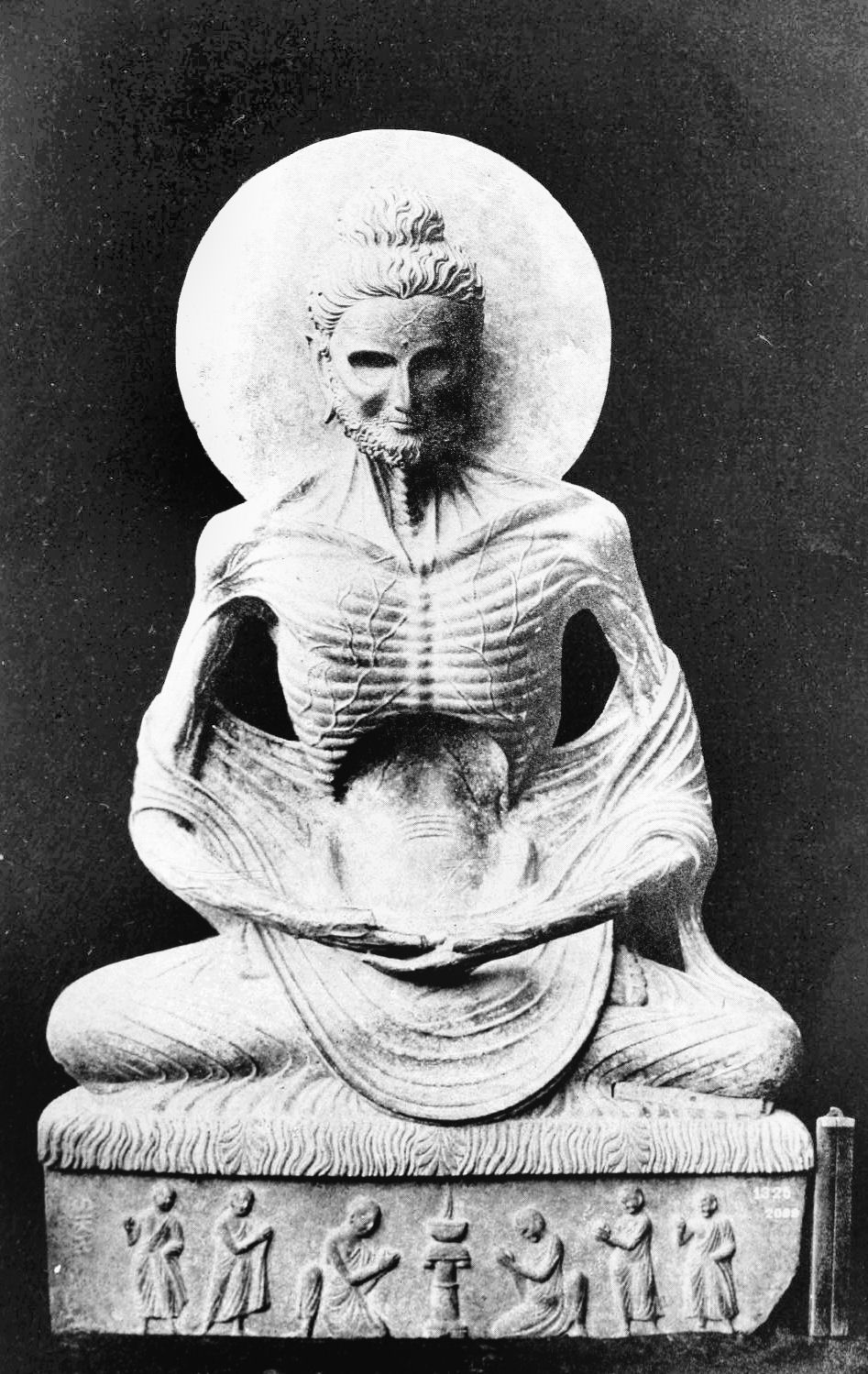
As a prince, Siddhartha lived in comfort. Then he saw four sights: an old man, a sick man, a dead body and a calm ascetic (monk). They made him ask why people suffer. At 29 he left his palace at night on his horse Kanthaka, with his charioteer Channa. This is the Mahabhinishkramana ('Great Renunciation'). He studied under two teachers, Alara Kalama and Udraka Ramaputra, and then practised harsh fasting for six years — but found that starving the body did not bring wisdom.
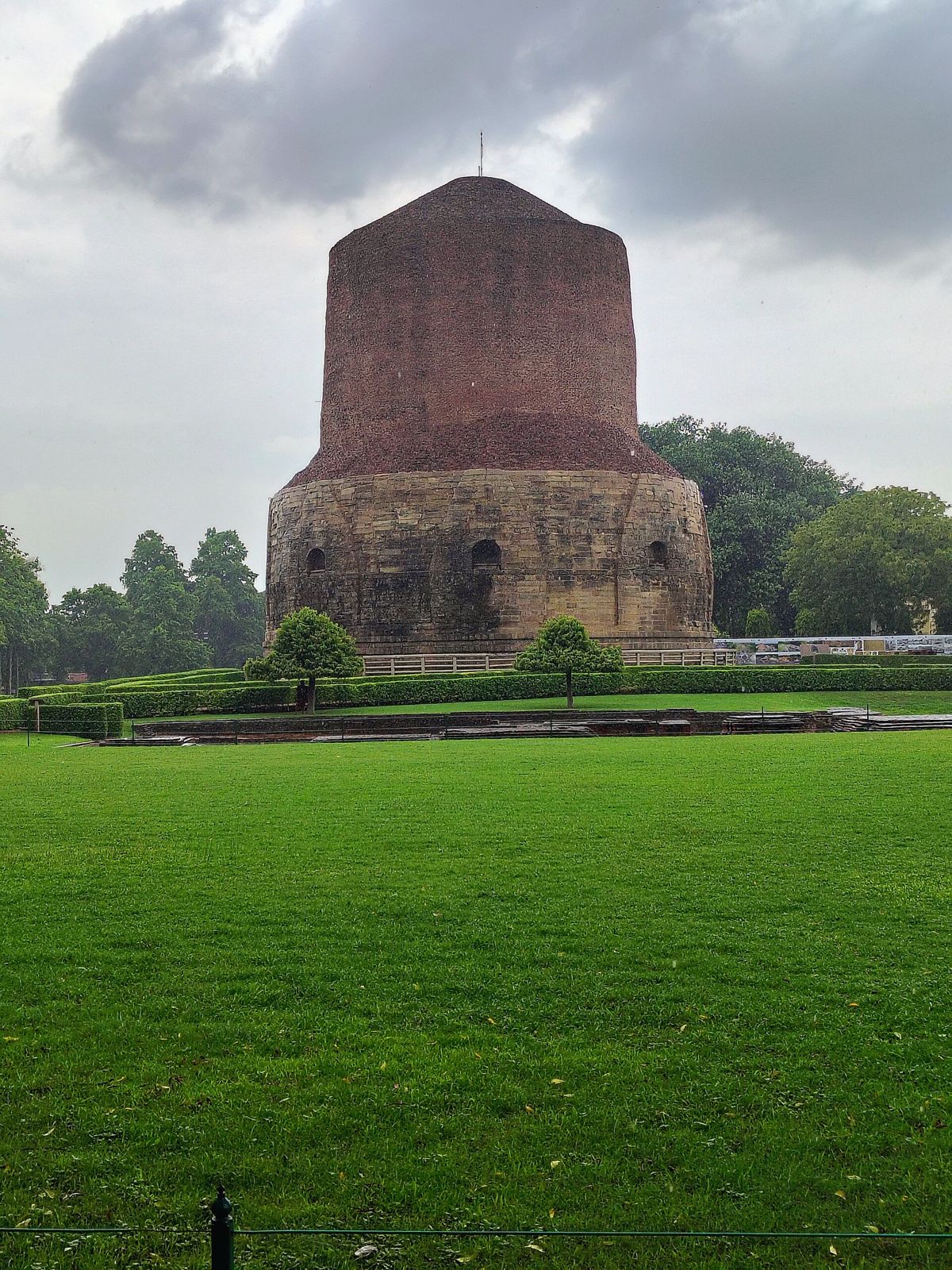
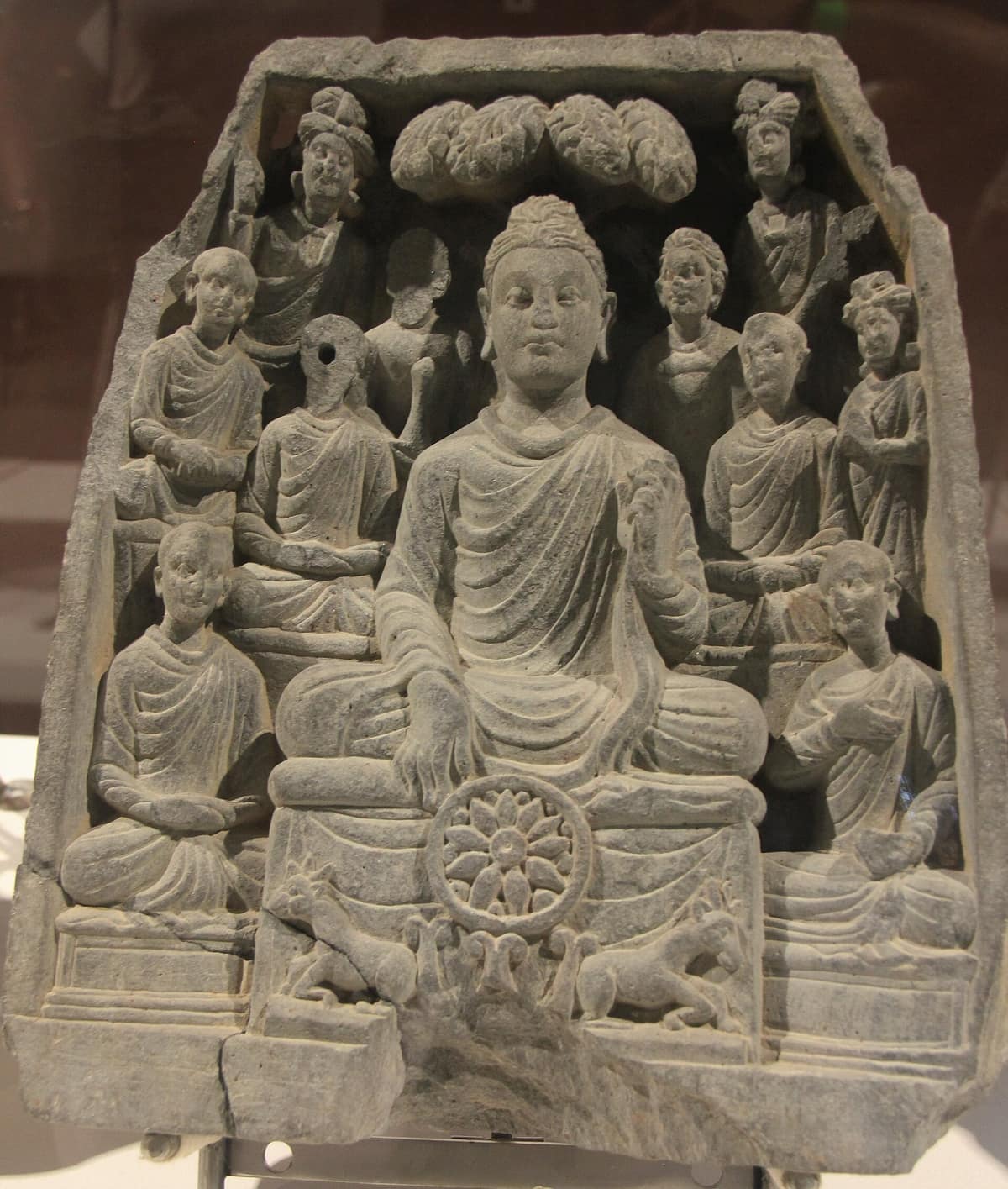
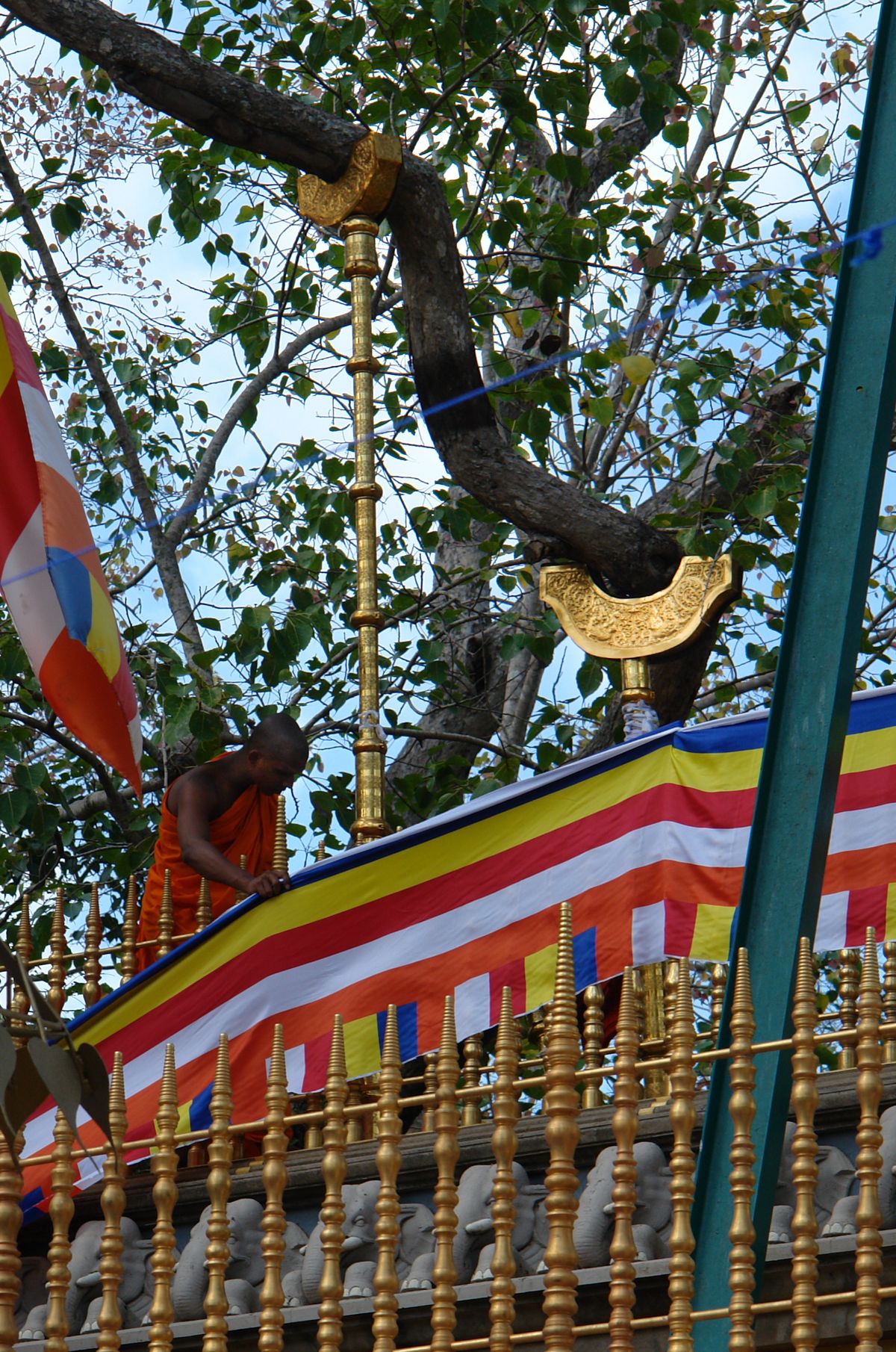
At 35, at Uruvela (today Bodh Gaya, Bihar), on the bank of the Niranjana river, he sat in meditation under a pipal tree for 49 days and attained enlightenment (nirvana / sambodhi). From then he was the Buddha — 'the awakened / enlightened one' — and the tree became the Bodhi tree. He gave his first sermon to his five former companions at the Deer Park (Mrigadava / Rishipatana) in Sarnath, near Varanasi. This is called Dharmachakra Pravartana — 'turning the wheel of Dharma'.
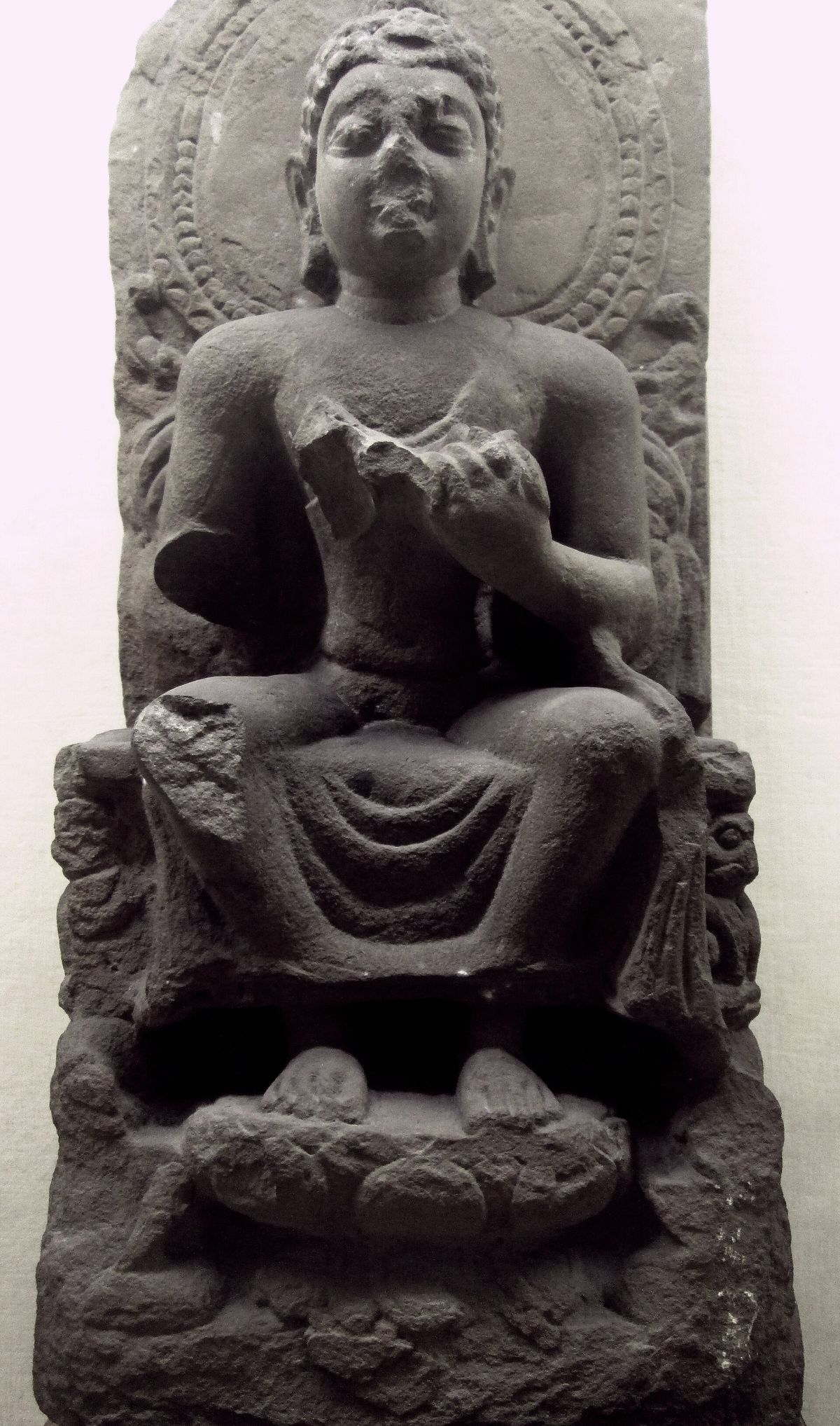
For about 45 years the Buddha walked from town to town teaching in Pali, the everyday language of the people (not in Sanskrit). He gave the largest number of sermons at Shravasti, capital of Kosala, where the rich merchant Anathapindika gifted him the Jetavana monastery. His followers formed the Sangha (order of monks), which was open to all castes; women were admitted as nuns too. Well-known disciples include Ananda, Upali, Sariputta and Moggallana. Kings who supported him: Bimbisara and Ajatashatru of Magadha, and Prasenajit of Kosala.
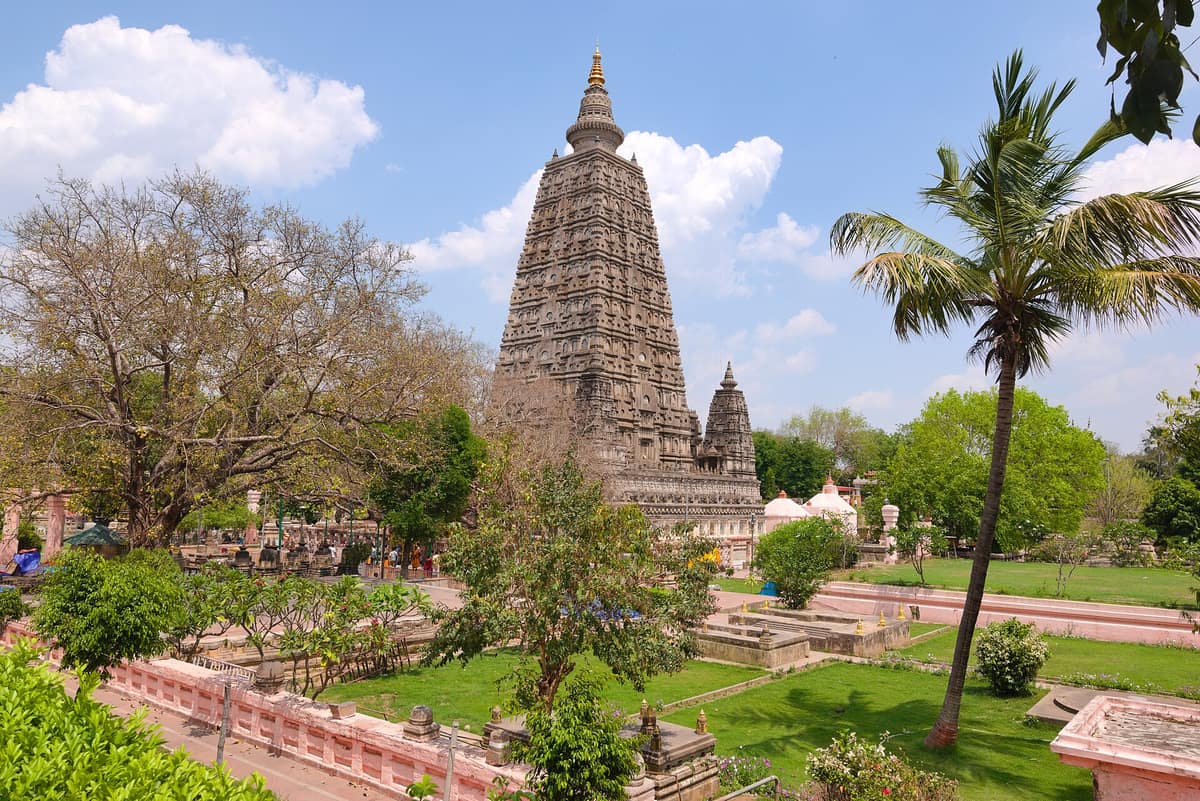
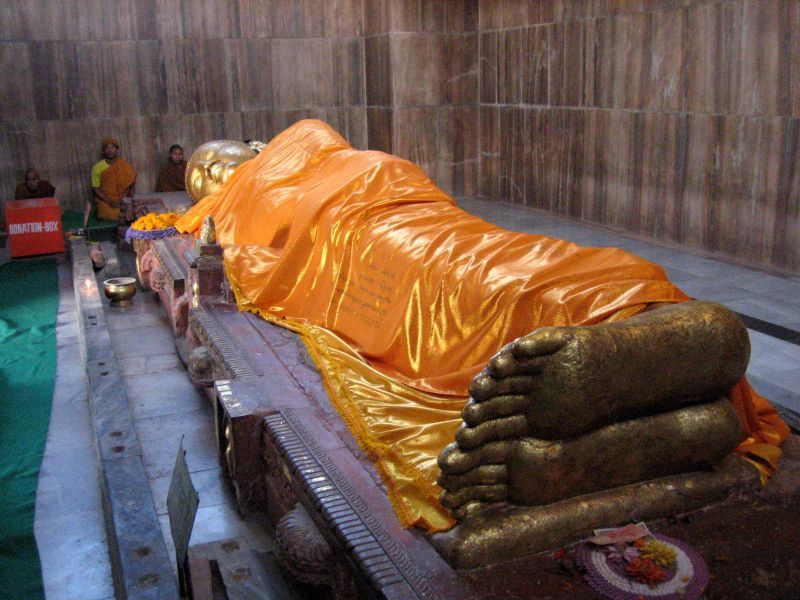
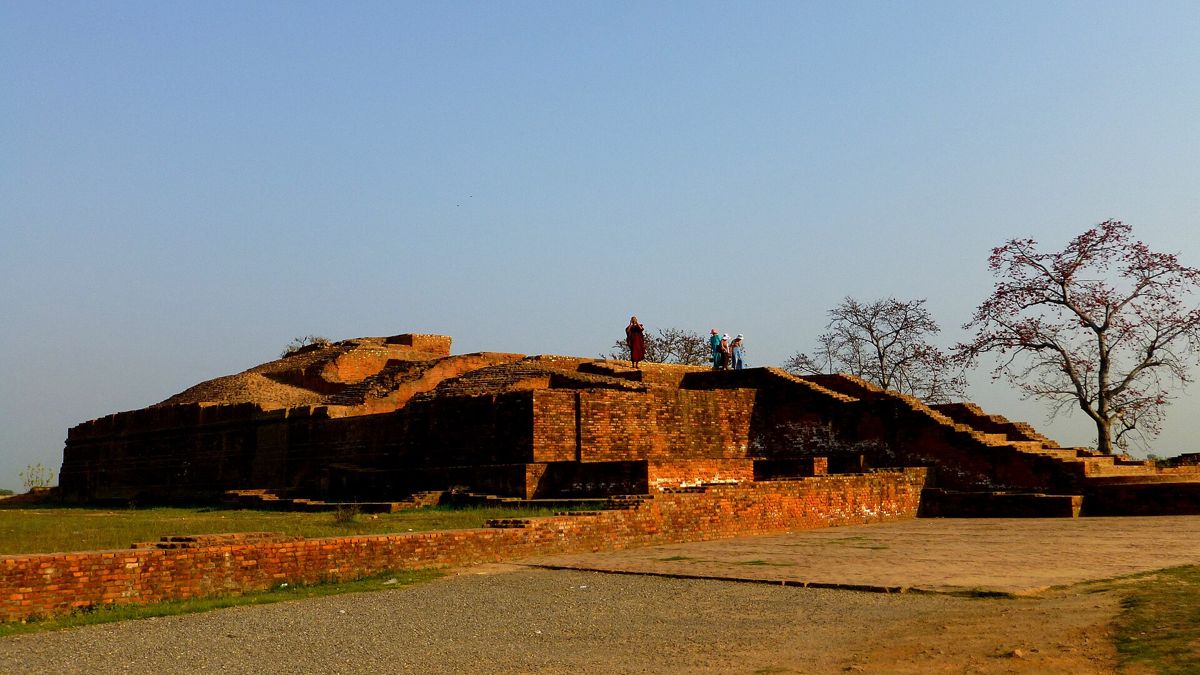
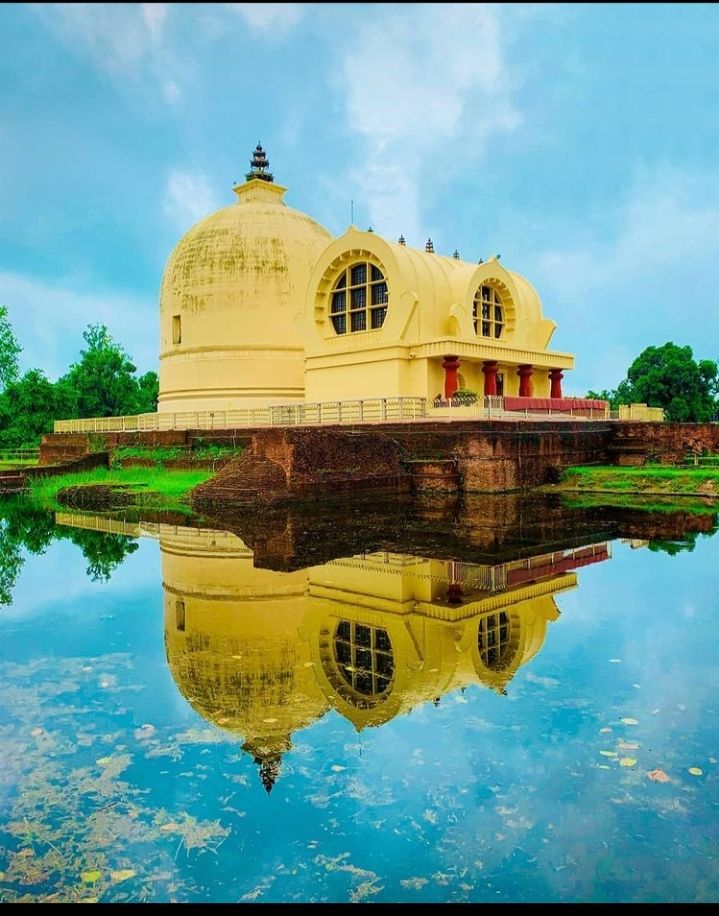
At 80, around 483 BCE, the Buddha died at Kushinagar (Uttar Pradesh), capital of the Mallas. His death is called Mahaparinirvana ('final nirvana'). His relics were divided and kept in stupas.
- c. 563 BCEBorn at Lumbini
near Kapilavastu; Shakya clan
- Age 29Great Renunciation (Mahabhinishkramana)
horse Kanthaka, charioteer Channa
- 6 yearsTeachers and austerity
Alara Kalama, Udraka Ramaputra
- Age 35Enlightenment at Bodh Gaya
under the pipal (Bodhi) tree, on the Niranjana, after 49 days
- Soon afterFirst sermon at Sarnath
Dharmachakra Pravartana, to five companions
- c. 45 yearsTeaching in Pali
most sermons at Shravasti (Jetavana)
- c. 483 BCE · age 80Mahaparinirvana at Kushinagar
| Event | Place | Today in | Symbol |
|---|---|---|---|
| Birth (Jati) | Lumbini | Nepal | Lotus and bull |
| Great Renunciation (Mahabhinishkramana) | Kapilavastu | Nepal–India border region | Horse |
| Enlightenment (Nirvana / Sambodhi) | Bodh Gaya | Bihar | Bodhi tree |
| First sermon (Dharmachakra Pravartana) | Sarnath, near Varanasi | Uttar Pradesh | Dharmachakra (wheel) |
| Death (Mahaparinirvana) | Kushinagar | Uttar Pradesh | Stupa |
What the Buddha taught
Four Noble Truths, the Eightfold Path, the Middle Path and the Triratna.
| # | Noble Truth (Pali) | Meaning |
|---|---|---|
| 1 | Dukkha | Life has suffering |
| 2 | Samudaya | Suffering has a cause: desire / craving (tanha) |
| 3 | Nirodha | Suffering can end |
| 4 | Magga | There is a path to end it — the Eightfold Path |
Right View · Right Resolve (intention)
Right Speech · Right Action · Right Livelihood
Right Effort · Right Mindfulness · Right Concentration
The Eightfold Path (Ashtangika Marga) in its three groups. Its symbol is the eight-spoked wheel.
Avoid both extremes — a life of luxury and a life of harsh self-torture. The Buddha had tried both (palace, then six years of fasting) before choosing the middle way.
the teacher
the teaching
the community of monks and nuns
The Triratna (Three Jewels). Note: Jainism also has a 'Triratna' — but there it means right faith, right knowledge and right conduct.
- Karma and rebirth
- Ahimsa (non-violence)
- Equality — the Sangha was open to all castes and to women
- Goal: Nirvana — freedom from desire and from the cycle of rebirth
- Five precepts for lay followers: no killing, stealing, sexual misconduct, lying or intoxicants
- The final authority of the Vedas
- The caste system
- Costly rituals and animal sacrifice
- Sanskrit as the only sacred language
- Silent on God; taught anatta — no permanent soul
Texts and the four councils
Tripitaka in Pali, other key books, and the four Buddhist councils.
The Buddha did not write books. After his death his followers collected his words into the Tripitaka — 'three baskets': the Vinaya Pitaka (rules for monks and nuns), the Sutta Pitaka (the Buddha's own teachings) and the Abhidhamma Pitaka (philosophy). To agree on these texts, monks met in four big meetings called Buddhist councils (sangitis).
| Pitaka ('basket') | What it contains |
|---|---|
| Vinaya Pitaka | Rules for monks and nuns (recited by Upali at the First Council) |
| Sutta Pitaka | The Buddha's sermons (recited by Ananda); includes the Dhammapada and the Jataka tales |
| Abhidhamma Pitaka | Philosophy and analysis of the teaching (added at the Third Council) |
| Book | What to remember |
|---|---|
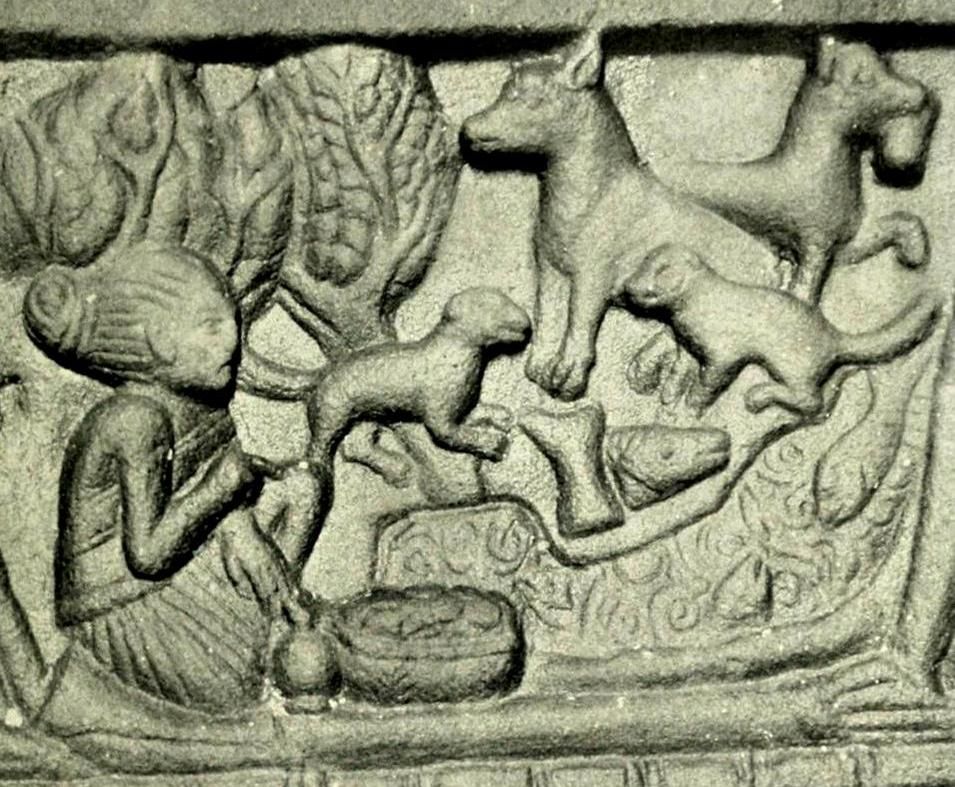
| Jatakas | About 550 stories of the Buddha's previous births; carved on the railings of Bharhut and Sanchi |
| Dhammapada | Short verses of the Buddha's teaching; part of the Sutta Pitaka |
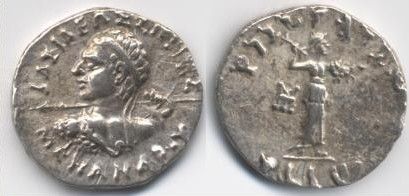
| Milindapanho | 'Questions of Milinda' — dialogue between the Indo-Greek king Menander (Milinda) and the monk Nagasena |
| Buddhacharita | Life of the Buddha in Sanskrit, by Ashvaghosha (court of Kanishka) |
| Lalitavistara | Mahayana life-story of the Buddha, in Sanskrit |
| Dipavamsa and Mahavamsa | Pali chronicles of Sri Lanka; tell of Ashoka's mission there |
| Council | When | Where | King | Presided | Result |
|---|---|---|---|---|---|
| First | c. 483 BCE | Rajagriha (Saptaparni cave) | Ajatashatru | Mahakassapa | Sutta and Vinaya Pitakas compiled |
| Second | c. 383 BCE | Vaishali | Kalashoka | Sabakami | Sangha split: Sthaviravadins and Mahasanghikas |
| Third | c. 250 BCE | Pataliputra | Ashoka | Moggaliputta Tissa | Abhidhamma Pitaka added; missionaries sent abroad |
| Fourth | 1st century CE | Kashmir (Kundalvana) | Kanishka | Vasumitra (deputy: Ashvaghosha) | Split into Hinayana and Mahayana |
Sects, art and spread
Hinayana, Mahayana and Vajrayana; stupas, chaityas and viharas; how Buddhism spread and declined in India.
| Structure | Purpose | Famous example |
|---|---|---|
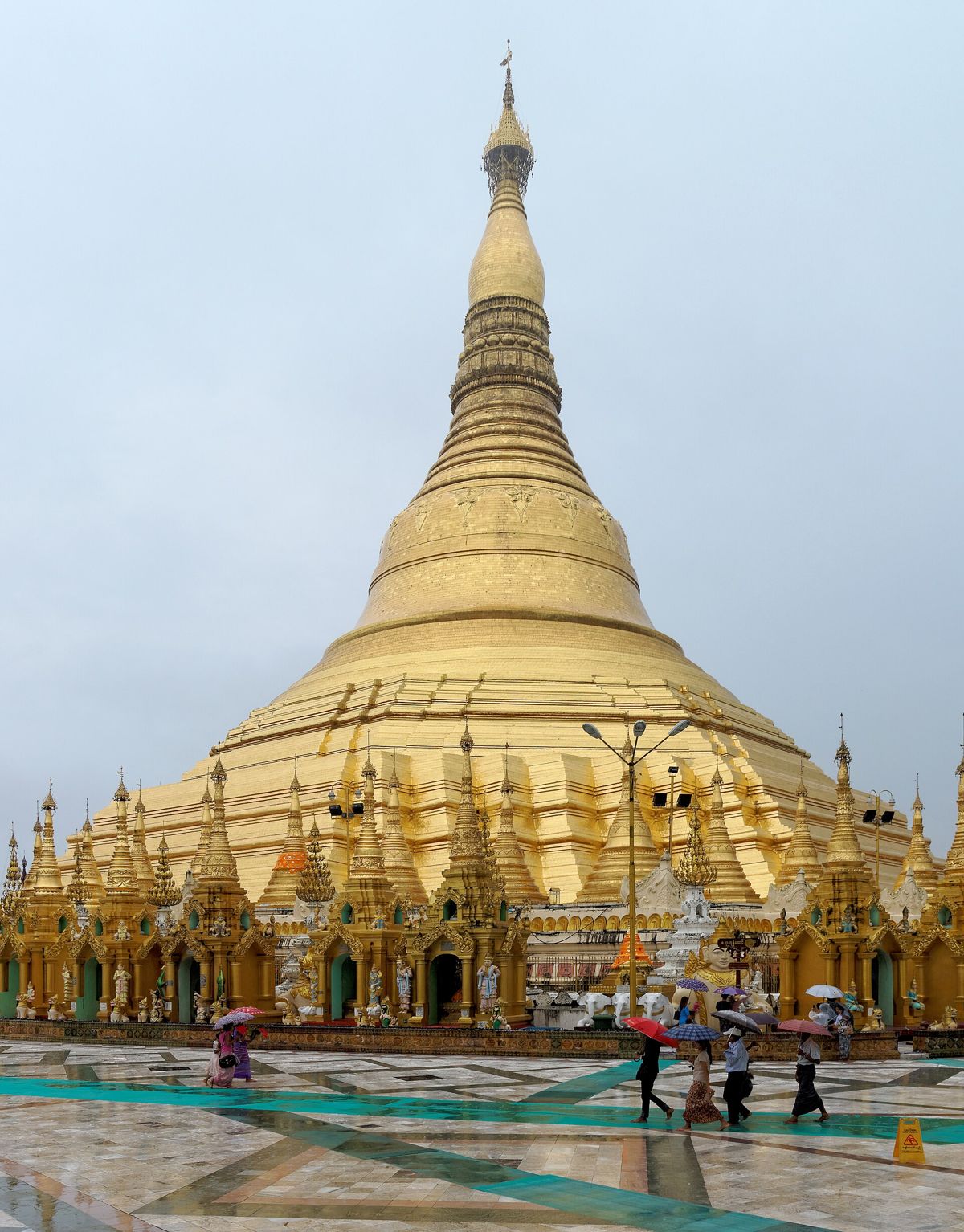
| Stupa | Dome-shaped mound over relics of the Buddha | Sanchi (MP) — first built by Ashoka; Bharhut; Amaravati |
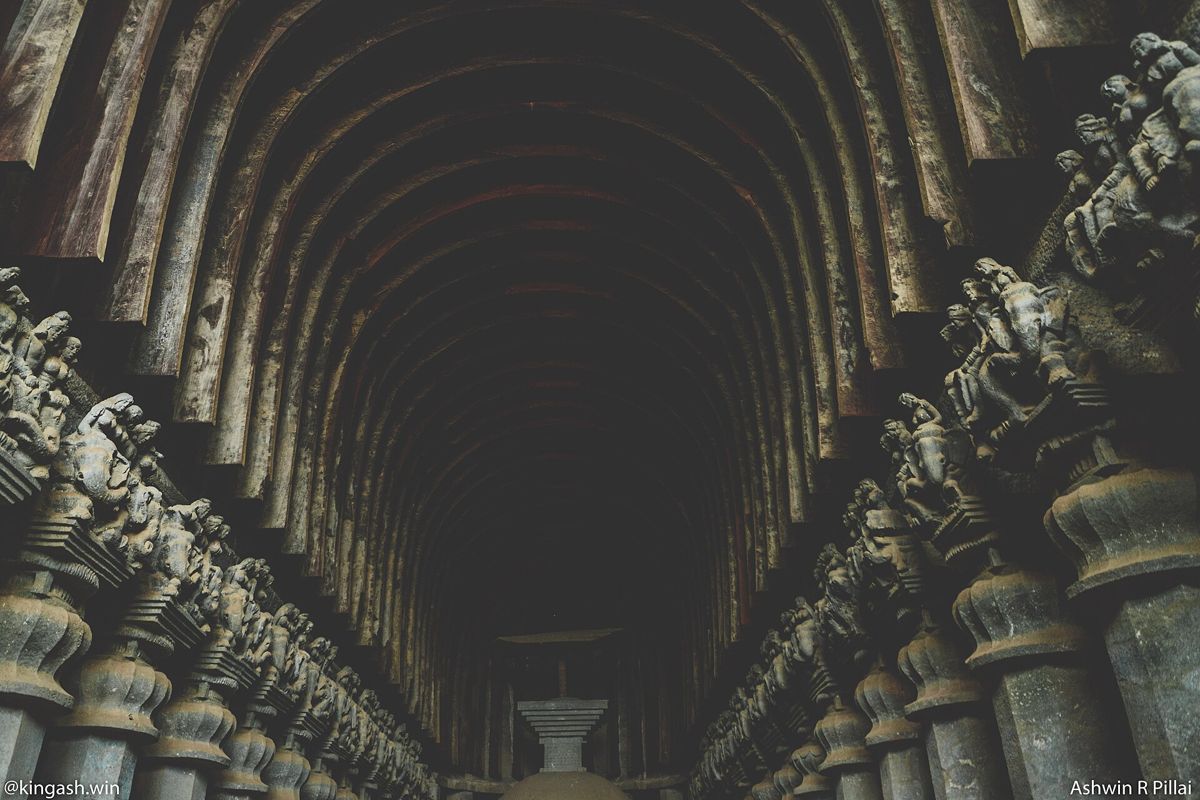
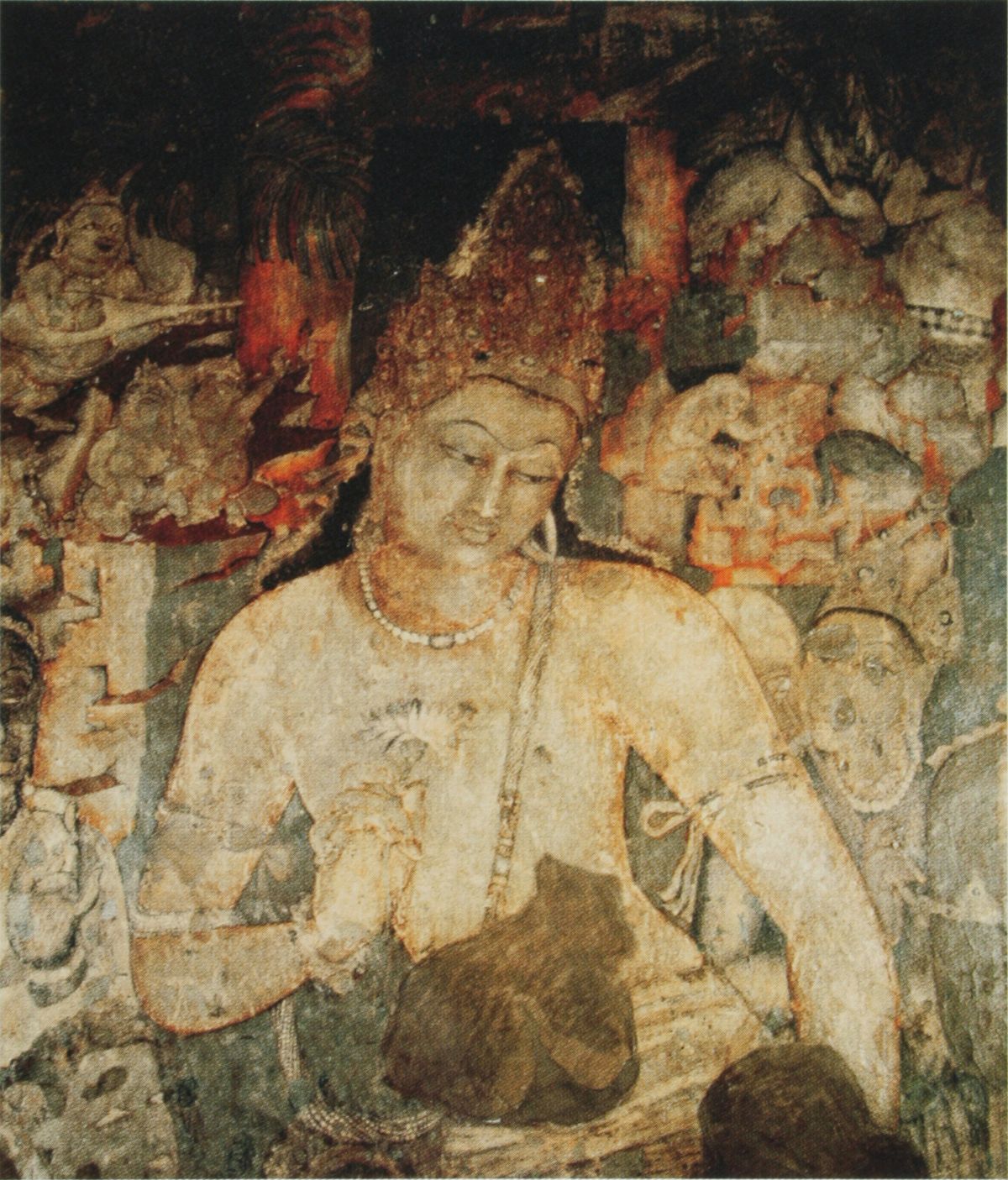
| Chaitya | Prayer hall, usually with a small stupa at the end | Karla (Maharashtra); Ajanta caves 9, 10, 19, 26 |
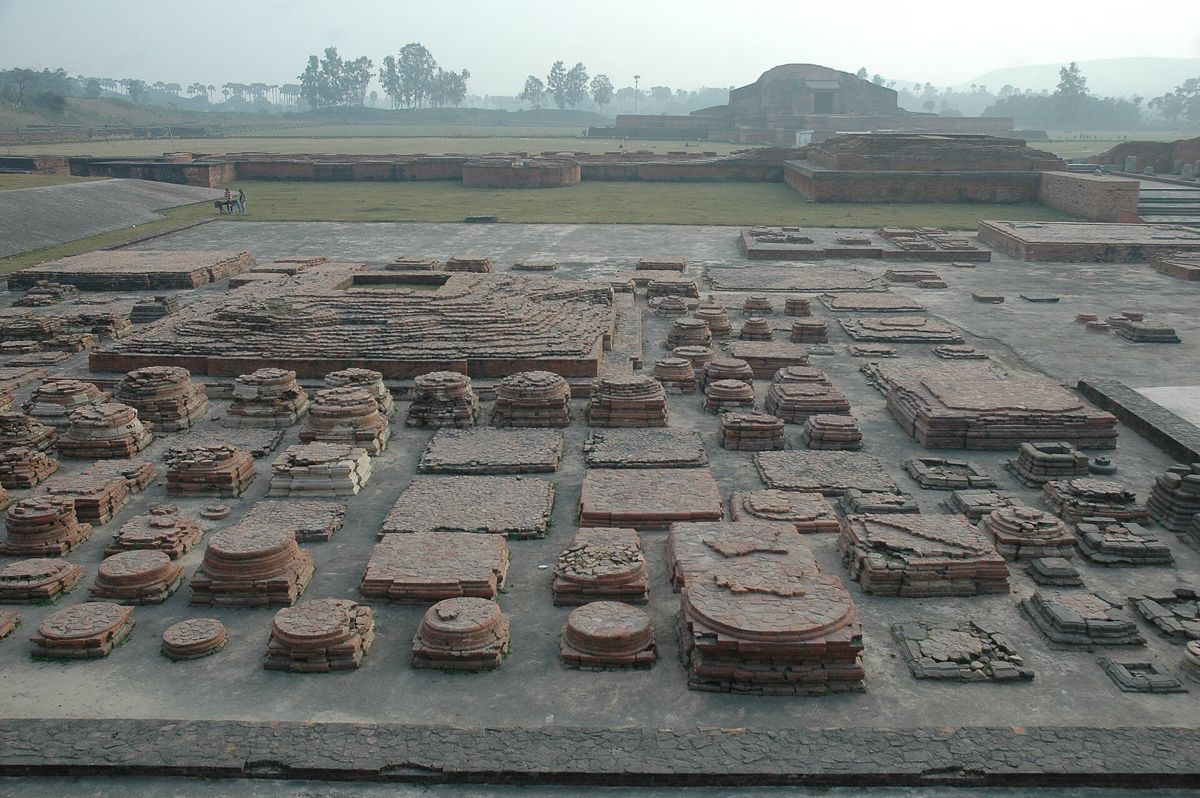
| Vihara | Monastery — rooms where monks lived | Ajanta; Nalanda |
| Mahavihara (university) | Great centre of learning | Nalanda (Kumaragupta I, Gupta); Vikramashila (Dharmapala, Pala) |
| School of art | Period | Material | Style |
|---|---|---|---|
| Gandhara | Kushan (1st–5th c. CE) | Grey/blue schist, stucco | Greek-Roman influence; wavy hair, robes with folds |
| Mathura | Kushan onwards | Red sandstone | Indian style; smiling, sturdy figures |
| Amaravati | Satavahana (Andhra) | White marble | Lively narrative reliefs |
How Buddhism spread. After the Kalinga war, Ashoka became its greatest patron. He sent missionaries far and wide; his son Mahendra and daughter Sanghamitra took Buddhism to Sri Lanka — Sanghamitra is said to have carried a branch of the Bodhi tree there. Later patrons were the Kushan king Kanishka and Harshavardhana of Kannauj. Chinese pilgrims came to study: Fa-Hien (in the time of Chandragupta II) and Hiuen Tsang (in the time of Harsha), who studied at Nalanda.
- Revival of Brahmanical Hinduism and the Bhakti movement
- Loss of royal patronage after the Palas
- Weakening and growing wealth of the Sangha; Mahayana's use of Sanskrit distanced common people
- Attacks by the Hunas and later the Turks — Bakhtiyar Khalji destroyed Nalanda (c. 1193)
- Born at Lumbini, not Kapilavastu (Kapilavastu was the Shakya capital).
- Most sermons: Shravasti; first sermon: Sarnath — don't swap them.
- Tripitaka is in Pali; Buddhacharita (Ashvaghosha) is in Sanskrit.
- Symbol of the Great Renunciation is the horse; of the first sermon the wheel; of death the stupa.
- Third Council = Ashoka at Pataliputra; Fourth = Kanishka in Kashmir.
- Buddhist Triratna = Buddha, Dhamma, Sangha; Jain Triratna = right faith, knowledge, conduct.
- Mahavira preached in Ardhamagadhi (Prakrit); the Buddha in Pali.