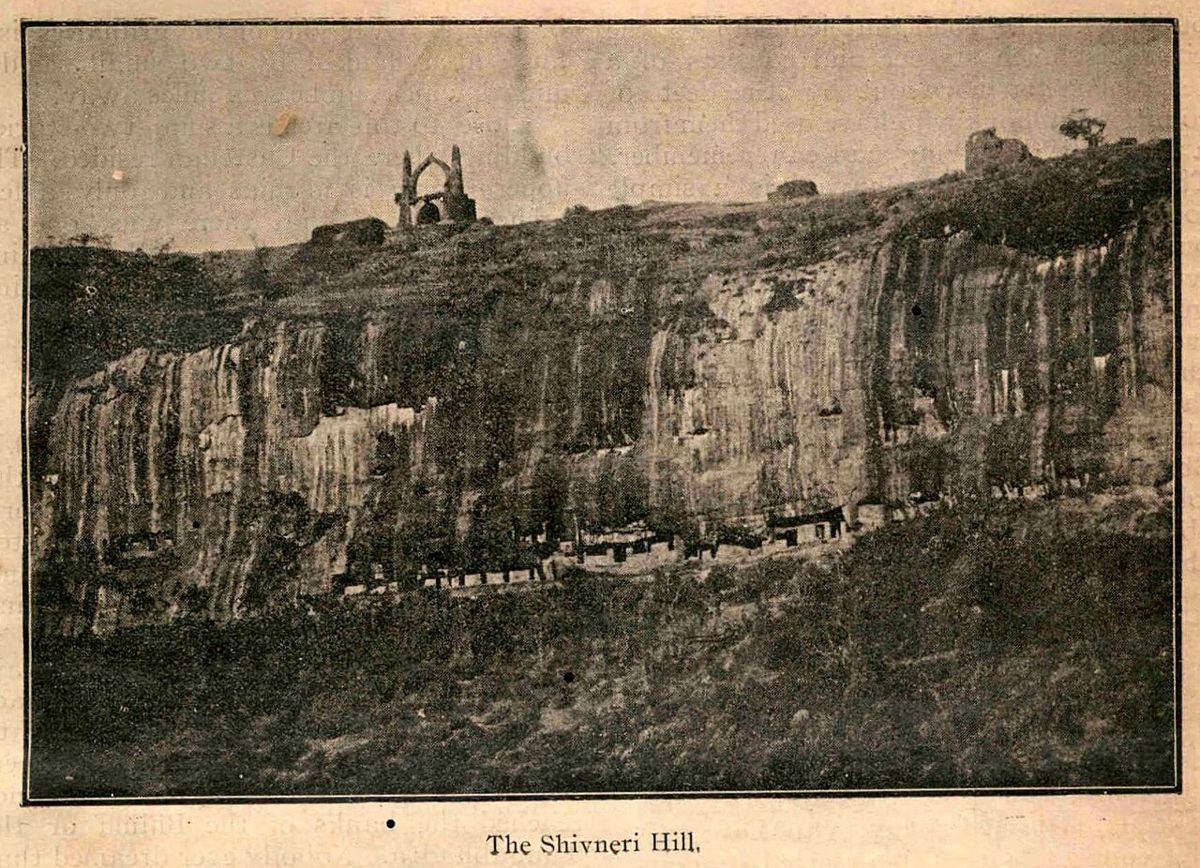
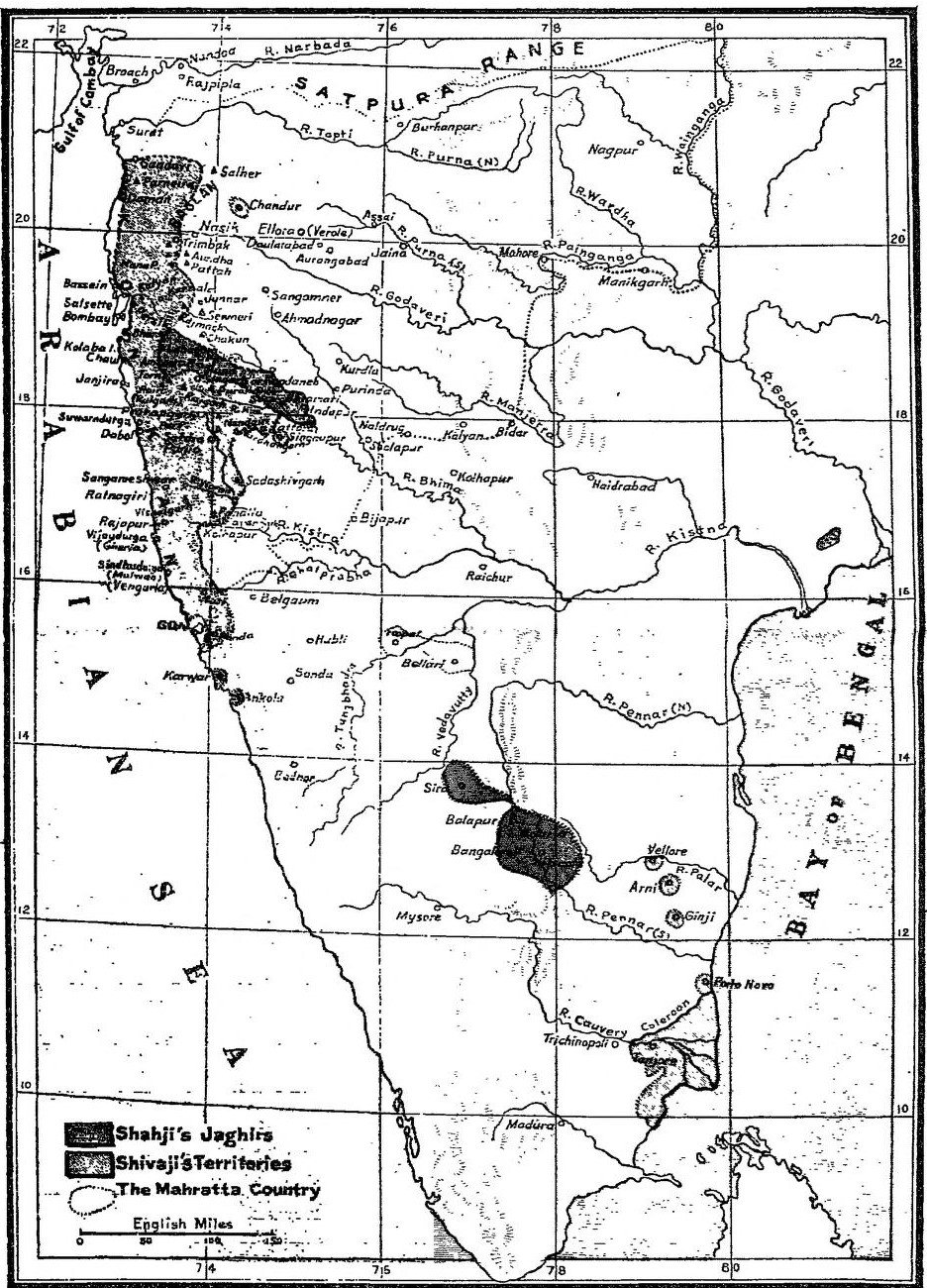
Early life. Shivaji was born in 1630 at the hill fort of Shivneri, near Junnar (Pune district). His father Shahji Bhonsle was a commander in the service of Bijapur; Shivaji grew up at Pune with his mother Jijabai, who filled him with stories of the epics, and his guardian Dadoji Kondadev. With young men of the Maval hill country he began, at about sixteen, to seize the forts of the Western Ghats — Torna (around 1646), then Rajgad and others.
Against Bijapur and the Mughals.
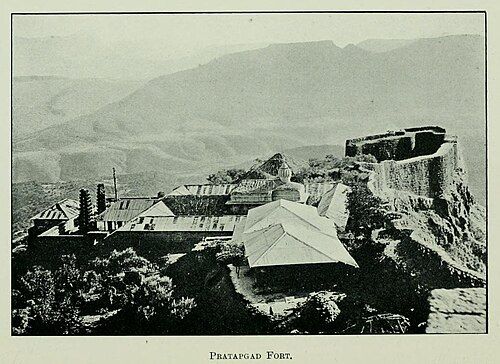
- 1659 — Afzal Khan. Bijapur sent its general Afzal Khan to crush him. The two met near Pratapgad; in the struggle that followed, Shivaji killed Afzal Khan and routed his army.
- 1663 — Shaista Khan. Aurangzeb's uncle Shaista Khan occupied Pune. Shivaji raided his camp at night, and Shaista Khan escaped with the loss of his fingers.
- 1664 — Surat. Shivaji sacked the rich Mughal port of Surat (and again in 1670).
- 1665 — Treaty of Purandar. The Mughal general Raja Jai Singh of Amber besieged Purandar; Shivaji had to give up 23 forts.
- 1666 — Agra. At Aurangzeb's court in Agra Shivaji felt insulted and was placed under guard; he escaped, traditionally hidden in baskets of sweets, and soon won back his forts.
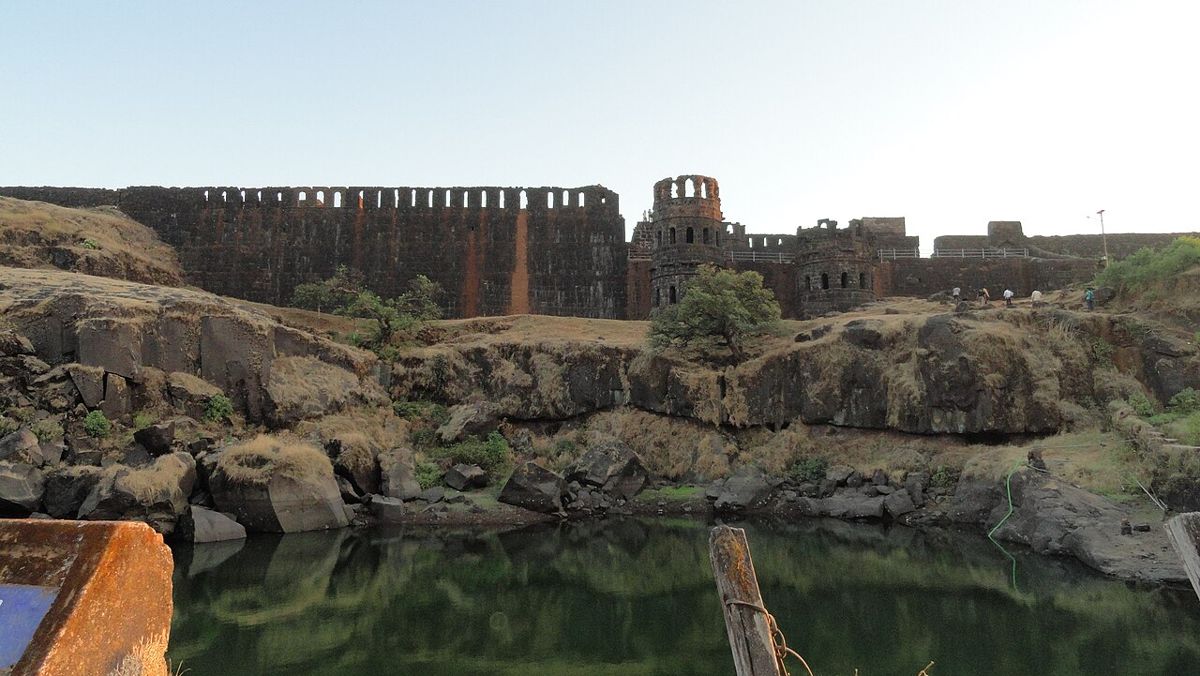
The coronation (1674). On 6 June 1674 Shivaji was crowned at Raigad by the Varanasi scholar Gaga Bhatt, taking the title Chhatrapati. In 1677 he campaigned in the south, taking Gingee and Vellore. He died at Raigad in 1680.
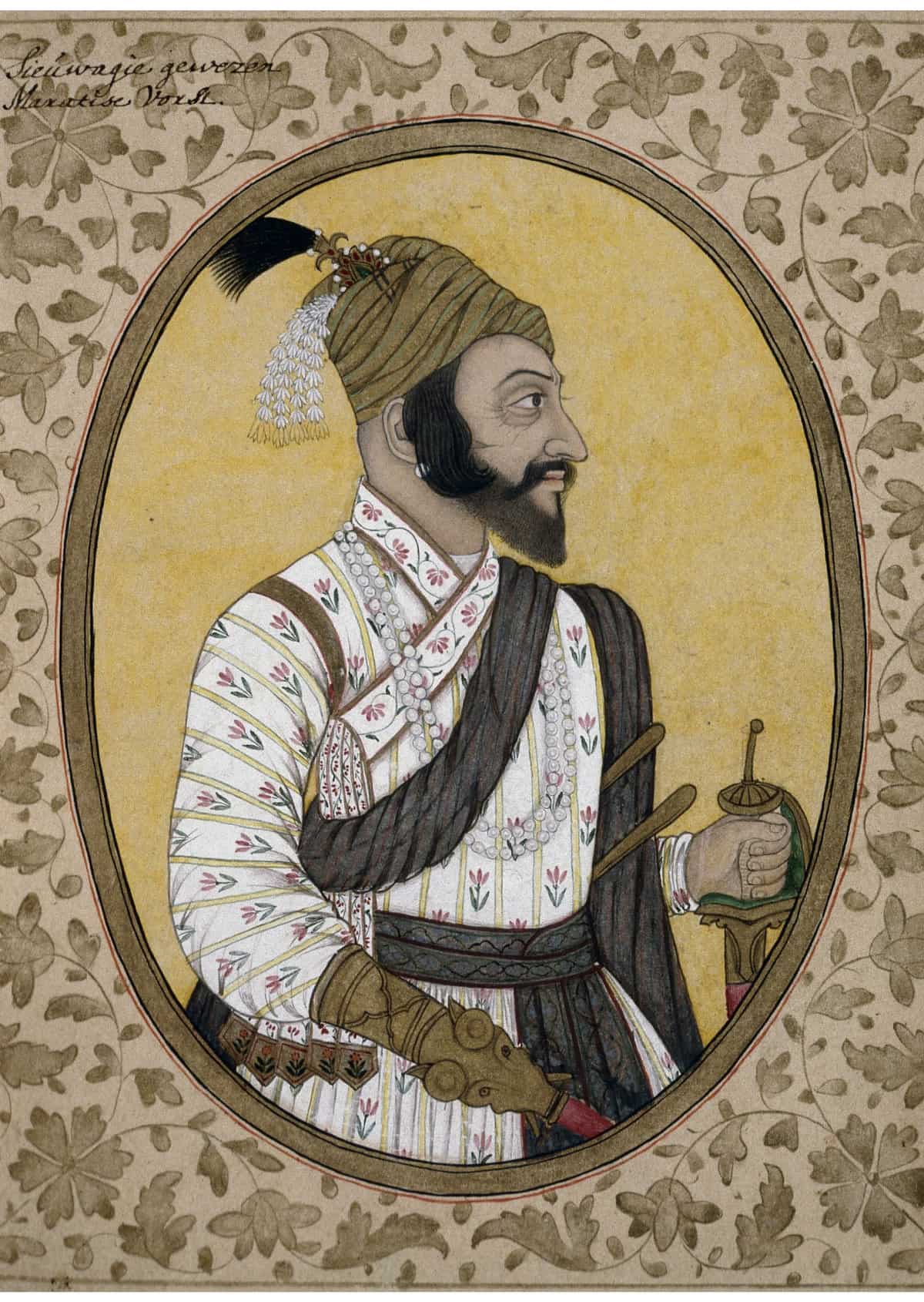
Shivaji's government. Shivaji ruled with a council of eight ministers, the Ashta Pradhan:
- Peshwa — prime minister;
- Amatya (Mazumdar) — finance and accounts;
- Mantri (Waqia-navis) — the king's daily records;
- Sachiv (Surnavis) — royal correspondence;
- Sumant (Dabir) — foreign affairs;
- Senapati (Sar-i-Naubat) — commander-in-chief;
- Panditrao — religious matters and charity;
- Nyayadhish — justice.
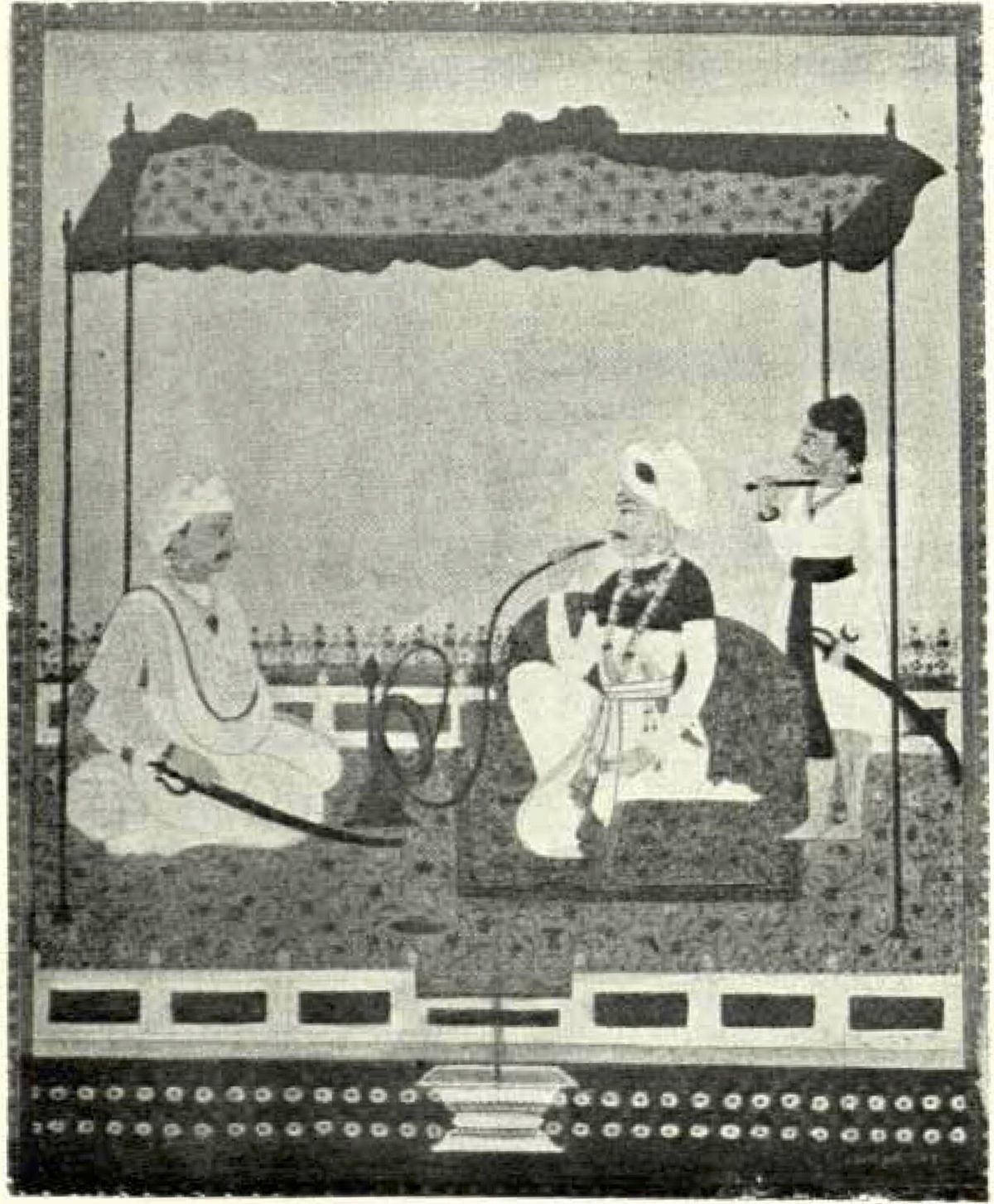
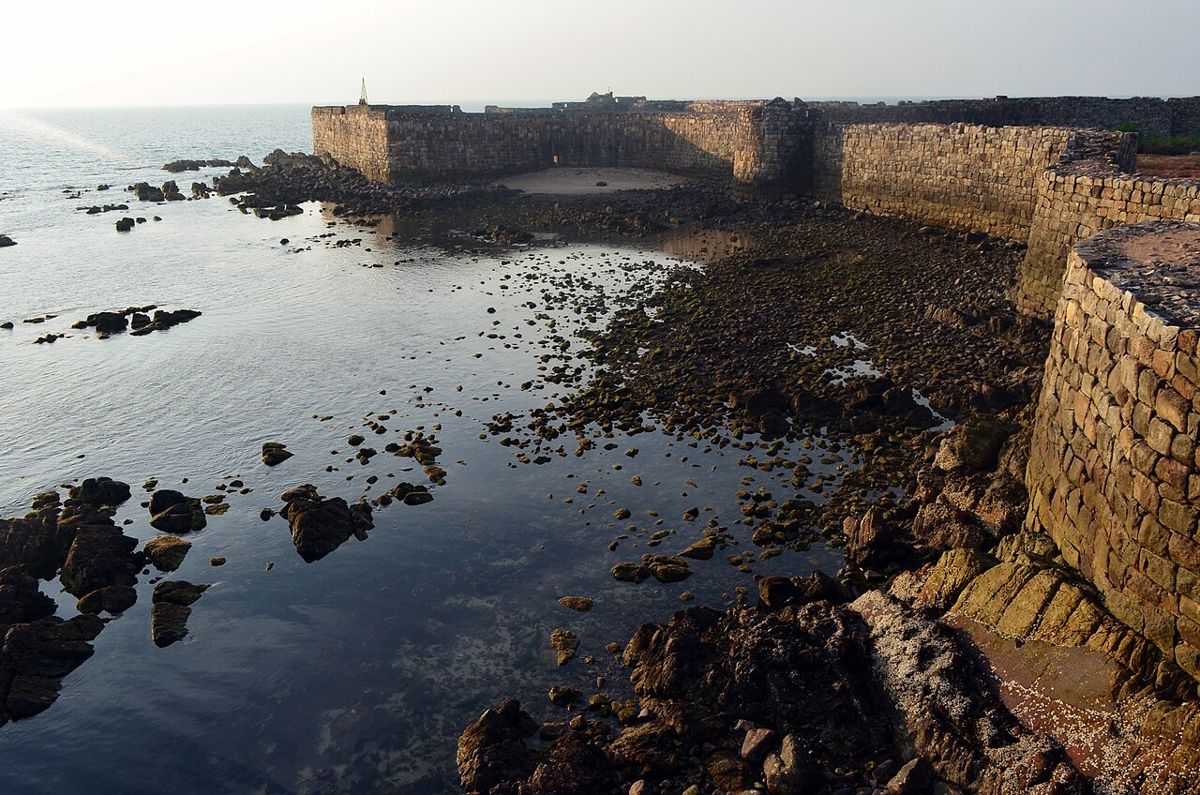
He paid his soldiers mostly in cash rather than by jagirs, kept a strong chain of hill forts, and built a navy with sea forts such as Sindhudurg and Vijaydurg. Besides land revenue, the Marathas collected chauth (one-fourth of the revenue) and sardeshmukhi (a further one-tenth) from neighbouring areas in return for not raiding them.
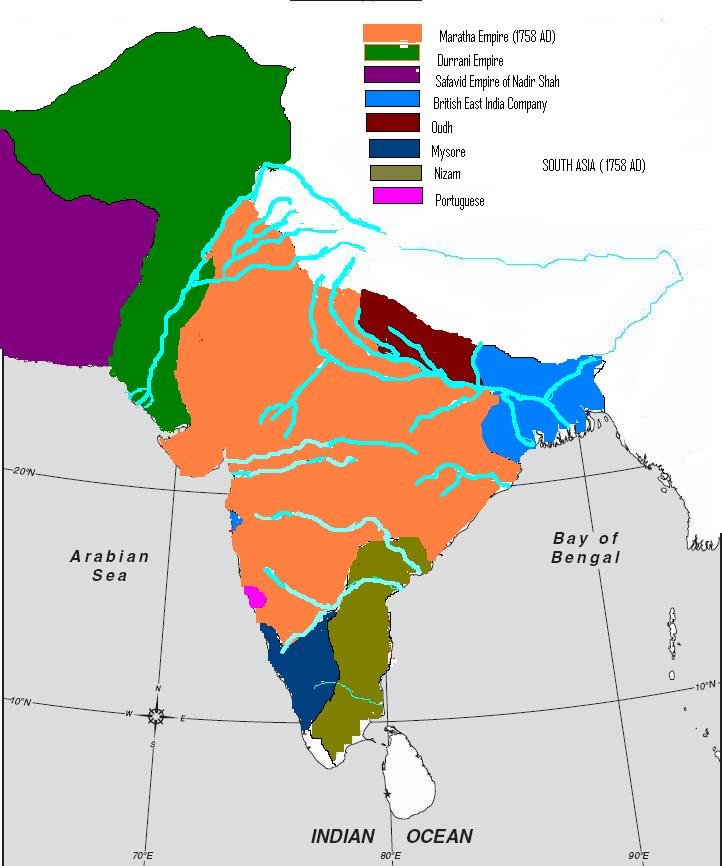
After Shivaji. His son Sambhaji (1680–1689) was captured and executed by Aurangzeb; Rajaram and his widow Tarabai kept up the fight. Under Shahu (from 1707) power passed to the Peshwas of Pune: Balaji Vishwanath (1713), the brilliant general Baji Rao I (1720–1740), who carried Maratha armies to the gates of Delhi, and Balaji Baji Rao (Nana Saheb). Maratha power reached Punjab before the disaster of the Third Battle of Panipat (1761).
| Don't mix up | Remember |
|---|---|
| Saguna vs nirguna | Saguna = God with form (Tulsidas, Surdas, Mirabai); nirguna = formless (Kabir, Ravidas, Guru Nanak) |
| Ramcharitmanas | Tulsidas, Awadhi — not Valmiki (Sanskrit) |
| Jnaneshwari | Jnaneshwar, Marathi commentary on the Gita |
| Chishti vs Suhrawardi | Chishti refused state grants; Suhrawardi (Multan) accepted them |
| Urs | a Sufi saint's death anniversary — e.g. Ajmer |
| Shivaji's birthplace vs coronation | born at Shivneri (1630); crowned at Raigad (1674) |
| Treaty of Purandar | 1665, with Raja Jai Singh — 23 forts given up |
| Chauth vs sardeshmukhi | chauth = one-fourth; sardeshmukhi = a further one-tenth |
| Peshwa | first a minister of the Ashta Pradhan; later the real rulers at Pune |