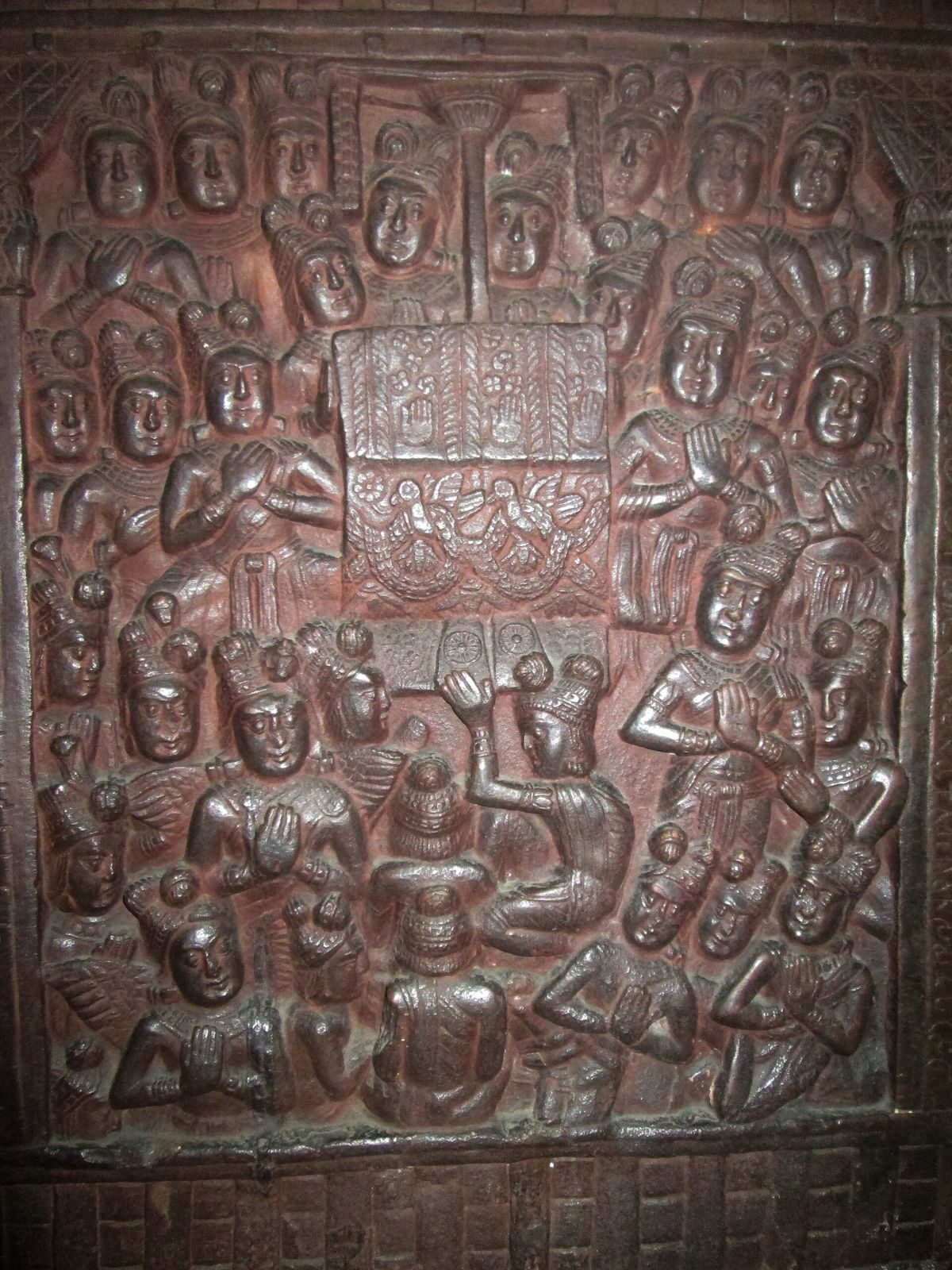
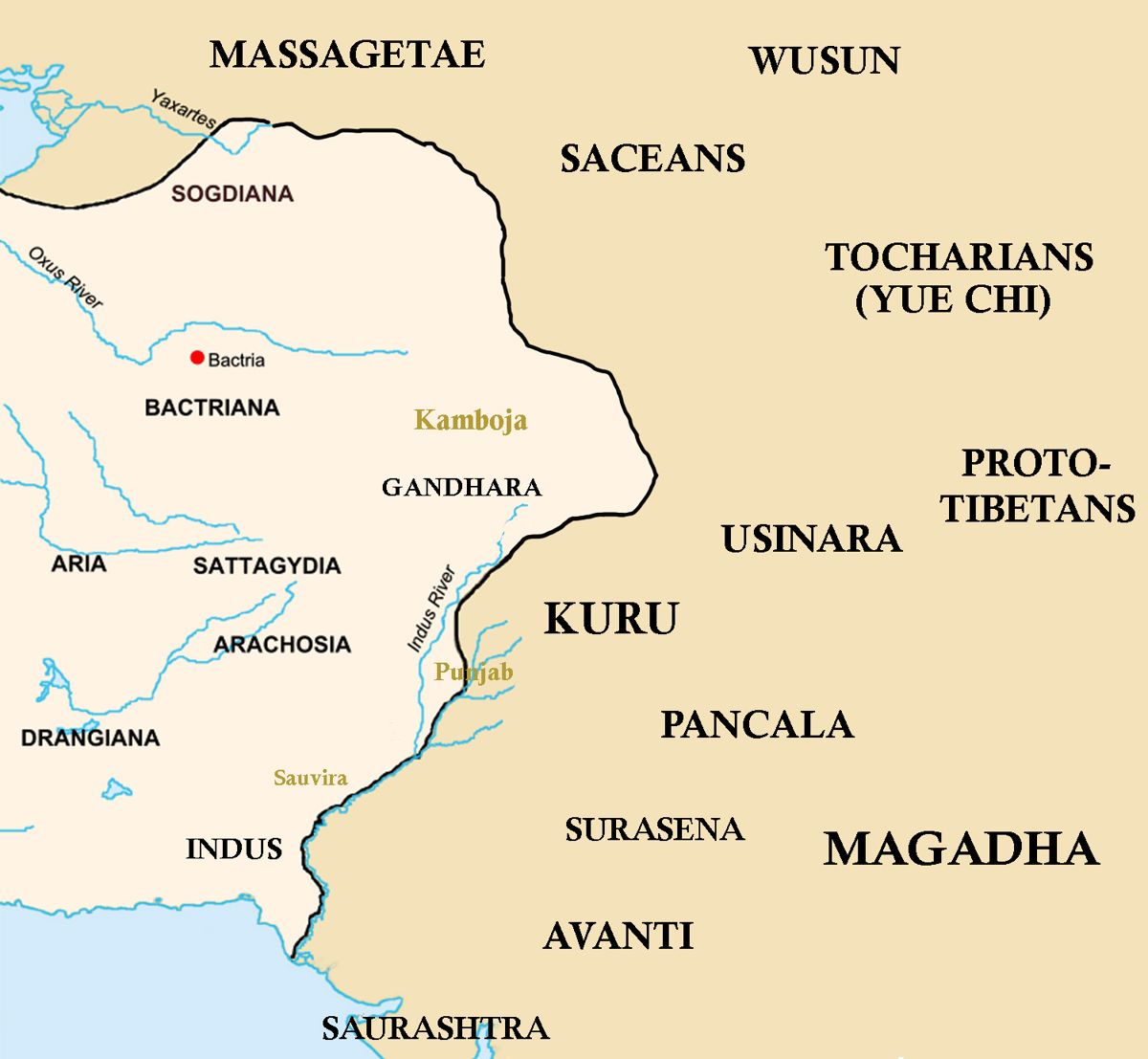
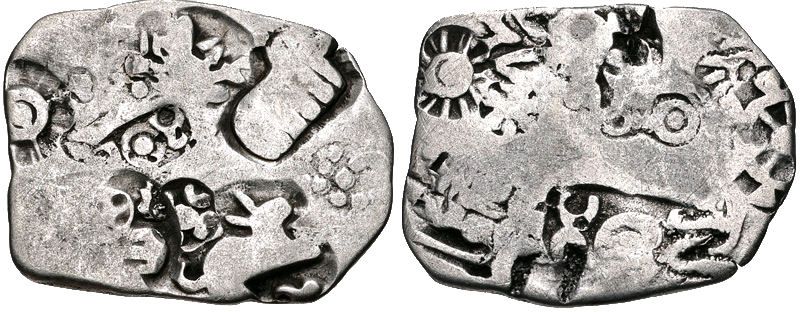
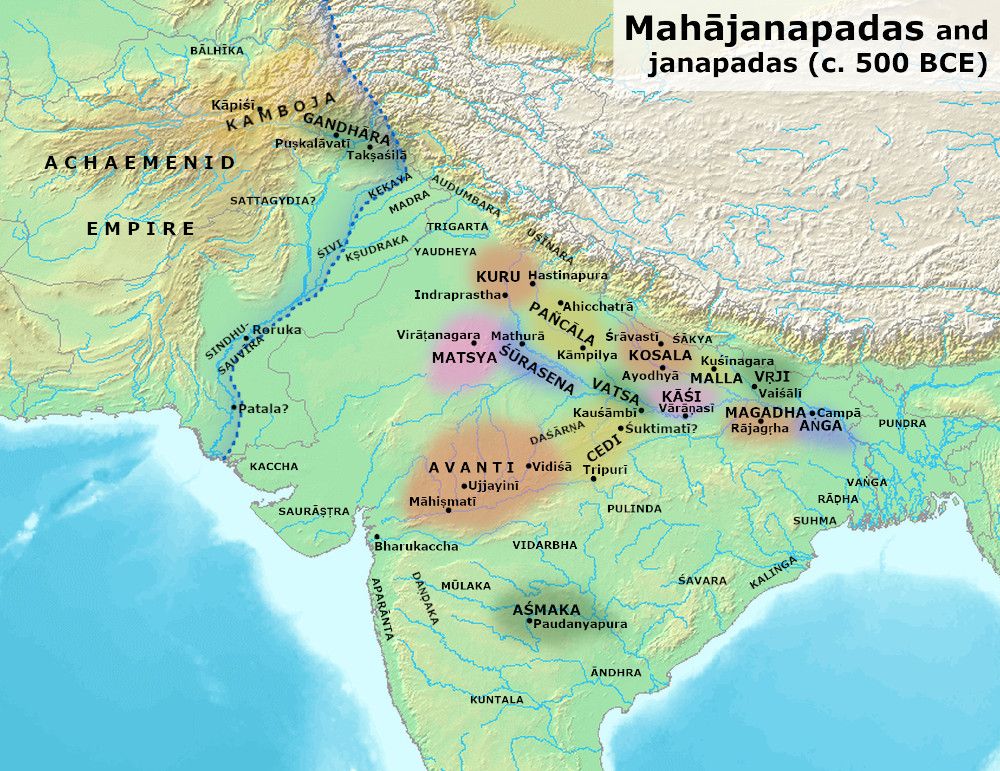
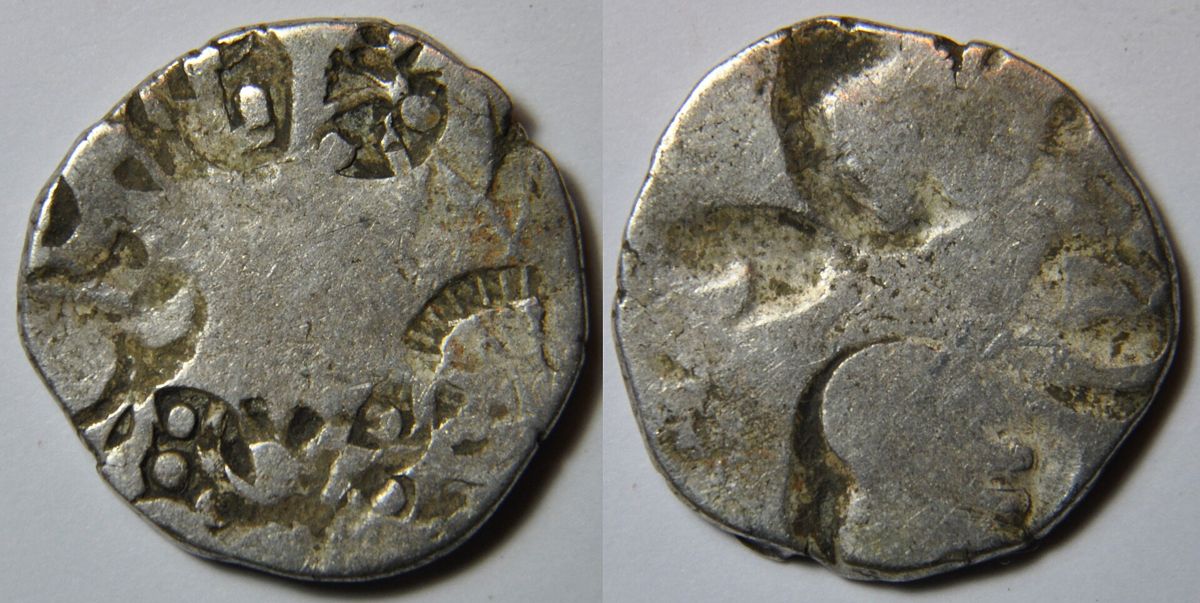
By the 6th century BCE, small tribal areas (janapadas, 'where the people settle') had grown into 16 big states called Mahajanapadas ('great janapadas'). The Buddhist book Anguttara Nikaya lists them; the Jain Bhagavati Sutra gives a slightly different list. With iron tools, farming spread in the Ganga plains and towns grew again — historians call this the second urbanisation (the first being the Indus cities). Rulers collected a tax called bhaga — usually one-sixth of the crop — and the first Indian coins, the silver punch-marked coins (karshapana), came into use.
| Mahajanapada | Capital | Remember |
|---|---|---|
| Anga | Champa | east Bihar; taken by Magadha (Bimbisara) |
| Magadha | Rajagriha (Girivraja), later Pataliputra | south Bihar; became the strongest |
| Kashi | Varanasi | taken by Kosala, later Magadha |
| Kosala | Shravasti | east UP; king Prasenajit, the Buddha's contemporary |
| Vajji | Vaishali | north Bihar; a republic of eight clans incl. the Lichchhavis |
| Malla | Kushinagara and Pava | a republic; the Buddha died at Kushinagara |
| Chedi | Shuktimati | Bundelkhand |
| Vatsa | Kaushambi | near Prayagraj; king Udayana |
| Kuru | Indraprastha | around Delhi–Haryana |
| Panchala | Ahichchhatra and Kampilya | west UP (Rohilkhand) |
| Matsya | Viratnagar | Jaipur area, Rajasthan |
| Surasena | Mathura | Mathura region |
| Ashmaka (Assaka) | Potali (Potana) | on the Godavari — the only one south of the Vindhyas |
| Avanti | Ujjain (north), Mahishmati (south) | Malwa; Magadha's great rival |
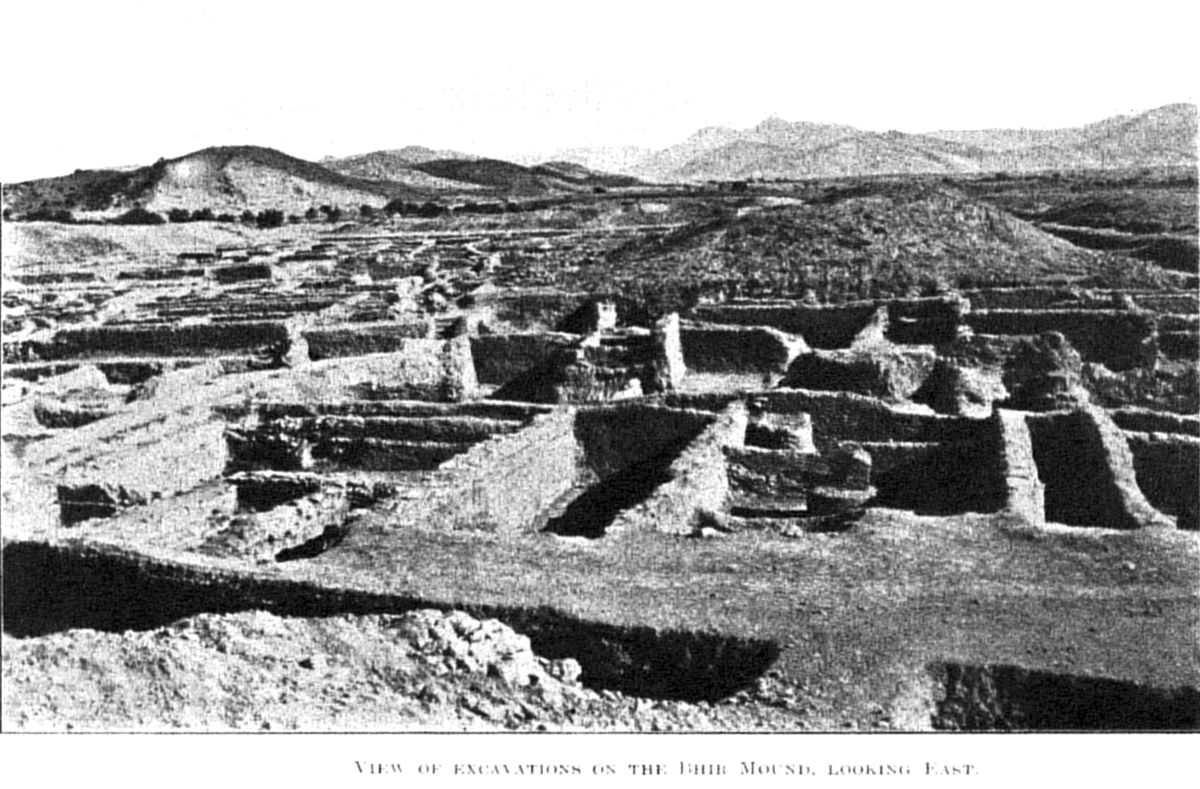
| Gandhara | Taxila | north-west (Pakistan's Punjab); a great centre of learning |
| Kamboja | Rajapura | far north-west |
Kingdoms and republics. Most Mahajanapadas were monarchies ruled by kings. A few — Vajji and Malla — were republics (gana-sangha), where many heads of families met in an assembly and decided together. Vajji was a confederacy of eight clans, including the Lichchhavis. The Shakyas (the Buddha's clan) and the Jnatrikas (Mahavira's clan) were also gana clans.
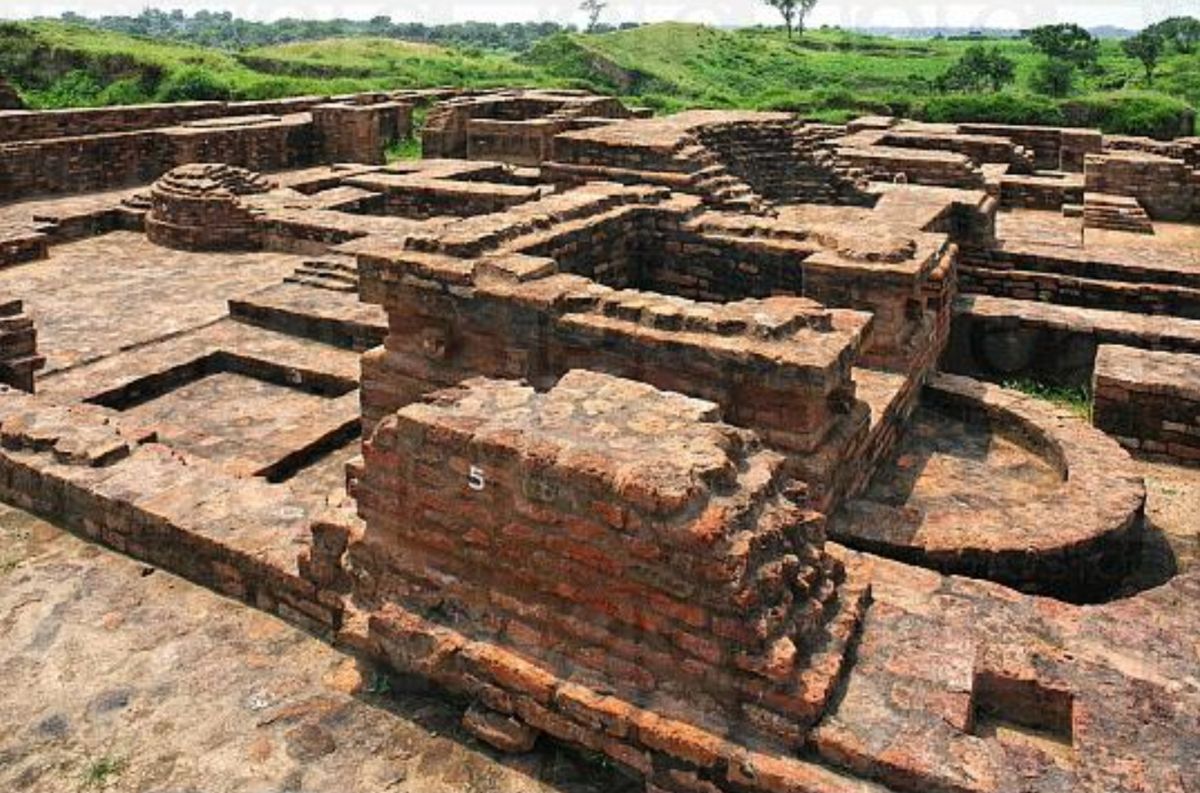
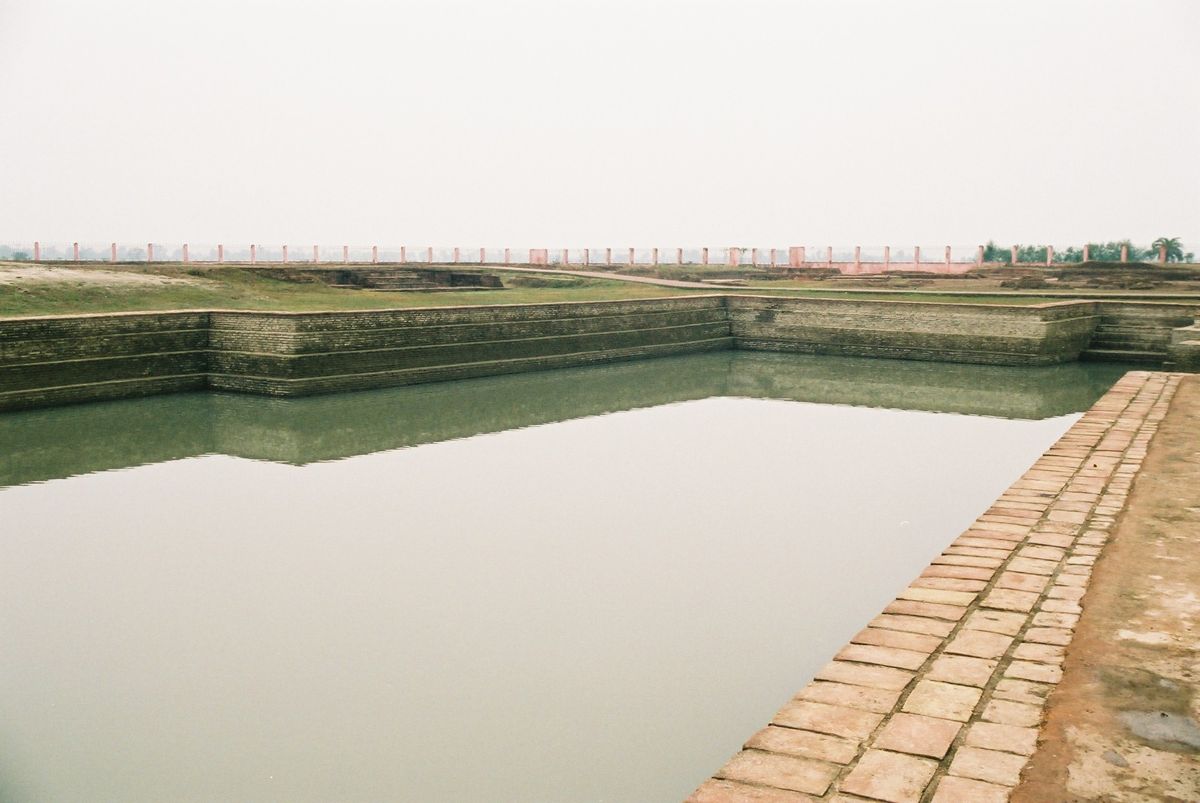
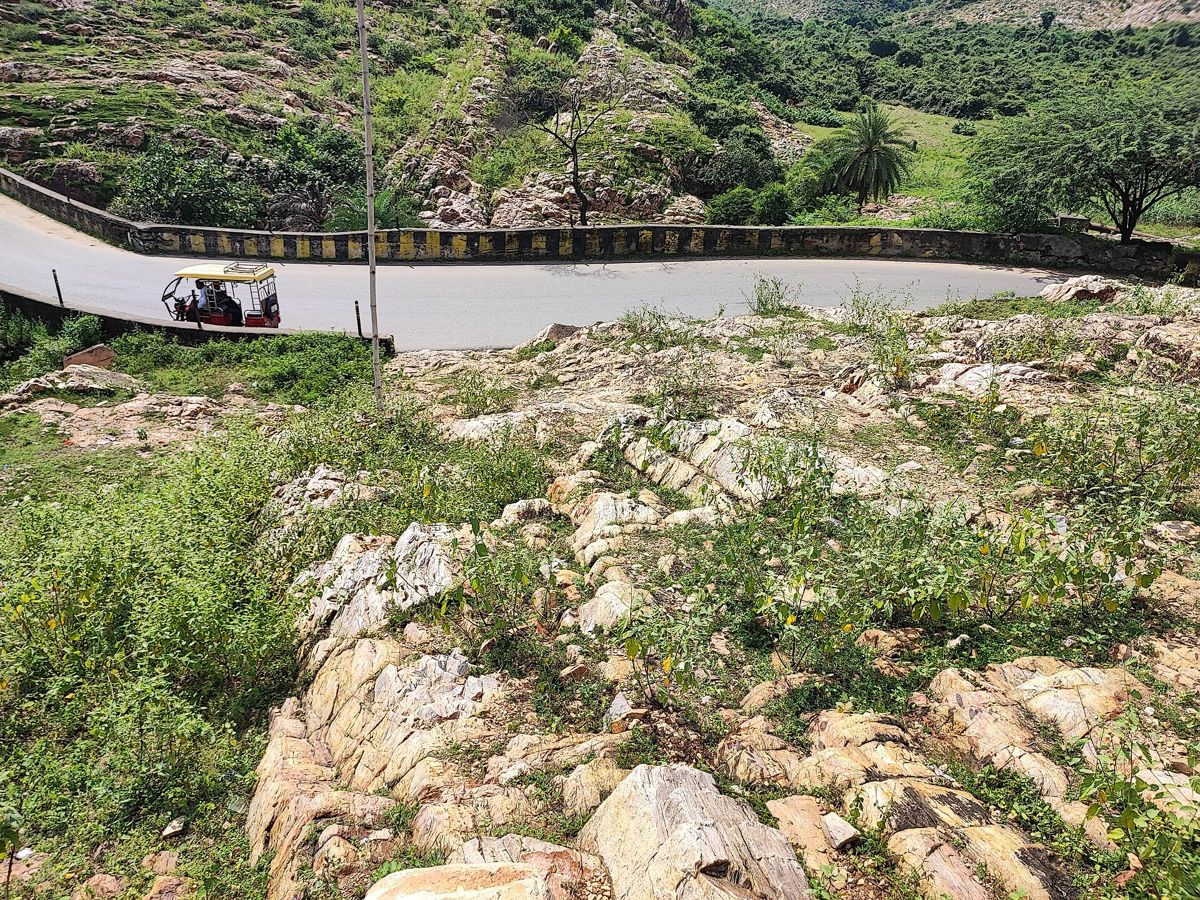
Why did Magadh win? Think of it like a strong team: it had rich, fertile land on the Ganga, iron mines nearby for tools and weapons, forests full of elephants for its army, and capitals that were hard to attack — Rajagriha was ringed by five hills and a long stone wall, and Pataliputra stood where rivers meet. It also had a line of ambitious kings.
| Dynasty | King | Remember |
|---|---|---|
| Haryanka | Bimbisara | contemporary of the Buddha and Mahavira; marriage alliances with Kosala, the Lichchhavis and Madra; annexed Anga |
| Haryanka | Ajatashatru | son of Bimbisara; fought Kosala and Vajji; First Buddhist Council at Rajagriha in his reign |
| Haryanka | Udayin | founded Pataliputra and made it the capital |
| Shishunaga | Shishunaga | defeated Avanti |
| Shishunaga | Kalashoka (Kakavarnin) | Second Buddhist Council at Vaishali |
| Nanda | Mahapadma Nanda | founder; huge army and wealth |
| Nanda | Dhana Nanda | last Nanda king (Alexander's time); overthrown by Chandragupta Maurya with Chanakya, c. 321 BCE |
- Haryanka dynastyBimbisara (first Haryanka king) → his son Ajatashatru → Udayin, who moved the capital from Rajagriha to Pataliputra
- Shishunaga dynastyDefeated Avanti, Magadh's big rival
- Nanda dynastyFounded by Mahapadma Nanda; last king Dhana Nanda
- Maurya dynastyChandragupta Maurya overthrew Dhana Nanda (c. 321 BCE)
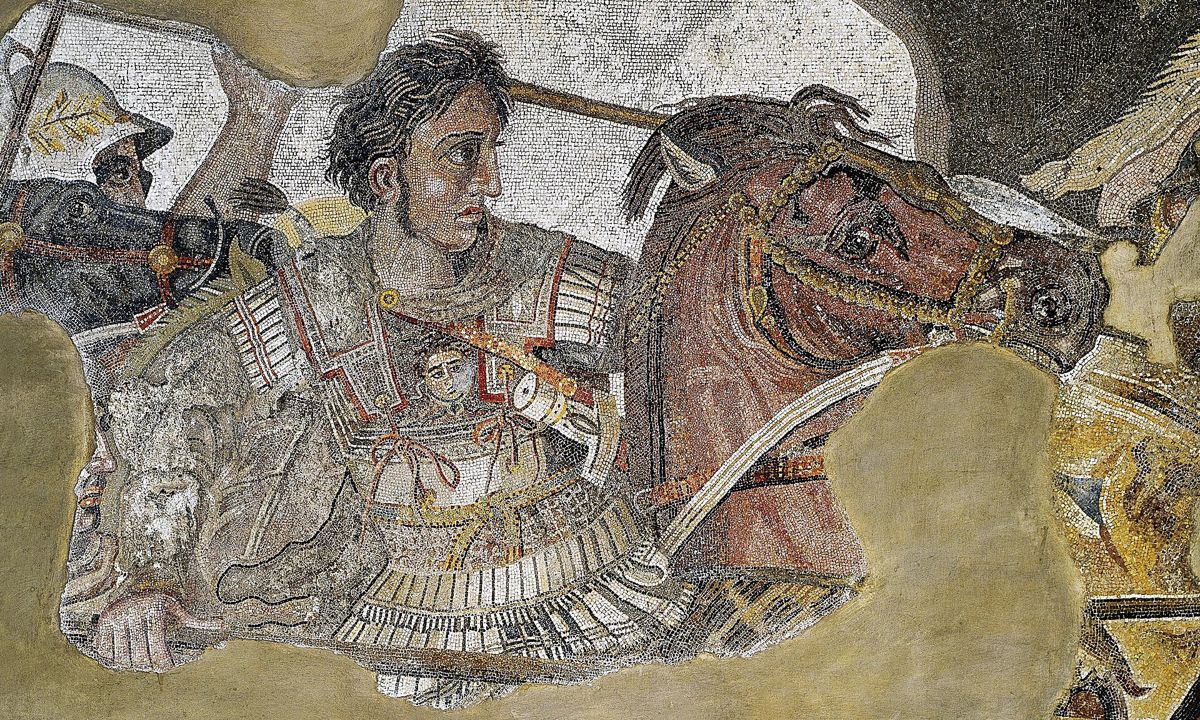
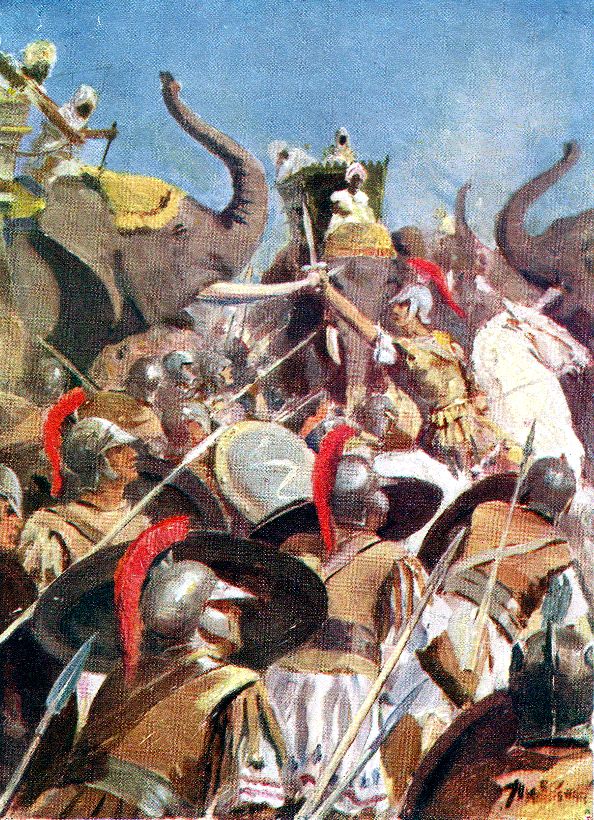
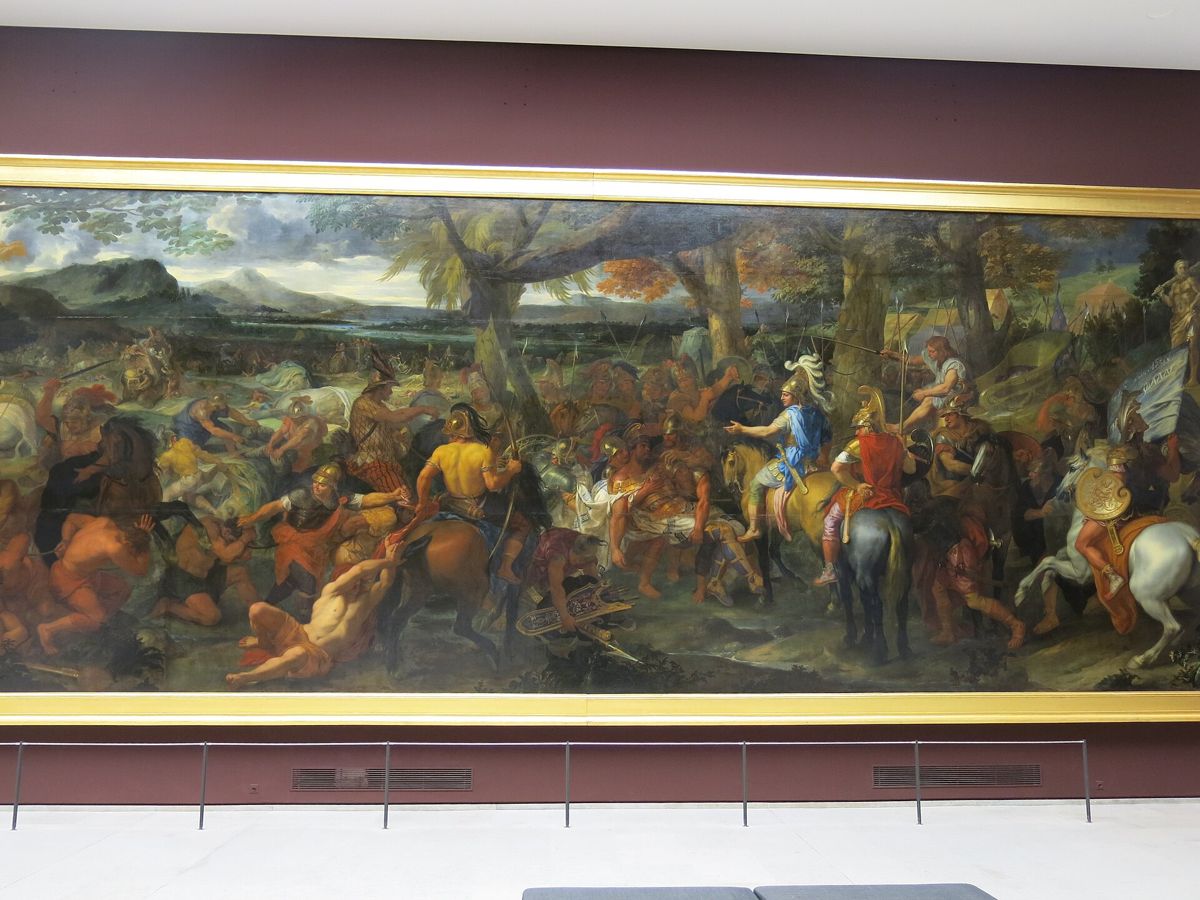
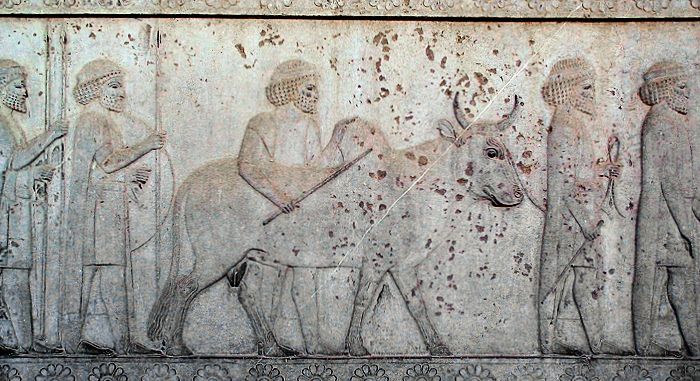
Invaders from the north-west. While Magadha grew in the east, the north-west was open to outside powers. The Achaemenid (Persian) kings — especially Darius I — added Gandhara and the Indus region to their empire in the late 6th century BCE. Through this contact the Kharoshthi script, written right to left, came into use in the north-west. Then in 326 BCE Alexander of Macedon crossed the Indus. Ambhi, ruler of Taxila, submitted without a fight, but King Porus fought him at the Battle of the Hydaspes on the bank of the Jhelum (in today's Pakistani Punjab). Porus lost, but Alexander gave him back his kingdom. At the Beas (Hyphasis) Alexander's tired army refused to march further east; he turned back and died at Babylon in 323 BCE.
- Late 6th century BCEAchaemenid Persians take Gandhara and the Indus region
Darius I; Kharoshthi script spreads
- 326 BCEAlexander crosses the Indus
Ambhi of Taxila submits
- 326 BCEBattle of the Hydaspes (Jhelum)
Porus defeated but keeps his kingdom
- 326 BCEArmy refuses to cross the Beas
Alexander turns back
- 323 BCEAlexander dies at Babylon
- c. 321 BCEChandragupta Maurya overthrows the Nandas
the Maurya empire begins
| Don't mix up | Remember |
|---|---|
| Bimbisara vs Bindusara | Bimbisara = Haryanka, father of Ajatashatru; Bindusara = Maurya, son of Chandragupta |
| Who founded Pataliputra | Udayin (Ajatashatru built a fort at Pataligrama) |
| Buddhist councils | 1st = Rajagriha (Ajatashatru); 2nd = Vaishali (Kalashoka) |
| Republics | Vajji (Vaishali) and Malla — not Magadha |
| Only Mahajanapada in the south | Ashmaka, on the Godavari |
| Ambhi vs Porus | Ambhi of Taxila submitted; Porus fought at the Jhelum |
| Where Alexander turned back | the Beas — not the Sutlej or Ravi |