There were no newspapers then, so historians read the books of travellers (visitors from other countries) and chroniclers (court writers who recorded what a king did). The exam pairs each writer with his country, book, language and the ruler of his time. A useful clue: foreign scholars like Al-Biruni and Ibn Battuta wrote in Arabic, the Sultans' and Mughals' court writers used Persian, and Babur wrote his memoirs in his own Turkish (Chagatai).
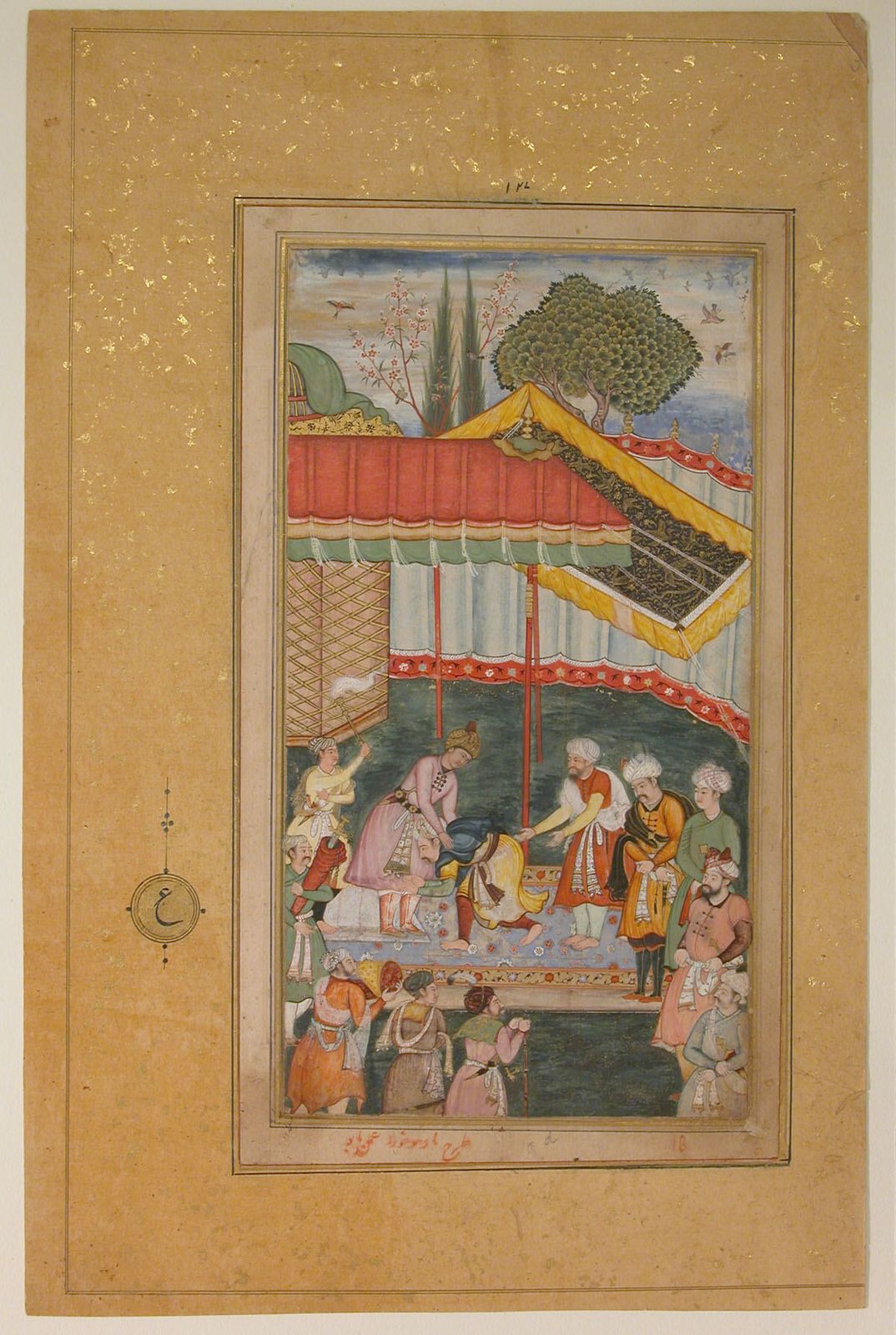
A page from an illustrated Baburnama, Babur's memoirs, made at the Mughal court about 1590. Fig. 1
Travellers saw things court writers took for granted. Ibn Battuta described the postal relays, the betel leaf and the coconut with wonder; Paes walked through the bazaars of Hampi and compared the city to Rome; the French doctor François Bernier (in India 1656–68), who served Mughal nobles, wrote Travels in the Mogul Empire and argued — wrongly, most historians now think — that there was no private property in land in Mughal India. The French jeweller Jean-Baptiste Tavernier described the diamond mines of Golconda and the Peacock Throne, and the Italian Niccolao Manucci, who served Dara Shikoh as a gunner and later worked as a doctor, wrote the gossipy Storia do Mogor. But travellers also misunderstood customs and repeated rumours, so historians check them against Indian sources.
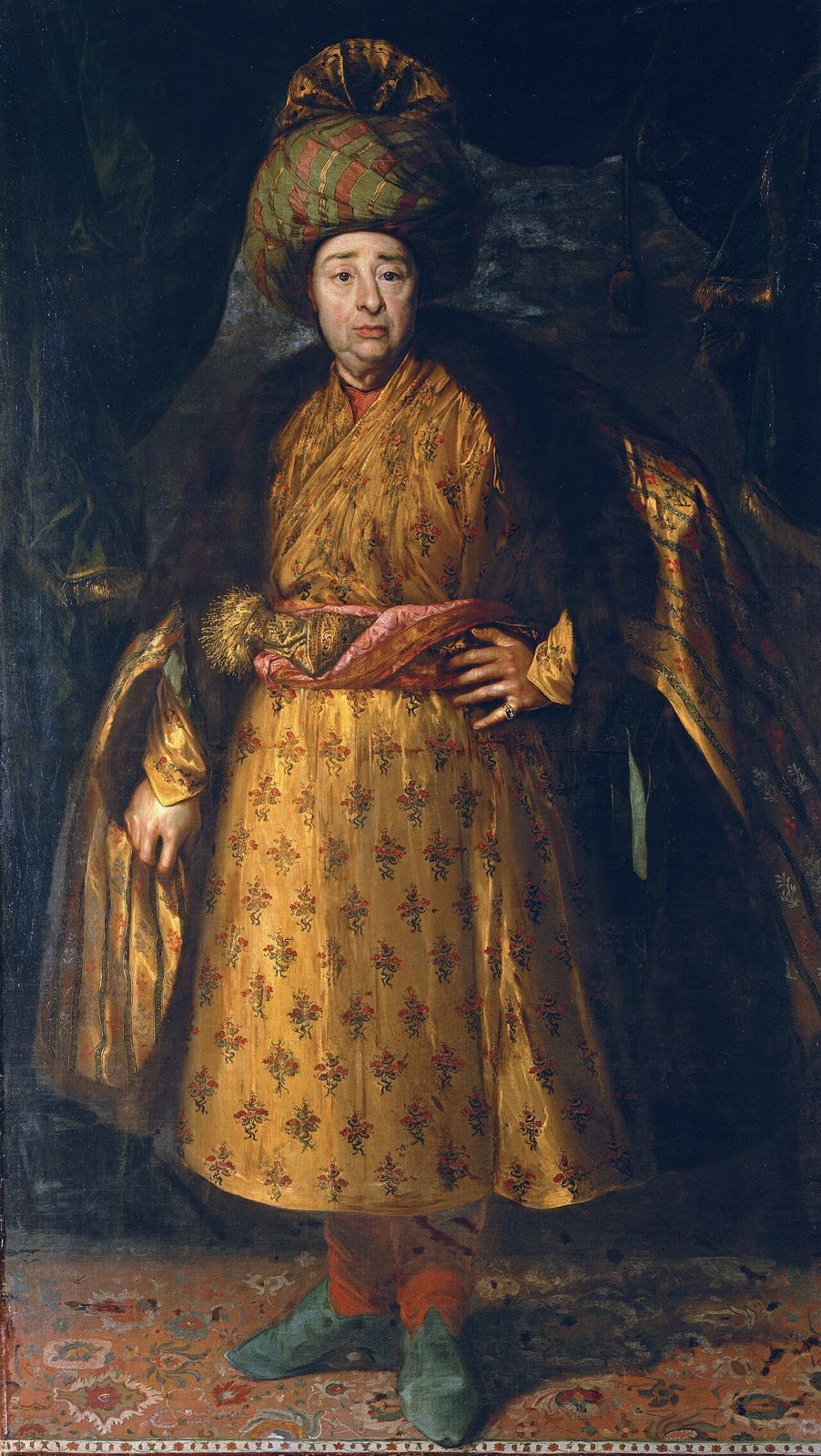
Jean-Baptiste Tavernier, the French jeweller who described Golconda's diamonds and the Peacock Throne — painted in the Indian-style robe he brought home. Fig. 2
Traveller
From · when
Remember
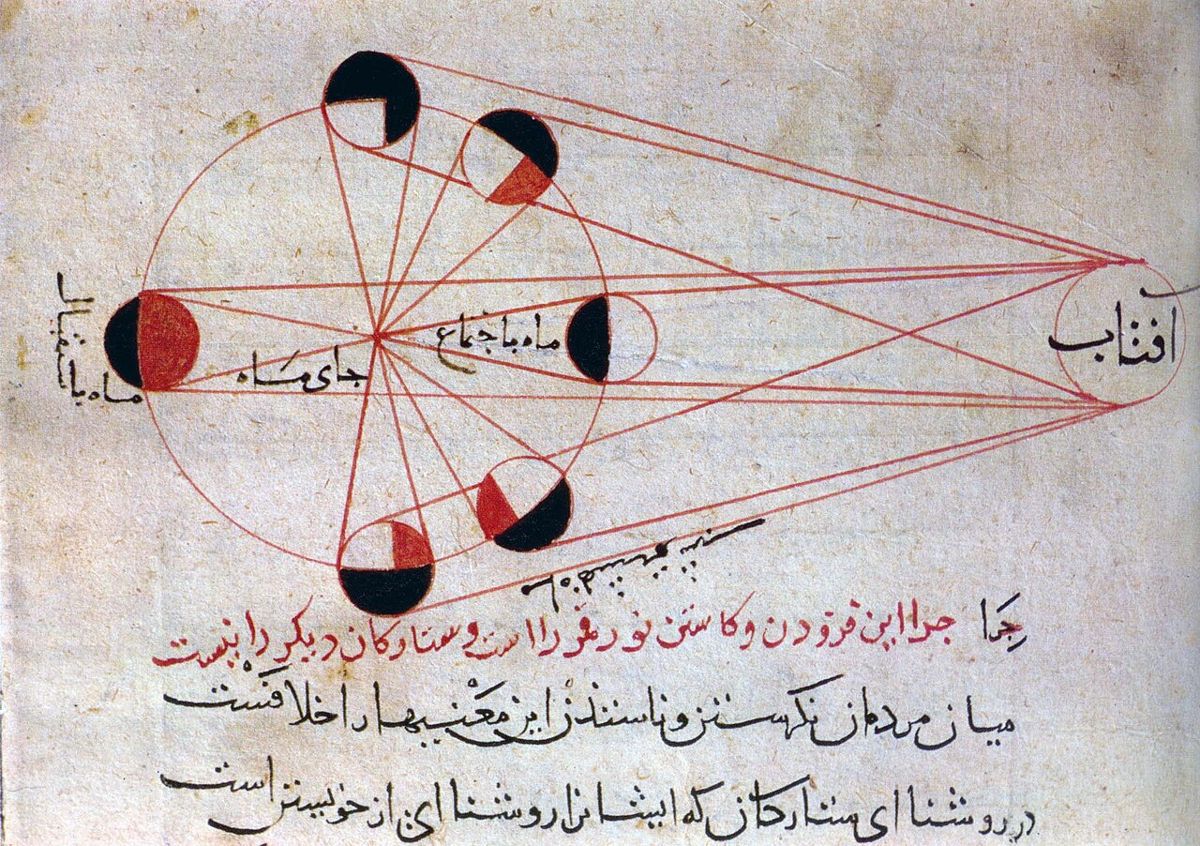
Al-Biruni
Khwarazm (Uzbekistan) · 11th c.
came with Mahmud of Ghazni; Kitab-ul-Hind in Arabic
Marco Polo
Venice (Italy) · 1290s
visited the south — the Kakatiya and Pandya lands
Ibn Battuta
Morocco · 1333
Muhammad bin Tughlaq made him qazi of Delhi; Rihla in Arabic
Niccolò de' Conti
Italy · c. 1420
Vijayanagar under Deva Raya I
Abdur Razzaq
Persia · 1443
envoy of Shah Rukh to Vijayanagar under Deva Raya II
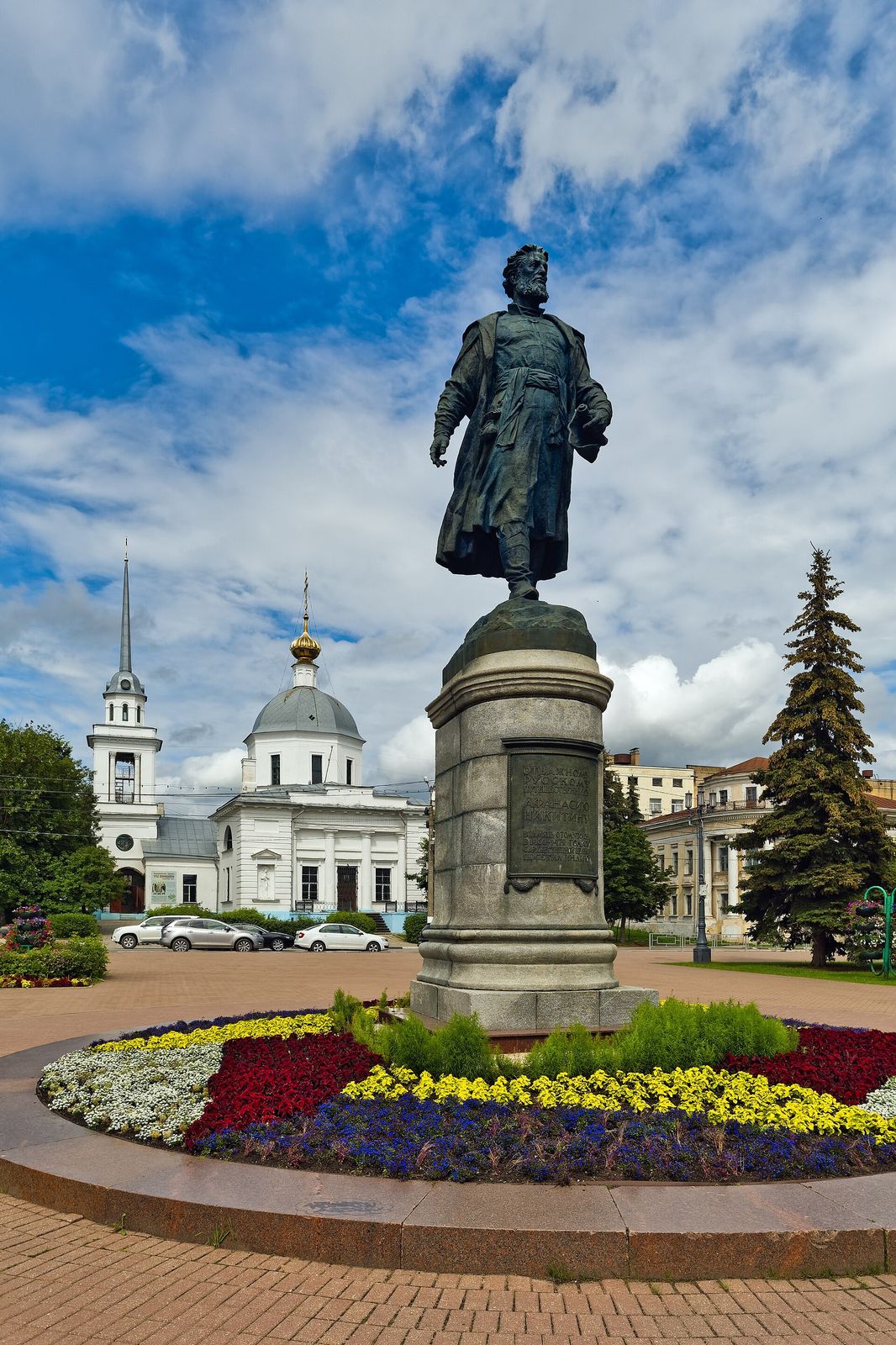
Afanasy Nikitin
Russia · 1469–72
visited the Bahmani kingdom
Duarte Barbosa
Portugal · 1500–1516
described Vijayanagar and the Malabar coast
Domingo Paes · Fernão Nuniz
Portugal · 1520s–30s
Vijayanagar under Krishnadeva Raya (Paes) and Achyuta Raya (Nuniz)
Ralph Fitch
England · 1580s
English merchant who saw Akbar's Fatehpur Sikri
William Hawkins · Sir Thomas Roe
England · 1608 · 1615–19
at Jahangir's court; Roe won trading rights for the East India Company
Peter Mundy
England · 1630s
Shah Jahan's India; described the Gujarat famine
François Bernier · Tavernier
France · 1650s–60s
Mughal India under Shah Jahan and Aurangzeb; Tavernier — Golconda diamonds
TCS Question Bank — Who was the scholar entrusted by Sultan Mahmud of Ghazni to write an account of subcontinent?
Tap an option to answer
Answer: B — Al-Biruni
Al-Biruni came to India with Mahmud of Ghazni and wrote Kitab-ul-Hind in Arabic. Amir Khusrau lived about 250 years later, at the Delhi court.
QUICK CHECK
TCS Question Bank — During whose reign did the Moroccan traveller Ibn Battuta visit India in the 14th century?
Tap an option to answer
Answer: D — Mohammad Bin Tughlaq
Ibn Battuta reached India in 1333, in the reign of Muhammad bin Tughlaq, who made him a qazi (judge) in Delhi. He described his travels in the Rihla, written in Arabic.
QUICK CHECK
TCS Question Bank — Amir Khusrau was a
Tap an option to answer
Answer: A — poet
Amir Khusrau was a Persian poet and musician of the Delhi Sultanate, a disciple of Nizamuddin Auliya, known as the 'Parrot of India'.
Don't mix up
Remember
Abdur Razzaq vs Abul Fazl
Abdur Razzaq = Persian envoy to Vijayanagar; Abul Fazl = Akbar's historian
Paes vs Nuniz
both Portuguese at Vijayanagar — Paes saw Krishnadeva Raya
Hawkins vs Roe
both at Jahangir's court — Hawkins first (1608), Roe as King James I's ambassador (1615)
Bernier
French doctor in Shah Jahan / Aurangzeb's time — not Akbar's
Languages
Al-Biruni and Ibn Battuta = Arabic; court histories = Persian; Babur = Turkish
Exam traps for this section.
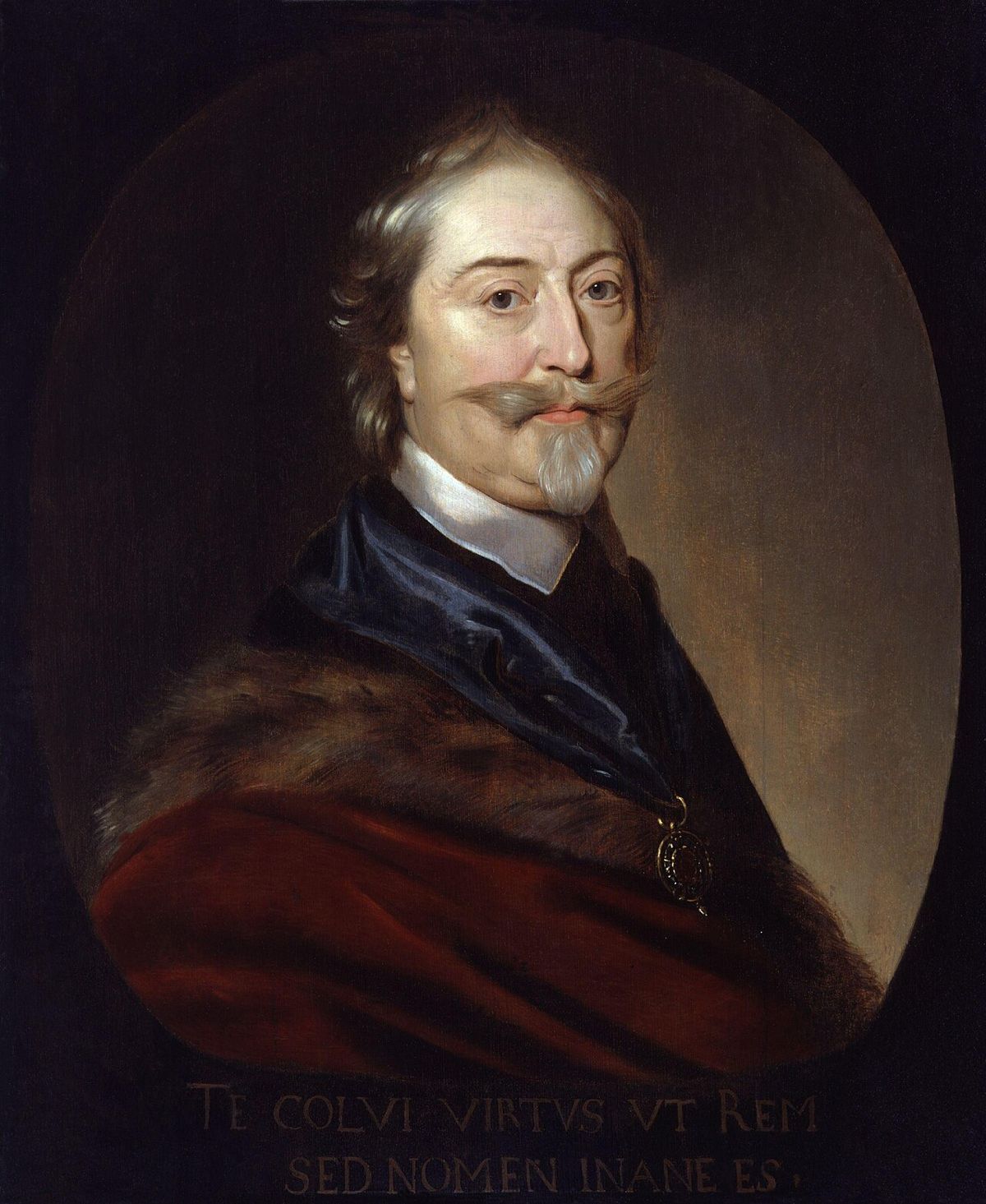
Sir Thomas Roe, King James I's ambassador to Jahangir (1615–19) — portrait by Michiel van Miereveldt (National Portrait Gallery, London).
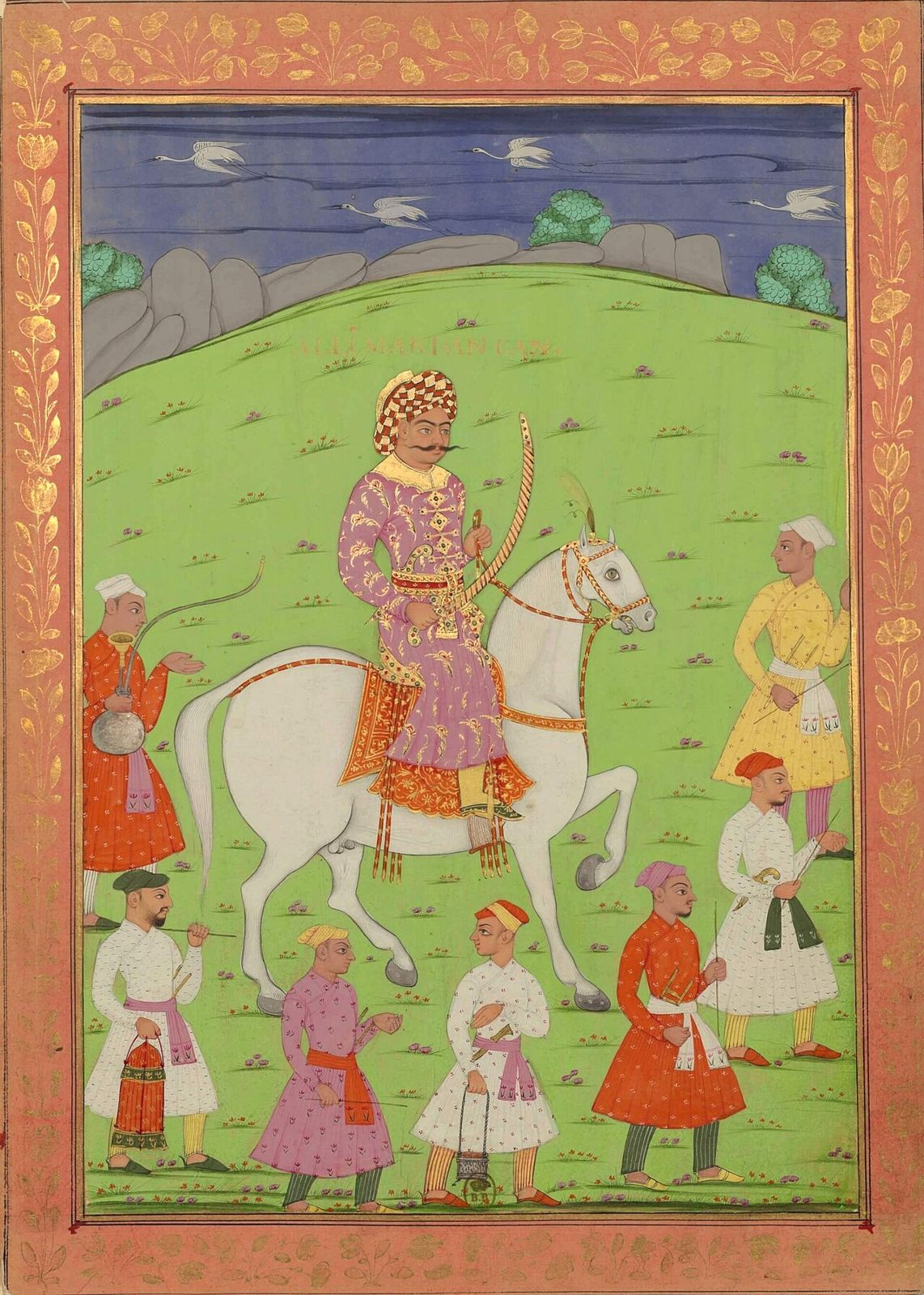
Muhammad bin Tughlaq, who made the Moroccan traveller a qazi (judge) in Delhi. Ibn Battuta wrote about India in his Arabic travel book, the Rihla.
Who wrote Kitab-ul-Hind?
Al-Biruni, a scientist from Khwarizm who came to India with Mahmud of Ghazni's armies, learned Sanskrit and wrote this careful study of India in Arabic.