After the Indus cities faded, the Vedic Age began (roughly 1500–600 BCE). It is named after the Vedas — 'Veda' means knowledge. The Vedas are collections of hymns and prayers composed in Sanskrit by people who called themselves Aryas. They were learnt by heart and passed on by memory for many centuries — so they are called Shruti ('what is heard') — and were written down much later. There are four Vedas, and the Rigveda is the oldest. Historians split the period in two: the Early (Rigvedic) Age (c. 1500–1000 BCE), when people lived in the Punjab region, and the Later Vedic Age (c. 1000–600 BCE), when they moved east into the Ganga plains.
10 mandalas, 1,028 hymns; Gayatri Mantra (mandala 3); Purusha Sukta (mandala 10) first names the four varnas; priest = hotri
Samaveda
hymns set to tunes for singing (mostly taken from the Rigveda)
called the root of Indian music; priest = udgatri
Yajurveda
formulas and rules for sacrifices (yajnas), in prose and verse
two branches: Shukla (white) and Krishna (black); priest = adhvaryu
Atharvaveda
charms and spells for daily life, illness and healing
calls the sabha and samiti the 'two daughters of Prajapati'
Vedas, Upanishads, Puranas and Dharmasutras are all in Sanskrit. Rigveda = oldest; Samaveda = music; Yajurveda = rituals; Atharvaveda = charms and healing.
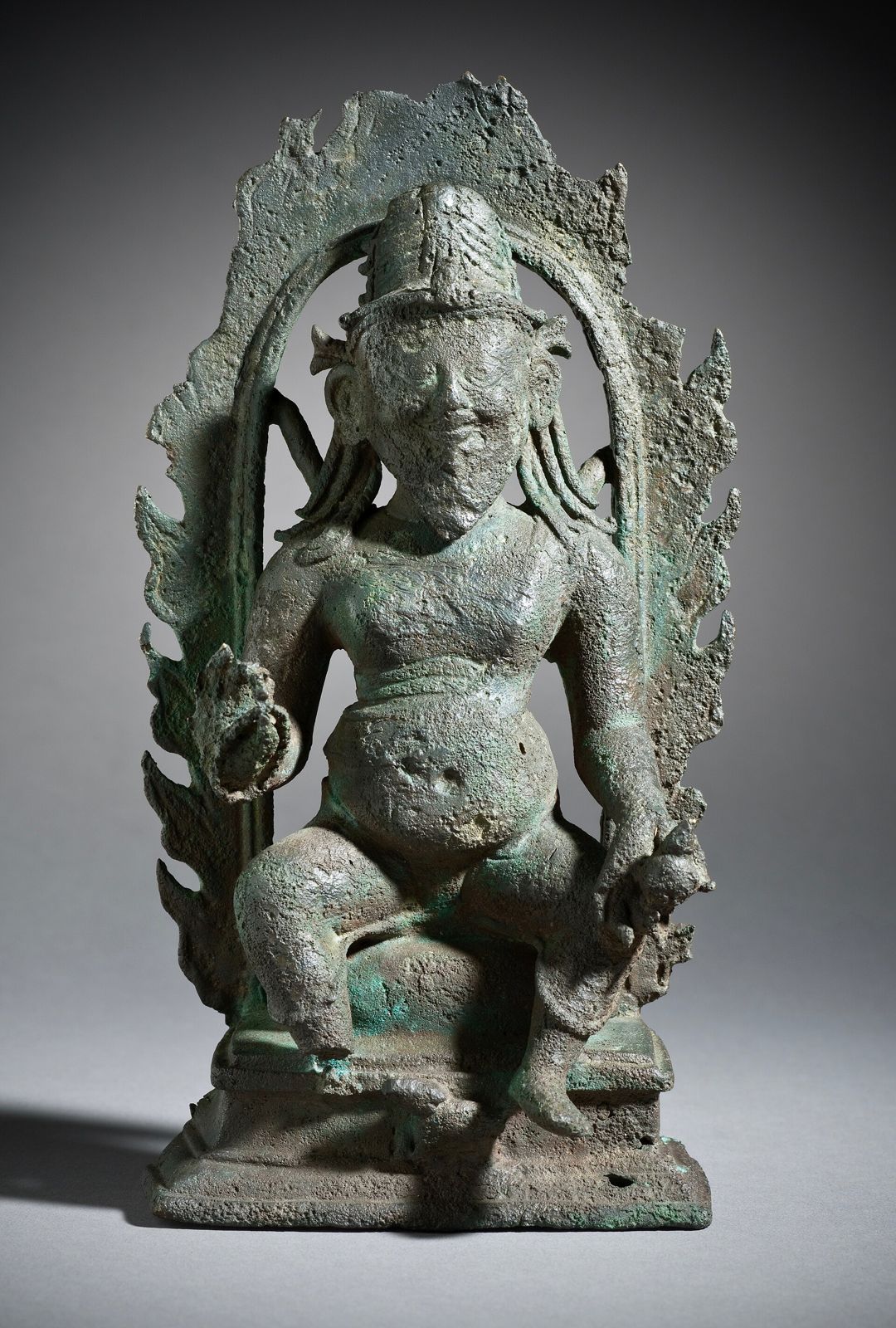
Agni, god of fire, in a 9th-century bronze (LACMA) — a much later image of a Rigvedic god.
TCS Question Bank — The Vedas, Upanishads, Puranas and Dharmasutras are all written in which language?
Tap an option to answer
Answer: D — Sanskrit
All these texts are in Sanskrit. Pali was the language of the early Buddhist books and Prakrit of the early Jain books; Hindi came many centuries later.
QUICK CHECK
TCS Question Bank — Which is the oldest Veda among the four Vedas?
Tap an option to answer
Answer: A — Rigveda
The Rigveda is the oldest Veda, generally dated to about 1500–1000 BCE. It has 10 mandalas (books) and over a thousand hymns (suktas); the other three Vedas came later.
Layer
What it is
Example / remember
Samhitas
the four Vedas themselves — collections of hymns
Rigveda Samhita
Brahmanas
prose texts explaining the rituals
Shatapatha Brahmana
Aranyakas
'forest books' — on the inner meaning of rituals
studied by hermits in forests
Upanishads
philosophy: the soul (atman) and the ultimate reality (brahman)
called Vedanta ('end of the Vedas'); about 108; 'Satyameva Jayate' is from the Mundaka Upanishad
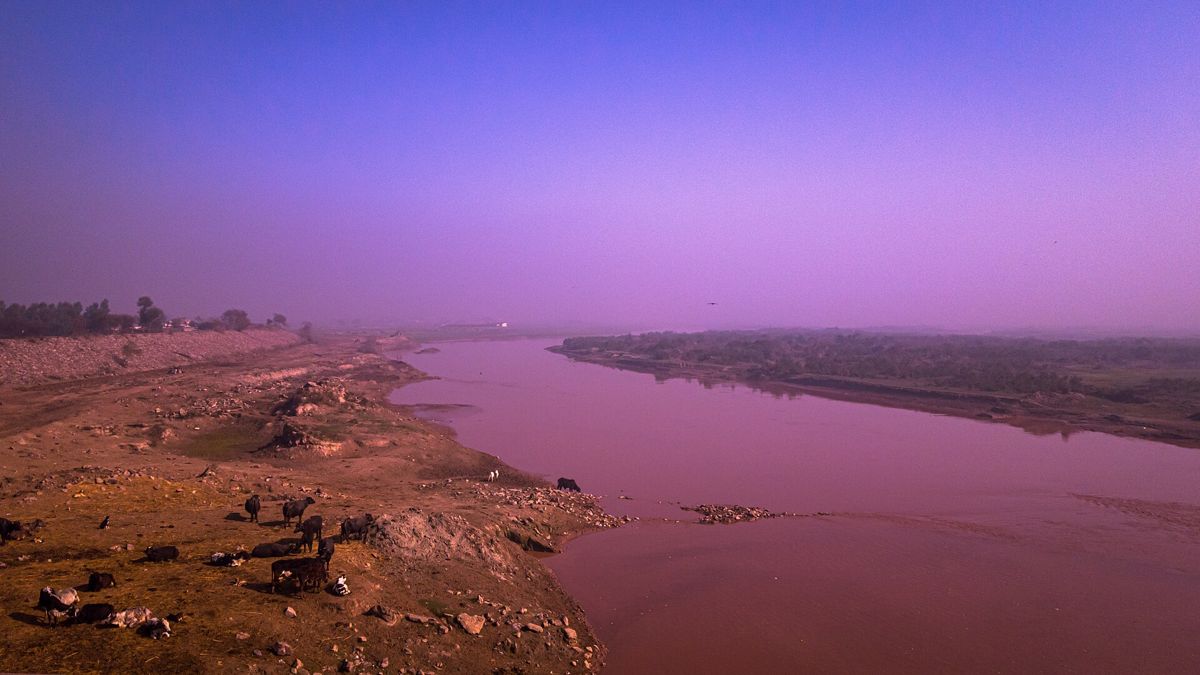
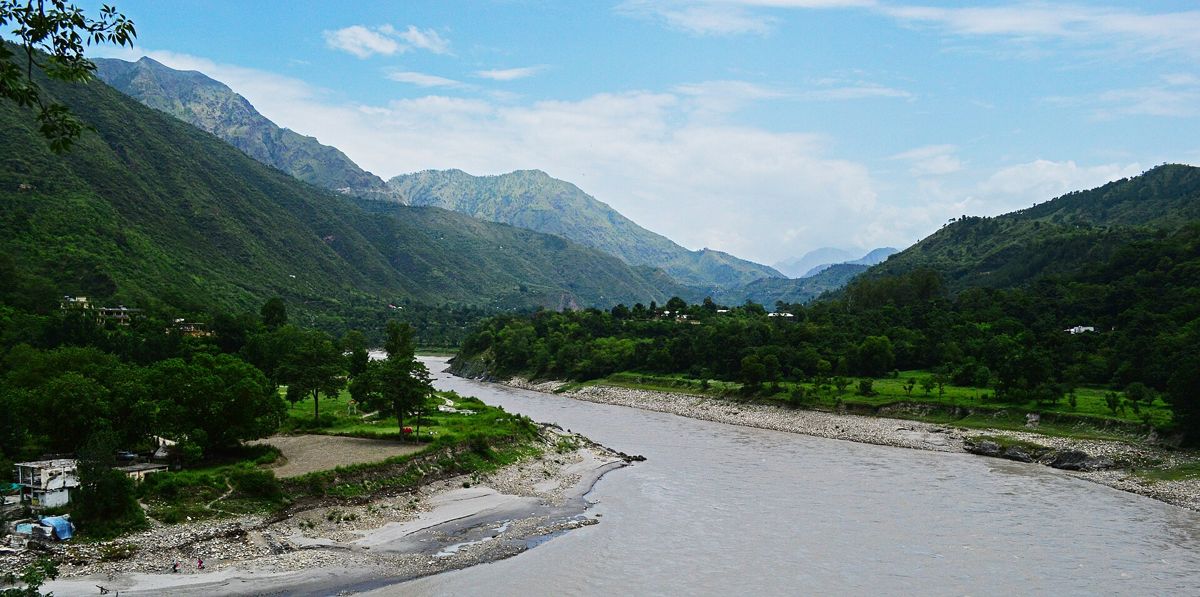
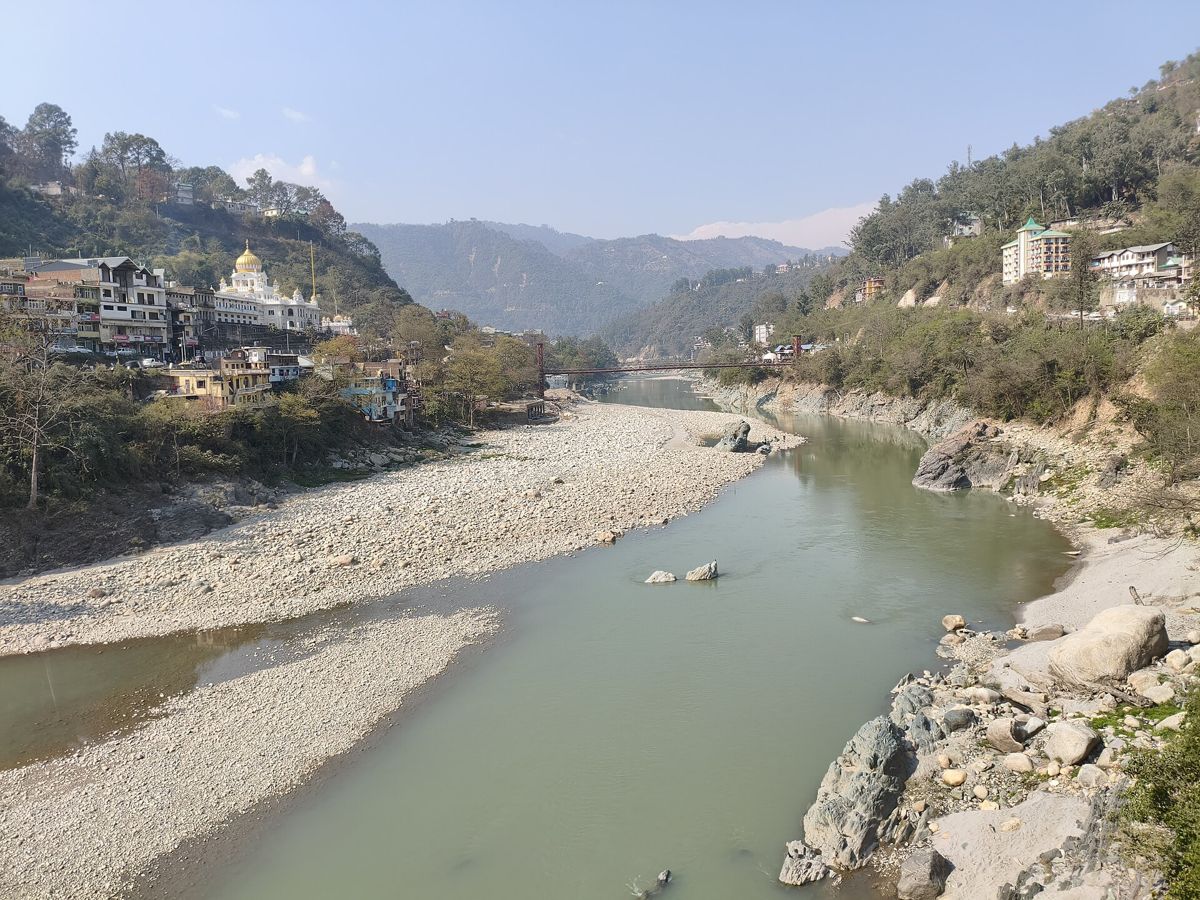
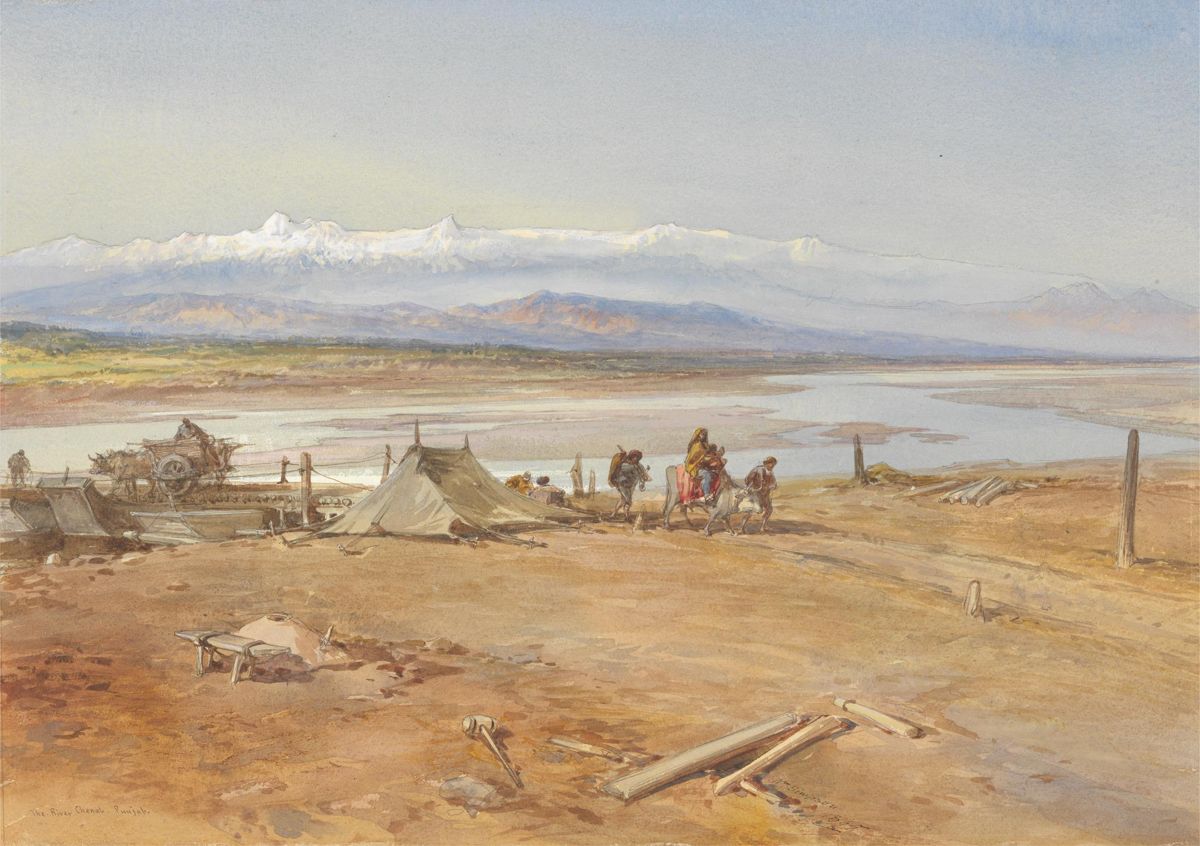
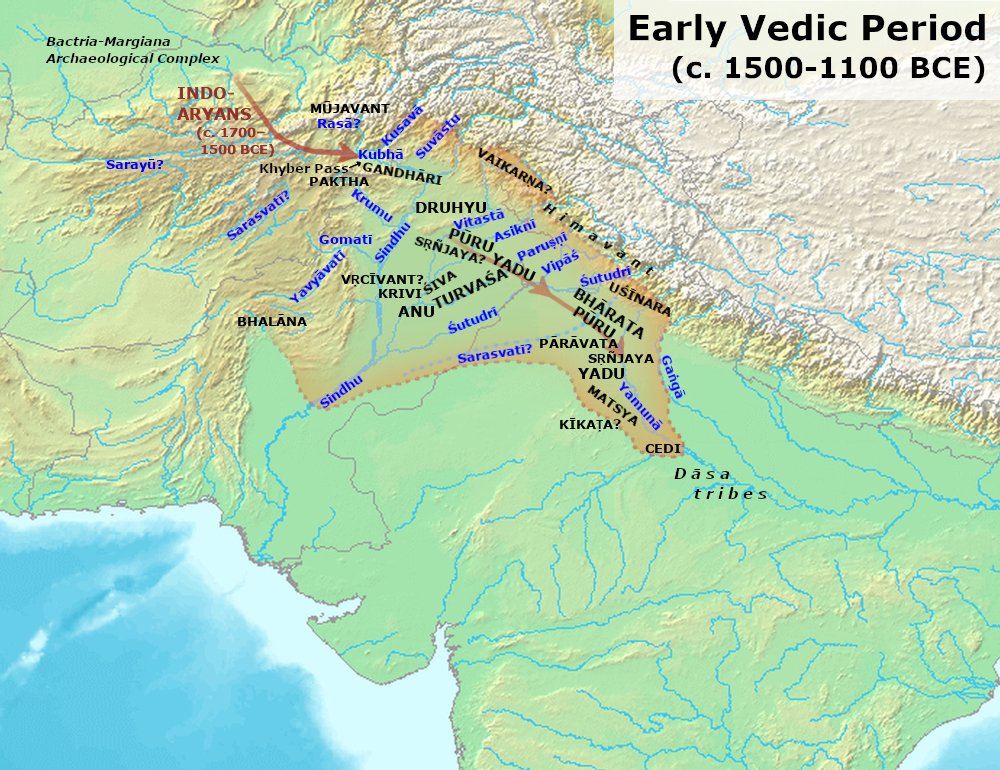
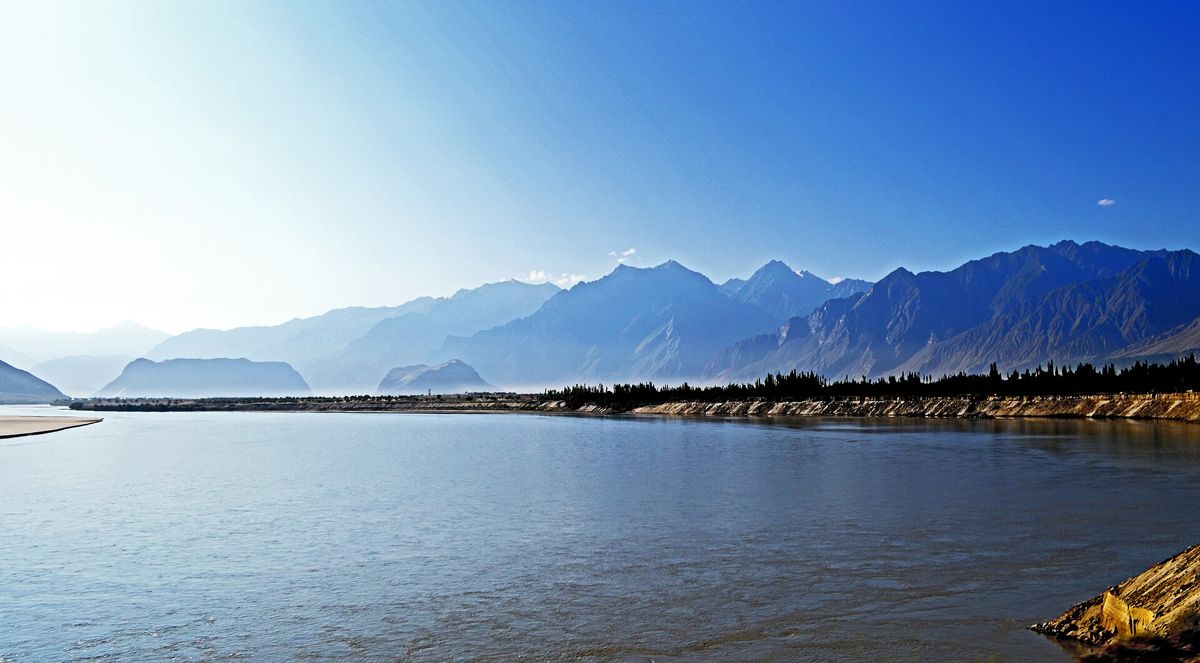
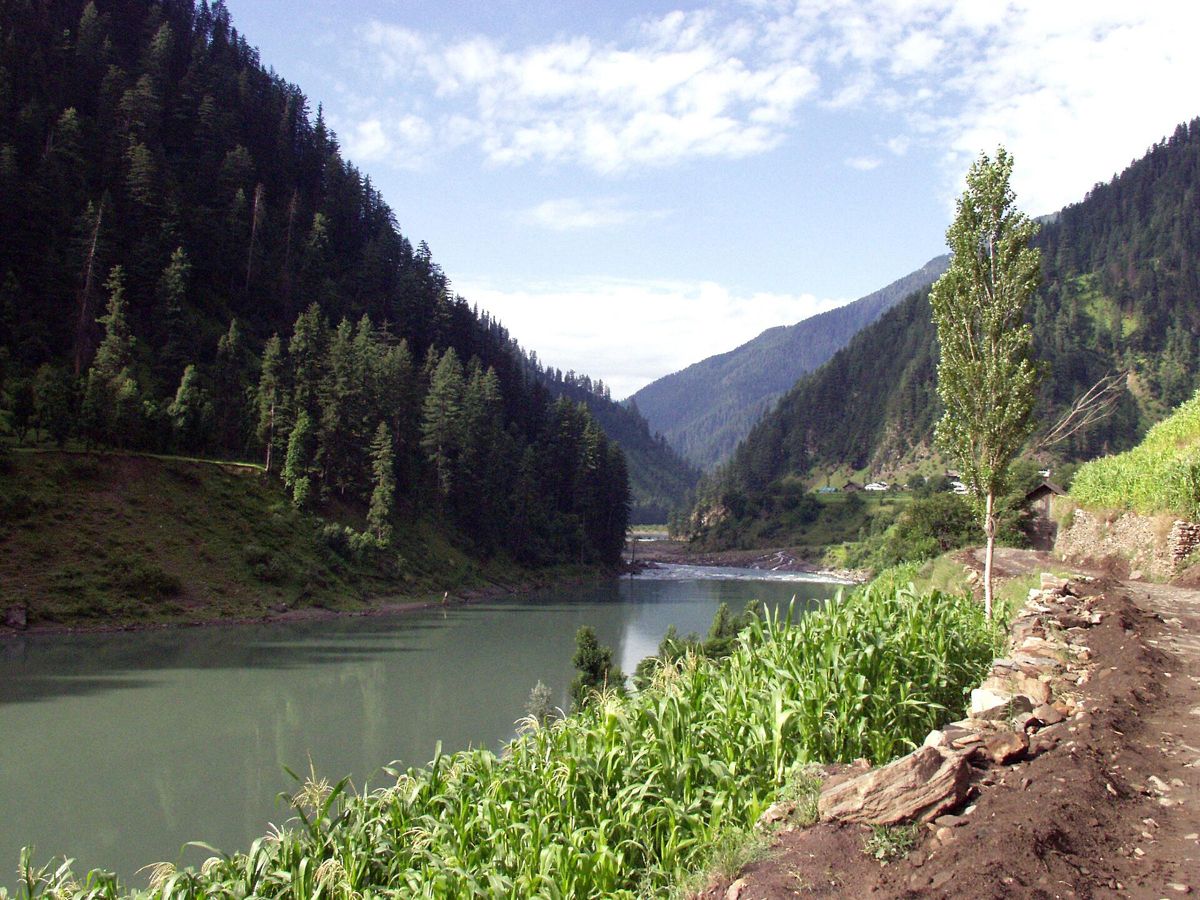
The Rigveda calls its homeland Sapta Sindhu — 'the land of seven rivers'. This is the Punjab region. The seven are the Sindhu (Indus), the five rivers of Punjab, and usually the Sarasvati as the seventh. The Rigveda gives each river its own old name — and the exam loves to ask them. On the bank of the Parushni (Ravi) was fought the Battle of Ten Kings (Dasarajna), in which Sudas, king of the Bharata tribe, defeated a group of ten kings; the name Bharat is linked to this tribe.
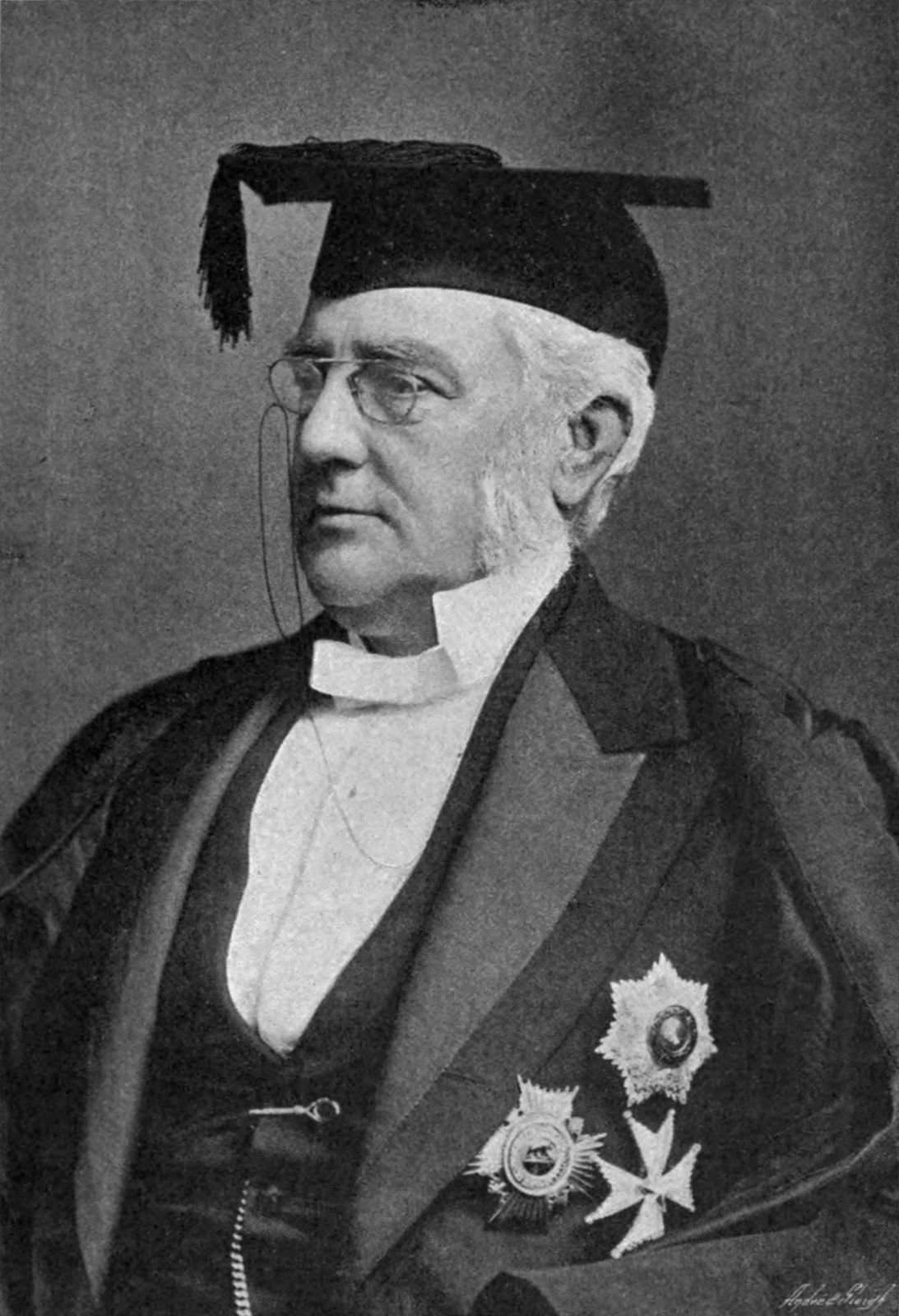
Friedrich Max Müller, the German-born scholar who published the Rigveda in the 19th century.
ImageThe Early Vedic (Rigvedic) period, c. 1500–1100 BCE — tribes such as the Bharatas, Purus and Yadus in the land of the seven rivers, with the old river names Parushni (Ravi), Vipash (Beas) and Shutudri (Sutlej). Fig. 9
Vedic (old) name
Modern river
Sindhu
Indus
Vitasta
Jhelum
Asikni
Chenab
Parushni
Ravi
Vipasha
Beas
Shutudri
Sutlej
Sindhu plus the five rivers of Punjab (the Sarasvati is usually counted as the seventh). Parushni = Ravi is the most-asked.
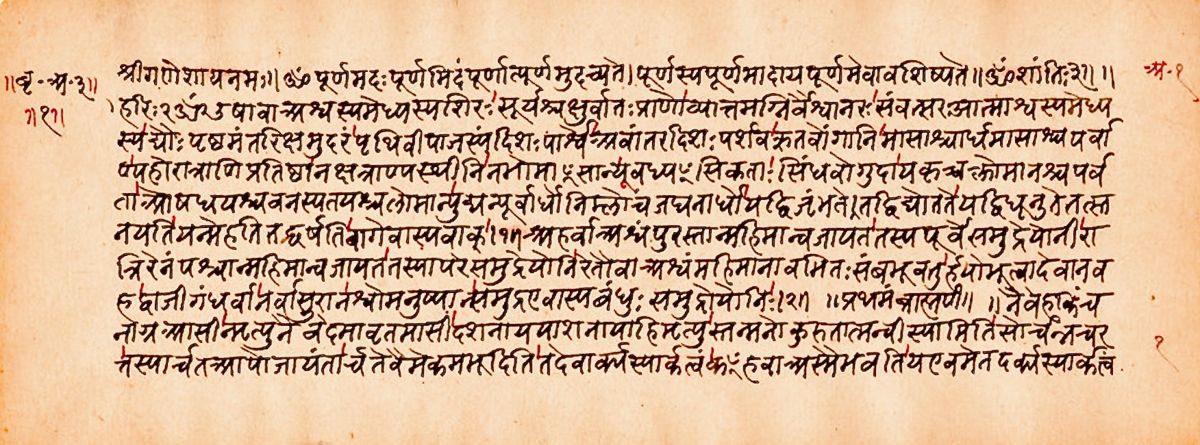
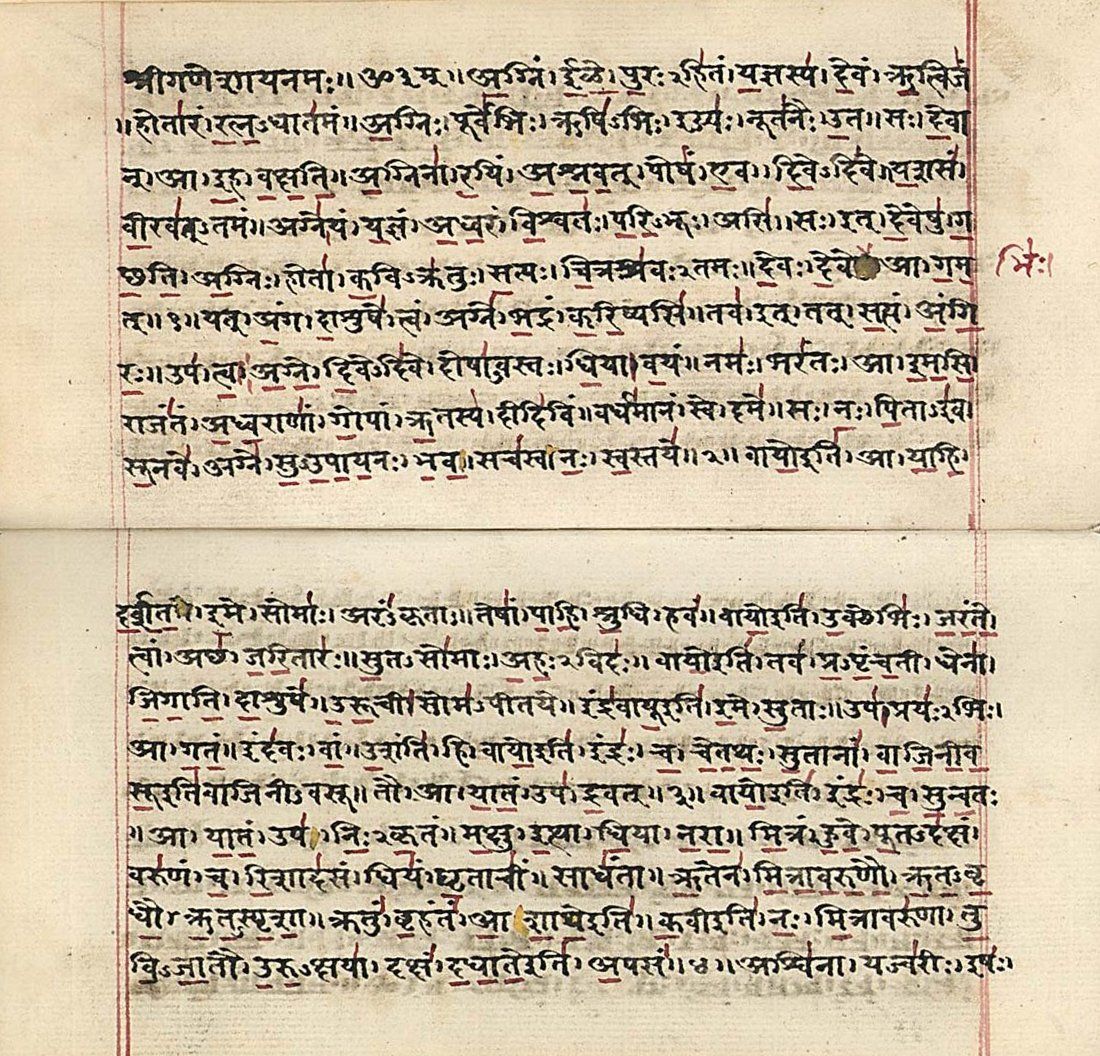
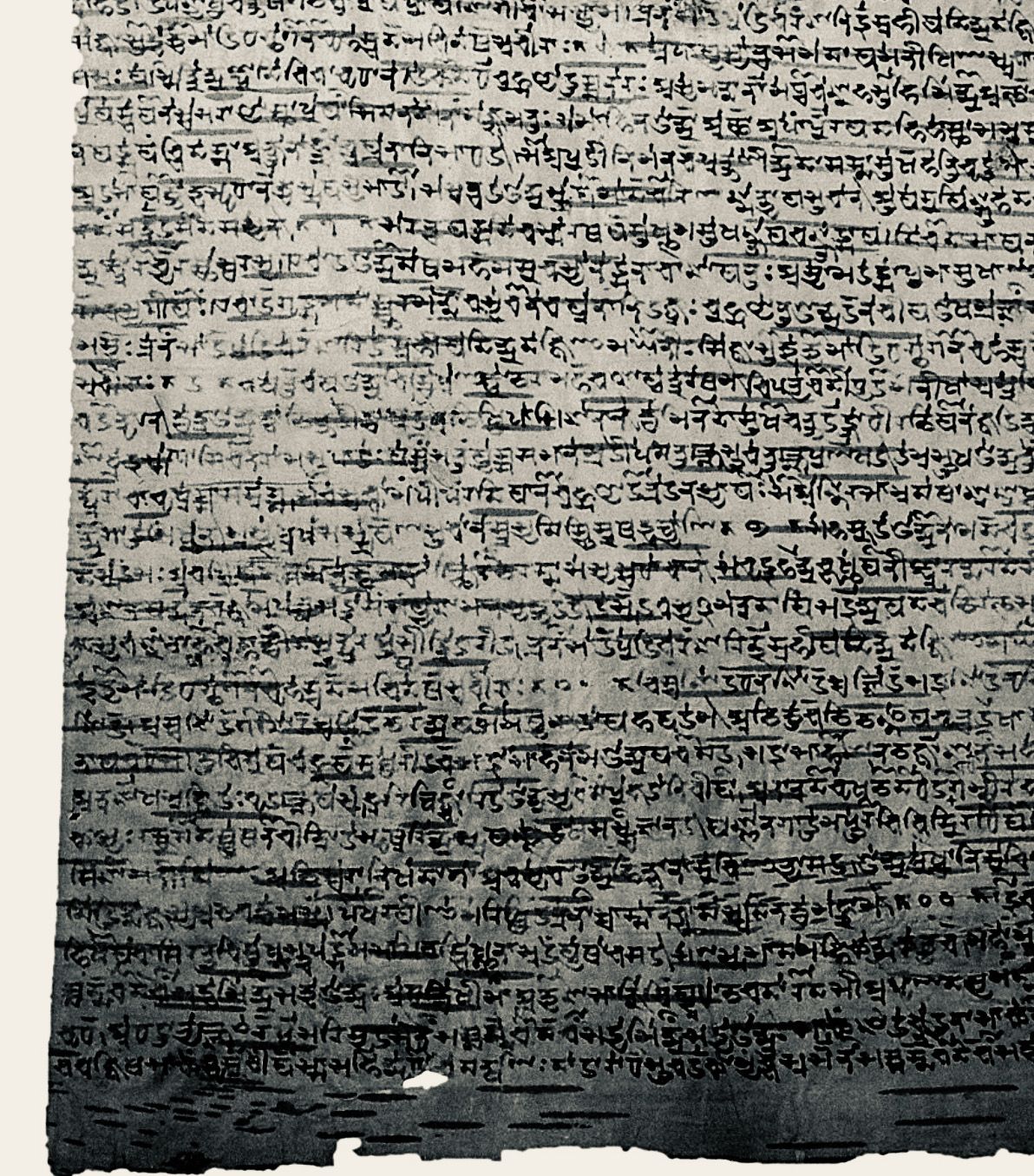
A page of a Rigveda manuscript in Devanagari (early 19th century). The text is much older than any surviving copy.
Prajapati, Vishnu and Rudra rise; big sacrifices like Rajasuya and Ashvamedha
Society
varna not rigid; women attended assemblies; poets such as Ghosha and Apala
varna became rigid; women's position declined
Pottery
—
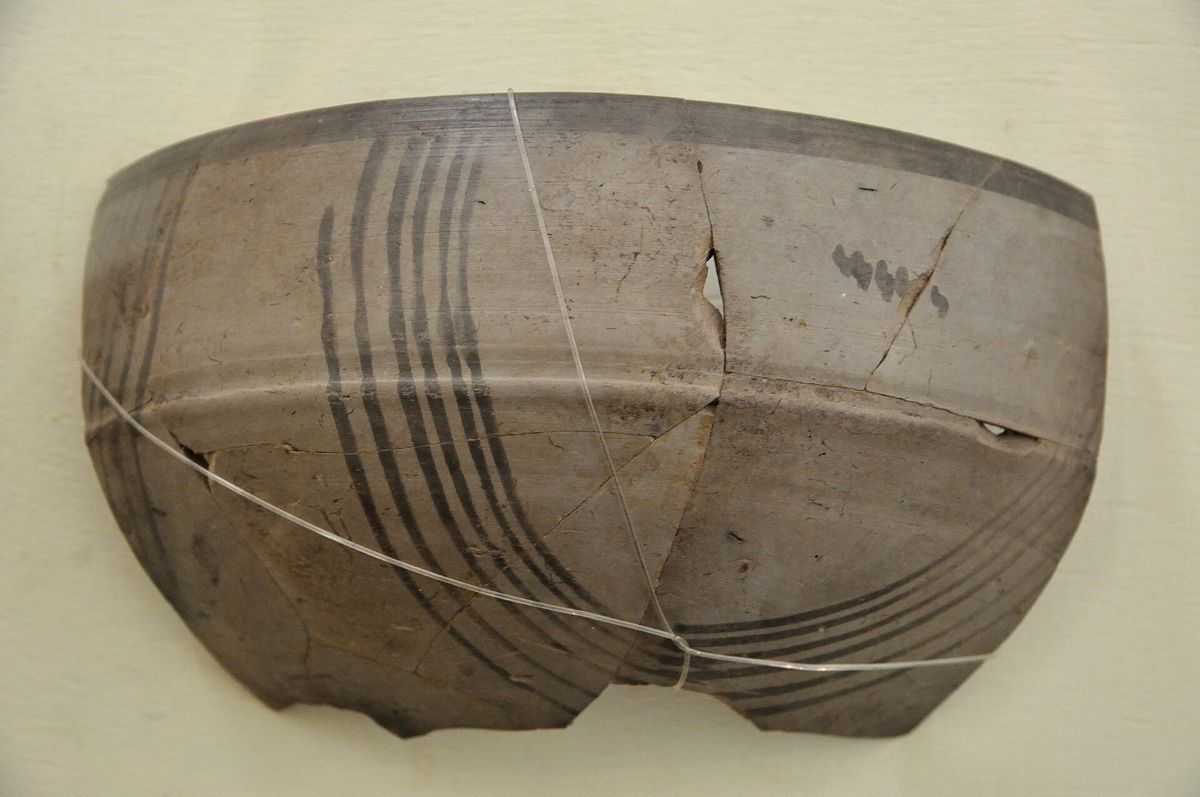
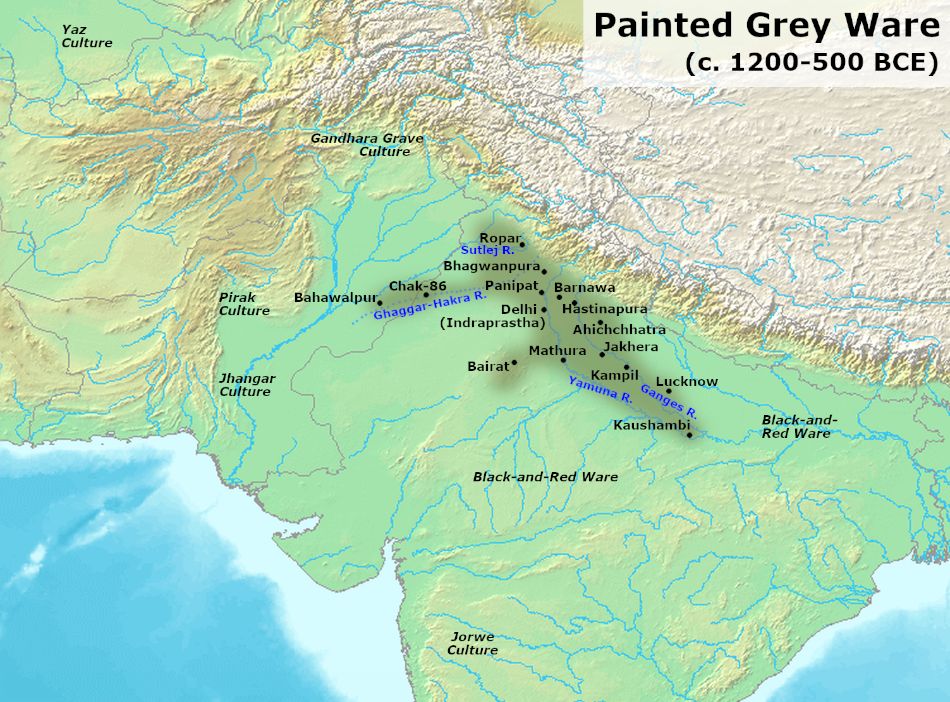
Painted Grey Ware
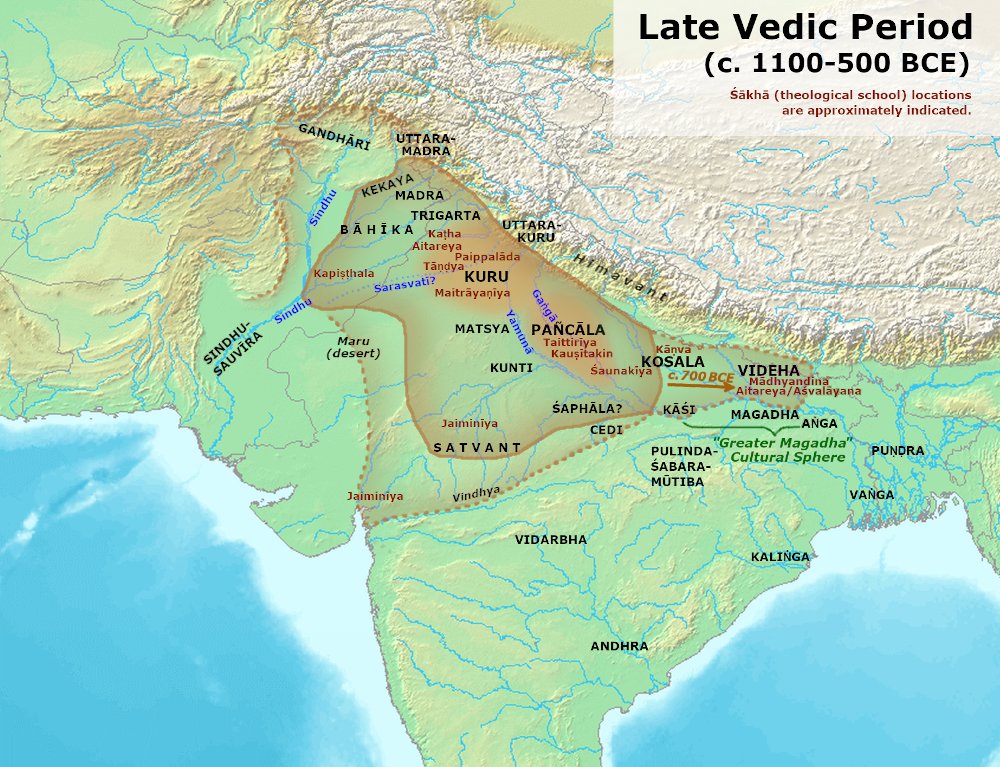
Iron, farming, kingdoms and Painted Grey Ware all point to the Later Vedic age.The Later Vedic period, c. 1100–500 BCE — the centre has moved east to the Kuru and Panchala lands of the Ganga–Yamuna doab, with Kosala, Videha and Magadha further east. Fig. 12
What is Sapta Sindhu, and what is the Rigvedic name of the Ravi?
Sapta Sindhu, 'land of seven rivers', is the Rigveda's name for the Punjab region: the Sindhu, the five rivers of Punjab and (usually) the Sarasvati. The Ravi was called Parushni.
How many Vedas are there, and which is the oldest?
Four — Rigveda, Samaveda, Yajurveda and Atharvaveda — all in Sanskrit. The Rigveda is the oldest.
Where does 'Satyameva Jayate' come from?
From the Mundaka Upanishad — not from one of the four Vedas. It is the motto under India's National Emblem.
How was the Later Vedic age different from the Rigvedic age?
People moved from the Punjab region east to the Ganga–Yamuna doab; farming replaced herding, iron came into use, and tribes grew into bigger kingdoms with regular taxes. Painted Grey Ware belongs to the Later Vedic age.