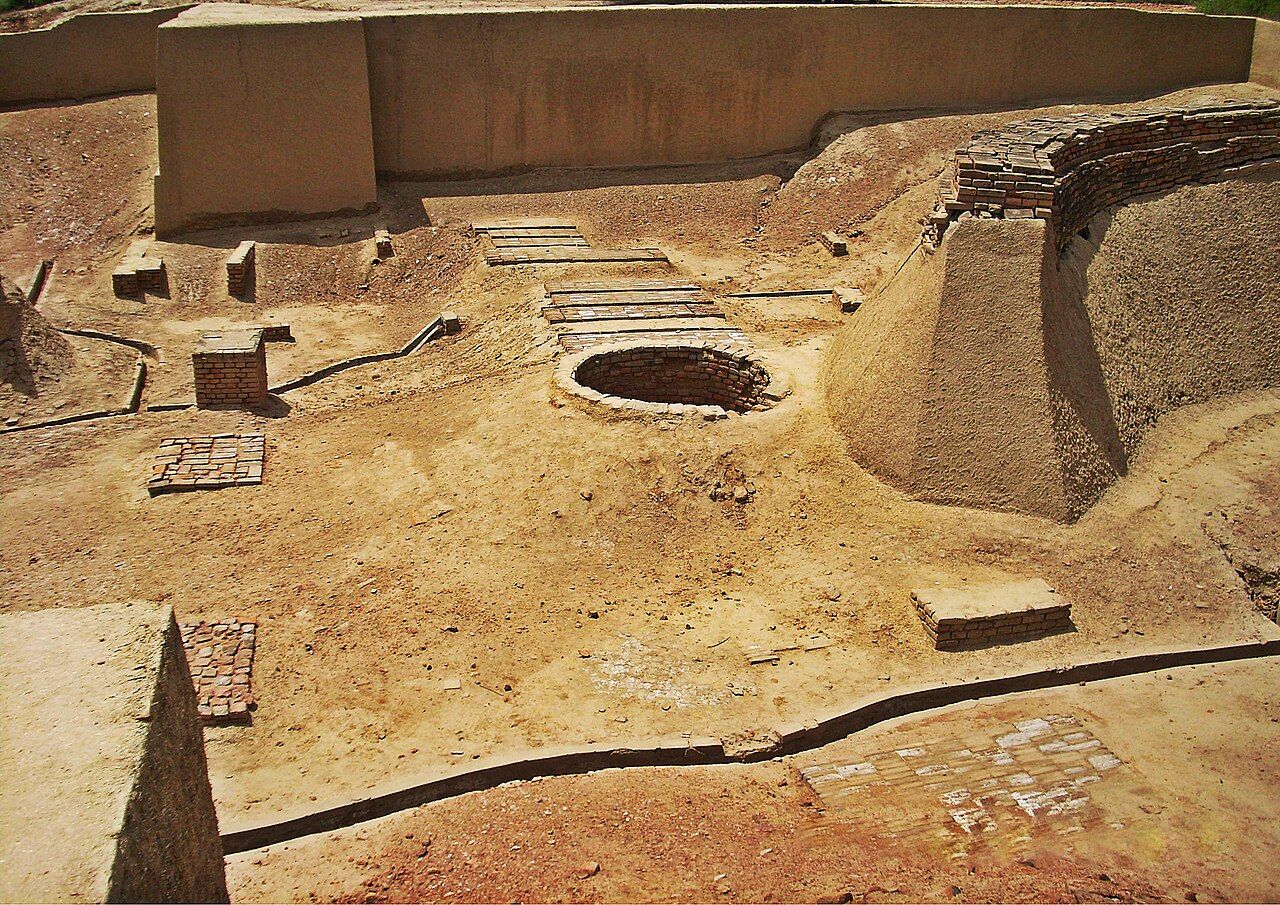
Punjab is one of the oldest lived-in lands of India. The Harappan people built towns here. The Rig Veda was composed here, in the land it calls Sapta Sindhu. Alexander fought Porus on the Jhelum. Later, Greeks, Kushans, Huns, Turks, the Delhi Sultans and the Mughals all ruled Punjab. Sufi and Bhakti saints also preached here. This page covers Punjab from the Stone Age to the Mughals — the background to the Sikh Gurus.
Names of Punjab through the ages
Same land, many names. Exams love this table.
| Source / period | Name | Meaning |
|---|---|---|
| Rig Veda | Sapta Sindhu | Land of seven rivers: the Indus, its five Punjab tributaries and the Saraswati |
| Later Vedic texts | Brahmavarta | Land between the Saraswati and the Drishadvati |
| Ramayana and Mahabharata (epic age) | Panchanada | Land of five rivers (Jhelum, Chenab, Ravi, Beas, Sutlej). The Indus is not one of the five; the Mahabharata adds it as a sixth river. |
| Greek writers (after 326 BCE) | Pentapotamia | Greek for "five rivers" |
| Hiuen Tsang (7th century CE) | Taki (Tseh-kia) | Kingdom of the Punjab plains, capital near Sakala |
| Persian, medieval and Mughal | Punjab | panj (five) + ab (water); standard under the Mughals |
| Not a name of Punjab | Mehran | Old name of the Indus / Sindh — a common wrong option |
Doab (do + ab, "two waters") is the land between two rivers. It has the same Persian root as Punjab. Akbar's records name five doabs: Bist Jalandhar, Bari, Rachna, Chaj (Chenhat) and Sindh Sagar.
Timeline: from Alexander to Aurangzeb
The big events in order.
- 326 BCEAlexander vs Porus
Battle of the Hydaspes (Jhelum). Alexander turns back at the Beas.
- 1001Battle of Peshawar
Mahmud of Ghazni defeats the Hindu Shahi king Jayapala.
- 1186Ghori takes Lahore
End of the last Ghaznavid, Khusrau Malik.
- 1191–92Battles of Tarain
Prithviraj Chauhan wins in 1191; Muhammad Ghori wins in 1192.
- 1206Delhi Sultanate begins
Qutb-ud-din Aibak, who first ruled from Lahore.
- 1240Razia Sultan at Bathinda
Imprisoned in Qila Mubarak by Malik Altunia.
- 1526First Battle of Panipat
21 April. Babur defeats and kills Ibrahim Lodi.
- 1556Akbar crowned at Kalanaur
14 February, aged 13, in Gurdaspur district.
More dates (Mauryas to Aurangzeb)Tap to open
- c. 322 BCEChandragupta Maurya
Drives out the Greek garrisons. Taxila becomes the Mauryan capital of the north-west.
- 78 CESaka era
Traditionally linked to the Kushan king Kanishka.
- c. 455–470Huns destroy Taxila
Its monasteries are ruined; Taxila ends as a centre of learning.
- c. 630–644Hiuen Tsang visits
In Harsha's time, he describes Taki, Jalandhara and other Punjab kingdoms.
- c. 1021–22Punjab joins the Ghaznavid empire
Lahore becomes its Indian capital under Malik Ayaz.
- 1398Timur's invasion
Sacks Talamba, Bhatner, Sirsa and Delhi.
- 1599Dulla Bhatti executed
At Lahore, after his revolt against Akbar's land revenue.
- 1671–73Badshahi Mosque, Lahore
Built under Aurangzeb, who died in 1707.
Stone Age and Harappan Punjab
Ropar, Sanghol and the other sites you must know.
- Stone Age: Dholbaha in Hoshiarpur (Shivalik foothills) has old stone tools and fossils. It is a Stone Age (Palaeolithic) site, not a Harappan one.
- The Harappan (Indus Valley) civilisation was a Bronze Age culture. People used tools and weapons of stone, copper and bronze. They knew gold and silver, but not iron.
- This civilisation spread widely over ancient Punjab. Its Punjab sites lie mostly along the Sutlej and the dried Ghaggar-Hakra river (taken to be the Vedic Saraswati).
- The drying of the Ghaggar-Hakra is the usual reason given for the decline of Harappan towns in Punjab.
- Other early sites: Sunet (Ludhiana) — Kushan and Gupta coins; Nagar (Rupnagar) and Ghuram (Patiala) — Painted Grey Ware (old grey pottery).
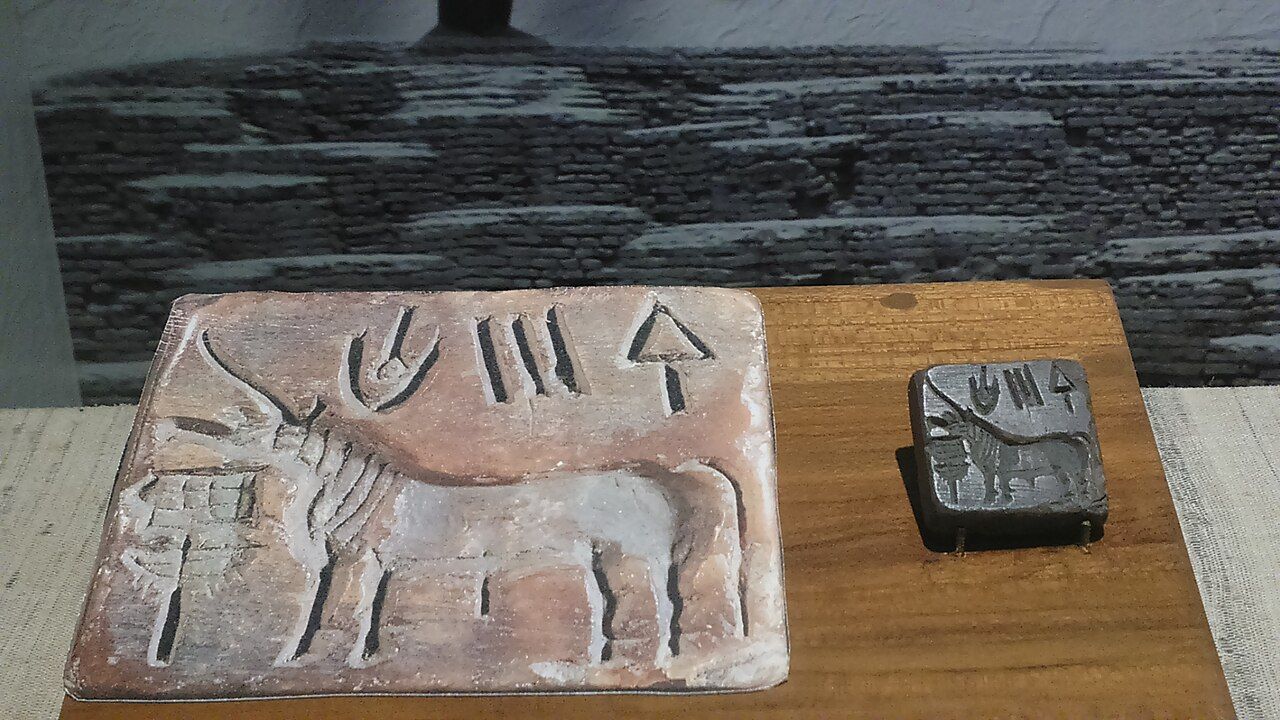
| Site | District / river | Why it matters |
|---|---|---|
| Harappa | Sahiwal (Pakistan), old course of the Ravi | First site of the civilisation; dug by Daya Ram Sahni, 1921 |
| Ropar (Rupnagar) | Rupnagar, on the Sutlej | First Harappan site dug in free India — Y. D. Sharma, 1953; six cultural periods |
| Bara | Rupnagar | Gives its name to the "Bara culture" (late-Harappan pottery) |
| Kotla Nihang Khan, Dher Majra | Rupnagar | Small Harappan mounds near Ropar |
| Sanghol (Uchha Pind) | Fatehgarh Sahib | Late-Harappan pottery; Kushan Buddhist stupa; 117 sculptures (1985) |
| Rohira | Sangrur | Harappan site |
| Kalibangan | Hanumangarh, Rajasthan, on the Ghaggar | NOT in Punjab — ploughed field, fire altars |
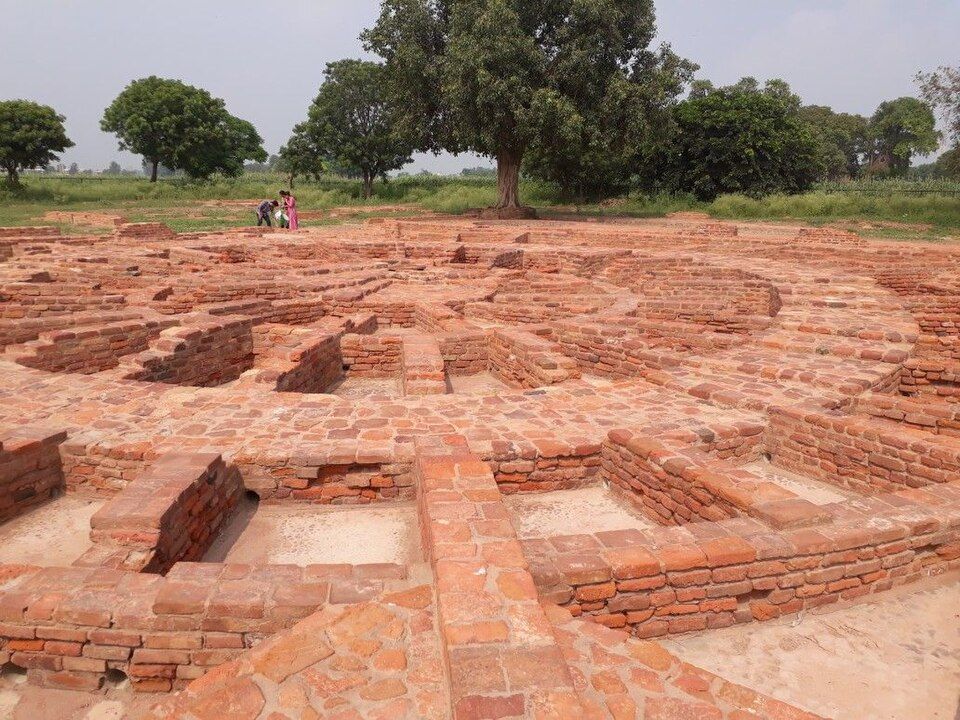
Ropar shows six cultural periods, from Harappan to medieval times. This means people lived there continuously — one culture was not simply replaced by another.
Vedic Punjab: the land of Sapta Sindhu
The river names are a fixed exam set.
| Rig Vedic name | Greek name | Modern river |
|---|---|---|
| Sindhu | Indos | Indus |
| Vitasta | Hydaspes | Jhelum |
| Asikni | Acesines | Chenab |
| Parushni (Iravati) | Hydraotes | Ravi |
| Vipasa (Vipash) | Hyphasis | Beas |
| Sutudri (Shutudri) | Zaradros (Hesydrus) | Sutlej |
| Saraswati | — | Ghaggar-Hakra (dried up) |
Vedic rivers from west to east (Jhelum → Sutlej): "Very Angry Parrots Visit Sutlej" — Vitasta, Asikni, Parushni, Vipasa, Sutudri. Do not swap the two V's: the first, Vitasta, is the Jhelum; the second, Vipasa, is the Beas — the name Beas comes from Vipasa.
- Sapta Sindhu
- Punjab in the Rig Veda (land of seven rivers)
- Panchanada
- Punjab in the Ramayana and Mahabharata (five rivers)
- Pentapotamia
- Punjab in Greek (five rivers)
- Mehran
- The Indus / Sindh — NOT Punjab
- Vitasta
- Jhelum (Greek: Hydaspes)
- Asikni
- Chenab
- Parushni
- Ravi — the Dasarajna was fought on it
- Vipasa
- Beas (Greek: Hyphasis)
- Shutudri
- Sutlej
- The Rig Veda was composed mostly in the Sapta Sindhu region.
- Dasarajna (battle of ten kings) was fought on the Parushni (Ravi). King Sudas of the Bharatas, guided by sage Vasishtha, defeated ten tribes led by the Purus.
More: Vedic tribes, epic links and Ram TirathTap to open
- Tribes of Vedic Punjab: Bharatas, Purus, Anus, Druhyus, Turvashas and Yadus.
- Later texts place the Madras (capital Sakala = Sialkot), Kekayas, Sivis, Ushinaras and Trigartas (Jalandhar–Kangra) here.
- In the Mahabharata, Madri (mother of Nakula and Sahadeva) and Shalya belong to the Madra royal family.
Persians, Alexander and the Mauryas
6th to 3rd century BCE.
- Alexander crossed the Indus in 326 BCE. Ambhi of Taxila gave in without a fight.
- His army refused to go further, so he turned back at the Hyphasis (Beas). He died at Babylon in 323 BCE.
- Chandragupta Maurya, said to be taught by Chanakya (Kautilya) at Taxila, drove out the Greek garrisons (c. 322–317 BCE).
Porus (Paurava) ruled the land between the Jhelum and the Chenab. He fought Alexander at the Hydaspes (Jhelum), lost, but was given his kingdom back as an ally. The battle was on the Jhelum; Alexander's march stopped at the Beas.
More: Persians, Panini, Alexander's towns, AshokaTap to open
- Darius I of Persia (c. 518 BCE) held the Indus lands. "Hindush" was a Persian province (satrapy).
- The grammarian Panini came from Shalatura near Attock. Taxila was already a seat of learning.
- Alexander founded Bucephala (named after his horse Bucephalus, which died there) and Nicaea. He defeated the Kathas at Sangala.
- Ashoka served as viceroy at Taxila. His rock edicts at Mansehra and Shahbazgarhi are in the Kharoshthi script.
After the Mauryas: Greeks to Harsha
Who ruled Punjab between 200 BCE and 650 CE.
| Power | Key names | Punjab link |
|---|---|---|
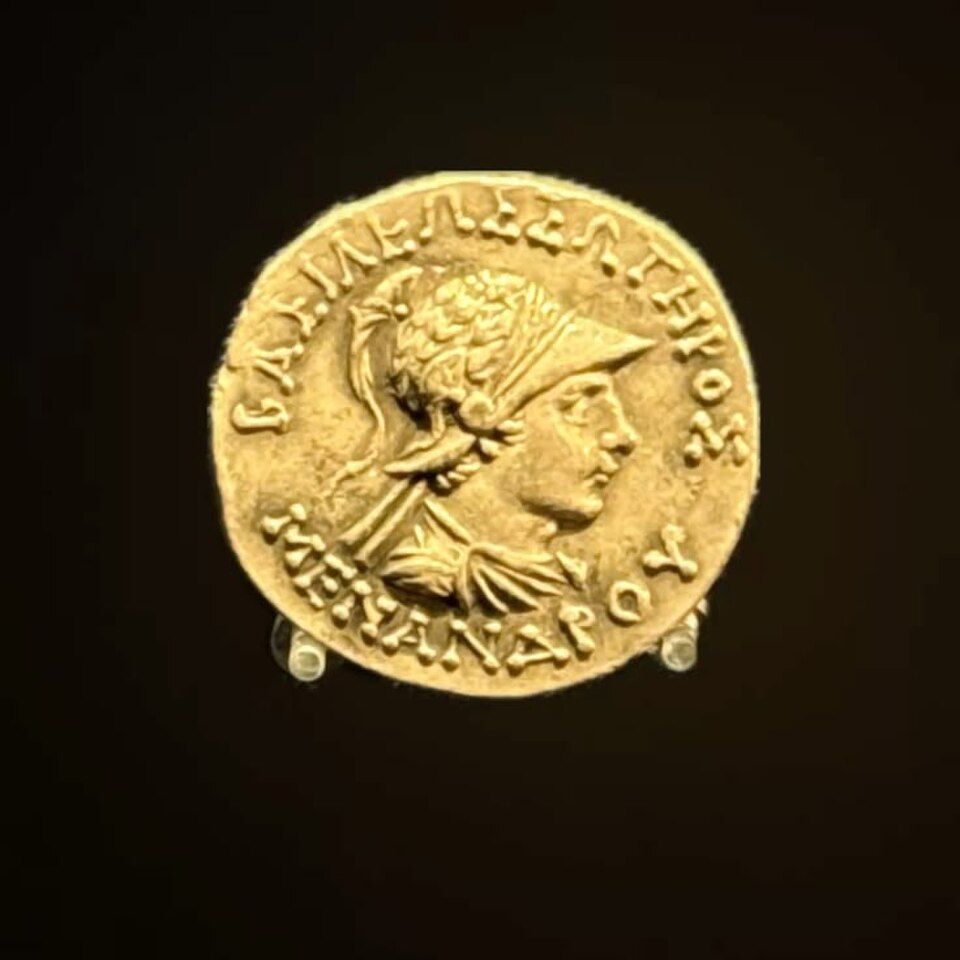
| Indo-Greeks (2nd–1st c. BCE) | Demetrius; Menander (Milinda) | Menander's capital Sakala = Sialkot; the Milinda Panha records his talk with monk Nagasena |
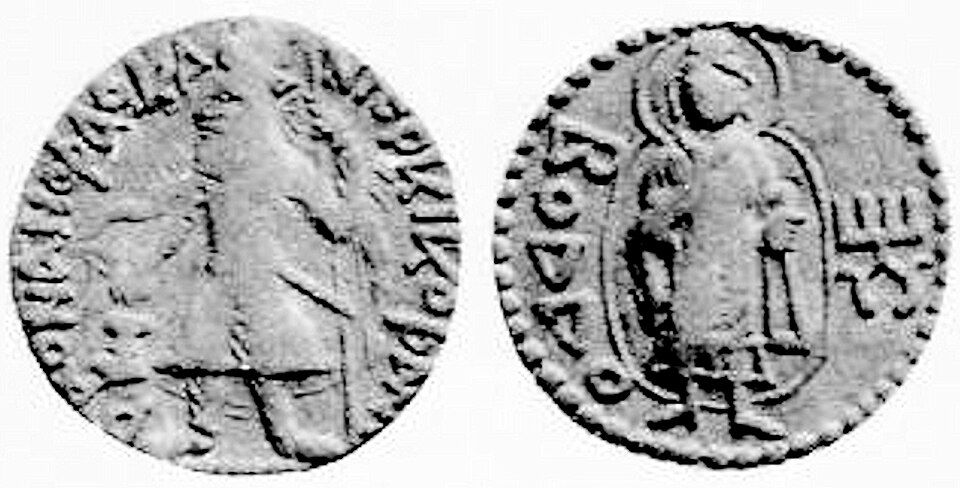
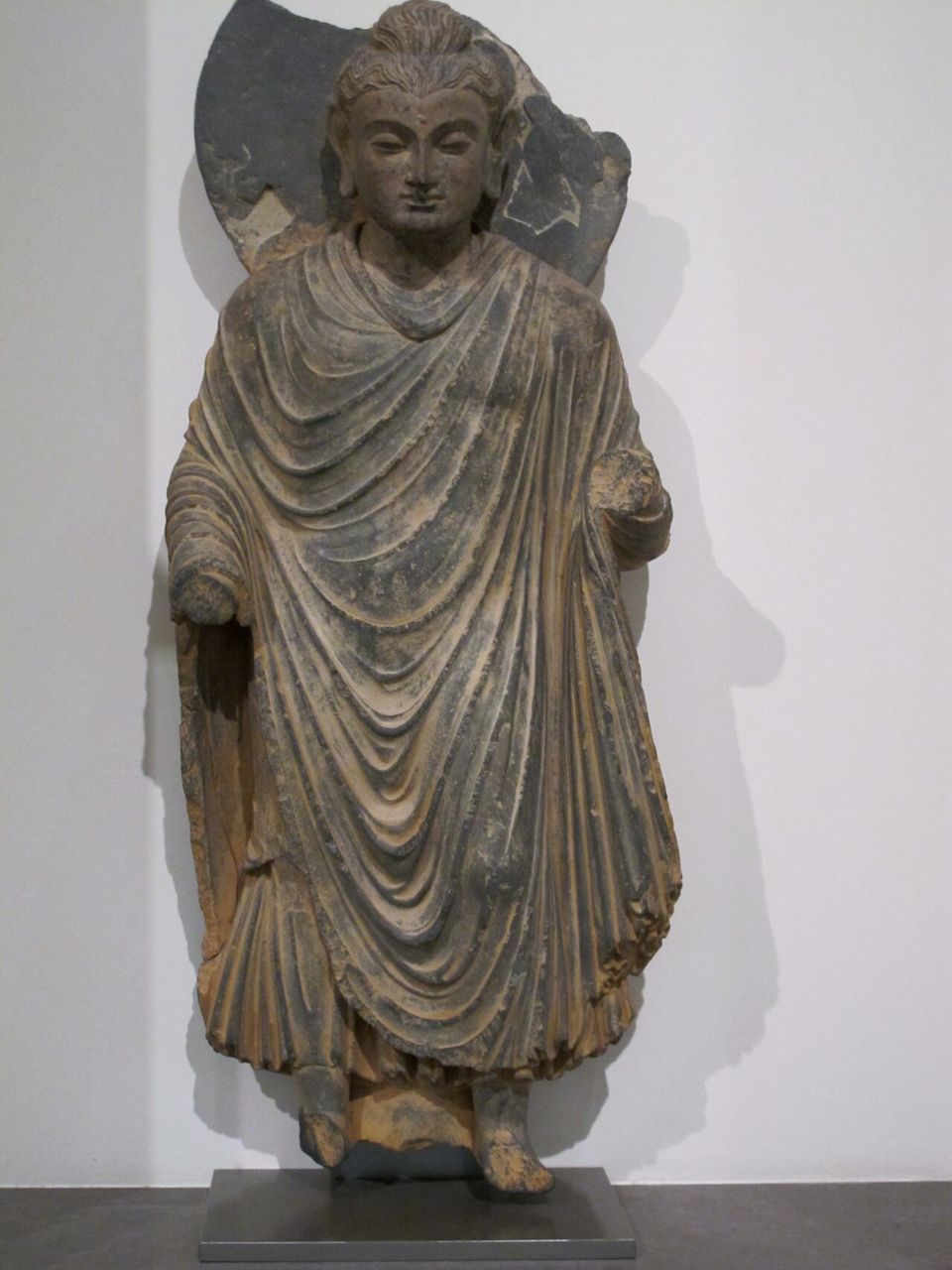
| Kushans (1st–3rd c. CE) | Kujula and Vima Kadphises, Kanishka | Capital Purushapura (Peshawar); Gandhara art; Kushan sculptures at Sanghol |
| Hunas (White Huns) | Toramana, Mihirakula | Destroyed Taxila's monasteries; Mihirakula ruled from Sakala, defeated by Yashodharman (c. 528) |
| Harsha (606–647) | Hiuen Tsang's visit | Describes Taki, Jalandhara, Chinapati (Patti) and Shatadru (capital: Sirhind) |
Order of foreign rulers of Punjab after Alexander: Indo-Greeks → Sakas → Parthians → Kushans. The Sungas ruled from Magadha and are not part of this chain.
More rulers: Sakas, Parthians, GuptasTap to open
| Power | Key names | Punjab link |
|---|---|---|
| Sakas (Scythians) | Maues (also "Moga" — not the Punjab town) | Ruled Taxila and Punjab, c. 1st c. BCE |
| Indo-Parthians | Gondophares | Ruled Taxila |
| Guptas (4th–5th c.) | Samudragupta, Chandragupta II | Samudragupta's Allahabad pillar lists Punjab tribes (Madrakas, Yaudheyas) as tributaries |
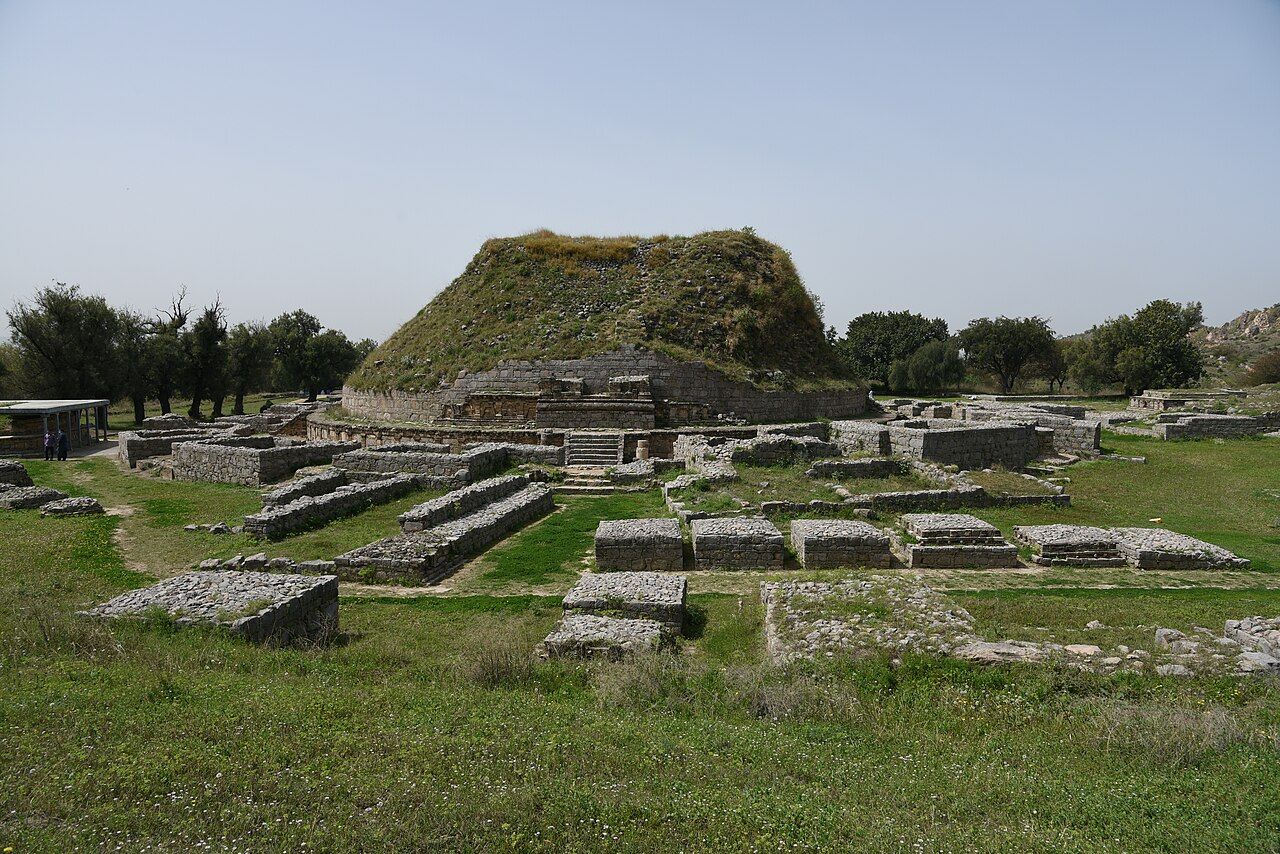
- Buddhism spread fast in Punjab for two reasons. Rulers supported it — Ashoka (Mauryas) and later the Kushan king Kanishka. And Punjab lay on the trade routes to Central Asia, so monks travelled with merchants. Taxila became a great centre of Buddhist learning.
- Gandhara art (Greek-style Buddhist sculpture) grew around Peshawar, Taxila and Rawalpindi under the Kushans.
- After Harsha, Punjab was split among local powers: the Katoch of Jalandhar–Kangra (Nagarkot), the Tomaras, and the Hindu Shahis of Kabul, who moved to Udabhandapura (Hund) and then Lahore.
Old places of Punjab
Legend and early history behind four towns.
Valmiki's ashram; by tradition the birthplace of Lav and Kush.
By tradition, a ruler of the Bhatti Rajputs; hence the name "Bhatinda".
Among India's oldest surviving forts; Razia Sultan's prison in 1240.
Taken to be the capital of Hiuen Tsang's Shatadru kingdom (7th century).
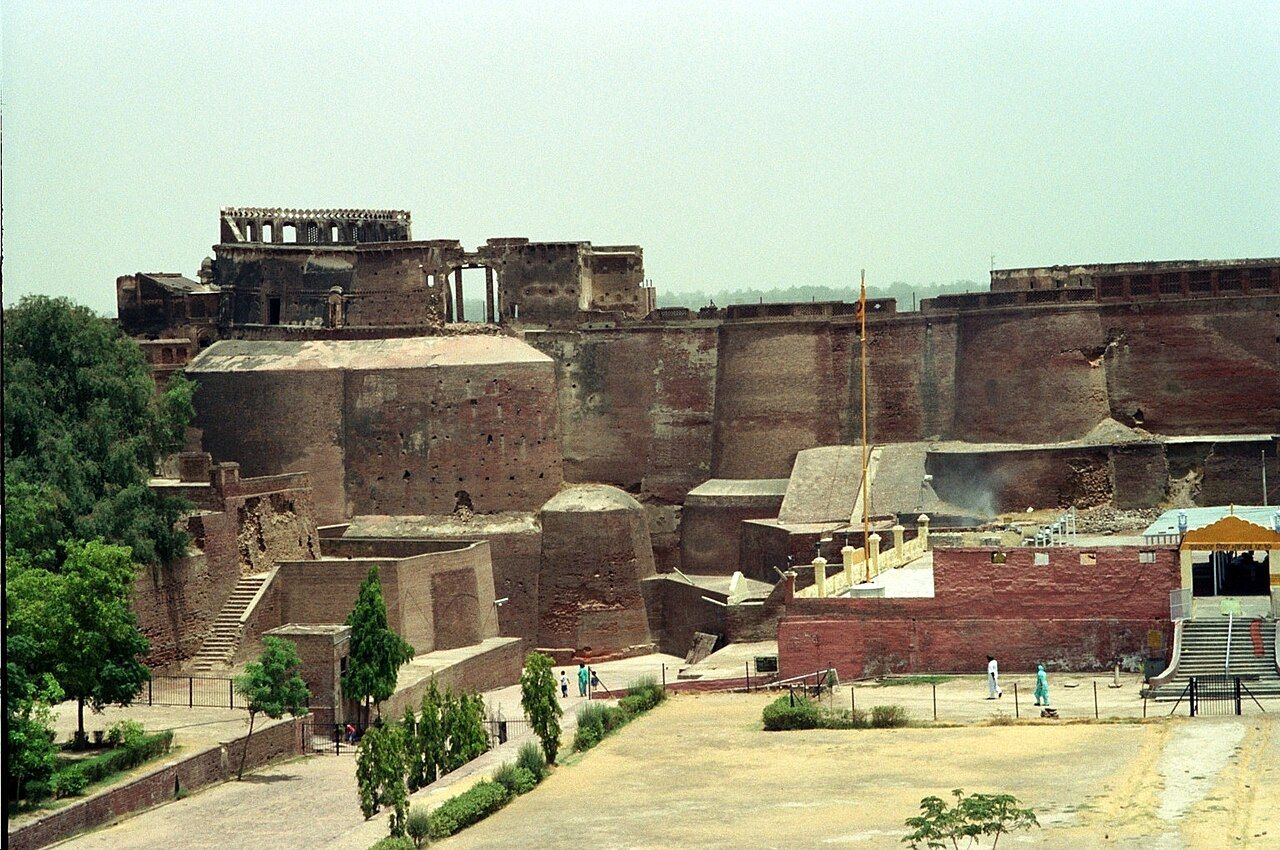
Turkish invasions (1000–1206)
Ghazni, Ghor and the road to the Delhi Sultanate.
- Ghaznavids1001 — Battle of PeshawarMahmud of Ghazni defeats the Hindu Shahi king Jayapala.
- 1000–1027 — 17 raidsMahmud raids India 17 times, as far as Somnath (1025).
- c. 1021–22 — Punjab annexedPunjab joins the Ghaznavid empire. Lahore becomes its Indian capital under governor Malik Ayaz.
- Ghurids1186 — Ghori takes LahoreMuhammad Ghori ends the rule of the last Ghaznavid, Khusrau Malik.
- 1191 — First Battle of TarainPrithviraj Chauhan defeats Ghori.
- 1192 — Second Battle of TarainGhori wins; Turkish rule begins in north India.
- 1206 — Delhi SultanateGhori is killed at Dhamiak; his slave Qutb-ud-din Aibak founds the Sultanate.
More detail: Mahmud, the Ghaznavids and GhoriTap to open
- The Hindu Shahi king Jayapala fought Subuktigin of Ghazni and then his son Mahmud of Ghazni. He lost the Battle of Peshawar (1001). His son Anandapala lost at Waihind (1008–09).
- Mahmud of Ghazni (ruled 998–1030) made 17 raids on India (1000–1027): Bhera, Multan (1006), Nagarkot/Kangra (1009), Thanesar, Mathura, Kannauj (1018) and Somnath (1025).
- Punjab was added to the Ghaznavid empire about 1021–22. Lahore became its Indian capital under governor Malik Ayaz.
- Al-Biruni (author of Kitab-ul-Hind) came with Mahmud.
- Data Ganj Bakhsh (Shaikh Ali Hujwiri), author of Kashf-ul-Mahjub, settled in Lahore. His shrine is Lahore's oldest Sufi dargah.
- The last Ghaznavid, Khusrau Malik, ruled from Lahore until Muhammad Ghori captured it in 1186.
- Ghori was killed in March 1206 at Dhamiak (Jhelum district). His slave Qutb-ud-din Aibak founded the Delhi Sultanate.
- Place: Tarain (Taraori), near Karnal, Haryana
- Prithviraj Chauhan vs Muhammad Ghori
- Winner: Prithviraj Chauhan
- Same place, one year later
- Ghori wins; Prithviraj is killed
- Start of Turkish rule in north India
Delhi Sultanate and Punjab (1206–1526)
Punjab was run from Lahore, Multan and Dipalpur.
| Ruler / event | Punjab connection |
|---|---|
| Qutb-ud-din Aibak (1206–10) | Ruled first from Lahore; died playing chaugan (polo) at Lahore and is buried there |
| Razia Sultan (1236–40) | Imprisoned in Qila Mubarak, Bathinda (1240) by Malik Altunia, whom she married |
| Lodis (1451–1526) | Bahlol Lodi rose as governor of Sirhind and Lahore; last Sultan Ibrahim Lodi (1517–26) |
| Daulat Khan Lodhi | Governor of Lahore; invited Babur, then turned against him |
More Sultans and Punjab (Iltutmish to the Sayyids)Tap to open
| Ruler / event | Punjab connection |
|---|---|
| Iltutmish (1211–36) | Defeated Nasir-ud-din Qabacha of Multan and Uchh (1228) |
| Balban (1266–87) | Fortified Lahore, Multan and Dipalpur against the Mongols; his son Prince Muhammad killed by Mongols (1285) |
| Alauddin Khalji (1296–1316) | Mongol attacks through Punjab beaten back by Zafar Khan and Ghazi Malik |
| Tughlaqs (1320–1414) | Ghiyasuddin rose from governor of Dipalpur; Firoz Shah built Sutlej and Yamuna canals, founded Hisar-Firoza |
| Timur (1398) | Sacked Talamba, Bhatner, Sirsa and Delhi; left Khizr Khan as governor of Multan |
| Sayyids (1414–51) | Founder Khizr Khan was Timur's deputy in Multan and Dipalpur |
Babur and Mughal Punjab (1526–1707)
Punjab was the first Mughal province.
- Babur invaded five times. The first was in 1519 (Bajaur–Bhera).
- His sack of Saidpur (Eminabad) in 1520–21 is described by Guru Nanak Dev Ji in the four hymns called Babarvani.
- At the First Battle of Panipat (21 April 1526), Babur's guns and tulughma tactics (attacking from the sides) defeated Ibrahim Lodi, who was killed.
- Babur's memoir is the Baburnama (Tuzuk-i-Baburi), written in Chagatai Turkish.
| Emperor | Years | Punjab facts |
|---|---|---|
| Babur | 1526–30 | Panipat 1526; Punjab the first Mughal province |
| Humayun | 1530–40, 1555–56 | Lost to Sher Shah Suri, who built Rohtas Fort (Jhelum) against the Gakhars; by tradition met Guru Angad Dev Ji at Khadur Sahib (1540) |
| Akbar | 1556–1605 | Crowned at Kalanaur; Lahore his capital 1584–98; visited Guru Amar Das Ji at Goindwal and ate in the langar |
| Jahangir | 1605–27 | Ordered Guru Arjan Dev Ji's martyrdom (1606); tomb at Shahdara Bagh, Lahore |
| Shah Jahan | 1628–58 | Shalimar Gardens, Lahore (1641–42); Wazir Khan Mosque (1634) |
| Aurangzeb | 1658–1707 | Badshahi Mosque, Lahore (1671–73); martyrdom of Guru Tegh Bahadur Ji (1675) |
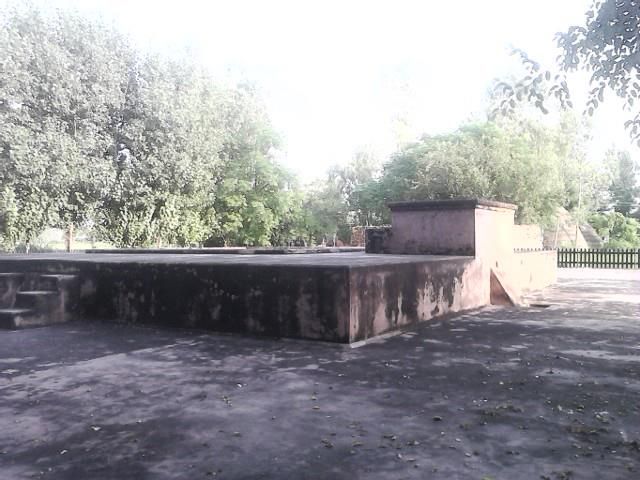
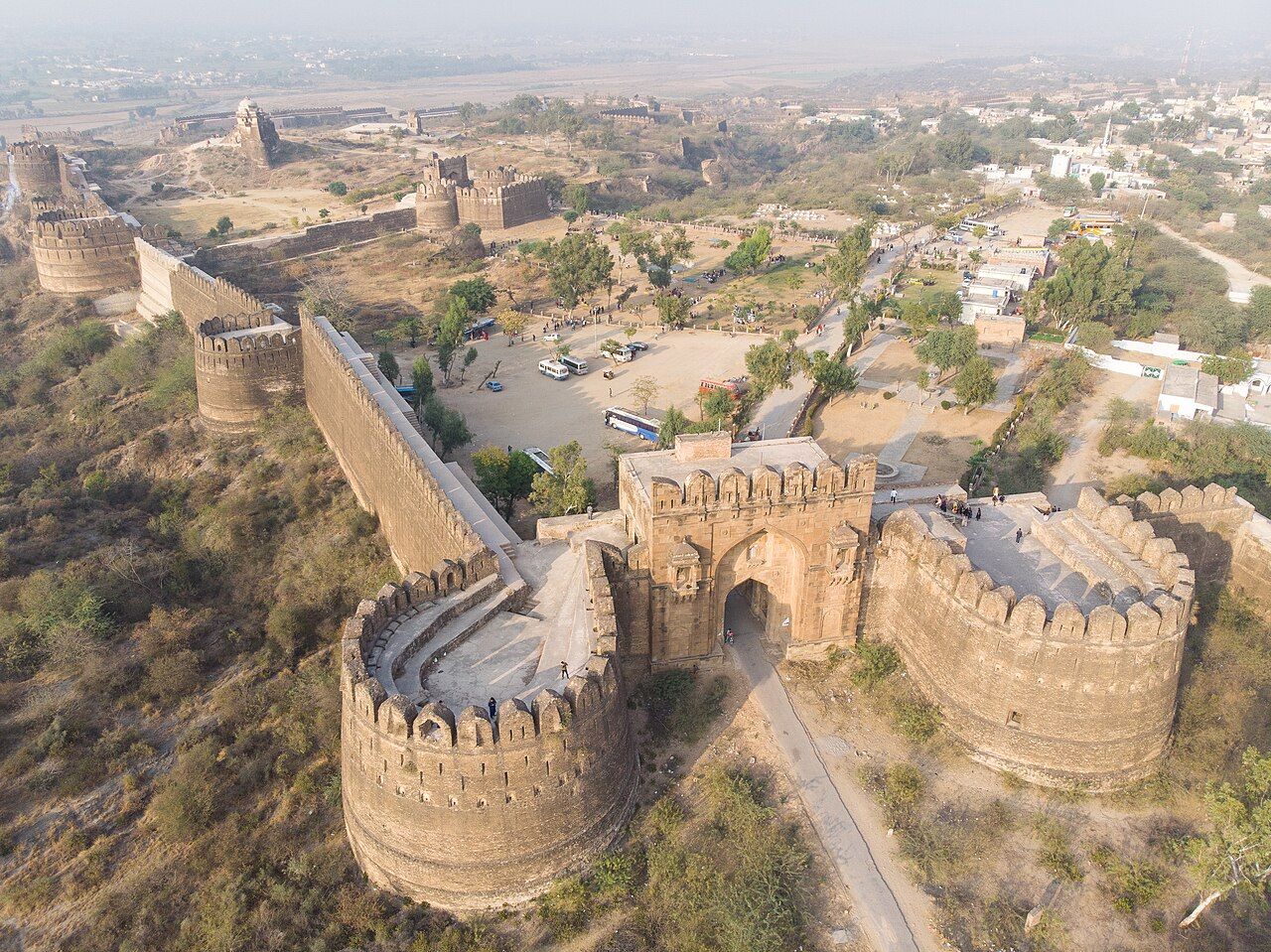
The Ain-i-Akbari of Abul Fazl divides Punjab into two subas: Lahore and Multan. Akbar's records also name the five doabs.
- Lahore, MultanSuba (province)Run by a subedar (also called nazim).
- Sarkar (district)Run by a faujdar.
- Pargana (group of villages)Run by a shiqdar and an amil. The qanungo kept the pargana's records.
- VillageThe headmen were the chaudhri and the muqaddam. The patwari kept the village land records — a post Punjab still has today.
- Under Akbar's zabt / dahsala system, land revenue was fixed in cash at about one-third of the crop. Persian was the language of government.
- Punjab was famous for wheat, sugarcane, cotton and indigo. Lahore, Multan, Sialkot (paper, arms), Sultanpur and Batala were trade towns.
- Mughal-era tombs in Punjab: Shamsher Khan (an officer of Akbar's time) at Batala; Muhammad Momin and Haji Jamal at Nakodar (Jalandhar); Jahangir at Shahdara Bagh, Lahore. Humayun's tomb is in Delhi, not Punjab.
Dulla Bhatti (Abdullah Bhatti) of the Sandal Bar led a peasant revolt against Akbar's land-revenue demands. He was executed at Lahore in 1599. He lives on in the Lohri song "Sundar Mundriye".
Extra: how long each Mughal emperor ruledTap to open
Sufi and Bhakti saints of Punjab
The background to Guru Nanak's message.
A silsila is a Sufi order: a chain of teachers and disciples. Four Sufi orders (silsilas) shaped Sufism in India: Chishti, Suhrawardi, Qadiri and Naqshbandi. The Chishti order reached Punjab first and spread the widest, mainly through Baba Farid at Pakpattan. The Suhrawardis were strongest around Multan.
| Order | Saint(s) to know | Centre | Remember |
|---|---|---|---|
| Chishti | Baba Farid | Pakpattan | Earliest and widest in Punjab; bani in the Adi Granth |
| Suhrawardi | Bahauddin Zakariya | Multan | Strongest around Multan |
| Qadiri | Mian Mir, Shah Hussain, Sultan Bahu, Bulleh Shah | Lahore, Jhang, Kasur | Mian Mir: Harmandir Sahib foundation (1588) |
| Naqshbandi | Sheikh Ahmad Sirhindi | Sirhind | Rauza Sharif Urs |
| Saint | Order | Place / dates | Remember for |
|---|---|---|---|
| Data Ganj Bakhsh (Ali Hujwiri) | — | Lahore, 11th century | Kashf-ul-Mahjub |
| Baba Farid (Ganj-i-Shakar) | Chishti | Pakpattan (Ajodhan), 1173–1266 | First Punjabi poet; 4 shabads and 112 saloks in the Adi Granth |
| Bahauddin Zakariya | Suhrawardi | Multan, d. 1262 | Grandson Shah Rukn-e-Alam; tomb at Multan |
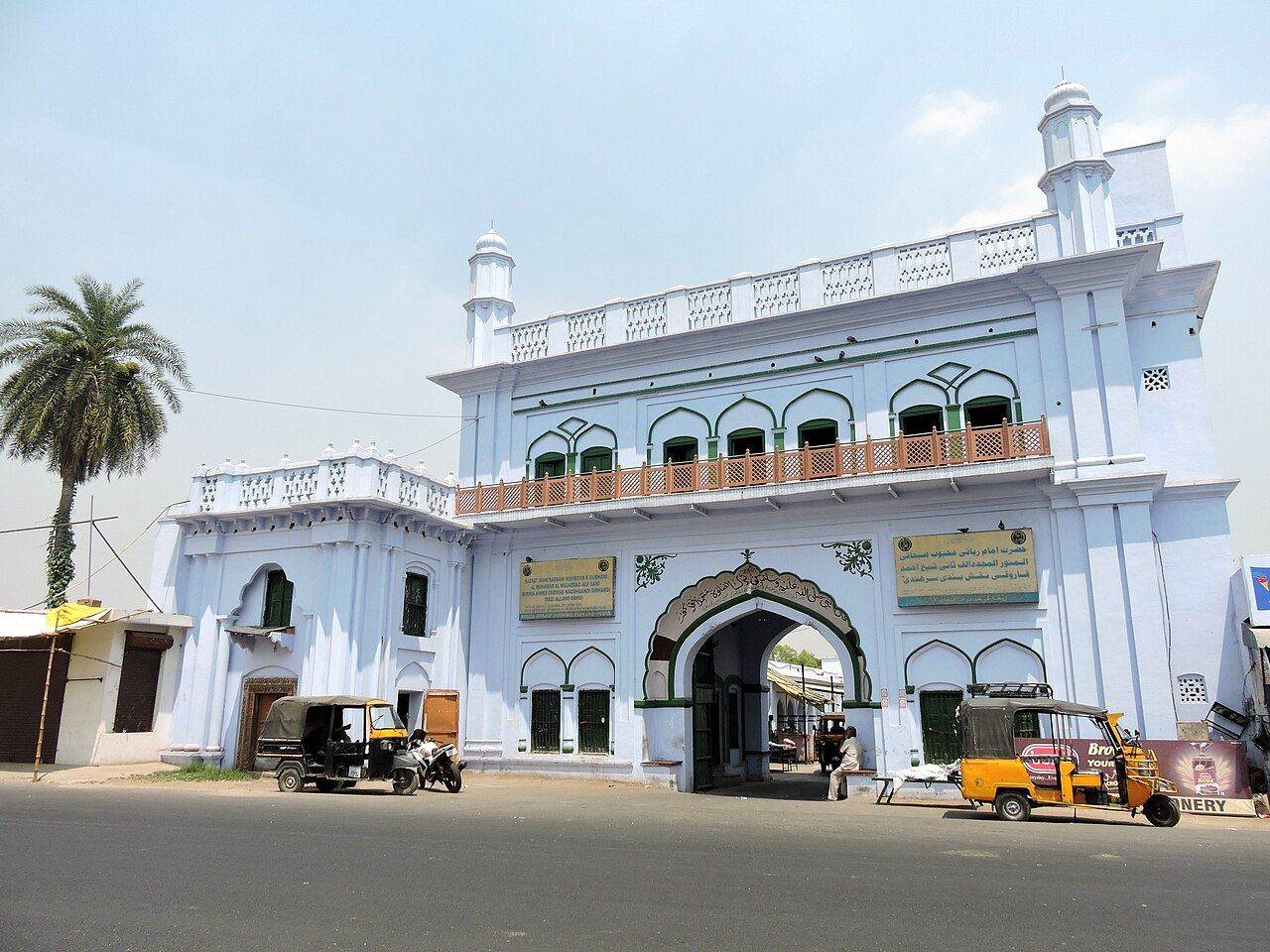
| Sheikh Ahmad Sirhindi | Naqshbandi | Sirhind, 1564–1624 | Called Mujaddid Alf Thani ("reviver of the second millennium"); his Urs (death-anniversary fair) is held at Rauza Sharif, Sirhind |
| Mian Mir | Qadiri | Lahore, d. 1635 | By tradition laid the foundation of Harmandir Sahib (1588) |
| Shah Hussain | Qadiri | Lahore, 1538–99 | First Sufi poet to use the kafi (a short sung Punjabi lyric with a refrain); Mela Chiraghan |
| Sultan Bahu | Qadiri | Jhang, d. 1691 | Abyat (verses) |
| Bulleh Shah | Qadiri (disciple of Shah Inayat Qadiri of Lahore) | Kasur, 1680–1757 | Kafis, e.g. "Makke gaye gal mukdi nahin" |
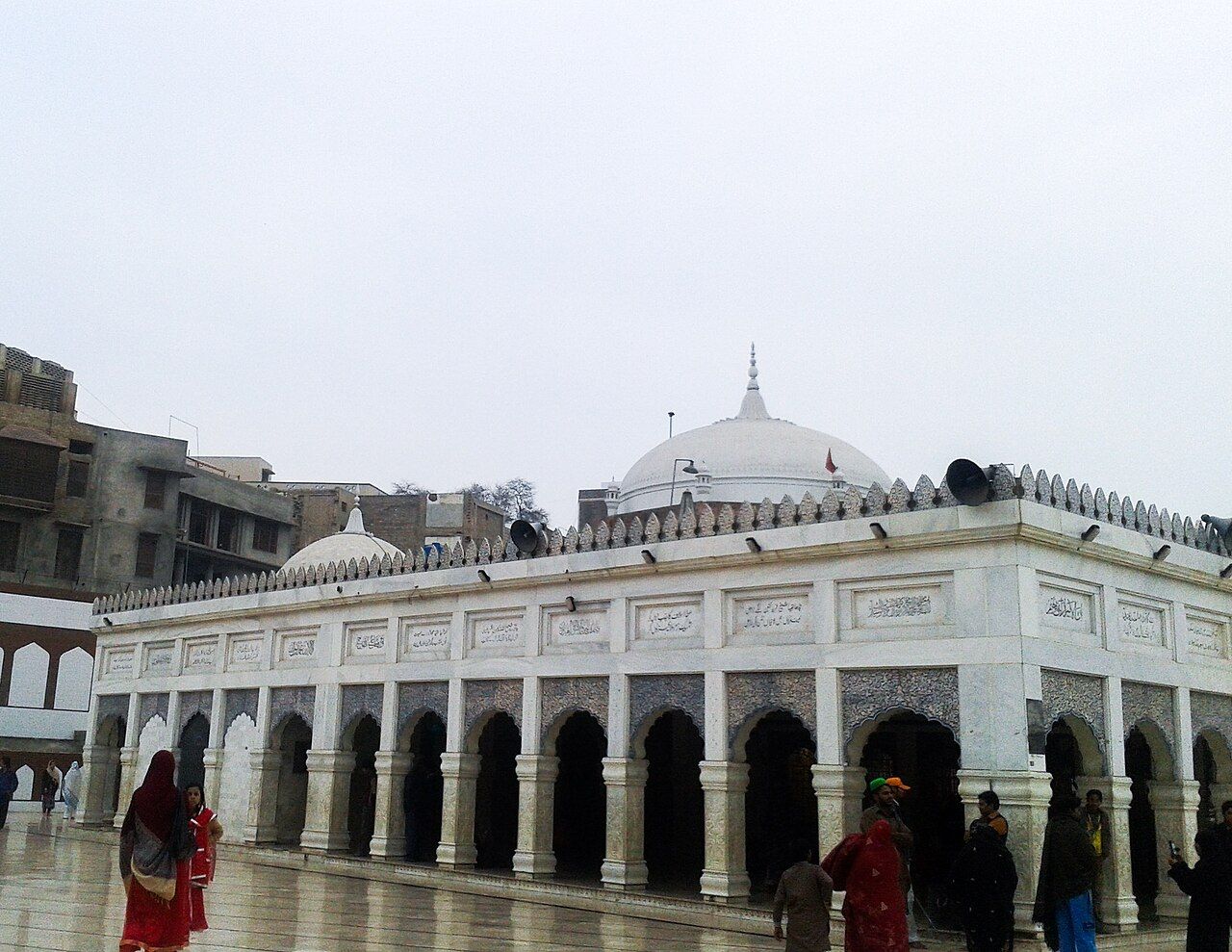
- Amir Khusrau (1253–1325), a disciple of Nizamuddin Auliya of Delhi, is credited with shaping qawwali. He used Indian symbols such as suhag, chaap and tilak in his Sufi songs.
- The Adi Granth (1604) has the bani of 15 bhagats. Baba Farid is the only Sufi among them.
- Kabir of Banaras has the largest share outside the Gurus — over 500 hymns.
- Bhakti ideas — one God, the guru, nam-simran, no caste or ritual, and the people's language — prepared the ground for Guru Nanak Dev Ji.
More bhagats in the Adi GranthTap to open
- Namdev of Maharashtra (61 hymns) spent his last years at Ghuman (Gurdaspur). Ravidas of Banaras has 40 hymns.
- Others: Jaidev, Trilochan, Beni, Ramanand, Sadhna, Sain, Dhanna, Pipa, Surdas, Parmanand and Bhikhan.
Common traps
- Sapta Sindhu (Rig Veda, seven rivers) vs Panchanada (Mahabharata, five rivers) vs Pentapotamia (Greek) — same land, three sources.
- Harappa on the Ravi; Ropar on the Sutlej; Kalibangan on the Ghaggar (Rajasthan); Mohenjo-daro on the Indus (Sindh).
- Sanghol is in Fatehgarh Sahib, not Rupnagar. Rohira is in Sangrur.
- Harappa 1921 (first discovery) vs Ropar 1953 (first dig after Independence).
- Jayapala fought Mahmud of Ghazni (1001); Prithviraj fought Muhammad Ghori (1191–92) — two centuries apart.
- 1191–92 battles were at Tarain, not Panipat. Panipat = 1526 (Babur), 1556 (Akbar–Hemu), 1761 (Marathas–Abdali).
- Menander's capital was Sialkot, not Taxila. Taxila fell to the Huns (5th century).
- Daulat Khan Lodhi (governor, invited Babur) vs Dilawar Khan (his son) vs Ibrahim Lodi (the Sultan killed at Panipat).
- Shalimar Gardens: Lahore by Shah Jahan (1641); Srinagar by Jahangir (1619).
- Mian Mir (Qadiri, Lahore, Harmandir Sahib foundation) vs Baba Farid (Chishti, Pakpattan, bani in the Adi Granth).
- Mian Mir was Qadiri; Sheikh Ahmad Sirhindi (Rauza Sharif, Sirhind) was Naqshbandi; Baba Farid was Chishti.
Quick revision
Read this the night before the exam.
- Punjab = panj + ab (Persian): five waters
- Rig Veda name: Sapta Sindhu
- Mahabharata name: Panchanada
- Greek name: Pentapotamia
- Mehran = Indus / Sindh, not Punjab
- Harappa excavated: Daya Ram Sahni, 1921
- Ropar excavated: Y. D. Sharma, 1953
- Sanghol: Fatehgarh Sahib; 117 sculptures (1985)
- Parushni = Ravi; Vipasa = Beas
- Dasarajna: on the Ravi; Sudas won
- Alexander vs Porus: Hydaspes (Jhelum), 326 BCE
- Menander's capital: Sakala (Sialkot)
- Battle of Peshawar: Mahmud vs Jayapala, 1001
- Razia imprisoned: Qila Mubarak, Bathinda, 1240
- Akbar crowned: Kalanaur, 1556
- Ain-i-Akbari: Suba Lahore + Suba Multan
- Dulla Bhatti executed: Lahore, 1599
- First Punjabi poet: Baba Farid (Pakpattan)
- Baba Farid born: 1173 — 12th century
- First Sufi poet of the kafi: Shah Hussain
- Bulleh Shah's murshid: Shah Inayat Qadiri
- Rauza Sharif, Sirhind: Sheikh Ahmad Sirhindi (Naqshbandi)
- Earliest and widest Sufi order in Punjab: Chishti
Which was the first Harappan site excavated in independent India, and by whom?
Show answer
Ropar (Rupnagar), on the Sutlej — excavated by Y. D. Sharma in 1953.
What is the Rig Vedic name of the Ravi?
Show answer
Parushni (also Iravati). The Dasarajna (battle of ten kings) was fought on it.
Into which two subas does the Ain-i-Akbari divide Punjab?
Show answer
Suba Lahore and Suba Multan.