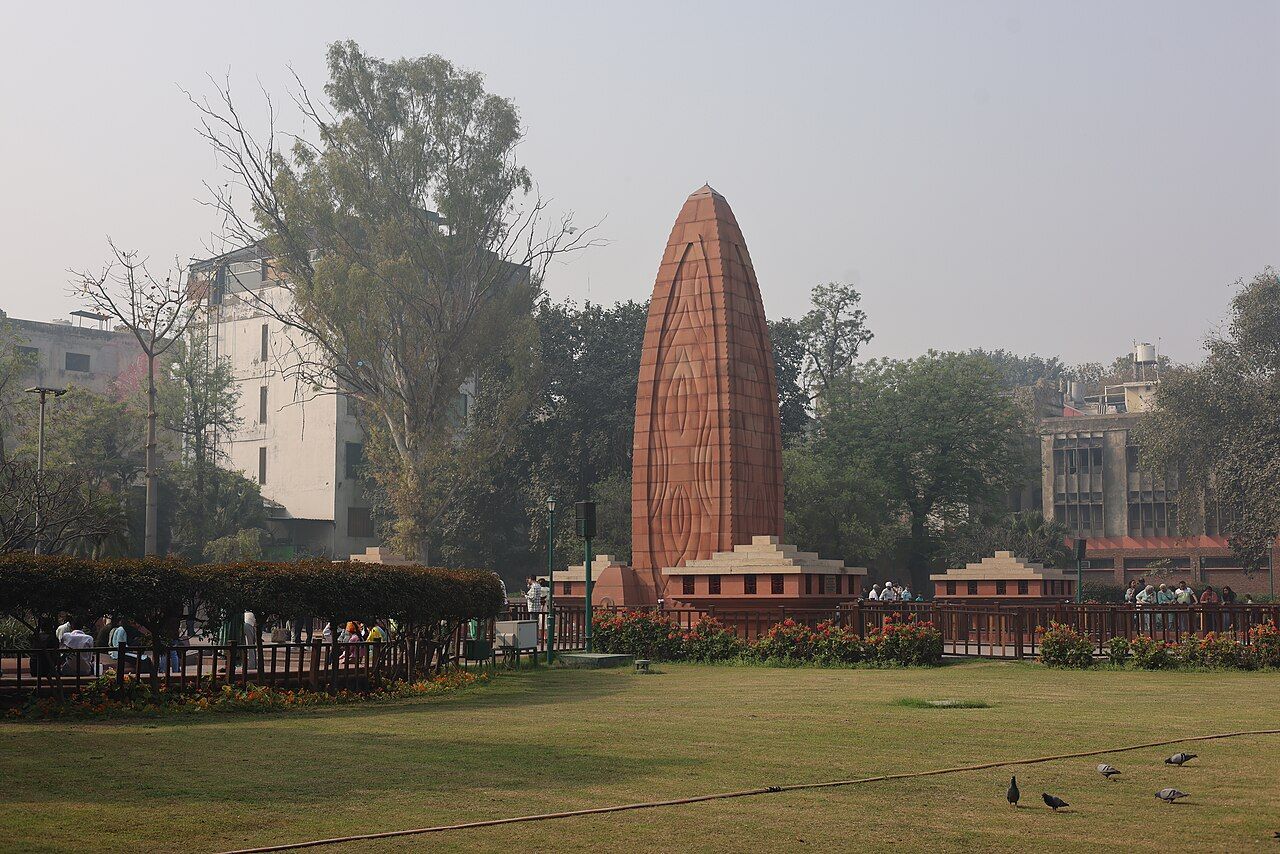
The British took Punjab on 29 March 1849, after the Second Anglo-Sikh War. For the next 98 years Punjab was a British province. At first it was quiet and loyal — it even became the main recruiting ground of the Indian Army. But from the Kukas in the 1870s to the Ghadar heroes, Jallianwala Bagh, the Akali morchas and Bhagat Singh, Punjab gave some of the biggest sacrifices of the freedom struggle. This page tells the story in order, up to Partition in 1947.
- 1849Punjab annexed
The British take Punjab after the Second Anglo-Sikh War.
- 1857–72Kuka (Namdhari) movement
Baba Ram Singh's followers boycott British goods and courts.
- 1907Pagri Sambhal Jatta
The first big peasant protest; Ajit Singh and Lajpat Rai deported.
- 1913–15Ghadar Party
Punjabis in America plan an armed revolt; Komagata Maru (1914).
- 1919Jallianwala Bagh
Dyer's firing in Amritsar on Baisakhi day.
- 1920–25Akali movement
Peaceful morchas free the gurdwaras; Sikh Gurdwaras Act 1925.
- 1926–31Bhagat Singh and the HSRA
Naujawan Bharat Sabha, Saunders, the Assembly bomb; hanged 1931.
- 1947Independence and Partition
The Radcliffe Award divides Punjab.
Punjab under British rule
How the new province was governed and changed.
| Period | Form of government | Remember |
|---|---|---|
| 1849–1853 | Board of Administration (3 members) | Henry Lawrence (President), John Lawrence, Charles Mansel |
| 1853–1859 | Chief Commissioner | John Lawrence — the first Chief Commissioner |
| 1859–1937 | Lieutenant-Governor's province (its head was called Governor from 1921) | John Lawrence first Lt-Governor; Michael O'Dwyer (1913–19), in office at the time of Jallianwala Bagh. Later heads: see the box below. |
| 1937–1947 | Governor's province with an elected ministry | Evan Jenkins — the last Governor (1946–47) |
- Delhi was added to Punjab in 1858 and taken away again in 1911, when it became the capital of India.
- In 1901 Lord Curzon cut off five districts beyond the Indus to make the North-West Frontier Province (NWFP).
- In 1947 undivided Punjab had 29 districts in five divisions: Lahore, Rawalpindi, Multan, Jalandhar and Ambala.
- Land revenue was fixed village by village — the Mahalwari system. The whole village (mahal) was jointly responsible.
- After 1857, Punjab became the main recruiting ground of the Indian Army.
- Punjab's first railway was the Amritsar–Lahore–Multan line. The Amritsar–Lahore part opened in 1862.
The British dug canals across dry, empty land in the Bari and Rechna doabs (land between two rivers) and settled farmers from central Punjab there. The biggest was the Lower Chenab colony, whose town Lyallpur was named after Lt-Governor James Lyall. About six million acres could be watered by 1947.
| Law | Year | What it did |
|---|---|---|
| Punjab Land Alienation Act | 1900 | Stopped farm land passing from farmers to money-lenders |
| Punjab Colonization of Land Bill | 1907 | Cut the rights of canal colonists; led to Pagri Sambhal Jatta; vetoed by Lord Minto |
| "Golden Acts" of Sir Chhotu Ram | 1934, 1936 | Relief for peasants in debt (Unionist ministry) |
Also asked once: heads of Punjab, 1919–38Tap to open
- In order: Edward Maclagan (1919–24) → Malcolm Hailey (1924–28) → Geoffrey de Montmorency (1928–33) → Herbert Emerson (1933–38). From 1921 the head was called Governor.
- Evan Jenkins was the last Governor of undivided Punjab (1946–47).
Early resistance (1849–1897)
Punjab did not accept British rule quietly at first.
- Bhai Maharaj Singh (born Nihal Singh at Rabbon, Ludhiana) fought the British in 1848–49 and kept planning a rising after annexation. He was arrested at Adampur (Jalandhar) on 28 December 1849, sent to Singapore and died in jail there in 1856. He is often called Punjab's first armed freedom fighter after annexation. (Baba Ram Singh is remembered as the first to use non-cooperation.)
- 1857 in Punjab: John Lawrence disarmed the Indian soldiers at Mian Mir (Lahore) and other cantonments. Ahmad Khan Kharal led the Ravi-belt tribes and was killed in September 1857. On the whole, Punjab stayed loyal and helped the British retake Delhi.
- Battle of Saragarhi, 12 September 1897: 21 soldiers of the 36th Sikhs under Havildar Ishar Singh held a small post in the Samana hills (NWFP) against about 10,000 tribesmen. All 21 died fighting. Saragarhi Day is 12 September.
Socio-religious reform movements
These movements woke people up — and some turned against the British.
| Movement | Founder / leader | Centre and year | Remember |
|---|---|---|---|
| Nirankari | Baba Dayal Das | Rawalpindi (before 1849) | Worship of the formless God; Anand marriage |
| Namdhari (Kuka) | Baba Ram Singh (precursor: Baba Balak Singh of Hazro) | Bhaini Sahib, Ludhiana — Baisakhi 1857 | Boycott of British goods and courts; cow protection |
| Singh Sabha | Thakur Singh Sandhawalia; Prof. Gurmukh Singh, Giani Ditt Singh | Amritsar 1873 (first); Lahore 1879 | Pure, distinct Sikh practice; Sikh education and Punjabi literature in Gurmukhi; Khalsa College 1892 |
| Chief Khalsa Diwan | Sundar Singh Majithia | Amritsar, 1902 | United the Singh Sabhas; loyal to the government |
| Arya Samaj (Punjab) | Swami Dayanand; Lala Hans Raj, Lala Lajpat Rai | Lahore branch 1877 | DAV College 1886; Gurukul Kangri 1902 |
| Ahmadiyya | Mirza Ghulam Ahmad | Qadian (Gurdaspur), 1889 | Missionary Islam |
| Dev Samaj | Pandit Shiv Narayan Agnihotri | Lahore, 1887 | Ethics and girls' education |
Colleges, a newspaper and a bank (1864–1894)Tap to open
| Year | Institution | Remember |
|---|---|---|
| 1864 | Government College, Lahore | Opened 1 January 1864 |
| 1881 | The Tribune, Lahore | Founded by Sardar Dyal Singh Majithia |
| 1882 | Punjab University, Lahore | Fourth university of British India; G. W. Leitner |
| 1886 | DAV College, Lahore | Arya Samaj; Lala Hans Raj first principal |
| 1892 | Khalsa College, Amritsar | A Singh Sabha effort |
| 1894 | Punjab National Bank, Lahore | Lala Lajpat Rai among the founders |
- Baba Ram Singh was born on 3 February 1816 at Bhaini Araian (now Bhaini Sahib, Ludhiana). He started the Namdhari movement on Baisakhi 1857.
- The name "Kuka" comes from the loud cries (kuk) the followers made in prayer. They wore white clothes, a woollen rosary and a straight turban.
- Their aims: to clean Sikhism of superstition and to bring back Sikh rule. Cow protection was central.
- In January 1872, after an attack on Malerkotla, 66 Kukas were blown from cannon on the orders of Deputy Commissioner L. Cowan (17–18 January). Many other Kuka leaders were exiled (sent away), and their lands and property were taken by the government.
- Baba Ram Singh was sent away to Rangoon and then Mergui (Burma), where he died in 1885.
Kuka Shaheedi Diwas is observed at Malerkotla every January, in memory of the 66 Kukas blown from cannon in 1872.
- Baba Balak Singh (Hazro) started the Namdhari sect; Baba Ram Singh (Bhaini Sahib) made it a mass movement.
- Four separate bodies (one did not turn into the next): Singh Sabha Amritsar 1873; Chief Khalsa Diwan 1902; SGPC (Shiromani Gurdwara Parbandhak Committee) 1920; Akali Dal 1920.
- Kuka martyrs at Malerkotla (1872) are different from the Vadda Ghallughara near Malerkotla (1762).
Pagri Sambhal Jatta (1907)
The first big peasant protest of Punjab.
- Cause: the Punjab Colonization of Land Bill, 1907, which cut the rights of settlers in the Chenab colony, and a sharp rise in water rates (abiana) on the Bari Doab canal.
- Leaders: Sardar Ajit Singh (uncle of Bhagat Singh) and Lala Lajpat Rai; Sufi Amba Prasad also took part.
- The song: Pagri Sambhal Jatta ("Farmer, guard your turban" — that is, your honour) was written by Banke Dayal, editor of Jhang Sial, and sung at Lyallpur in March 1907. It gave the movement its name.
- Result: Ajit Singh and Lajpat Rai were deported to Mandalay (Burma) in May 1907. Lord Minto vetoed (rejected) the Bill.
- Ajit Singh left India in 1909. He came back in 1947 and died at Dalhousie on 15 August 1947 — the day India became free.
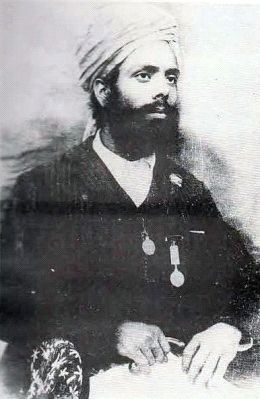
- Uncle of Bhagat Singh
- Deported to Mandalay with Lala Lajpat Rai (May 1907)
- Died at Dalhousie the day India became free
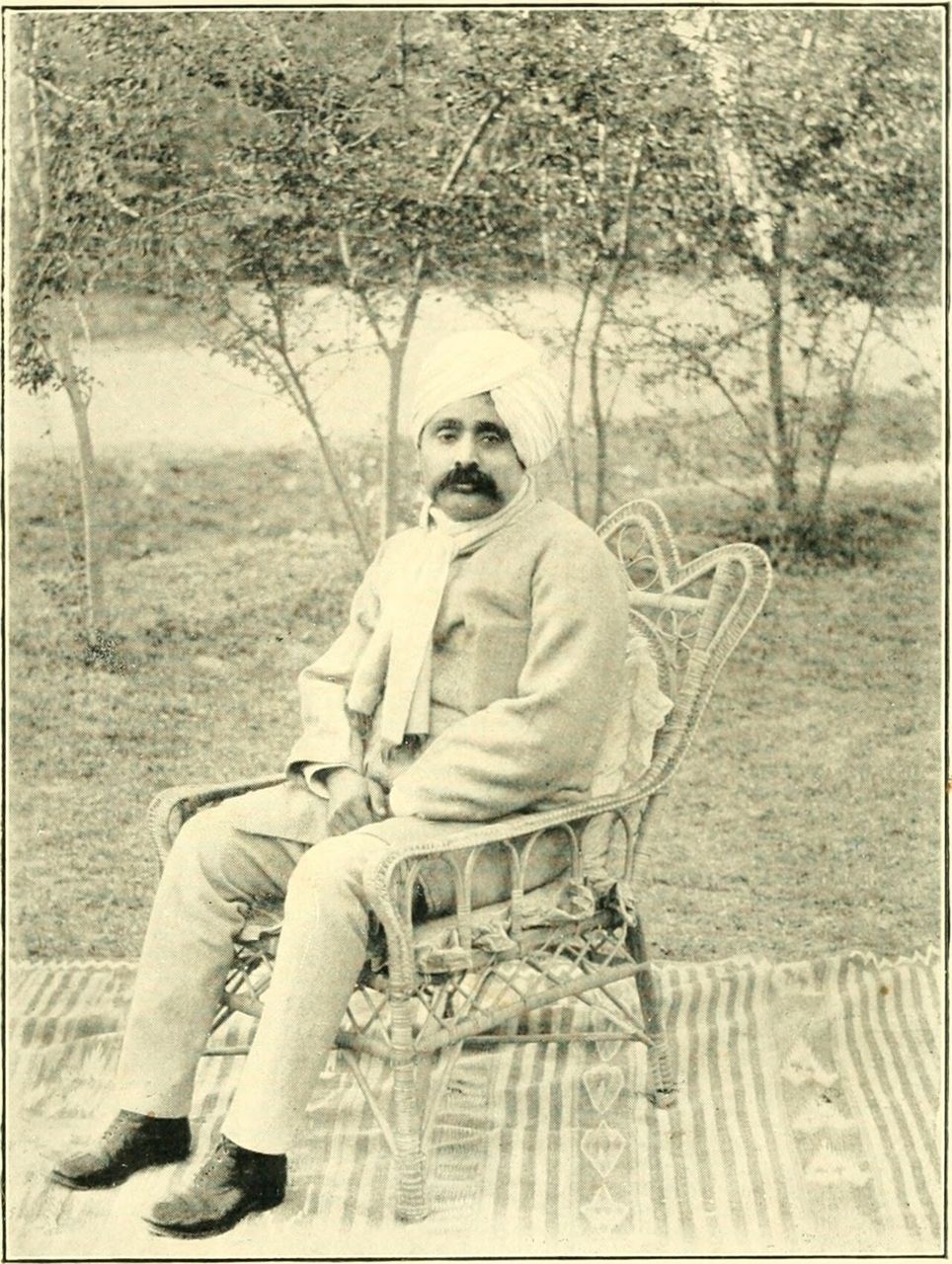
- Deported to Mandalay with Ajit Singh (1907)
- Called "Punjab Kesari"
- Wrote the song Pagri Sambhal Jatta, sung at Lyallpur
- The song gave the movement its name
The Ghadar Party (1913–1915)
Punjabi workers in America who wanted to free India by force.
| Point | Fact |
|---|---|
| Founded | 1913, by Punjabi immigrants on the US Pacific coast; first meeting at Astoria, Oregon |
| First name | Hindi Association of the Pacific Coast (Pacific Coast Hindustan Association) |
| President | Sohan Singh Bhakna (founder-president) |
| General secretary | Lala Har Dayal — its main thinker; some answer keys call him the founder |
| Treasurer | Pandit Kanshi Ram |
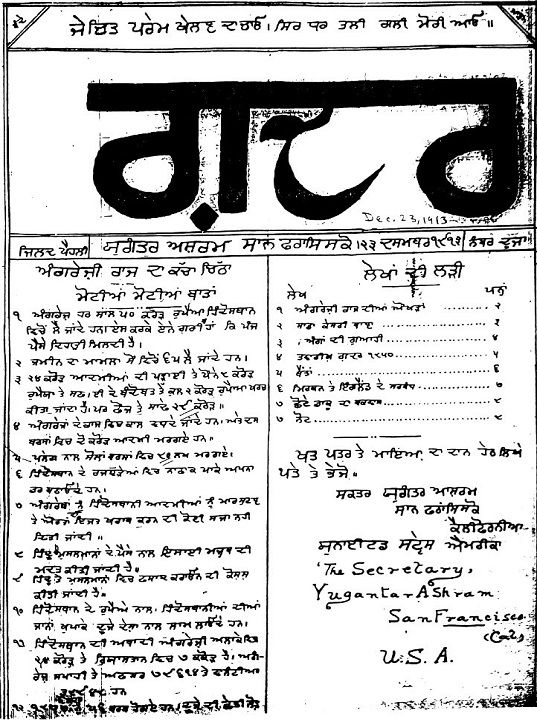
| Headquarters | Yugantar Ashram, San Francisco |
| Newspaper | Ghadar (weekly); first issue 1 November 1913, in Urdu; Punjabi (Gurmukhi) edition from December 1913 |
| Aim | Armed revolt to end British rule — run by Indians living abroad, unlike the boycott-based Swadeshi movement (1905–08) |
| Spirit | Secular. Sohan Singh Bhakna said: "We were not Sikhs or Punjabis. Our religion was patriotism." |
- Said: "We were not Sikhs or Punjabis. Our religion was patriotism."
- Not the same as Sohan Singh Josh (Kirti Kisan Party, 1928)
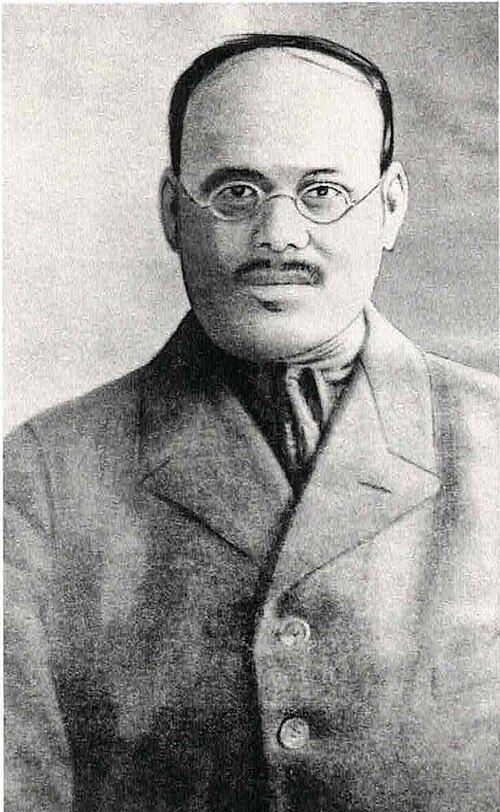
- Main thinker of the party
- Editor of the paper Ghadar
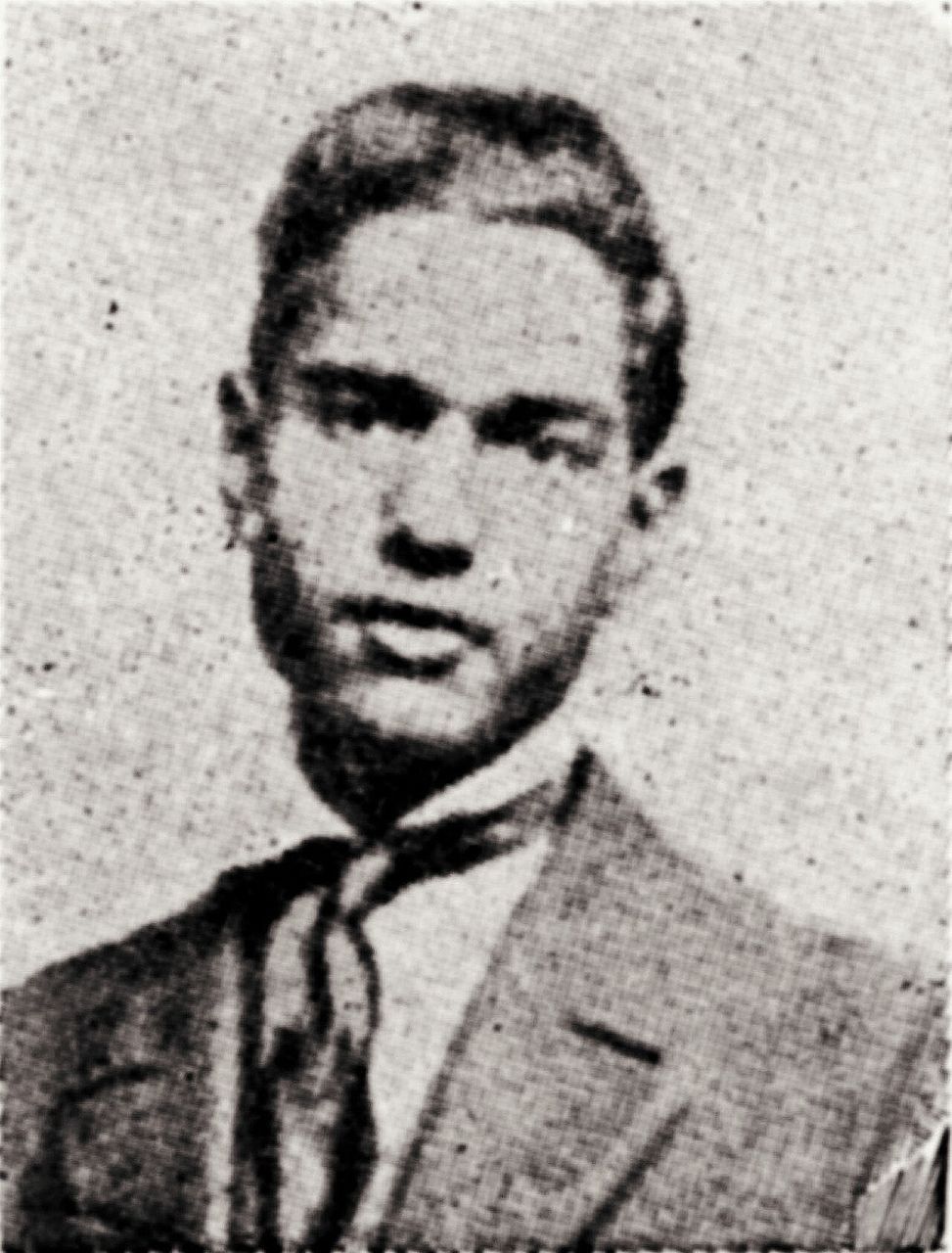
- Born at village Sarabha, Ludhiana
- Hanged at Lahore on 16 November 1915, aged 19
- Bhagat Singh called him his hero
Also asked: more Ghadar members and help from abroadTap to open
- Other members: Kartar Singh Sarabha, Bhai Parmanand, Vishnu Ganesh Pingle, Tarak Nath Das, Maulvi Barkatullah, Harnam Singh Tundilat. (G. S. Khaparde, Tilak's colleague, was not a Ghadarite.)
- Help from abroad: In World War I the Ghadarites took help from Germany — the Hindu–German Conspiracy (1914–17) and the Berlin Committee. A Provisional Government of India was set up at Kabul on 1 December 1915, with Barkatullah as prime minister.
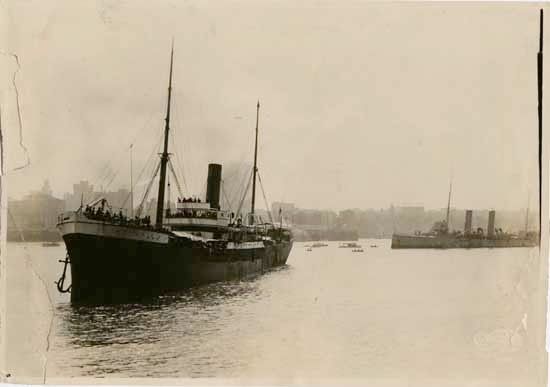
- Komagata Maru (1914): a Japanese ship hired by Baba Gurdit Singh of Sarhali (Amritsar district, now Tarn Taran). It carried 376 passengers, mostly Sikhs, from Hong Kong to Vancouver (Canada), where it arrived on 23 May 1914.
- Canada refused to let them land under its "continuous journey" rule — a law meant to keep Indians out. The ship was forced to go back.
- At Budge Budge, near Calcutta, police fired on the returning passengers on 29 September 1914; about 20 were killed.
- The Komagata Maru anger merged with the Ghadar Party's programme. It pushed thousands of Ghadarites to return to India in 1914–15 for a revolt.
The Ghadar revolt was fixed for 21 February 1915, then moved to 19 February. An informer, Kirpal Singh, betrayed it, and Rash Behari Bose, who was coordinating it from Lahore, escaped to Japan. In the Lahore Conspiracy Case (1915), Kartar Singh Sarabha (born 1896, village Sarabha, Ludhiana) was hanged at Lahore Central Jail on 16 November 1915, aged just 19, with six others including Vishnu Ganesh Pingle. Bhagat Singh later called Sarabha his hero.
Jallianwala Bagh (1919)
The Punjab side of the story.
- BackgroundRowlatt Act (March 1919)A "black law" that allowed arrest without trial.
- Immediate causeLeaders arrested (10 April 1919)Amritsar's popular leaders Dr Saifuddin Kitchlew and Dr Satyapal were arrested and sent away. Riots followed, and Deputy Commissioner Miles Irving handed the city to the army.
- Baisakhi meeting (13 April 1919)People gathered in Jallianwala Bagh, Amritsar, to protest against these arrests.
- Dyer opens fireBrigadier-General Reginald Dyer's 50 riflemen fired about 1,650 rounds for ten minutes, without warning. Official count: 379 dead and over 1,200 wounded; Indian estimates said more than 1,000 died. Lt-Governor Michael O'Dwyer approved the firing.
- Martial lawIn Lahore, Amritsar, Gujranwala (which was even bombed from the air), Gujrat and Lyallpur. In Amritsar people were made to crawl through a lane — the "crawling order".
- Protest across IndiaRabindranath Tagore gave up his knighthood on 30 May 1919.
- Hunter Committee (October 1919)Enquired into the killings and blamed Dyer.
- Non-Cooperation (1920)The anger fed Gandhi's Non-Cooperation Movement. In 1920 the Sikhs too decided to join it (see the Akali part).
- 21 years laterRevenge (13 March 1940)Udham Singh shot O'Dwyer dead in London.
- Brigadier-General (army officer)
- Ordered the firing on 13 April 1919
- Censured by the Hunter Committee
- Removed from his command
- Lieutenant-Governor of Punjab (1913–19)
- Approved Dyer's firing
- Imposed martial law in Punjab
- Shot dead by Udham Singh in London, 1940
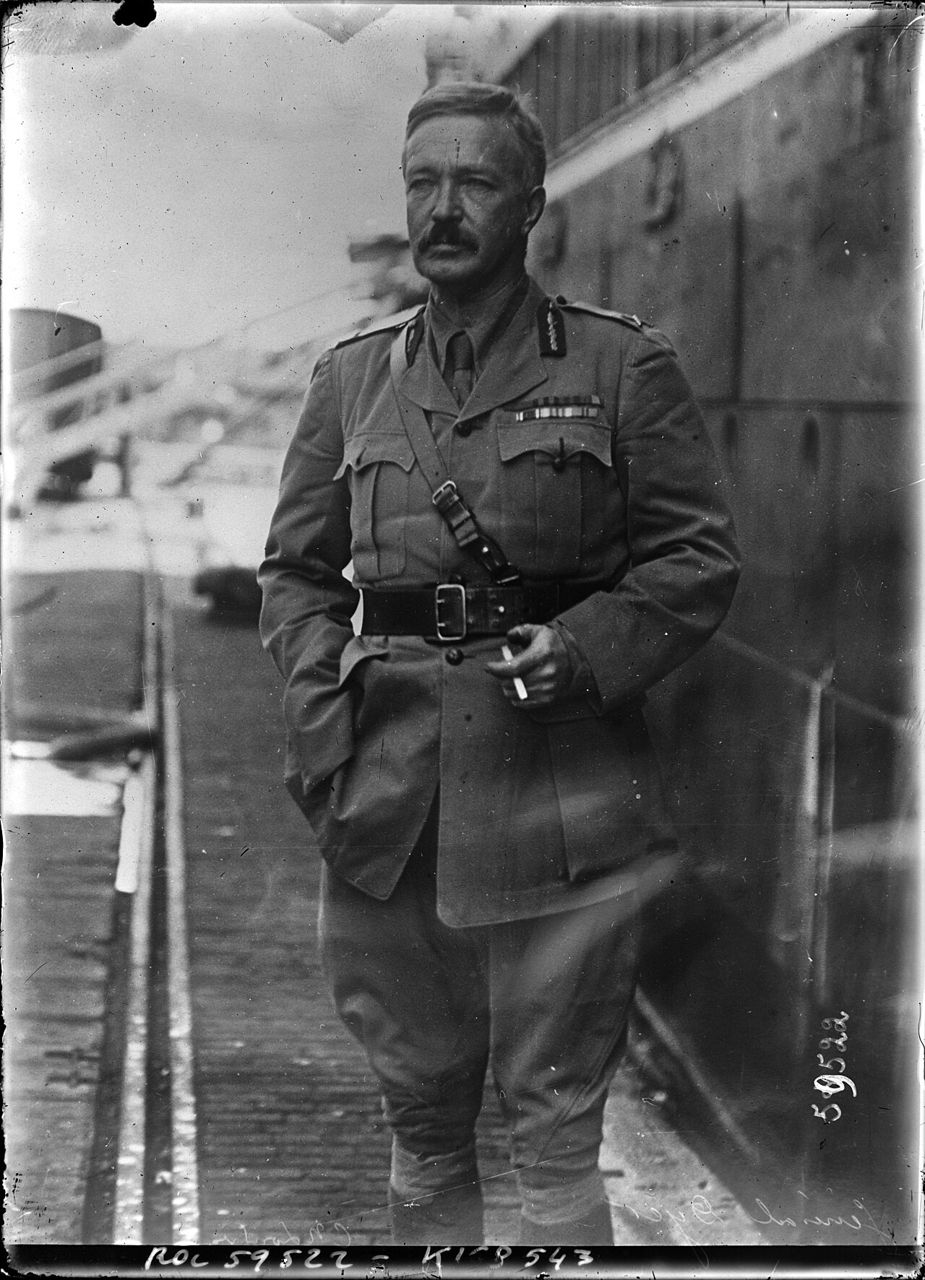
- Ordered the firing on 13 April 1919
- Censured by the Hunter Committee
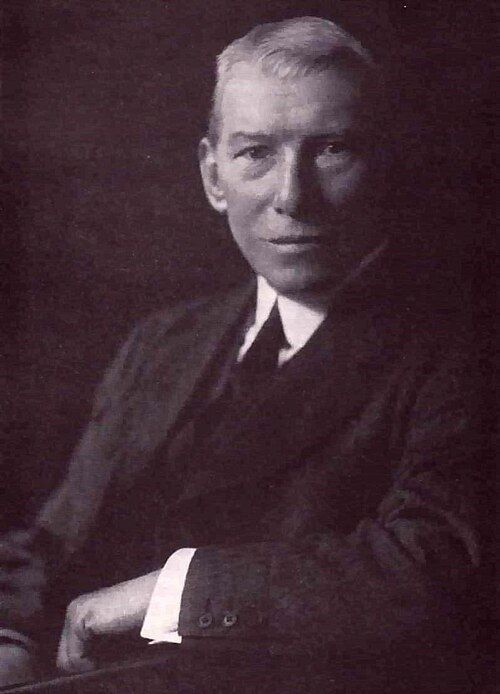
- Approved Dyer's firing
- Shot dead by Udham Singh in London, 1940
The memorial in the Bagh was designed by the American architect Benjamin Polk. President Dr Rajendra Prasad inaugurated it on 13 April 1961.
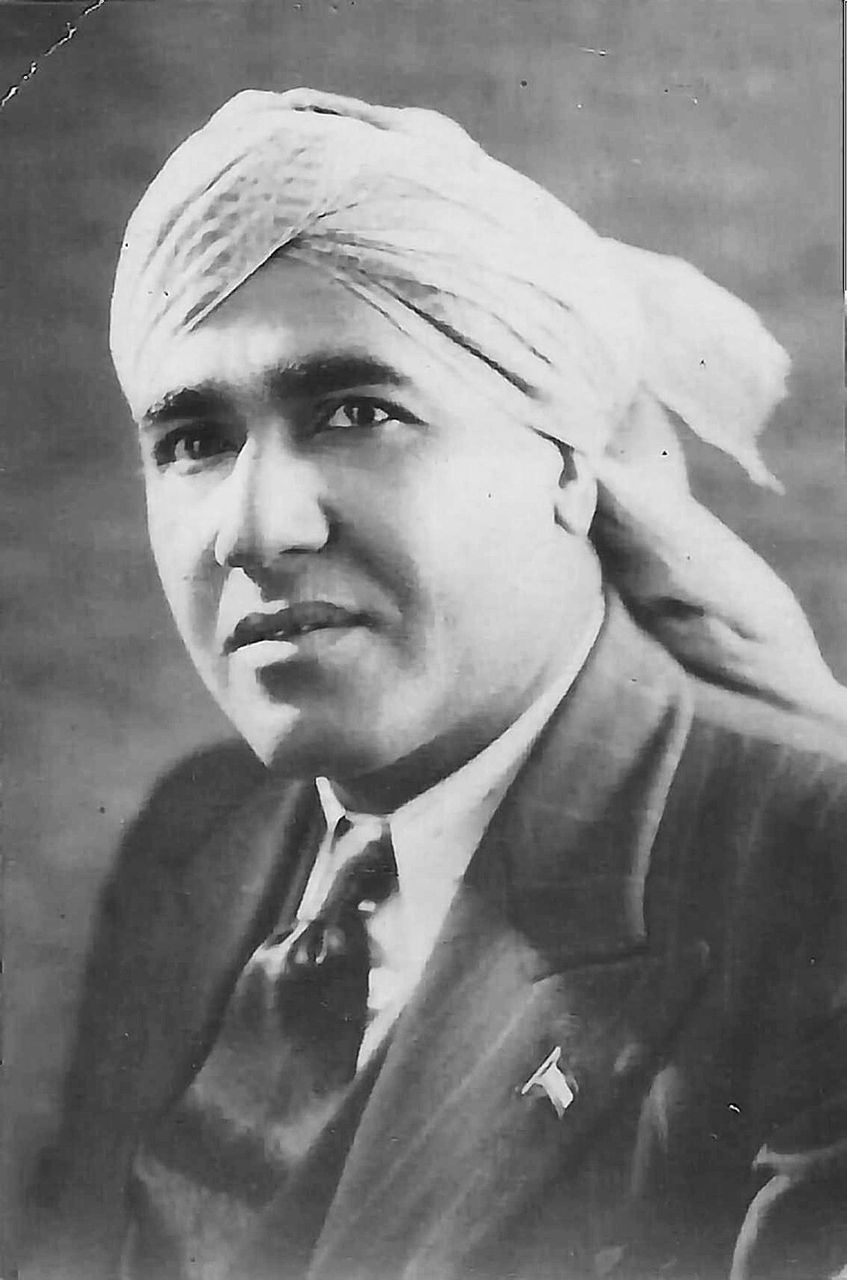
Udham Singh was born Sher Singh on 26 December 1899 at Sunam and grew up in the Central Khalsa Orphanage, Amritsar. On 13 March 1940 he shot Michael O'Dwyer dead at Caxton Hall, London. He called himself Ram Mohammad Singh Azad — a name joining three religions. He was hanged at Pentonville jail on 31 July 1940; his ashes came back to India in 1974.
The Rowlatt Satyagraha, Gandhi's role and the all-India reaction are covered on our Rowlatt Act and Jallianwala Bagh Massacre page. Here we keep only the facts Punjab exams ask most.
Akali movement (1920–25)
The Gurdwara Reform movement: a peaceful struggle to free the gurdwaras from corrupt mahants.
Many historic gurdwaras were controlled by hereditary mahants (priests) who were backed by the government. In 1920, at the Central Sikh League session at Lahore under Baba Kharak Singh, the Sikhs decided to join Gandhi's Non-Cooperation Movement. Soon after, they began a peaceful campaign of morchas (organised protests) to take the gurdwaras back.
| Event | Date | Key facts |
|---|---|---|
| SGPC formed | 15–16 November 1920 | At the Akal Takht, Amritsar; first president Sundar Singh Majithia |
| Shiromani Akali Dal founded | 14 December 1920 | Volunteer wing of the SGPC; first president Sarmukh Singh Jhabal |
| Nankana Sahib massacre (saka — a martyrdom event) | 20 February 1921 | Mahant Narain Das's men killed about 130 Sikhs of Bhai Lachhman Singh Dharowali's jatha (band of volunteers) |
| Keys affair (Chabian da Morcha) | Nov 1921 – 17 Jan 1922 | Keys of the Harmandir Sahib toshakhana (treasury) handed back to Baba Kharak Singh |
| Guru ka Bagh morcha | August – November 1922 | Ajnala (Amritsar); Mahant Sundar Das; Akalis beaten for cutting firewood for the langar; C. F. Andrews saw it |
| Jaito morcha | 1923–25 | For the restoration of Maharaja Ripudaman Singh of Nabha; firing on the Shahidi Jatha on 21 February 1924 |
| Sikh Gurdwaras Act | 1925 (in force 1 November 1925) | Gave the elected SGPC legal control of historic gurdwaras |
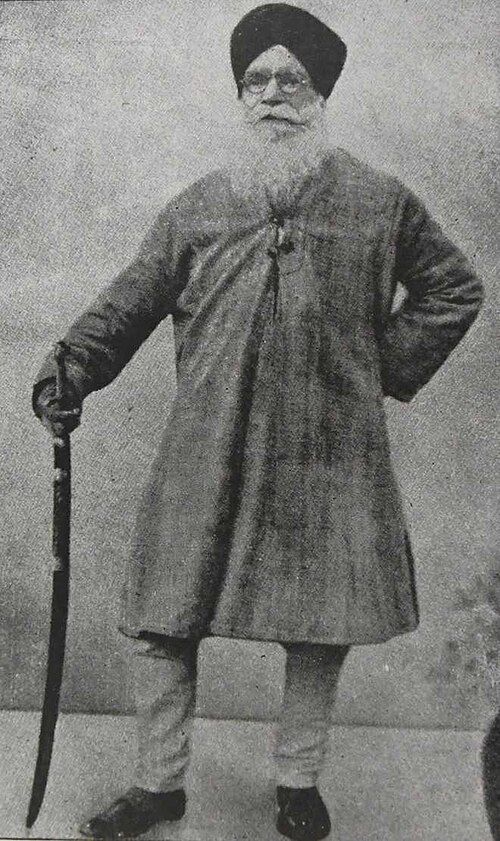
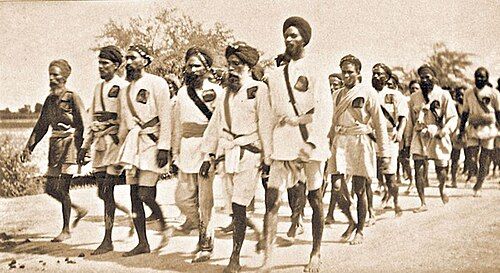
When the keys of the Harmandir Sahib treasury were returned on 17 January 1922, Gandhi sent a telegram to Baba Kharak Singh: "First decisive battle for India's freedom won."
- Jaito morcha in short: the British removed Maharaja Ripudaman Singh of Nabha (9 July 1923) for supporting the Akalis. An Akhand Path (non-stop reading of the Guru Granth Sahib) at Gurdwara Gangsar, Jaito was stopped. The SGPC observed 9 September 1923 as "Nabha Day", and jathas of 500 marched to Jaito. Jawaharlal Nehru was arrested at Jaito in September 1923.
- Babbar Akalis (1921–25): an armed group in the Doaba (Jalandhar–Hoshiarpur) that did not believe in non-violence. Leaders: Kishan Singh Gargajj, Master Mota Singh, Karam Singh Daulatpur. Paper: Babbar Akali Doaba. Six Babbars were hanged at Lahore on 27 February 1926.
- Baba Kharak Singh became the first SGPC president under the 1925 Act (1926).
- Nankana Sahib (1921) = Mahant Narain Das. Guru ka Bagh (1922) = Mahant Sundar Das, firewood for the langar. Jaito (1923–25) = Nabha ruler's restoration.
- The Jaito morcha's demand was the return of Ripudaman Singh. The Sikh Gurdwaras Act 1925 was the outcome of the whole Akali movement, Jaito included — so exam keys also give the Act as Jaito's outcome. Exams ask both.
- Two "first SGPC presidents": the SGPC of 1920 = Sundar Singh Majithia; the first SGPC elected under the 1925 Act (1926) = Baba Kharak Singh.
Bhagat Singh and the HSRA
The most famous revolutionary of Punjab.
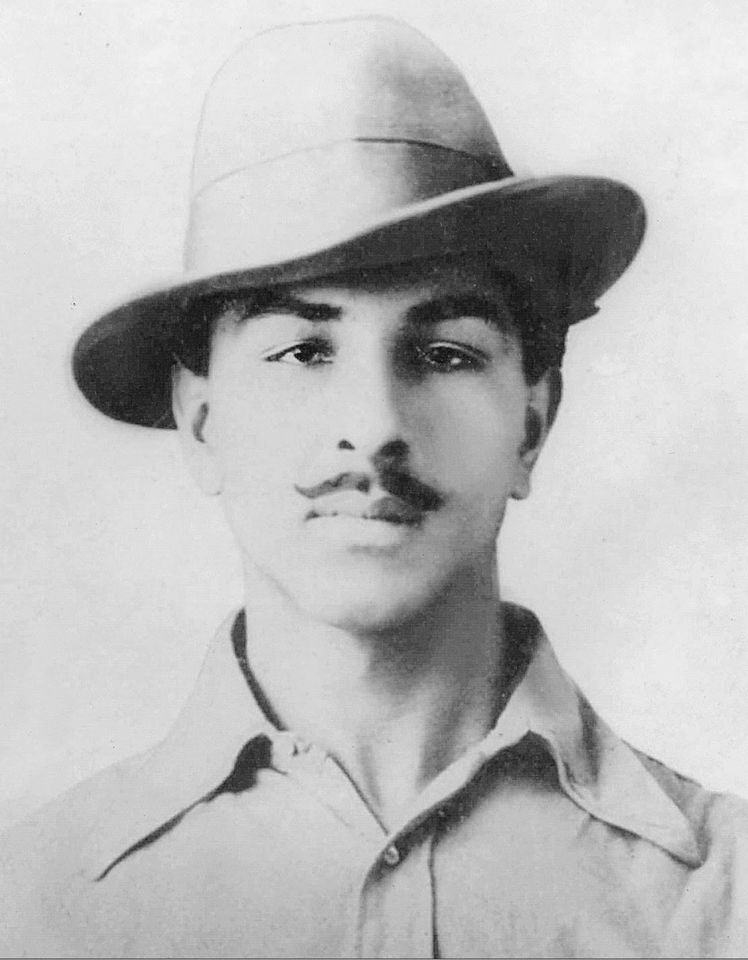
- Born on 28 September 1907 into a Sandhu Jat family at Banga (Chak No. 105, Lyallpur district, now in Pakistan). His ancestral village is Khatkar Kalan (Shaheed Bhagat Singh Nagar district), where the Shaheed Bhagat Singh Museum stands.
- Father Kishan Singh; uncle Ajit Singh of Pagri Sambhal Jatta fame.
- Studied at DAV High School, Lahore and the National College, Lahore (started by Lala Lajpat Rai in 1921).
- In March 1926 he helped found the Naujawan Bharat Sabha at Lahore and was its general secretary. It was a left-wing (socialist), secular youth group.
- In September 1928 the Hindustan Republican Association became the Hindustan Socialist Republican Association (HSRA) at Feroz Shah Kotla, Delhi. Chandrashekhar Azad was its commander; Bhagat Singh was one of its leaders.
- He wrote "Why I am an Atheist" (1930) in jail.
- 30 Oct 1928Simon Commission at Lahore
Lala Lajpat Rai leads a black-flag protest and is beaten in a lathi charge led by Superintendent James Scott.
- 17 Nov 1928Lajpat Rai dies
His death angers the young revolutionaries.
- 17 Dec 1928Saunders shot at Lahore
Bhagat Singh and Rajguru shoot ASP J. P. Saunders, mistaking him for Scott. Azad covers them.
- 8 Apr 1929Bombs in the Central Assembly, Delhi
With Batukeshwar Dutt, against the Public Safety Bill. Harmless bombs, leaflets and the slogan "Inquilab Zindabad".
- 13 Sep 1929Jatin Das dies
On the 63rd day of the hunger strike in Lahore jail.
- 23 Mar 1931Hanged at Lahore
Bhagat Singh, Sukhdev and Rajguru had asked to be treated as prisoners of war and shot by a firing squad, not hanged; this was ignored. They were hanged at Lahore Central Jail and secretly cremated at Hussainiwala (Ferozepur).
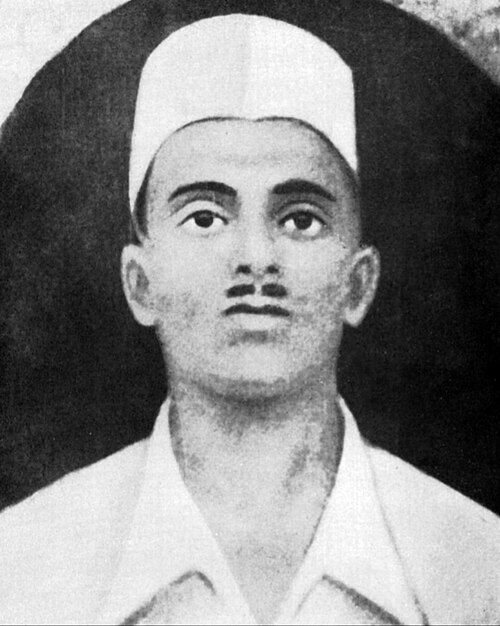
- Hanged with Bhagat Singh.
- The marksman of the Saunders shooting; hanged with Bhagat Singh.
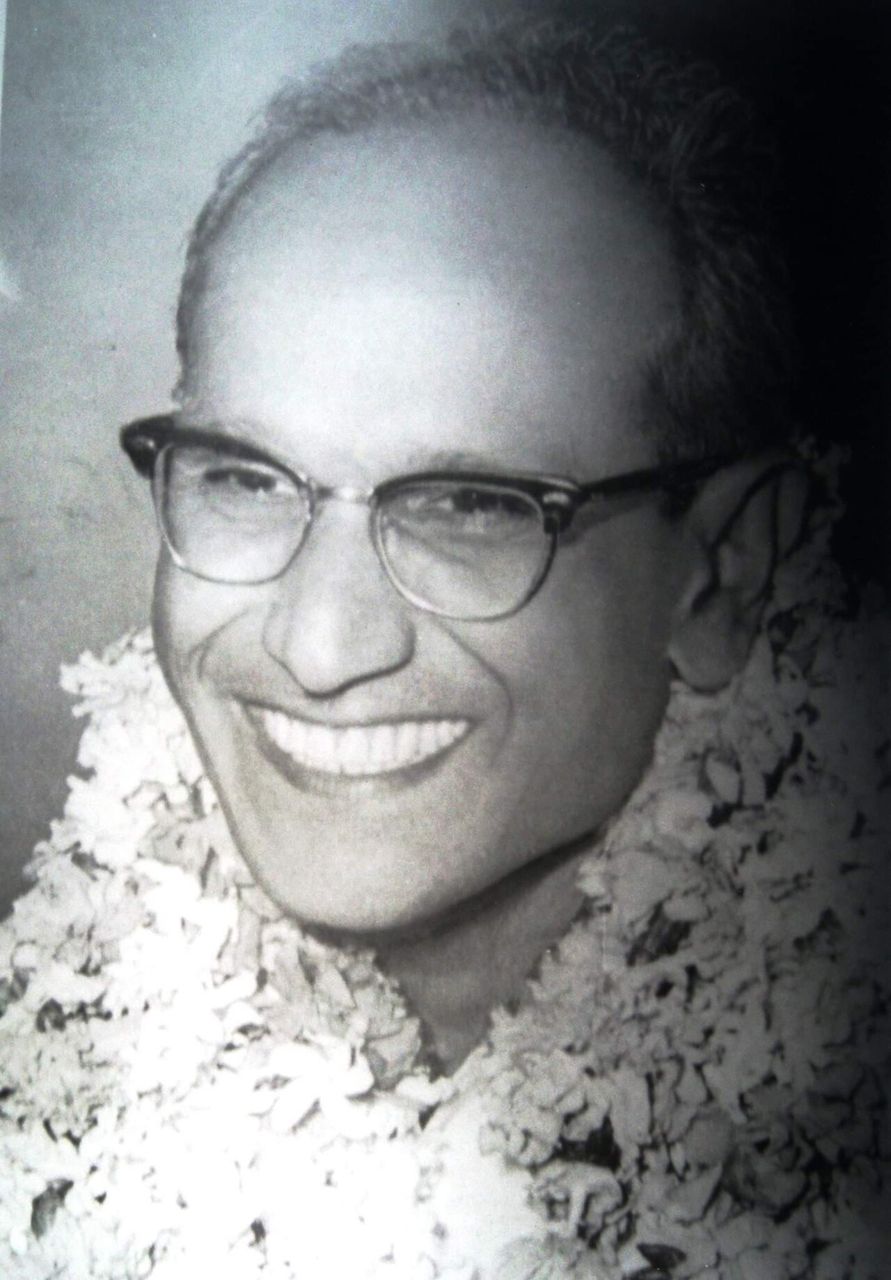
- Threw the Assembly bombs with Bhagat Singh; got life imprisonment.
- Helped Bhagat Singh get out of Lahore after the Saunders shooting.
23 March is observed as Shaheedi Diwas (Martyrs' Day) for Bhagat Singh, Sukhdev and Rajguru. The National Martyrs Memorial stands at Hussainiwala, on the bank of the Sutlej.
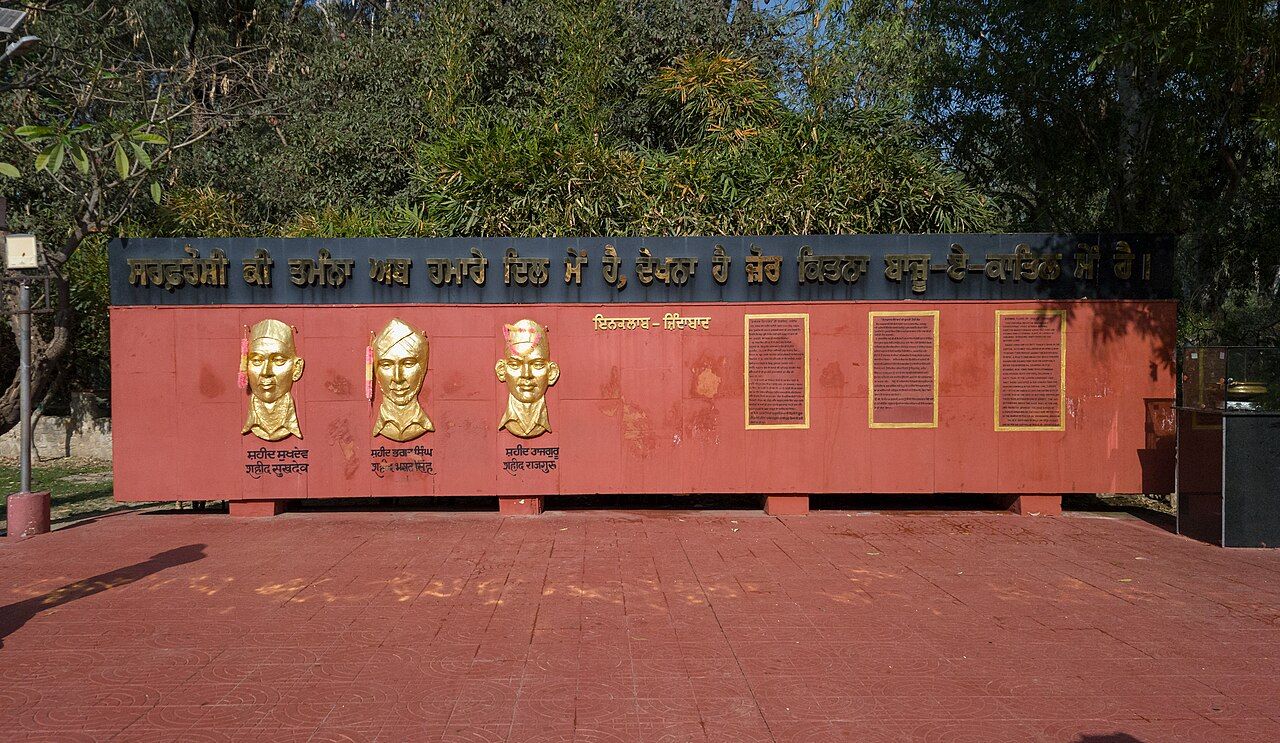
- Bhagat Singh shot Saunders (Assistant Superintendent), not Scott, who led the lathi charge on Lajpat Rai.
- The Assembly bomb was against the Public Safety Bill and Trade Disputes Bill (1929) — not the Rowlatt Act.
- Bhagat Singh was secretary, not president, of the Naujawan Bharat Sabha.
- Sarabha — Ghadar Party, hanged 1915. Bhagat Singh — HSRA, hanged 1931.
Lala Lajpat Rai (1865–1928)
"Punjab Kesari" — the Lion of Punjab.
- Born on 28 January 1865 at Dhudike (Moga). A leading member of the Arya Samaj.
- One of the Lal–Bal–Pal trio, with Bal Gangadhar Tilak and Bipin Chandra Pal.
- Co-founded Punjab National Bank (1894). Deported to Mandalay with Ajit Singh in 1907.
- Lived in the USA from 1914 to 1919, where he started the Indian Home Rule League of America.
- President of the Congress special session at Calcutta, 1920; founded the Servants of the People Society, Lahore, 1921.
- Led the protest against the Simon Commission at Lahore on 30 October 1928; died of his injuries on 17 November 1928.
Lajpat Rai's life as a journey through four places: born at Dhudike → deported to Mandalay (1907) → Congress president at Calcutta (1920) → fatally hurt in the lathi charge at Lahore (1928). First letters: D-M-C-L.
Praja Mandal in princely states
Freedom was also fought for inside Patiala, Nabha and the other states.
- The Punjab Riyasti Praja Mandal was founded on 17 July 1928 at Mansa. President: Sewa Singh Thikriwala.
- It asked for civil rights, responsible government and peasant welfare in Patiala, Nabha, Jind, Faridkot, Malerkotla and Kapurthala.
- Sewa Singh Thikriwala died in Patiala jail in January 1935 after a hunger strike.
- After 1947 the Praja Mandal movement fed into the politics of PEPSU.
The road to 1947
Punjab politics, the INA and Partition.
- The Unionist Party (1923) of Sir Fazl-i-Husain and Sir Chhotu Ram was a party of farmers of all religions. It ruled Punjab from 1937.
- Kirti Kisan movement: the Ghadarite Santokh Singh started the journal Kirti at Amritsar in 1926. The Kirti Kisan Party was formed on 12 April 1928 by Sohan Singh Josh. Like the Naujawan Bharat Sabha, it was left-wing and anti-British, inspired by socialist and communist ideas.
- Premiers (from 1937 the head of the elected Punjab government was called the Premier — like a Chief Minister today): Sir Sikander Hayat Khan (1937–42) and Khizar Hayat Khan Tiwana (1942–2 March 1947), the last Premier of united Punjab.
- Quit India (1942) had limited mass support in Punjab, because the Unionist ministry backed the war effort and the parties were divided.
- The Muslim League's Lahore Resolution, asking for separate Muslim states, was passed at Minto Park, Lahore, on 23 March 1940.
- Many Punjabi soldiers joined the Indian National Army (INA). Its first form was raised in 1942 by Captain Mohan Singh, a Punjabi officer. At the Red Fort trials (1945–46), Gurbaksh Singh Dhillon was tried with Shah Nawaz Khan and Prem Kumar Sahgal.
- On 17 August 1947 the Radcliffe Award gave 13 of the 29 districts to East Punjab (India) and 16 to West Punjab (Pakistan). Lahore went to Pakistan; Shimla became East Punjab's temporary capital.
Places and leaders
Where it happened, and who led what.
- Kuka (Namdhari) movement, 1857
- Baba Ram Singh (Bhaini Sahib)
- Pagri Sambhal Jatta, 1907
- Sardar Ajit Singh (song by Banke Dayal)
- Ghadar Party, 1913 — president
- Sohan Singh Bhakna (general secretary: Lala Har Dayal)
- Komagata Maru, 1914
- Baba Gurdit Singh
- Keys affair, 1921–22
- Baba Kharak Singh
- Babbar Akalis, 1921–25
- Kishan Singh Gargajj
- Naujawan Bharat Sabha, 1926
- Bhagat Singh (general secretary)
- Kirti Kisan Party, 1928
- Sohan Singh Josh
- Punjab Riyasti Praja Mandal, 1928
- Sewa Singh Thikriwala
- INA, first form, 1942
- Captain Mohan Singh
"Punjab Kesari" means the Lion of Punjab. Careful: Sher-e-Punjab is the standard answer for Maharaja Ranjit Singh.
Hanged at 23 on 23 March 1931.
The name he used in London in 1940.
Friend of the poor; Unionist leader of the peasants.
Full table: who led whatTap to open
| Person | Remember for |
|---|---|
| Baba Ram Singh | Namdhari (Kuka) movement; boycott pioneer |
| Sardar Ajit Singh | Pagri Sambhal Jatta, 1907 |
| Banke Dayal | Wrote the song Pagri Sambhal Jatta |
| Sohan Singh Bhakna | Founder-president of the Ghadar Party |
| Lala Har Dayal | Ghadar general secretary; editor of Ghadar |
| Baba Gurdit Singh | Hired the Komagata Maru, 1914 |
| Kitchlew and Satyapal | Their arrest led to the Jallianwala Bagh meeting |
| Baba Kharak Singh | Keys affair; first SGPC president under the 1925 Act |
| Kishan Singh Gargajj | Babbar Akali leader |
| Sewa Singh Thikriwala | Praja Mandal president |
| Sohan Singh Josh | Kirti editor; Kirti Kisan Party, 1928 |
Common traps
- Punjab Kesari = Lala Lajpat Rai. Sher-e-Punjab = Maharaja Ranjit Singh (the standard exam answer). Sher-e-Bangla = Fazlul Haq.
- Ghadar president = Sohan Singh Bhakna; Ghadar secretary/ideologue = Lala Har Dayal. Read the options carefully.
- Sohan Singh Bhakna = Ghadar president, 1913. Sohan Singh Josh = Kirti editor, Kirti Kisan Party, 1928.
- Ghadar headquarters = San Francisco (Yugantar Ashram); first meeting = Astoria, Oregon. Never Berlin or Tokyo.
- Order: Saragarhi 1897 → Ghadar 1913 → Komagata Maru 1914 → Jallianwala Bagh 1919.
- The Jallianwala meeting's immediate reason was the arrest of Kitchlew and Satyapal; the Rowlatt Act was the background.
- Hunter Committee (1919) enquired into Jallianwala Bagh; the Rowlatt (Sedition) Committee (1918) led to the Rowlatt Act.
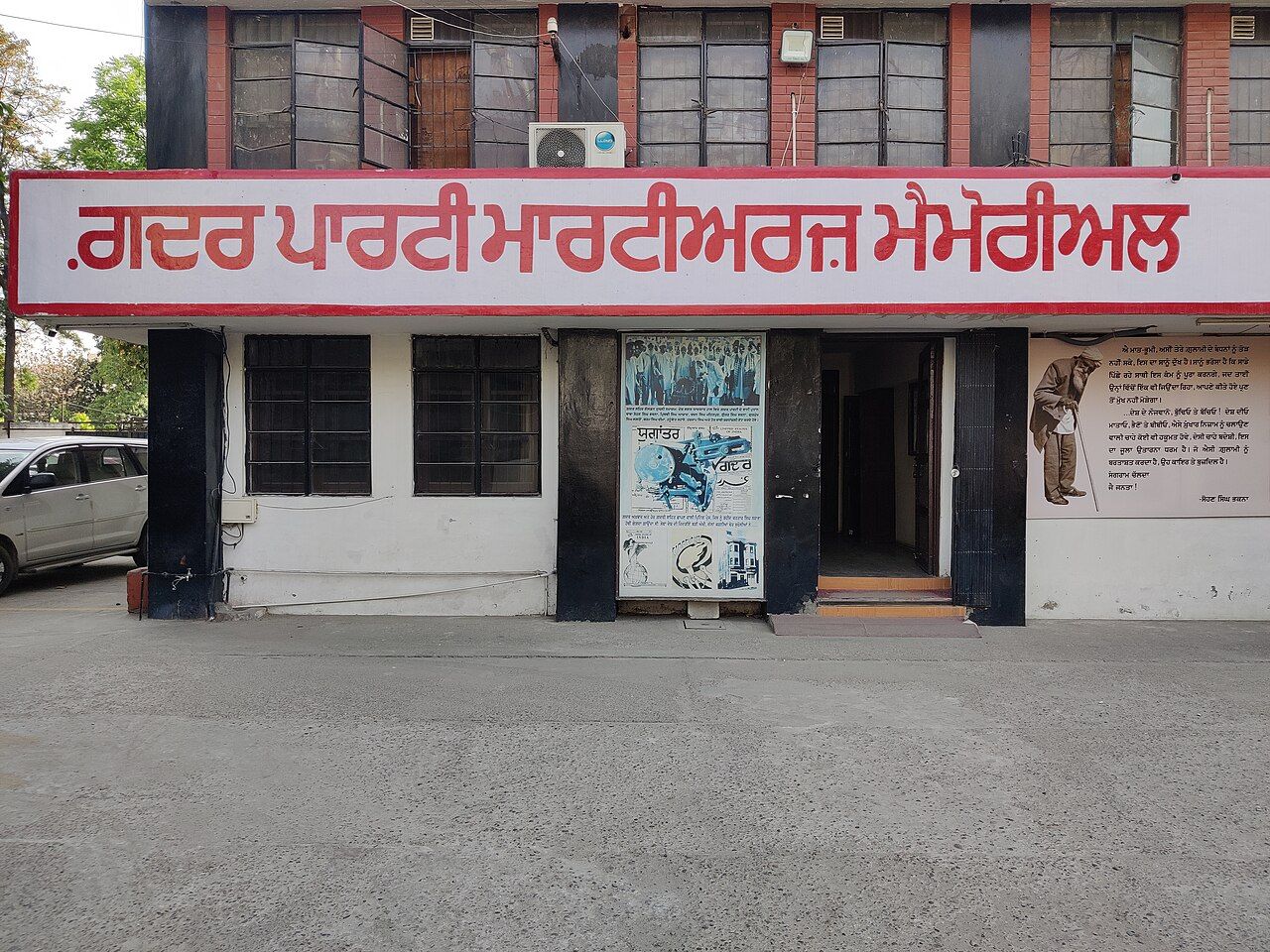
- Desh Bhagat Yadgar Hall is in Jalandhar city; the Jang-e-Azadi Memorial is at Kartarpur (Jalandhar district).
- Sikander Hayat Khan — Premier 1937–42. Khizar Hayat Tiwana — last Premier, 1942–47.
- Baba Kharak Singh (Akali leader, Keys affair) is not Maharaja Kharak Singh (Ranjit Singh's son).
Quick revision
Read this the night before the exam.
- Punjab annexed: 29 March 1849, Lord Dalhousie
- First Chief Commissioner: John Lawrence (1853)
- NWFP separated: 1901 (Curzon)
- Revenue system: Mahalwari
- Largest canal colony: Lower Chenab (Lyallpur)
- Land Alienation Act: 1900
- Kuka movement: Baba Ram Singh, Bhaini Sahib, 1857
- 66 Kukas blown from cannon: Malerkotla, 1872
- First Singh Sabha: Amritsar, 1873
- Pagri Sambhal Jatta song: Banke Dayal, 1907
- Ghadar Party: 1913; HQ Yugantar Ashram, San Francisco
- Ghadar spirit: "Our religion was patriotism" — Sohan Singh Bhakna
- Komagata Maru: Baba Gurdit Singh; reached Vancouver 23 May 1914
- Sarabha hanged: 16 November 1915
- Jallianwala Bagh: 13 April 1919; Dyer fired, O'Dwyer approved
- Jallianwala memorial inaugurated: 13 April 1961, Dr Rajendra Prasad
- Nankana Sahib massacre: 20 February 1921
- Sikh Gurdwaras Act: 1925
- Bhagat Singh hanged: 23 March 1931, Lahore
- Udham Singh shot O'Dwyer: 13 March 1940, London
Full timeline, 1849 to 1947 (20 events)Tap to open
- 1849Punjab annexed
29 March, by Lord Dalhousie, after the Second Anglo-Sikh War.
- 1857Namdhari movement begins
Baba Ram Singh, Baisakhi, Bhaini Sahib (Ludhiana).
- 1872Kukas blown from cannon
66 Kukas killed at Malerkotla, 17–18 January.
- 1873First Singh Sabha
At Amritsar, 1 October. Lahore Singh Sabha followed in 1879.
- 1897Battle of Saragarhi
21 men of the 36th Sikhs die defending their post, 12 September.
- 1907Pagri Sambhal Jatta
Ajit Singh and Lajpat Rai deported to Mandalay.
- 1913Ghadar Party founded
In the USA; Sohan Singh Bhakna president, Lala Har Dayal secretary.
- 1914Komagata Maru
Turned away from Vancouver; firing at Budge Budge, 29 September.
- 1915Kartar Singh Sarabha hanged
16 November, Lahore, aged 19.
- 1919Jallianwala Bagh massacre
13 April (Baisakhi), Amritsar; firing ordered by Dyer.
- 1920SGPC and Akali Dal formed
November and December 1920.
- 1921Nankana Sahib massacre
20 February; about 130 Sikhs killed.
- 1922Keys affair won; Guru ka Bagh morcha
Keys returned 17 January; Guru ka Bagh from August.
- 1923–25Jaito morcha
For Maharaja Ripudaman Singh of Nabha.
- 1925Sikh Gurdwaras Act
In force from 1 November 1925.
- 1928Praja Mandal; Lajpat Rai dies; Saunders shot
Praja Mandal at Mansa (17 July); Lajpat Rai dies 17 November; Saunders shot 17 December.
- 1929Assembly bomb
8 April, Delhi — Bhagat Singh and B. K. Dutt.
- 1931Bhagat Singh, Sukhdev, Rajguru hanged
23 March, Lahore Central Jail.
- 1940Udham Singh shoots O'Dwyer
13 March, Caxton Hall, London.
- 1947Independence and Partition
15 August; Radcliffe Award announced 17 August.
Why did people gather at Jallianwala Bagh on 13 April 1919, and who ordered the firing?
Show answer
To protest the arrest of Dr Saifuddin Kitchlew and Dr Satyapal. Brigadier-General Reginald Dyer ordered the firing.
Who was the founder-president of the Ghadar Party, and where was its headquarters?
Show answer
Sohan Singh Bhakna; headquarters at Yugantar Ashram, San Francisco.
Who wrote the song "Pagri Sambhal Jatta", and which movement did it name?
Show answer
Banke Dayal, editor of Jhang Sial. It named the 1907 peasant agitation led by Ajit Singh and Lala Lajpat Rai.