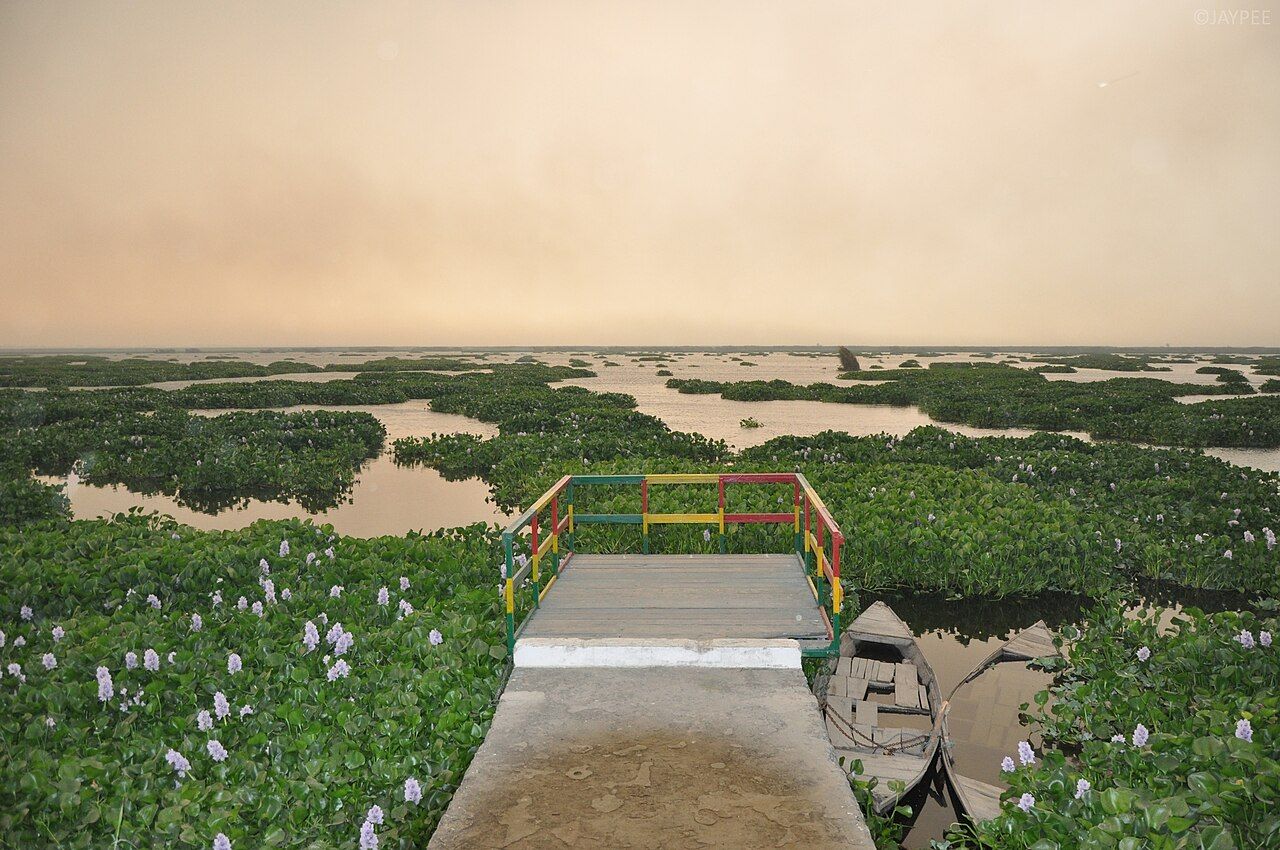
Punjab is a land of fields, not forests. Almost all its land is farmed, so its forest cover is among the lowest in India. But the state has rich wetlands (land that stays wet or under shallow water), where thousands of birds come every winter. It has six Ramsar wetlands, many wildlife sanctuaries and well-known state symbols like the blackbuck and the baaz. This page explains all of them in simple words.
- Forests — how little forest Punjab has, and where it is.
- State symbols — the animal, bird, tree, flower and aquatic animal, set beside India's.
- Wetlands and sanctuaries — the six Ramsar sites, the main sanctuaries and zoos, on a map.
- Pollution — the dated report facts that exams ask.
Why "0 national parks"?Tap to open
Forests of Punjab
Small in area, and mostly in the Shivalik foothills.
- Recorded forest area (land legally marked as forest in government records) is only about 6% of Punjab — roughly 3,000 sq km out of 50,362 sq km.
- Actual forest cover (land really covered by trees, measured by satellite in the India State of Forest Report, ISFR) is even lower — about 3.6% (3.67% in ISFR 2021). Punjab and Haryana have the smallest forest cover among the larger states; Haryana (3.63%) is just below Punjab. With tree cover outside forests added, Punjab rises to about 6.8%.
- The reason is simple: nearly all land is under cultivation (farming). See climate, soils and agriculture.
- Most forests are in the Kandi districts of the Shivalik foothills: Hoshiarpur, Rupnagar, Pathankot and SBS Nagar. Read more about the Kandi belt in physical regions of Punjab.
- Hoshiarpur has the largest forest area of any district. Mukerian is only a town (tehsil) in Hoshiarpur district, not a district.
Recorded forest area is what the land records call forest (about 6% in Punjab). Forest cover is what satellites actually see as tree-covered land (about 3.6%). Always read which one the question asks.
The four vegetation beltsTap to open
| Vegetation belt | Where in Punjab | Main trees and plants |
|---|---|---|
| Subtropical pine | Highest Shivalik ridges (Pathankot, Hoshiarpur) | Chir pine |
| Subtropical scrub (hill) | Shivalik slopes | Scrub, khair, dhak |
| Northern tropical dry deciduous | Undulating plains and the Kandi area | Dhak (palas), khair, shisham, jamun, kikar |
| Tropical thorn | Dry south-west | Kikar, jand, van (jal), karir, malha |
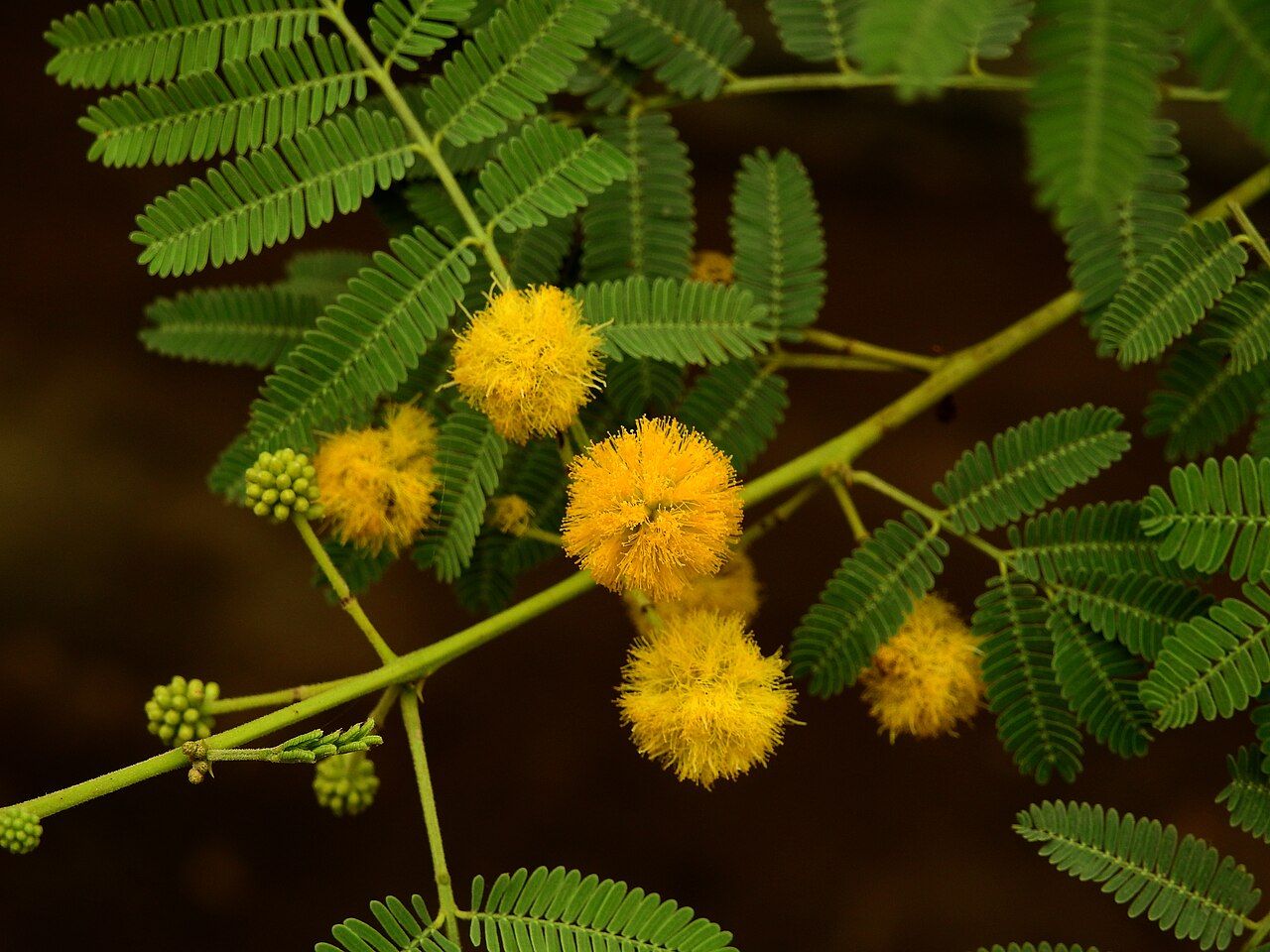
Kikar (babul) is Acacia nilotica. Its bark is rich in tannin, so it is used for tanning leather. Its gum and pods are also useful, and its twigs are used as datun (tooth-sticks).
State symbols of Punjab
Five symbols. Exams ask them every year.
Scientific names of the symbolsTap to open
| Punjab symbol | Scientific name |
|---|---|
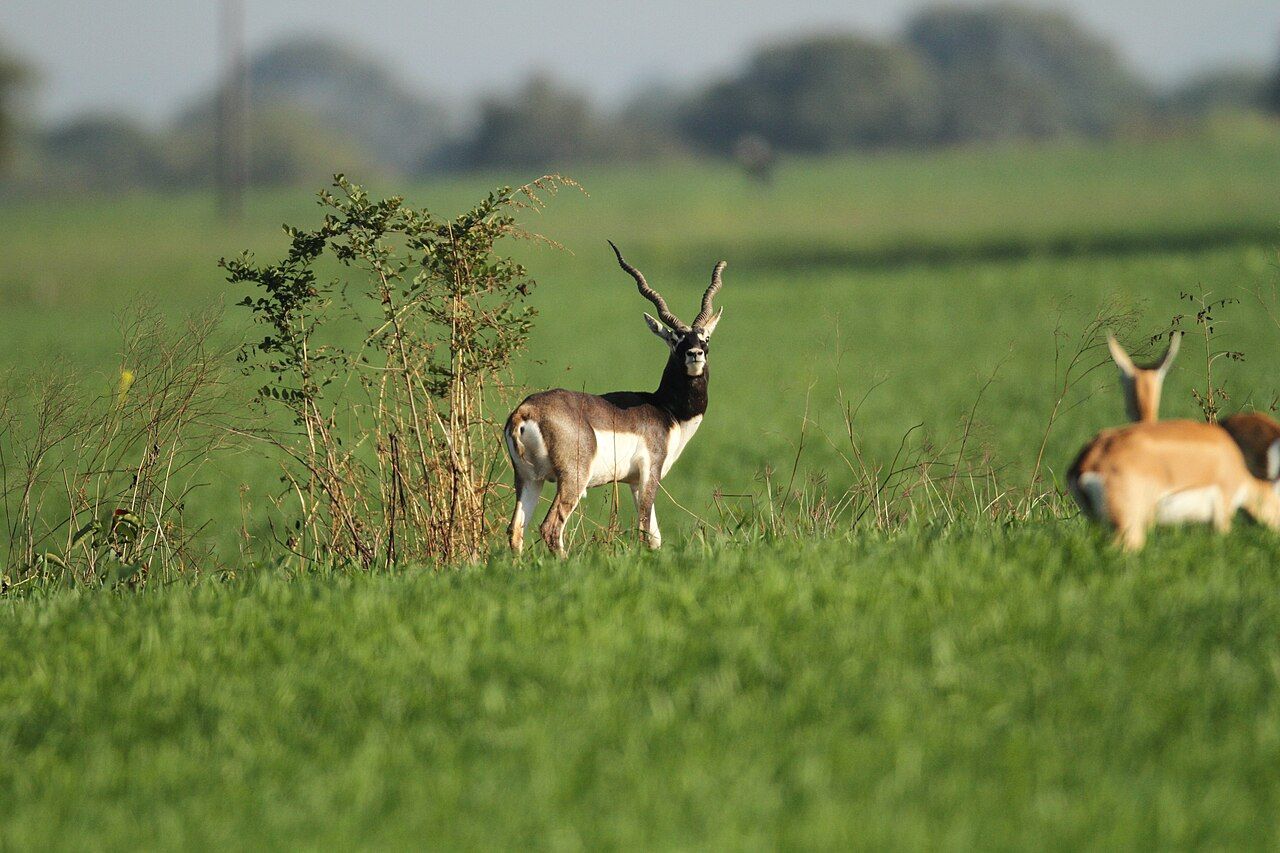
| Blackbuck | Antilope cervicapra |
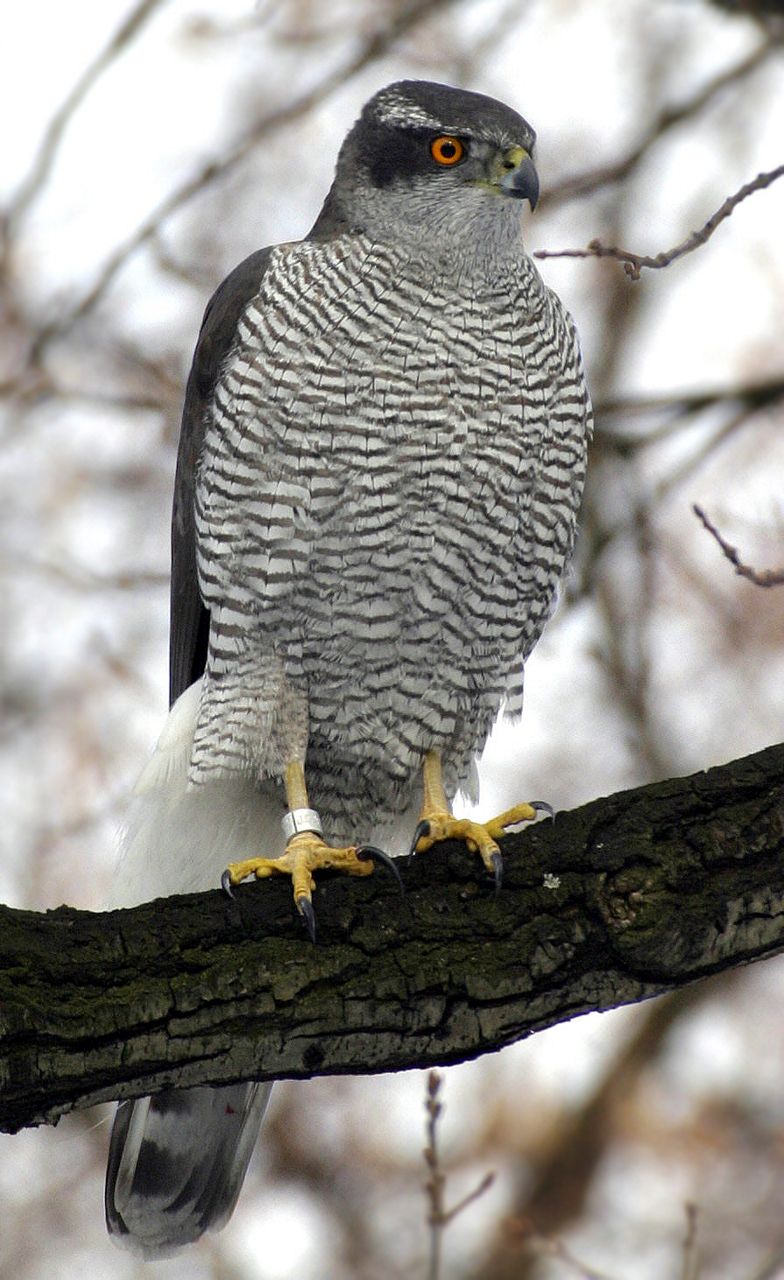
| Baaz (Northern Goshawk) | Accipiter gentilis |
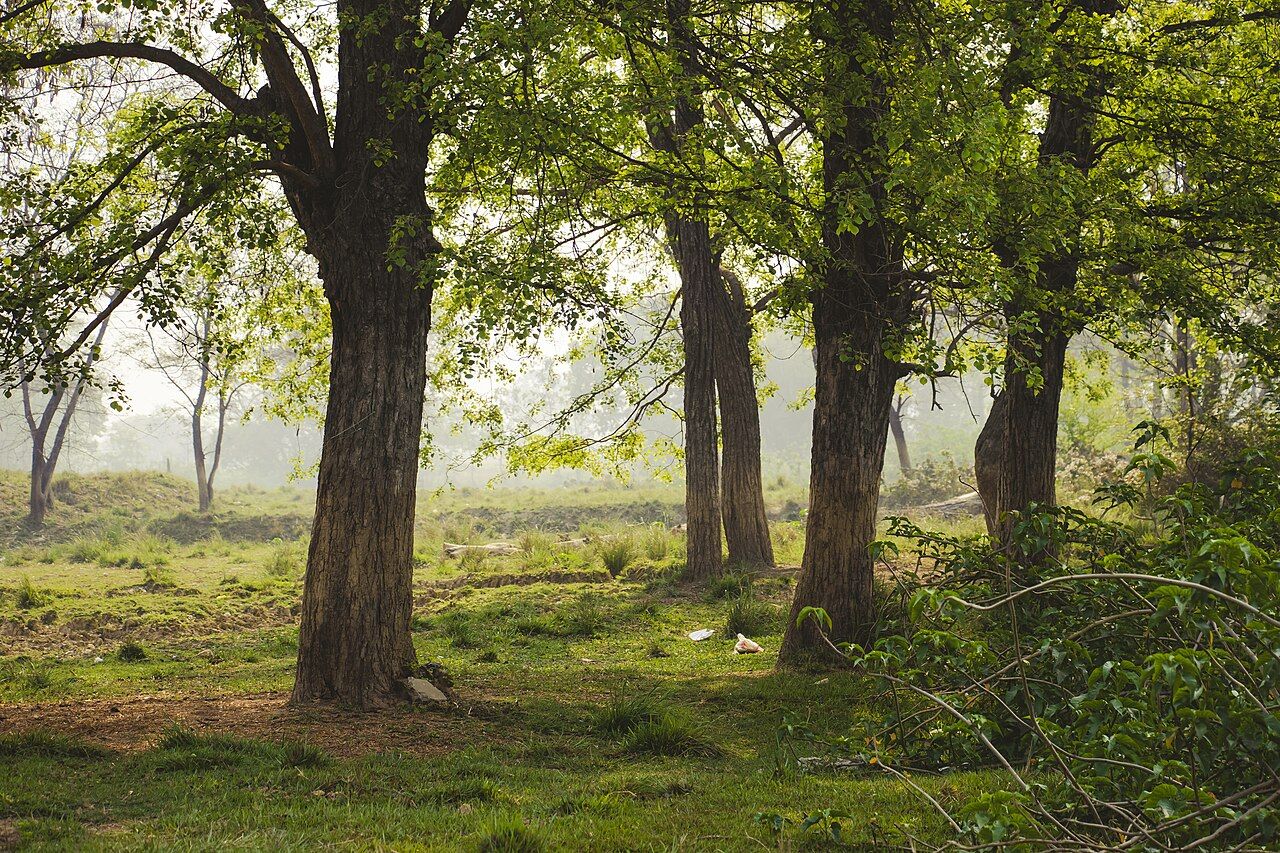
| Shisham | Dalbergia sissoo |
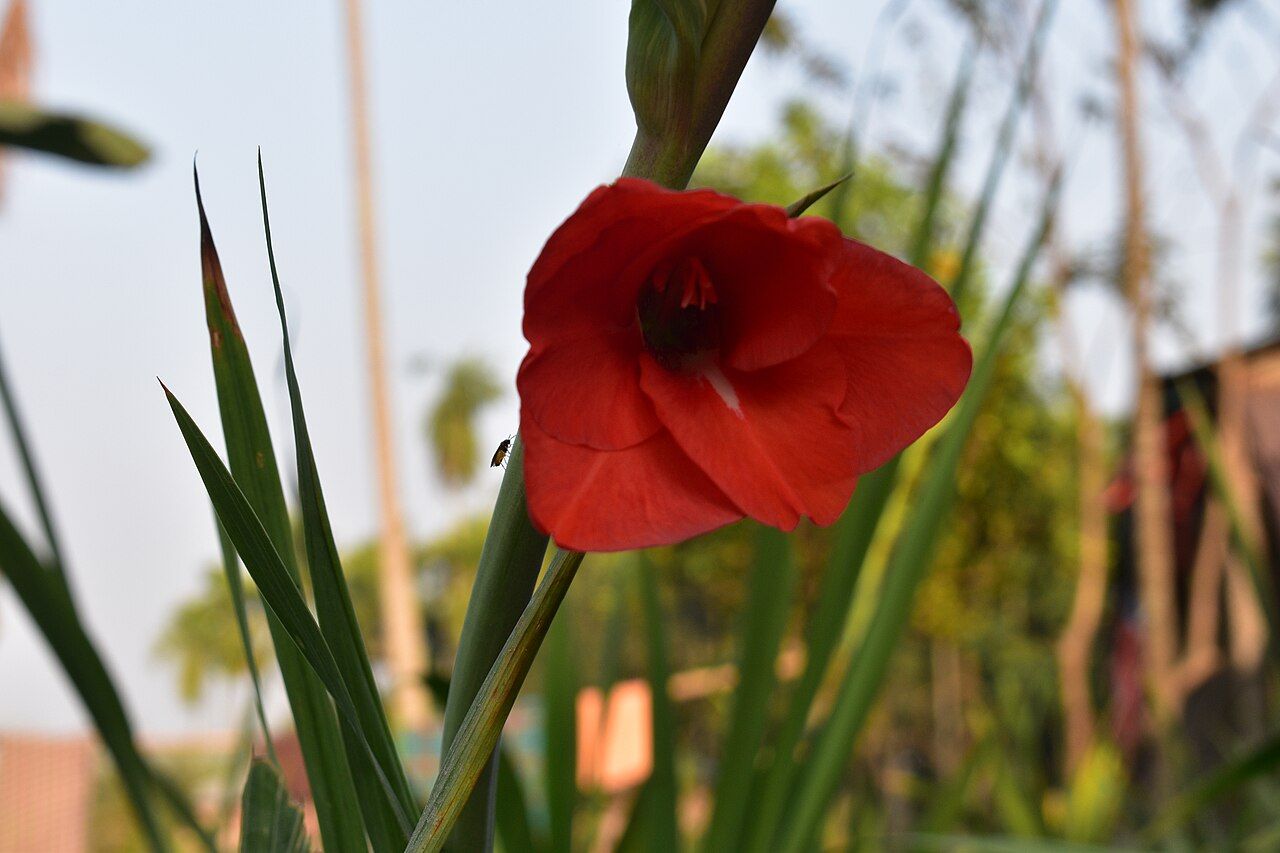
| Gladiolus | Gladiolus |
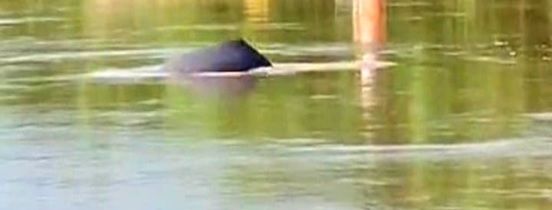
| Indus river dolphin | Platanista minor (older books: Platanista gangetica minor) |
Picture it: a black baaz sat on the shisham, smelling the gladiolus, watching the dolphin → Blackbuck (animal), Baaz (bird), Shisham (tree), Gladiolus (flower), Dolphin (aquatic animal).
The Indus river dolphin is almost blind and finds its way by sound. In India it lives only in the Beas, in Punjab. Punjab made it the state aquatic animal in 2019. Its home stretch of the river is protected as the Beas Conservation Reserve. Do not confuse it with the Ganges river dolphin, India's national aquatic animal, which is protected at the Vikramshila Dolphin Sanctuary in Bihar.
Ramsar wetlands of Punjab
Six sites: one in 1990, two in 2002, three in 2019.
A wetland of international importance listed under the Ramsar Convention, signed at Ramsar in Iran in 1971. India joined in 1982. Chilika (Odisha) and Keoladeo (Rajasthan) were India's first two sites (1981).
| Wetland | Ramsar date | District | Water body | Remember for |
|---|---|---|---|---|
| Harike | 23 March 1990 | Tarn Taran, Ferozepur, Kapurthala | Confluence of the Beas and the Sutlej | Largest wetland of north India; 4,100 ha |
| Kanjli | 22 January 2002 | Kapurthala | Kali Bein (a rivulet) | Man-made lake (1870); 183 ha |
| Ropar | 22 January 2002 | Rupnagar | Sutlej, behind the Ropar headworks | 1,365 ha |
| Keshopur-Miani | 26 September 2019 | Gurdaspur | Chhamb (marsh) | India's first community reserve (2007); 344 ha |
| Beas Conservation Reserve | 26 September 2019 | Along 185 km of the Beas, Pathankot to Harike | Beas river | Indus river dolphin; gharial brought back in 2017; 6,429 ha |
| Nangal | 26 September 2019 | Rupnagar | Nangal reservoir (Sutlej) | Wildlife sanctuary; 116 ha |
1 – 2 – 3: one site in 1990 (Harike), two in 2002 (Kanjli, Ropar), three in 2019 (Keshopur-Miani, Beas, Nangal). Total 6.
Areas and dates of the six sitesTap to open
- 1990Harike becomes a Ramsar site
Punjab's first, on 23 March 1990.
- 2002Kanjli and Ropar added
Both on 22 January 2002.
- 2007Keshopur-Miani community reserve
India's first community reserve, in Gurdaspur.
- 2017Gharial back in the Beas
Gharials are reintroduced in the Beas Conservation Reserve.
- 2019Three new Ramsar sites
Keshopur-Miani, Beas Conservation Reserve and Nangal, on 26 September 2019. The Indus river dolphin is declared the state aquatic animal.
Harike and the other sites
The most asked wetland, then its look-alikes and the three 2019 sites.
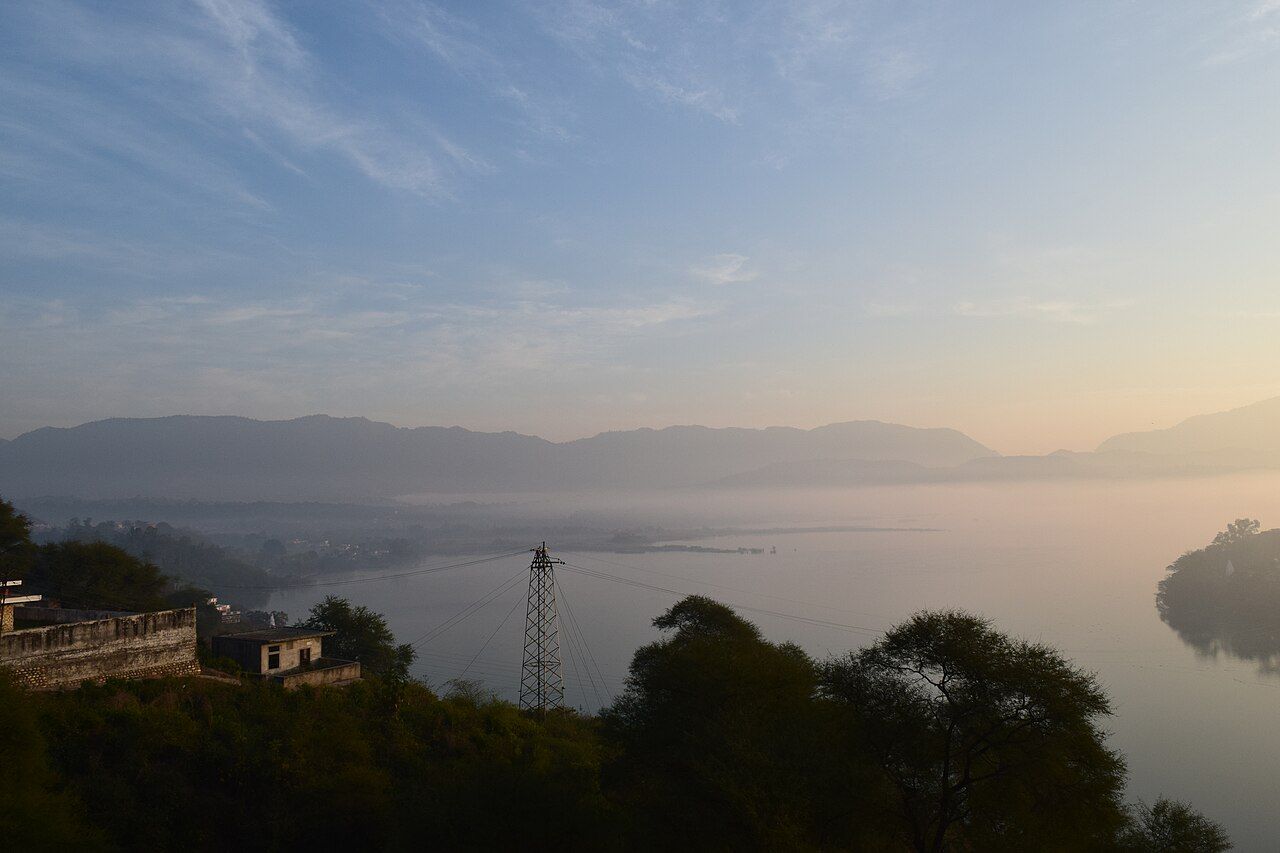
- Lies where the Beas joins the Sutlej, near the town of Harike. The Harike headworks (a barrage across the rivers) holds back the water and made this wetland. More on headworks in rivers, canals and dams of Punjab.
- Spreads over three districts: Tarn Taran, Ferozepur and Kapurthala. Older books write Amritsar in place of Tarn Taran, because Tarn Taran was part of Amritsar district until 2006. It does not touch Ludhiana.
- Area about 4,100 ha. It is the largest wetland of north India.
- Declared a Ramsar site on 23 March 1990 — Punjab's first.
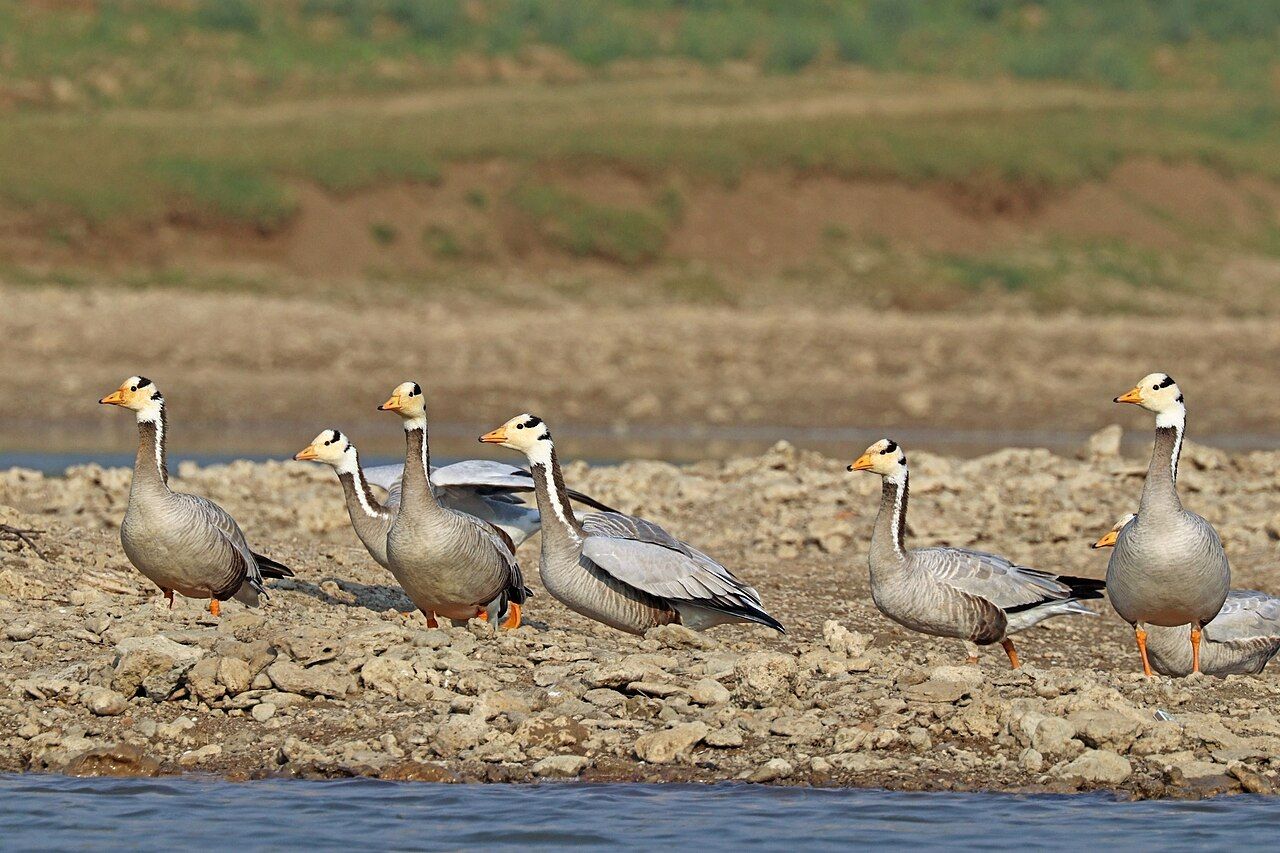
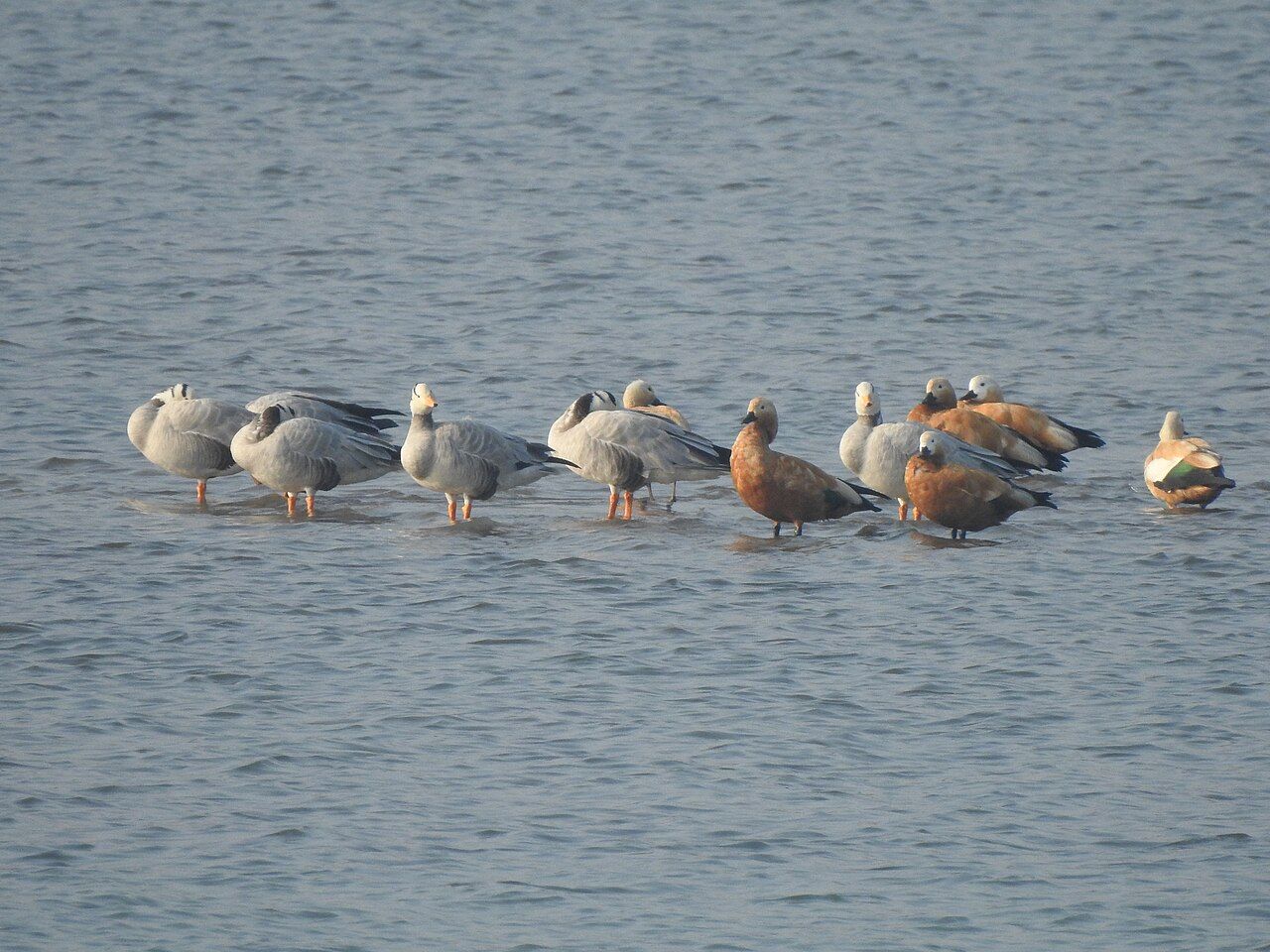
- Part of it is the Harike Wildlife (Bird) Sanctuary. In winter it receives a huge number of migratory birds from Central Asia and Siberia, such as the bar-headed goose.
- The Rajasthan Feeder (Indira Gandhi Canal) starts from Harike.
- Keshopur-Miani (Gurdaspur): a natural chhamb (marshy land). It became India's first community reserve in 2007, which means the village people help manage it.
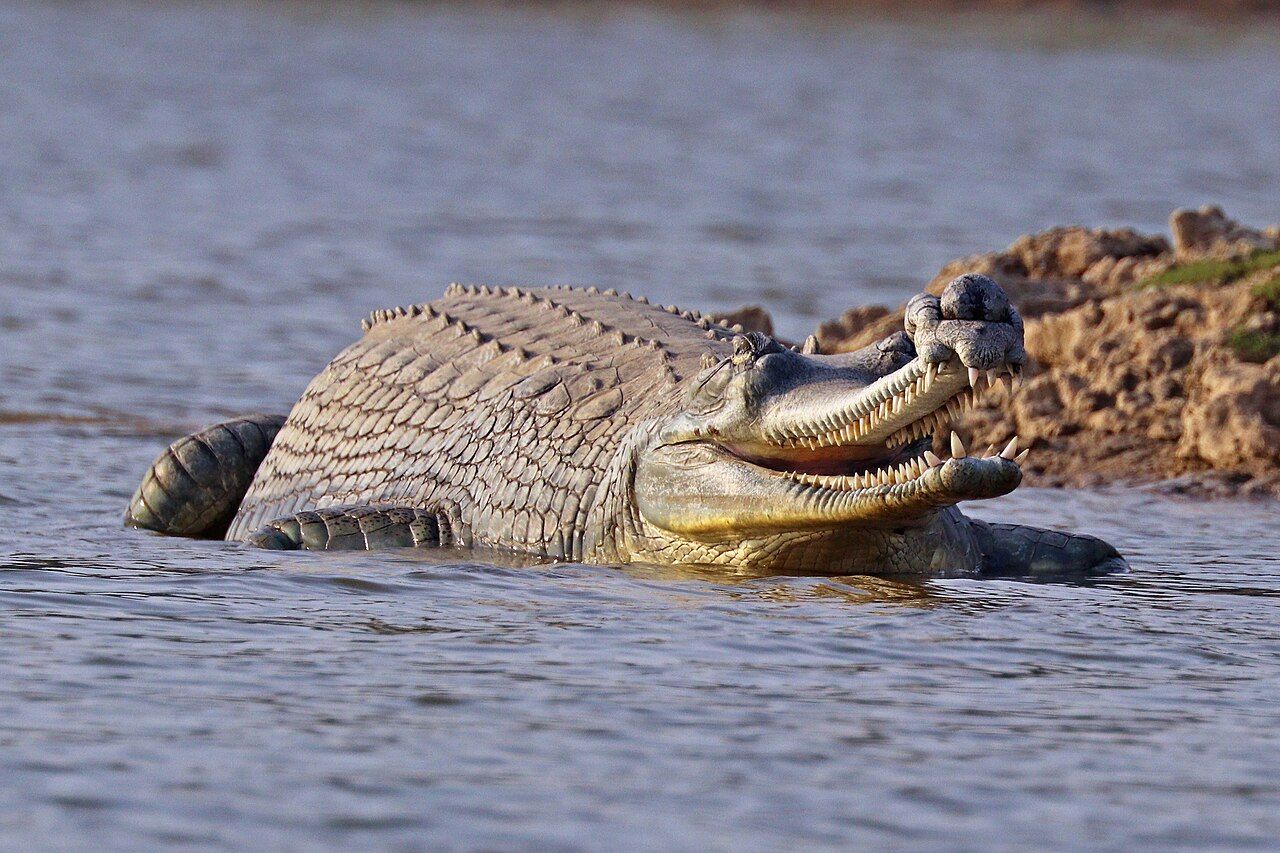
- Beas Conservation Reserve: a 185 km stretch of the Beas from Pathankot to Harike. It is the home of the Indus river dolphin, and gharials were brought back here in 2017.
- Nangal (Rupnagar): a wildlife sanctuary on the Nangal reservoir, below the Bhakra dam.
- Rudrasagar lake is in Tripura, not Punjab. It is the standard wrong option in "which wetland is not in Punjab".
- Kolleru lake is in Andhra Pradesh. Sukhna Lake is in Chandigarh (a Union Territory), not a Punjab Ramsar site.
- The wetland is Kanjli, sometimes misspelt "Kanji". It is in Kapurthala, on the Kali Bein — not in Bathinda and not on the Beas.
- Harike = Beas + Sutlej. Ropar = Sutlej only. Kanjli = Kali Bein.
- If a question gives Amritsar and Tarn Taran both as options for Harike, pick Tarn Taran.
Sanctuaries, reserves and zoos
Where each one is and what it protects.
Sanctuary, conservation reserve, community reserve: what is the difference?Tap to open
An area notified by the government to protect wild animals and birds. Some human use may be allowed.
Usually links or buffers protected areas; managed by the state with local advice.
Village people or a community voluntarily protect the land. Keshopur-Miani (2007) was India's first.
| Protected area — district | Known for |
|---|---|
| Harike Wildlife Sanctuary — Tarn Taran / Ferozepur | Migratory water birds |
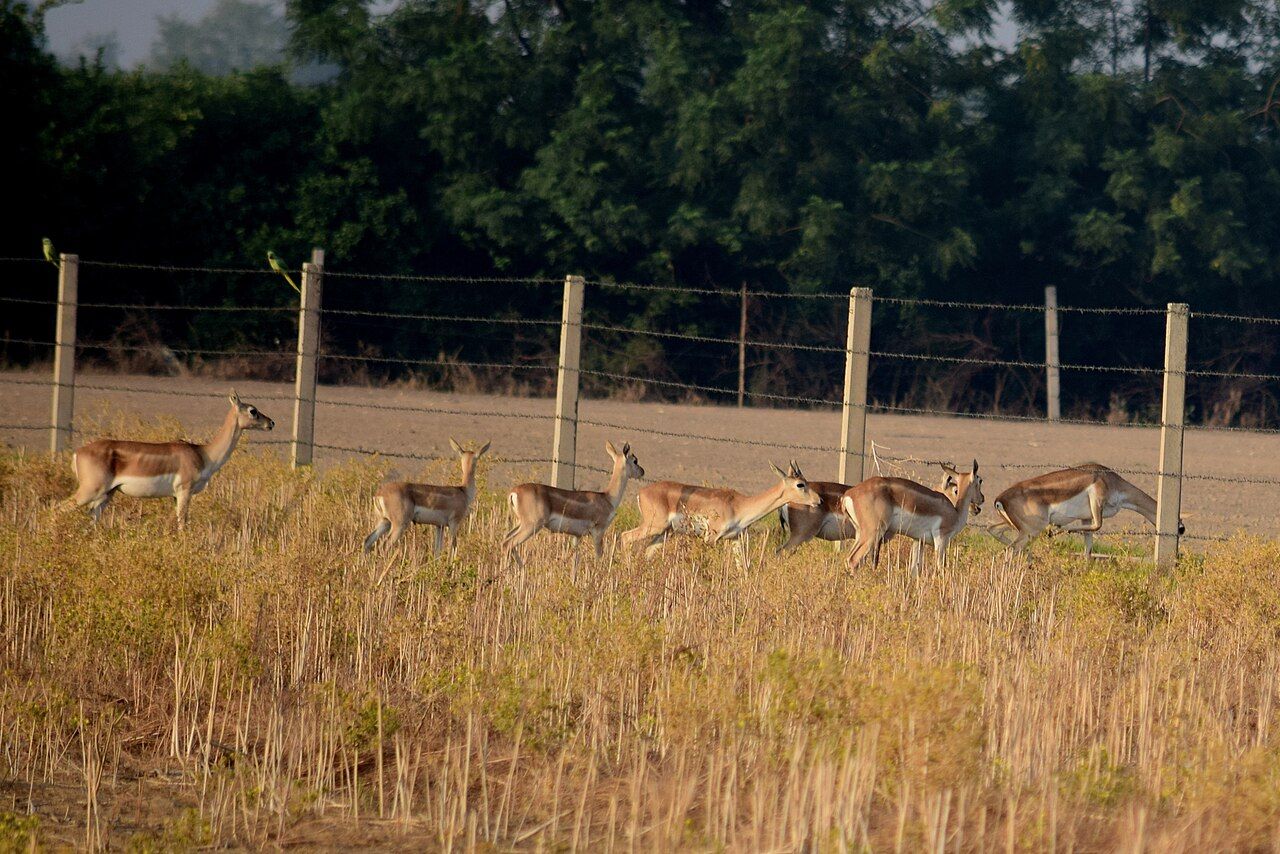
| Abohar Wildlife Sanctuary — Fazilka | Blackbuck; an open sanctuary over Bishnoi villages |
| Takhni-Rehmapur Wildlife Sanctuary — Hoshiarpur | Shivalik forest; sambar, wild boar |
| Bir Aishwan Wildlife Sanctuary — Sangrur | Declared 28 February 1952; dry forest of about 264 ha; blackbuck, nilgai, hog deer |
| Keshopur-Miani Community Reserve — Gurdaspur | India's first community reserve (2007) |
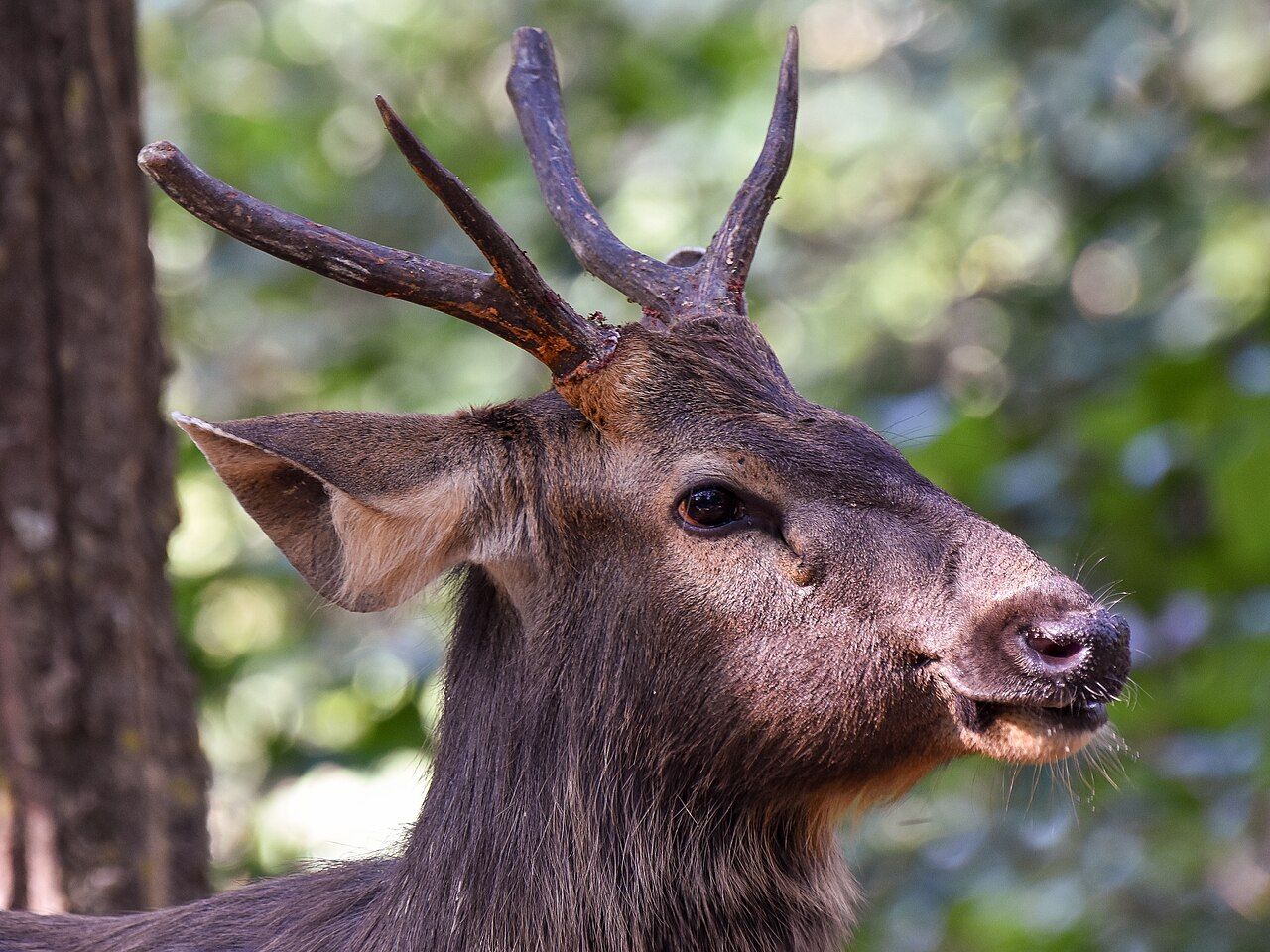
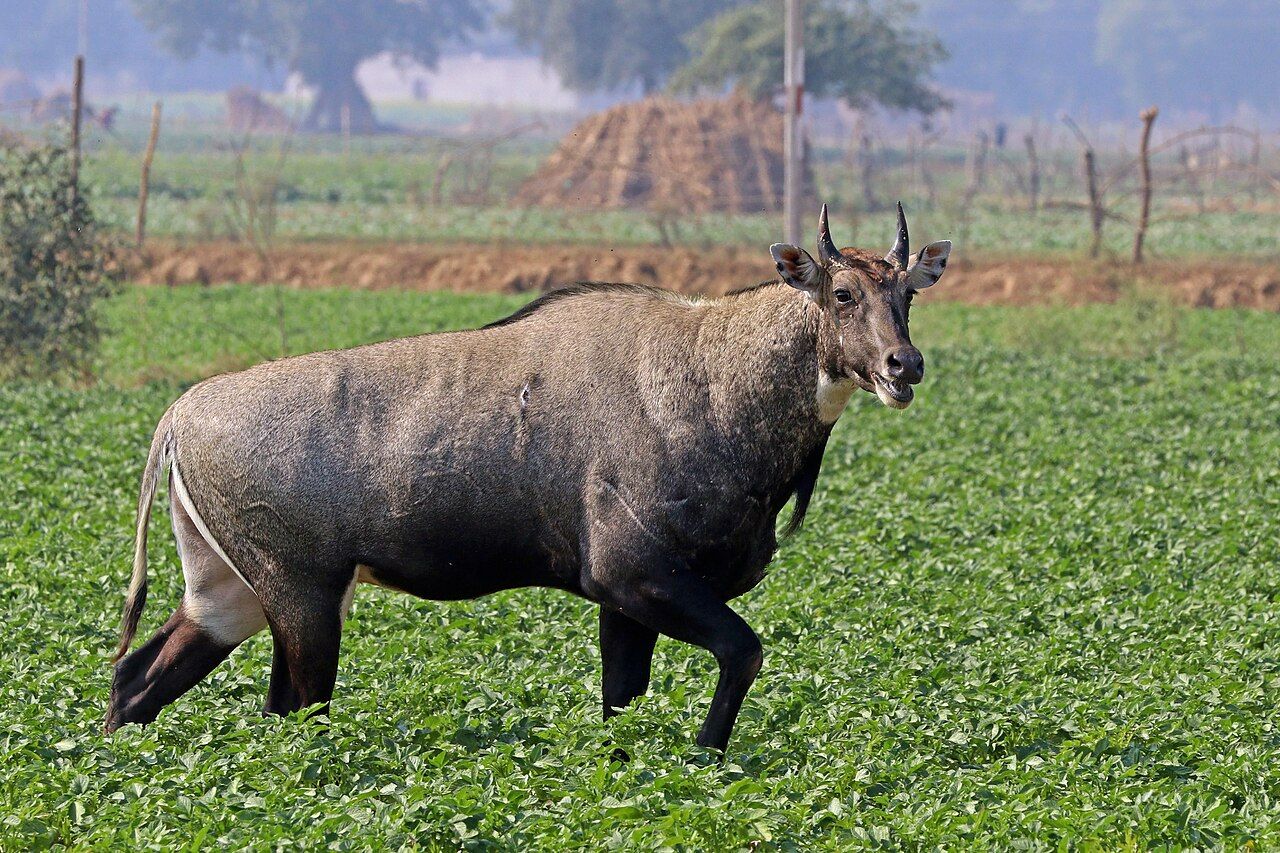
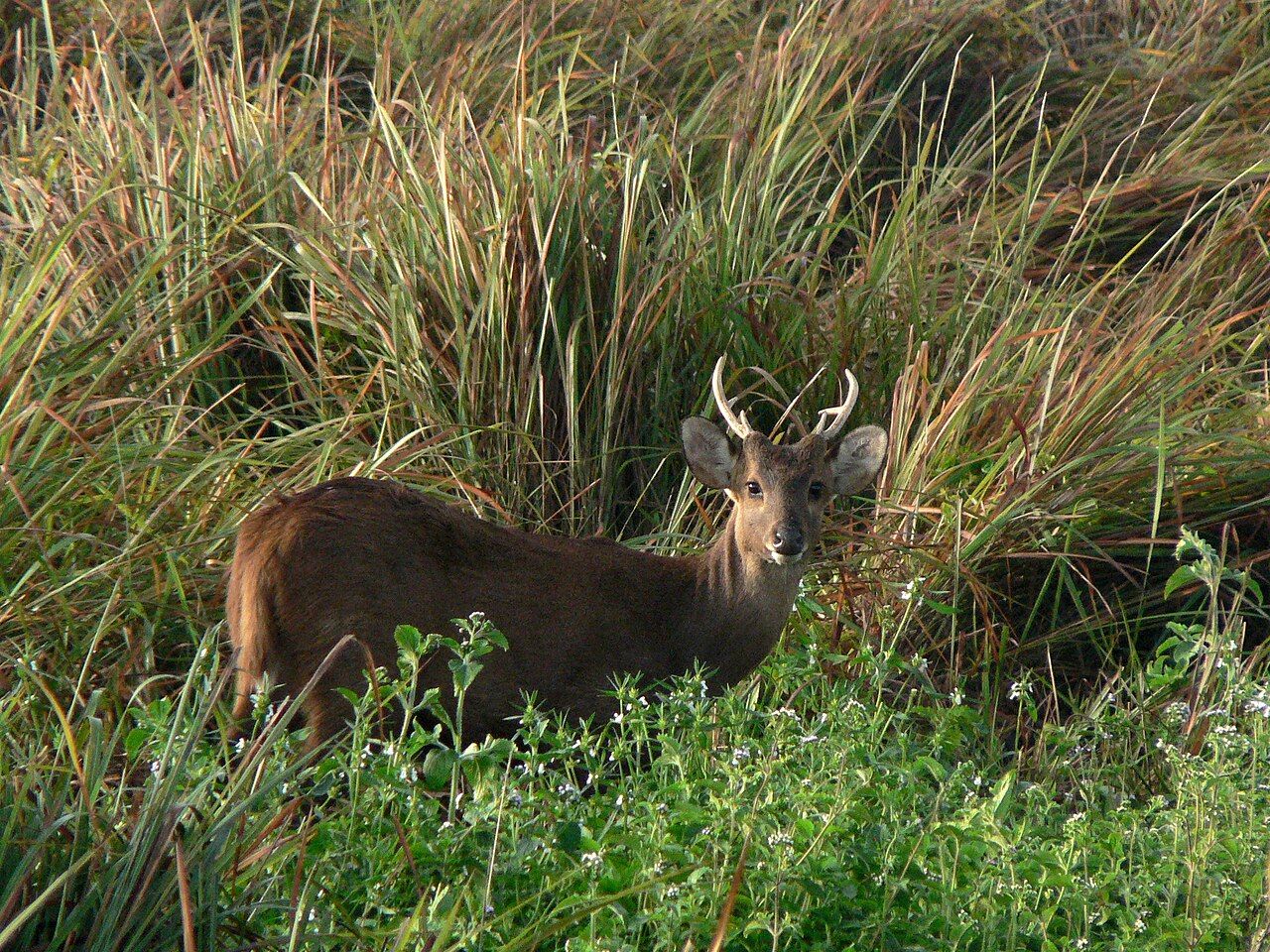
More sanctuaries and reservesTap to open
| Protected area — district | Known for |
|---|---|
| Bir Moti Bagh, Bir Bhunerheri, Bir Gurdialpura, Bir Bhadson, Bir Mehas, Bir Dosanjh — Patiala (Mehas and Dosanjh near Nabha) | Old hunting reserves (birs) of the Patiala state |
| Jhajjar Bachauli Wildlife Sanctuary — Rupnagar | Leopard area near Anandpur Sahib |
| Kathlaur Kushlian Wildlife Sanctuary — Pathankot | Near the Ravi |
| Nangal Wildlife Sanctuary — Rupnagar | Nangal reservoir; also a Ramsar site |
| Rakh Sarai Amanat Khan Conservation Reserve — Tarn Taran | Conservation reserve (was in Amritsar district before 2006) |
Abohar Wildlife Sanctuary (Fazilka) has no fence. It spreads over the land of Bishnoi villages, and the Bishnoi community protects the blackbuck there as a matter of faith.
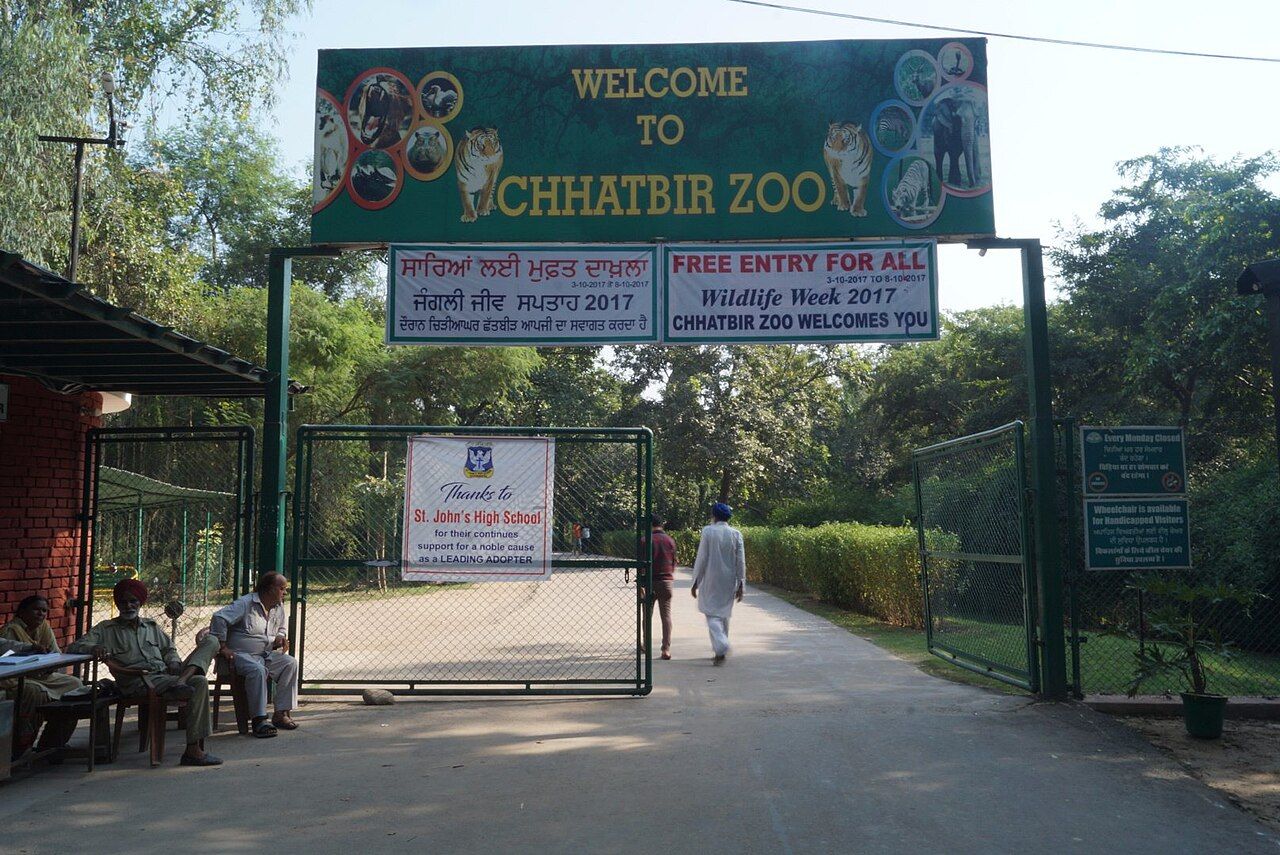
Mahendra Chaudhary Zoological Park — the largest zoo of north India, with a lion safari.
A tiger safari on the GT Road.
A deer park beside the Moti Bagh palace.
- Harike wetland
- Tarn Taran, Ferozepur and Kapurthala
- Kanjli wetland
- Kapurthala (on the Kali Bein)
- Ropar wetland
- Rupnagar (on the Sutlej)
- Keshopur-Miani Community Reserve
- Gurdaspur
- Takhni-Rehmapur Wildlife Sanctuary
- Hoshiarpur
- Bir Aishwan Wildlife Sanctuary
- Sangrur
- Abohar Wildlife Sanctuary
- Fazilka
- Chhatbir Zoo
- SAS Nagar
- Rudrasagar Lake
- Tripura — not Punjab
Pollution and the environment
Dated facts — always learn the year with the fact.
Report details and numbersTap to open
| Report (year) | What it said about Punjab |
|---|---|
| WHO air-quality database (May 2018) | Patiala was the Punjab city among the world's 20 most polluted cities (by PM2.5). |
| IQAir World Air Quality Report 2024 (released March 2025) | Mullanpur, Punjab was ranked 4th most polluted city in the world, with yearly PM2.5 above 100 µg/m³. Byrnihat (Assam–Meghalaya border) was 1st. India had 13 of the 20 most polluted cities. |
| WHO air-quality guideline (2021) | Safe yearly PM2.5 level: 5 µg/m³. Mullanpur's 2024 level was about 20 times this limit. |
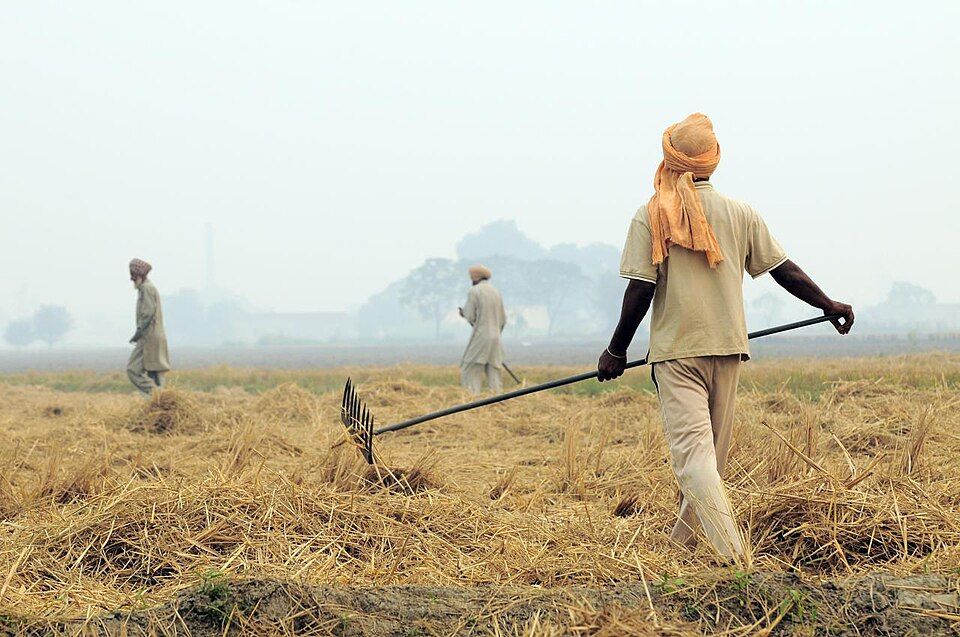
- Stubble (parali) burning of paddy straw in October–November is Punjab's biggest air-pollution problem. It also kills useful microbes and burns away organic matter in the soil.
- PAU (Punjab Agricultural University) promotes in-situ (in the field) straw management: sowing wheat straight into the stubble with the Happy Seeder, Super Seeder, PAU Smart Seeder or PAU Surface Seeder, or removing straw with balers.
More environment factsTap to open
- Mandi Gobindgarh (Fatehgarh Sahib), the "Loha Nagri", has many steel re-rolling mills and is a known industrial-pollution spot.
- India's Air Quality Index has six bands: Good, Satisfactory, Moderate, Poor, Very Poor and Severe.
- Social forestry (from 1976) plants trees on village common land, roadsides and canal banks to raise green cover — very useful in a state with so little forest.
The 42nd Amendment (1976) added Article 48-A (the State shall protect forests and wildlife) and Article 51-A(g) (citizens' duty), and moved forests and wildlife to the Concurrent List.
Also asked once: Tree Cities 2021Tap to open
Common traps
- 6% vs 3.6%: about 6% is the recorded forest area; about 3.6% is the actual forest cover.
- Largest forest district = Hoshiarpur. Mukerian is a town, not a district.
- State tree is Shisham, not Neem or Banyan. State flower is Gladiolus, not Sunflower, Jasmine or an orchid.
- State bird is the Baaz, not the Peacock (India's bird) or the Sparrow. State animal is the Blackbuck, not the Tiger (India's animal).
- Indus river dolphin = Punjab (Beas). Ganges river dolphin = India's national aquatic animal (Vikramshila, Bihar).
- Takhni-Rehmapur = Hoshiarpur. Bir Aishwan = Sangrur. Abohar = Fazilka. Chhatbir = SAS Nagar.
- IQAir 2024: Mullanpur (Punjab) was 4th in the world; Byrnihat was 1st. WHO 2018: the Punjab city was Patiala.
Quick revision
Read this the night before the exam.
- Recorded forest area: about 6%
- Actual forest cover: about 3.6% (Punjab and Haryana lowest among larger states; Haryana slightly lower)
- Most forested district: Hoshiarpur
- Kikar (Acacia nilotica) bark: tanning
- State animal: Blackbuck
- State bird: Baaz (Northern Goshawk)
- State tree: Shisham (Tahli)
- State flower: Gladiolus
- State aquatic animal: Indus river dolphin (2019)
- National tree of India: Banyan
- Ramsar sites in Punjab: 6
- Harike: Beas + Sutlej; Ramsar 1990; Tarn Taran, Ferozepur, Kapurthala
- Kanjli: Kali Bein, Kapurthala; Ramsar 2002
- Ropar: Sutlej, Rupnagar; Ramsar 2002
- 2019 sites: Keshopur-Miani, Beas Conservation Reserve, Nangal
- First community reserve of India: Keshopur-Miani (2007)
- Takhni-Rehmapur: Hoshiarpur; Bir Aishwan: Sangrur (1952)
- Abohar sanctuary: blackbuck, Bishnois, Fazilka
- Chhatbir Zoo: SAS Nagar, largest in north India
- WHO 2018: Patiala; IQAir 2024: Mullanpur 4th
Name the three Ramsar wetlands of Punjab listed before 2019, with their districts.
Show answer
Harike (1990) — Tarn Taran, Ferozepur and Kapurthala; Kanjli (2002) — Kapurthala; Ropar (2002) — Rupnagar.
What is the difference between Punjab's recorded forest area and its forest cover?
Show answer
Recorded forest area (about 6%) is land marked as forest in records. Forest cover (about 3.6%) is the land satellites actually see under trees.
Which animal is Punjab's state animal, and where is it protected?
Show answer
The blackbuck. It is protected at the Abohar Wildlife Sanctuary in Fazilka, with the help of the Bishnoi community.