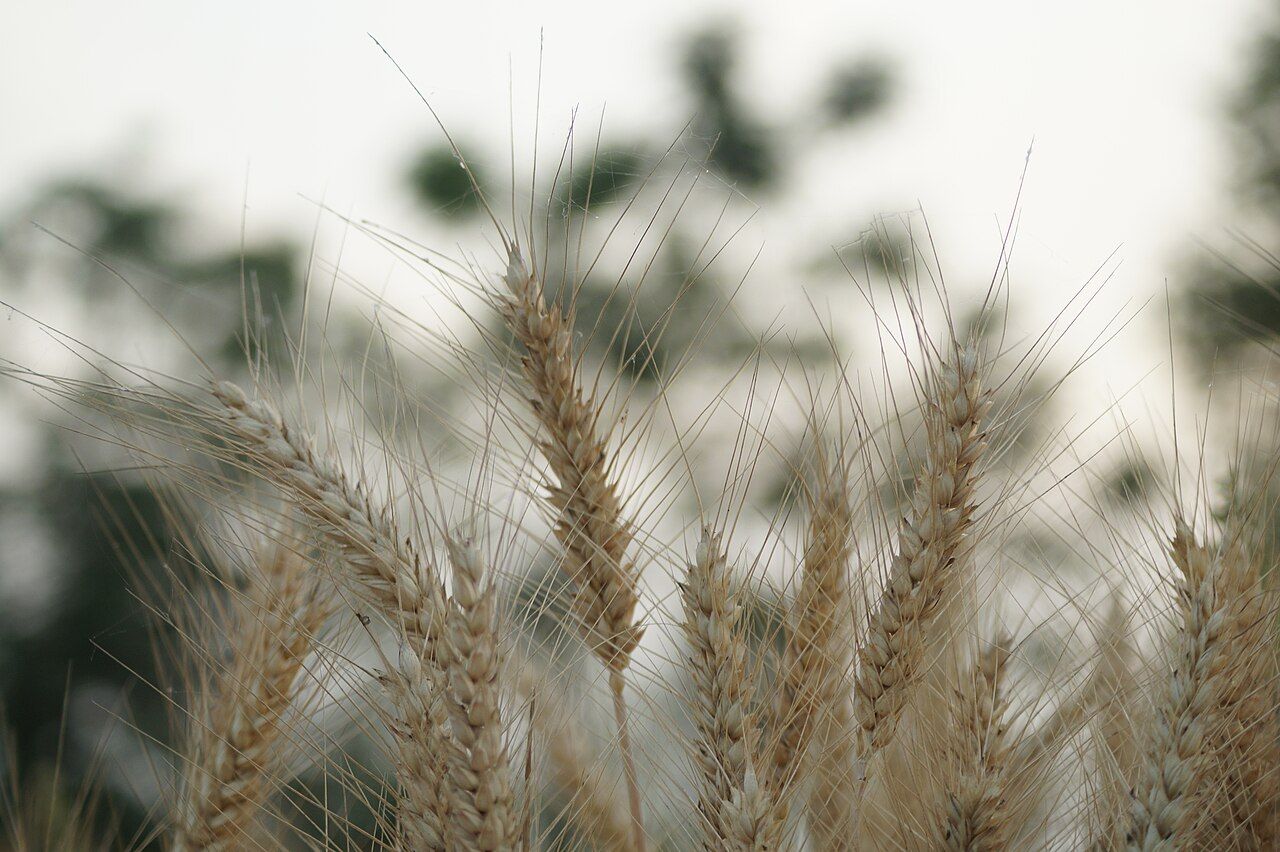
Punjab is a small state — about 1.5% of India's area — but it is famous as the Granary of India. Today its economy rests on three legs: farming, small and medium industry (Ludhiana, Jalandhar, Mandi Gobindgarh) and a growing services sector. This page covers the numbers exams ask (each with its year), the industrial towns and what they make, power plants, cooperatives and boards, and roads, rail and post. Figures change every year, so always learn them with their year.
Economy in numbers
Every figure below has a year. Never quote a dated figure as "current".
GSDP (Gross State Domestic Product) is the value of all goods and services produced in a state in one year. GSVA (Gross State Value Added) is almost the same, but it is measured sector by sector — so it is used to show the share of farming, industry and services. Example: a mill buys cotton for ₹60 and sells cloth for ₹100. The value it added is ₹40 — and that ₹40 is what GSVA counts.
- Punjab has moved away from a purely farm-based economy: the services share of output has grown and is now the largest. But agriculture is still the backbone — services have not replaced it as an employer, and industry has not shrunk because of services.
- Between 2011–12 and 2022–23, agriculture saw the largest fall in its share of rural jobs. Why: tractors and combines need fewer workers, so people moved to factories, trade and services.
- Inside industry, manufacturing is the biggest part, followed by construction.
- Punjab is a land of small and medium units. Older state figures (around 2011) counted over 1.04 lakh small and medium industries and about 600 large-scale industries.
| Indicator | Figure (year, source) |
|---|---|
| Poverty headcount ratio (share of people below the poverty line) | Rural 7.66%, Urban 9.24% (all Punjab 8.26%) — 2011–12 (Tendulkar method), quoted in Punjab Economic Survey 2023–24 |
| Road connectivity | Punjab ranked 1st in the country — State economic indicators |
| Share in central-pool procurement | Wheat 46.24%, rice 31.22% — 2023–24, Punjab Economic Survey 2023–24 |
| Milk available per person | 1,245 g/day (India 471 g) — 2023–24, NDDB |
| Share of India's milk output | about 10% in the 2000s; about 6% now — Older books give 10% |
| Share in central taxes | about 1.8% under the 15th Finance Commission (2021–26) — Older books give 1.577% — the 14th Finance Commission (2015–20) |
Revenue and taxes
Where the Punjab government's own money comes from.
- The largest part of Punjab's own tax revenue comes from State GST (SGST).
- Other big sources: state excise (tax on liquor), VAT on petrol, diesel and liquor, and stamp duty and registration fees on property.
- Excise Policy 2025–26: targeted excise revenue of about ₹11,020 crore.
- Punjab also gets a share of central taxes, fixed by the Finance Commission: about 1.8% under the 15th Finance Commission (2021–26). Older books give 1.577% — that was the 14th Finance Commission (2015–20).
After GST came in, excise duty stayed only on a few goods. The state levies excise on alcohol; the Centre's excise is now mainly on petroleum and tobacco.
Industrial towns
The most asked part of this topic. Learn the town → product pairs.
| Town | District | Known for |
|---|---|---|
| Ludhiana | Ludhiana | Hosiery and woollens, knitwear, bicycles (Hero, Avon), sewing machines, auto parts — "Manchester of Punjab" (exam papers also say "Manchester of India") |
| Jalandhar | Jalandhar | Sports goods, leather, hand tools, surgical instruments |
| Mandi Gobindgarh | Fatehgarh Sahib | Steel re-rolling mills — the largest number in Punjab; "Loha Nagri" (steel town) |
| Batala | Gurdaspur | Iron foundries, agricultural machinery |
| Amritsar | Amritsar | Textiles and shawls, papad-warian, food processing |
| Bathinda | Bathinda | Guru Gobind Singh Refinery; thermal power; solar plant |
| Rajpura | Patiala | Integrated Manufacturing Cluster (IMC); Nabha Power thermal plant |
| Malout | Sri Muktsar Sahib | Cooperative cotton spinning mill; cotton belt (with Abohar) |
| Khanna | Ludhiana | Biggest grain market (anaj mandi) of Punjab, among the largest in Asia |
Named for its heavy industrialisation (industrialization) — hosiery, woollens, cycles — like Manchester, England's textile city. Exams often say "Manchester of India"; in all-India GK that title usually goes to Ahmedabad.
Steel town: the largest cluster of steel rolling mills in Punjab.
Cricket, hockey and football gear, sold across the world.
Punjab's largest anaj mandi, among the largest in Asia.
More industrial townsTap to open
| Town | District | Known for |
|---|---|---|
| Phagwara | Kapurthala | Sugar mill, JCT textiles |
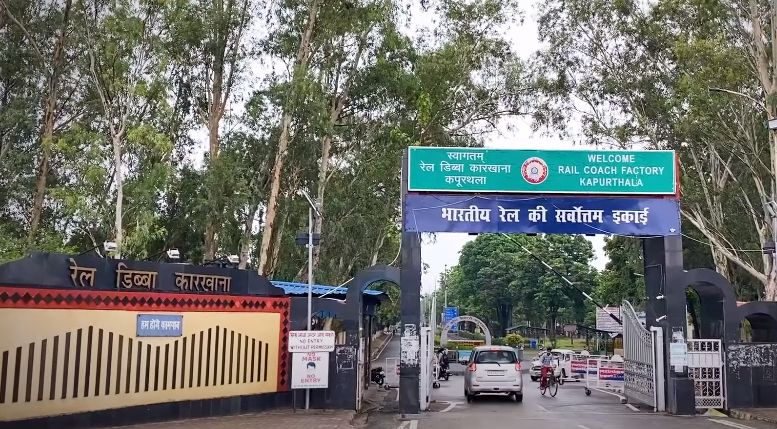
| Kapurthala | Kapurthala | Rail Coach Factory (1986) |
| Nangal | Rupnagar | NFL fertiliser plant |
| Mohali / Derabassi | SAS Nagar | IT, pharma; state Biotechnology Park |
| Hoshiarpur | Hoshiarpur | Wood inlay craft; Sonalika tractors |
| Kartarpur / Malerkotla | Jalandhar / Malerkotla | Furniture / badges and embroidery |
| Mukerian | Hoshiarpur | Paper mill; Mukerian hydel project |
| Verka | Amritsar | First Milkfed dairy plant (brand Verka) |
| Moga | Moga | Nestlé plant |
| Goindwal Sahib | Tarn Taran | Industrial focal point; Guru Amardas thermal plant |
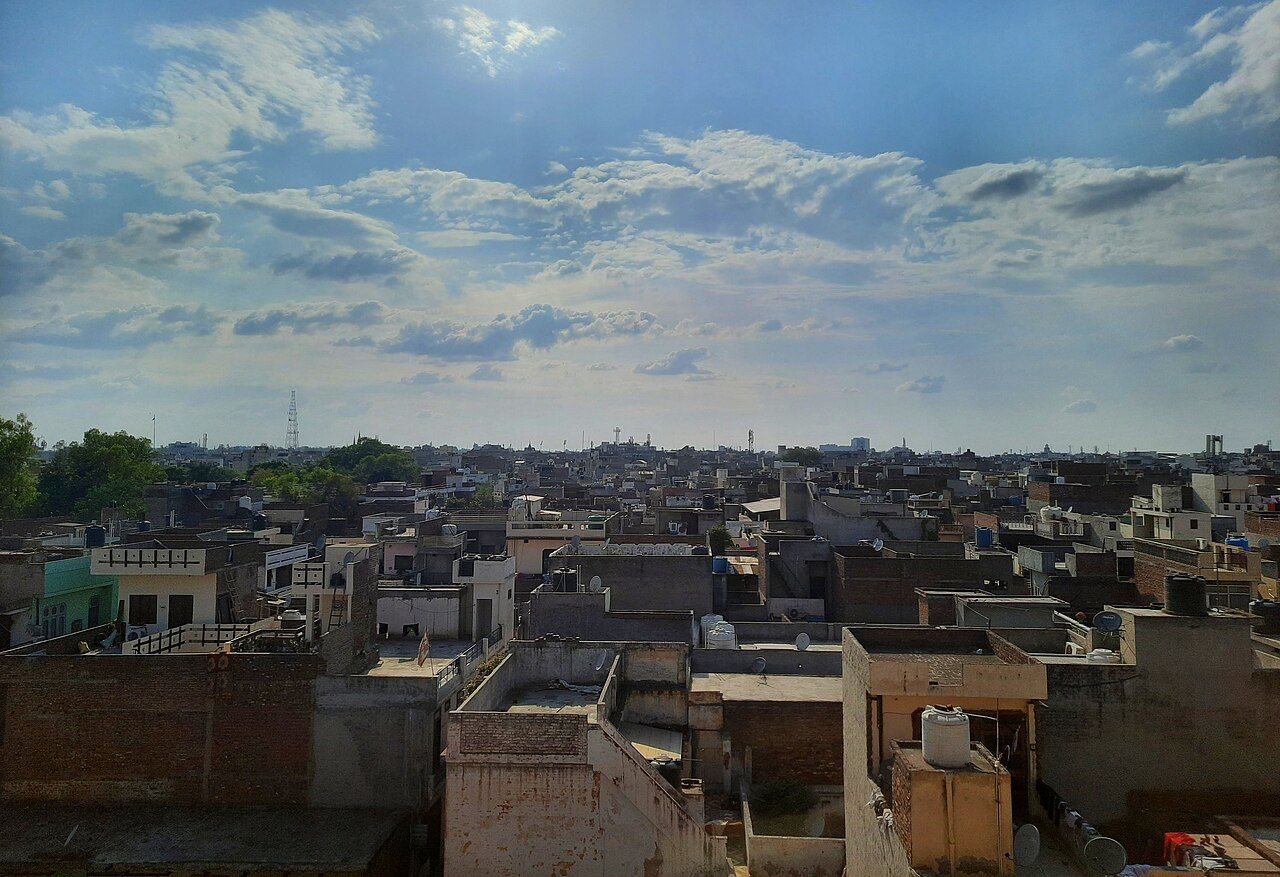
"Ludhiana Looms, Jalandhar Jumps, Gobindgarh Grinds, Batala Burns" — Ludhiana knits (hosiery), Jalandhar makes sports goods, Mandi Gobindgarh rolls steel, Batala melts and casts iron (foundry).
- Ludhiana
- Hosiery, woollens, bicycles — "Manchester of Punjab"
- Jalandhar
- Sports goods, leather, hand tools
- Mandi Gobindgarh
- Most steel re-rolling mills — "Loha Nagri"
- Batala
- Iron foundries, farm machinery
- Khanna
- Biggest grain market (anaj mandi) of Punjab
- Malout
- Cooperative cotton spinning mill
- Rajpura
- Integrated Manufacturing Cluster (IMC)
- Bathinda (Phulokhari)
- Guru Gobind Singh Refinery — HMEL, 2012
- Kapurthala
- Rail Coach Factory (1986)
- Verka (Amritsar)
- First Milkfed dairy plant — brand Verka
Big projects and policies
| Project | Place | Key facts |
|---|---|---|
| Guru Gobind Singh Refinery | Phulokhari, near Talwandi Sabo, Bathinda | Run by HMEL (HPCL–Mittal Energy Ltd, a joint venture); commissioned 2012; about 11.3 million tonnes a year |
| Integrated Manufacturing Cluster (IMC) | Rajpura (Patiala) | On the Amritsar–Kolkata Industrial Corridor (a planned belt of industry along the route from Amritsar to Kolkata), near the Eastern Dedicated Freight Corridor (a goods-only railway line) |
| Rail Coach Factory | Kapurthala | Makes railway coaches; set up 1986 |
| Patiala Locomotive Works (PLW) | Patiala | Railway locomotive works; earlier called Diesel Loco Modernisation Works (DMW) |
| NFL fertiliser plant | Nangal (Rupnagar) | Fertiliser |
| Biotechnology Park | Mohali | A public–private partnership (PPP) project |
| First megawatt-scale solar plant of India | Awan village, Amritsar | Azure Power, grid-connected, December 2009 |
- 1974First thermal plant
Guru Nanak Dev Thermal Plant, Bathinda. It stopped running in September 2017 and was formally closed from 1 January 2018.
- 1986Rail Coach Factory, Kapurthala
- 2009Three policies and a solar first
Industrial Policy 2009, Punjab Special Economic Zone (SEZ) Act 2009, Agro-Industrial Policy 2009; Awan solar plant (Dec).
- 2012Refinery and NRSE Policy
Guru Gobind Singh Refinery, Bathinda; New and Renewable Sources of Energy (NRSE) Policy 2012.
- 2013New Industrial Policy
Replaced the 2009 policy.
- Policy years: Agro-Industrial Policy = 2009 and NRSE Policy = 2012 are right. The Industrial Policy before 2013 was of 2009, not 2007, and the Punjab SEZ Act is 2009, not 2008.
- The refinery is at Bathinda (Phulokhari) — not Barnala, Sangrur, Mansa or Patiala.
- The IMC is at Rajpura — not Mohali, Ludhiana or Mandi Gobindgarh.
- Malout = cotton mill; Mukerian = paper mill and hydel; Verka = dairy; Goindwal Sahib = industrial focal point.
Agriculture: the backbone
The farm facts that economy questions use. Full detail: Climate, soils and agriculture.
- Punjab is called the Granary of India (or bread basket) because of its huge output of wheat and rice, sent to the central pool.
- The Green Revolution of the mid-1960s had its earliest and greatest success in Punjab: high-yielding wheat, tubewells, fertiliser, assured MSP and PAU Ludhiana (1962).
- With about 1.5% of India's area, Punjab gave 46.24% of central-pool wheat and 31.22% of rice in 2023–24.
- About 99% of the cropped area is irrigated. The main sources are tubewells (about 72%) and canals (about 28%).
- Punjab has the highest tractor density in India and one of the highest fertiliser uses per hectare.
- The wheat–paddy cycle is the base of farming. Cotton grows in the Malwa belt (Bathinda, Mansa, Fazilka, Sri Muktsar Sahib).
Crop seasons tableTap to open
| Crop | Season | Main area in Punjab |
|---|---|---|
| Wheat | Rabi (winter) | Whole state — the main rabi crop |
| Barley, gram, mustard | Rabi | Scattered; mustard and gram are small now |
| Rice (paddy) | Kharif (monsoon) | Whole state, above all the central plain |
| Basmati | Kharif | Majha (Amritsar, Tarn Taran, Gurdaspur) |
| Cotton | Kharif | Malwa cotton belt — Bathinda, Mansa, Fazilka, Sri Muktsar Sahib |
| Maize | Kharif | Hoshiarpur and the Kandi belt |
| Sugarcane | Planted Feb–March | Northern districts, near sugar mills |
| Kinnow | Fruit | Abohar–Fazilka, Hoshiarpur |
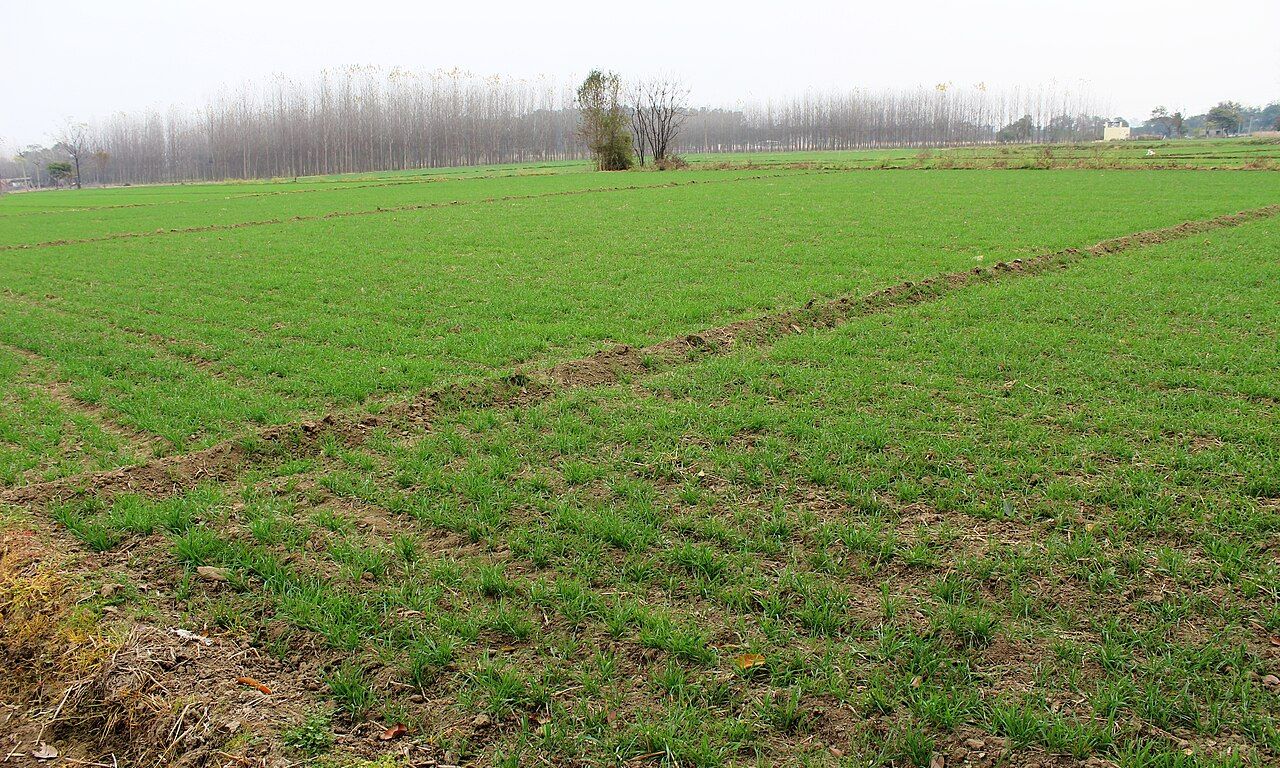
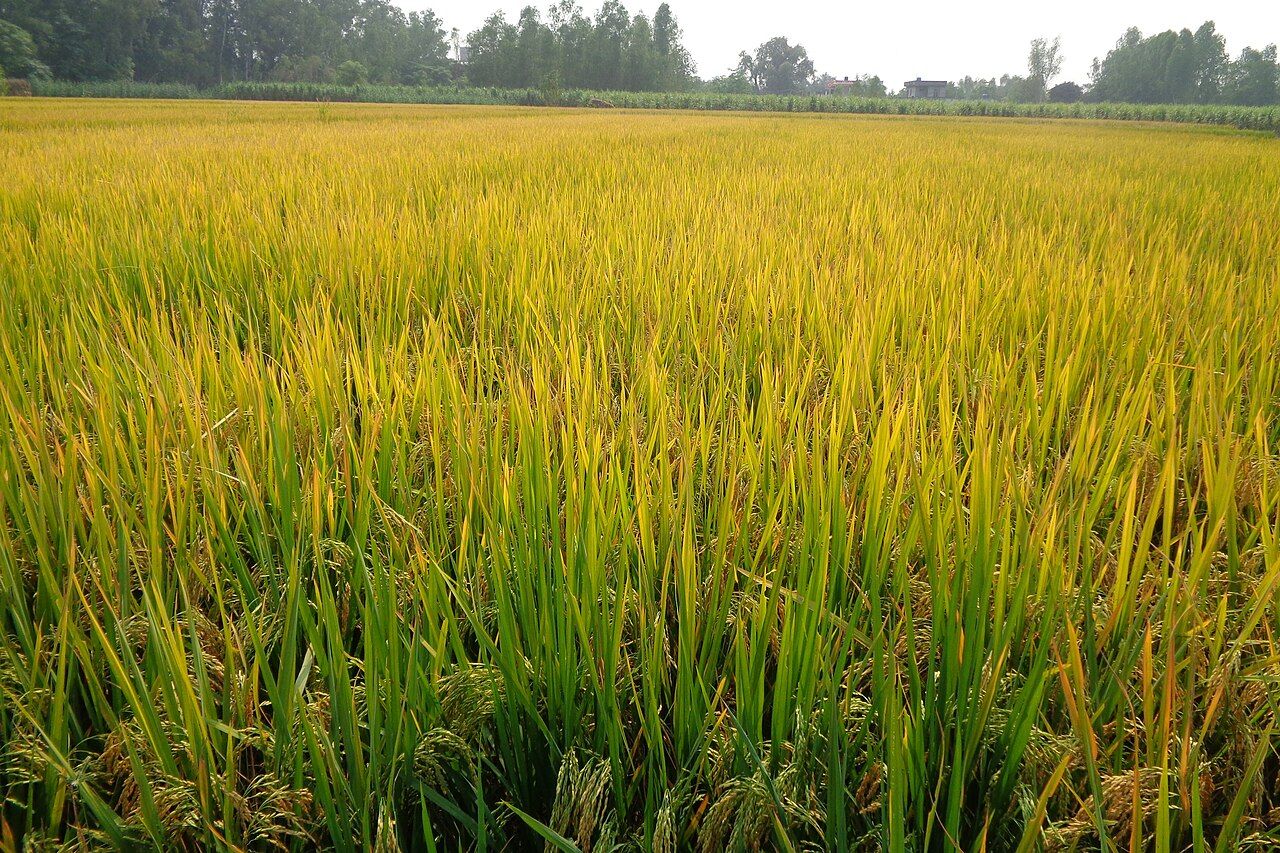
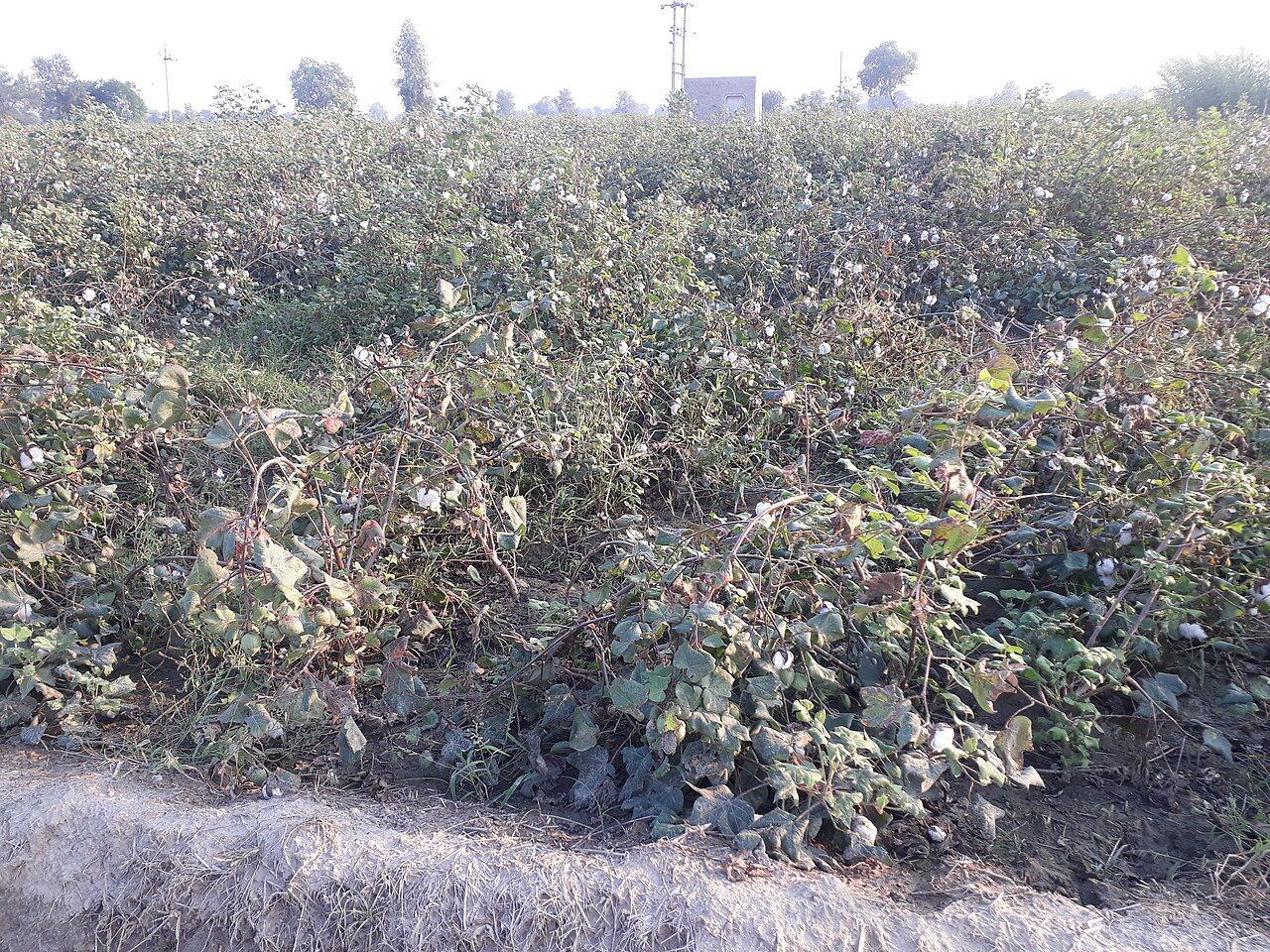
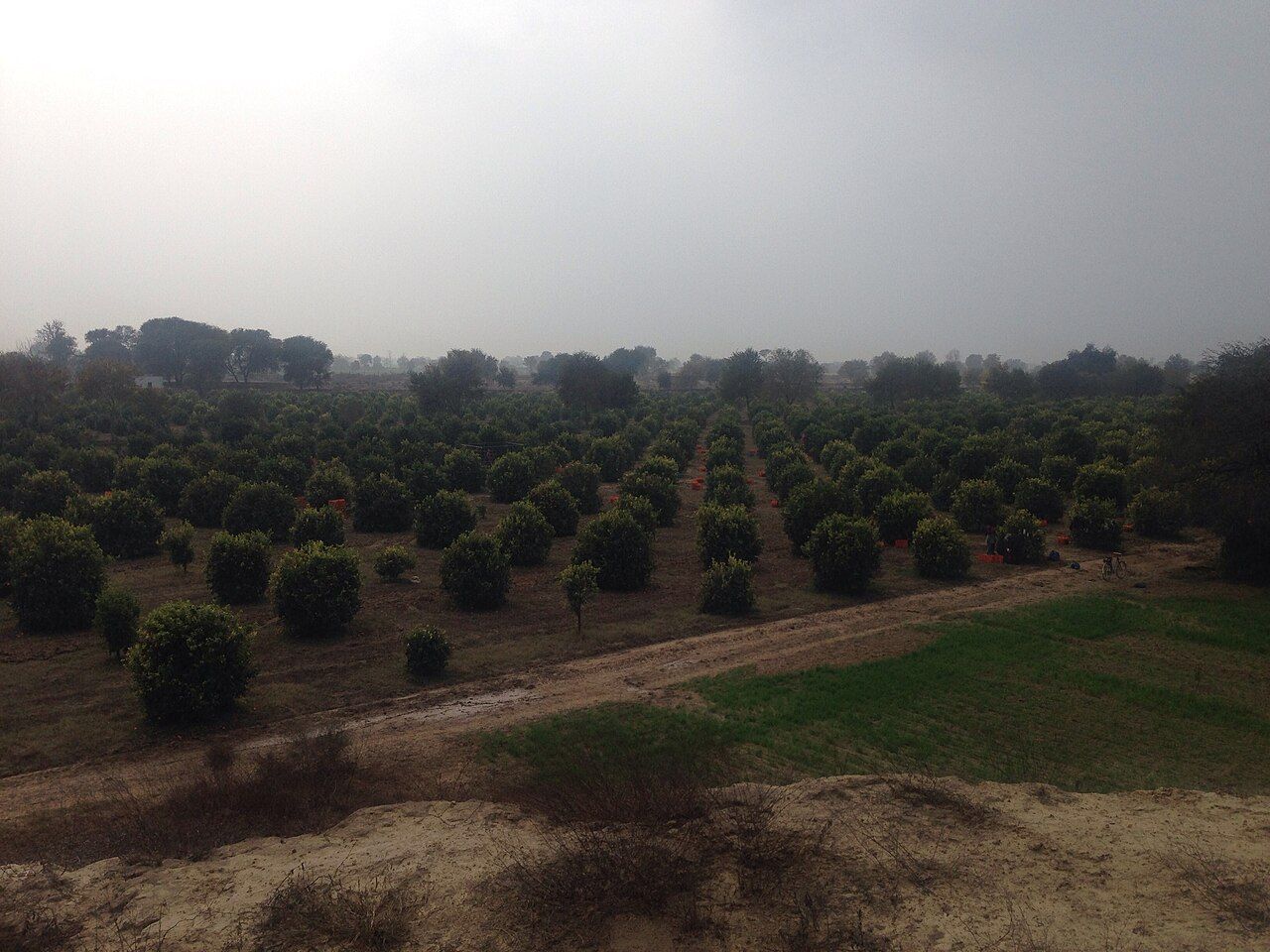
Wheat is rabi (winter). Rice, cotton and maize are kharif (rainy season). So in a "crop – season" pair, only Wheat – Rabi is correct among these four.
Dairy: Punjab gave about 10% of India's milk in the 2000s (now about 6%), but it still has one of the highest milk supplies per person — 1,245 g a day in 2023–24.
Minerals and power
Few minerals, so power comes from coal plants, dams and the sun.
Punjab is an alluvial plain (land made of river silt), so it has very few minerals. Its best-known mineral is saltpetre (shora, potassium nitrate). There is also some kankar, limestone, sand and brick earth. There is no coal, iron ore, gold or oil. So Punjab's power comes from coal-based thermal plants, hydel (water-power) projects and its share in BBMB dams.
All power plants (table)Tap to open
| Power plant | Type | Place | Capacity |
|---|---|---|---|
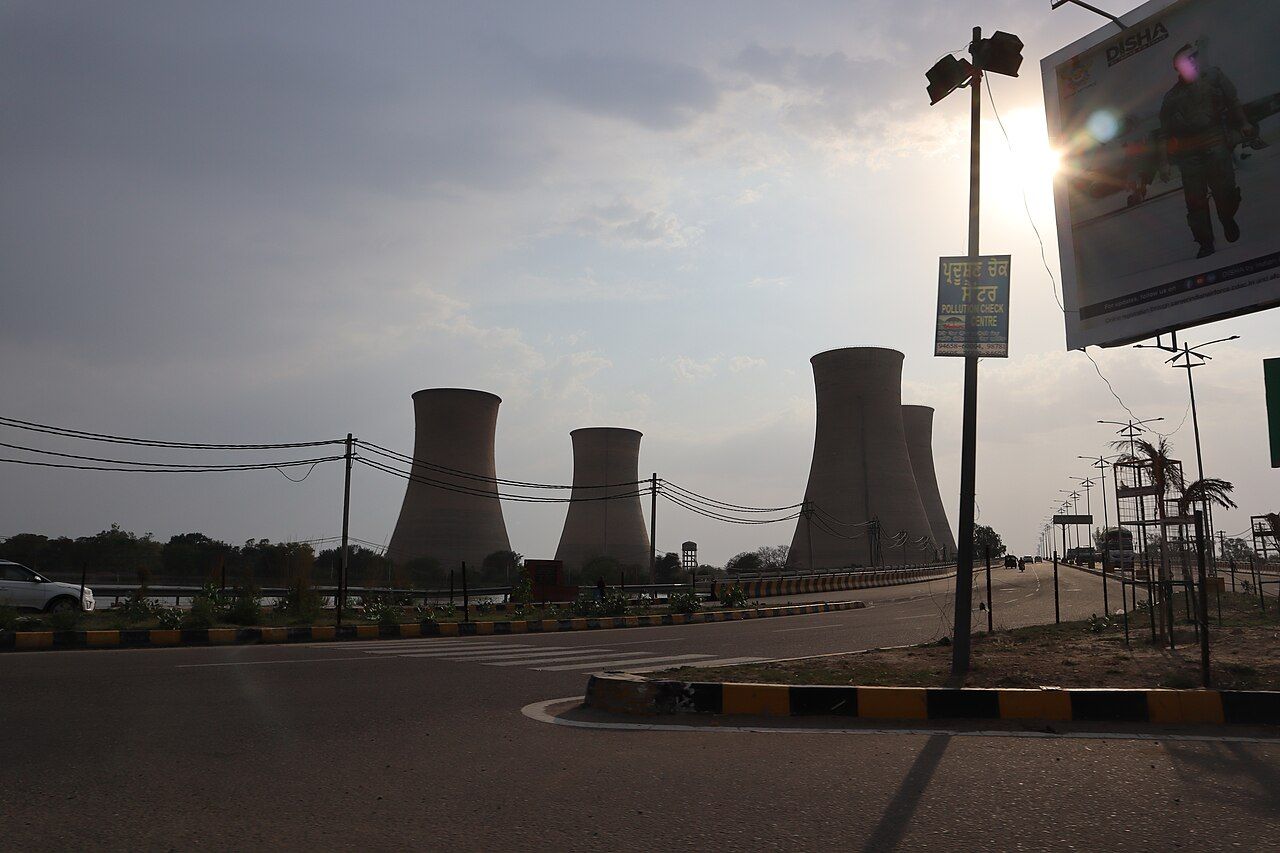
| Guru Nanak Dev Thermal Plant | Thermal (PSPCL) | Bathinda | 440 MW — the first (1974); stopped Sept 2017, formally closed 1 Jan 2018 |
| Guru Gobind Singh Super Thermal Plant | Thermal (PSPCL) | Ghanauli, Rupnagar (Ropar) | 1,260 MW |
| Guru Hargobind Thermal Plant | Thermal (PSPCL) | Lehra Mohabbat, Bathinda | 920 MW |
| Talwandi Sabo Power (Vedanta) | Thermal, private | Banawala, Mansa | 1,980 MW — the largest |
| Nabha Power (L&T) | Thermal, private | Rajpura, Patiala | 1,400 MW |
| Guru Amardas Thermal Plant | Thermal (bought by PSPCL in 2024) | Goindwal Sahib, Tarn Taran | 540 MW |
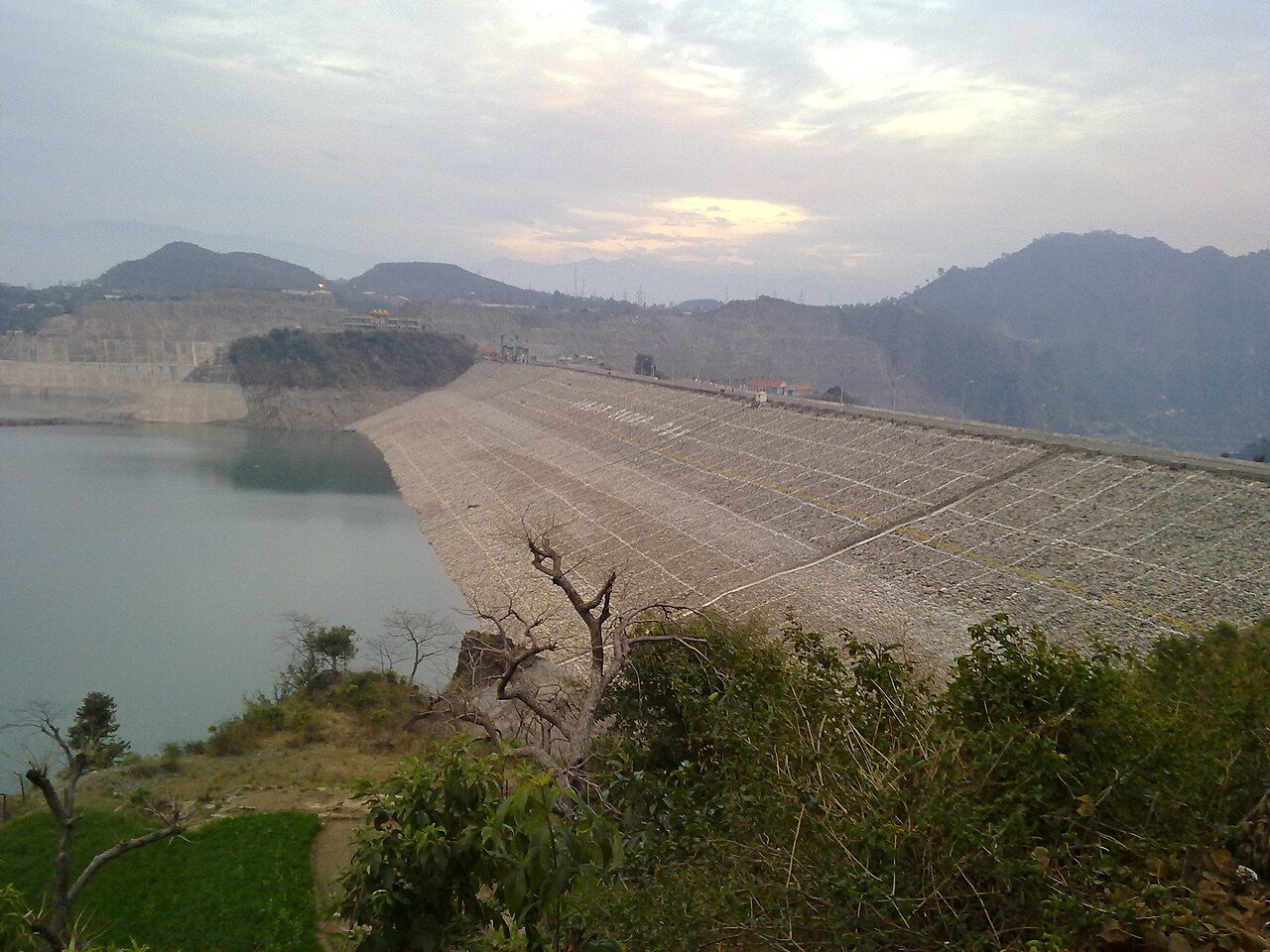
| Ranjit Sagar Dam | Hydel | Ravi, Pathankot | 600 MW |
| Mukerian Hydel | Hydel | Beas (Shah Nehar), Hoshiarpur | 207 MW |
| Anandpur Sahib Hydel | Hydel | Sutlej channel, Rupnagar | 134 MW |
| Shanan Power House | Hydel | Joginder Nagar (HP), owned by Punjab | 110 MW (built 1932) |
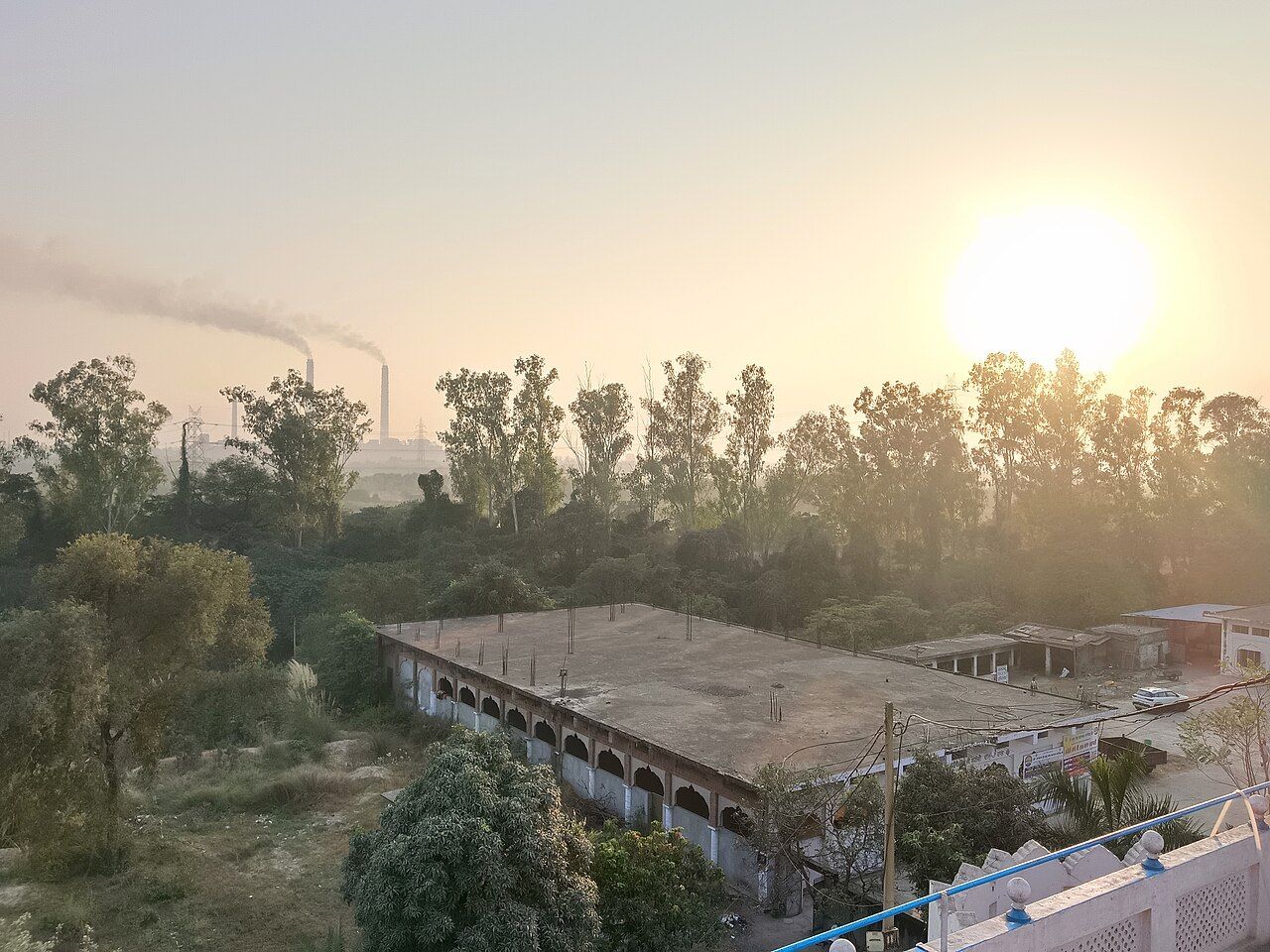
- Awan village, Amritsar: India's first megawatt-scale solar power plant (Azure Power, December 2009).
- Sardargarh, Bathinda: 100 MW Adani solar plant — the largest in Punjab when it came up (2015–16).
- Large solar parks are also in Fazilka and Sri Muktsar Sahib.
- PEDA (Punjab Energy Development Agency, 1991) is the nodal agency for renewable energy.
- There is no nuclear power plant in Punjab.
- Main mineral = saltpetre. Coal, gold and iron are wrong options.
- First solar plant = Awan (Amritsar). Bathinda has the big 100 MW plant, not the first one.
- Oldest thermal plant = Bathinda (1974); largest = Talwandi Sabo (Mansa).
Cooperatives and boards
Name → full form → job. Brand names are asked too.
All corporations and boardsTap to open
| Body | Year | What it does |
|---|---|---|
| Markfed — Punjab State Cooperative Supply and Marketing Federation | 1954 | Asia's largest cooperative marketing federation; grain procurement, fertiliser, food processing; brand Sohna |
| Milkfed — Punjab State Cooperative Milk Producers' Federation | 1973 | Dairy; brand Verka (first plant at Verka village, Amritsar) |
| Sugarfed — Punjab State Federation of Cooperative Sugar Mills | 1972 | Runs the cooperative sugar mills |
| PUNSUP — Punjab State Civil Supplies Corporation | 1974 | Grain procurement and the public distribution system (PDS) |
| PUNSEED | 1976 | Seeds |
| Punjab Mandi Board (State Agricultural Marketing Board) | 1961 | Runs the regulated mandis under the Punjab Agricultural Produce Markets Act 1961 |
| Punjab State Warehousing Corporation | 1957 | Storage of grain |
| PSIEC — Punjab Small Industries and Export Corporation | 1962 | Builds industrial estates (focal points) |
| PSIDC — Punjab State Industrial Development Corporation | 1966 | Industrial finance |
| PAIC — Punjab Agro Industries Corporation | 1966 | Agro-industry |
| PAFC — Punjab Agro Foodgrains Corporation | — | Nodal body for contract farming |
| PSPCL / PSTCL | 2010 | Power generation-distribution / transmission; took over from the Punjab State Electricity Board (1959) |
| PEDA | 1991 | Renewable energy |
| PRTC — Pepsu Road Transport Corporation | — | State bus service, headquartered at Patiala |
| PUDA | 1995 | Urban development |
| PIDB — Punjab Infrastructure Development Board | 1998 | Nodal agency for infrastructure; set up in 1998, now works under the Punjab Infrastructure (Development and Regulation) Act, 2002 |
| Punjab & Sind Bank | 1908 | Founded at Amritsar by Bhai Vir Singh, Sir Sunder Singh Majithia and Sardar Tarlochan Singh; nationalised 1980; HQ now New Delhi |
The officer who registers a cooperative society and issues its registration certificate under the Punjab Co-operative Societies Act, 1961. The Registrar also approves the by-laws (the society's rules) and any change in them, and looks after audit, inquiries and winding up.
- Punjab Co-operative Societies Act, 1961 — the key rules:
- At least 10 persons to register a society
- A member must be above 18 years
- Registrar registers and gives the certificate
- By-laws take effect only after the Registrar approves them
- Every member votes in person — one member, one vote
- StatePunjab State Cooperative BankApex (top) bank at state level
- DistrictDistrict Central Cooperative BanksOne level down, in the districts
- VillagePrimary Agricultural Credit SocietiesLend to farmers in the village
"10 – 18 – 1": 10 people to register, 18 years to be a member, 1 member = 1 vote, given in person.
- The registration certificate is issued by the Registrar — not the Deputy Registrar, Assistant Registrar or a Secretary.
- By-laws are approved by the Registrar, not by the general body alone.
- Voting is in person — not by proxy and not through a nominee.
- Minimum members = 10 (not 5, 8 or 15); minimum age = above 18 (not 21 or 25).
Roads, railways and post
| NH (new no.) | Route in and from Punjab |
|---|---|
| NH-3 | Starts at Attari → Amritsar → Jalandhar → Hoshiarpur → Himachal Pradesh → Leh |
| NH-7 | Starts at Fazilka (Punjab border) → runs to Mana in Uttarakhand |
| NH-44 | India's longest north–south highway (Srinagar–Kanyakumari); passes Jalandhar and Ludhiana in Punjab |
| NH-54 | Pathankot → Amritsar → Bathinda |
- Roads: Punjab ranks 1st in the country in road connectivity. Almost every village is linked by a metalled (pucca) road.
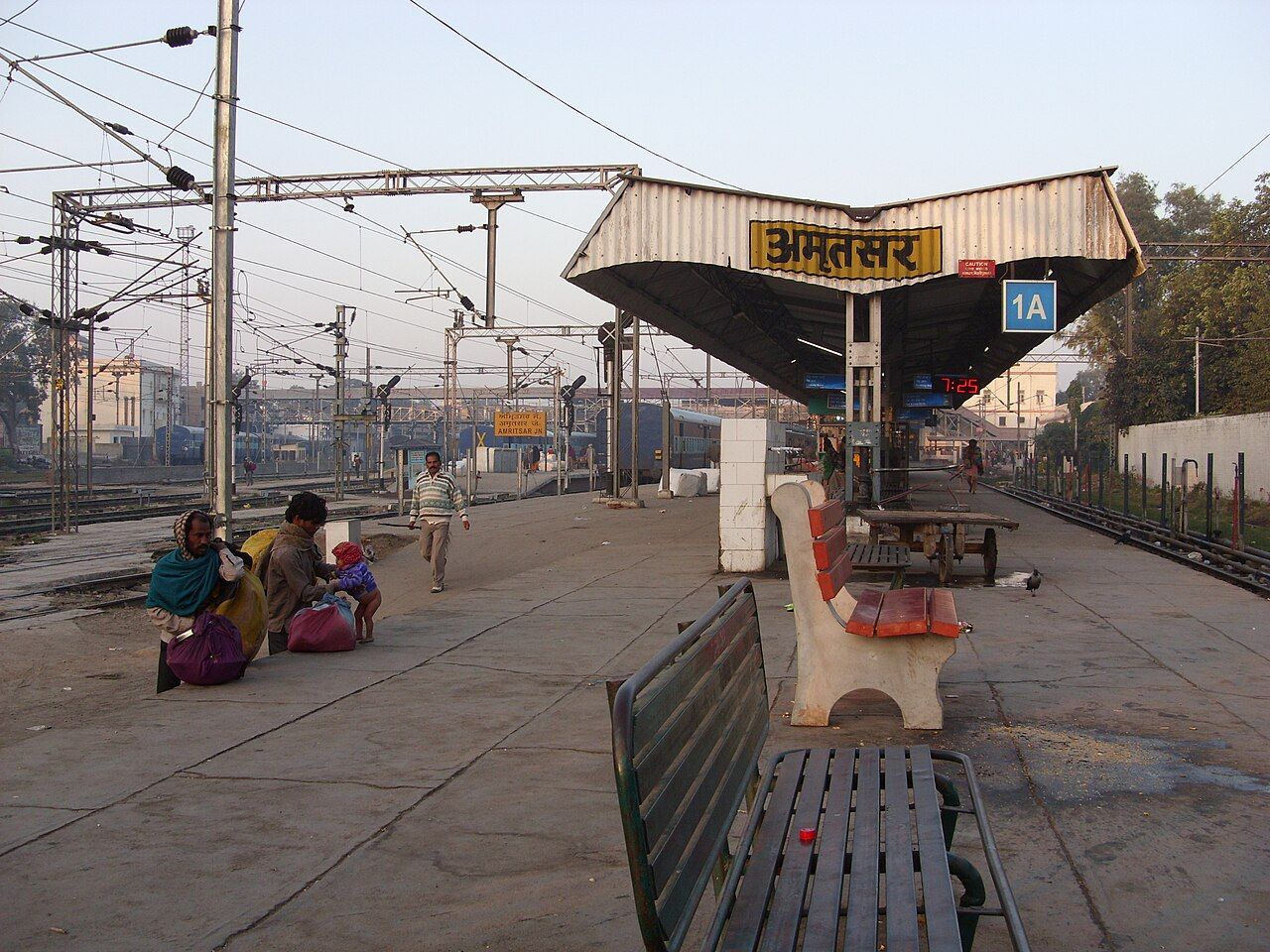
- Railways: Punjab's first line was Amritsar–Lahore–Multan. Work began in 1859 — the same year construction of the Amritsar railway station began. The Amritsar–Lahore section opened in 1862.
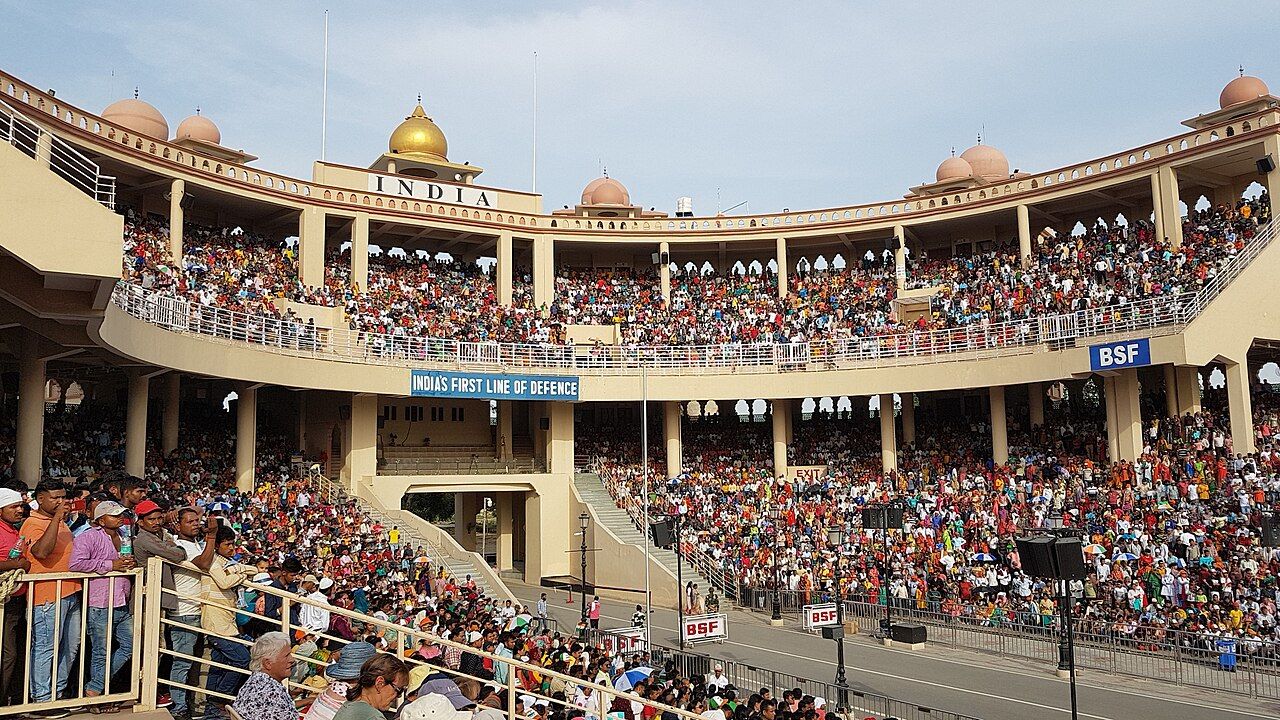
- Bathinda is Punjab's biggest railway junction. Attari is the last Indian station before Lahore.
- Post: in 2021–22, one post office in Punjab served about 7,232 people on average.
Common traps
- Ludhiana is the answer when a Punjab paper asks for the "Manchester of India" (better: Manchester of Punjab) — because of industrialisation, not PAU or population density. Not Jalandhar or Amritsar.
- Sports goods = Jalandhar; steel = Mandi Gobindgarh; hosiery and cycles = Ludhiana.
- Biggest grain market = Khanna, not Moga, Phagwara or Rayya.
- Poverty (2011–12): rural 7.66%, urban 9.24% — urban is higher. 8.26% is the figure for all Punjab together.
- Punjab has the highest tractor density — so "second largest tractor population" is the wrong statement.
- Industry gives about one-third of jobs but only about one-fourth of GSVA.
- Do not quote GSDP, per-capita income or excise targets as "current" — always add the year.
Quick revision
Read this the night before the exam.
21 one-line facts for the night beforeTap to open
- GSDP: ~₹8.9 lakh crore (2025–26 revised)
- Per-capita income: ~₹2.3 lakh (2025–26); 1st in 1981
- GSVA: agri ~25%, industry ~25%, services ~50%
- Workforce in agriculture: ~25% (Economic Survey 2023–24)
- Workforce in services: ~38% (PLFS 2020–21)
- Industry: ~one-third of jobs
- Largest own tax: State GST
- Excise target 2025–26: ~₹11,020 crore
- Poverty (2011–12): rural 7.66%, urban 9.24%
- Road connectivity: Punjab 1st
- Post office: ~7,232 people each (2021–22)
- Manchester of Punjab ("of India" in exams): Ludhiana
- Sports goods: Jalandhar
- Steel rolling mills: Mandi Gobindgarh
- Refinery: Bathinda (HMEL, 2012)
- IMC: Rajpura
- Cotton mill: Malout
- Biggest grain market: Khanna
- First MW solar plant: Awan, Amritsar (2009)
- Main mineral: saltpetre
- Co-op society: 10 persons, 18+ age, vote in person
Why is Ludhiana called the Manchester of Punjab (or "of India" in exam papers), and what does Jalandhar make?
Show answer
Ludhiana is heavily industrialised — hosiery, woollens and bicycles — like Manchester in England. Jalandhar is famous for sports goods.
Who registers a cooperative society in Punjab, and how many persons are needed?
Show answer
The Registrar of Cooperative Societies registers it and issues the certificate. At least 10 persons are needed, each above 18, and every member votes in person.
Which Punjab industrial policies and acts date from 2009 and 2012?
Show answer
2009: Industrial Policy, Punjab SEZ Act and Agro-Industrial Policy. 2012: New and Renewable Sources of Energy (NRSE) Policy.